Artwork
Portrait of Grand Prince Konstantin Pavlovich (1779-1831)
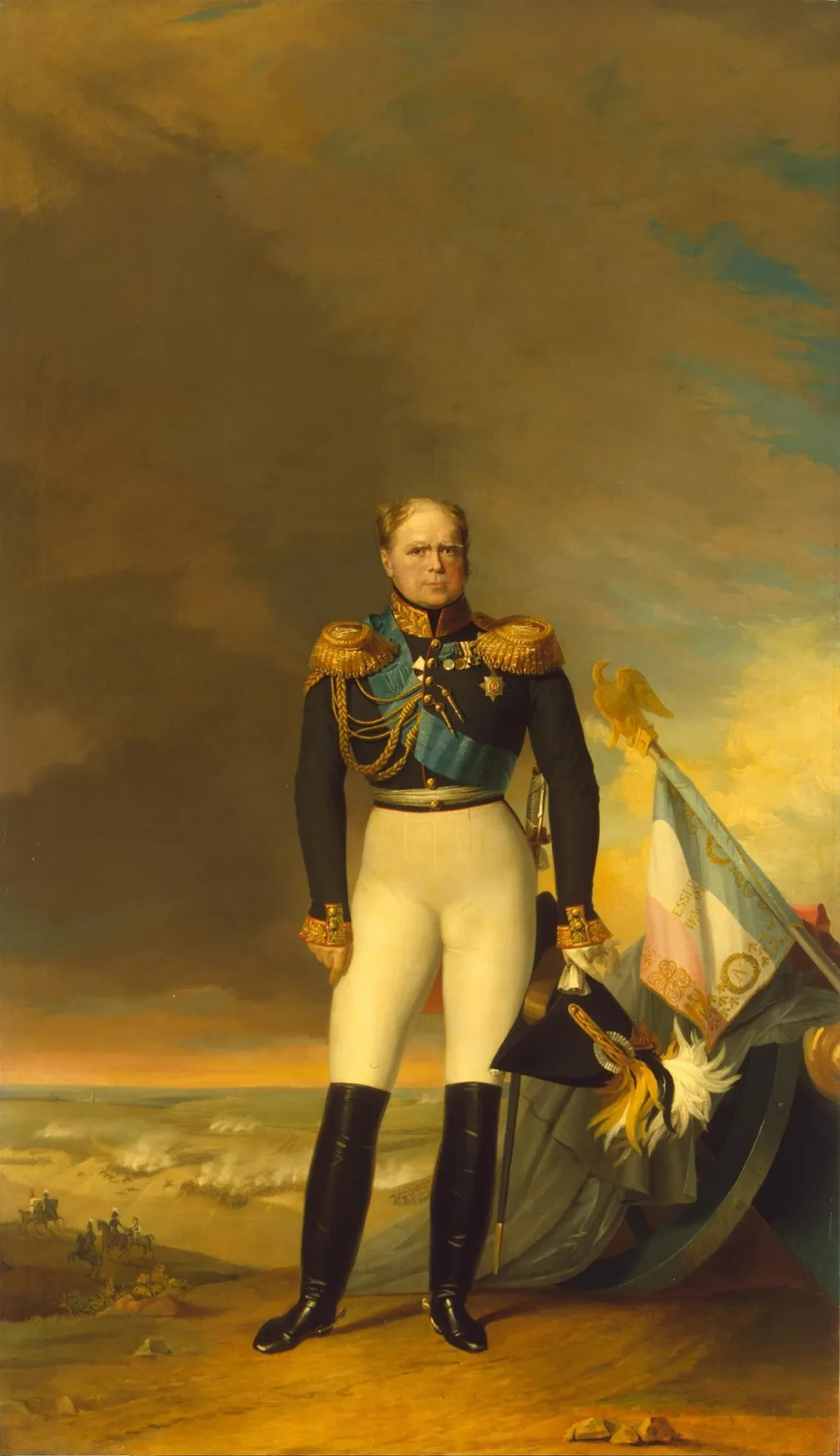
Portrait of Grand Prince Konstantin Pavlovich (1779-1831) is an oil painting by George Dawe. It is held in the collection of the Hermitage Museum.
About this work
Overview
Painted in 1834 by the English artist George Dawe, this oil portrait captures Grand Prince Konstantin Pavlovich, a senior member of the Russian imperial family.
Painted in 1834 by the English artist George Dawe, this oil portrait captures Grand Prince Konstantin Pavlovich, a senior member of the Russian imperial family. Dawe, who relocated to Saint Petersburg in 1819, became a prominent figure in Russian court portraiture. The work is held in the State Hermitage Museum, where it forms part of a larger series documenting Russian military leaders commissioned by the state.
Subject & Meaning
The portrait presents Konstantin Pavlovich in full military regalia, emphasizing his role as a high-ranking officer rather than a political ruler. His stern expression and elaborate decorations convey authority and discipline. The battlefield backdrop and draped flag suggest his association with military campaigns, reinforcing his identity as a figure of martial duty within the imperial hierarchy.
Technique & Style
Dawe employed a precise, polished technique typical of early 19th-century academic portraiture. The rendering of the uniform’s metallic embellishments and fabric textures demonstrates careful attention to detail. The background is rendered with looser brushwork, creating a contrast that directs focus to the figure. The composition follows formal conventions, prioritizing dignity and status over emotional expression.
History & Provenance
Commissioned as part of a state-sponsored project to document Russia’s military elite, the portrait was completed near the end of Dawe’s tenure in Russia. It entered the Hermitage’s collection shortly after its completion, remaining in state custody. Dawe’s role as a foreign artist trusted by the imperial court reflects the broader cultural exchange between Russia and Western Europe during this period.
Context
Created during the reign of Nicholas I, the portrait aligns with a state-driven effort to visually consolidate the image of the Russian military aristocracy. Dawe’s series included over 300 portraits of generals, intended to celebrate loyalty and service. Konstantin’s depiction, though personal in tone, serves this institutional purpose, reinforcing the connection between nobility and military leadership.
Legacy
Though Konstantin Pavlovich held no throne, his portrait endures as a representative example of imperial military iconography. Dawe’s series remains a key visual archive of early 19th-century Russian leadership. The work continues to inform historical understanding of how power and rank were visually constructed in the Russian court during the post-Napoleonic era.
Artist & collection
Artist
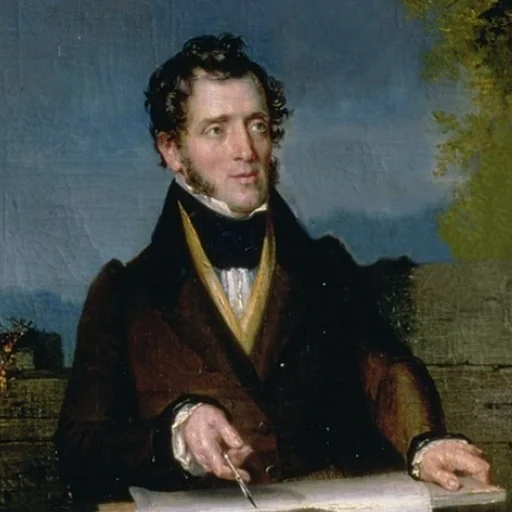
George Dawe (6 February 1781 – 15 October 1829) was an English portraitist who painted 329 portraits of Russian generals active during Napoleon's invasion of Russia for the Military Gallery of the Winter Palace.

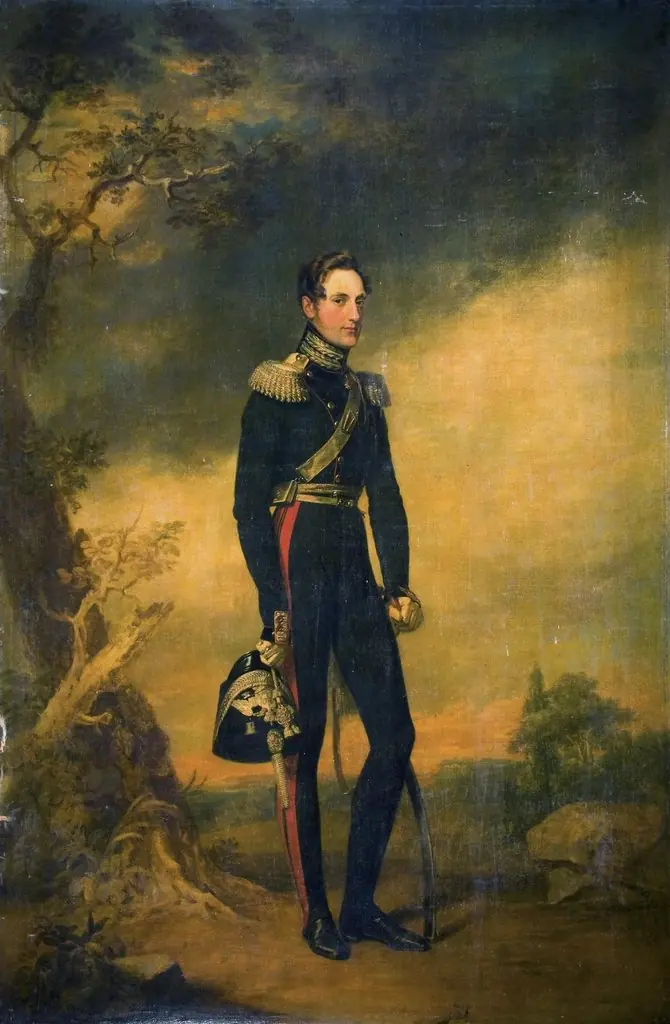 Portrait of Grand Duke Nikolai Pavlovich
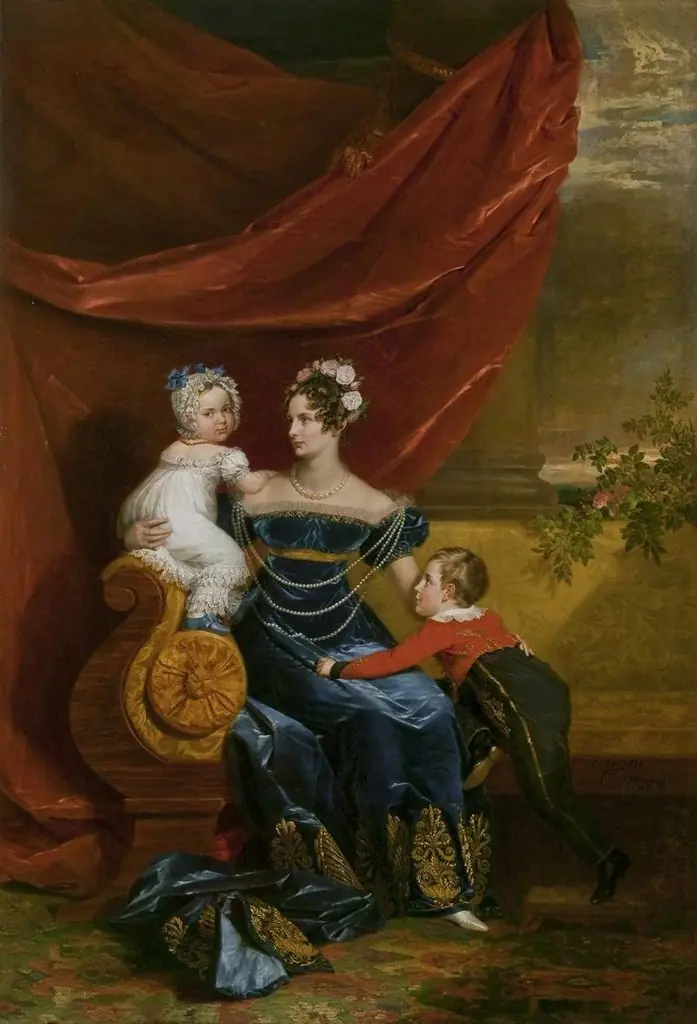 Portrait of Grand Duchess Alexandra Fiodorovna with Children
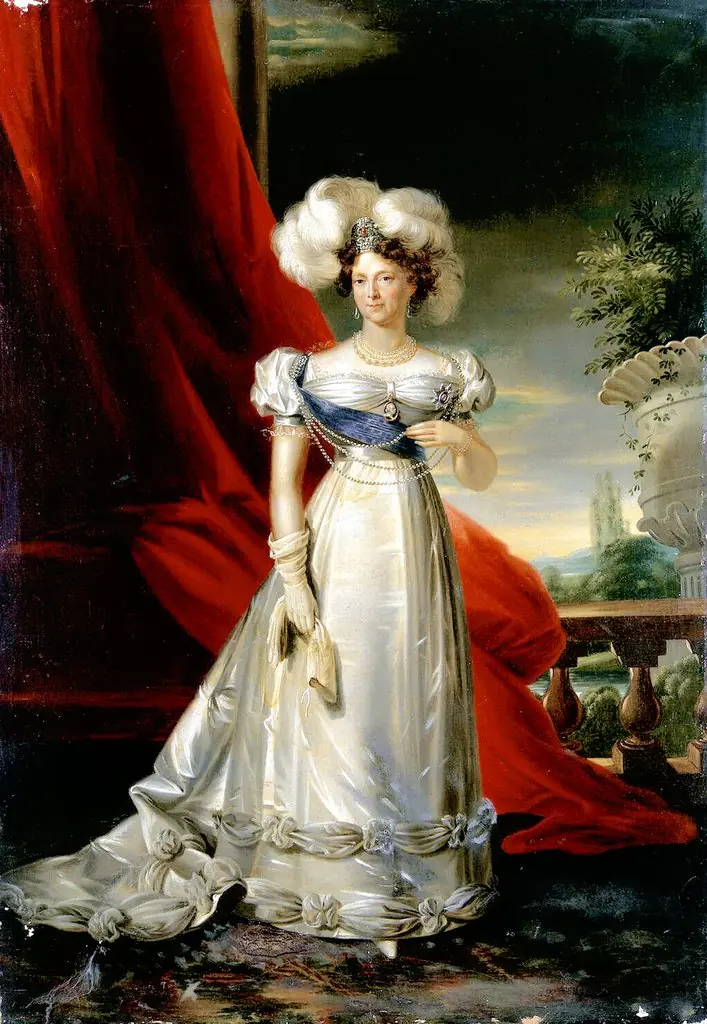 Portrait of the Empress Dowager Maria Feodorovna
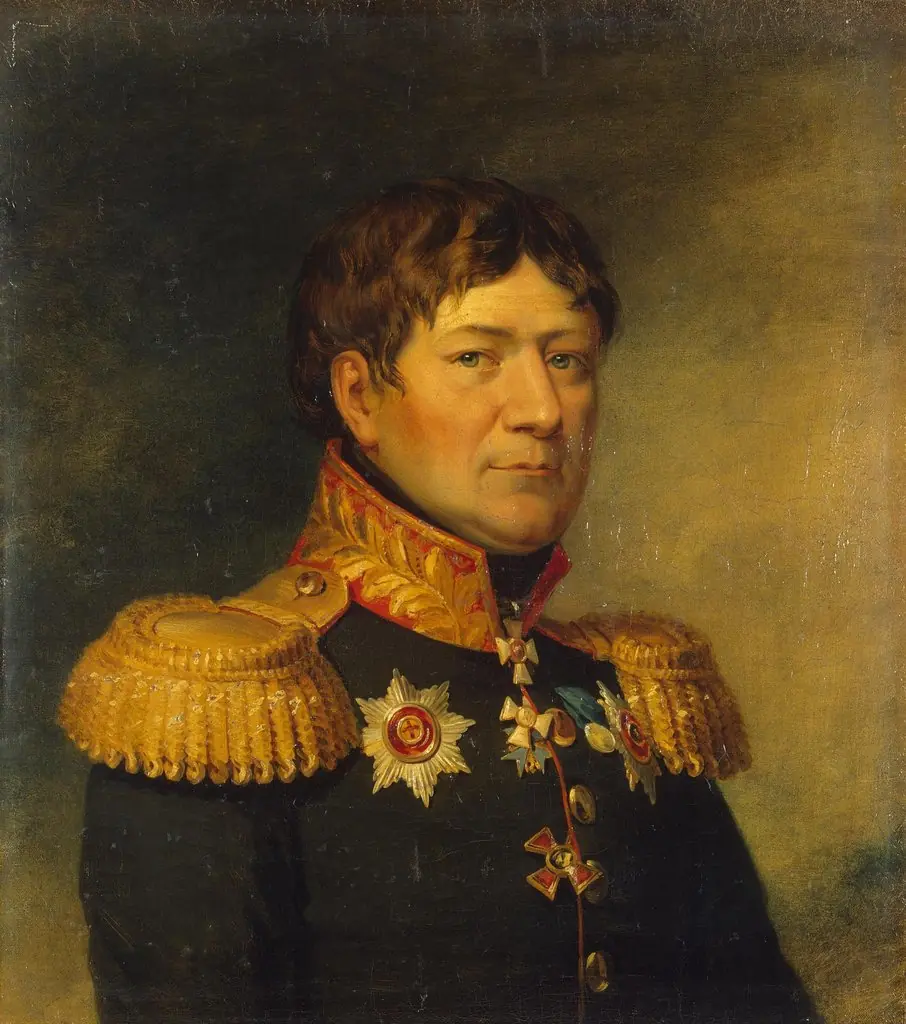 Portrait of Yegor M. Pillar (1767-1830)
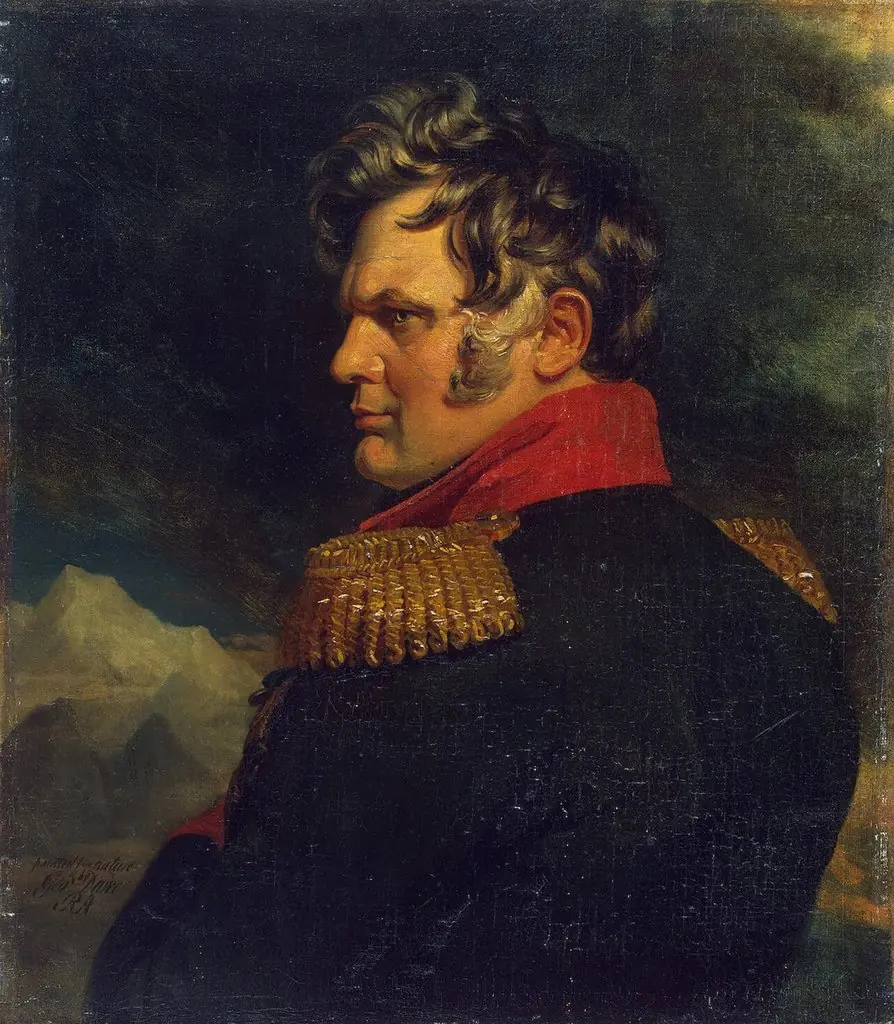 Portrait of Alexei P. Yermolov (1772/77-1861)
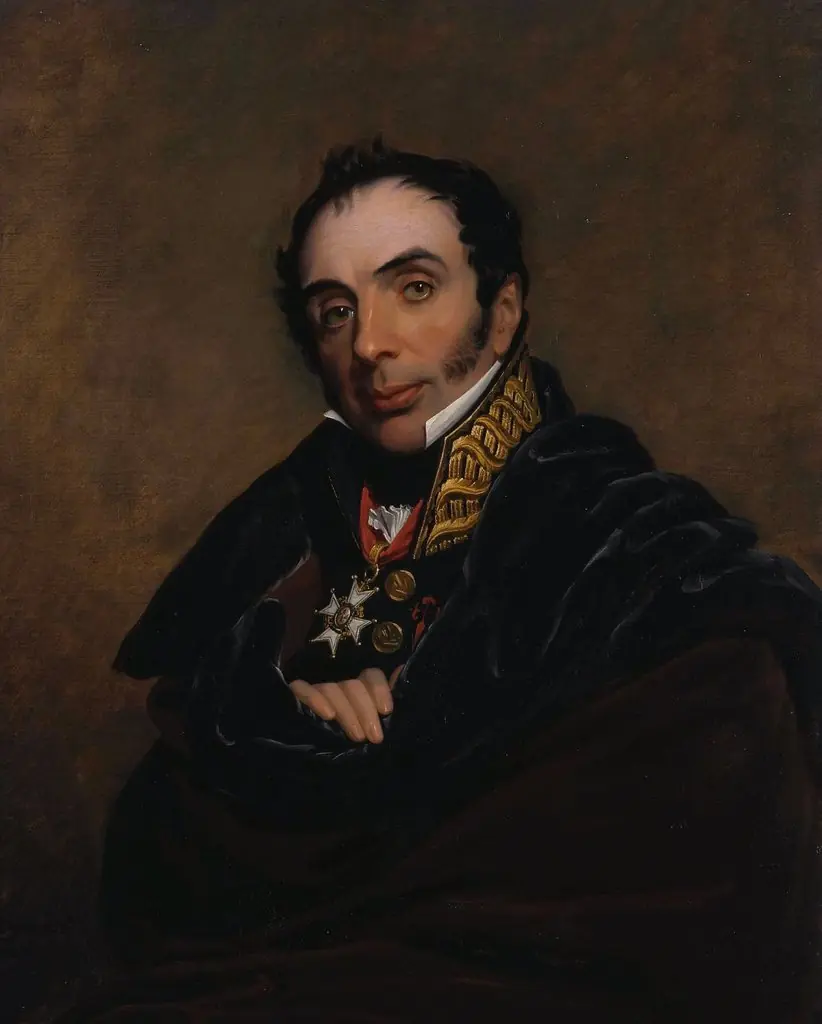 Portrait of Miguel Ricardo de Alava
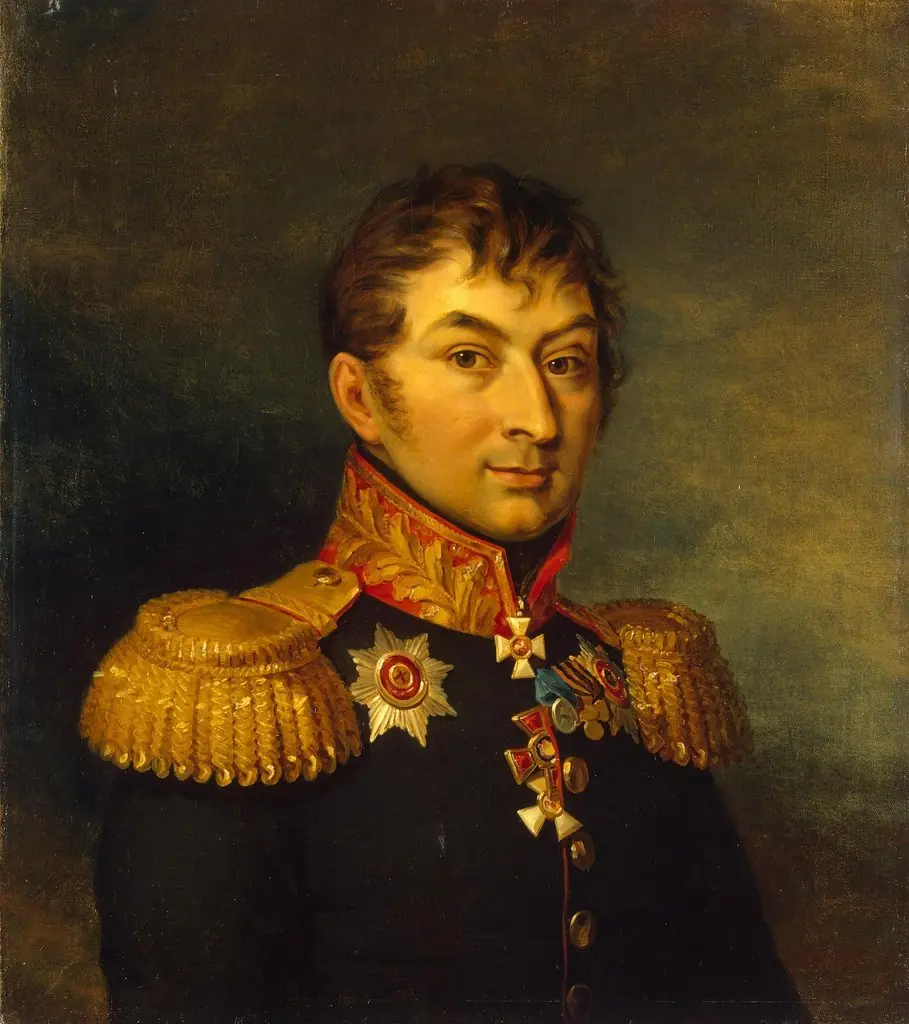 Portrait of Ivan D. Panchulidzev (1759-1815) (1st)
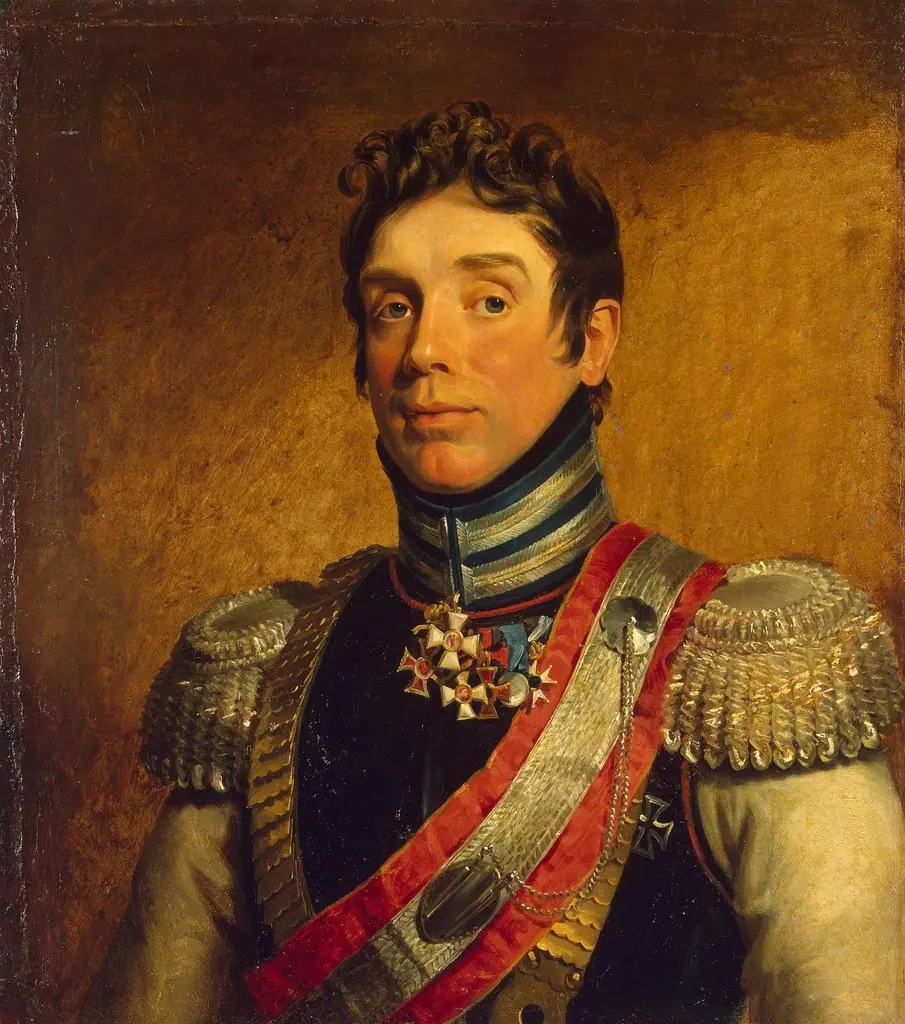 Portrait of Karl V. Budberg (1774-1829)
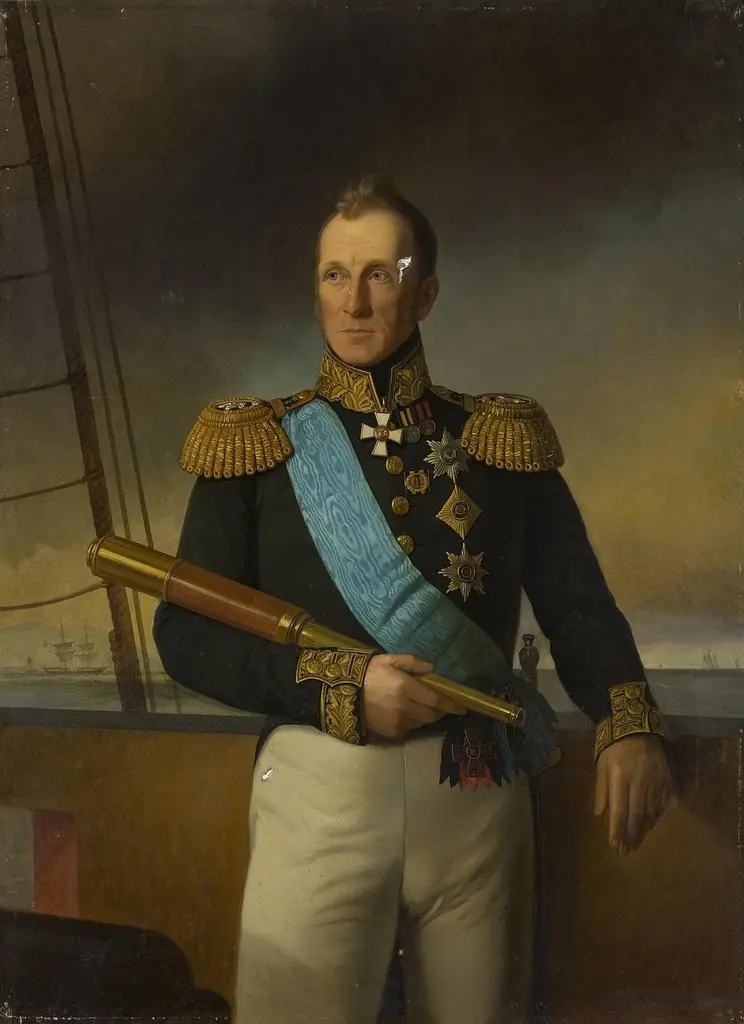 Portrait of Admiral Alexei Greig
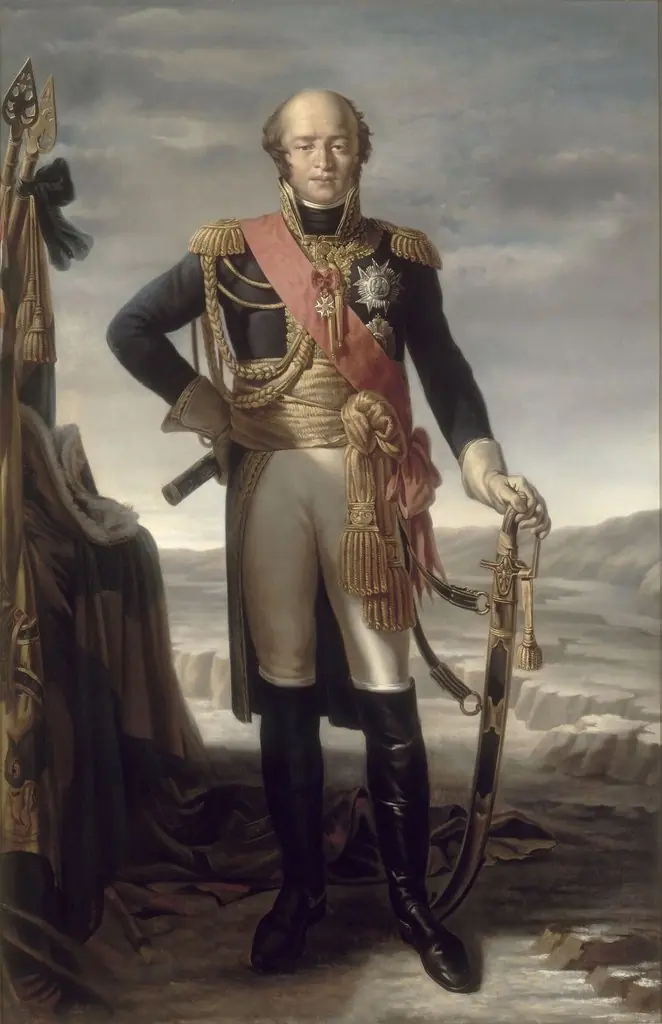 Portrait de Louis Nicolas Davout
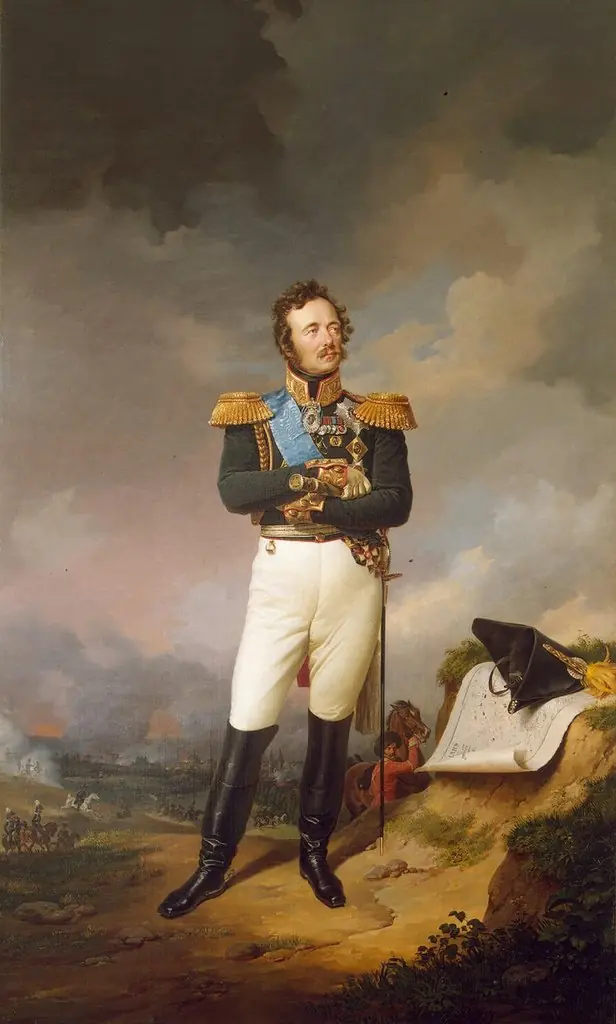 Portrait of Ivan Paskevich
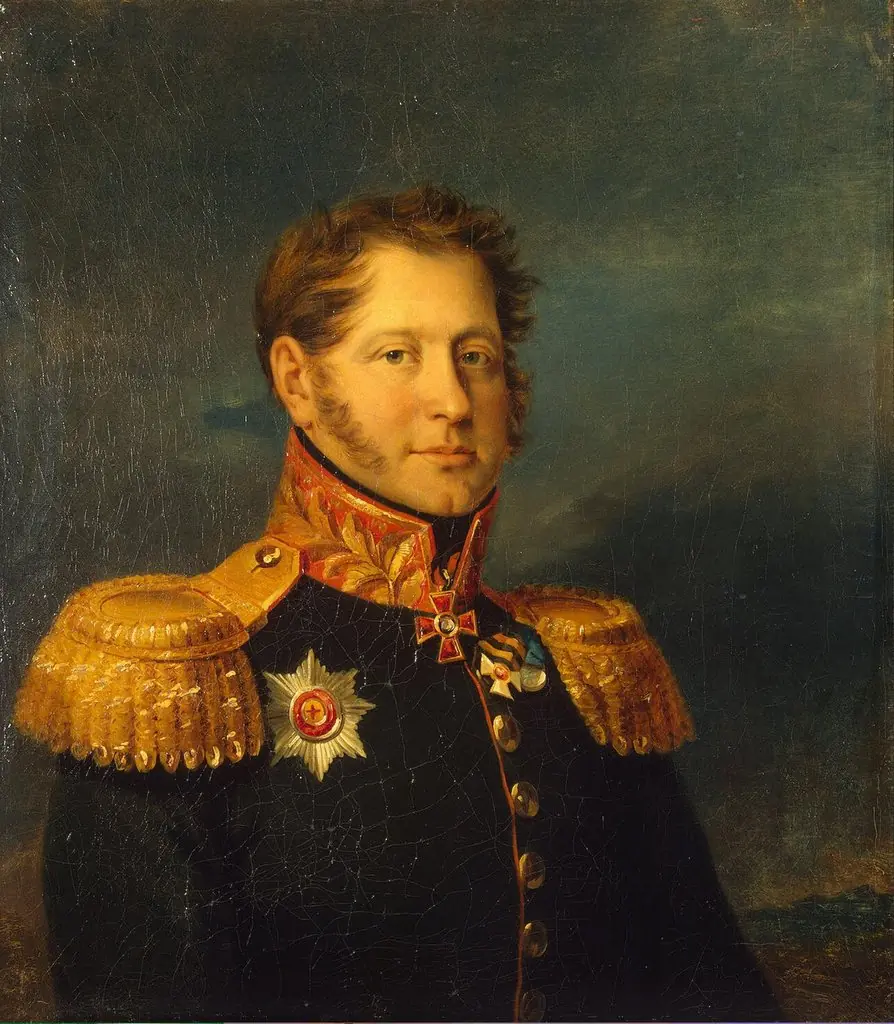 Portrait of Alexander I. Gressor (1772-1822)
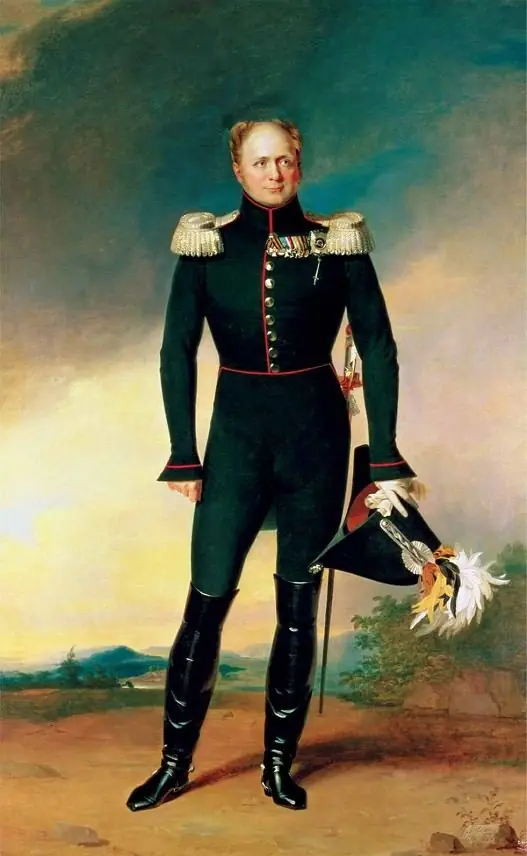 Portrait of Emperor Alexander I
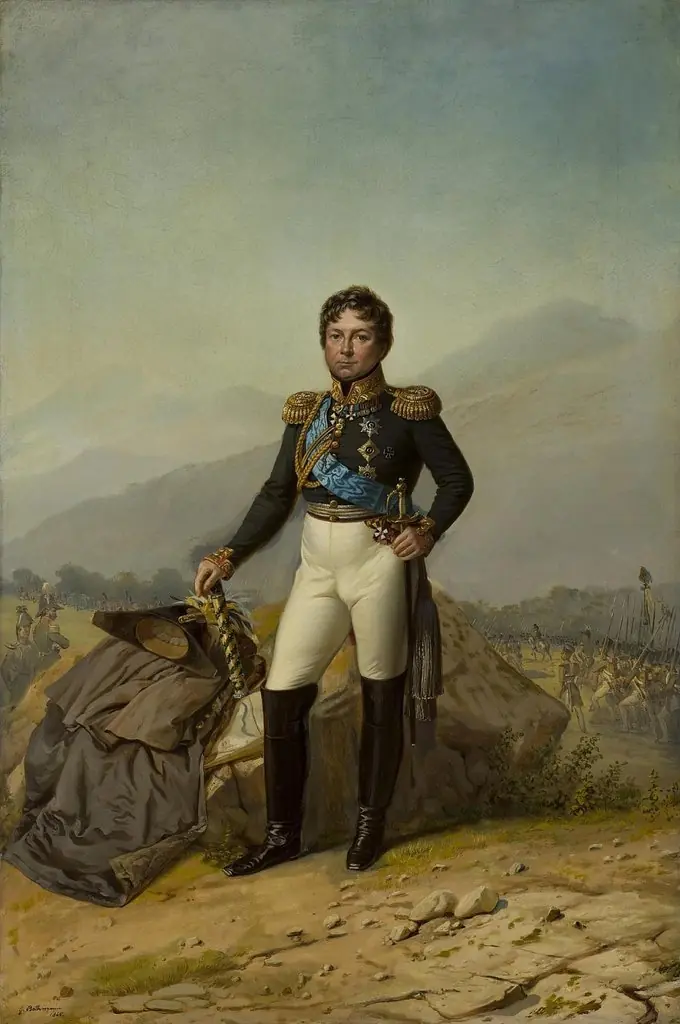 "Portrait of Field-Marshal Count I.I. Diebitsch
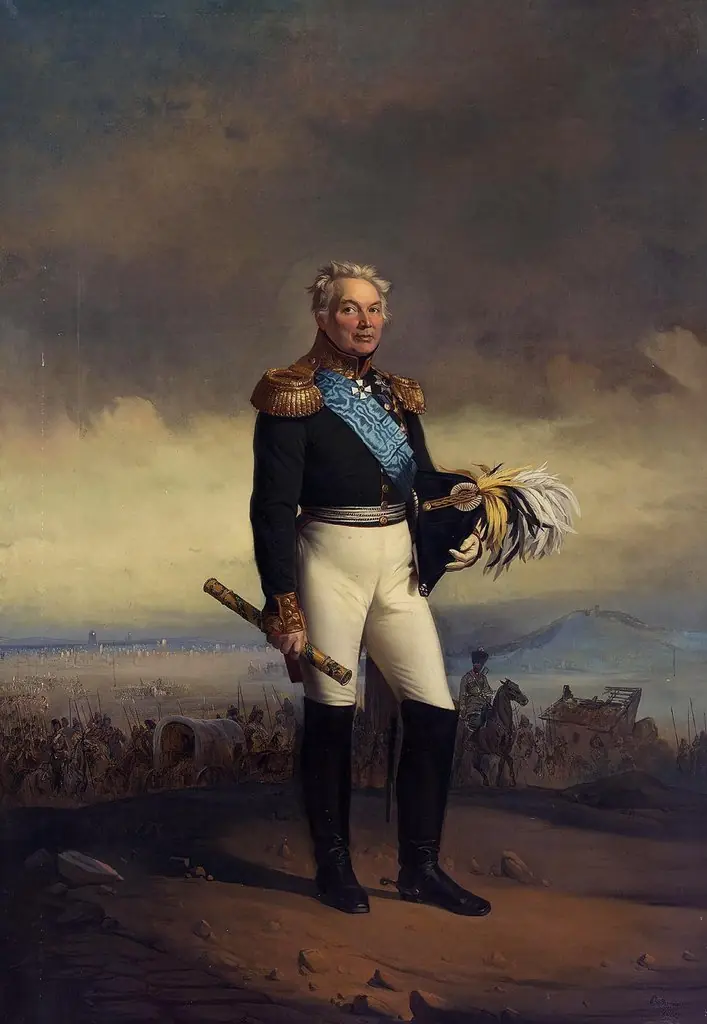 Portrait of Friedrich Wilhelm von der Osten-Sacken
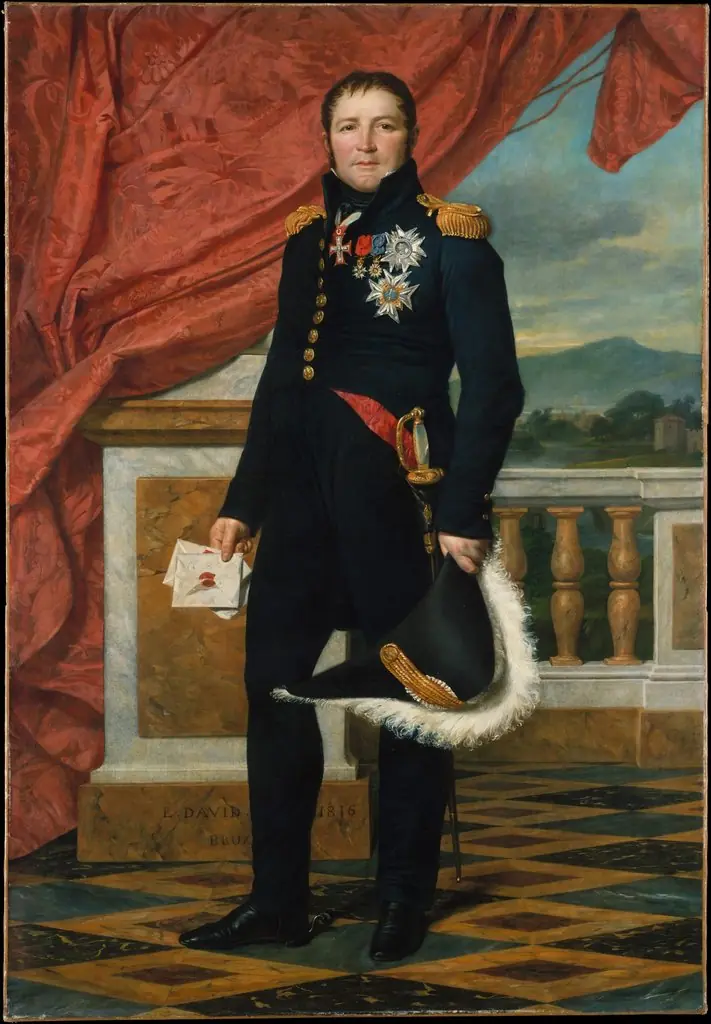 General Étienne-Maurice Gérard (1773–1852), Marshal of France