Artwork
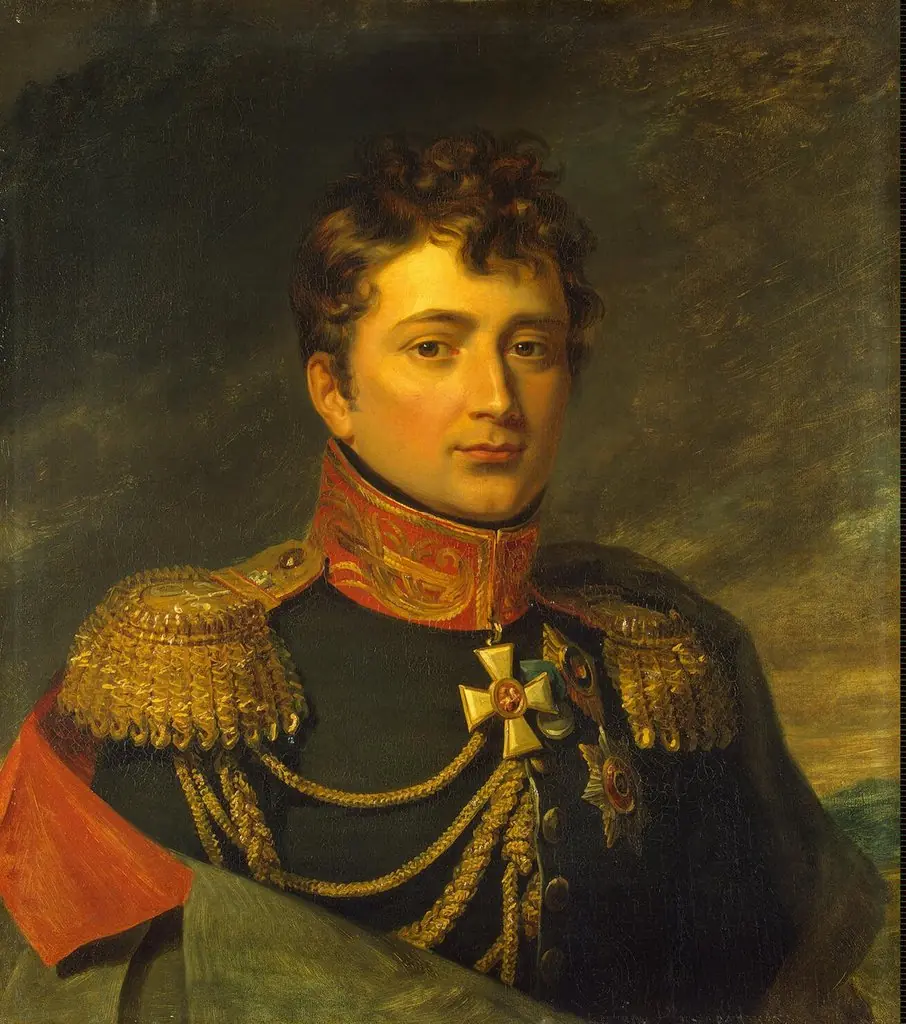
Portrait of Ivan V. Sabaneyev (1770/72-1829)
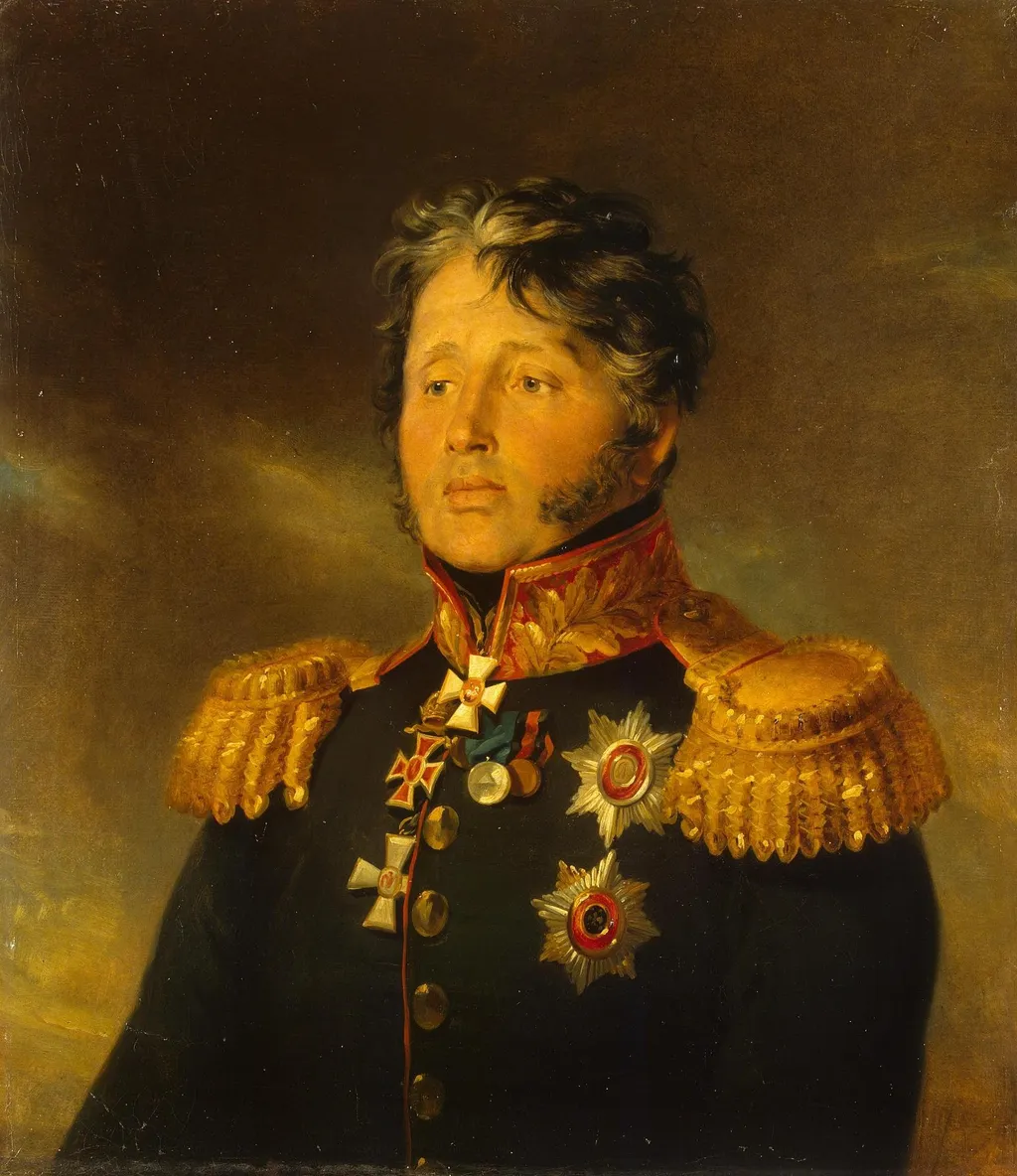
Portrait of Ivan V. Sabaneyev (1770/72-1829) is an oil painting by George Dawe. It dates from 1823 and is held in the collection of the Hermitage Museum.
About this work
Overview
The painting is held in the State Hermitage Museum, where it forms part of a larger series documenting military leaders of the era.
Painted in 1823 by the English artist George Dawe, this oil portrait captures Ivan V. Sabaneyev, a Russian military officer active during the Napoleonic Wars. Dawe, who settled in Saint Petersburg in 1819, was commissioned to portray prominent figures of the Russian Empire. The painting is held in the State Hermitage Museum, where it forms part of a larger series documenting military leaders of the era.
Subject & Meaning
Ivan Sabaneyev is depicted as a decorated officer, his uniform adorned with multiple medals and gold embroidery, signaling his service and rank. His stern expression and trimmed beard convey a sense of discipline and gravitas. The portrait does not emphasize personal emotion but rather serves as a formal record of his military status, aligning with the imperial practice of honoring service through visual commemoration.
Technique & Style
Dawe employed precise brushwork to render the textures of Sabaneyev’s uniform, particularly the metallic sheen of medals and the rich fabric of the collar. The dark, neutral background isolates the figure, directing focus to the intricate details of his attire. The lighting is even and controlled, avoiding dramatic contrasts, which reflects the restrained, official tone typical of state portraiture in early 19th-century Russia.
History & Provenance
Commissioned during Dawe’s tenure in Russia, the portrait was created as part of a state-sponsored project to document military heroes of the Napoleonic campaigns. It entered the Hermitage collection shortly after completion, likely through imperial acquisition. Dawe’s role as a foreign artist entrusted with such commissions underscores the Russian court’s openness to international talent during this period.
Context
The portrait reflects the Russian Empire’s post-1812 effort to institutionalize the memory of its military leadership. Portraits like Sabaneyev’s were displayed in public spaces to reinforce national identity and loyalty. Dawe’s work, though executed by a British painter, adhered to Russian conventions of military representation, blending Western realism with imperial symbolism.
Legacy
Dawe’s series of military portraits, including this one, remains a key visual archive of Russian officers from the Napoleonic era. While not widely known outside academic circles, these works continue to inform historical understanding of military culture and state imagery in early 19th-century Russia. The Hermitage preserves them as documents of both art and service.
Own this work as a print
Artist & collection
Artist
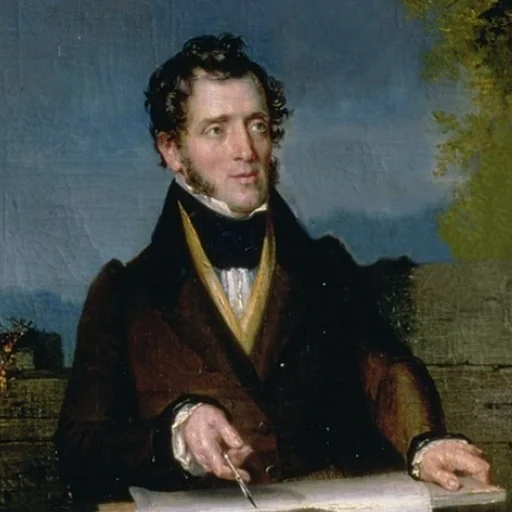
George Dawe (6 February 1781 – 15 October 1829) was an English portraitist who painted 329 portraits of Russian generals active during Napoleon's invasion of Russia for the Military Gallery of the Winter Palace.

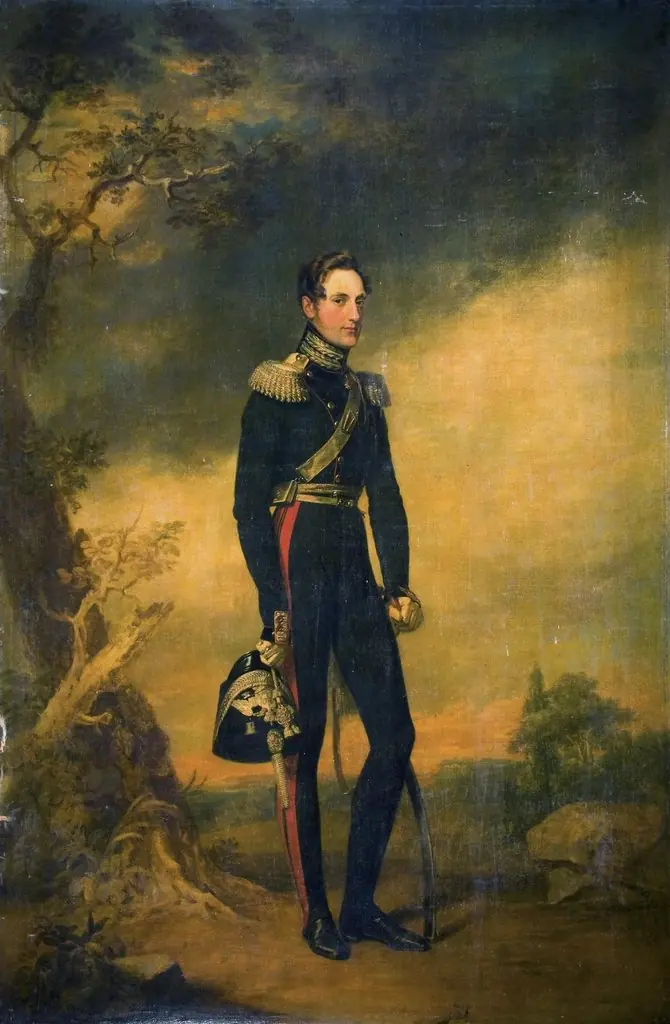 Portrait of Grand Duke Nikolai Pavlovich
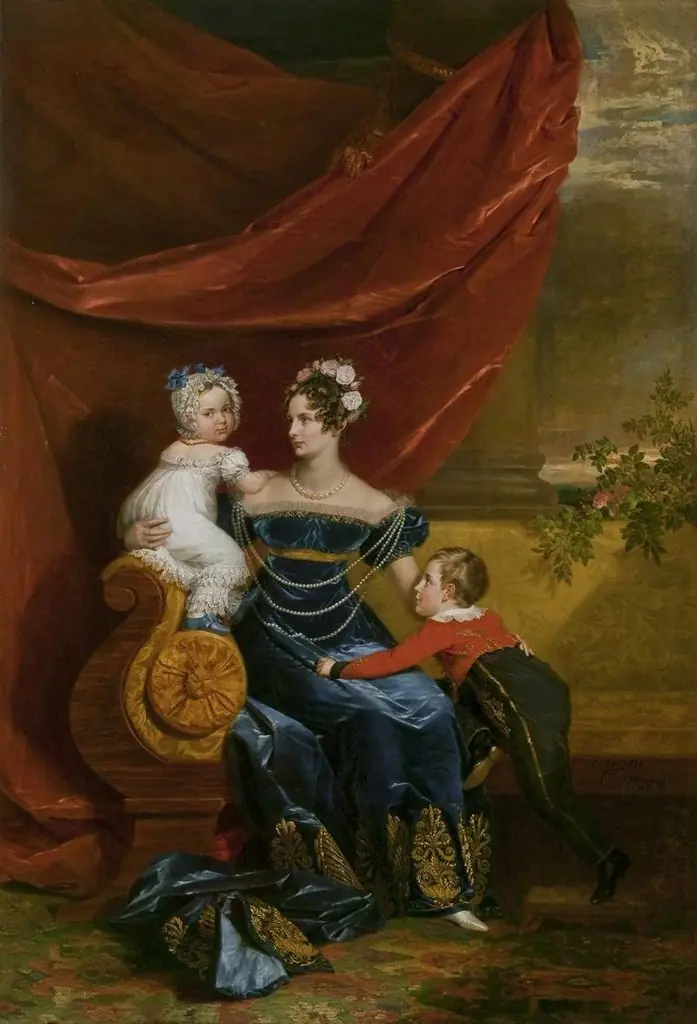 Portrait of Grand Duchess Alexandra Fiodorovna with Children
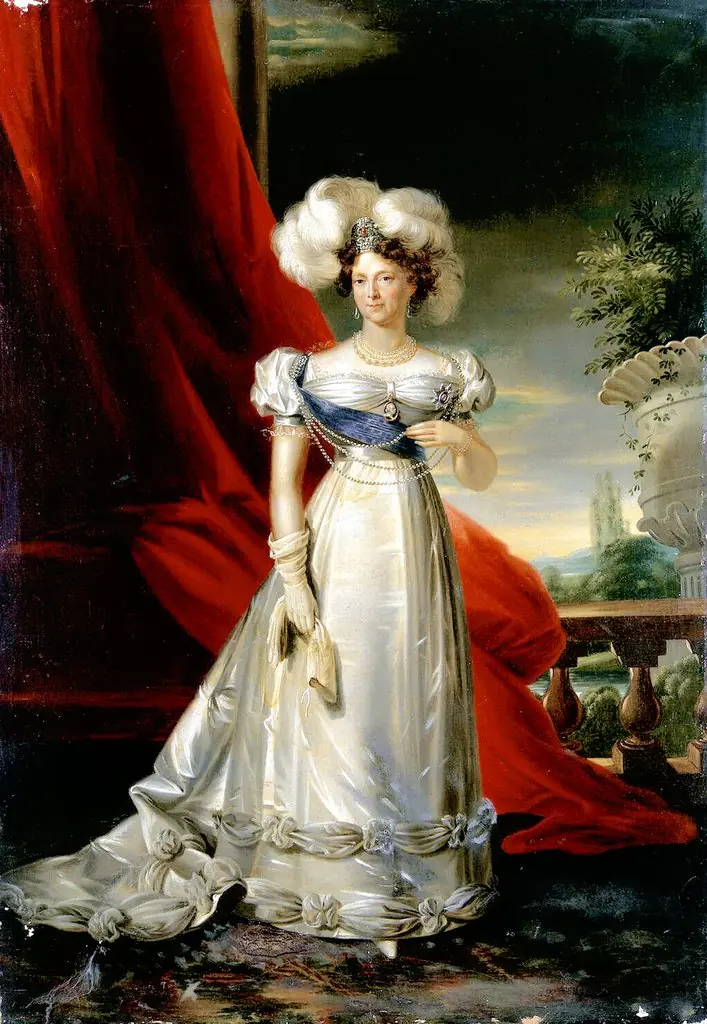 Portrait of the Empress Dowager Maria Feodorovna
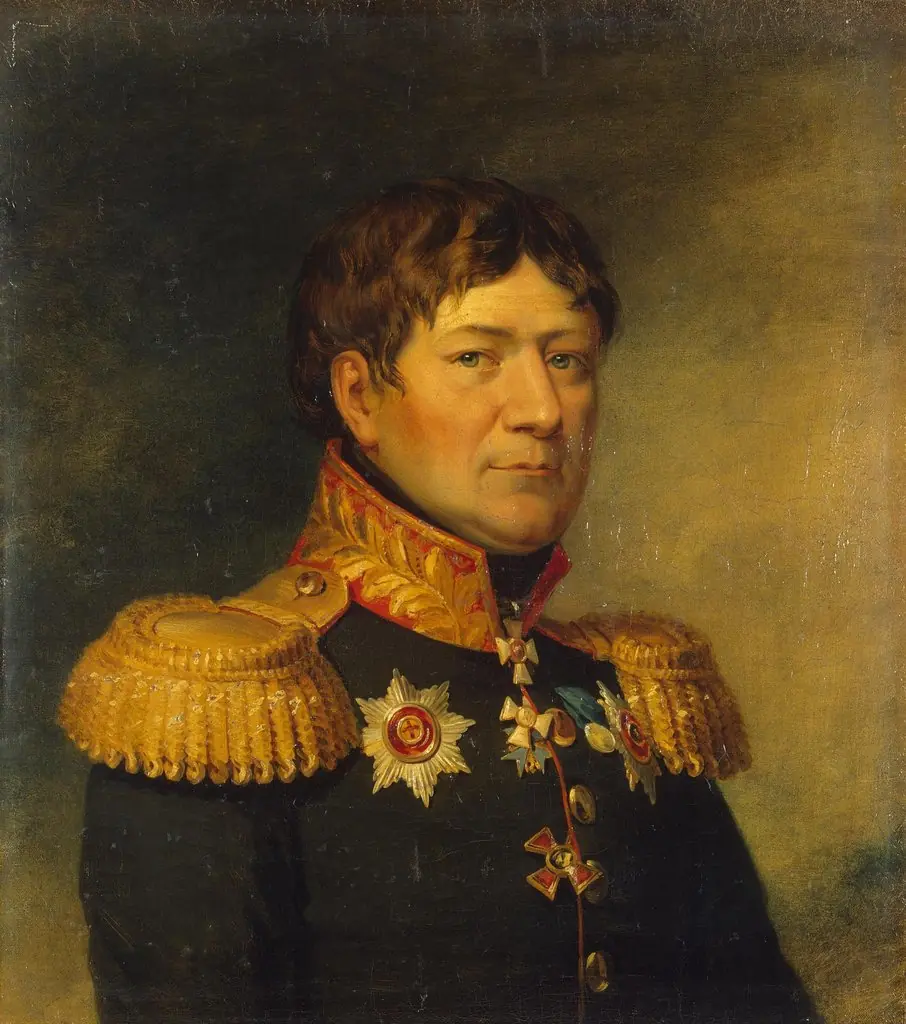 Portrait of Yegor M. Pillar (1767-1830)
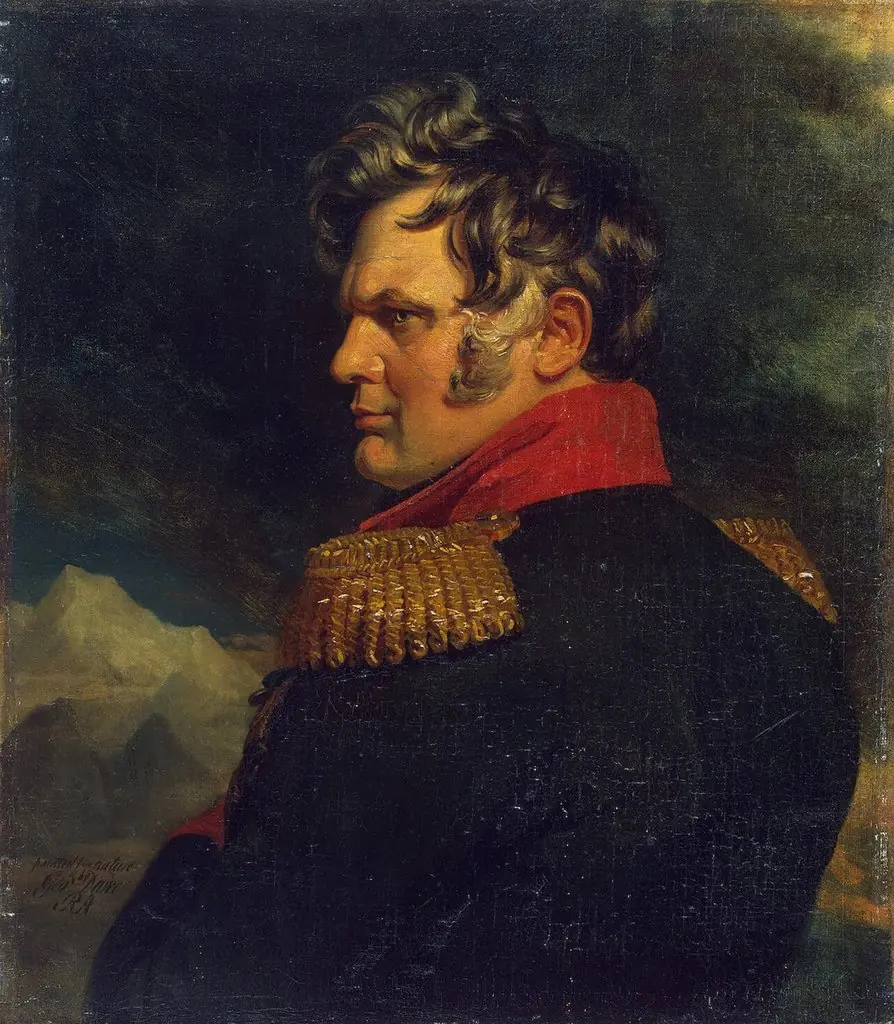 Portrait of Alexei P. Yermolov (1772/77-1861)
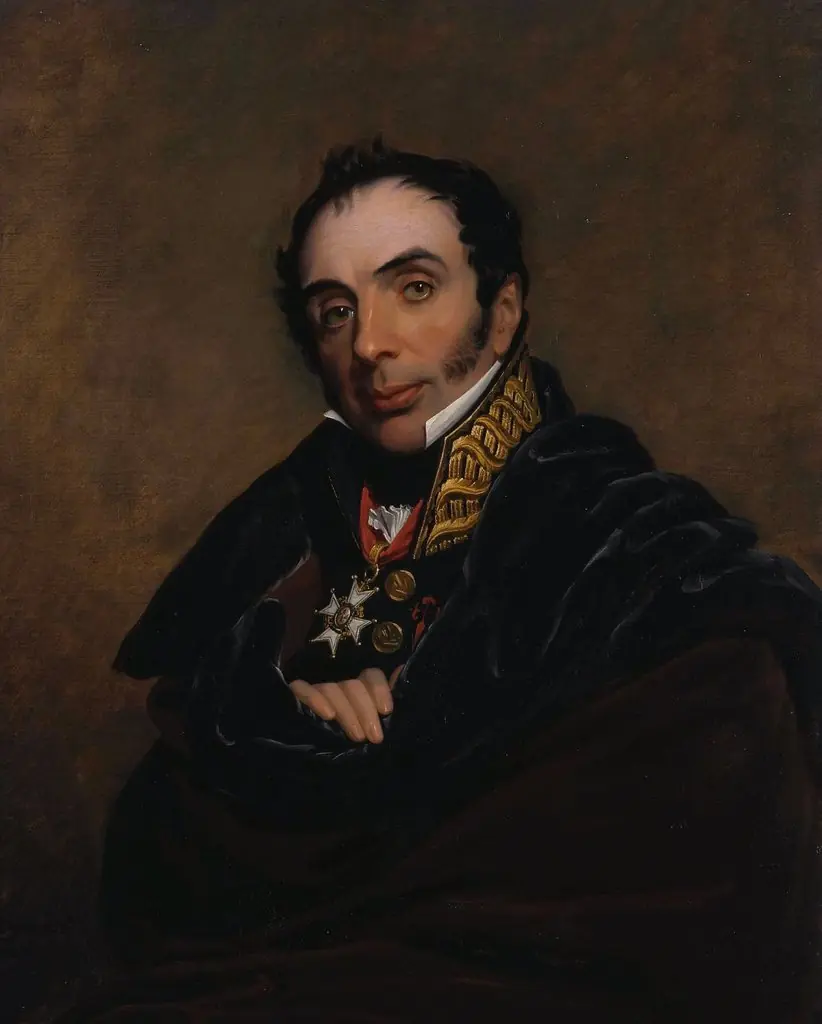 Portrait of Miguel Ricardo de Alava
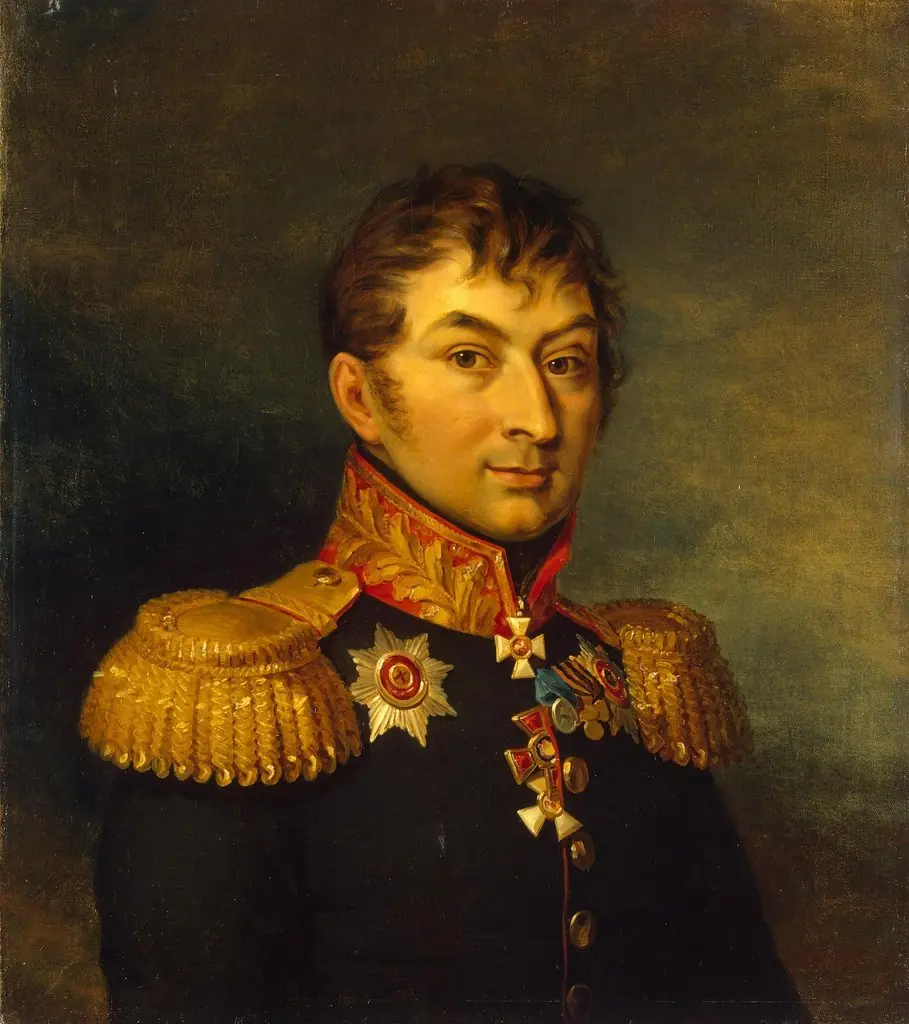 Portrait of Ivan D. Panchulidzev (1759-1815) (1st)
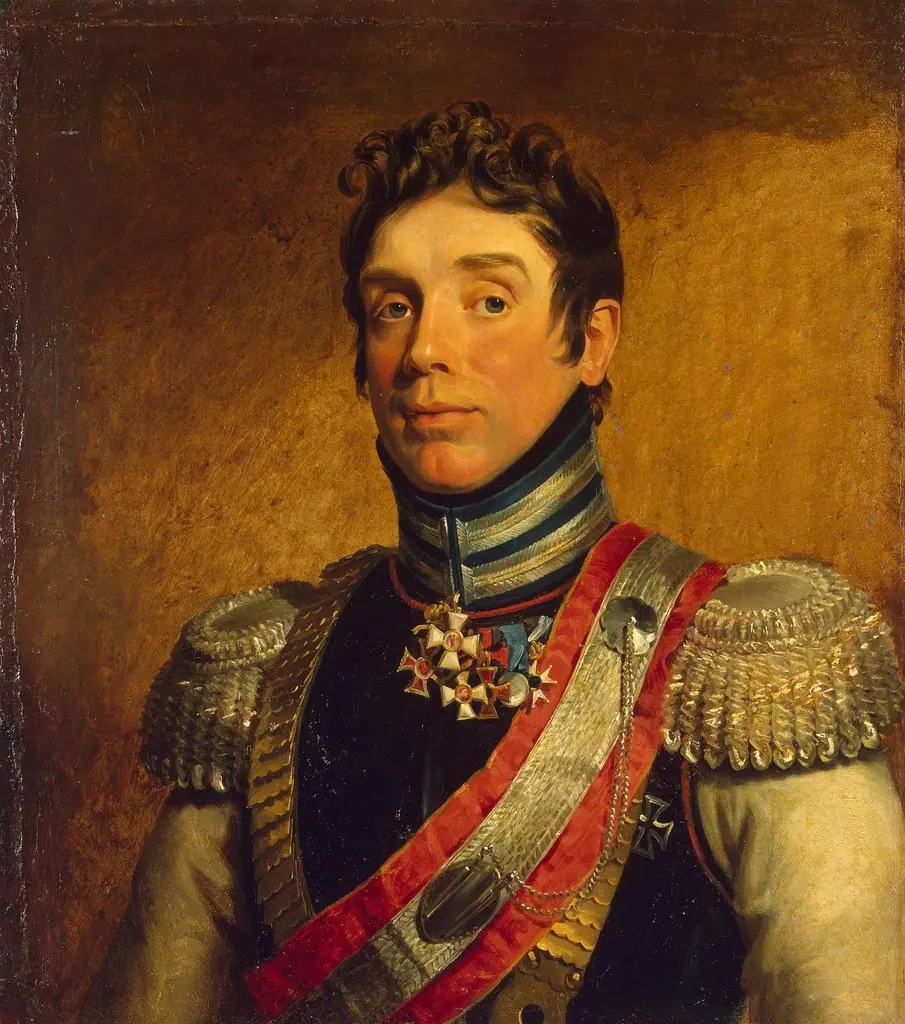 Portrait of Karl V. Budberg (1774-1829)
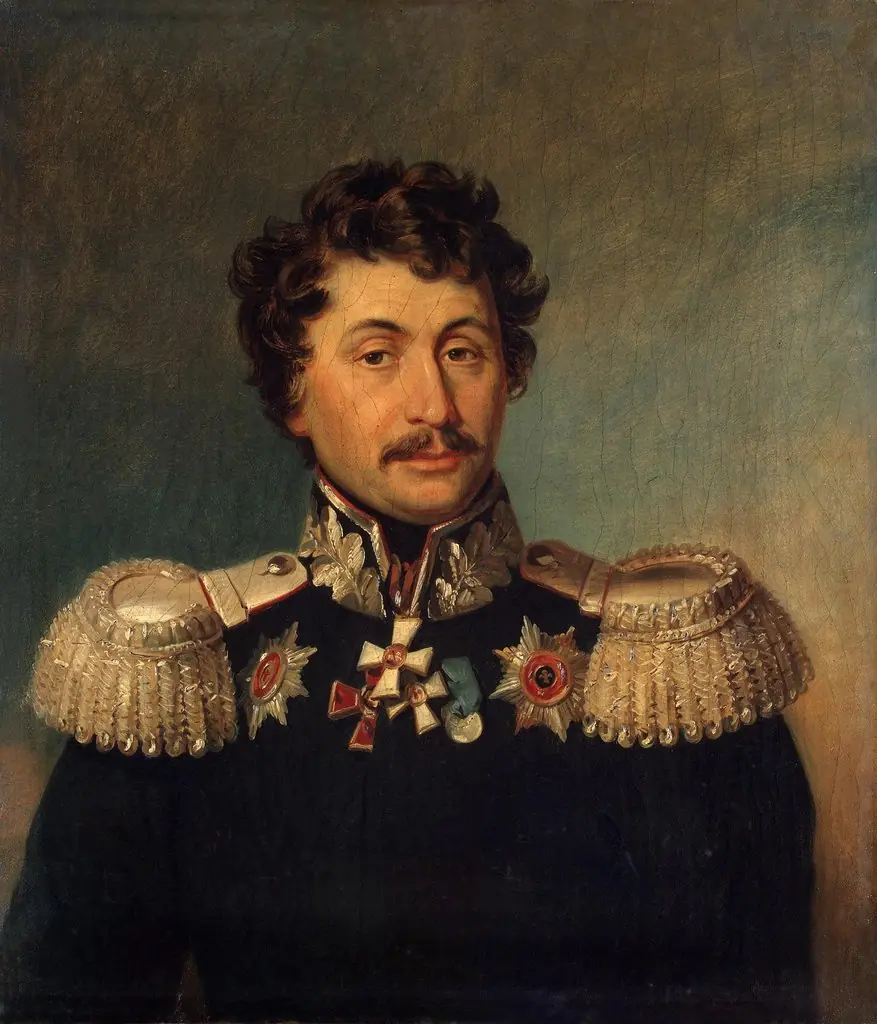 Portrait of Nikolai V. Ilovaisky (1772/73-1838) (5th)
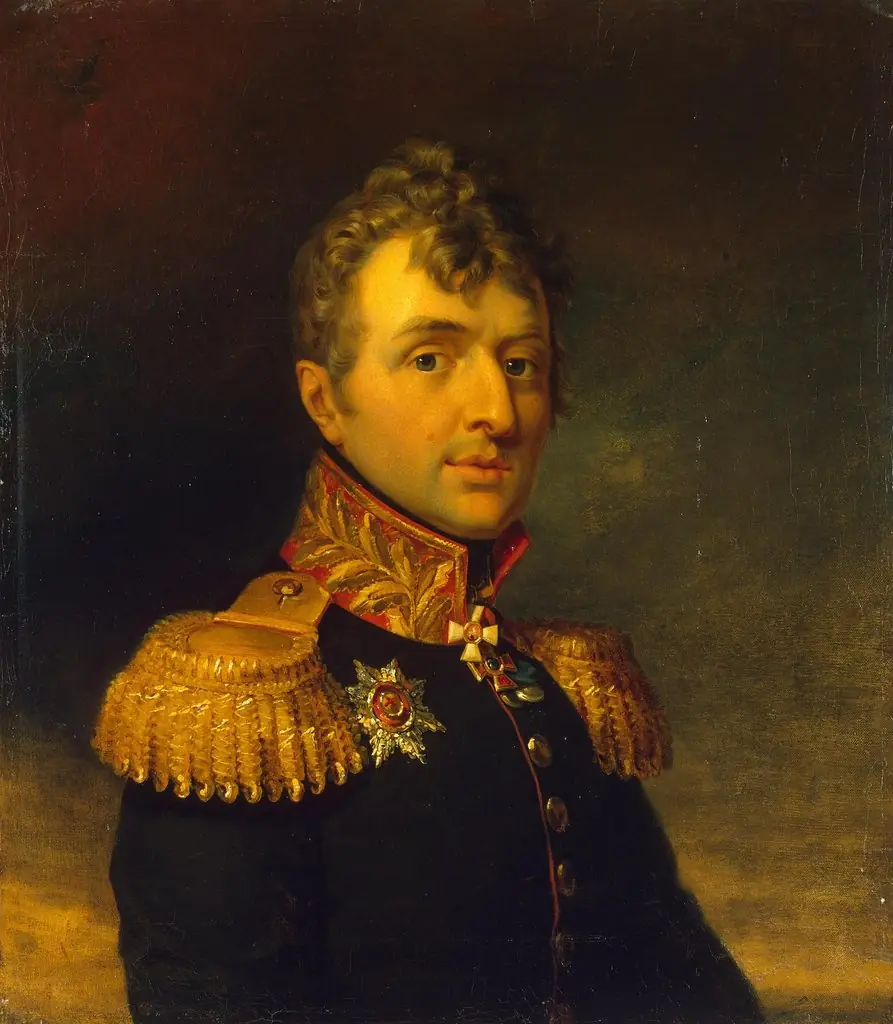 Portrait of Ivan V. Manteuffel (1771-1813)
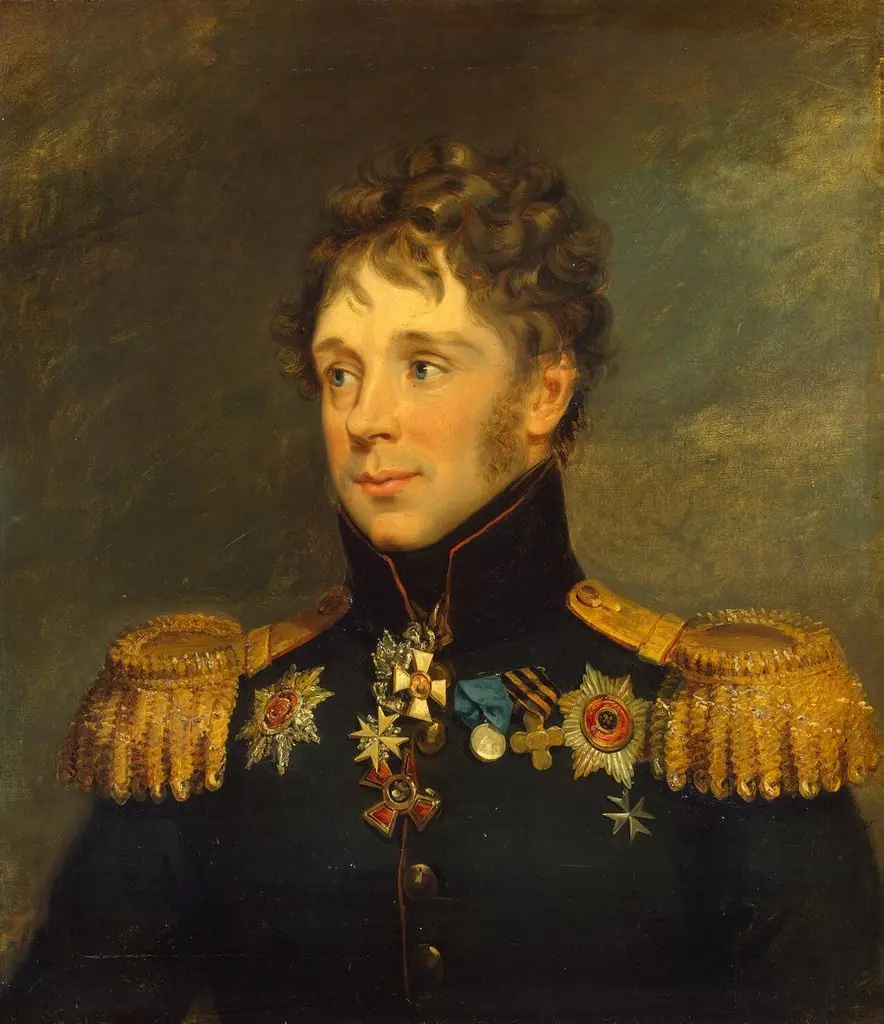 Portrait of Dmitry P. Rezvy (1762-1823)
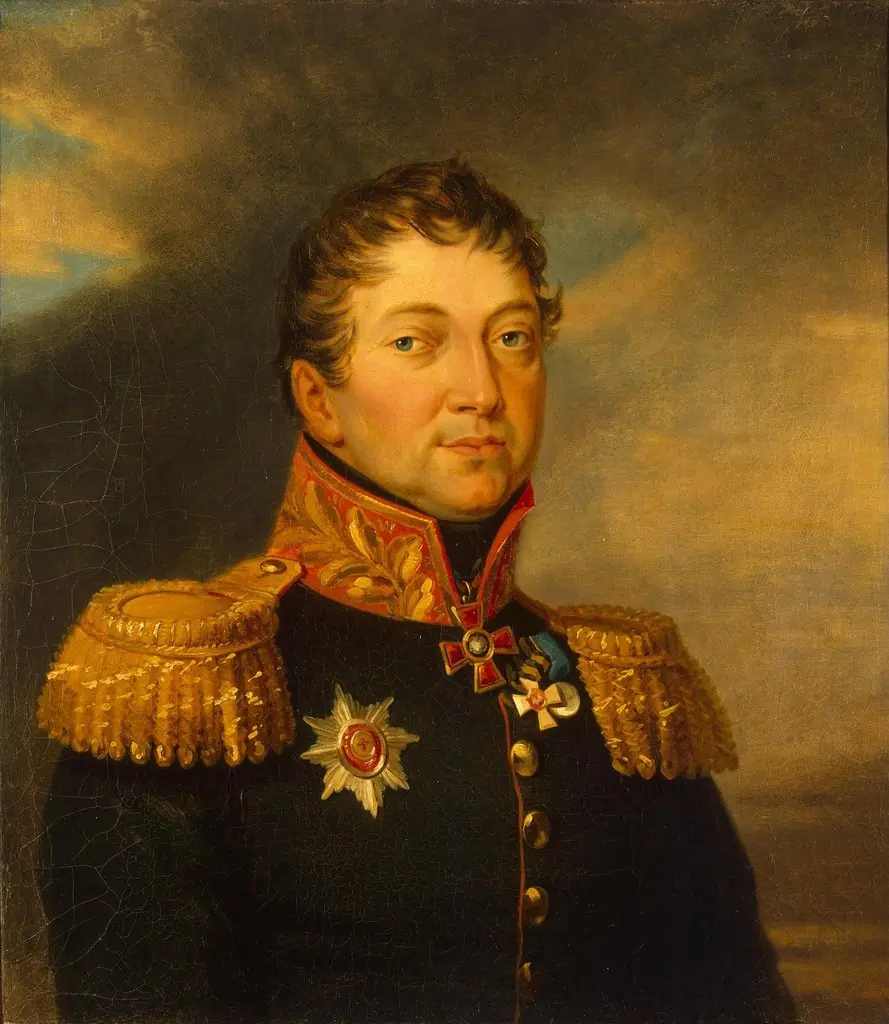 Portrait of Otto F. von Knorring (1759-1812)
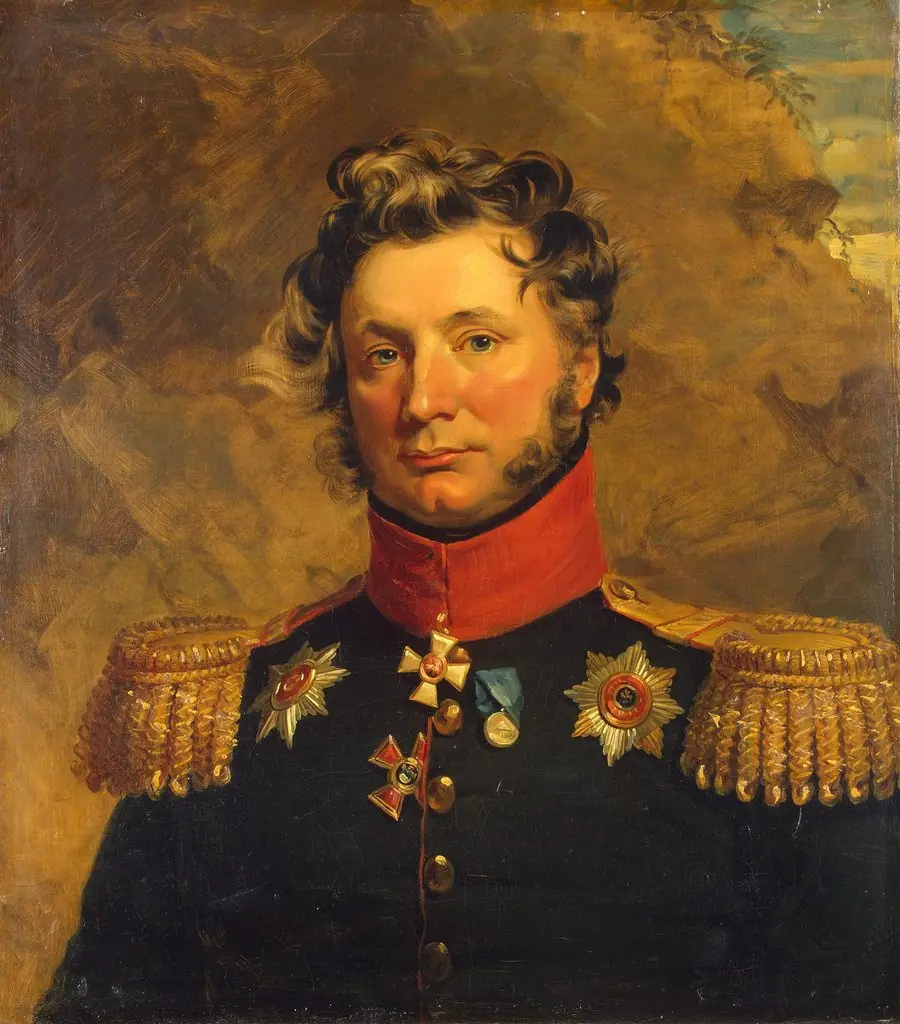 Portrait of Matvey I. von der Pahlen (1779-1863)
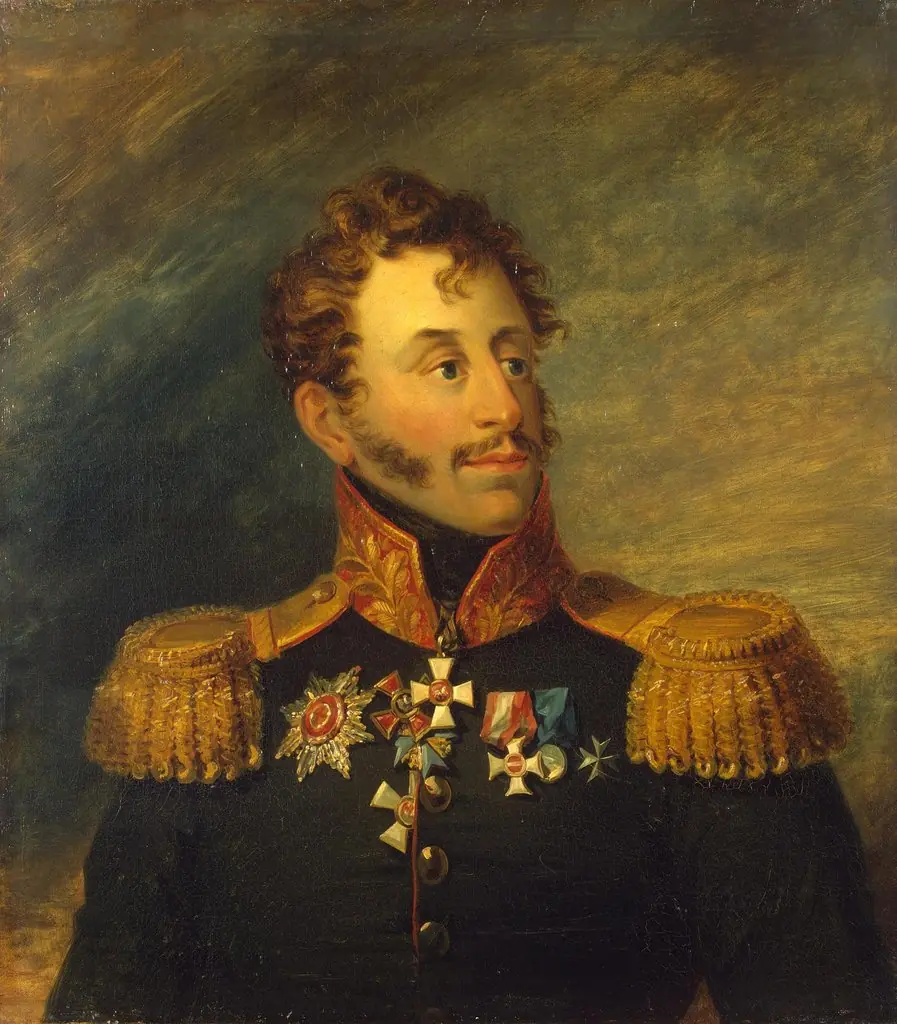 Portrait of Karl B. von Knorring (1774-1817) (3rd)
 Portrait of Emmanuil (Emmanuel) de Saint-Priest (1776-1814)