Artwork
Portrait of Konstantin Kh. von Benckendorf (1785-1828) (2nd)
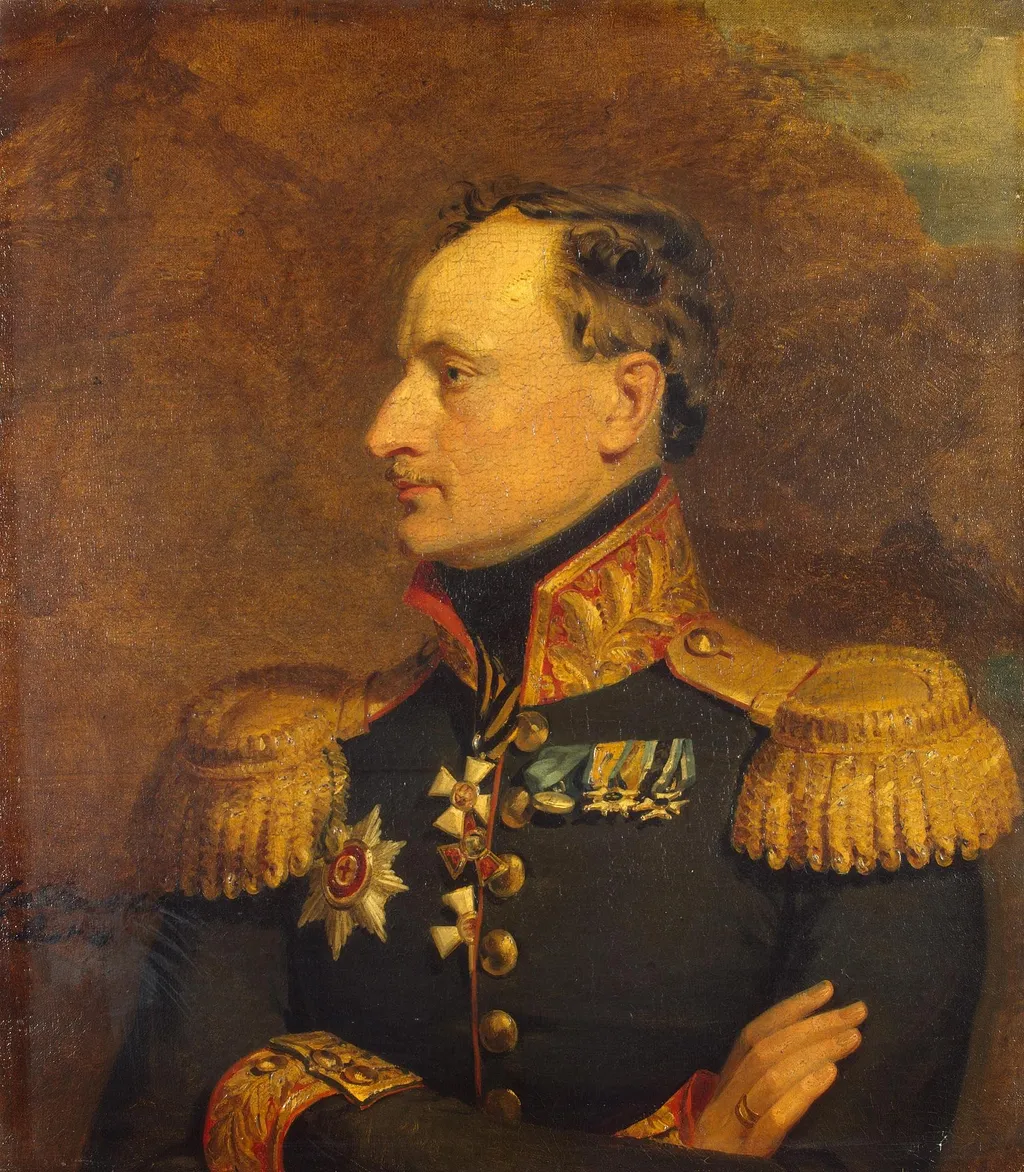
Portrait of Konstantin Kh. von Benckendorf (1785-1828) (2nd) is an oil painting by George Dawe. It dates from 1823 and is held in the collection of the Hermitage Museum.
About this work
Overview
This work is one of many in that project, reflecting the imperial emphasis on documenting military leadership through formal portraiture.
Painted in 1823 by the English artist George Dawe, this oil-on-canvas portrait depicts Konstantin Kh. von Benckendorf, a Russian general who served during the Napoleonic Wars. Dawe, who moved to Saint Petersburg in 1819, was commissioned to create a large series of military portraits for the Winter Palace. This work is one of many in that project, reflecting the imperial emphasis on documenting military leadership through formal portraiture.
Subject & Meaning
Konstantin von Benckendorf is portrayed in full military dress, his uniform adorned with numerous orders and decorations. The abundance of medals signifies distinguished service and high rank within the Russian armed forces. His composed expression and direct gaze convey authority and stoicism, aligning with the ideals of military duty and imperial loyalty. The portrait functions as both personal representation and institutional record, affirming his status within the state hierarchy.
Technique & Style
Dawe employed precise brushwork to render the textures of fabric, metal, and skin with clarity. The lighting is carefully controlled to highlight the gleaming medals and the contours of the face, creating a strong sense of volume. The dark, neutral background eliminates distraction, focusing attention entirely on the subject’s uniform and expression. This approach reflects the academic tradition of portraiture, prioritizing clarity and dignified representation over atmospheric effects.
History & Provenance
The portrait was commissioned as part of a state-sponsored initiative to commemorate Russian officers who fought against Napoleon. It entered the collection of the Military Gallery in the Winter Palace, where it remains today. George Dawe was granted a studio in the palace and worked under imperial patronage, ensuring the series’ completion. The painting’s provenance is well-documented, with no evidence of significant ownership changes since its creation.
Context
In early 19th-century Russia, portraiture served political and commemorative functions as much as aesthetic ones. The Military Gallery project, initiated by Tsar Alexander I, aimed to visually consolidate national pride through the depiction of war heroes. Dawe’s role as a foreign artist in this endeavor underscores the imperial court’s openness to Western techniques while reinforcing Russian identity through its subjects.
Legacy
Dawe’s series of military portraits, including this one, established a visual archive of Russia’s Napoleonic-era leadership. Though his style was rooted in British academic traditions, his work became integral to Russian imperial iconography. The portraits continue to serve as historical references, offering insight into military honors, dress, and the cultural values of service and rank in early 19th-century Russia.
Own this work as a print
Artist & collection
Artist
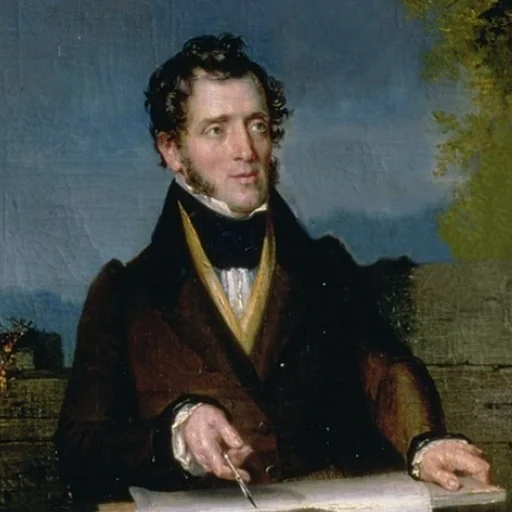
George Dawe (6 February 1781 – 15 October 1829) was an English portraitist who painted 329 portraits of Russian generals active during Napoleon's invasion of Russia for the Military Gallery of the Winter Palace.

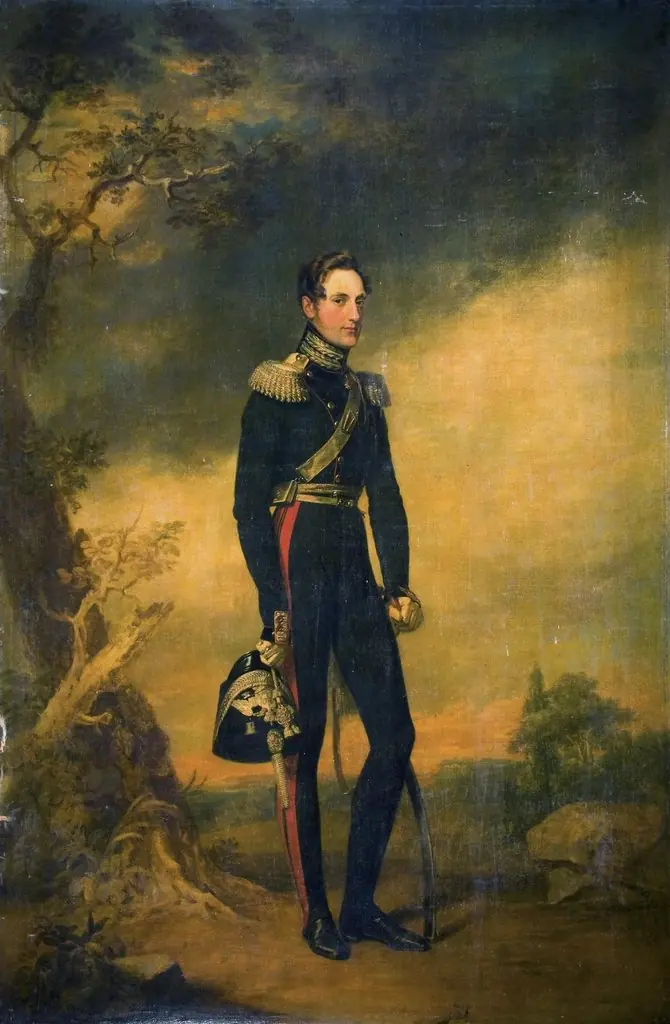 Portrait of Grand Duke Nikolai Pavlovich
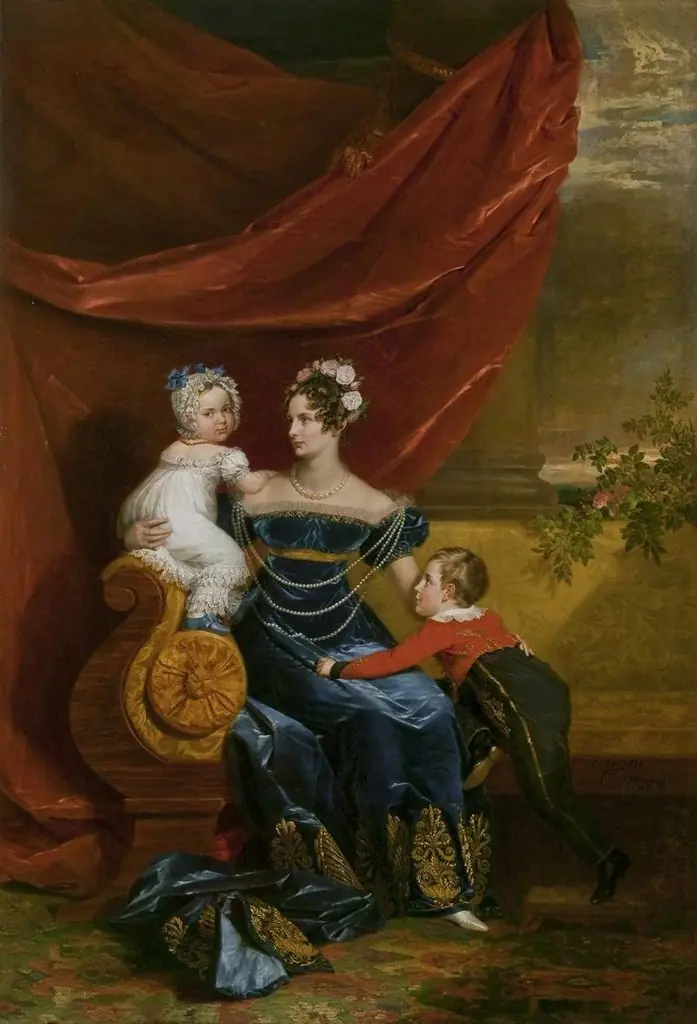 Portrait of Grand Duchess Alexandra Fiodorovna with Children
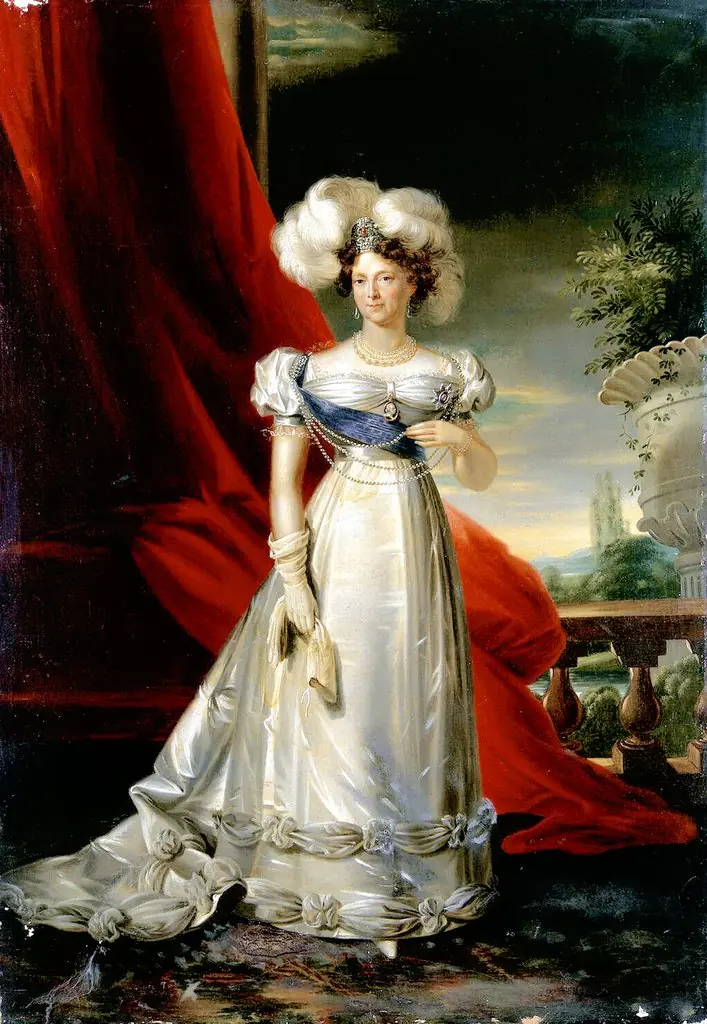 Portrait of the Empress Dowager Maria Feodorovna
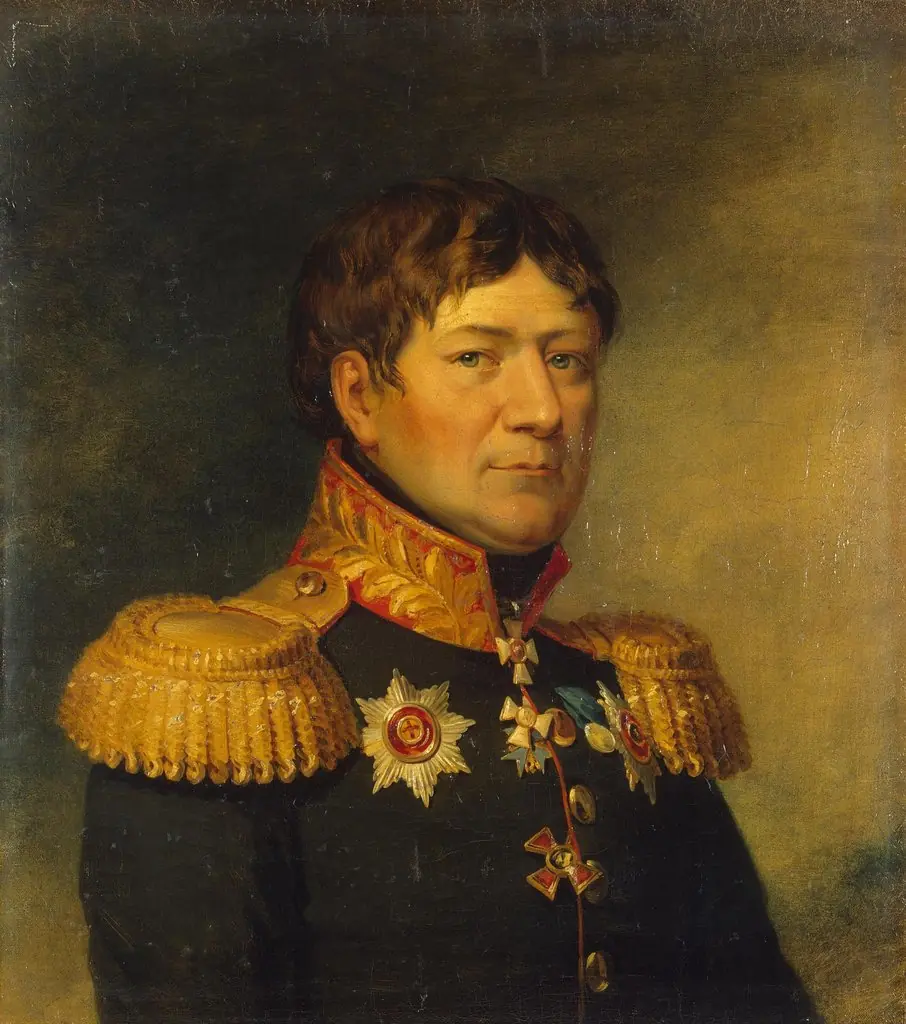 Portrait of Yegor M. Pillar (1767-1830)
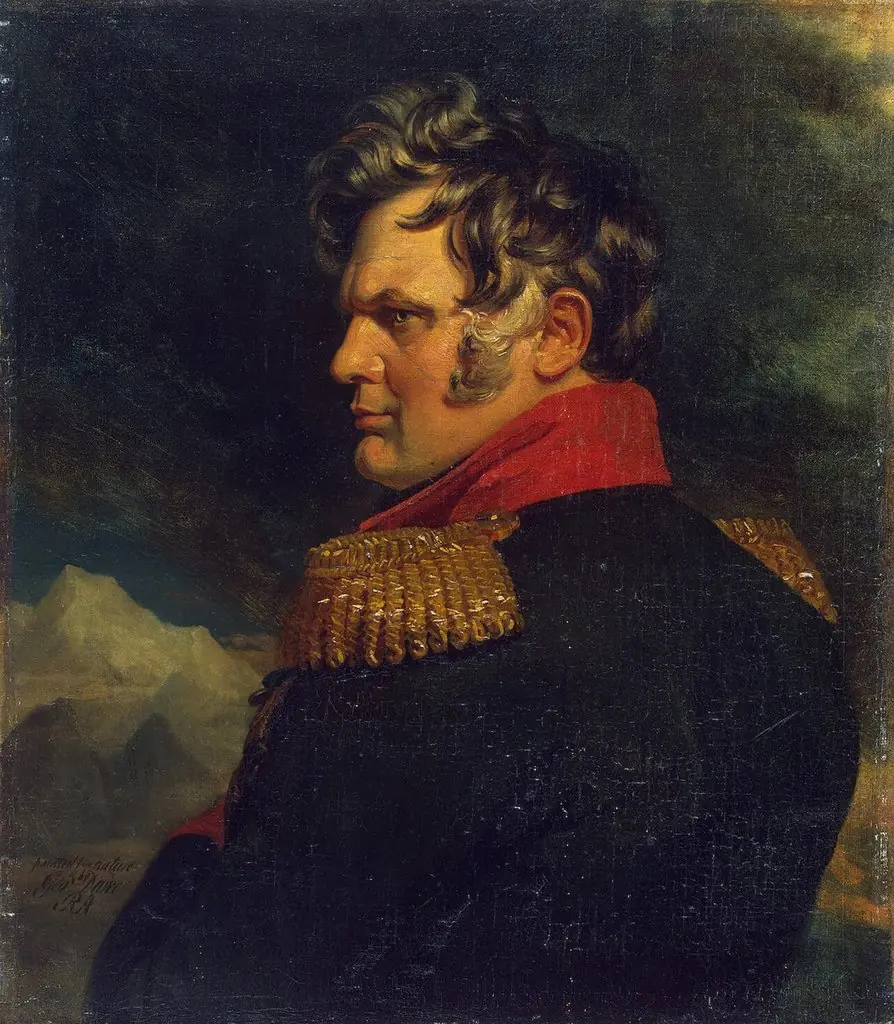 Portrait of Alexei P. Yermolov (1772/77-1861)
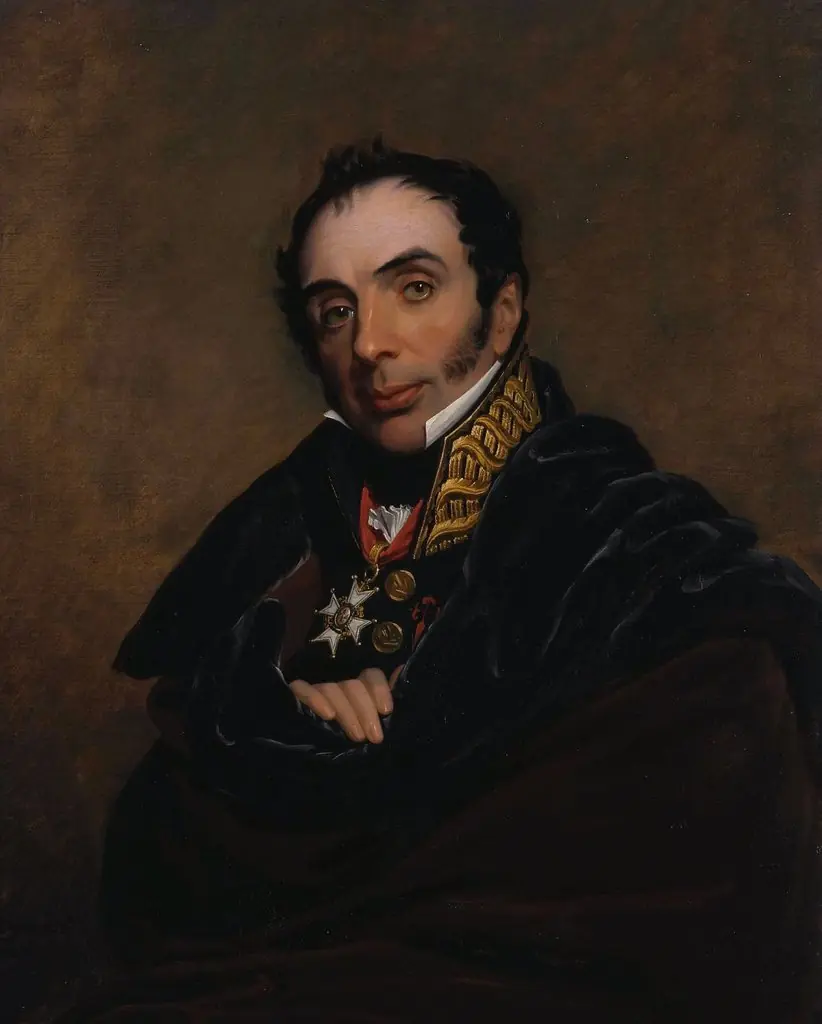 Portrait of Miguel Ricardo de Alava
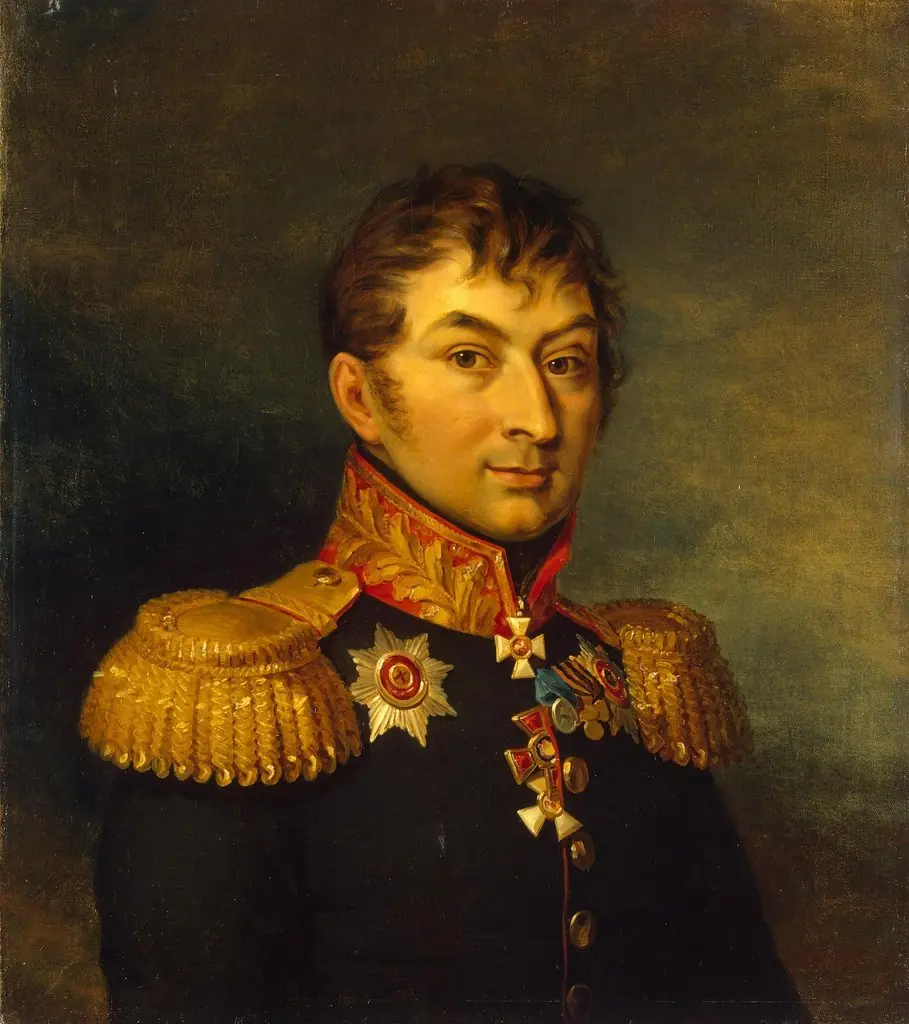 Portrait of Ivan D. Panchulidzev (1759-1815) (1st)
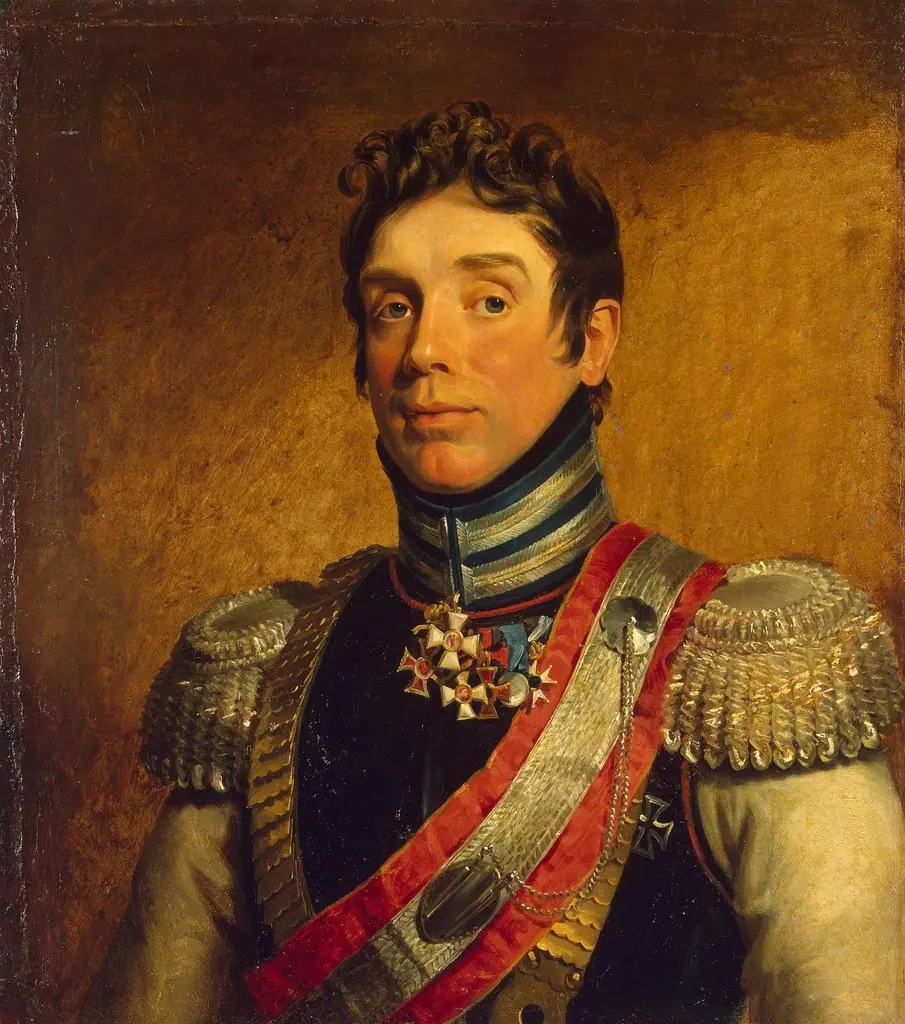 Portrait of Karl V. Budberg (1774-1829)
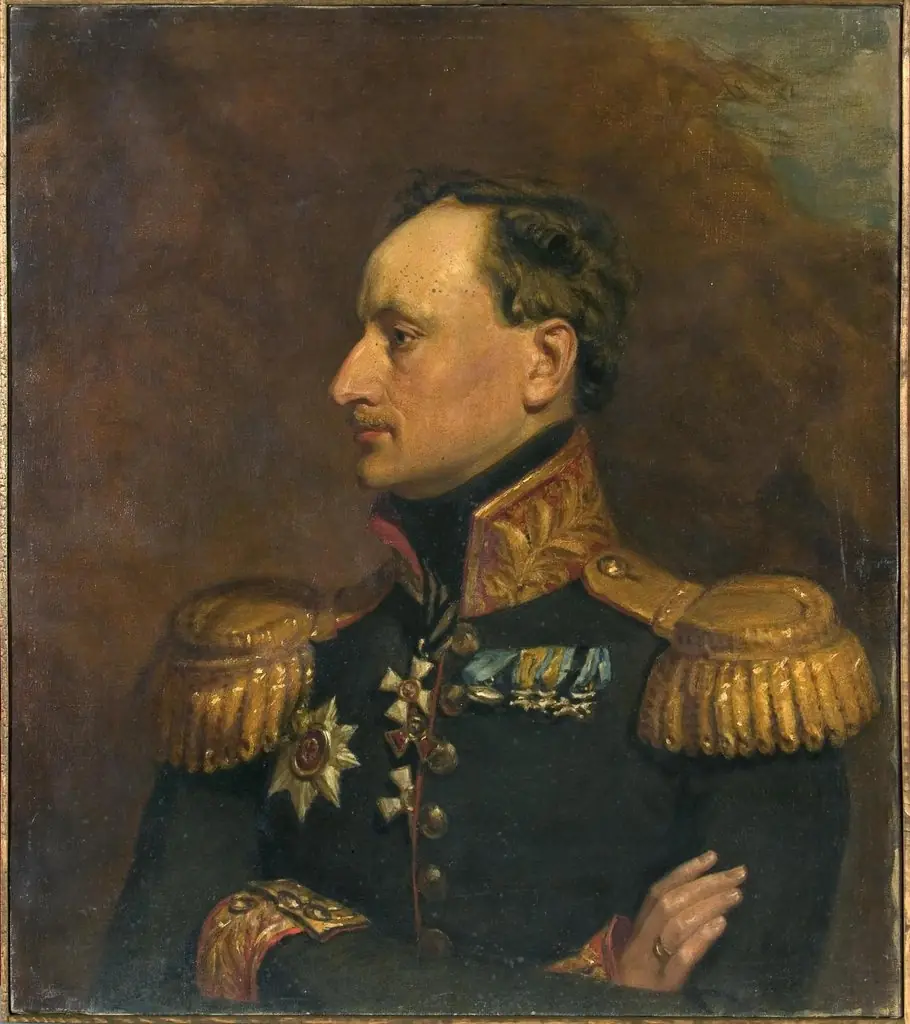 Portrait of Count Konstantin von Benkendorff (1785-1828) (copy)
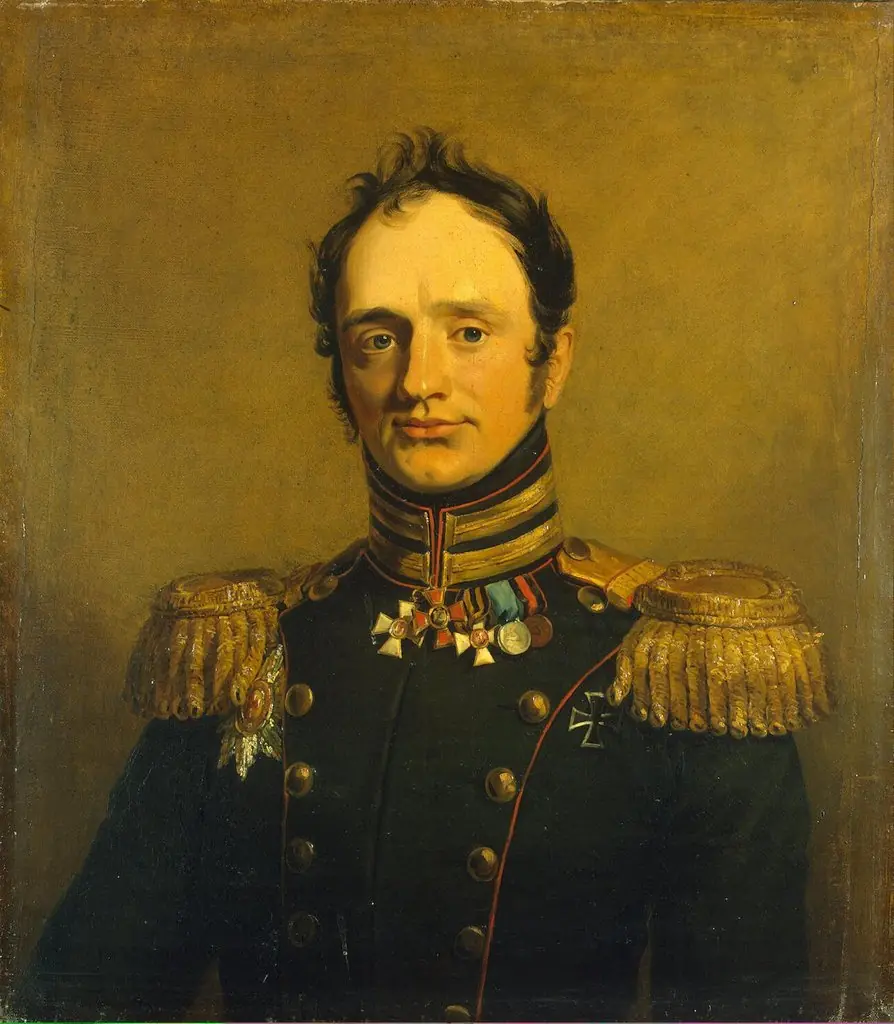 Portrait of Boris Kh. Richter (1782-1832)
 Portrait of Pyotr Kh. (Ludwig Adolf Peter) Wittgenstein (1768/69-1843)
 Portrait of Leonty L. Bennigsen (Levin) (1745-1826)
 Portrait of Karl Klodt von Jurgensburg (1765-1822)
 Portrait of Nikolai M. Sipyagin (1785-1828)