Artwork
Portrait of Mikhail A. Shkapsky (1754-1815)
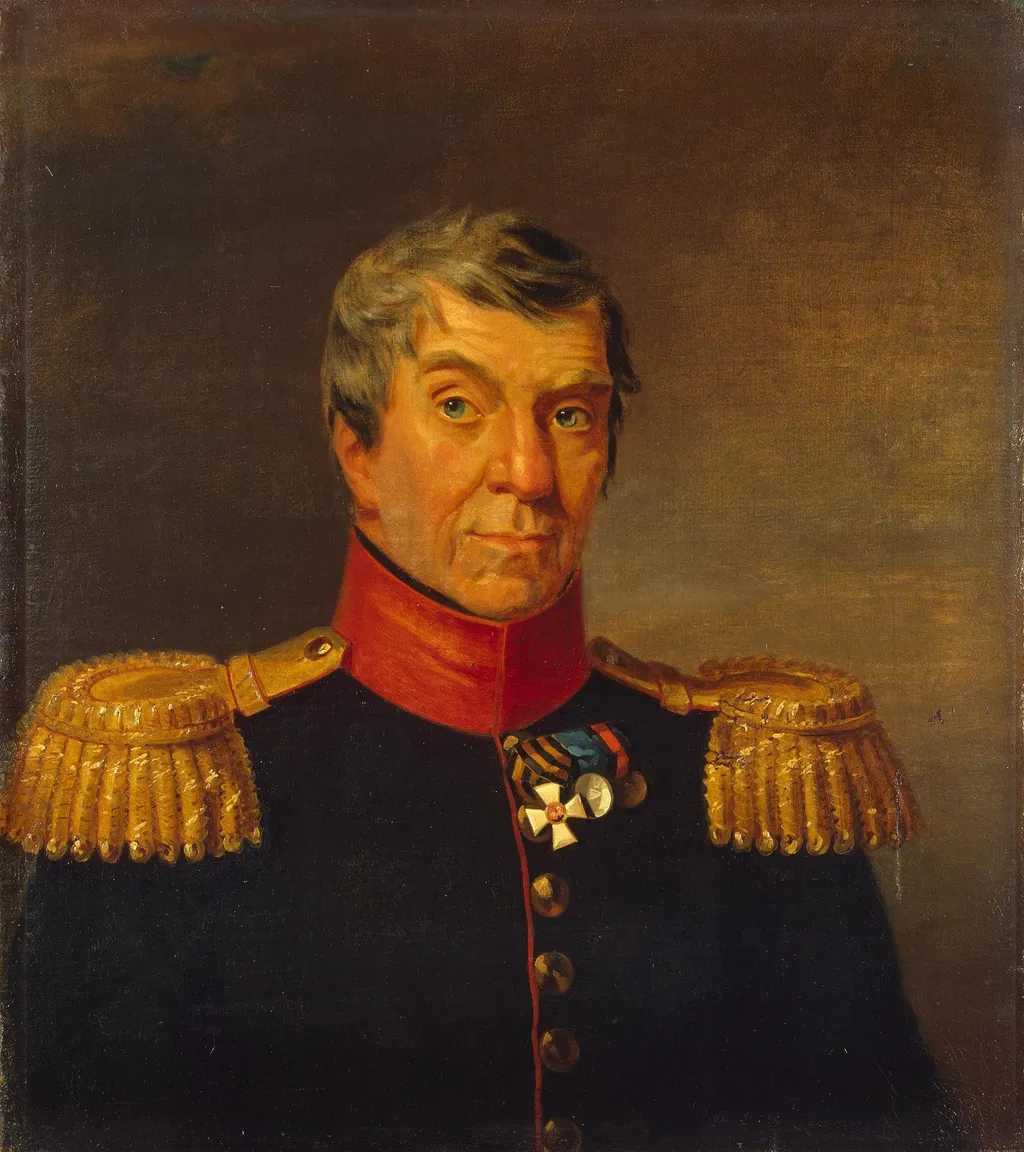
Portrait of Mikhail A. Shkapsky (1754-1815) is an oil painting by George Dawe. It dates from 1822 and is held in the collection of the Hermitage Museum.
About this work
Overview
Though Shkapsky had been deceased for seven years, the portrait was created as part of a broader effort to memorialize military leaders of the era.
Painted in 1822 by the English artist George Dawe, this oil-on-canvas portrait depicts Mikhail A. Shkapsky, a Russian military officer who died in 1815. Dawe, who relocated to Saint Petersburg in 1819, was commissioned to portray prominent figures from the Napoleonic Wars. Though Shkapsky had been deceased for seven years, the portrait was created as part of a broader effort to memorialize military leaders of the era.
Subject & Meaning
Mikhail A. Shkapsky is portrayed in full military regalia, his uniform marked by dark fabric, crimson trim, and gold epaulettes. A star-shaped medal with suspended ribbons indicates high honors, likely awarded for service during Russia’s defense against Napoleon’s invasion. His composed, solemn expression conveys dignity and gravitas, reflecting his status and the cultural emphasis on honoring military sacrifice in post-war Russia.
Technique & Style
Dawe employed a restrained, precise technique typical of early 19th-century academic portraiture. The background is uniformly dark, eliminating distraction and directing attention to the subject’s face and uniform. Brushwork is controlled, with careful rendering of metallic details on the epaulettes and medal, while the skin tones are rendered with subtle gradations to suggest volume and presence without theatricality.
History & Provenance
Commissioned during Dawe’s tenure in Russia, the portrait was likely part of a state-sponsored initiative to document military heroes. It entered the collection of the State Hermitage Museum in the 19th century, where it remains today. The painting’s creation after Shkapsky’s death aligns with a trend of posthumous commemorative portraiture among Russian elites seeking to preserve the legacy of wartime service.
Context
In the decades following the Napoleonic Wars, Russia cultivated a visual culture centered on military valor. Portraits like this one were commissioned to reinforce national identity and honor those who contributed to victory. Dawe, as a foreign artist working under imperial patronage, became a key figure in this project, producing over 300 such portraits for the Military Gallery of the Hermitage.
Legacy
The portrait endures as part of a larger visual archive of Russian military leadership assembled under Tsar Nicholas I. While Shkapsky himself is not widely remembered outside historical records, his image persists through Dawe’s work, contributing to the collective memory of Russia’s role in the Napoleonic conflicts. The painting exemplifies the intersection of art, state commemoration, and military honor in early 19th-century Russia.
Own this work as a print
Artist & collection
Artist
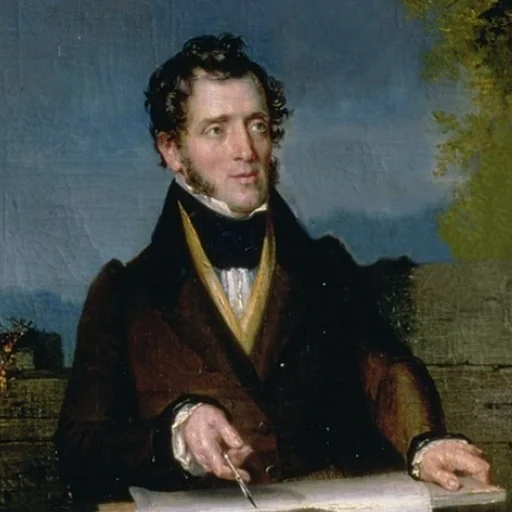
George Dawe (6 February 1781 – 15 October 1829) was an English portraitist who painted 329 portraits of Russian generals active during Napoleon's invasion of Russia for the Military Gallery of the Winter Palace.

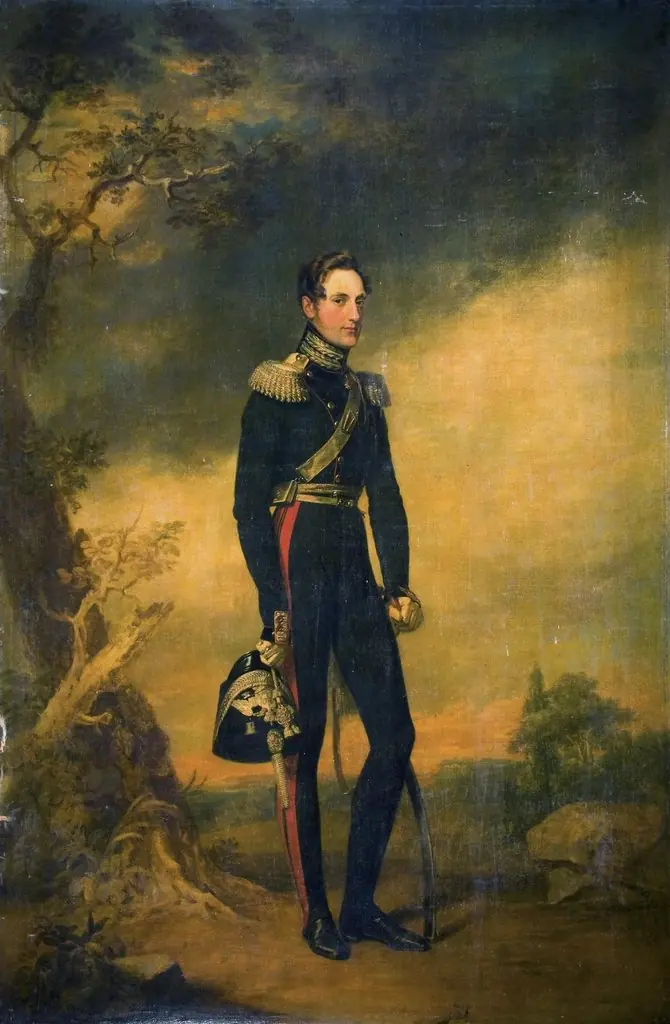 Portrait of Grand Duke Nikolai Pavlovich
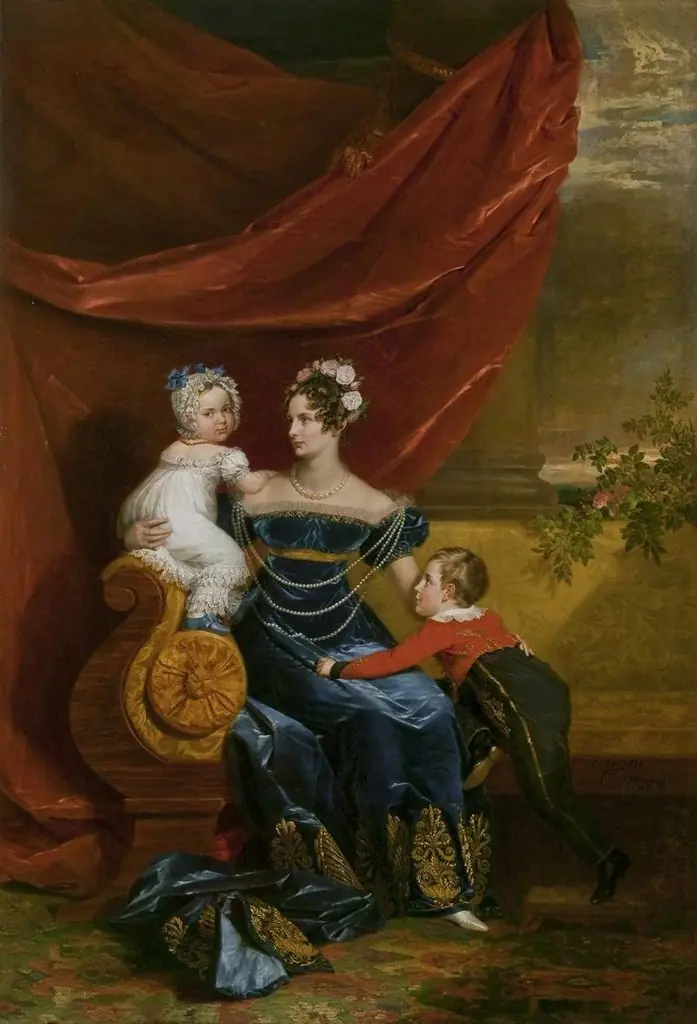 Portrait of Grand Duchess Alexandra Fiodorovna with Children
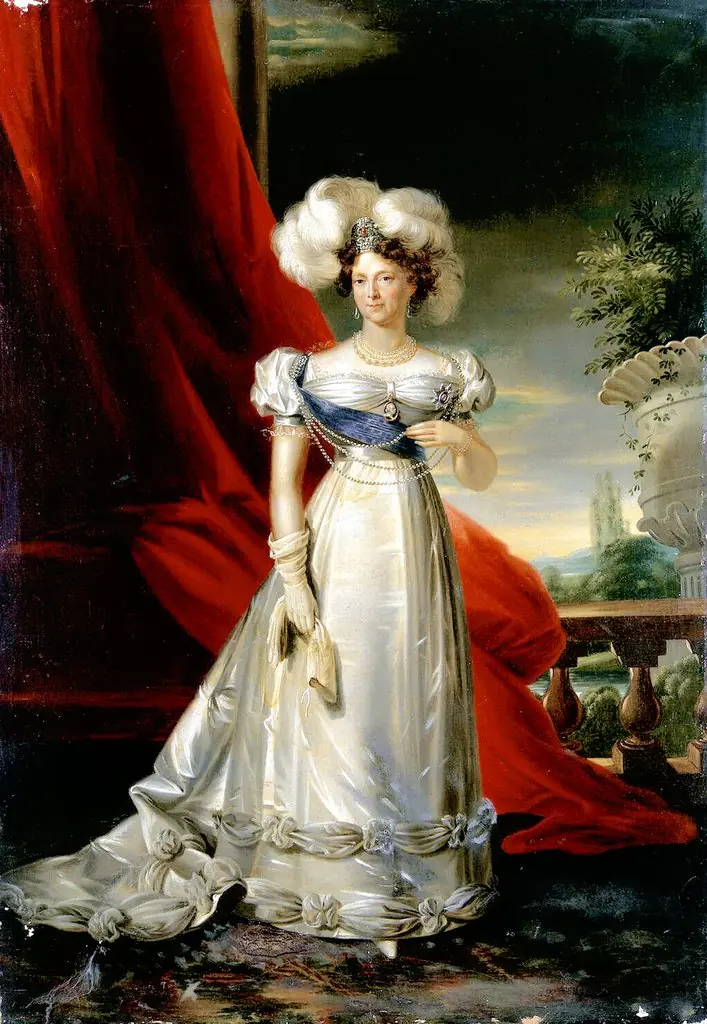 Portrait of the Empress Dowager Maria Feodorovna
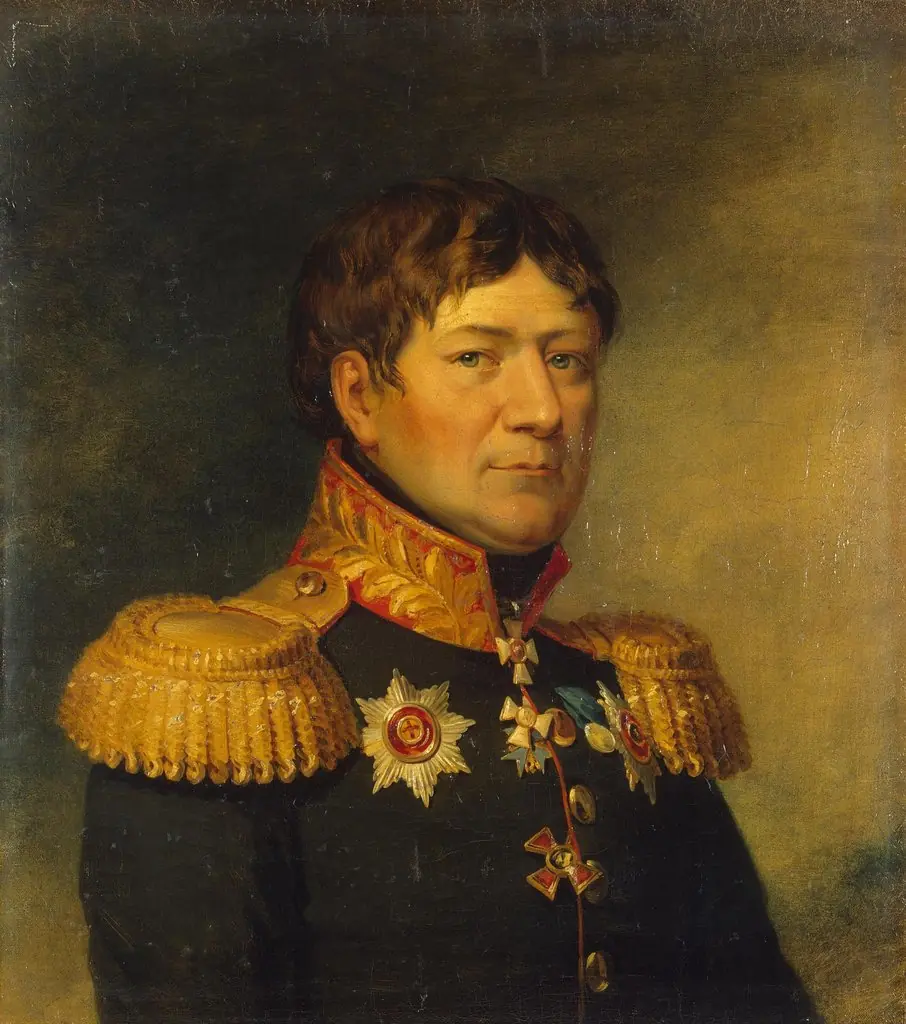 Portrait of Yegor M. Pillar (1767-1830)
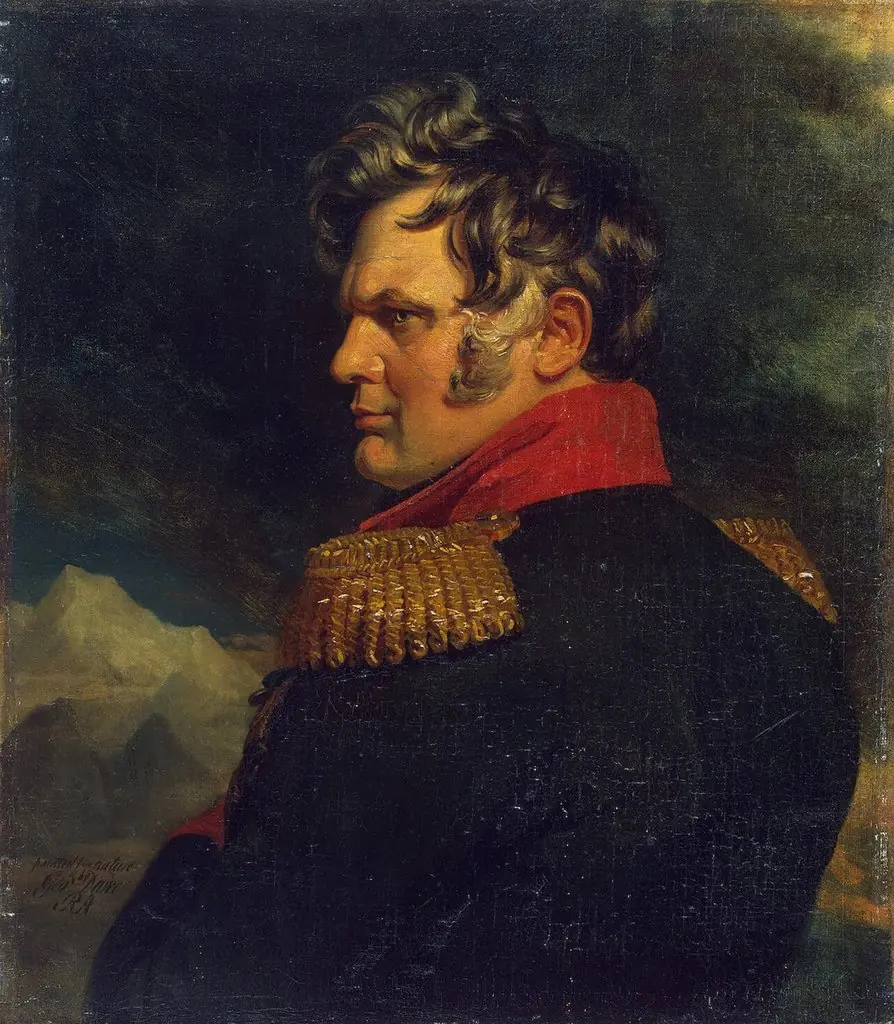 Portrait of Alexei P. Yermolov (1772/77-1861)
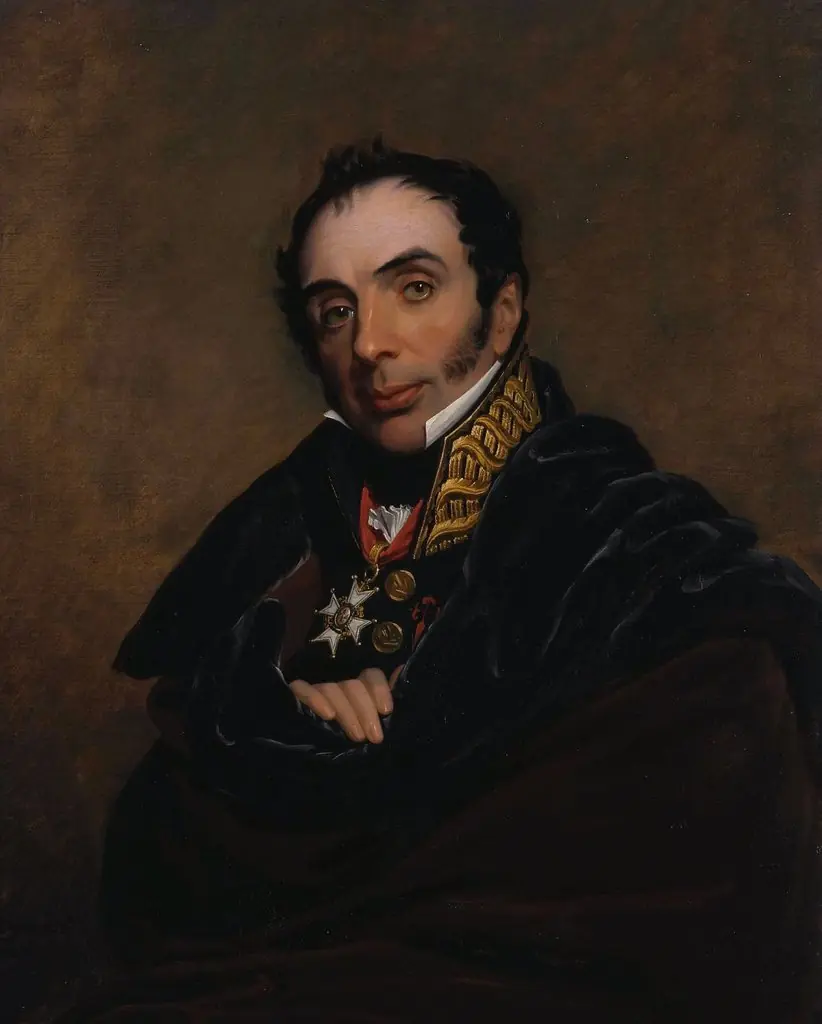 Portrait of Miguel Ricardo de Alava
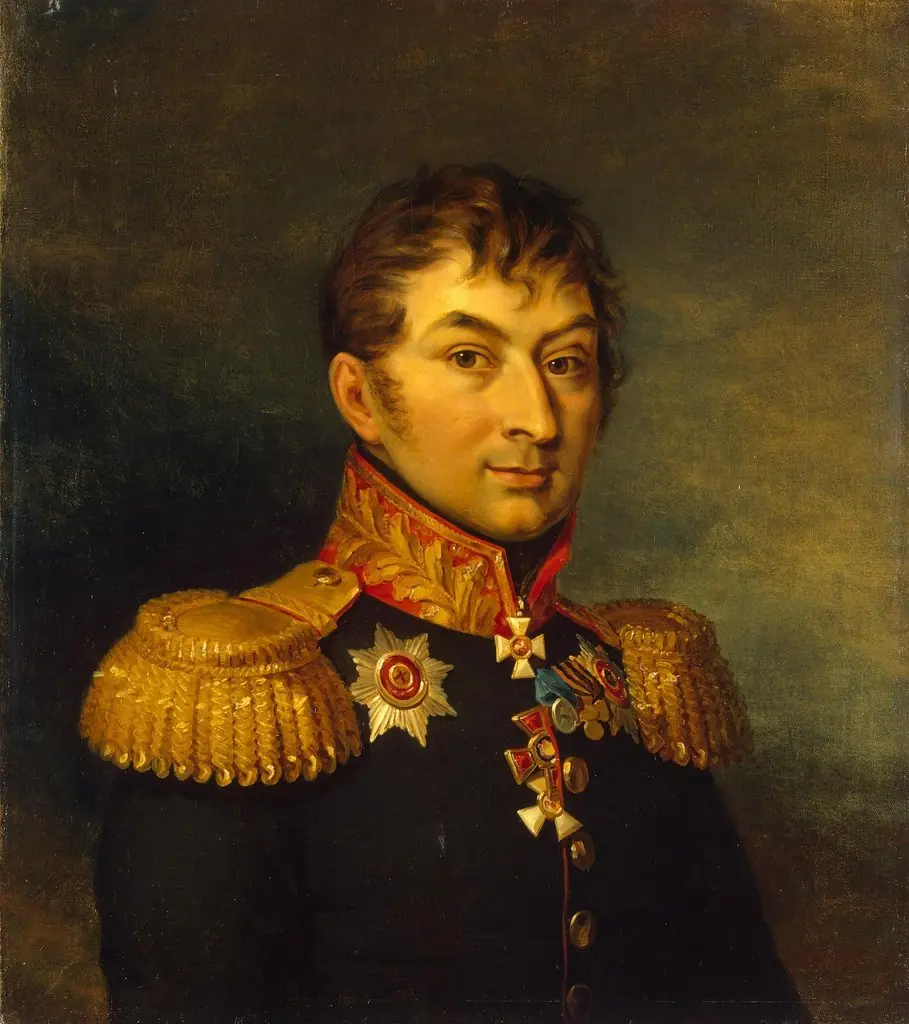 Portrait of Ivan D. Panchulidzev (1759-1815) (1st)
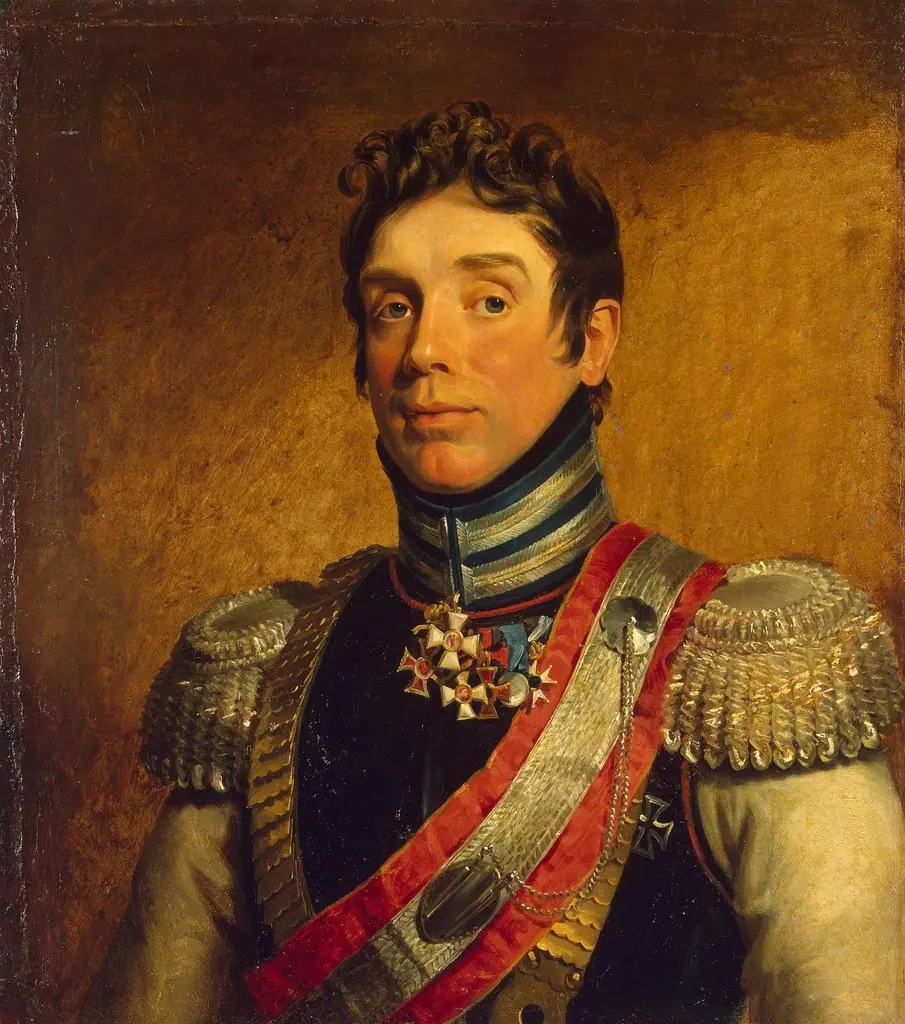 Portrait of Karl V. Budberg (1774-1829)
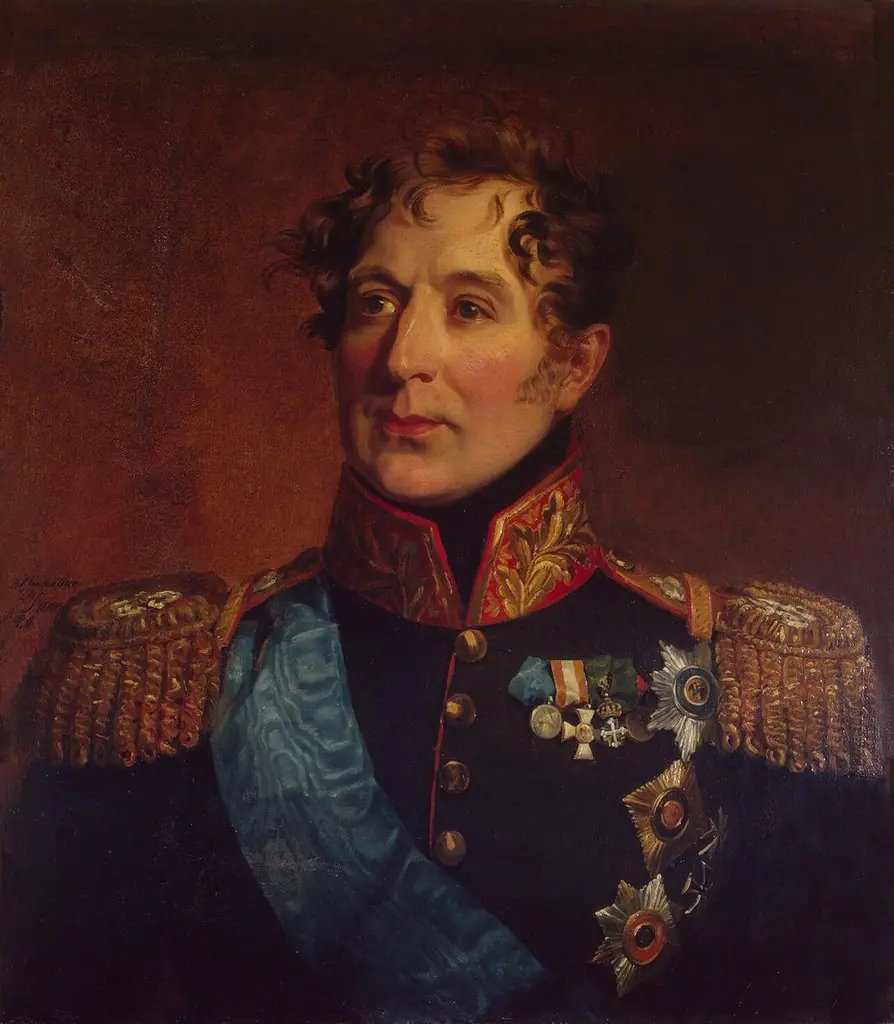 Portrait of Mikhail A. Miloradovich (1771-1825)
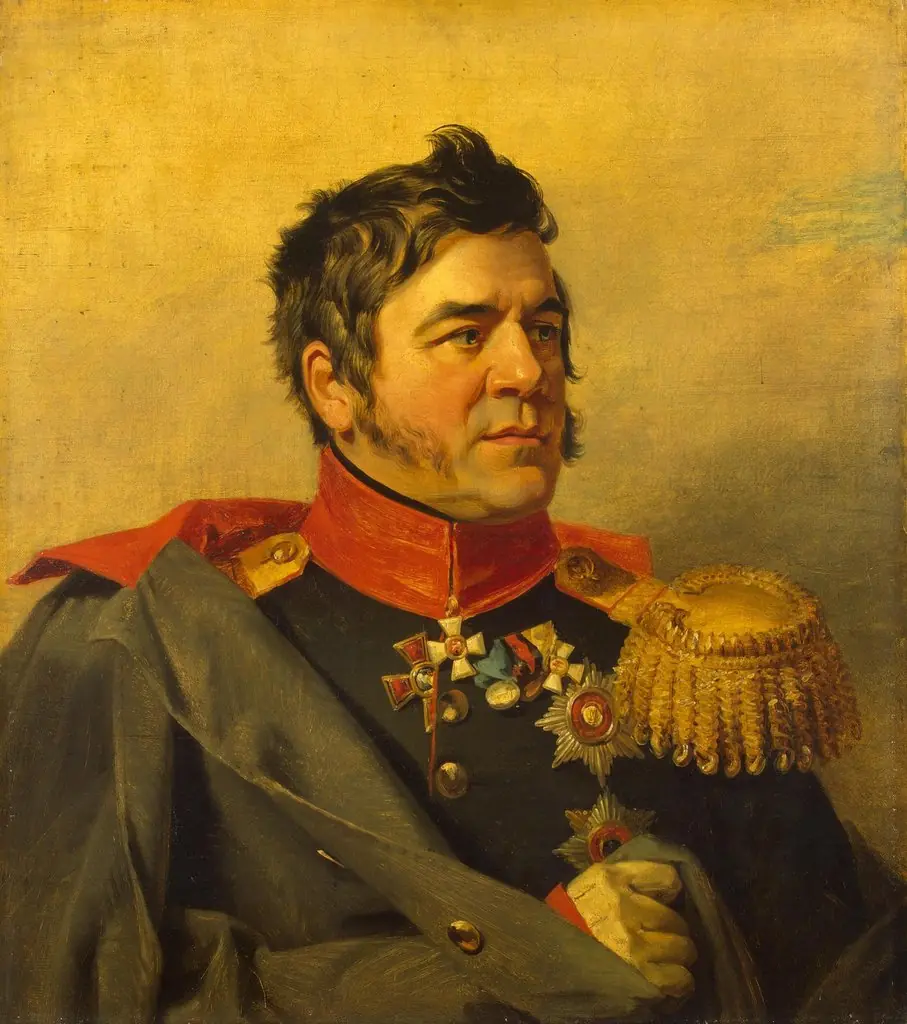 Portrait of Ivan L. Shakhovskiy (1777-1860)
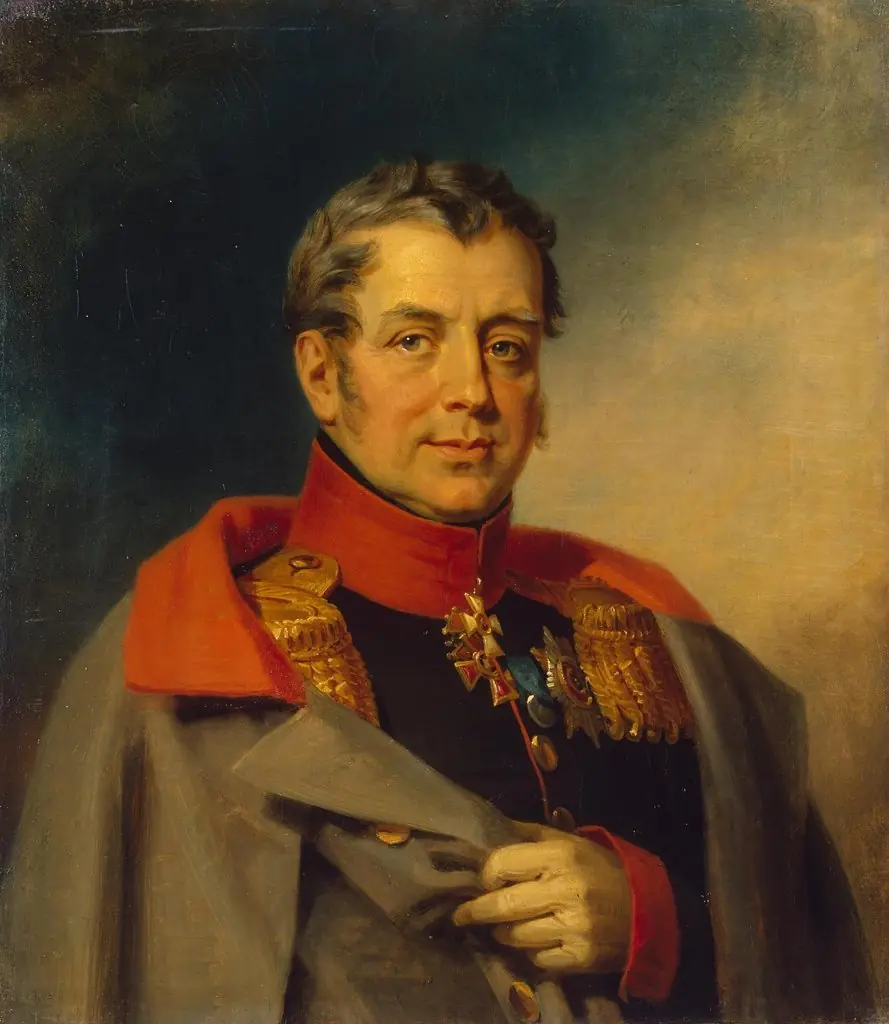 Portrait of Mikhail D. Balk (1764-1818)
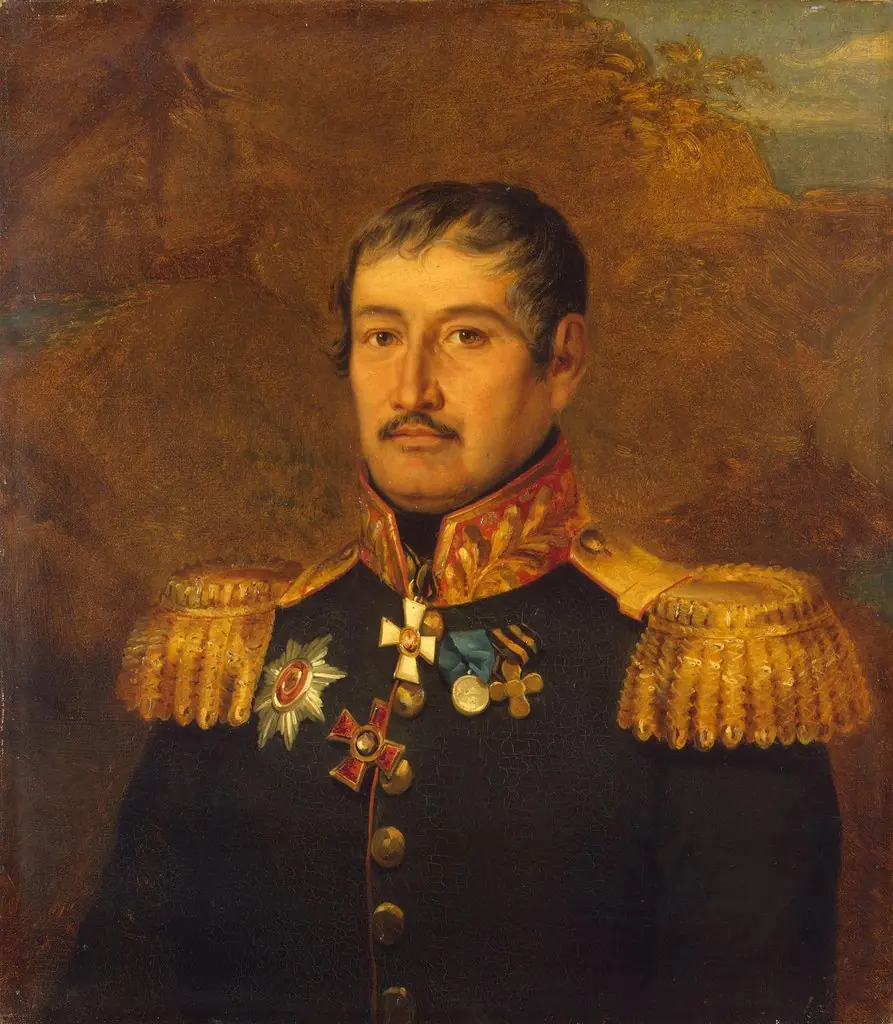 Portrait of Gerasim A. Shostakov (1756-1837)
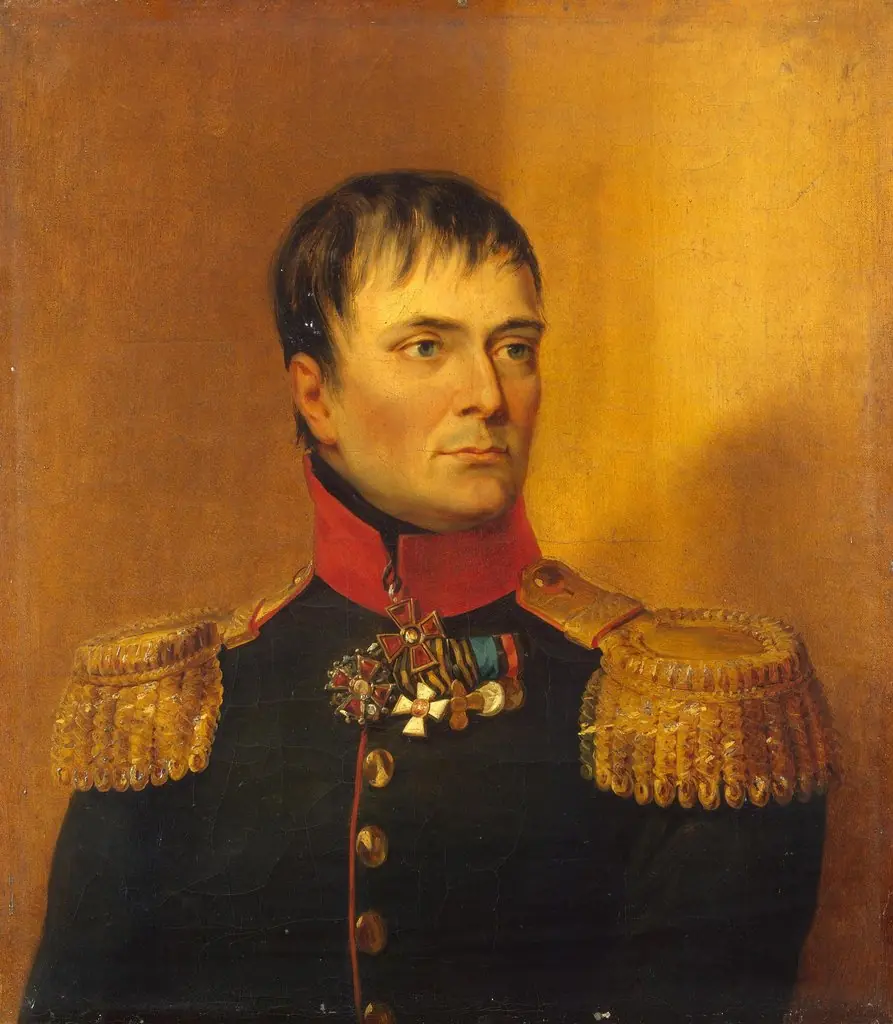 Portrait of Ivan I. Palitsyn (1763-1814)
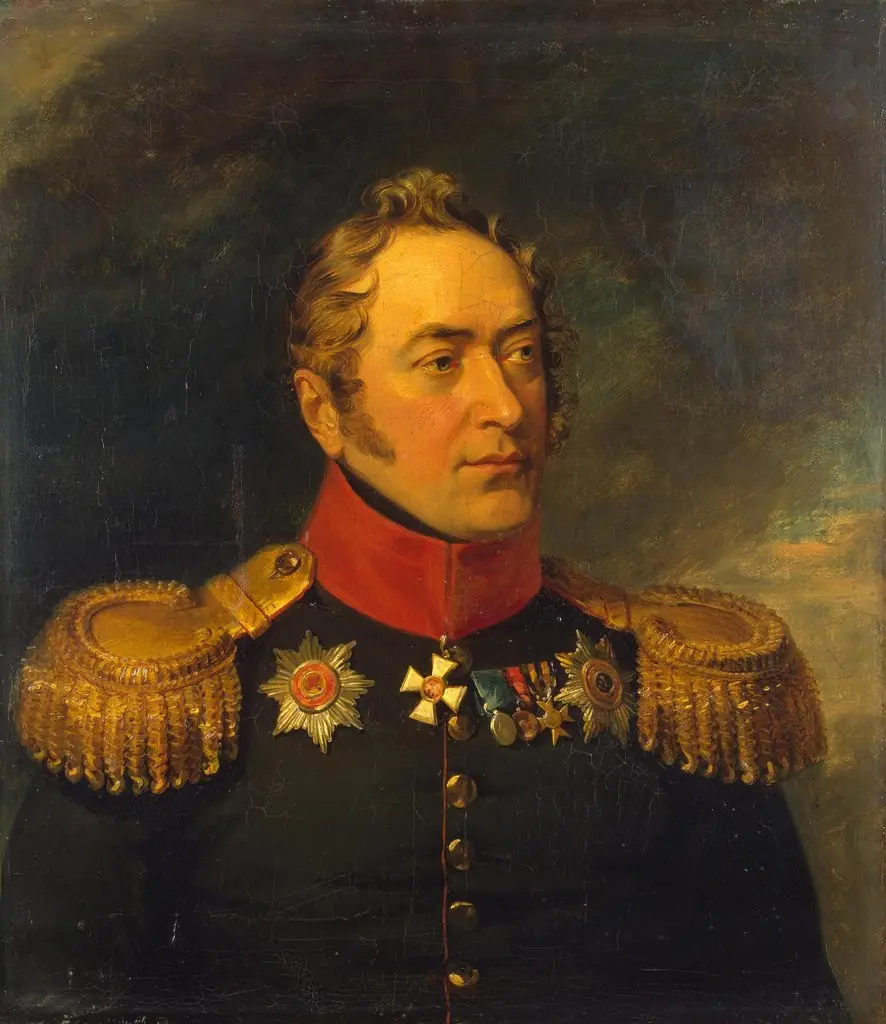 Portrait of Nikolai N. Khovansky (1777-1837)
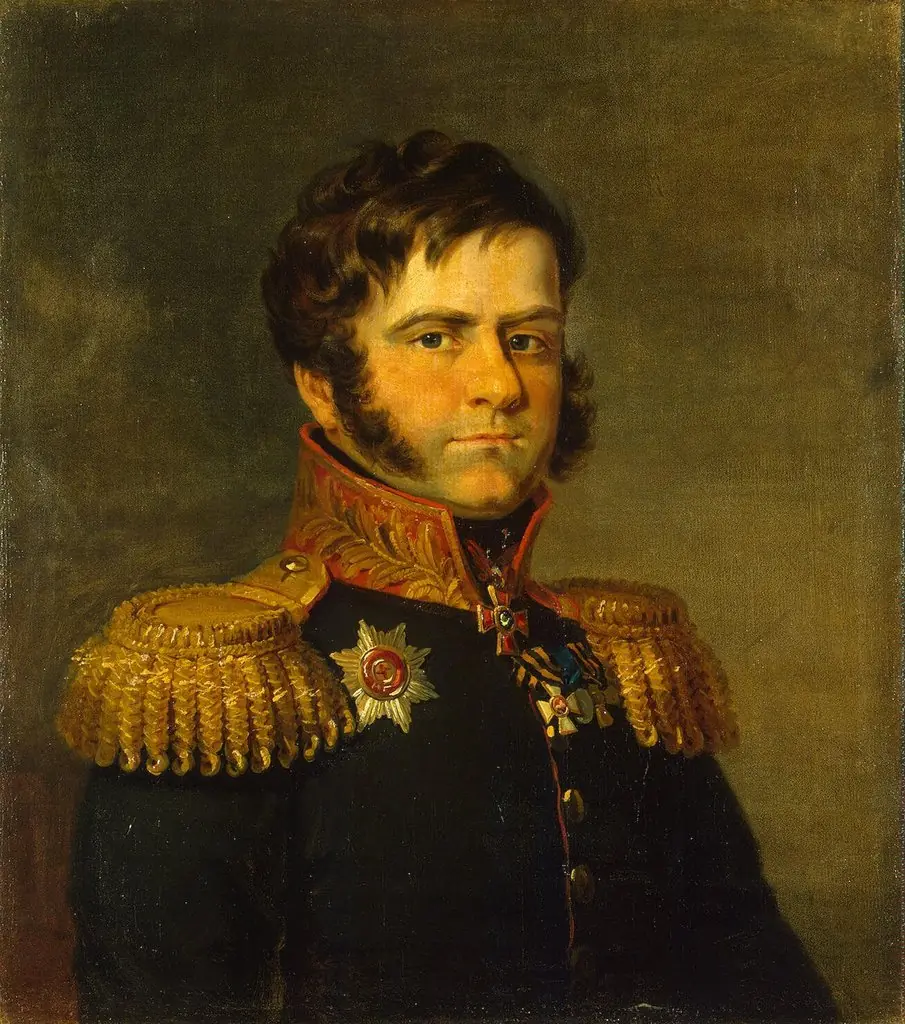 Portrait of Dmitry P. Neverovsky (1771-1813)
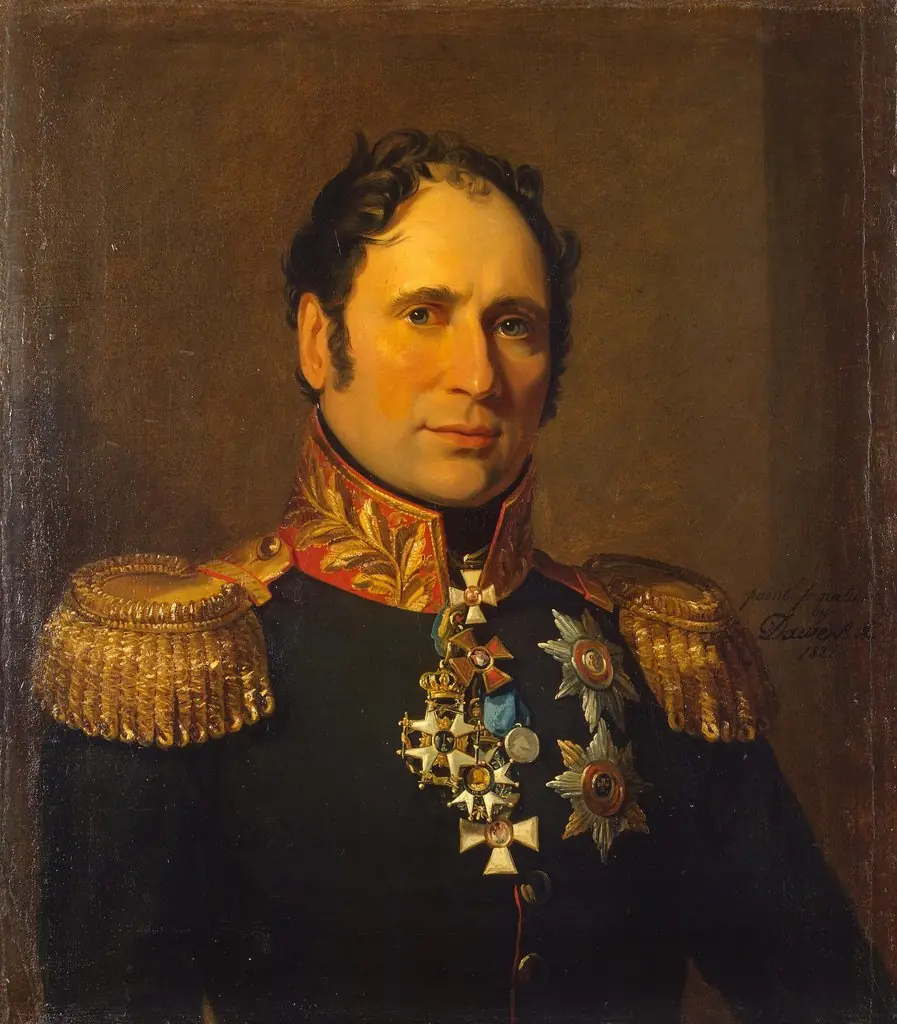 Portrait of Karl I. Oppermann (1765/66-1831)
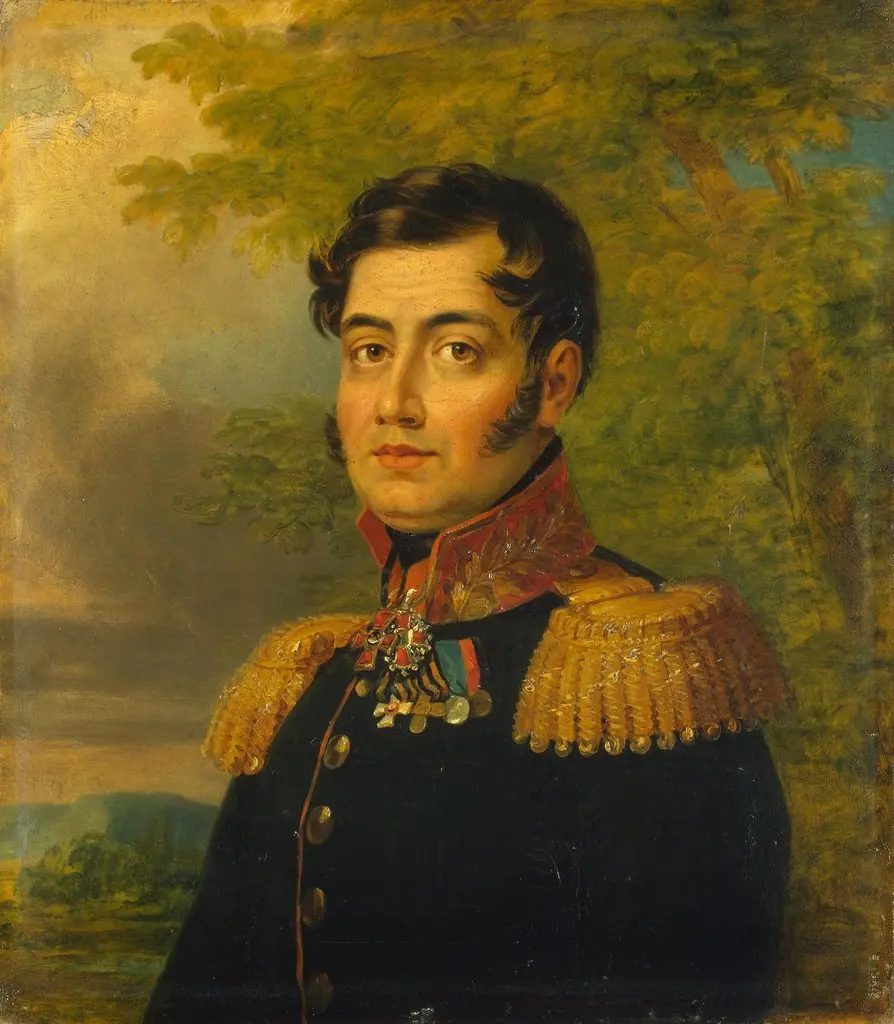 Portrait of Mikhail F. Naumov (1757-1823)