Artwork
Portrait of Gerasim A. Shostakov (1756-1837)
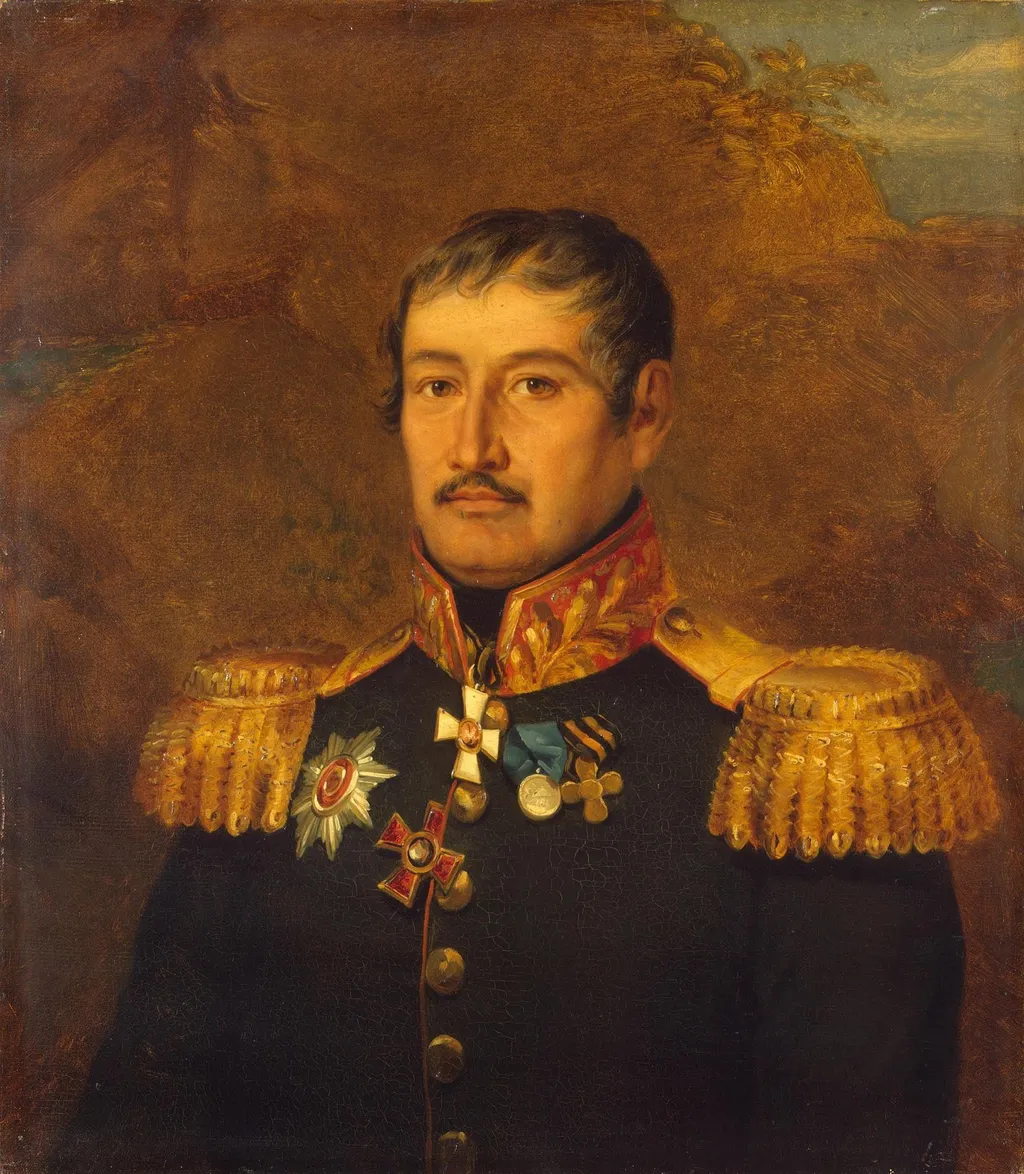
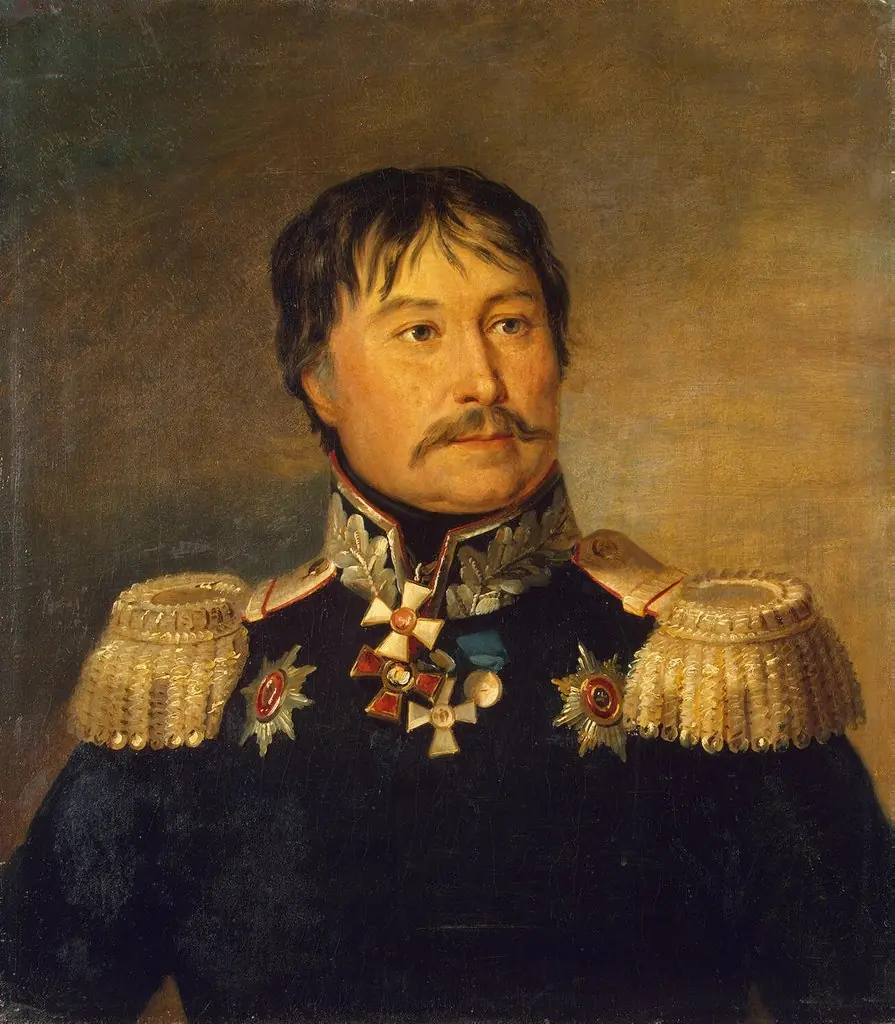
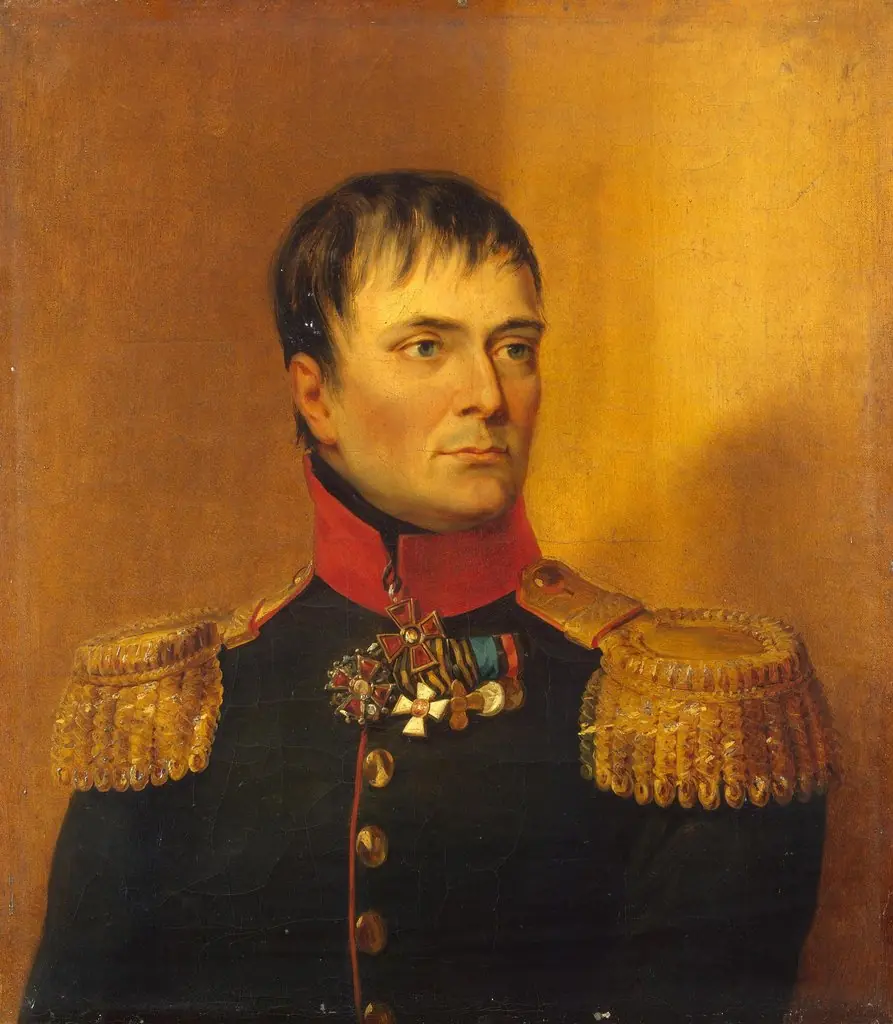
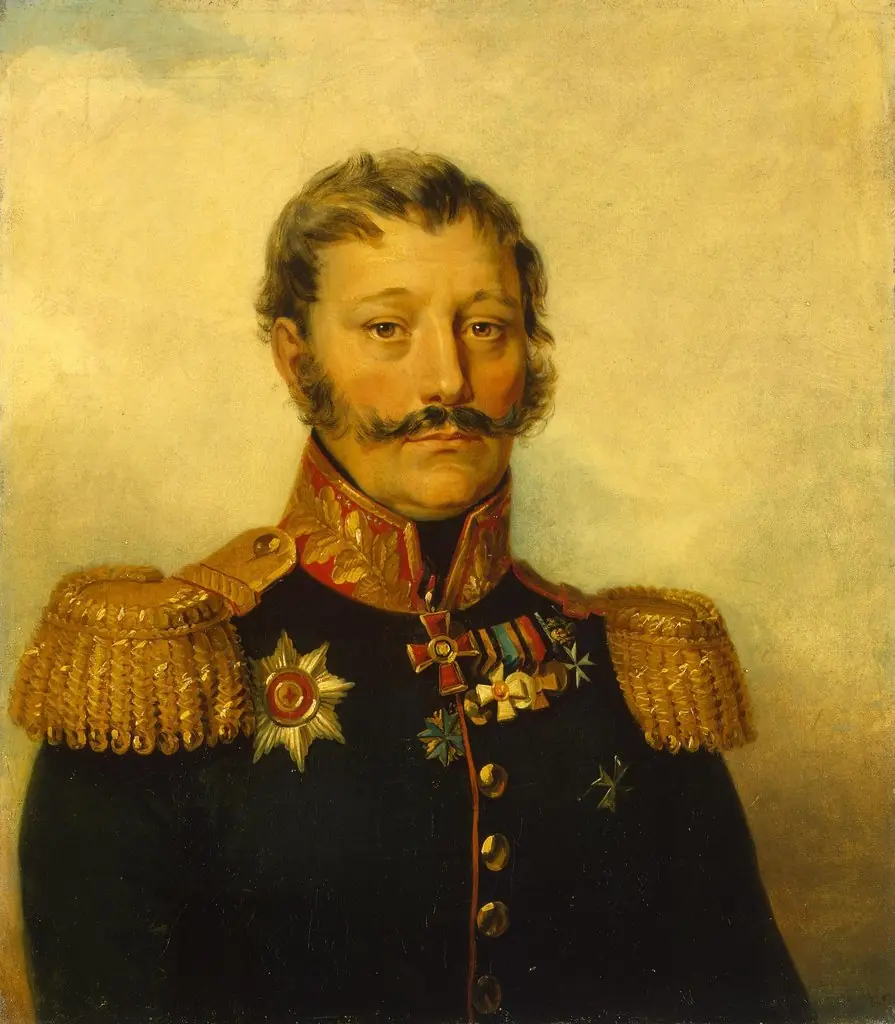
Portrait of Gerasim A. Shostakov (1756-1837) is an oil painting by George Dawe. It dates from 1824 and is held in the collection of the Hermitage Museum.
About this work
Overview
Dawe, who relocated to Saint Petersburg in 1819, was commissioned to portray prominent figures of the Russian armed forces.
Painted in 1824 by the English artist George Dawe, this oil-on-canvas portrait depicts Gerasim A. Shostakov, a Russian military officer active during the Napoleonic Wars. Dawe, who relocated to Saint Petersburg in 1819, was commissioned to portray prominent figures of the Russian armed forces. The work is part of the State Hermitage Museum’s collection, where it contributes to a broader series of military portraits commissioned during the early 19th century.
Subject & Meaning
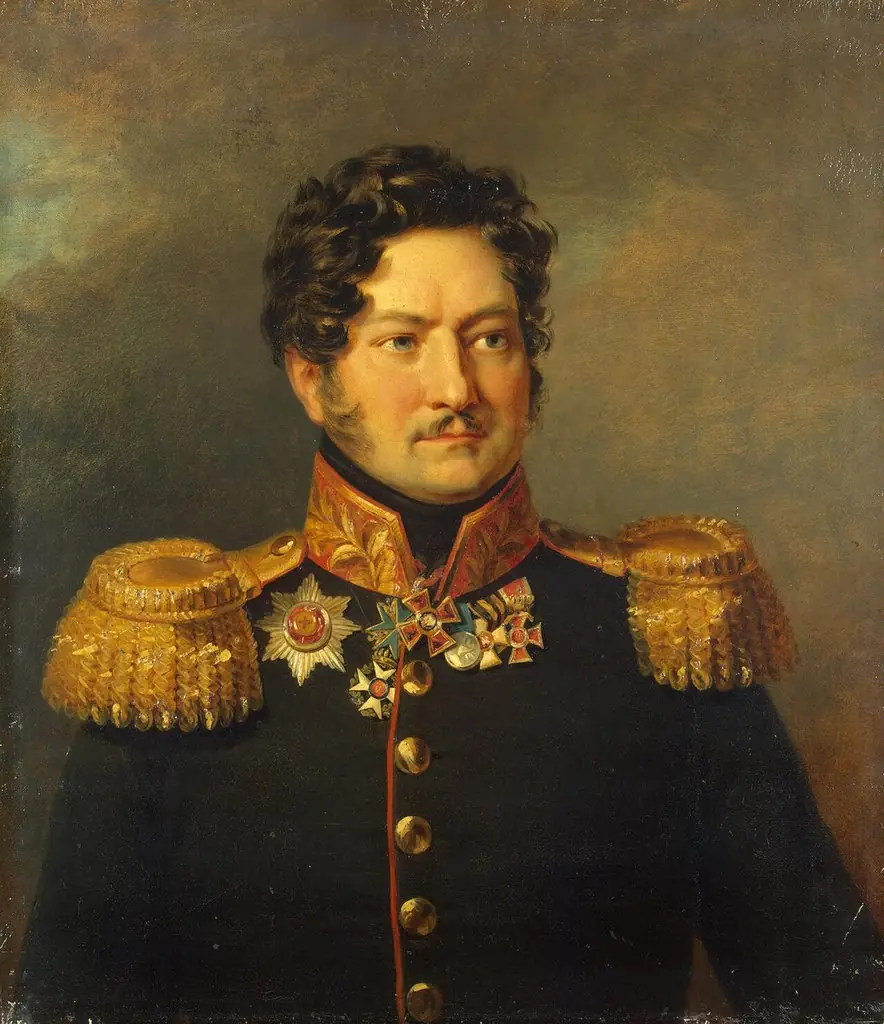
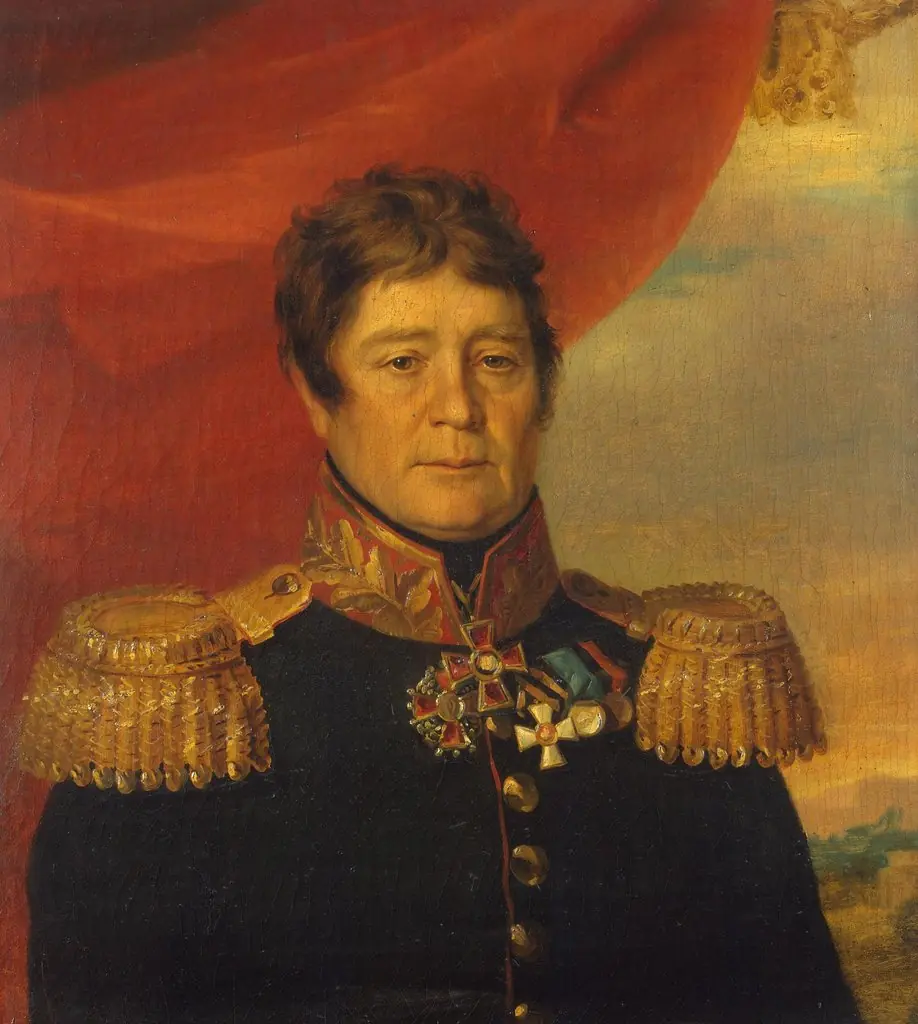
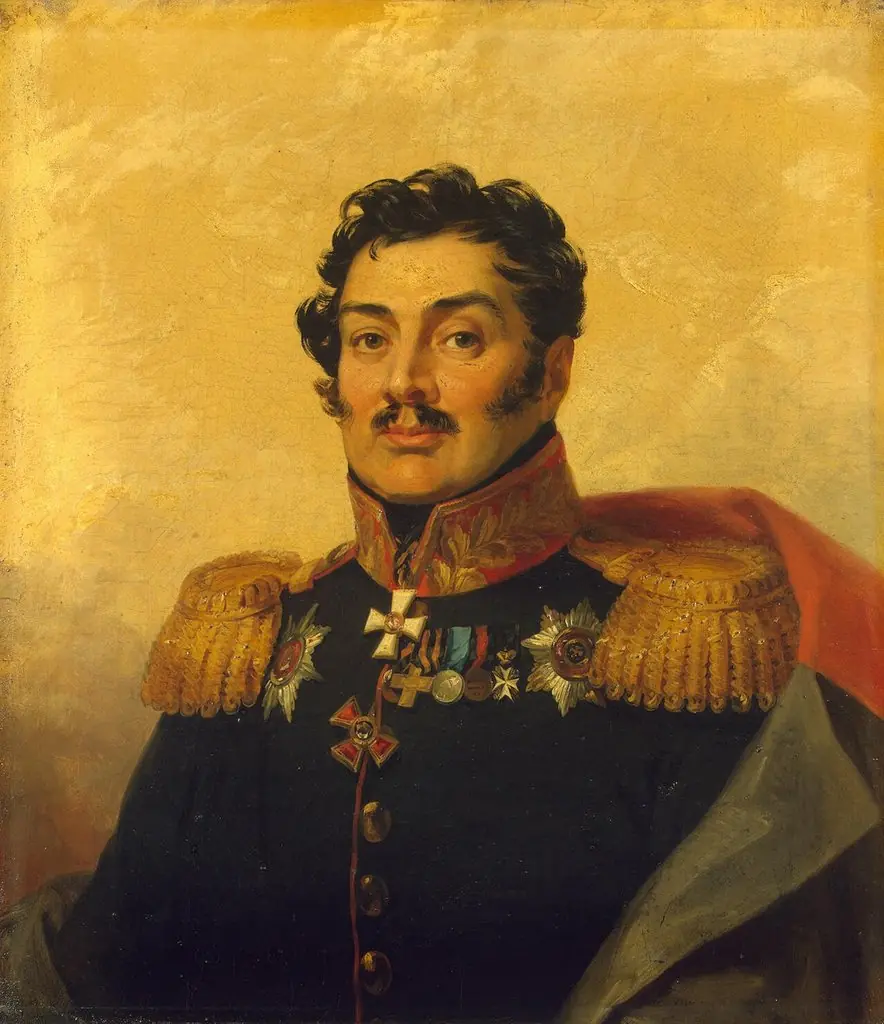
Gerasim A. Shostakov is portrayed as a decorated officer of the Russian army, his identity conveyed through formal military attire and an array of medals. The stern expression and direct gaze suggest discipline and gravitas, aligning with the values of service and duty in post-Napoleonic Russia. The medals, varying in sheen, imply a career marked by multiple acts of valor, though their specific honors remain unrecorded in the painting’s documentation.
Technique & Style
Dawe employed a restrained palette dominated by dark tones, allowing the gold embroidery of the uniform and metallic medals to draw attention. The background is softly blurred, eliminating distractions and focusing the viewer on the subject’s face and insignia. Brushwork is precise in rendering textures—fabric, metal, and skin—while maintaining a formal, almost austere composition typical of official portraiture of the era.
History & Provenance
Commissioned during Dawe’s tenure in Russia, the portrait was likely created as part of a state-sponsored project to document military leaders who served in the War of 1812. It entered the Hermitage’s collection shortly after completion, remaining there without significant provenance changes. Dawe’s role as a foreign artist entrusted with such commissions reflects the imperial court’s openness to Western artistic traditions in documenting national history.
Context
In the decades following Napoleon’s defeat, the Russian Empire emphasized the glorification of its military elite. Dawe’s portraits, including this one, were part of a larger initiative to visually archive officers who contributed to Russia’s victory. These works served both commemorative and propagandistic purposes, reinforcing state authority through imagery of disciplined, decorated leadership.
Legacy
The portrait remains a representative example of early 19th-century Russian military portraiture, illustrating the fusion of British academic technique with Russian imperial iconography. While Dawe’s broader project is better known, individual works like this one preserve the identities of lesser-documented officers, offering insight into the visual culture of service and recognition in post-war Russia.
Own this work as a print
Artist & collection
Artist
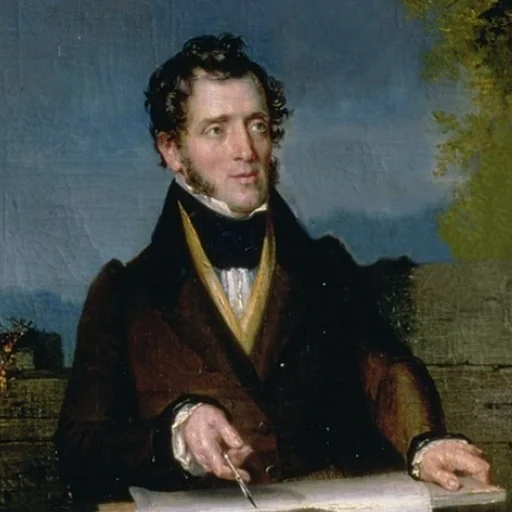
George Dawe (6 February 1781 – 15 October 1829) was an English portraitist who painted 329 portraits of Russian generals active during Napoleon's invasion of Russia for the Military Gallery of the Winter Palace.

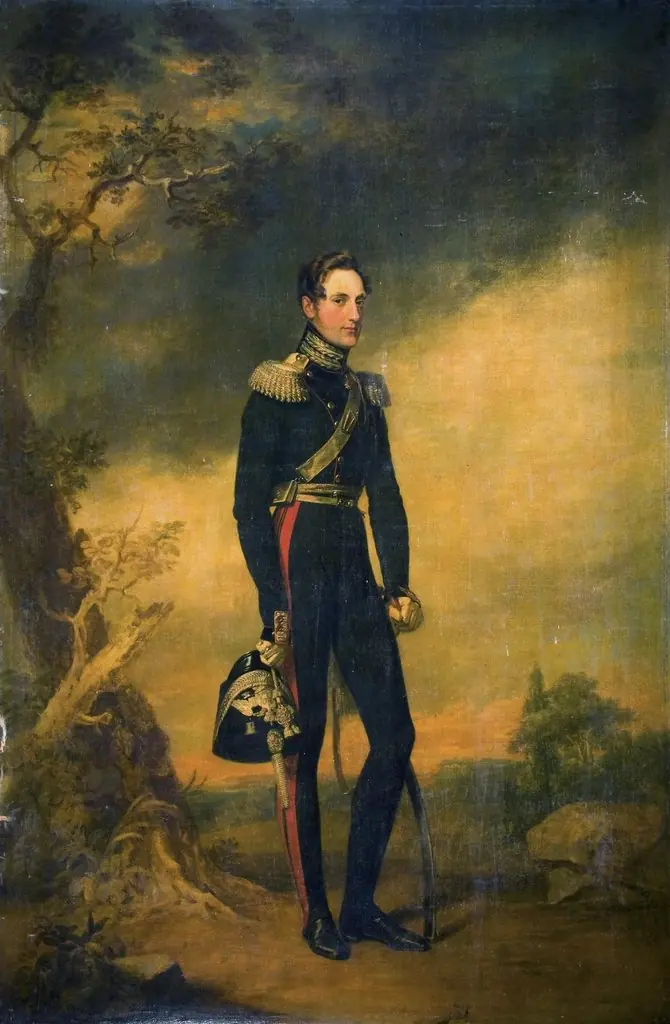 Portrait of Grand Duke Nikolai Pavlovich
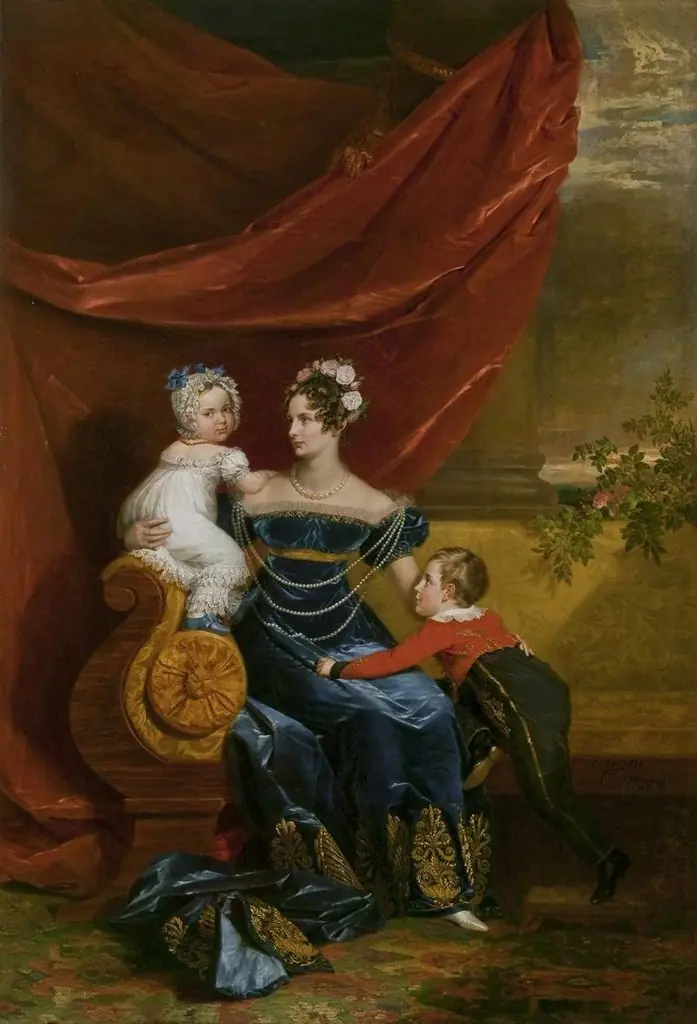 Portrait of Grand Duchess Alexandra Fiodorovna with Children
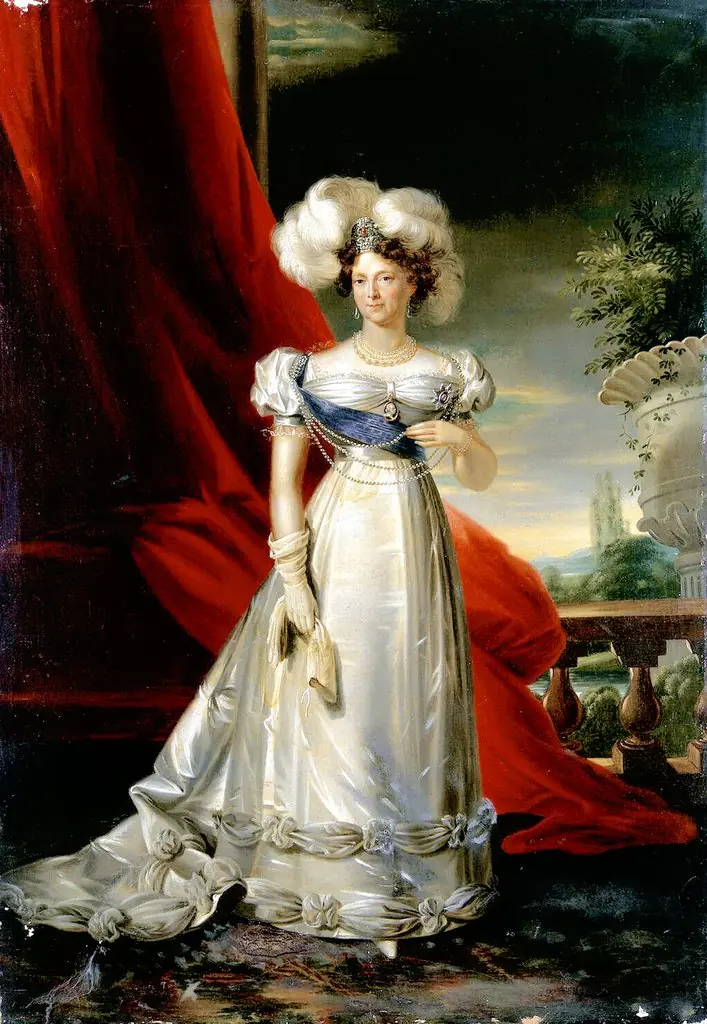 Portrait of the Empress Dowager Maria Feodorovna
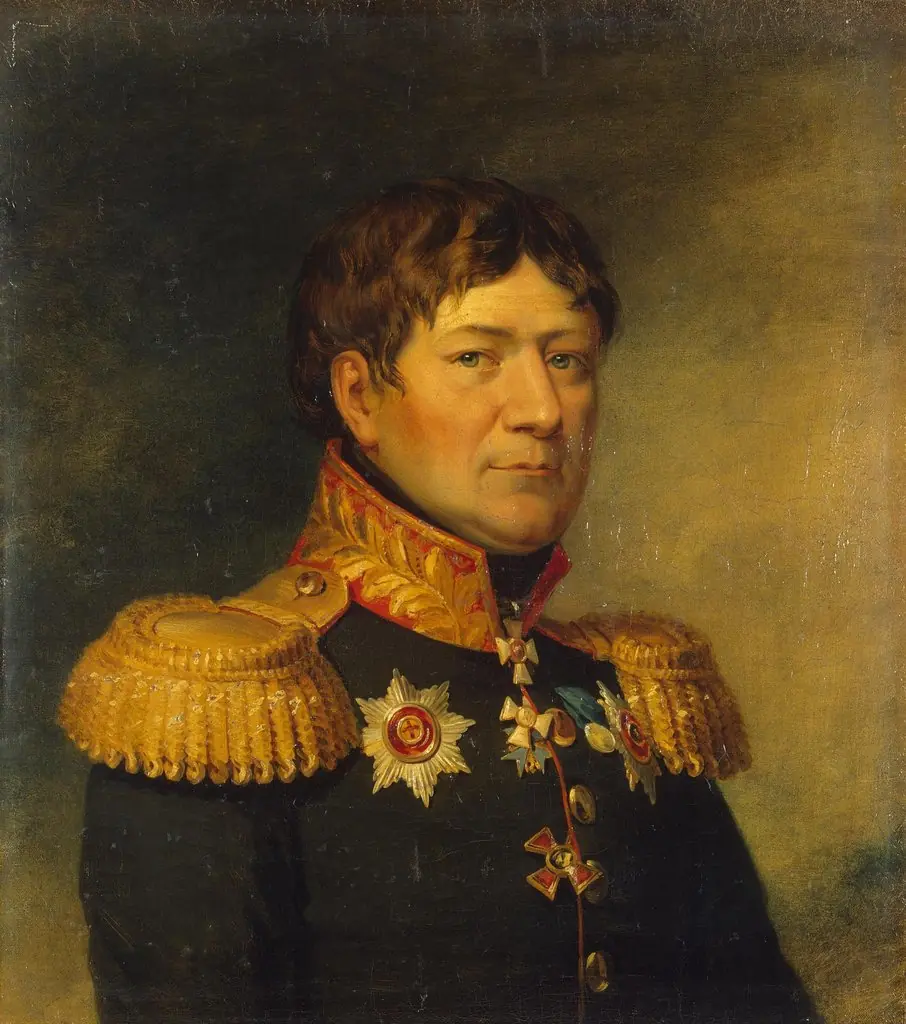 Portrait of Yegor M. Pillar (1767-1830)
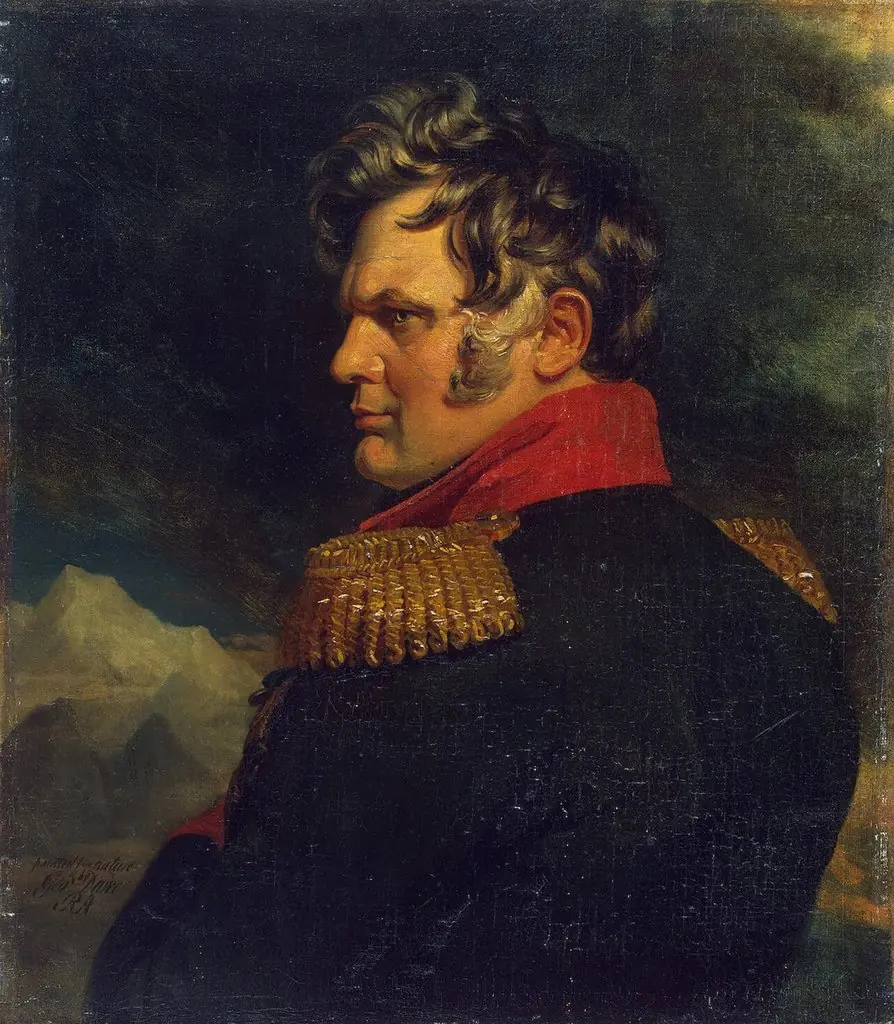 Portrait of Alexei P. Yermolov (1772/77-1861)
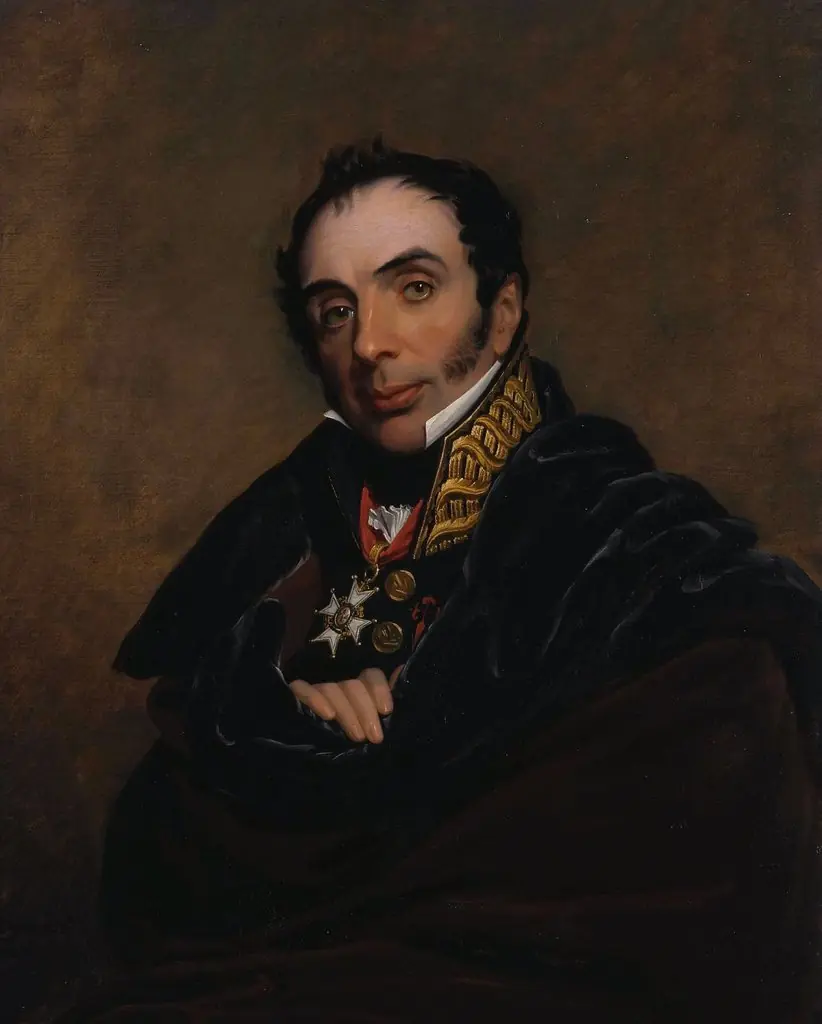 Portrait of Miguel Ricardo de Alava
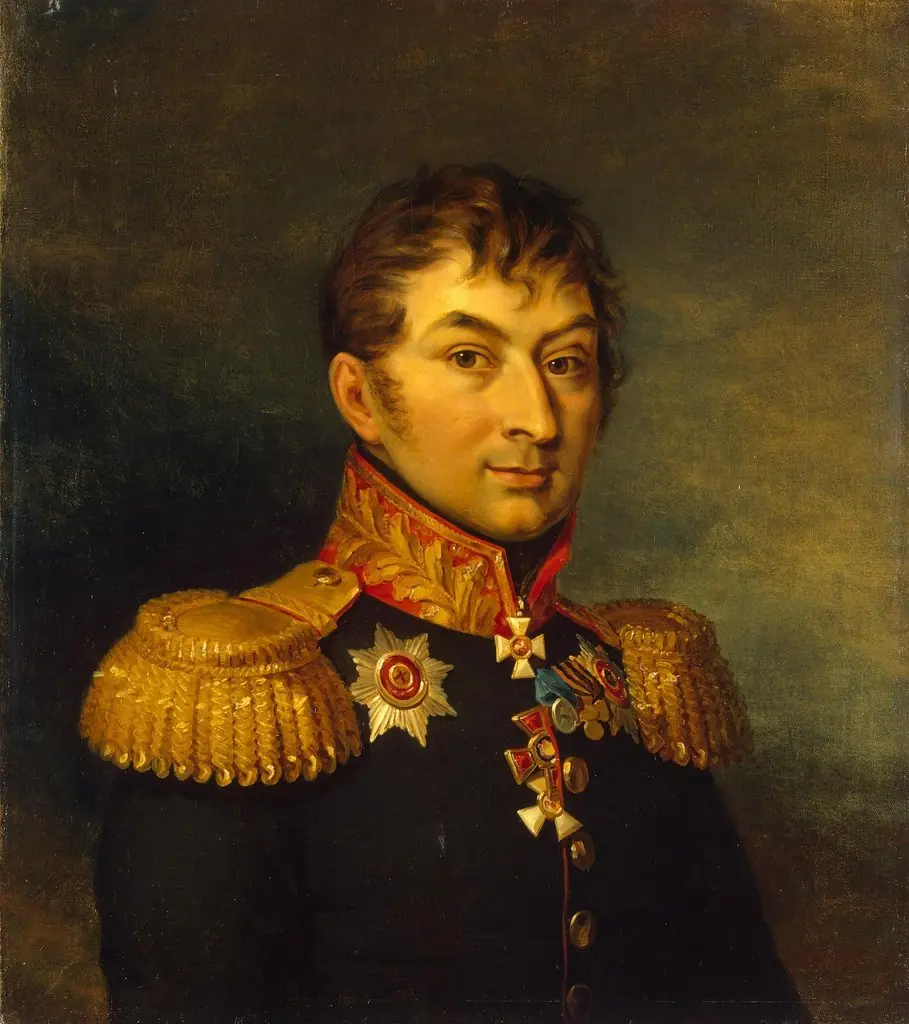 Portrait of Ivan D. Panchulidzev (1759-1815) (1st)
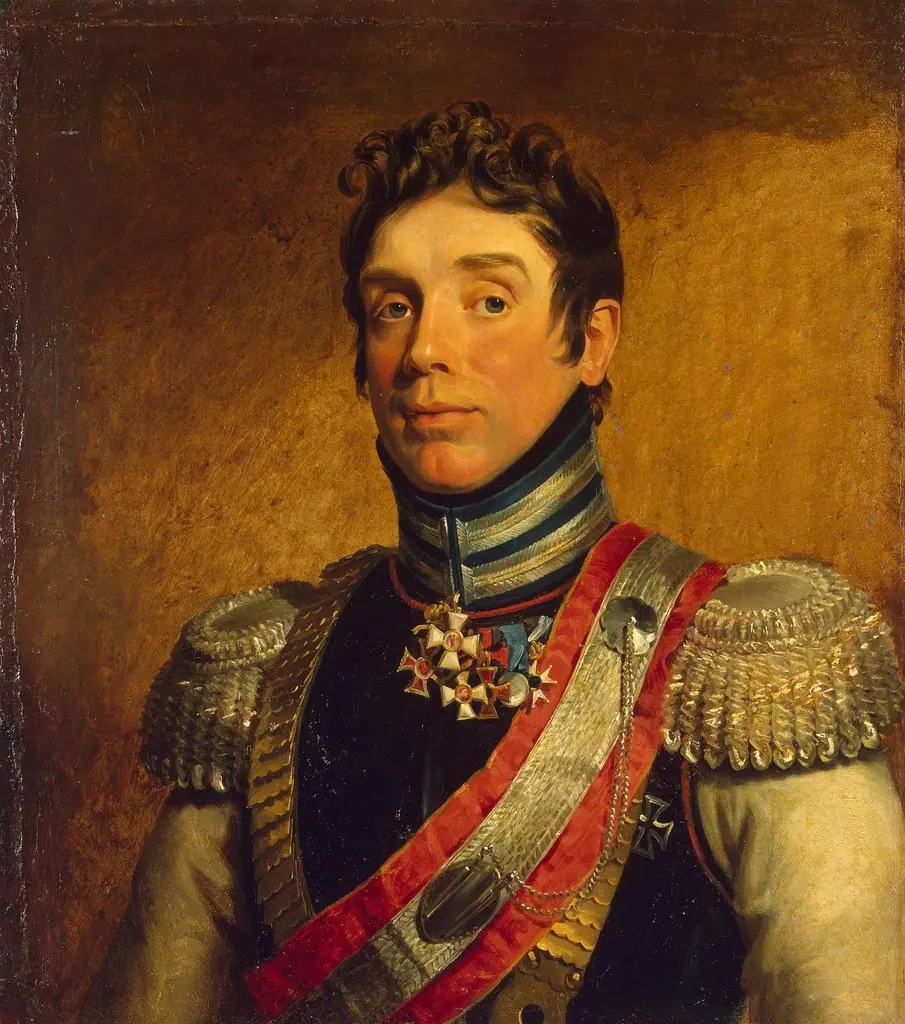 Portrait of Karl V. Budberg (1774-1829)