Artwork
Portrait of Nikolai D. Olsufyev (1779-1817) (3rd)
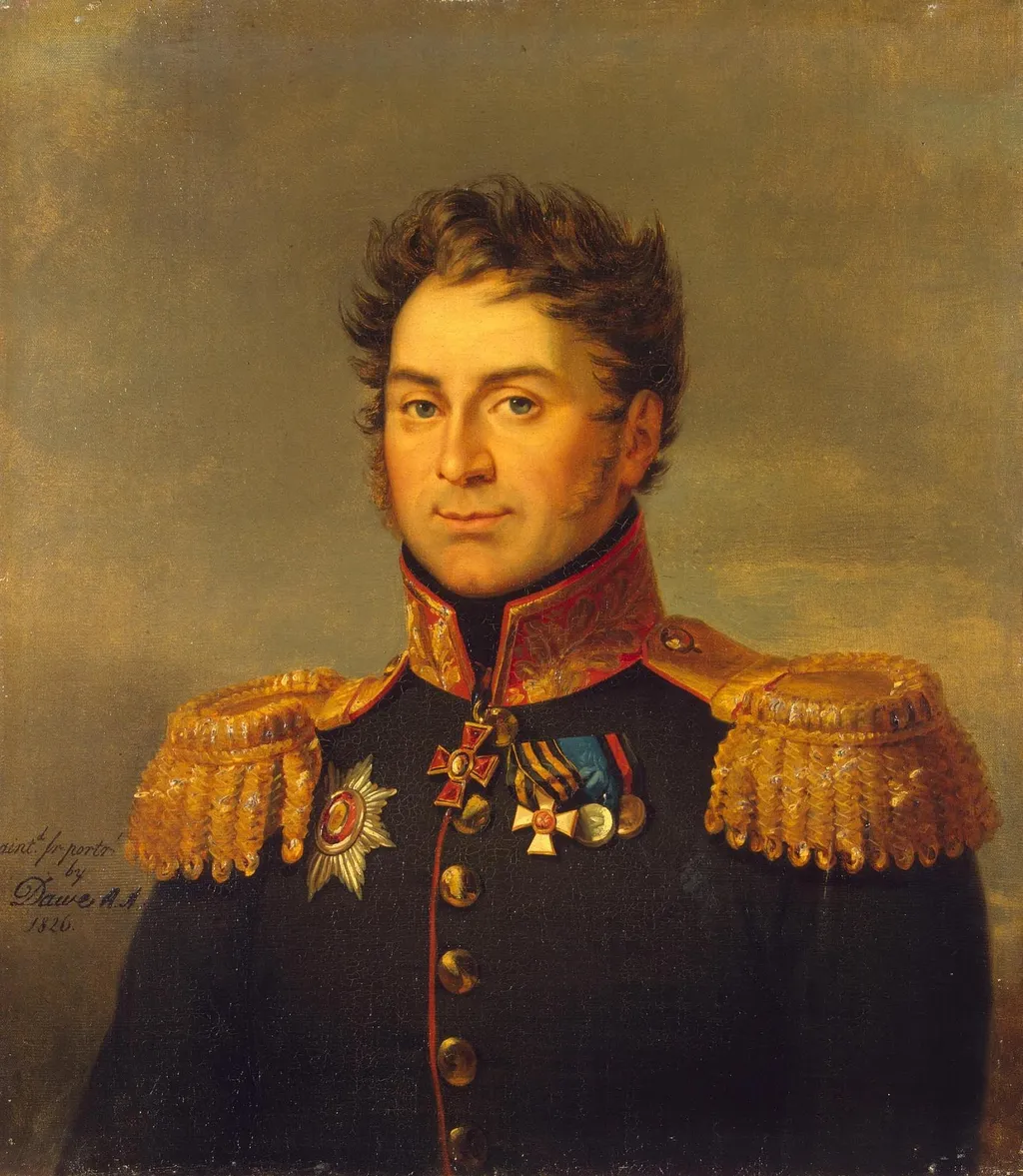
Portrait of Nikolai D. Olsufyev (1779-1817) (3rd) is an oil painting by George Dawe. It dates from 1826 and is held in the collection of the Hermitage Museum.
About this work
Overview
George Dawe’s 1826 oil portrait depicts Russian General Nikolai D. Olsufyev (1779–1817). Executed in Saint Petersburg, the work now belongs to the State Hermitage Museum’s collection. It is one of many military likenesses Dawe produced for the Winter Palace’s Military Gallery after establishing his career in Russia.
Subject & Meaning
The sitter, General Olsufyev, is shown in full dress uniform, his black jacket trimmed with gold embroidery and adorned with several campaign medals. His direct gaze and composed expression convey the authority and solemnity associated with a senior officer of the Napoleonic era.
Technique & Style
Dawe employs chiaroscuro to model the figure, allowing the light to fall on the face and the ornate details of the uniform while the muted brown background recedes. The brushwork renders the texture of the fabric and metal insignia with clarity, emphasizing depth and three‑dimensional presence.
History & Provenance
After completing the portrait in 1826, Dawe incorporated it into the extensive series of military portraits commissioned for the Winter Palace. The painting entered the State Hermitage Museum’s holdings, where it remains on display as part of the museum’s Russian portraiture collection.
Context
Dawe, an English‑born artist trained by his father, a mezzotint engraver, moved to Russia in 1819. His reputation grew among Russian artists and literary figures, including Alexander Pushkin, leading to a prolific output of officer portraits that documented the Russian military elite of the early nineteenth century.
Own this work as a print
Artist & collection
Artist
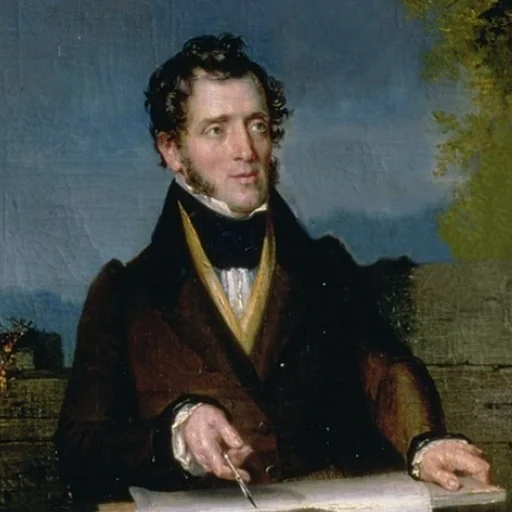
George Dawe (6 February 1781 – 15 October 1829) was an English portraitist who painted 329 portraits of Russian generals active during Napoleon's invasion of Russia for the Military Gallery of the Winter Palace.

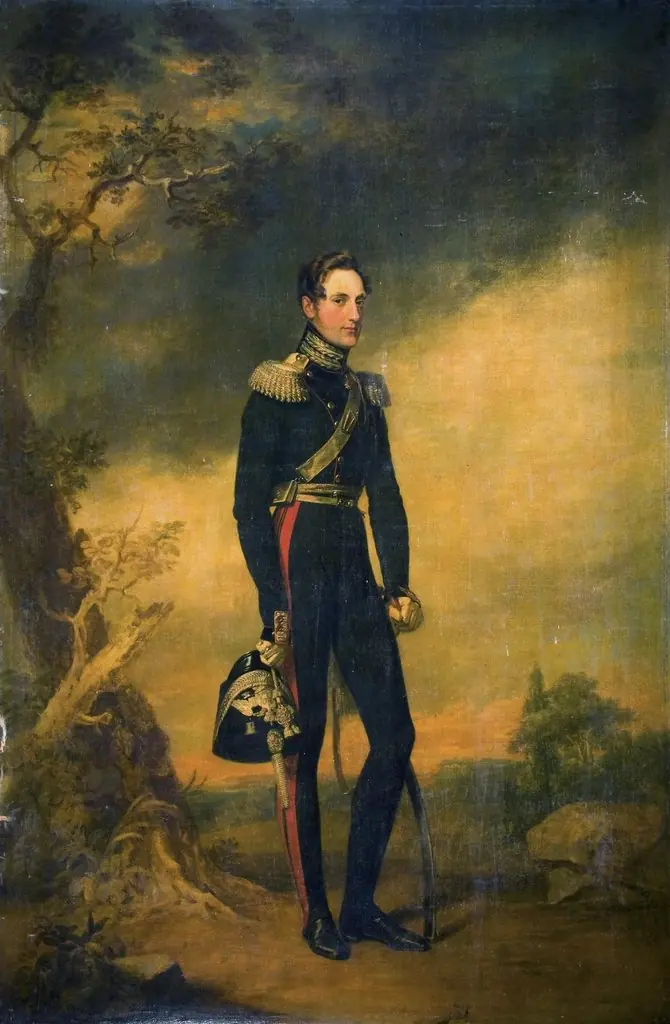 Portrait of Grand Duke Nikolai Pavlovich
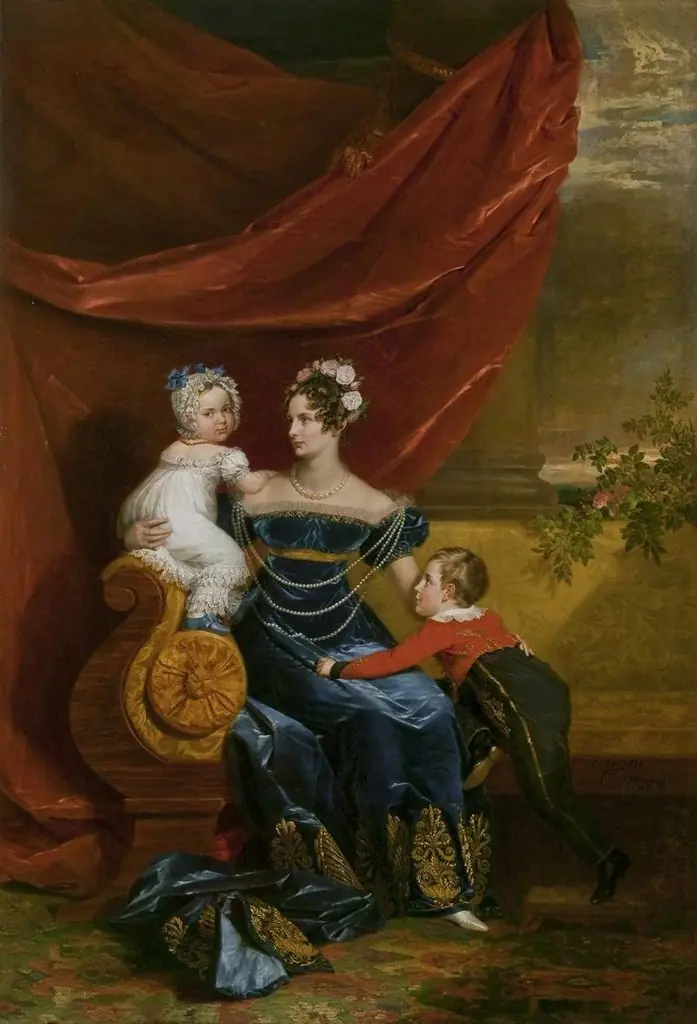 Portrait of Grand Duchess Alexandra Fiodorovna with Children
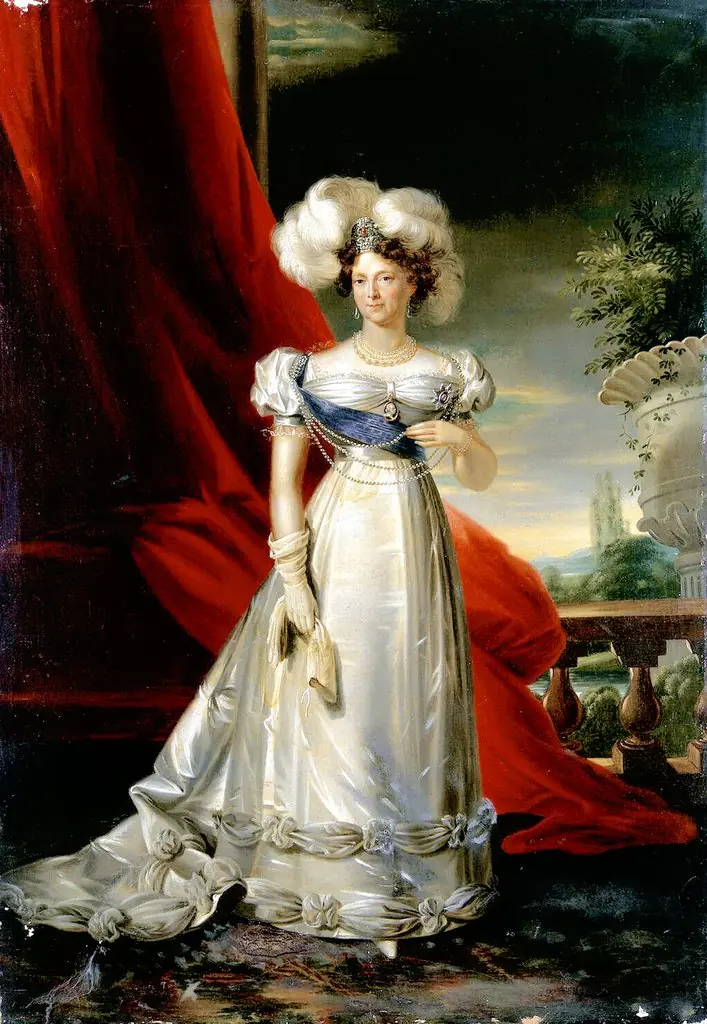 Portrait of the Empress Dowager Maria Feodorovna
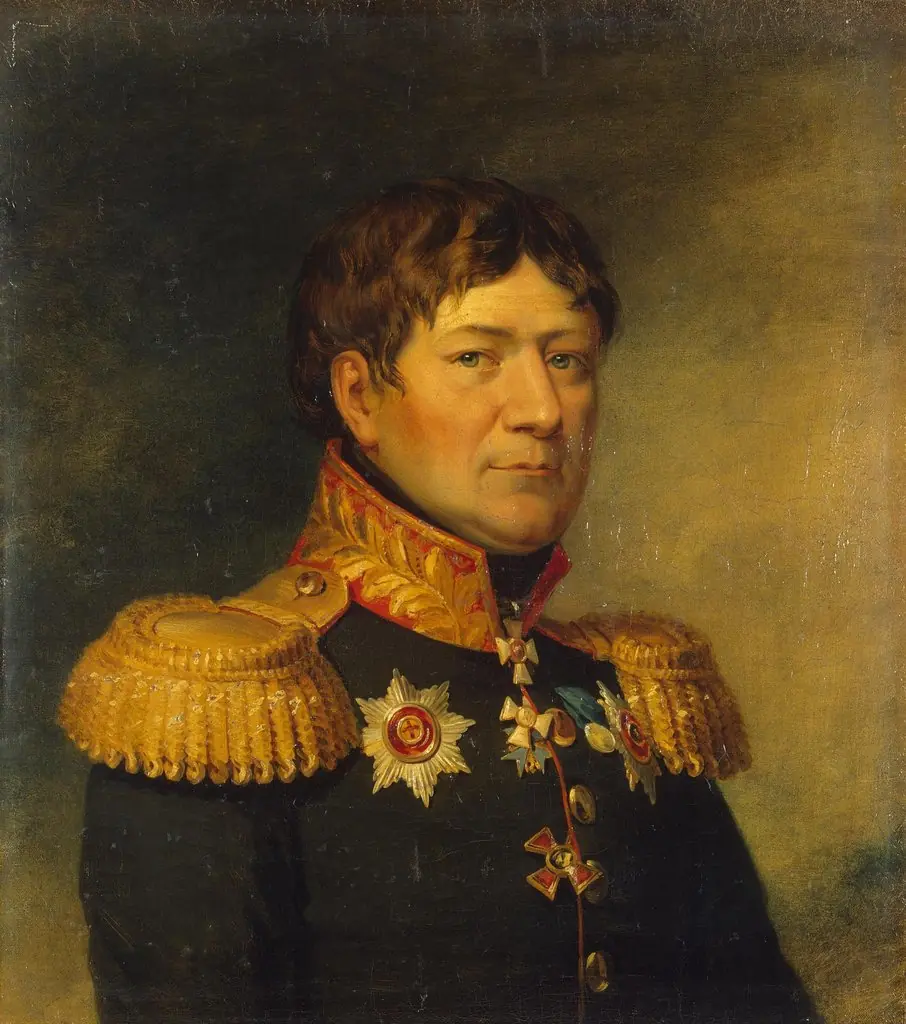 Portrait of Yegor M. Pillar (1767-1830)
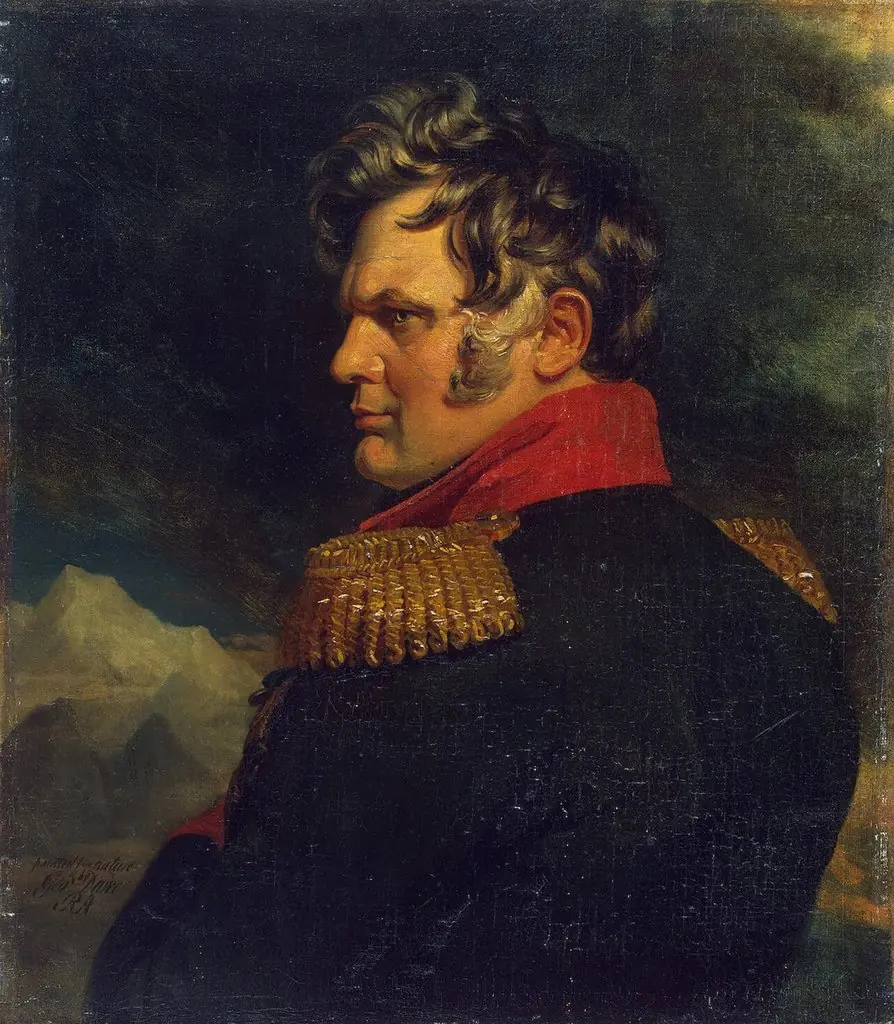 Portrait of Alexei P. Yermolov (1772/77-1861)
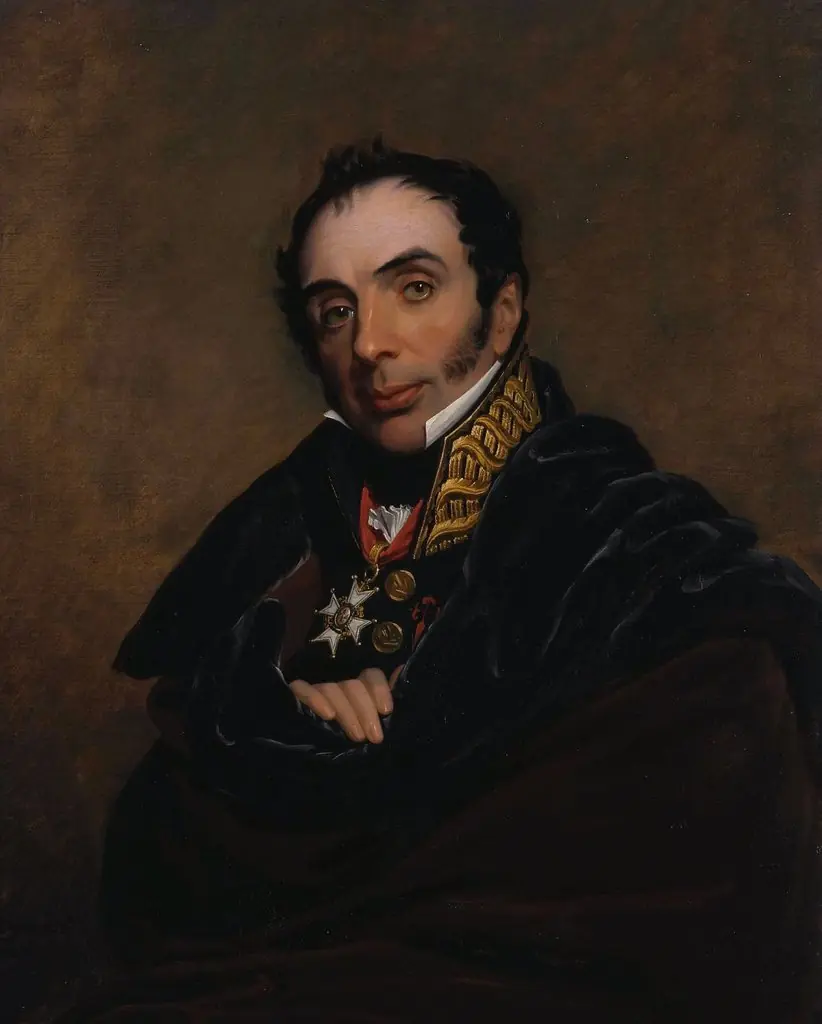 Portrait of Miguel Ricardo de Alava
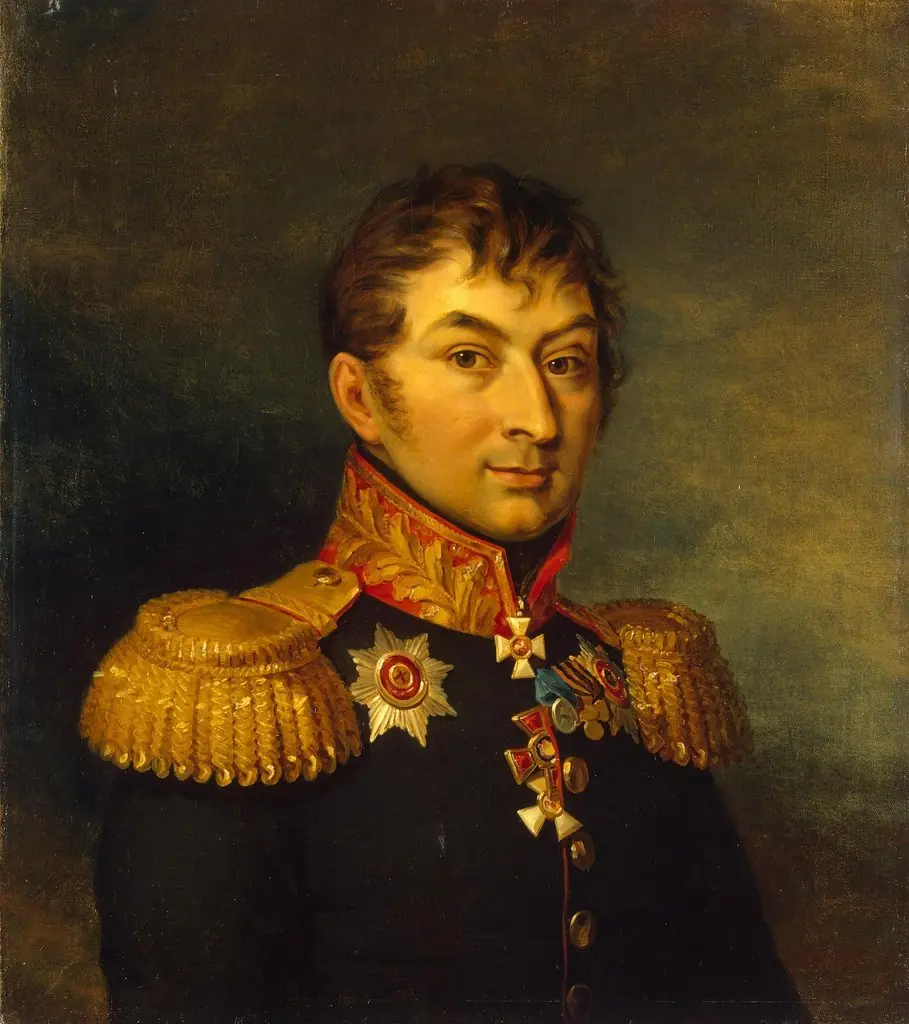 Portrait of Ivan D. Panchulidzev (1759-1815) (1st)
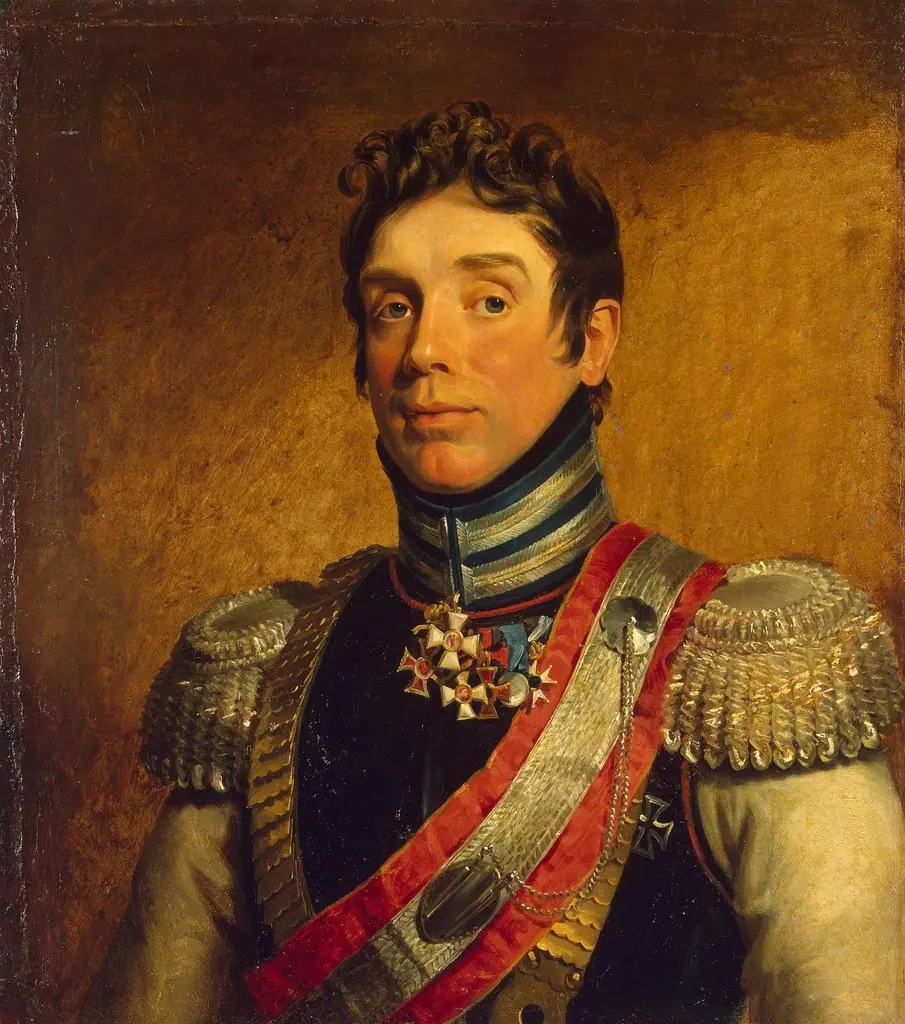 Portrait of Karl V. Budberg (1774-1829)
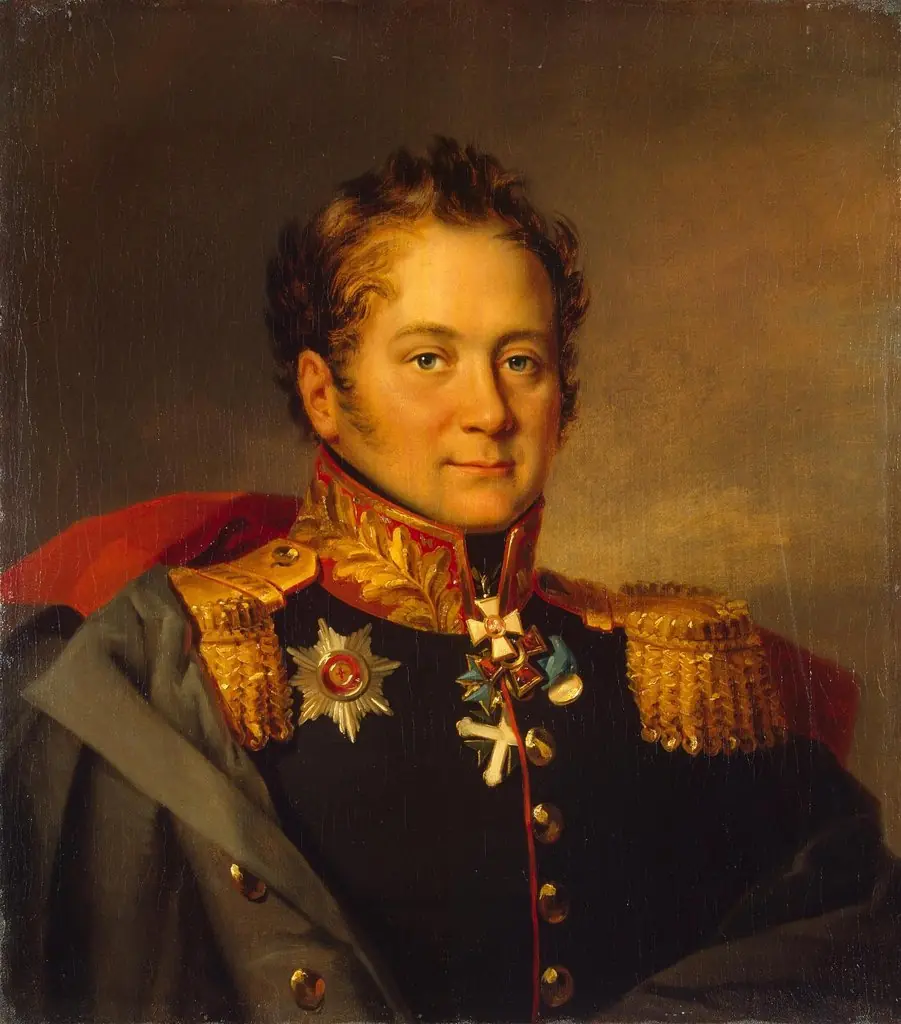 Portrait of Alexander A. Pisarev (1780-1848)
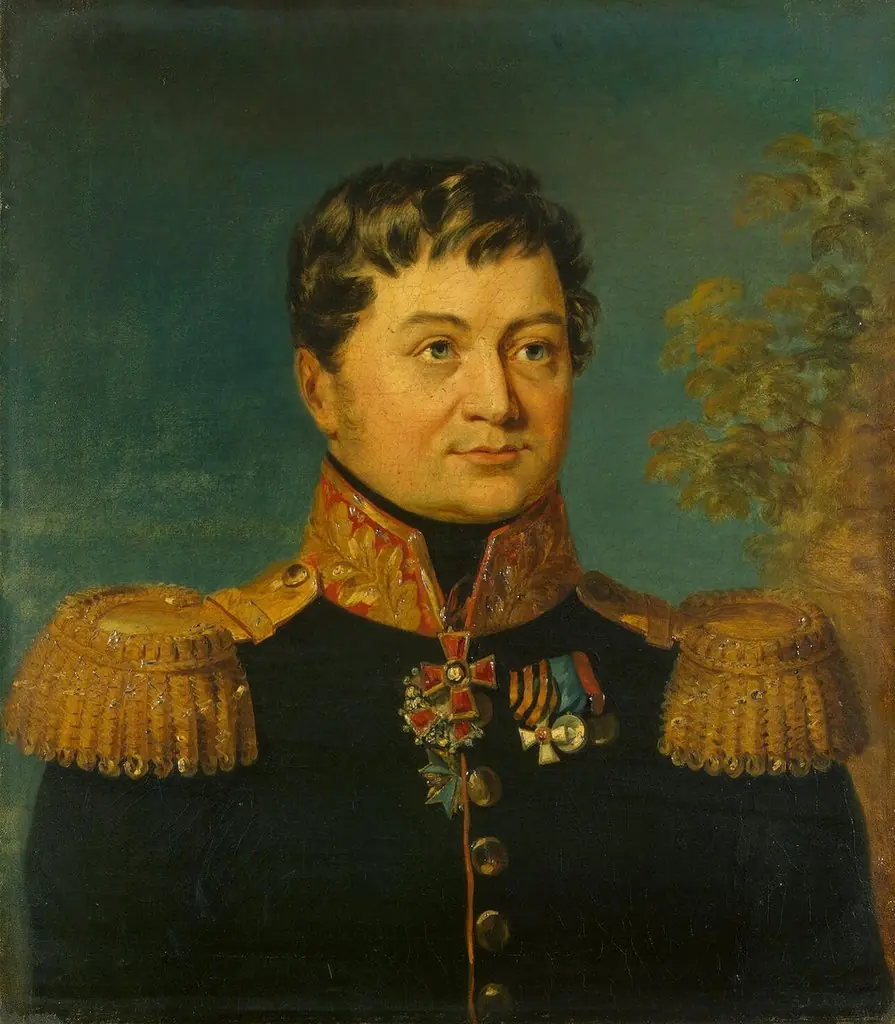 Portrait of Andrey P. Turchaninov (1779 -1830) (2nd)
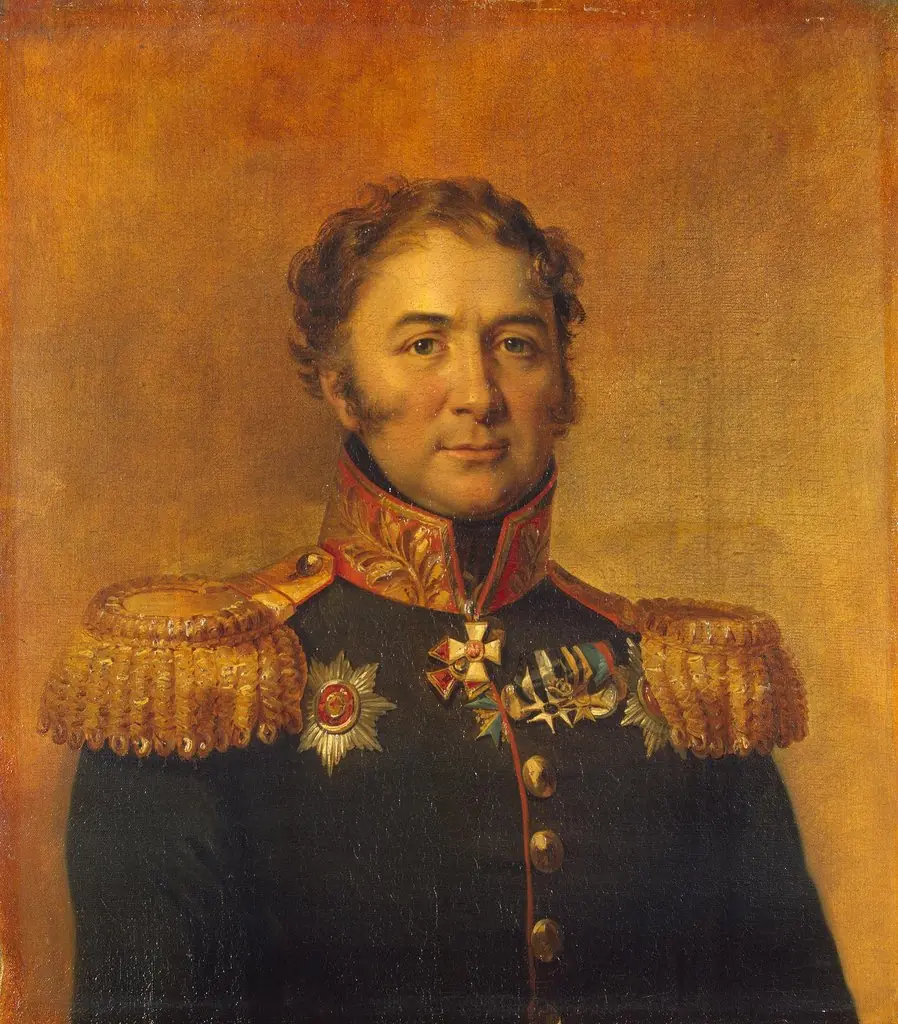 Portrait of Nikolai V. Dekhteryov (1775-1831)
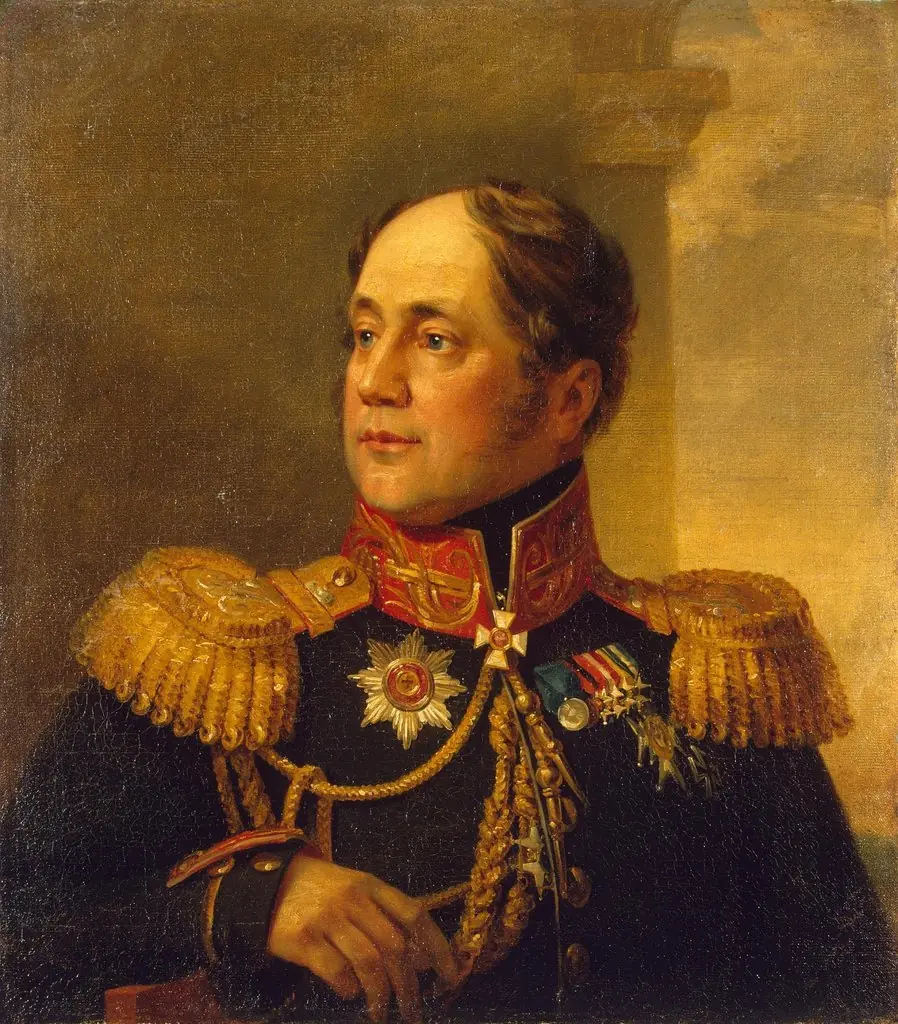 Portrait of Nikolai M. Sipyagin (1785-1828)
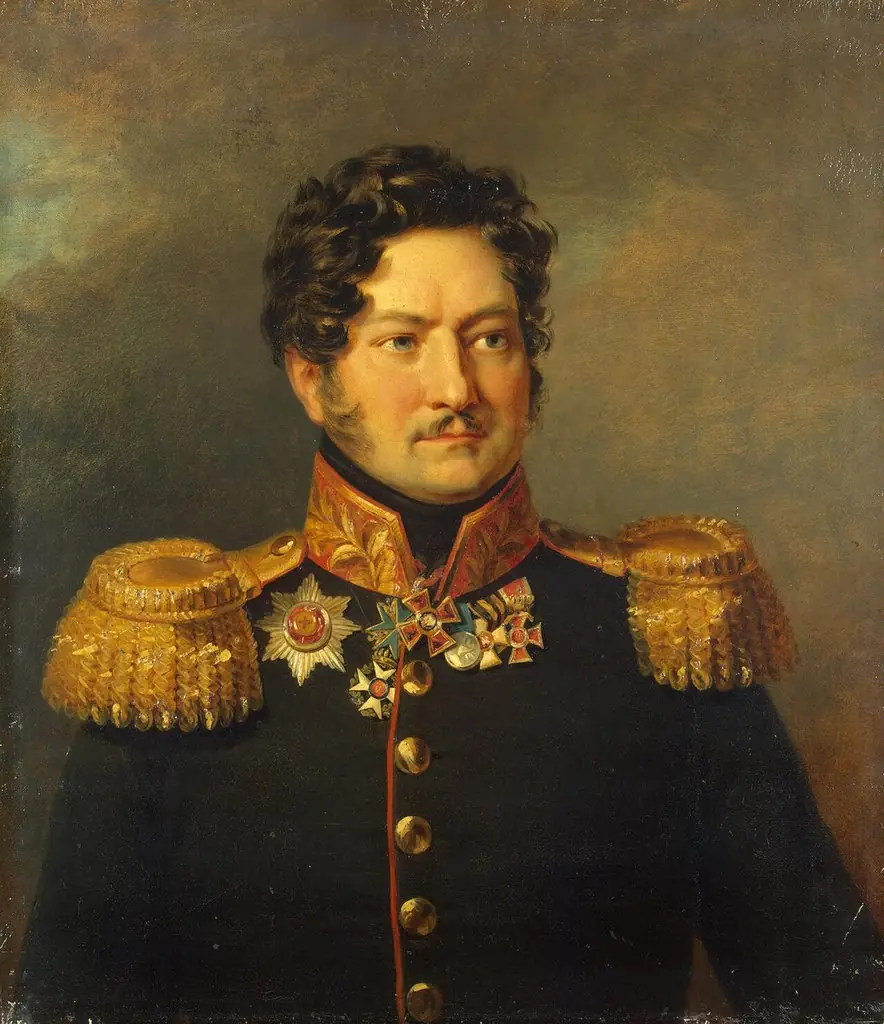 Portrait of Dmitry L. Ignatyev (1771-1833)
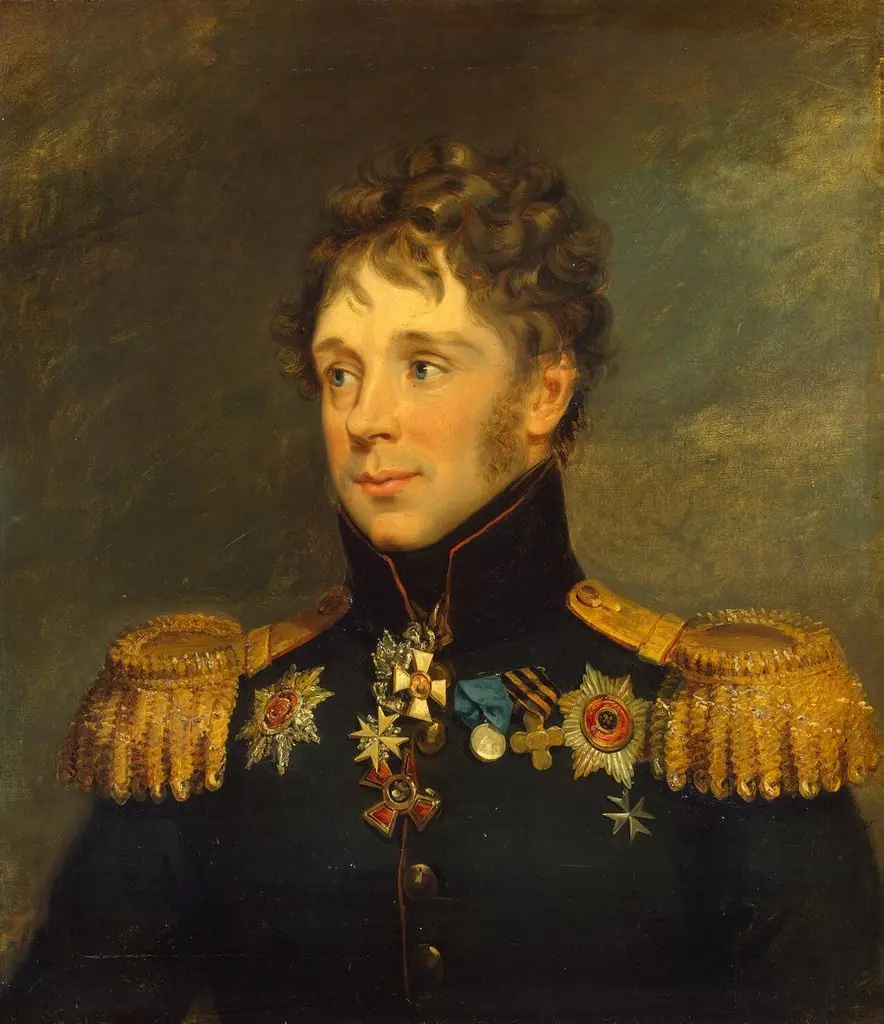 Portrait of Dmitry P. Rezvy (1762-1823)
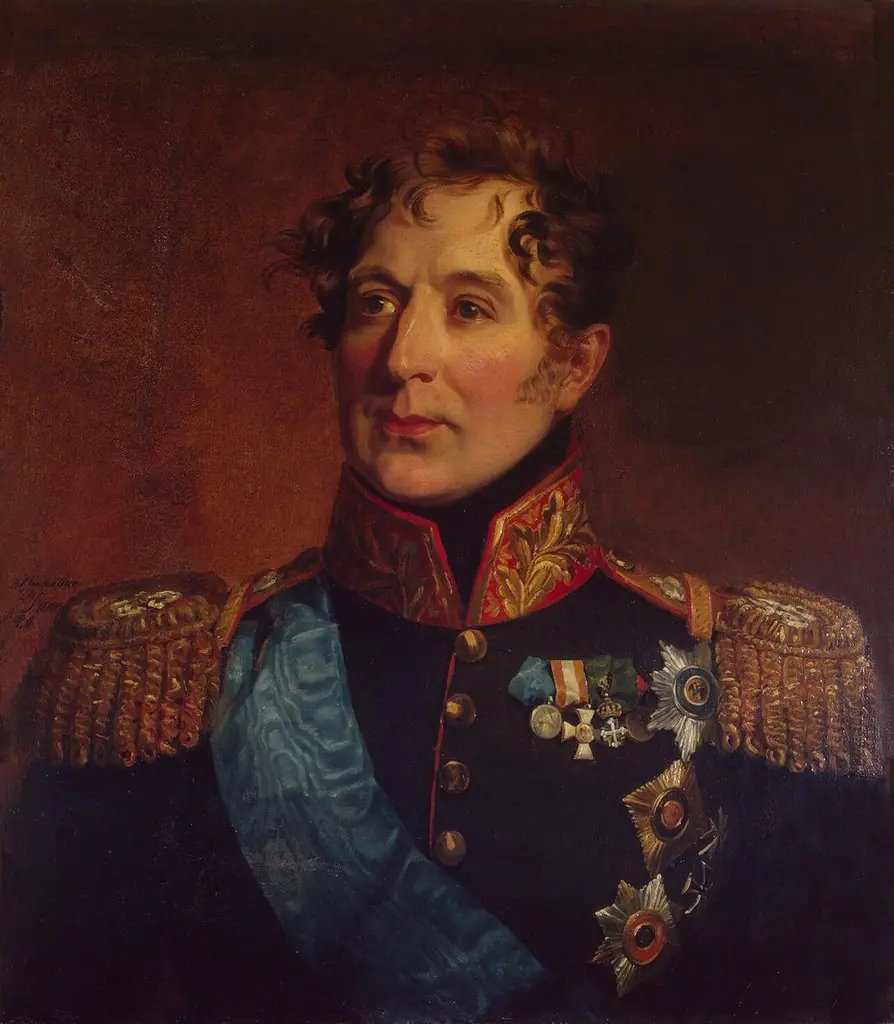 Portrait of Mikhail A. Miloradovich (1771-1825)
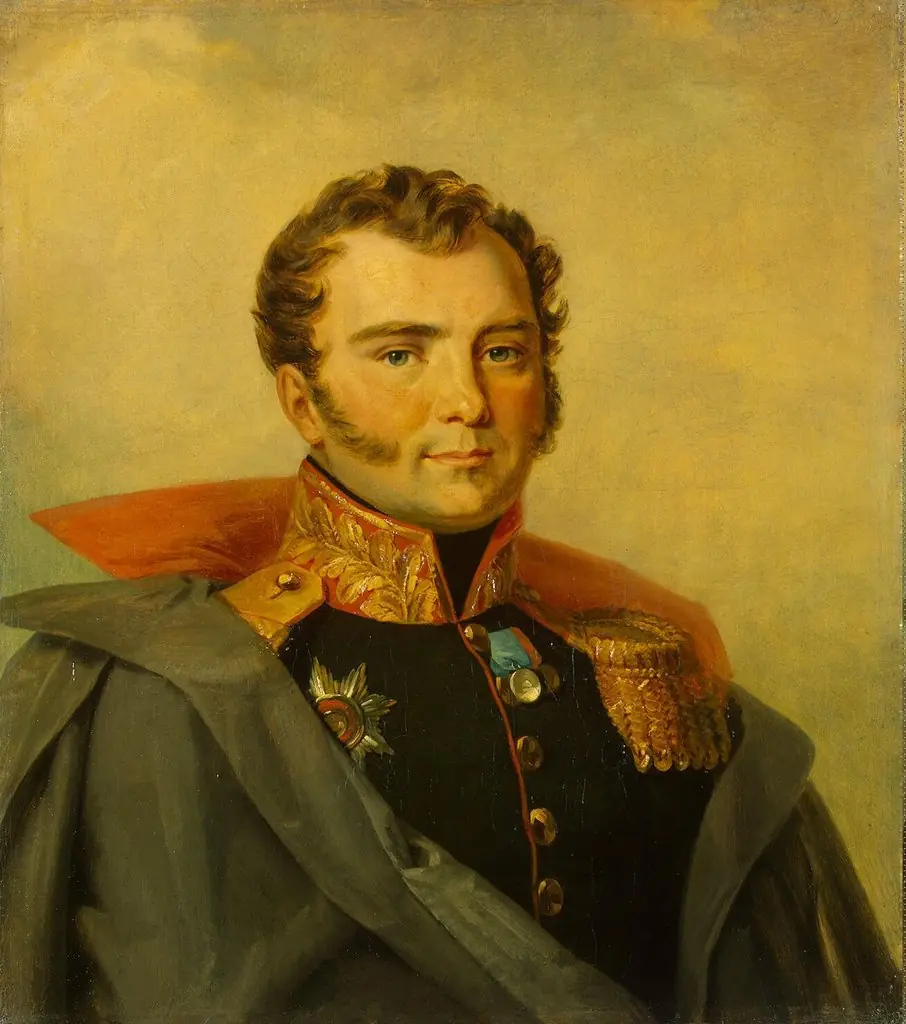 Portrait of Andrey A. Yefimovich (1773-1823)
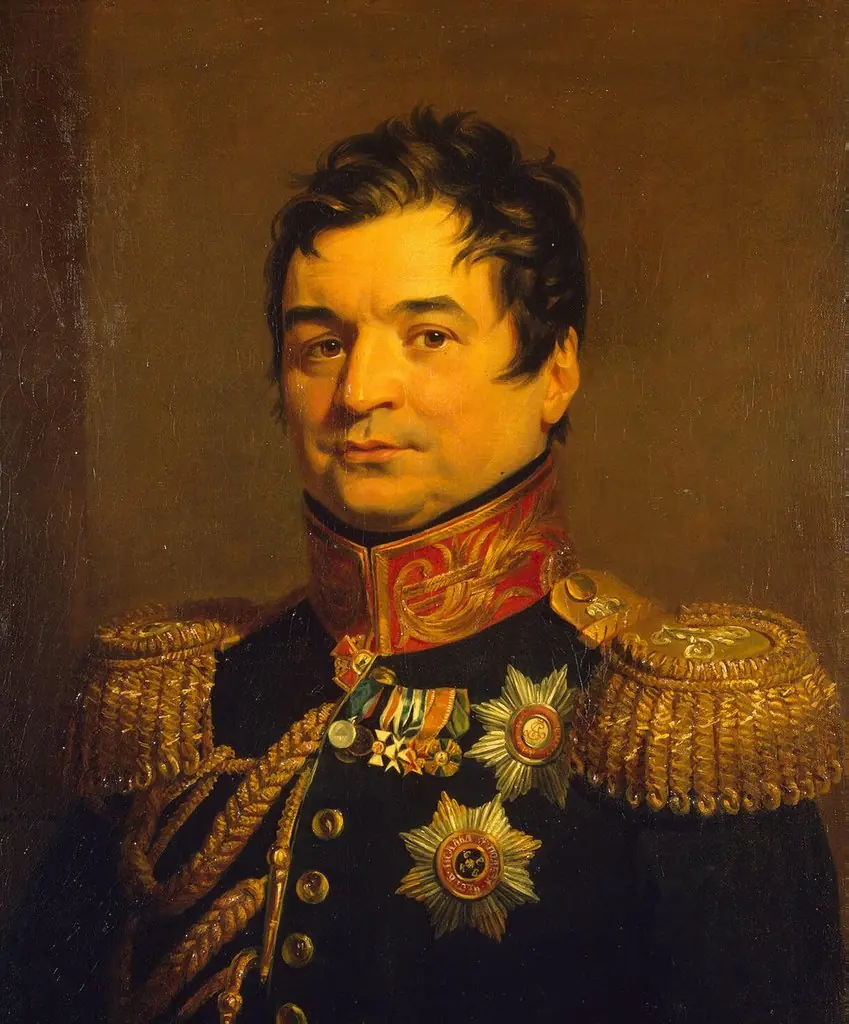 Portrait of Alexander D. Balashov (1770-1837)