Artwork
Portrait of Panteleimon Ye. Benardos (1761/63-1839)
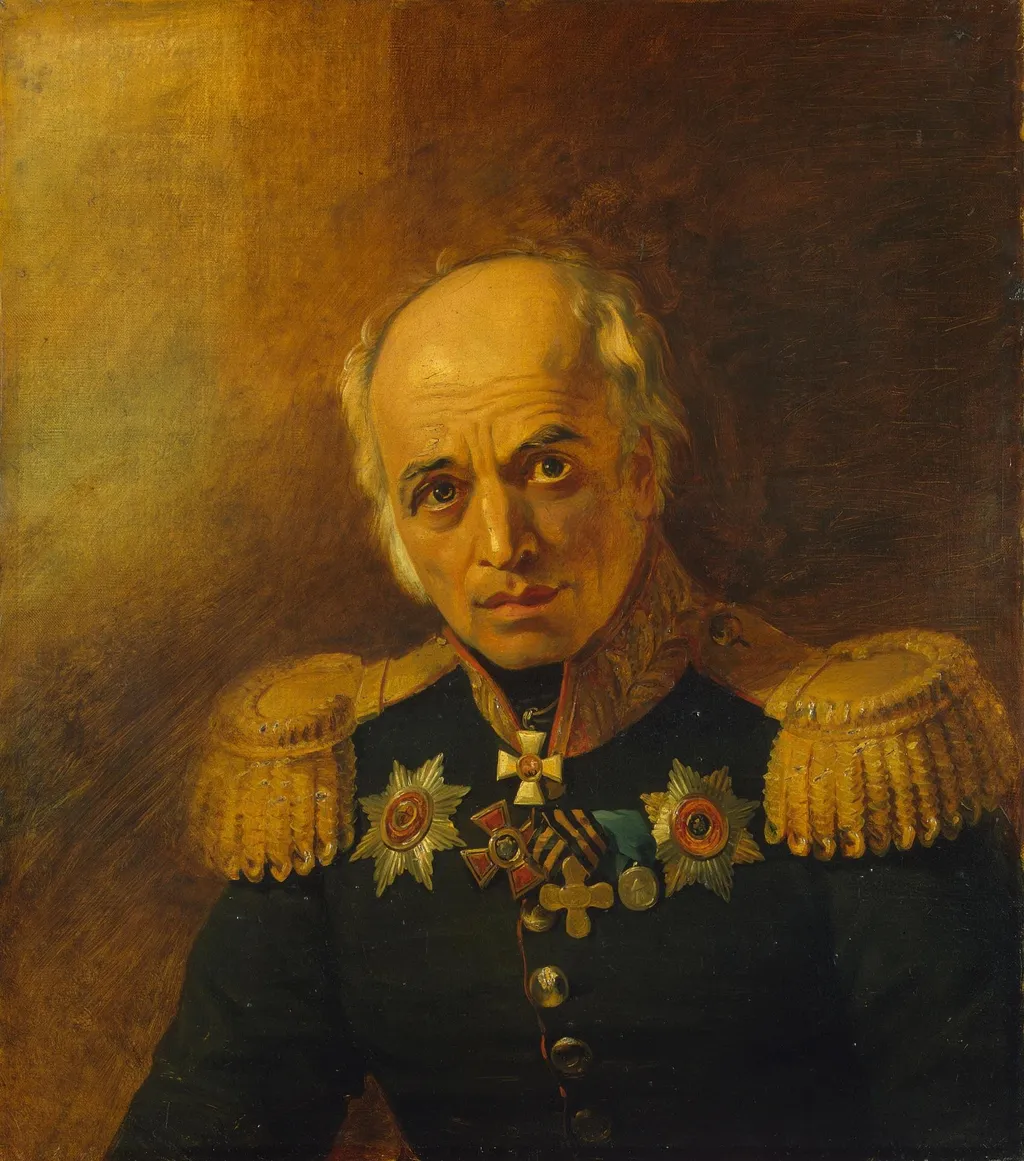
Portrait of Panteleimon Ye. Benardos (1761/63-1839) is an oil painting by George Dawe. It dates from 1822 and is held in the collection of the Hermitage Museum.
About this work
Overview
Dawe, who lived and worked in Saint Petersburg from 1819, was commissioned to portray prominent Russian officers and officials.
Painted in 1822 by the English artist George Dawe, this oil portrait depicts Panteleimon Ye. Benardos, a Russian military figure of the Napoleonic era. Dawe, who lived and worked in Saint Petersburg from 1819, was commissioned to portray prominent Russian officers and officials. This work is part of a broader project documenting military leadership, executed with formal precision and restrained elegance characteristic of Dawe’s style during his Russian period.
Subject & Meaning
Benardos, aged around sixty, is portrayed with solemn dignity, his bald head and weathered face conveying years of service. His dark uniform, adorned with gold epaulettes, a red sash, and multiple medals, signals high rank and recognition for military or state service. The absence of symbolic props or landscape emphasizes his identity as a decorated official, presenting him not as a hero in action but as a figure of institutional authority and enduring duty.
Technique & Style
Dawe employed soft, even lighting to model the texture of Benardos’s skin and the sheen of his uniform, avoiding dramatic contrasts. The brushwork is controlled, with fine attention to the metallic gleam of medals and the woven detail of the sash. The plain, dark background isolates the figure, directing focus to his expression and regalia. This restrained approach aligns with the Neoclassical ideals of composure and gravitas favored in official portraiture of the era.
History & Provenance
Commissioned as part of Dawe’s larger project for the Military Gallery of the Winter Palace, the portrait was intended to document Russia’s military leadership during the Napoleonic Wars. Benardos’s inclusion suggests he held a position of note in the imperial armed forces or administration. The painting remained in state collections, likely displayed alongside other portraits of officers, reinforcing its role as a historical record rather than a private commission.
Context
In early 19th-century Russia, portraiture served political and commemorative functions, especially under Tsar Alexander I. Dawe’s role as a foreign artist entrusted with documenting Russian heroes reflects the court’s openness to Western techniques while asserting national pride. This portrait fits within a systematic effort to visually consolidate the empire’s military legacy, blending individual recognition with collective memory.
Legacy
The portrait endures as one of many in Dawe’s extensive series of military figures, preserving the likeness of a lesser-known but officially recognized figure of his time. While Benardos himself is not widely remembered today, the painting contributes to a broader visual archive of Russian imperial service. Its quiet formality stands as a testament to the era’s emphasis on rank, decorum, and institutional loyalty over individual charisma.
Own this work as a print
Artist & collection
Artist
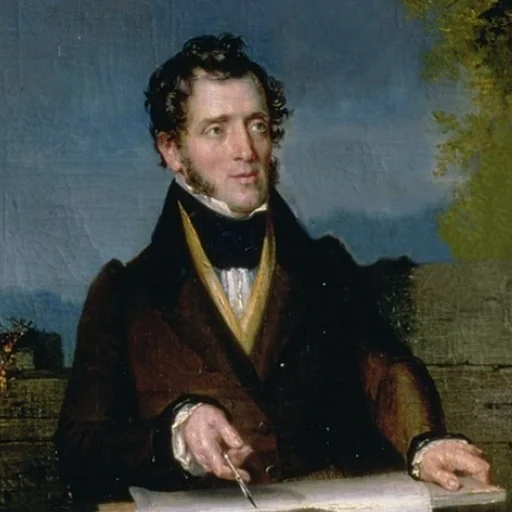
George Dawe (6 February 1781 – 15 October 1829) was an English portraitist who painted 329 portraits of Russian generals active during Napoleon's invasion of Russia for the Military Gallery of the Winter Palace.

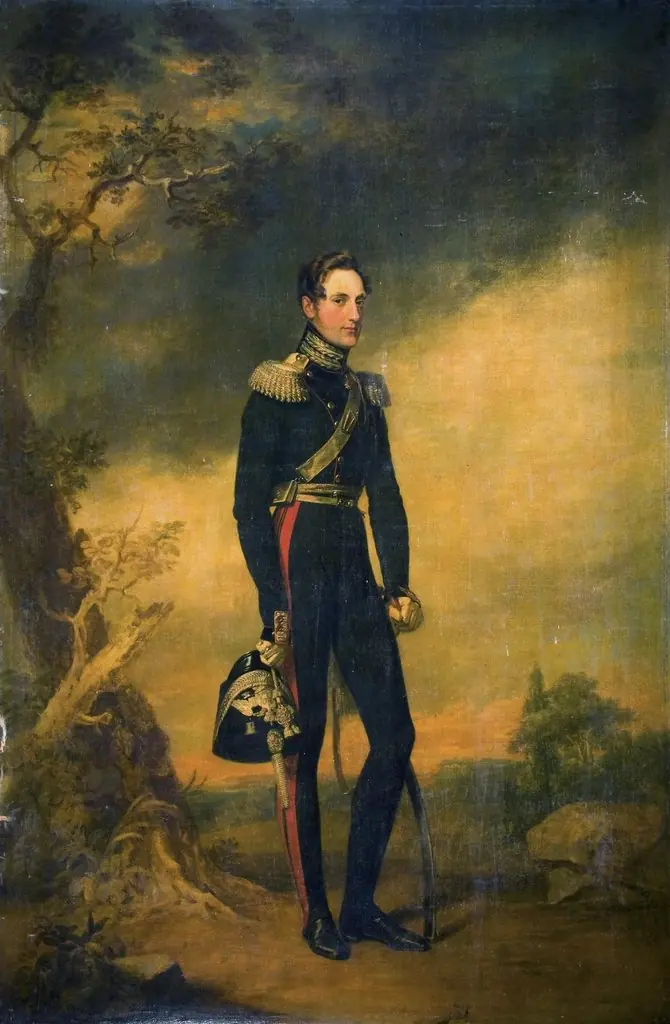 Portrait of Grand Duke Nikolai Pavlovich
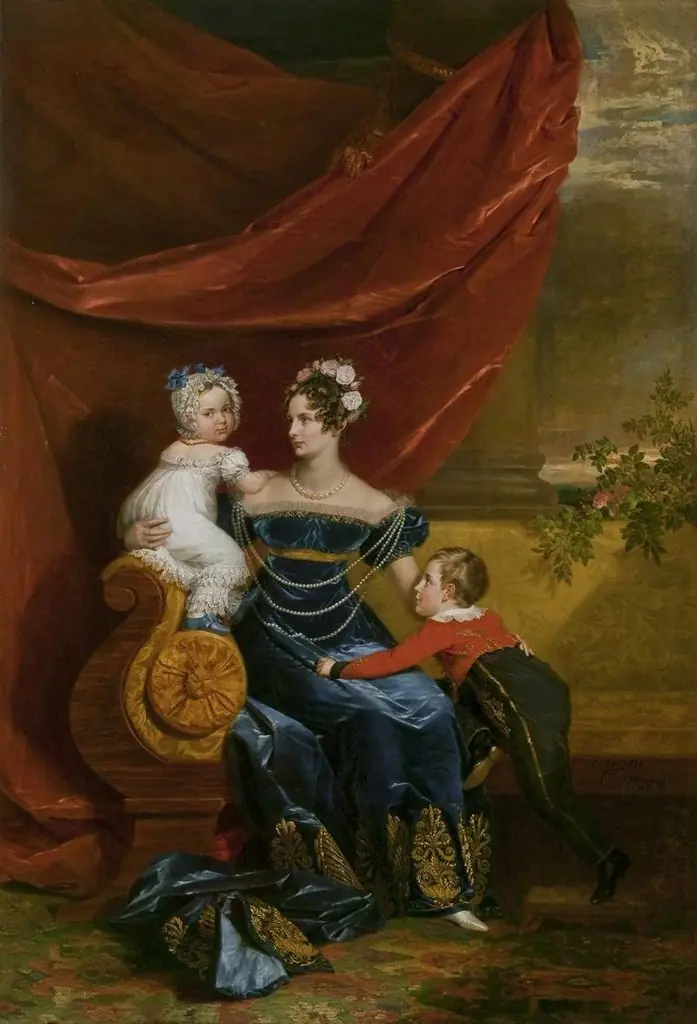 Portrait of Grand Duchess Alexandra Fiodorovna with Children
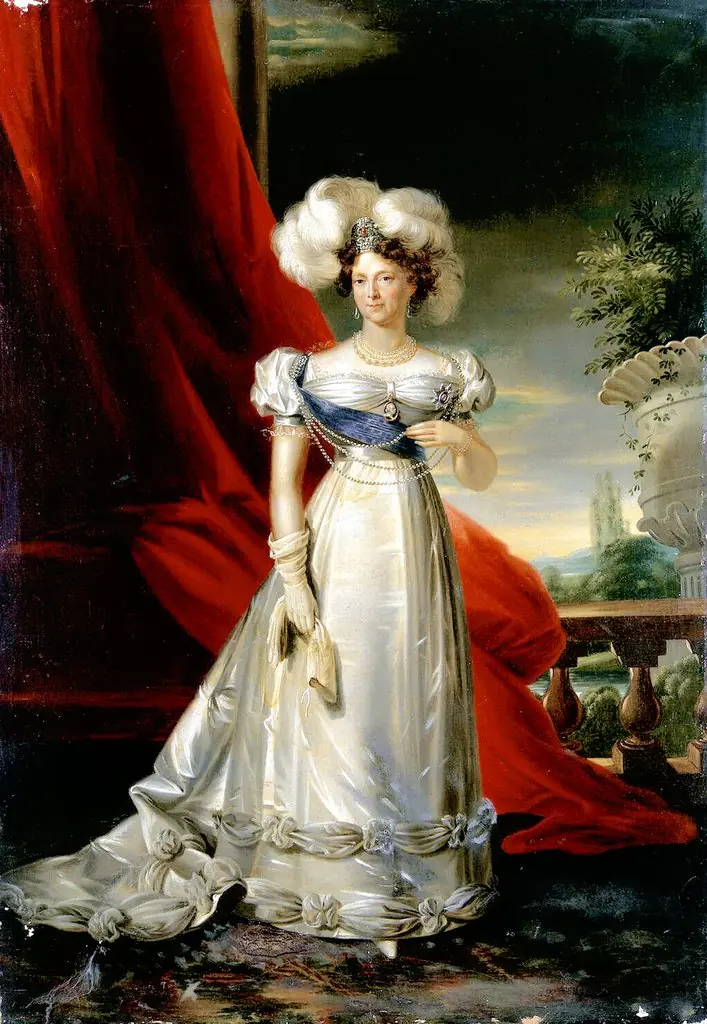 Portrait of the Empress Dowager Maria Feodorovna
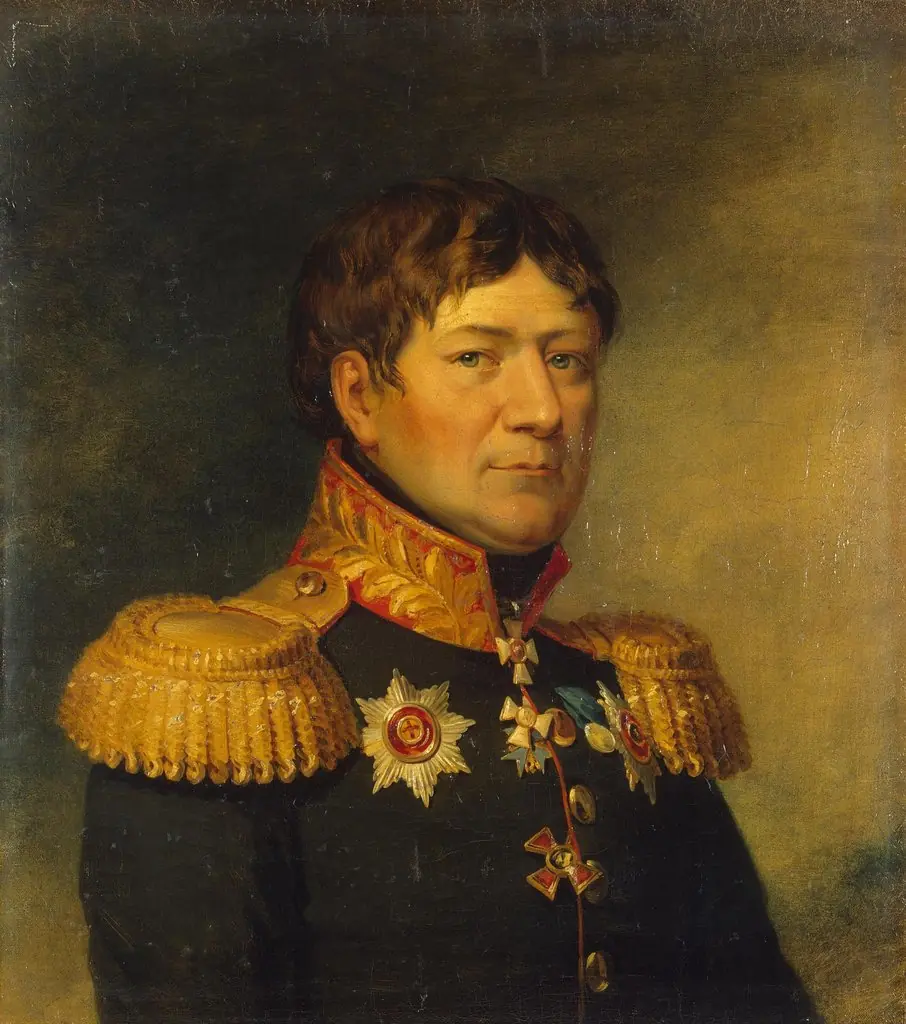 Portrait of Yegor M. Pillar (1767-1830)
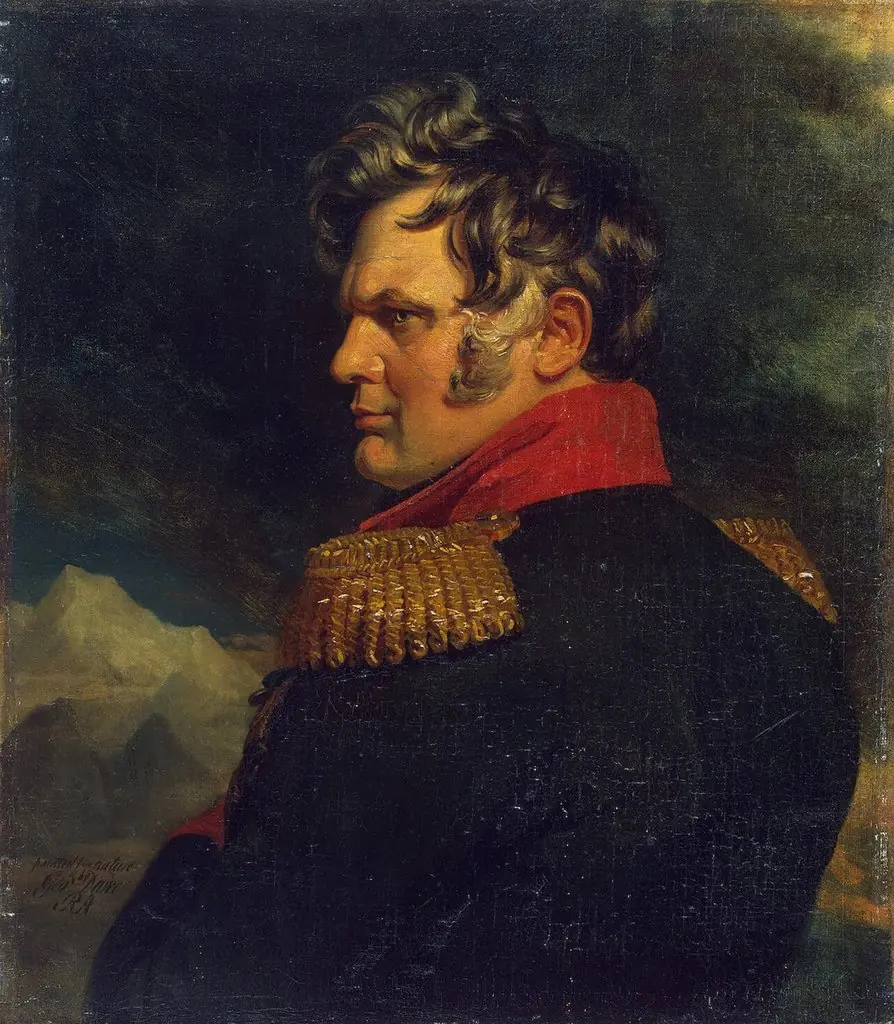 Portrait of Alexei P. Yermolov (1772/77-1861)
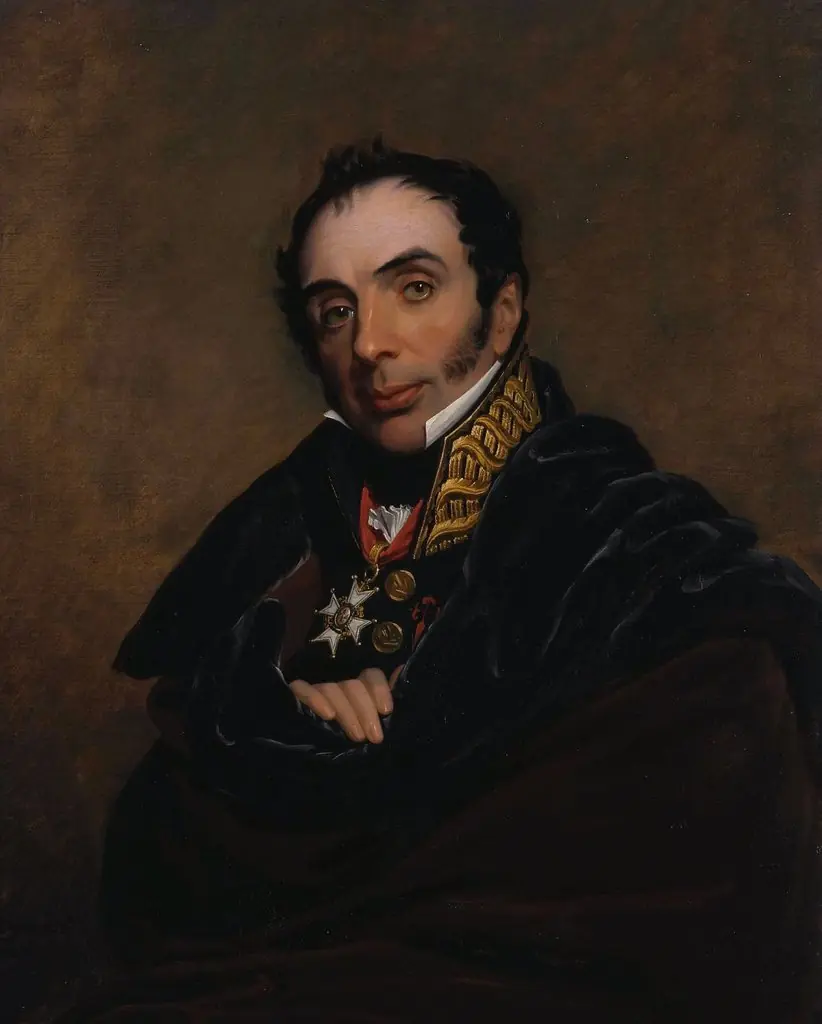 Portrait of Miguel Ricardo de Alava
 Portrait of Ivan D. Panchulidzev (1759-1815) (1st)
 Portrait of Karl V. Budberg (1774-1829)
 Portrait of Pyotr P. Schroeder (1770-1824)
 Portrait of Alexey V. Voyeykov (1778-1825)
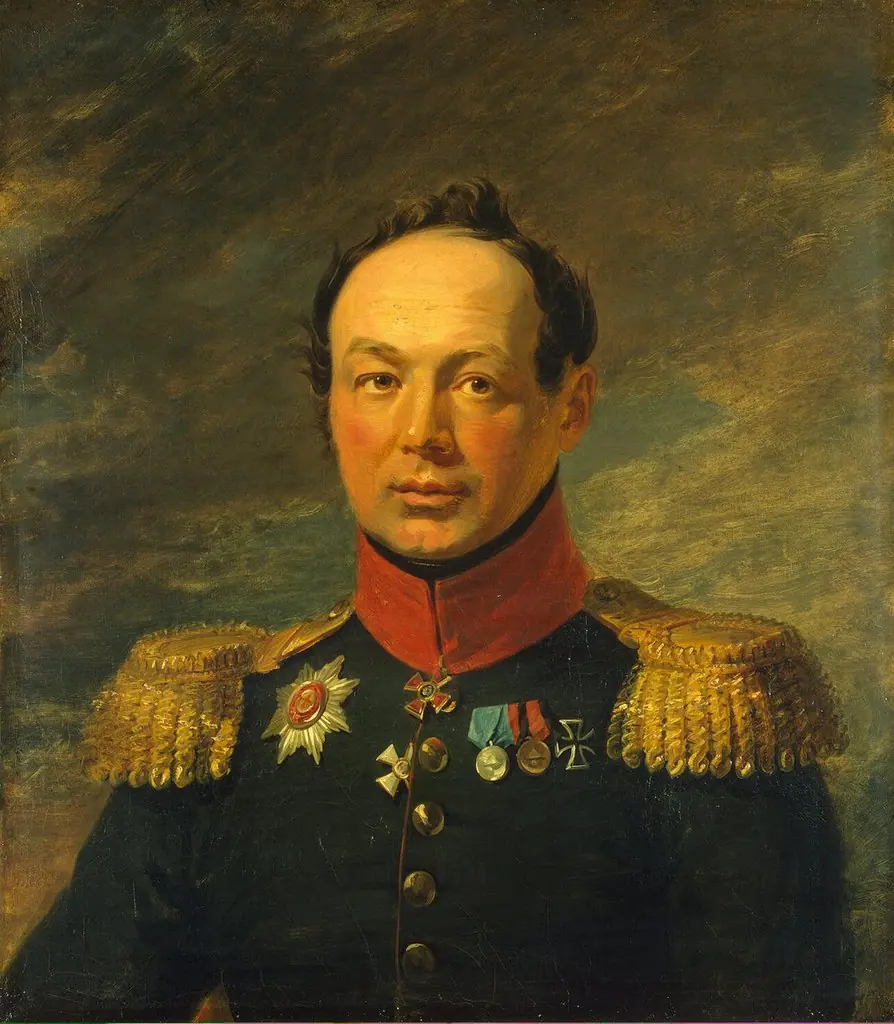 Portrait of Ivan A. Nabokov (1787-1852)
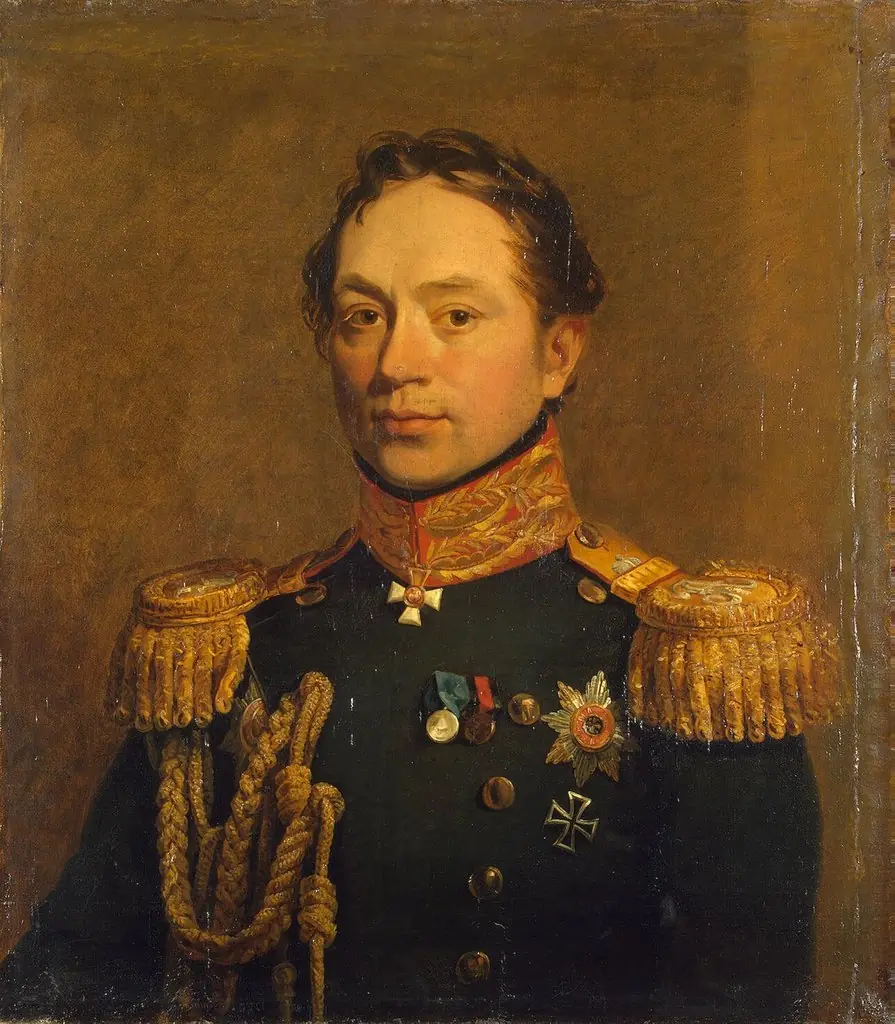 Portrait of Grigory V. Rosen (1782-1841) (1st)
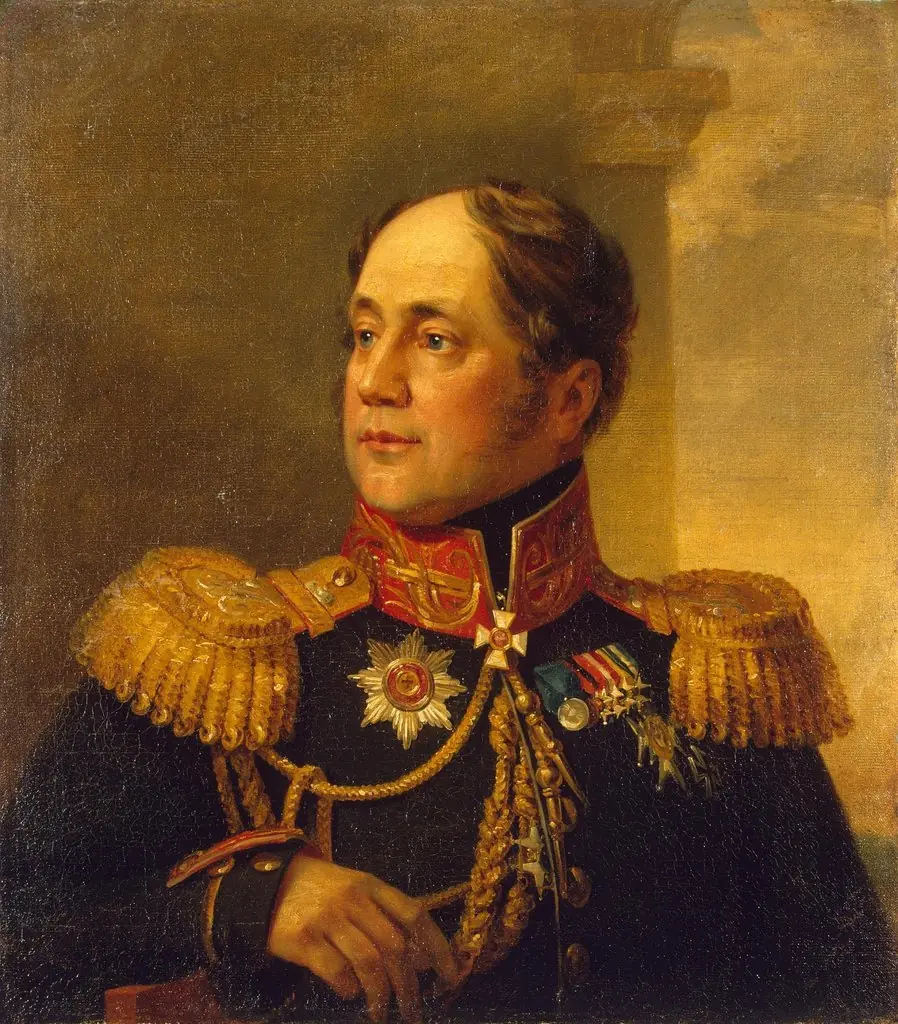 Portrait of Nikolai M. Sipyagin (1785-1828)
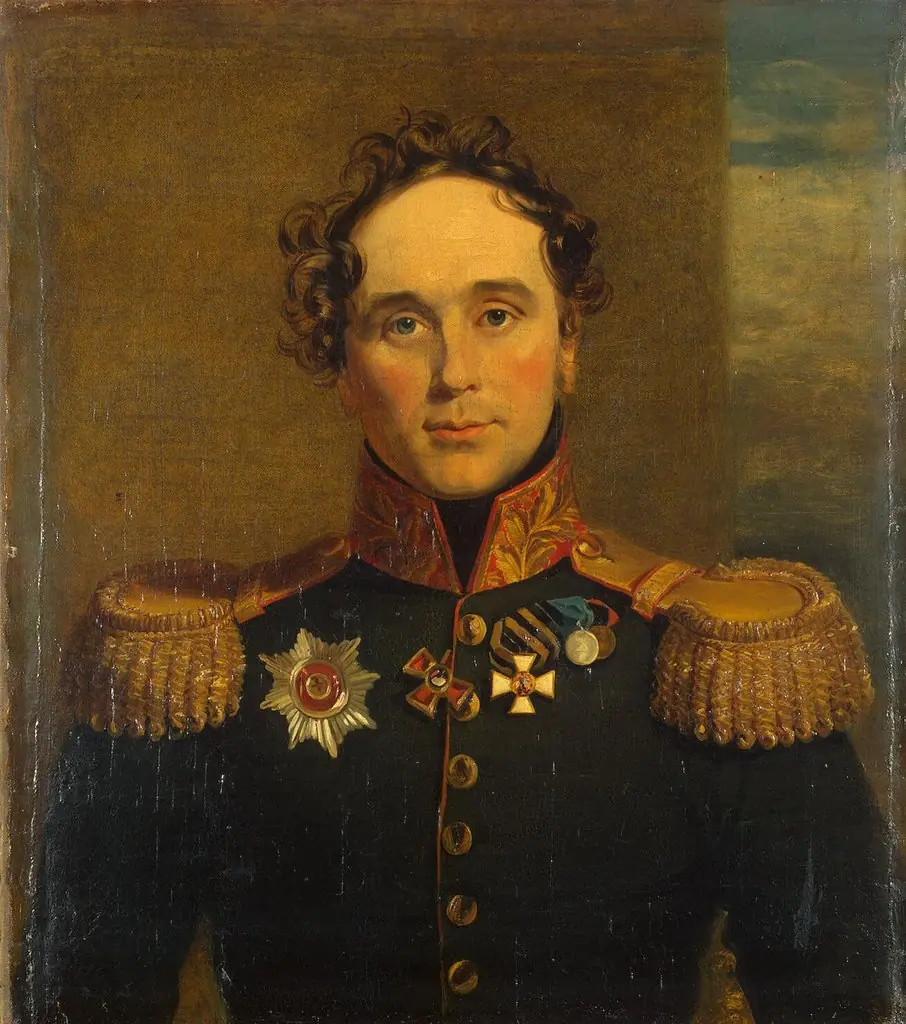 Portrait of Fyodor V. Driesen (1781-1851)
 Portrait of Afanasy I. Krasovsky (1781-1843)
 Portrait of Alexey G. Shcherbatov (1776-1848)
 Portrait of Ilya I. Alexeyev (1772-1830)