Artwork
A Lady's Right Eye
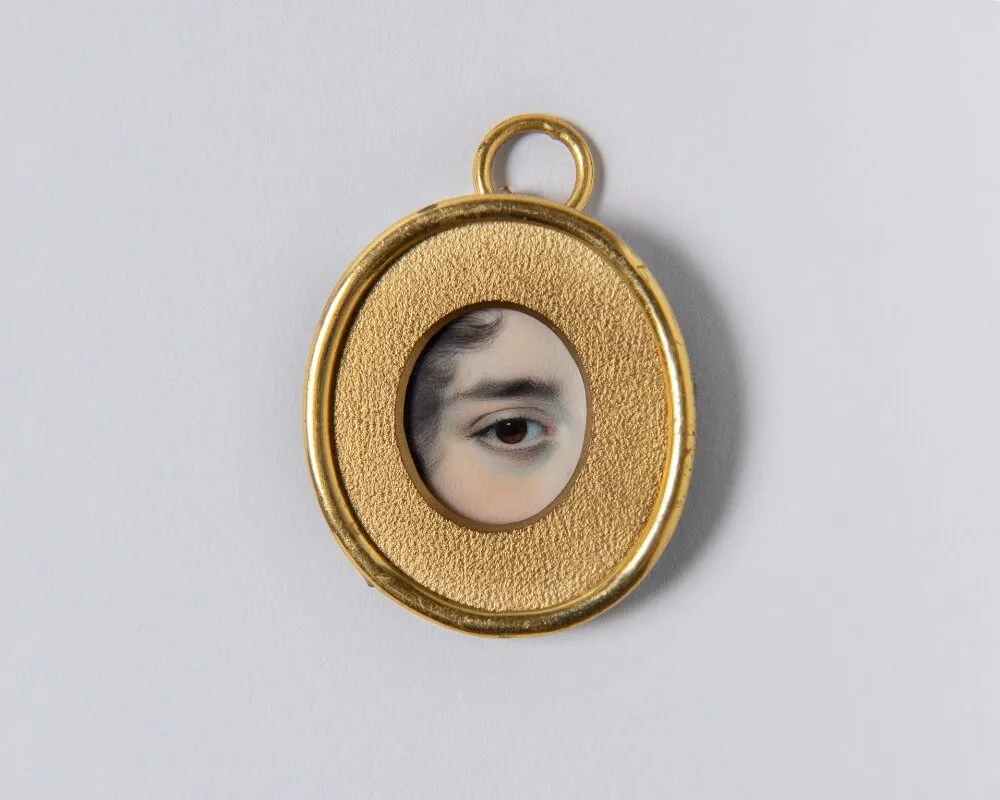
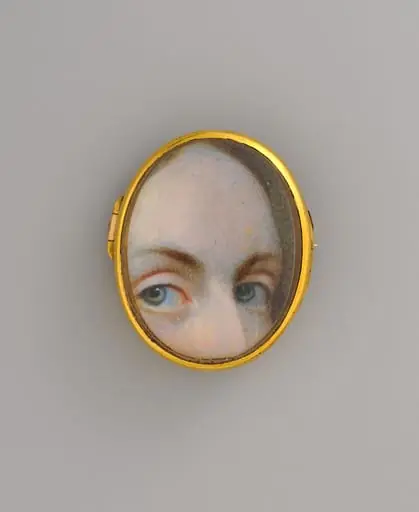
A Lady's Right Eye is an unspecified painting by the British Romanticist artist George Engleheart. It dates from 1810 and is held in the collection of the Nationalmuseum.
About this work
Overview
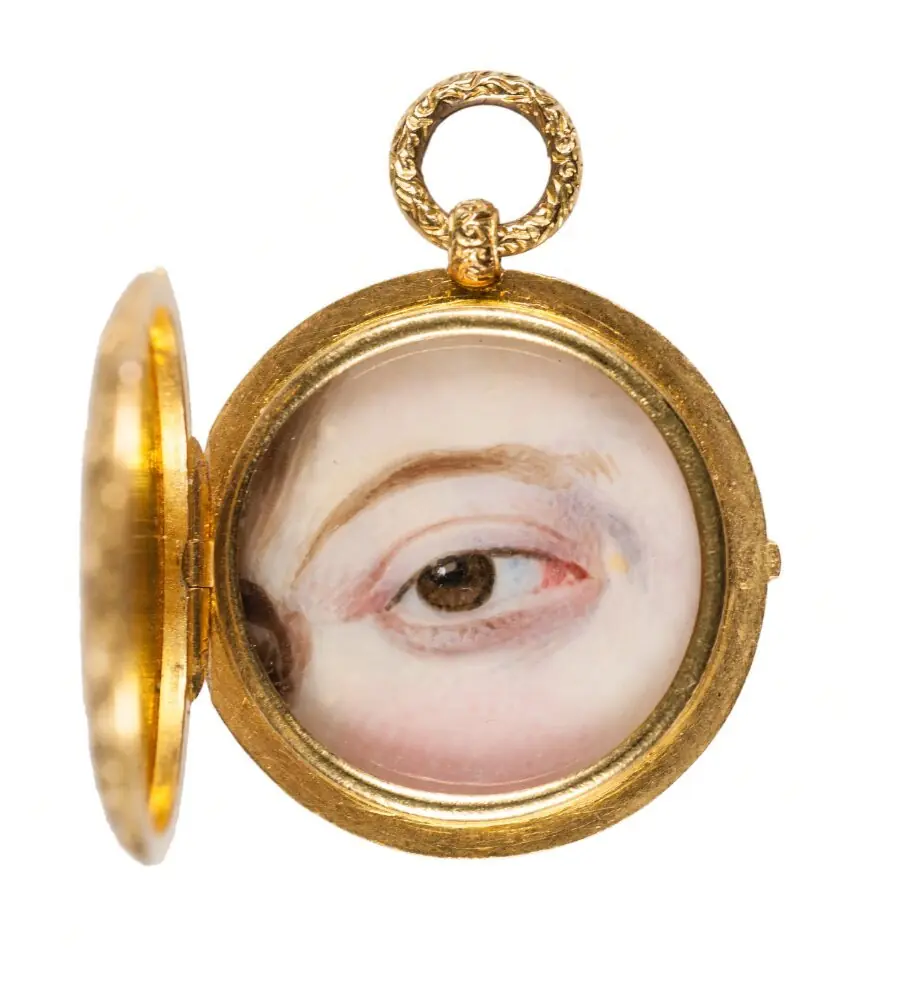
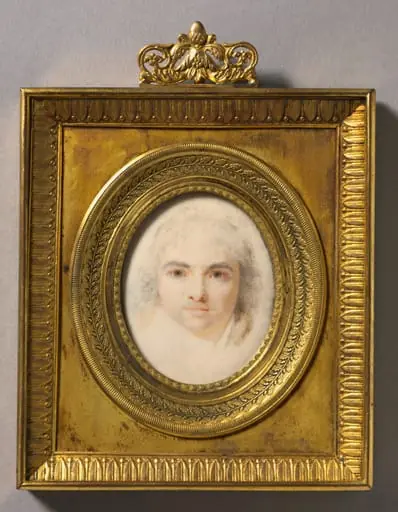
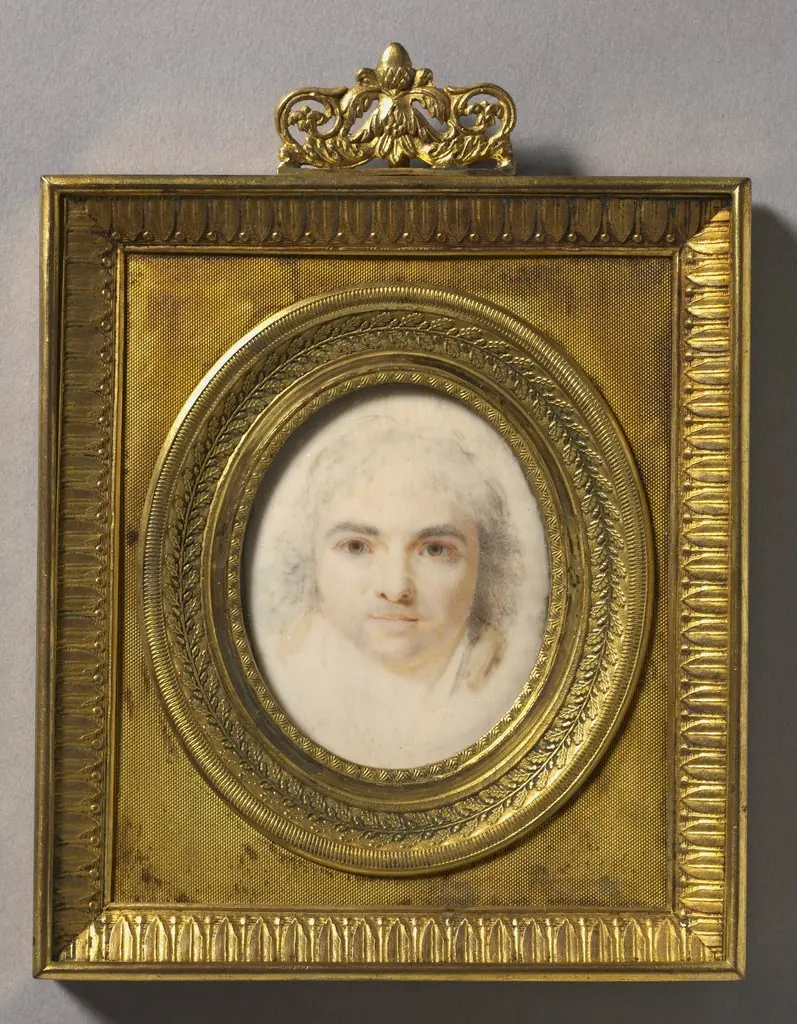
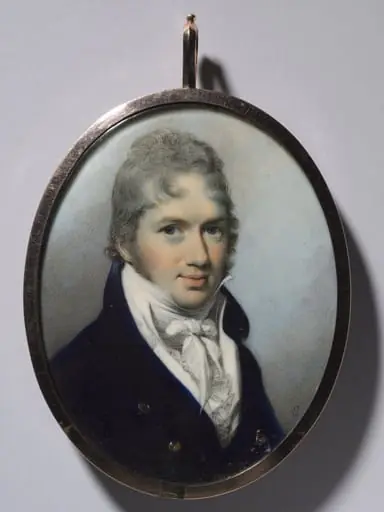
Created in 1810, *A Lady’s Right Eye* is a miniature portrait by English artist George Engleheart. The work presents an intimate close‑up of a woman's right eye, set within a gold‑toned circular frame. The composition isolates the gaze, rendering the eye with meticulous detail against a smooth, pale skin background. The piece is part of the Nationalmuseum’s collection in Stockholm.
Subject & Meaning
The miniature focuses solely on the sitter’s right eye, capturing the subtle play of light on the iris and the delicate curvature of lashes and brow. By limiting the view to a single eye, Engleheart emphasizes personal presence and psychological immediacy, inviting viewers to contemplate the individuality and inner life of the subject without narrative distraction.
Technique & Style
Precise brushwork delineates each eyelash and the faint sheen of the cornea, reflecting the Romantic era’s interest in expressive, detailed likenesses.
Engleheart employed the traditional water‑colour on ivory technique typical of early‑19th‑century miniatures, achieving fine gradations of tone through layered washes. The gold frame is rendered with a textured surface that contrasts with the smooth flesh tones. Precise brushwork delineates each eyelash and the faint sheen of the cornea, reflecting the Romantic era’s interest in expressive, detailed likenesses.
History & Provenance
The painting entered the Nationalmuseum’s holdings as part of its 19th‑century British art collection, though its exact acquisition path remains undocumented. Engleheart, active from the late 1700s to the early 1800s, was a leading miniature portraitist whose works were often commissioned by the British gentry, suggesting the sitter may have been a private patron.
Context
*A Lady’s Right Eye* belongs to the British Romantic period, a time when miniature portraiture flourished as a personal, portable form of representation. Engleheart worked alongside contemporaries such as Richard Cosway and John Smart, sharing an aesthetic that prized refined detail and emotional nuance. The piece exemplifies the era’s shift toward intimate, individualized portraiture rather than grand historical scenes.
Artist & collection
Artist
George Engleheart (1750–1829) was an English painter of portrait miniatures, and a contemporary of Richard Cosway, John Smart, William Wood, and Richard Crosse.

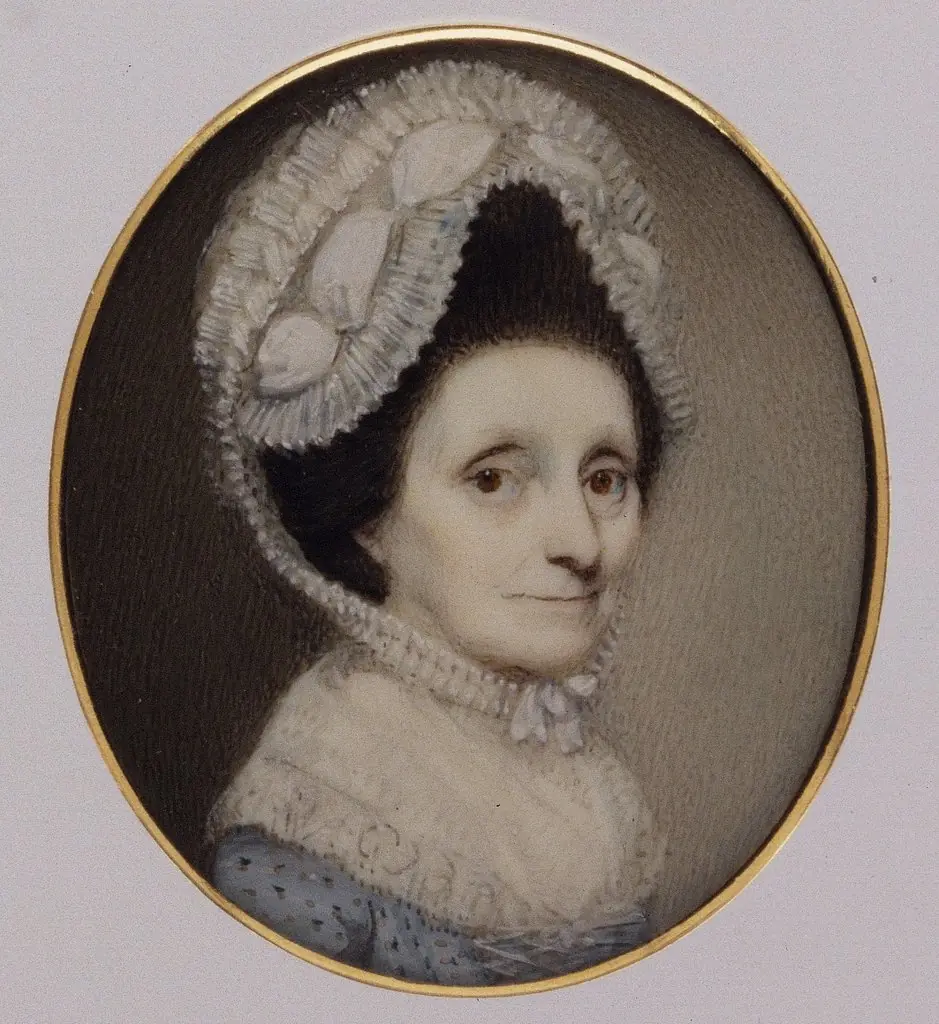 Mrs. Peter De Lancey (Elizabeth Colden, 1720–1784)
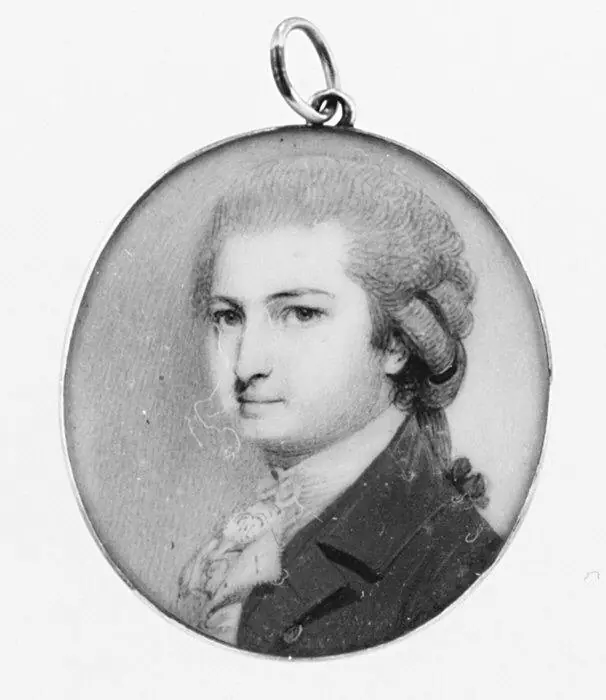 Portrait of a Man
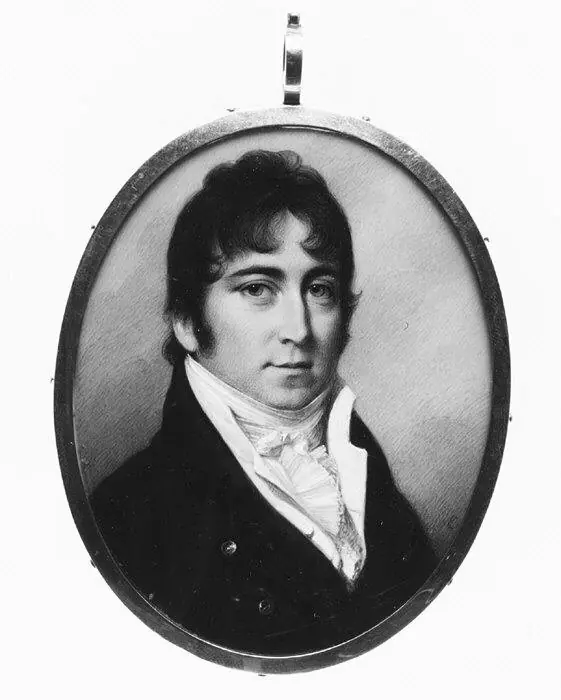 Portrait of a Man, Said to Be Mr. De Wolf
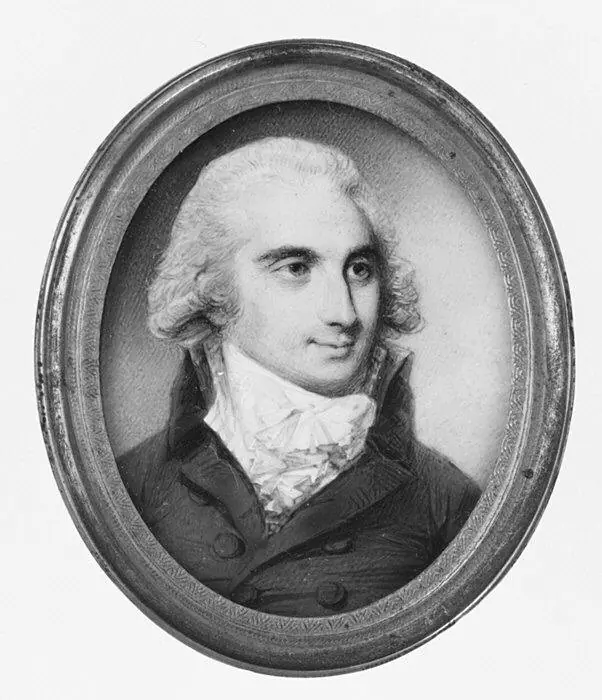 Colonel Woodford
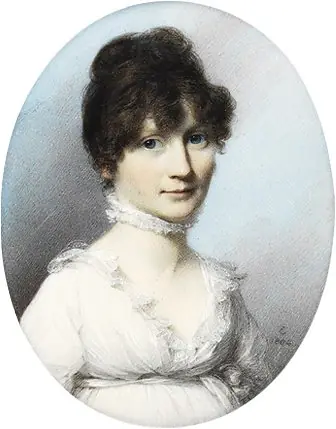 Portrait miniature of an unknown woman
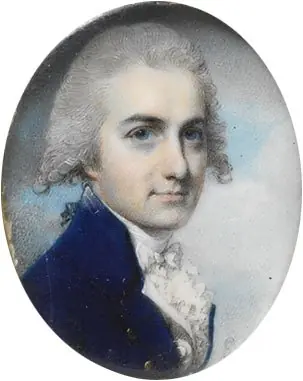 Portrait miniature of John Dyer Collier
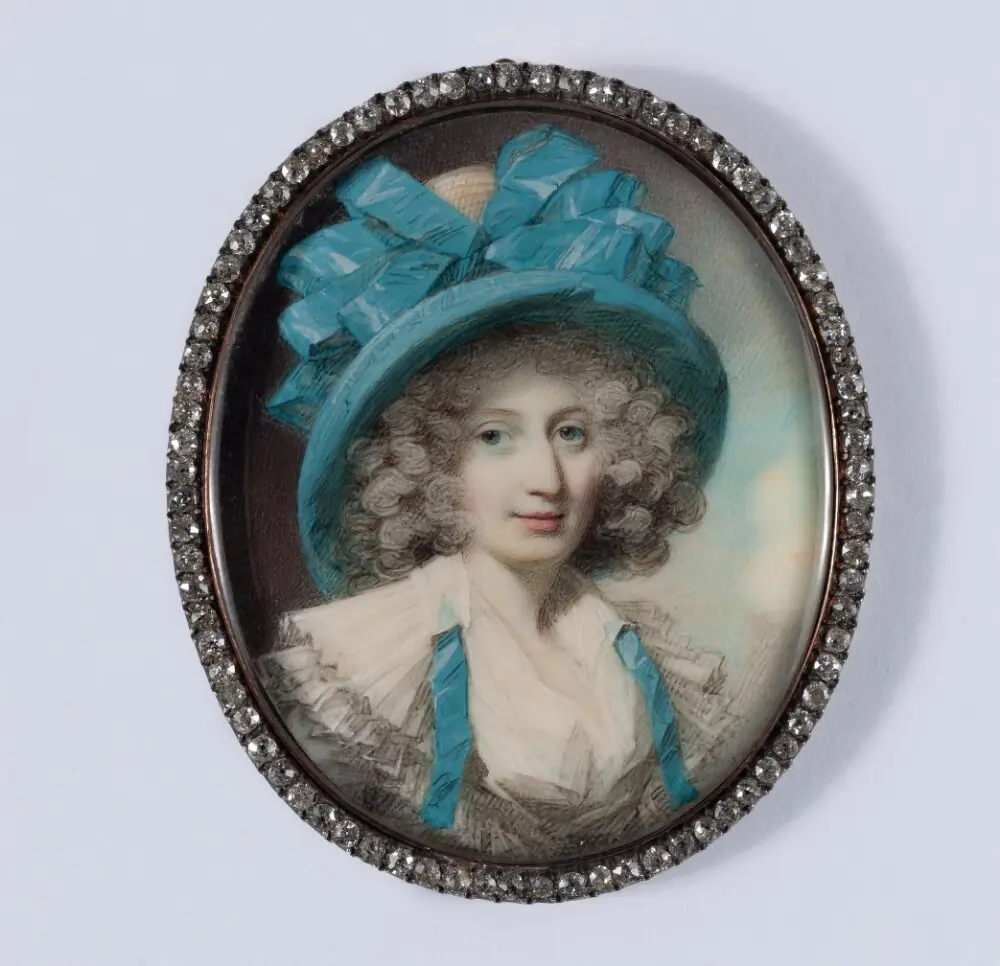 Portrait of a Lady, traditionally identified as Miss Bedingfield
 Portrait of Sir Thomas Baring, 2nd Baronet