Artwork
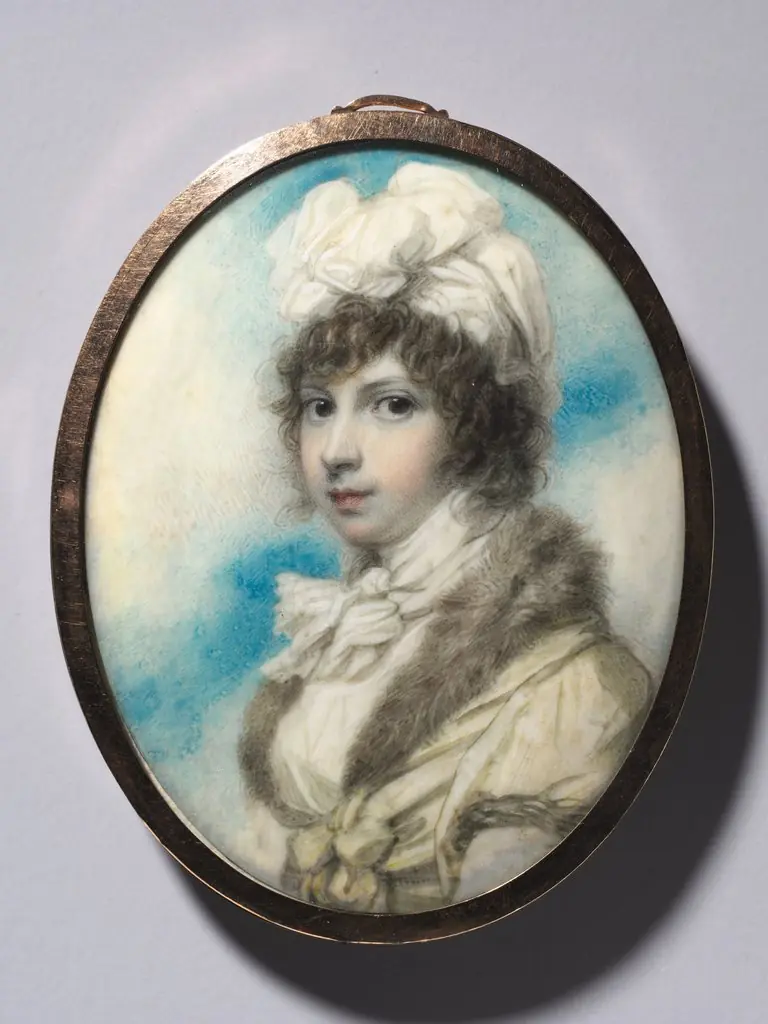
Portrait of a Lady, traditionally identified as Miss Bedingfield
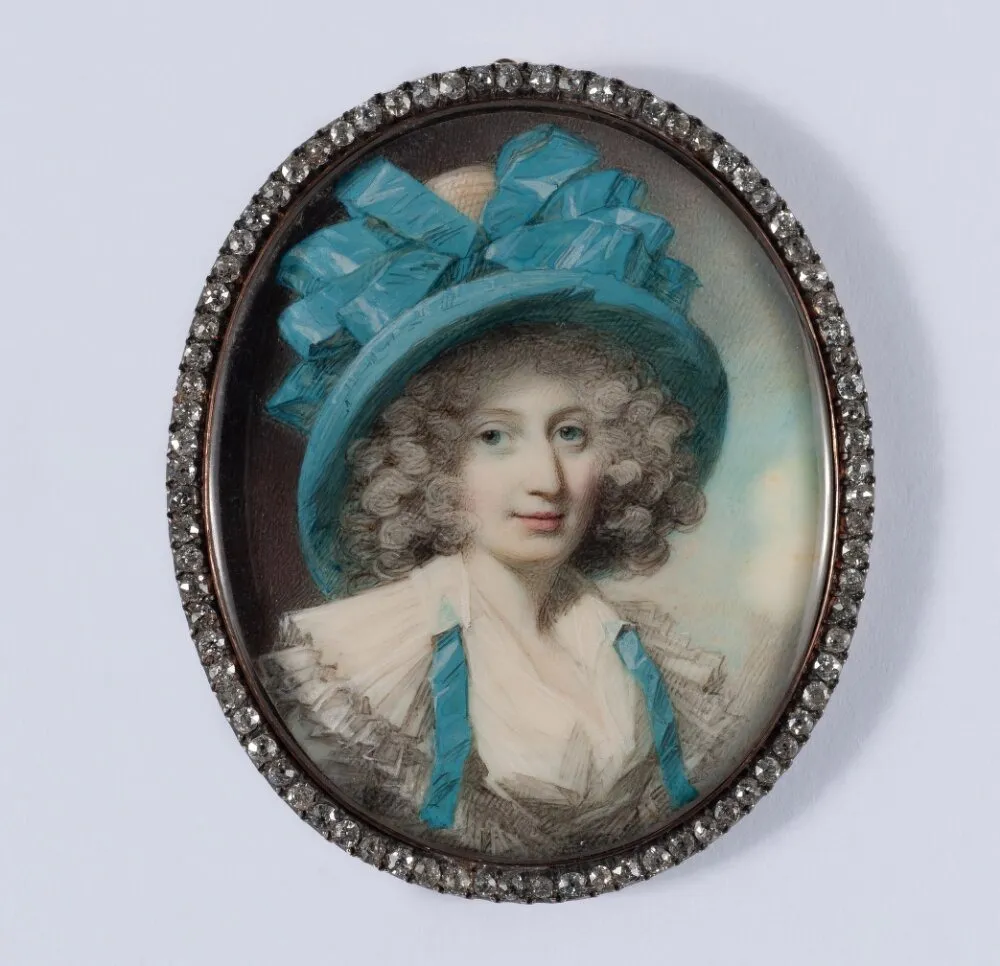
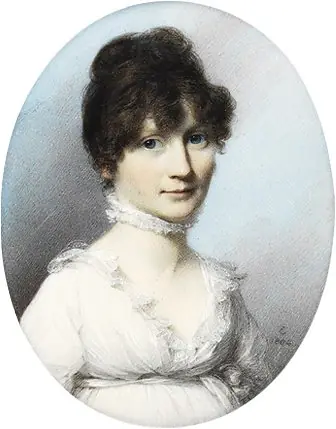
Portrait of a Lady, traditionally identified as Miss Bedingfield is an unspecified painting by the Rococo painting artist George Engleheart. It dates from 1792 and is held in the collection of the Nationalmuseum.
About this work
Overview
It belongs to the Nationalmuseum’s collection and exemplifies the English tradition of intimate portraiture popular among the gentry in the late 18th century.
Painted in 1792 by George Engleheart, this miniature portrait is a small-scale work on ivory, framed in an oval shape. It belongs to the Nationalmuseum’s collection and exemplifies the English tradition of intimate portraiture popular among the gentry in the late 18th century. Engleheart, known for his precise technique, captured his subject with quiet dignity, avoiding theatricality in favor of restrained realism.
Subject & Meaning
The sitter is traditionally identified as Miss Bedingfield, a young woman of modest social standing. Her direct gaze and composed posture suggest self-possession rather than ornamentation. The elaborate blue hat, though decorative, is rendered with restraint, indicating fashion as a marker of refinement rather than excess. The portrait conveys personal presence over narrative, typical of private commissions meant for intimate viewing.
Technique & Style
Executed in watercolor on ivory, the painting demonstrates Engleheart’s mastery of fine brushwork and subtle tonal transitions. The background is softly blurred, drawing focus to the sitter’s face and hat. Colors are deliberately muted, with the blue of the hat serving as the only vivid accent. The texture of lace, ribbon, and hair is rendered with microscopic precision, characteristic of the miniature genre’s demand for detail within a limited space.
History & Provenance
The painting entered the Nationalmuseum’s collection in the 19th century, likely through acquisition or donation from a private English estate. Its attribution to Engleheart is supported by stylistic parallels with his other dated works. While the identity of the sitter remains unverified by documentary evidence, the traditional association with Miss Bedingfield has persisted since the painting’s early cataloging.
Context
Miniature portraiture flourished in Britain during the late 1700s as a portable, personal art form, often exchanged among family or used as keepsakes. Engleheart worked alongside contemporaries like Cosway and Smart, contributing to a refined aesthetic that balanced elegance with emotional restraint. These works reflected Enlightenment ideals of individuality and decorum, suited to the tastes of an emerging middle class.
Legacy
Engleheart’s miniatures, including this portrait, remain significant for their technical discipline and quiet psychological presence. Though overshadowed by larger-scale portraiture in public memory, his works continue to inform studies of domestic visual culture and the role of small-format art in shaping personal identity during the Georgian era.
Artist & collection
Artist
George Engleheart (1750–1829) was an English painter of portrait miniatures, and a contemporary of Richard Cosway, John Smart, William Wood, and Richard Crosse.

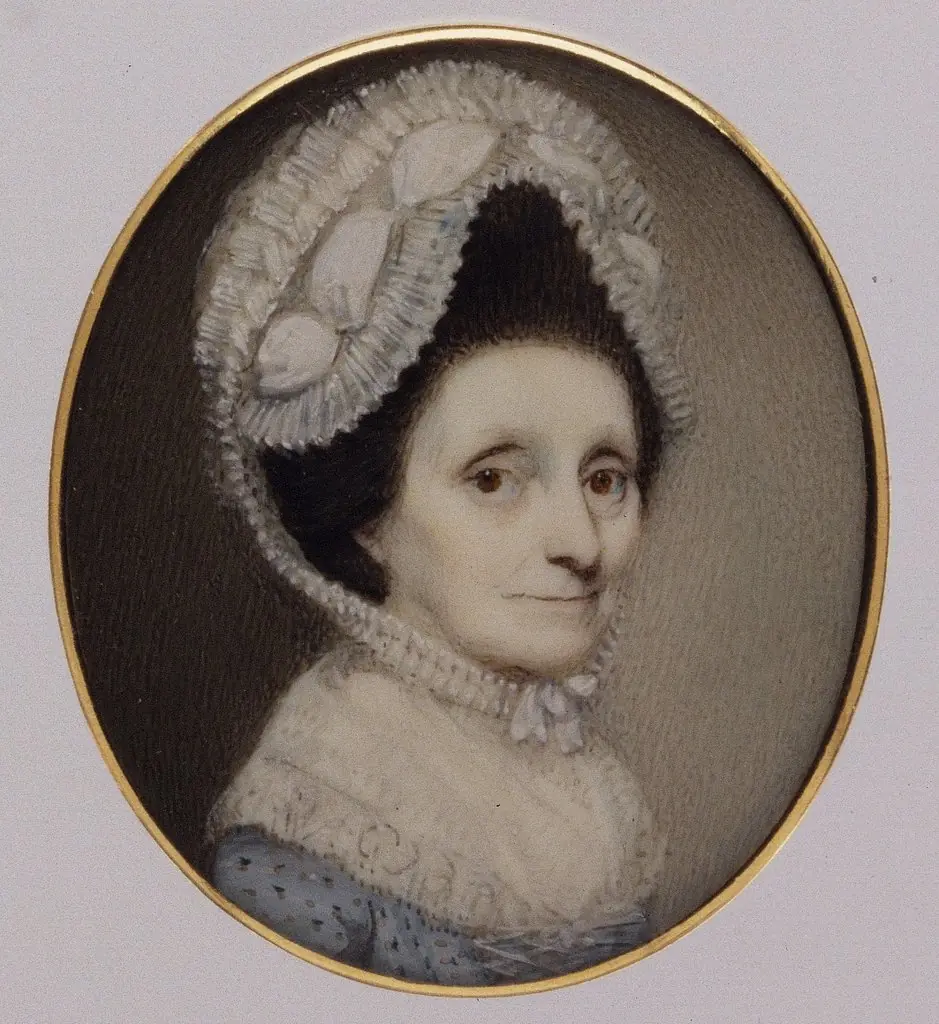
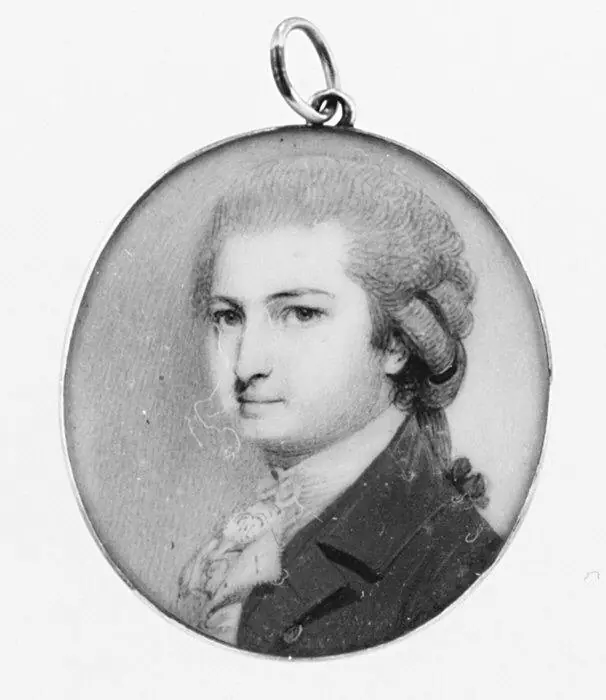
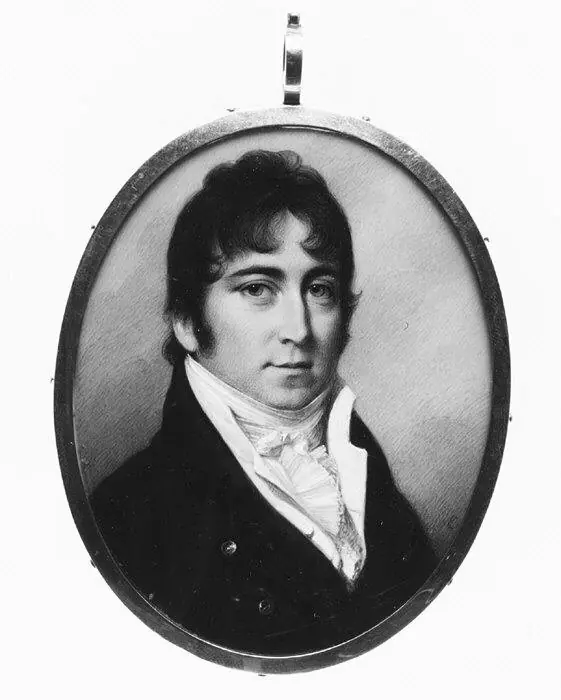
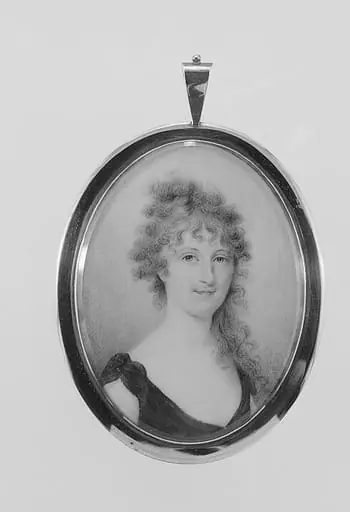 Portrait of a Lady
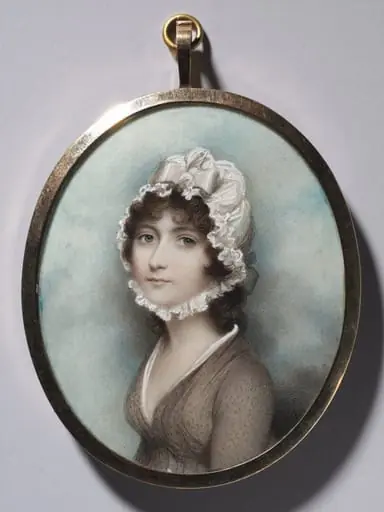 Portrait of a Woman
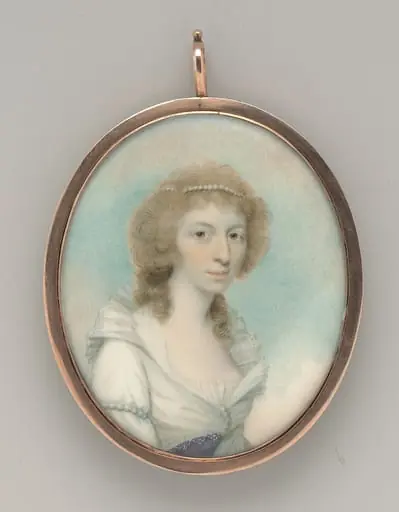 Mrs. Gabriel Manigault (Margaret Izard)
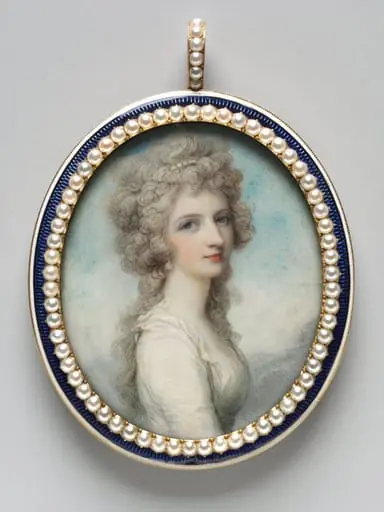 Portrait of Mary Frances (Fanny) Swinburne
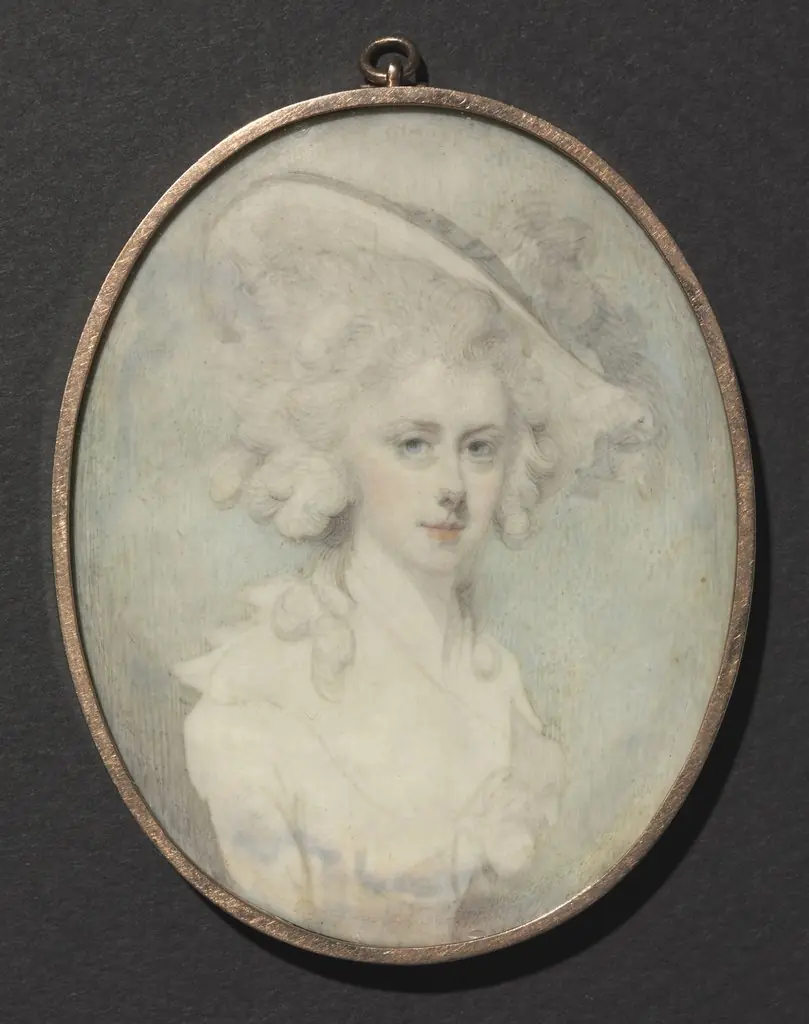 Portrait of a Woman with a Hat
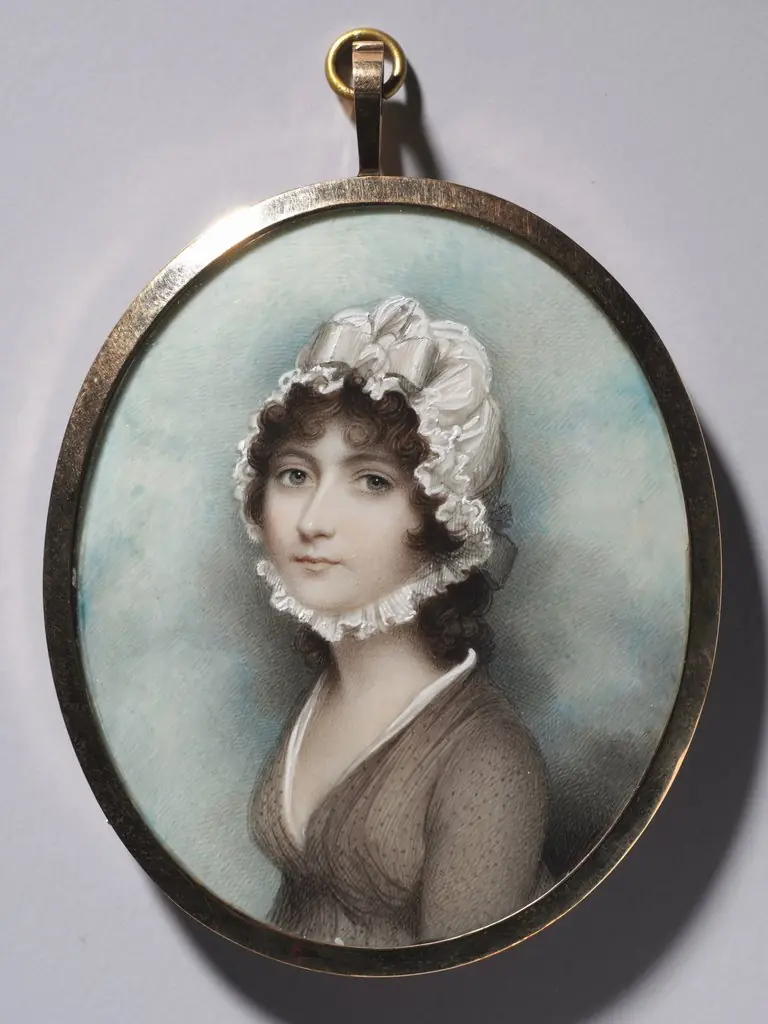 Portrait of a Woman
 Portrait of a Woman with a Hat
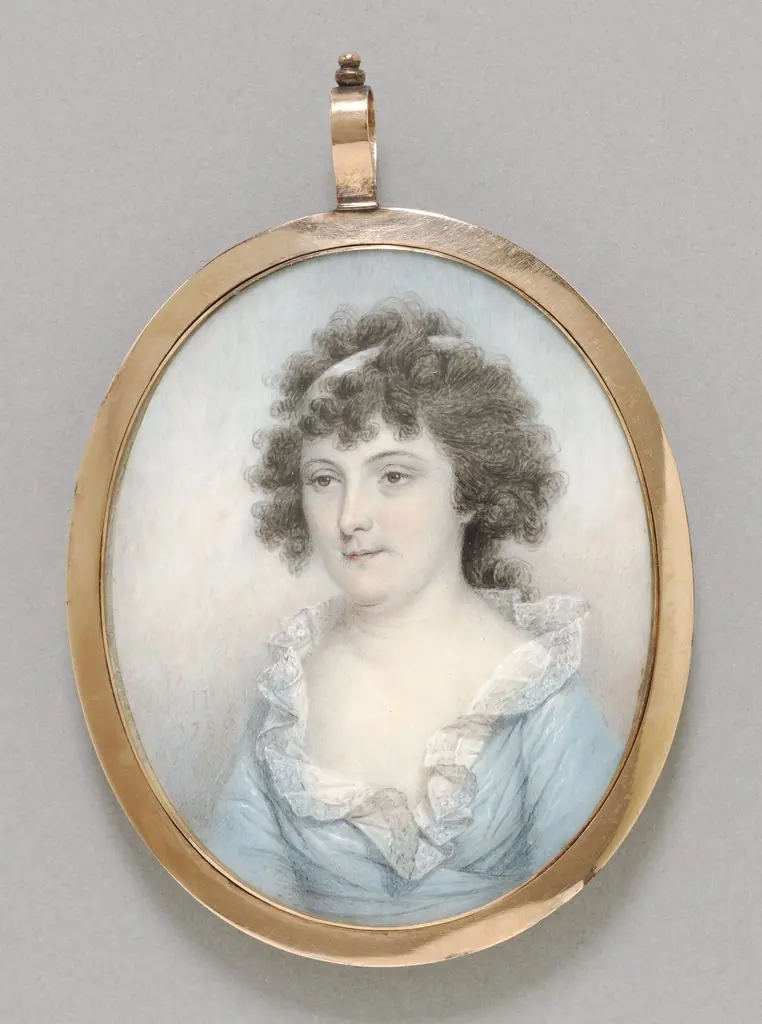 Portrait of Susan Coren Towers
 Portrait of a Woman
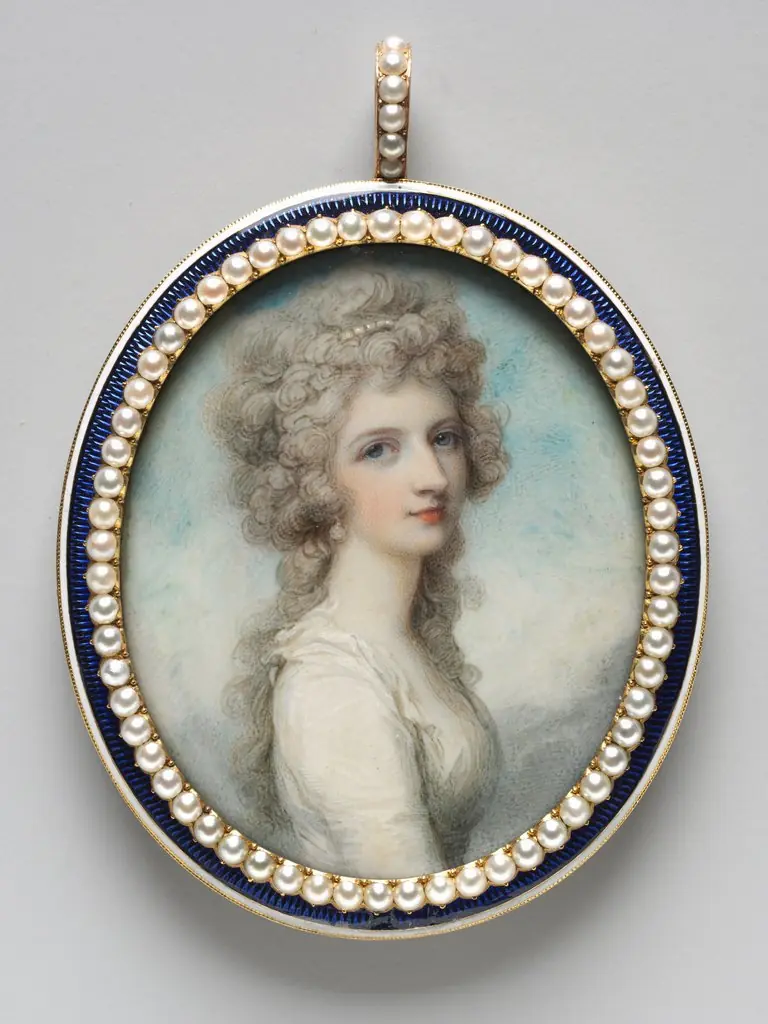 Portrait of Mary Frances (Fanny) Swinburne
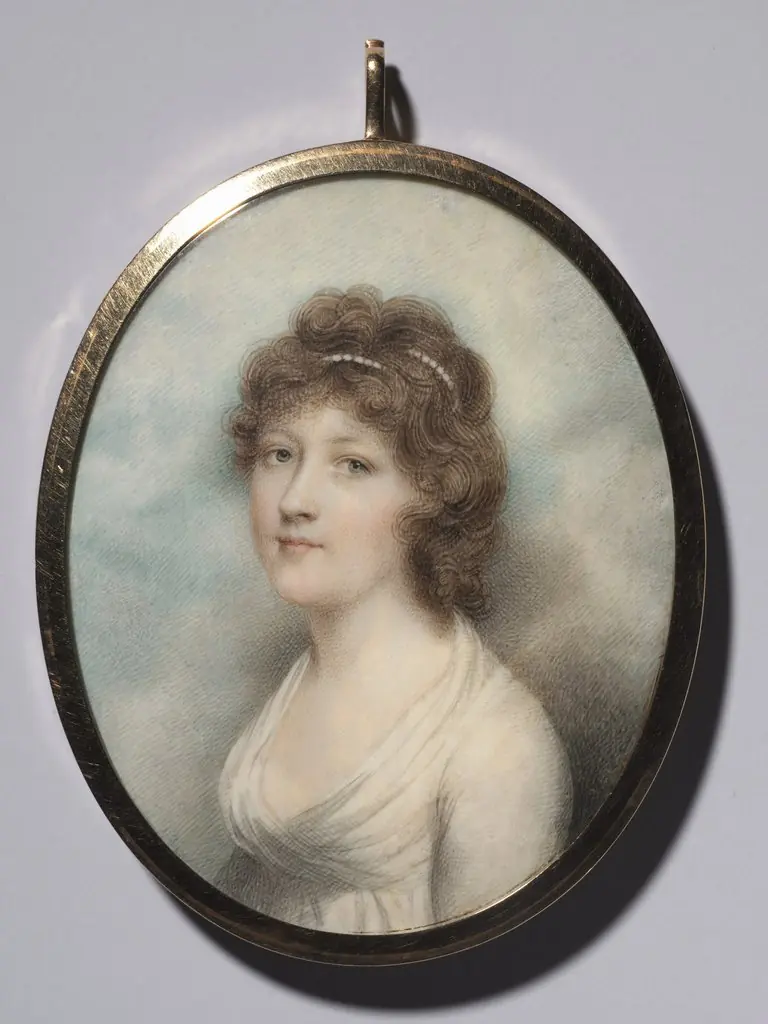 Portrait of a Woman
 Portrait of the Hon. Anne Annesley, later Countess of Mountnorris