Artwork
Thomas Carlyle
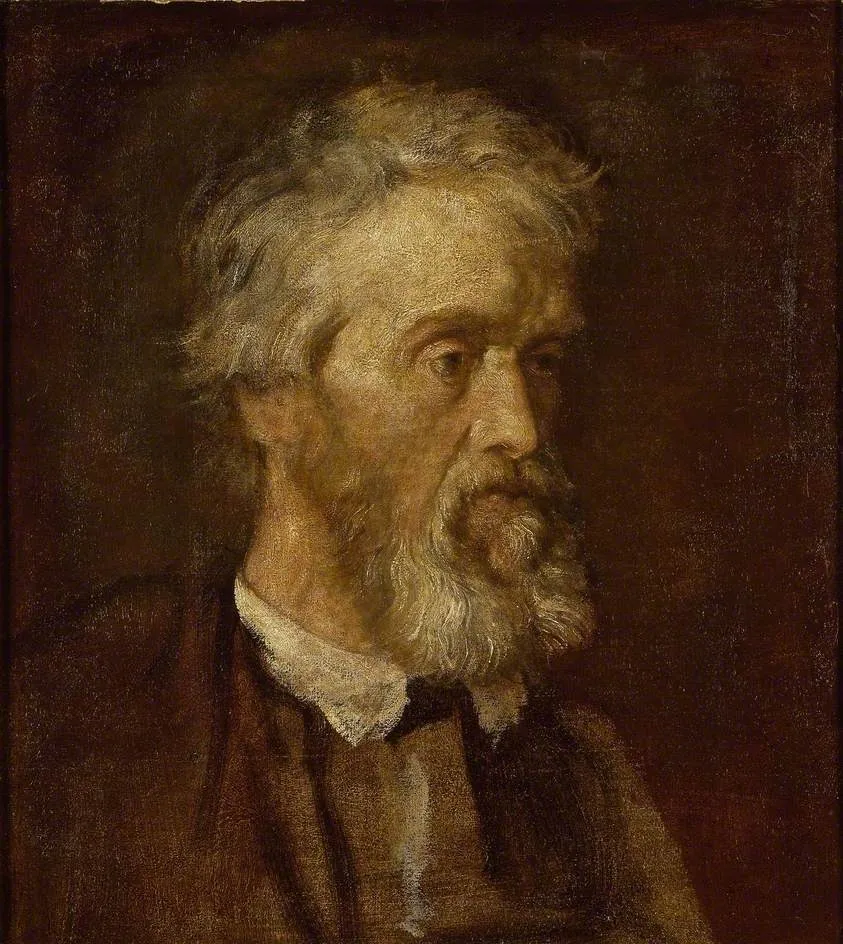
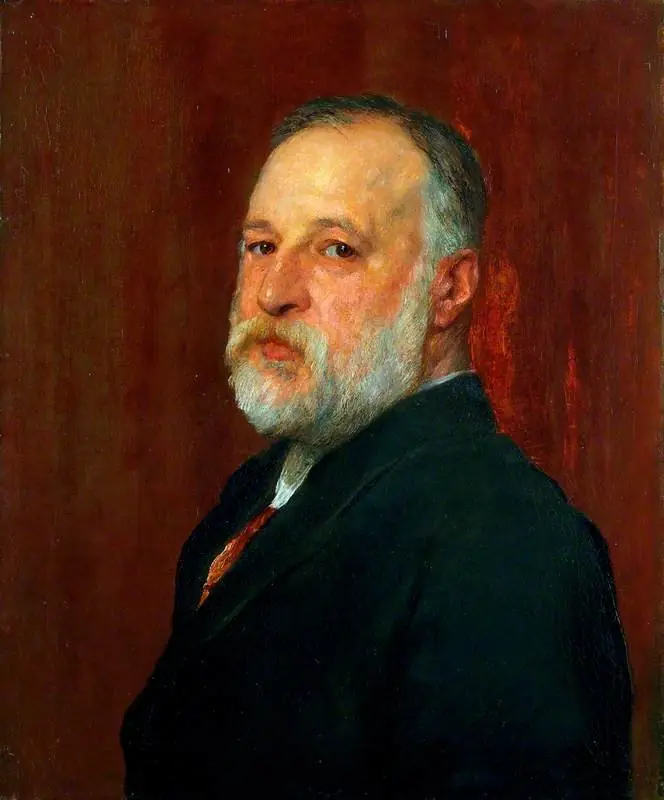
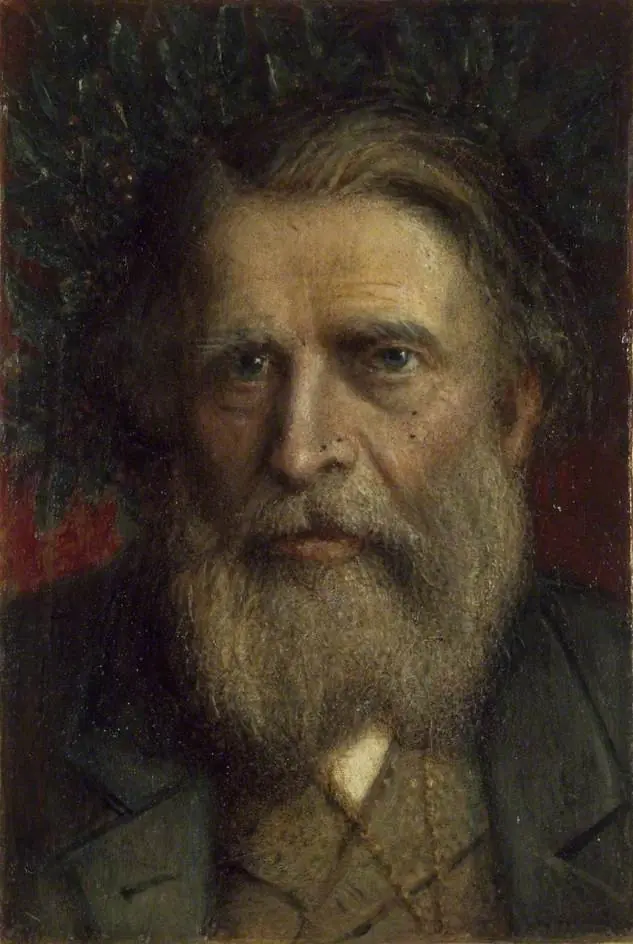
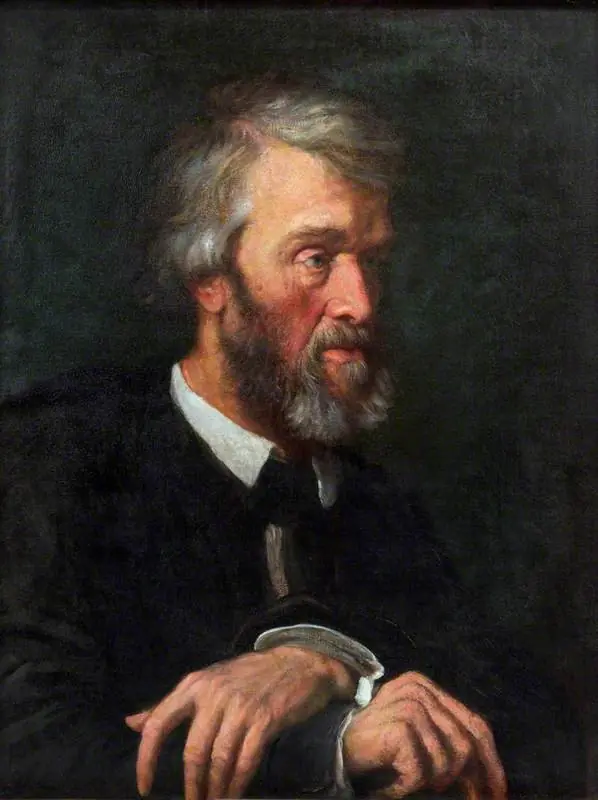
Thomas Carlyle is an oil painting by the Realist artist George Frederic Watts. It dates from 1867 and is held in the collection of the Ashmolean Museum.
About this work
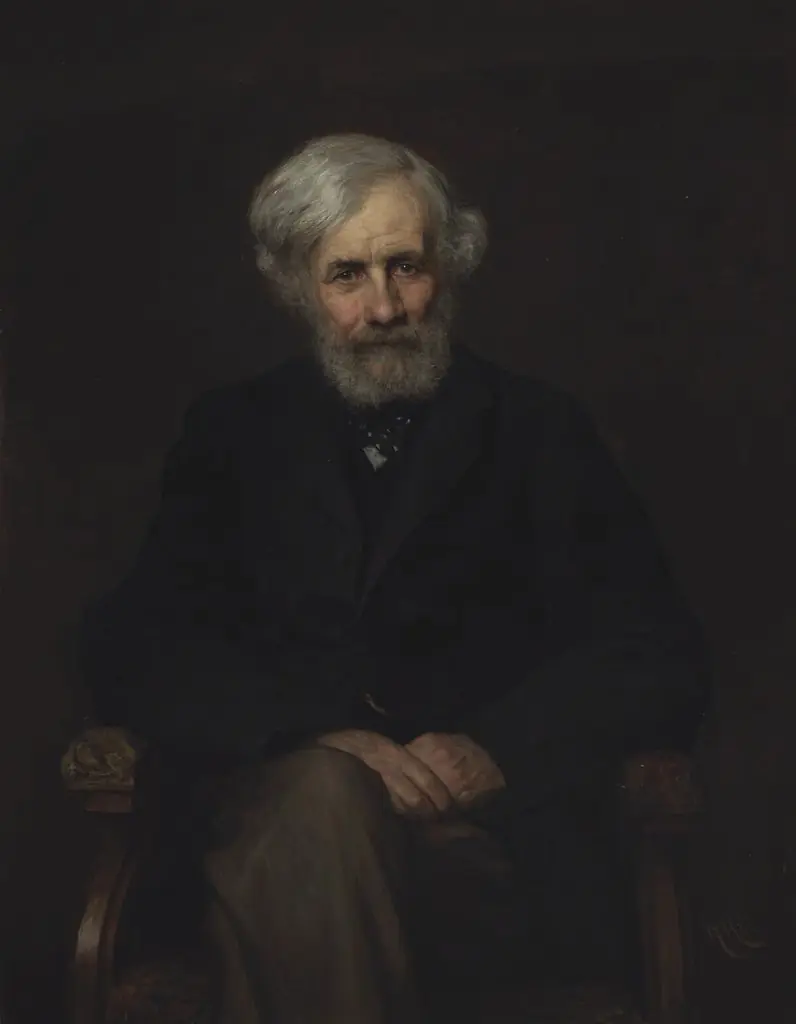
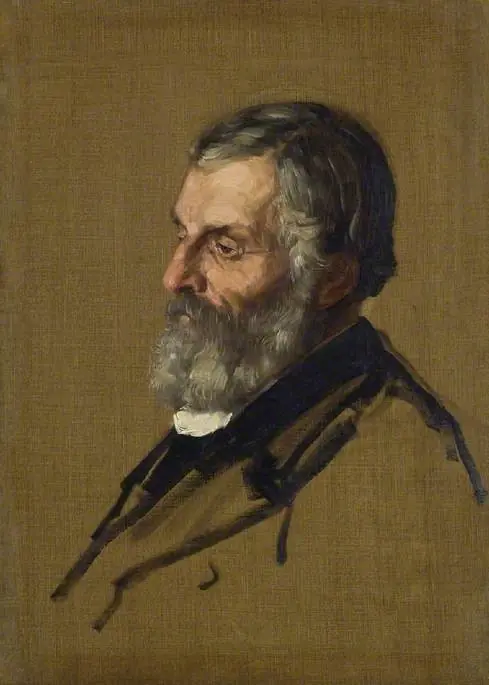
The painting depicts a man with a long, white beard and hair, wearing a dark jacket over a white collared shirt.
The painting depicts a man with a long, white beard and hair, wearing a dark jacket over a white collared shirt. The man's face is turned to the right, and his gaze is directed slightly downward. The background of the painting is a dark, muted color.
The man's facial expression is serious, and his eyes seem to be lost in thought. The painting's style is realistic, with attention to detail in the subject's features and attire. The overall mood of the painting is somber and contemplative.
The painting is a portrait of Thomas Carlyle, created by George Frederic Watts in 1867. To learn more about the artist's technique, look up impasto.
Overview
George Frederic Watts painted a portrait of the Scottish writer Thomas Carlyle in 1867. Executed in oil on canvas, the work presents Carlyel in a sober pose, his white beard and hair contrasting with a dark jacket. The composition is set against a muted background, emphasizing the figure’s contemplative demeanor.
Subject & Meaning
The sitter, Thomas Carlyle, was a prominent 19th‑century historian and essayist known for his moral and philosophical writings. Watts captures the intellectual gravity associated with Carlyle, portraying him with a serious expression and a gaze that suggests inward reflection, aligning with the subject’s reputation for deep, often somber, thought.
Technique & Style
Rendered in a realistic manner, the portrait displays meticulous attention to the texture of hair, beard, and clothing. Watts employs subtle modeling and restrained brushwork to achieve a lifelike presence, while the overall tonal palette remains dark, reinforcing the solemn atmosphere. The handling of light and shadow contributes to a three‑dimensional effect without overt dramatization.
History & Provenance
Created during Watts’s mature period, the painting reflects his interest in allegorical and symbolic subjects, though this work is a straightforward portrait. It entered the collection of the Ashmolean Museum, where it remains on display. The piece stands alongside Watts’s other notable works, such as his allegorical series “House of Life.”
Artist & collection
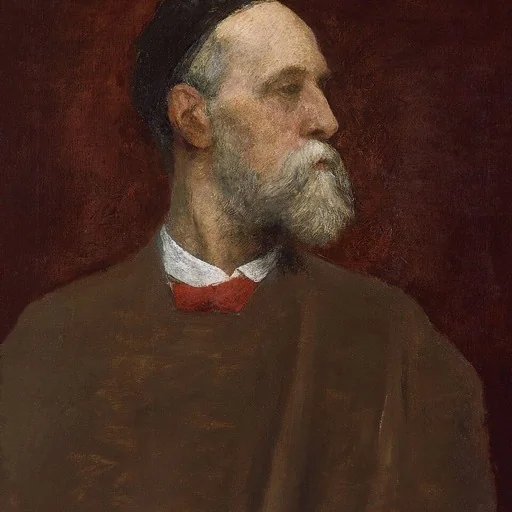
Artist
George Frederic Watts (23 February 1817 – 1 July 1904) was a British painter and sculptor associated with the Symbolist movement.