Artwork
Henry Winston Barron, M.P.
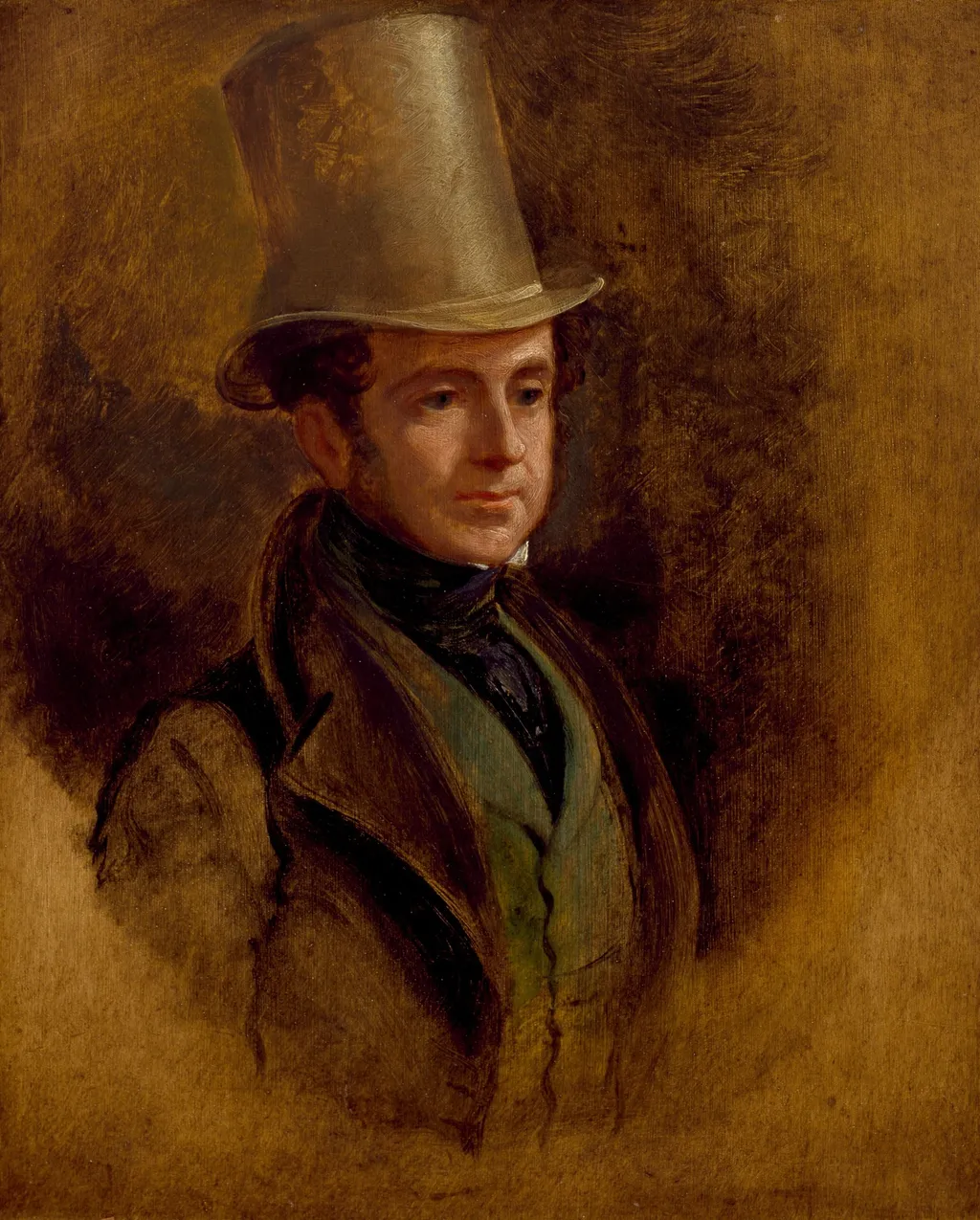
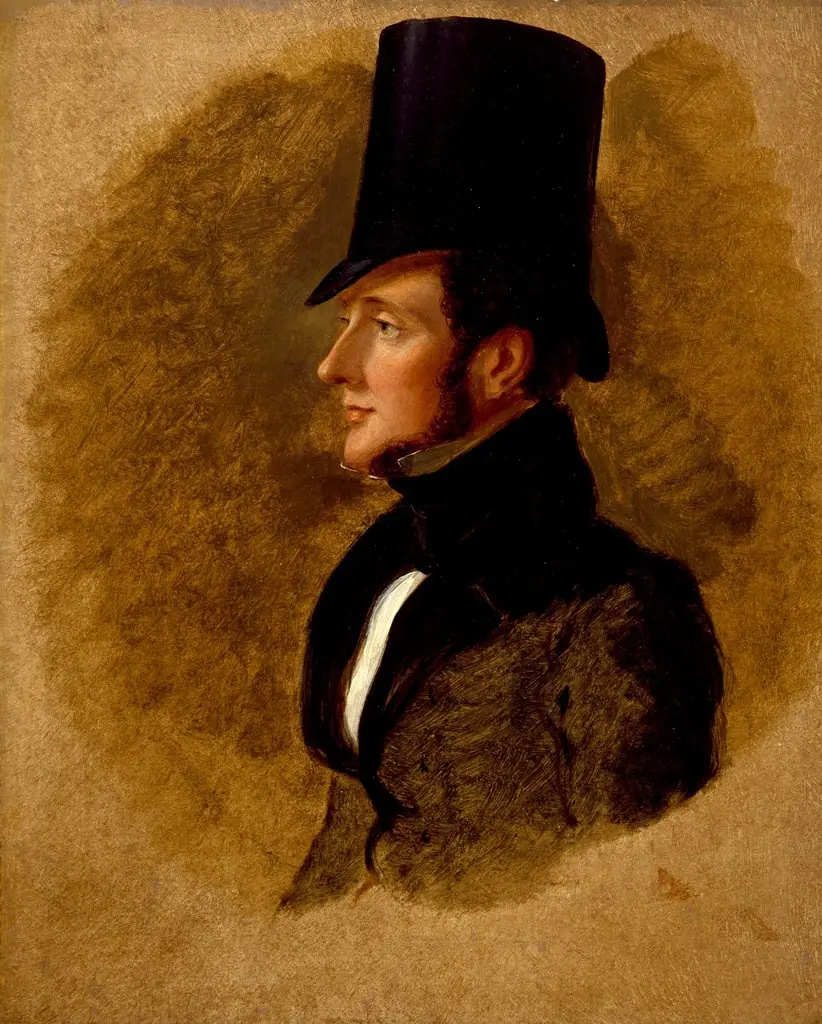
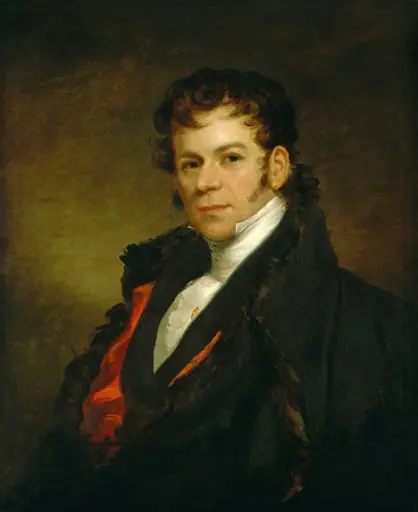
Henry Winston Barron, M.P. is an unspecified painting by George Hayter. It dates from 1841 and is held in the collection of the Museum of Fine Arts, Houston.
About this work
Overview
Hayter, then newly appointed Principal Painter in Ordinary to Queen Victoria, executed this work during a period of heightened recognition in his career.
George Hayter painted Henry Winston Barron, a British Member of Parliament, circa 1841. The portrait captures Barron in formal attire, emphasizing his public role through restrained elegance. Hayter, then newly appointed Principal Painter in Ordinary to Queen Victoria, executed this work during a period of heightened recognition in his career. The painting resides in the Museum of Fine Arts, Houston, as part of its 19th-century British portraiture collection.
Subject & Meaning
Henry Winston Barron is depicted as a solemn, upright figure, his direct gaze conveying authority and composure. His attire—tall hat, dark coat, and light vest—reflects the conservative dress of a Victorian-era politician, signaling respectability and civic duty. The absence of symbolic objects or elaborate settings focuses attention on Barron’s presence, reinforcing the portrait’s function as a record of social standing rather than personal narrative.
Technique & Style
Hayter employed precise brushwork to render fabric textures and facial features, with careful attention to the contrast between the dark coat and pale vest. The warm, muted background isolates the figure without distraction, enhancing the portrait’s formal tone. Lighting is even and frontal, typical of academic portraiture, ensuring clarity and dignity. The composition adheres to classical conventions, prioritizing balance and restraint over dramatic flair.
History & Provenance
Commissioned shortly after Hayter’s royal appointment in 1841, the portrait aligns with his growing reputation for official portraiture. It remained in private hands until entering the Museum of Fine Arts, Houston’s collection, where it contributes to the institution’s representation of British political figures in art. No record of public exhibition prior to its museum acquisition is documented.
Context
In early 1840s Britain, parliamentary figures were frequently commemorated in portraiture as symbols of civic order. Hayter’s role as Queen Victoria’s official painter placed him at the center of this tradition. His style, rooted in Neoclassical precision, contrasted with emerging Romantic tendencies, reflecting the era’s preference for decorum in public representation.
Legacy
The portrait stands as a modest example of Hayter’s later work, illustrating his consistent adherence to formal portraiture despite shifting artistic trends. While not widely exhibited, it remains a valuable document of Victorian political culture and the role of art in affirming social hierarchy. Its preservation in a major American museum underscores its endurance as a historical artifact.
Own this work as a print
Artist & collection
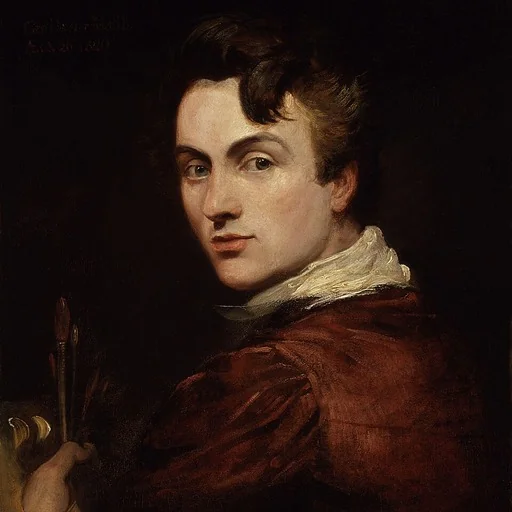
Artist
Sir George Hayter (17 December 1792 – 18 January 1871) was an English painter, specialising in portraits and large works involving sometimes several hundred individual portraits.

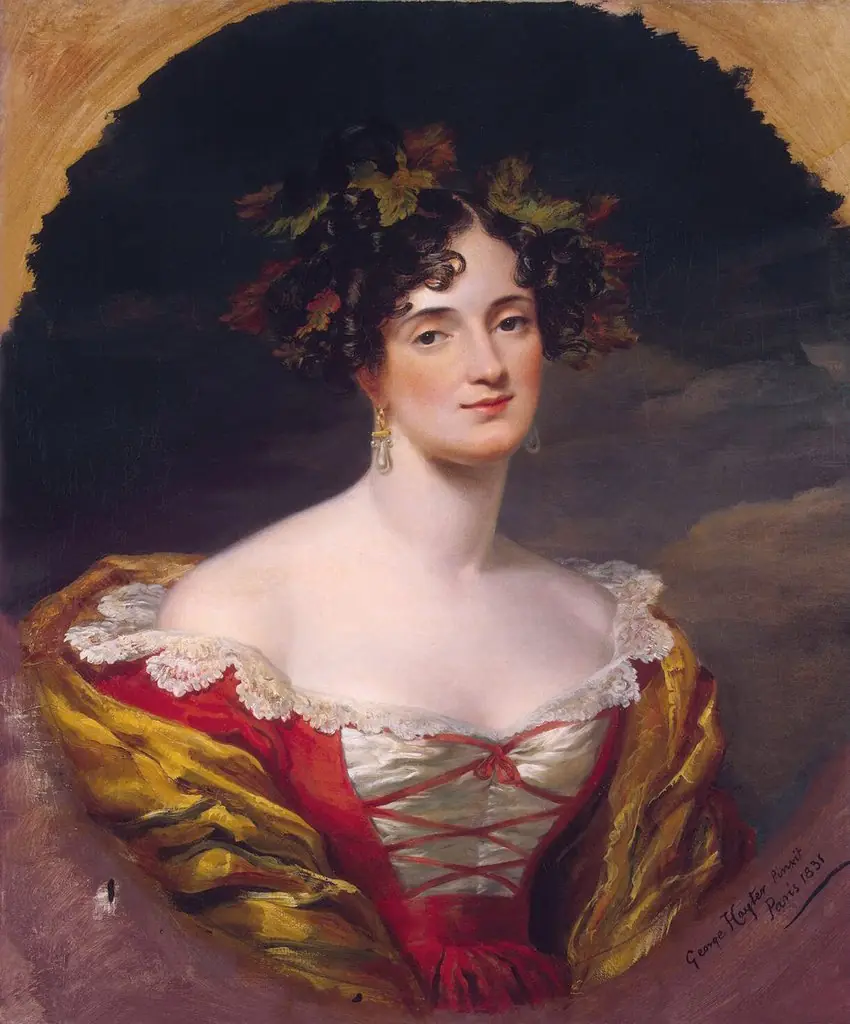 Portrait of Sophia S. Kiselyova (1801-1875)
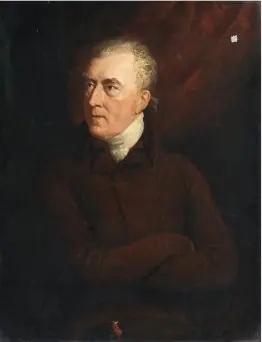 Portrait of George Tierney (1761-1830), MP and English Statesman
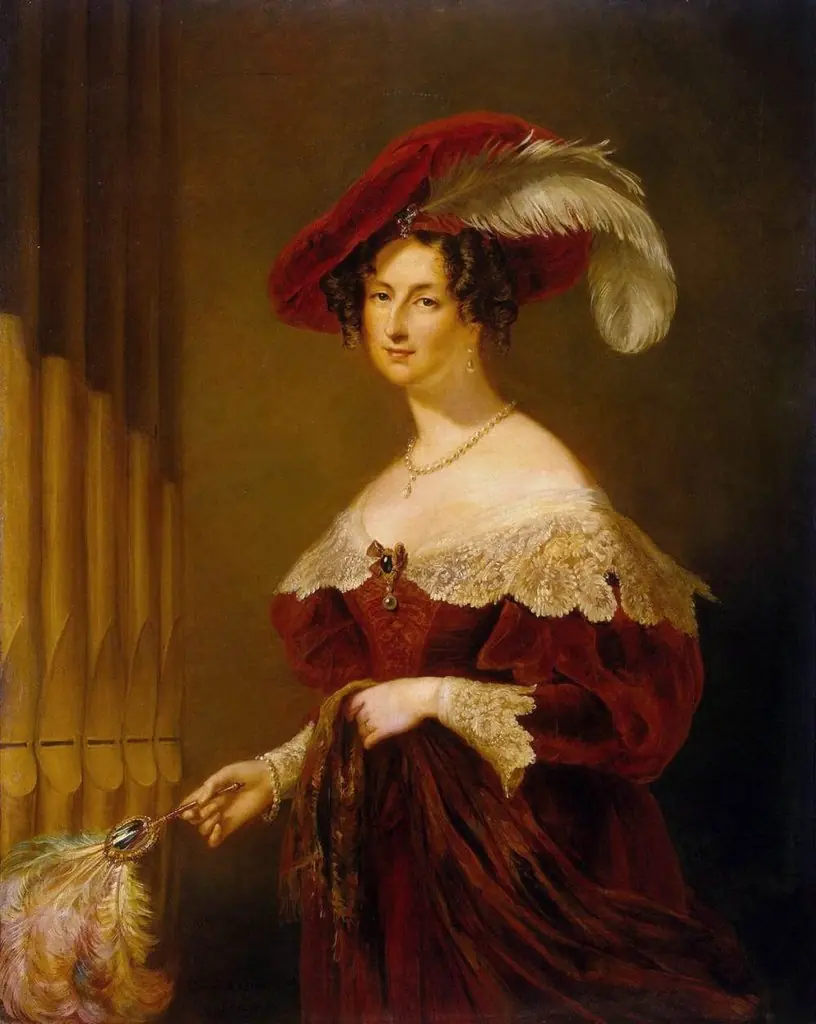 Portrait of Countess Yelizaveta K. Vorontsova (1792-1880)
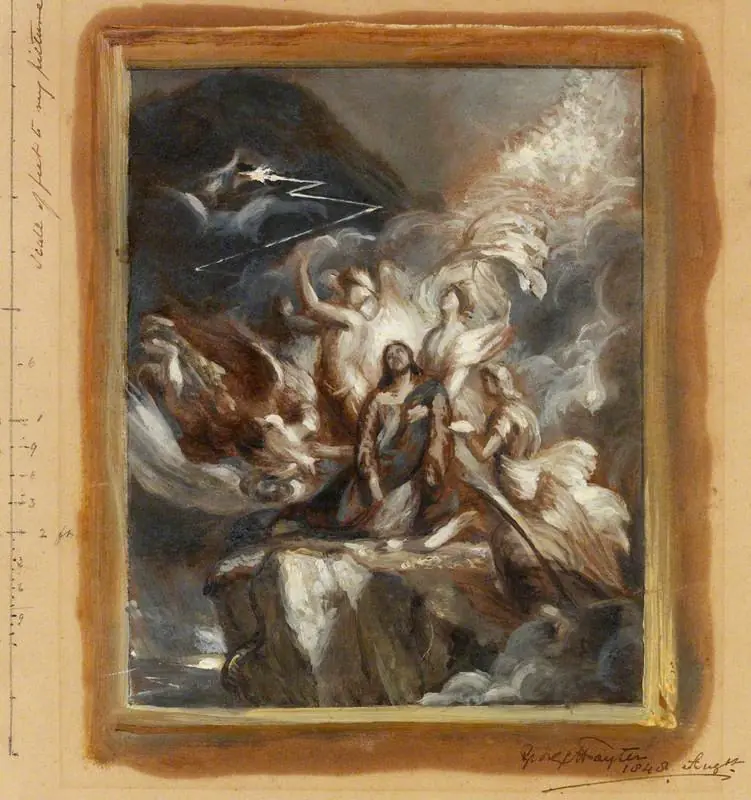 Our Saviour after the Temptation (sketch)
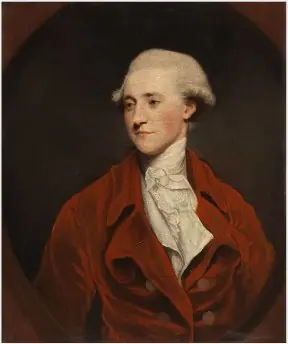 Portrait of Richard Burke, Son of Edmund Burke, Parliamentary Agent of the Catholic Committee (1758-1794)
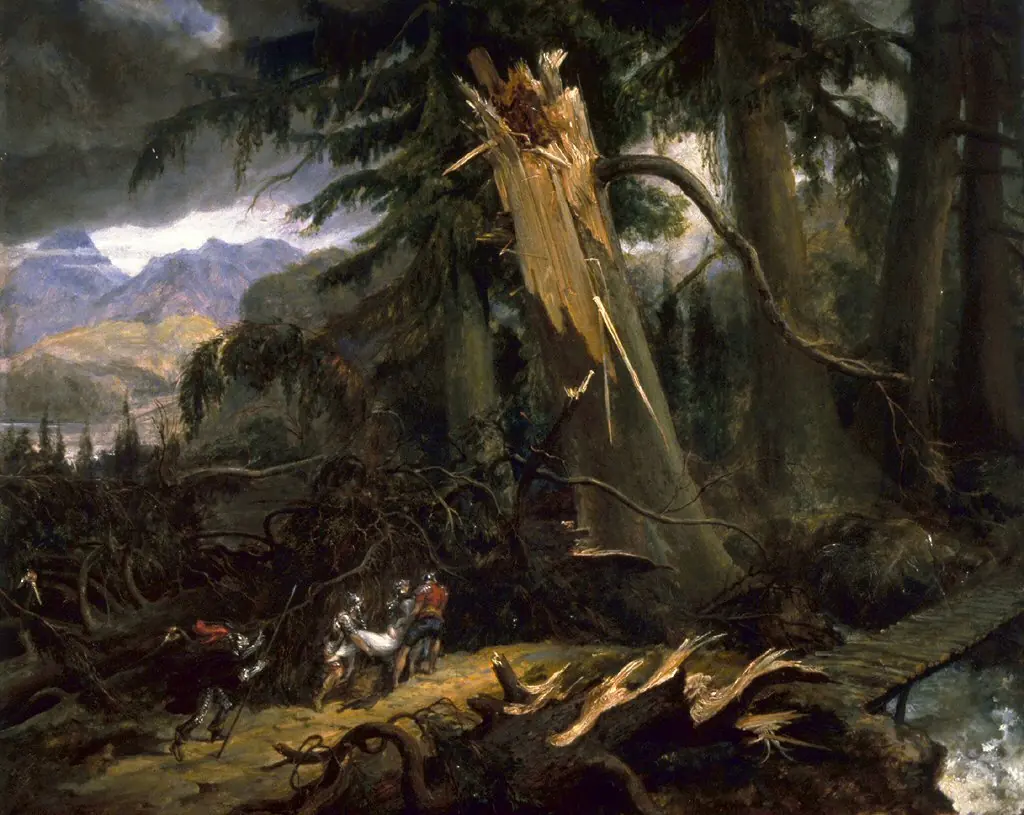 After the Storm
 Fitzstephen French, M.P.
 The Angels Ministering to Christ
 Asensio Juliá
 James, Lord Ruthven
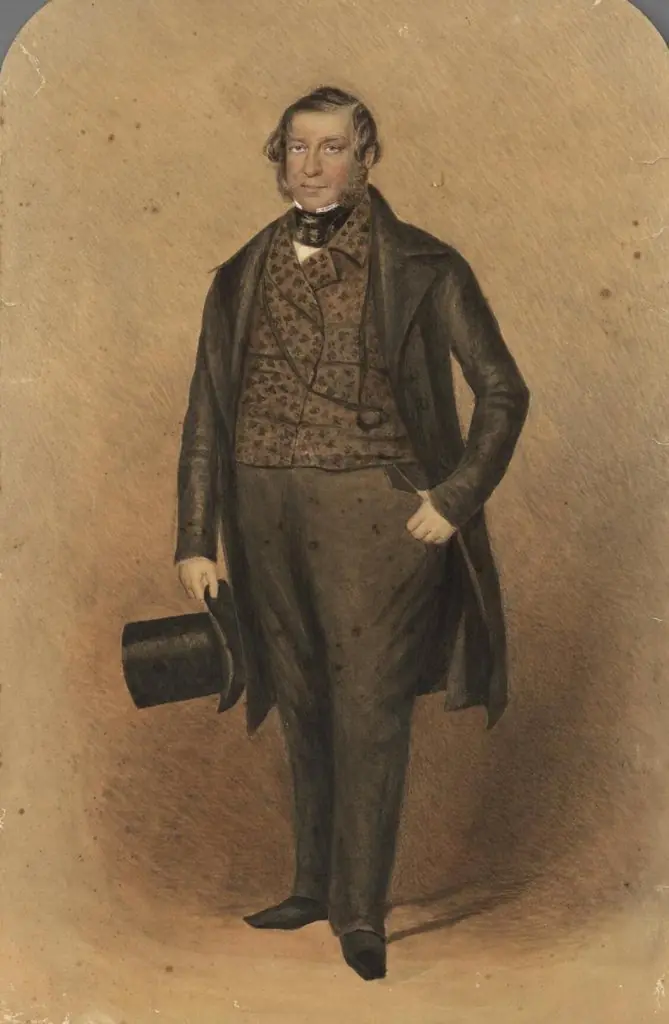 Frederick Augustus Jones
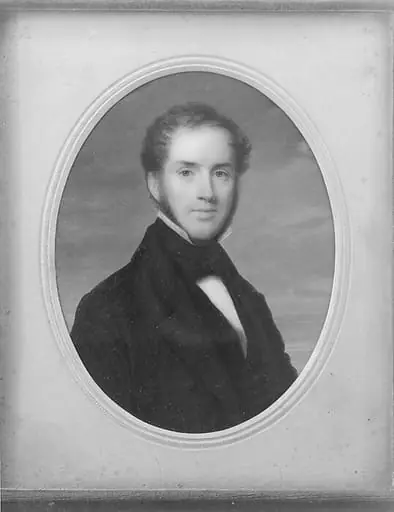 Benjamin Daniel Greene
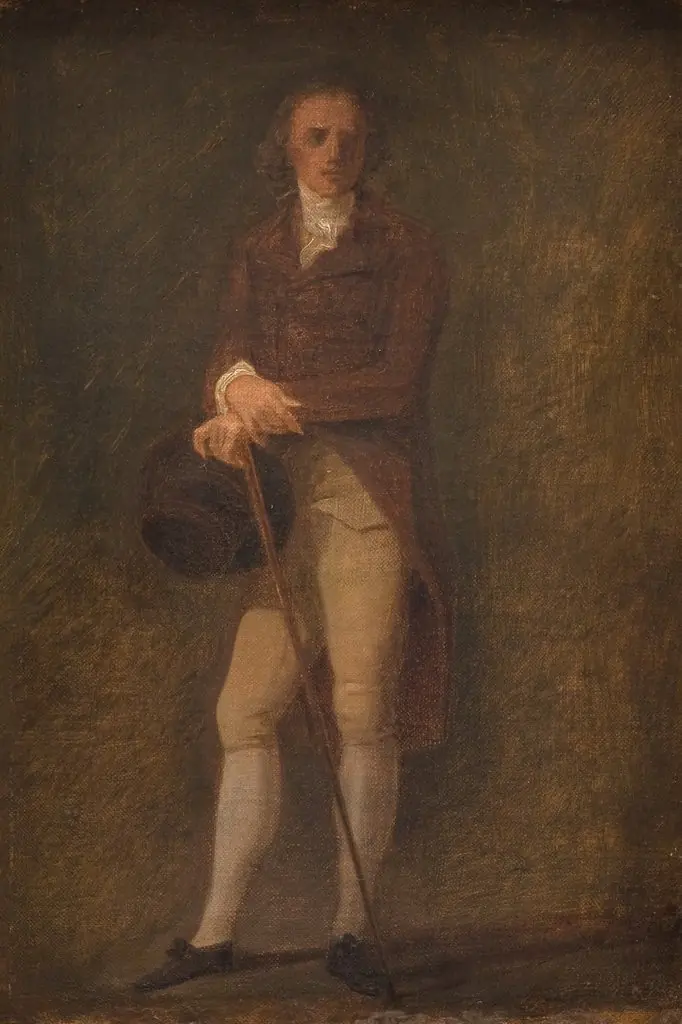 Portrætskitse. Maleren N.A. Abildgaard (?).
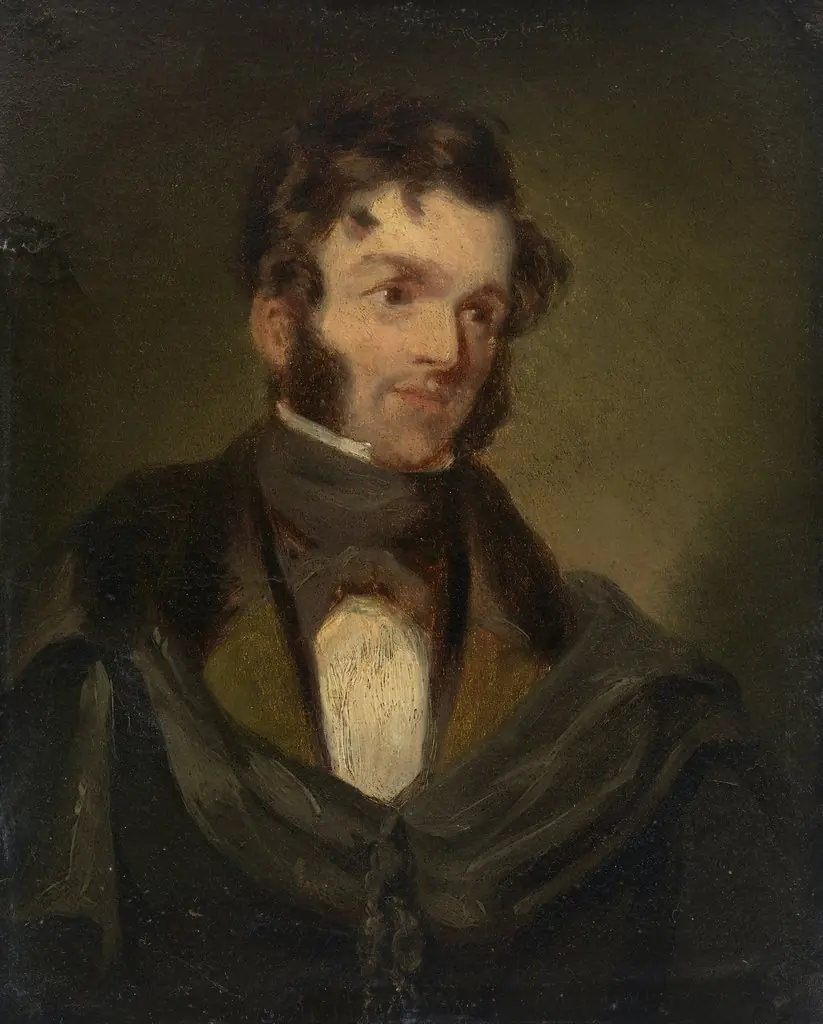 Portrait of William Smith O'Brien (1803-1864), Young Irelander
 Portrætskitse. Maleren N.A. Abildgaard (?).
 Portrait of a gentleman, aged 34
 Robert Dickey
 John Davies
 John Smith Warner (?)