Artwork
Portrait of George Tierney (1761-1830), MP and English Statesman
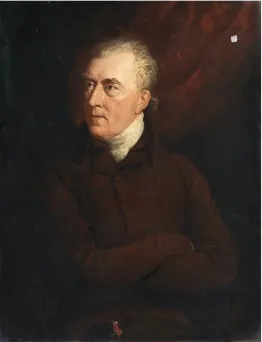
Portrait of George Tierney (1761-1830), MP and English Statesman is an oil painting by the British Romanticist artist George Hayter. It dates from 1823 and is held in the collection of the National Gallery of Ireland.
About this work
Overview
Painted in 1823 by Sir George Hayter, this oil-on-canvas portrait captures George Tierney, a prominent British politician and Member of Parliament.
Painted in 1823 by Sir George Hayter, this oil-on-canvas portrait captures George Tierney, a prominent British politician and Member of Parliament. Hayter, who would later become Queen Victoria’s principal painter, rendered Tierney with restrained elegance, emphasizing dignity over flamboyance. The work remains part of the National Gallery of Ireland’s collection, reflecting its historical and artistic significance within 19th-century British portraiture.
Subject & Meaning
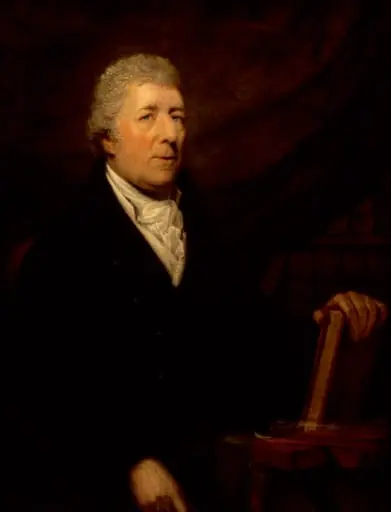
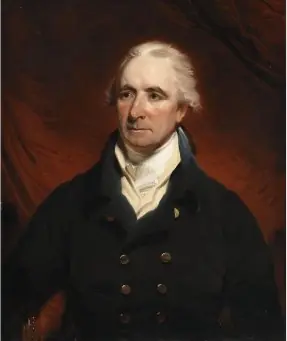
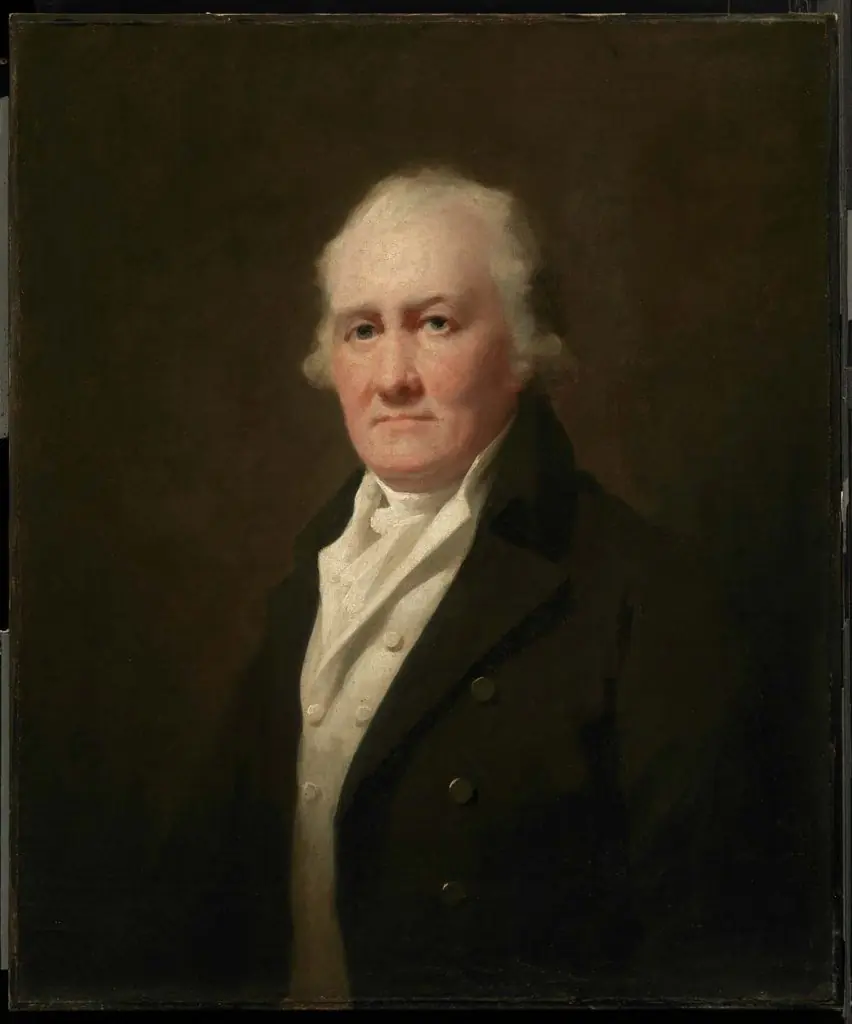
George Tierney was a leading figure in the Whig Party and a vocal advocate for parliamentary reform. The portrait presents him in quiet contemplation, seated with arms resting on a chair, conveying authority tempered by deliberation. His white hair and composed expression suggest experience and gravitas, aligning with his public role as a statesman rather than a showman. The absence of symbols or elaborate settings focuses attention on his character and presence.
Technique & Style
Hayter employed smooth, controlled brushwork to model Tierney’s face with subtle gradations of light and shadow, creating a lifelike three-dimensionality. The dark brown coat contrasts with the softly illuminated skin, drawing the eye to his expression. The dim red background recedes without distraction, reinforcing the sitter’s centrality. This approach reflects the influence of chiaroscuro, prioritizing tonal harmony over decorative detail.
History & Provenance
Commissioned during Tierney’s active political career, the portrait was completed in 1823, a period of political tension in Britain. Hayter, then establishing his reputation, captured Tierney before his later prominence as Leader of the Opposition. The painting entered the National Gallery of Ireland’s collection in the 20th century, likely through donation or acquisition, preserving its connection to British political history outside London.
Context
In the early 1820s, British portraiture favored sober realism over romantic idealism, especially for political figures. Tierney’s image aligns with this trend, avoiding theatricality in favor of psychological presence. Hayter’s style, influenced by earlier portraitists like Reynolds, adapted to the era’s demand for credible, statesmanlike representation—reflecting a society valuing decorum amid reformist pressures.
Legacy
Though less celebrated than Hayter’s royal commissions, this portrait remains a key example of his early work and a faithful record of a significant political figure. It contributes to the visual archive of British parliamentary history, illustrating how portraiture served as a tool of public identity. The painting’s quiet intensity continues to inform interpretations of early 19th-century political culture.
Artist & collection
Artist
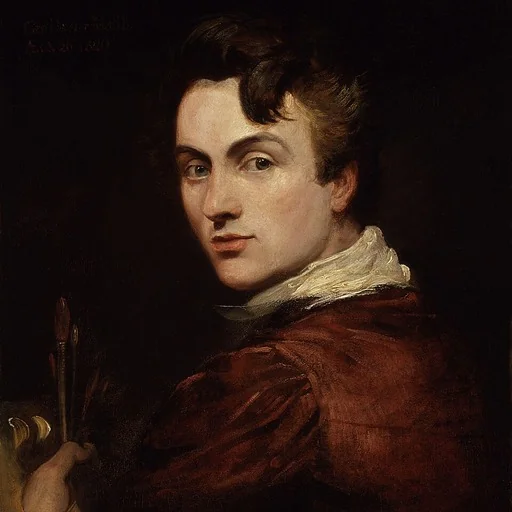
Sir George Hayter (17 December 1792 – 18 January 1871) was an English painter, specialising in portraits and large works involving sometimes several hundred individual portraits.

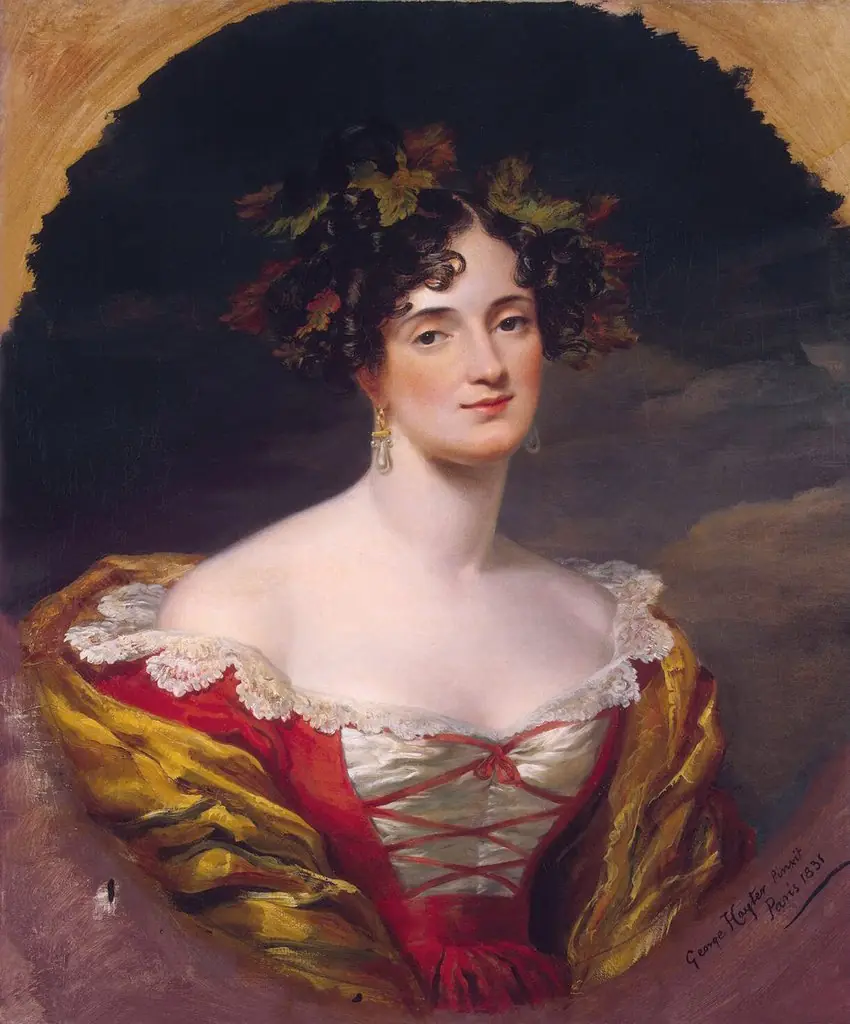 Portrait of Sophia S. Kiselyova (1801-1875)
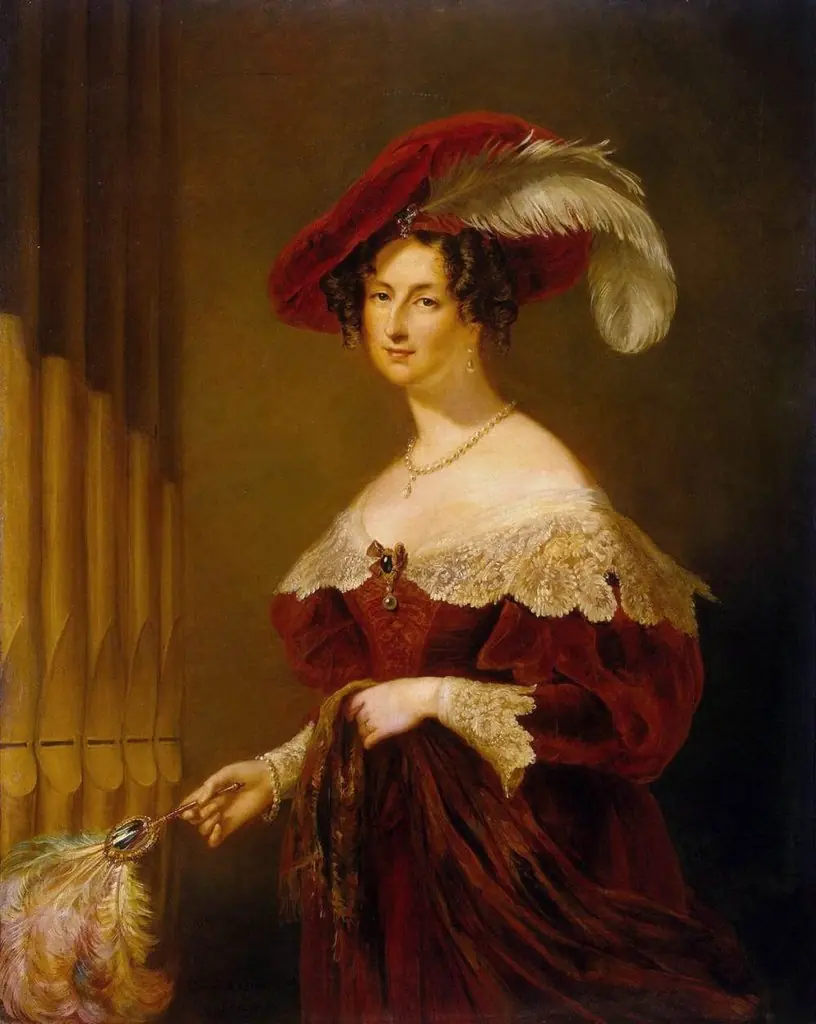 Portrait of Countess Yelizaveta K. Vorontsova (1792-1880)
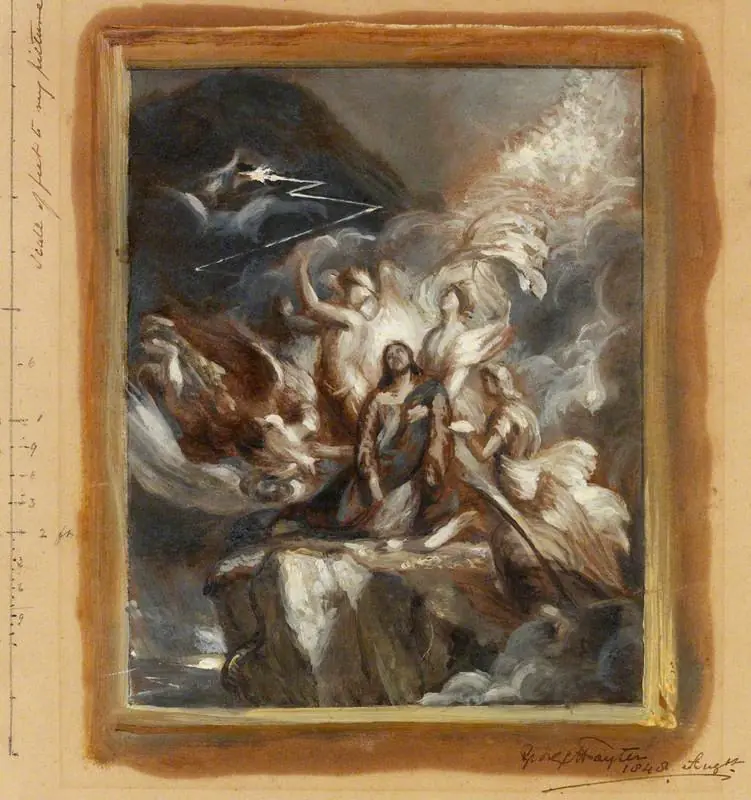 Our Saviour after the Temptation (sketch)
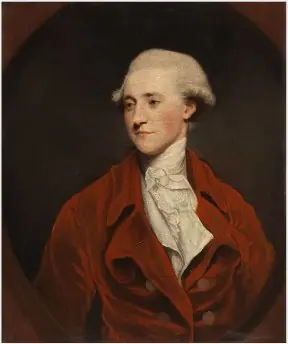 Portrait of Richard Burke, Son of Edmund Burke, Parliamentary Agent of the Catholic Committee (1758-1794)
 After the Storm
 Henry Winston Barron, M.P.
 Fitzstephen French, M.P.
 The Angels Ministering to Christ