Artwork
Portrait of Countess Yelizaveta K. Vorontsova (1792-1880)
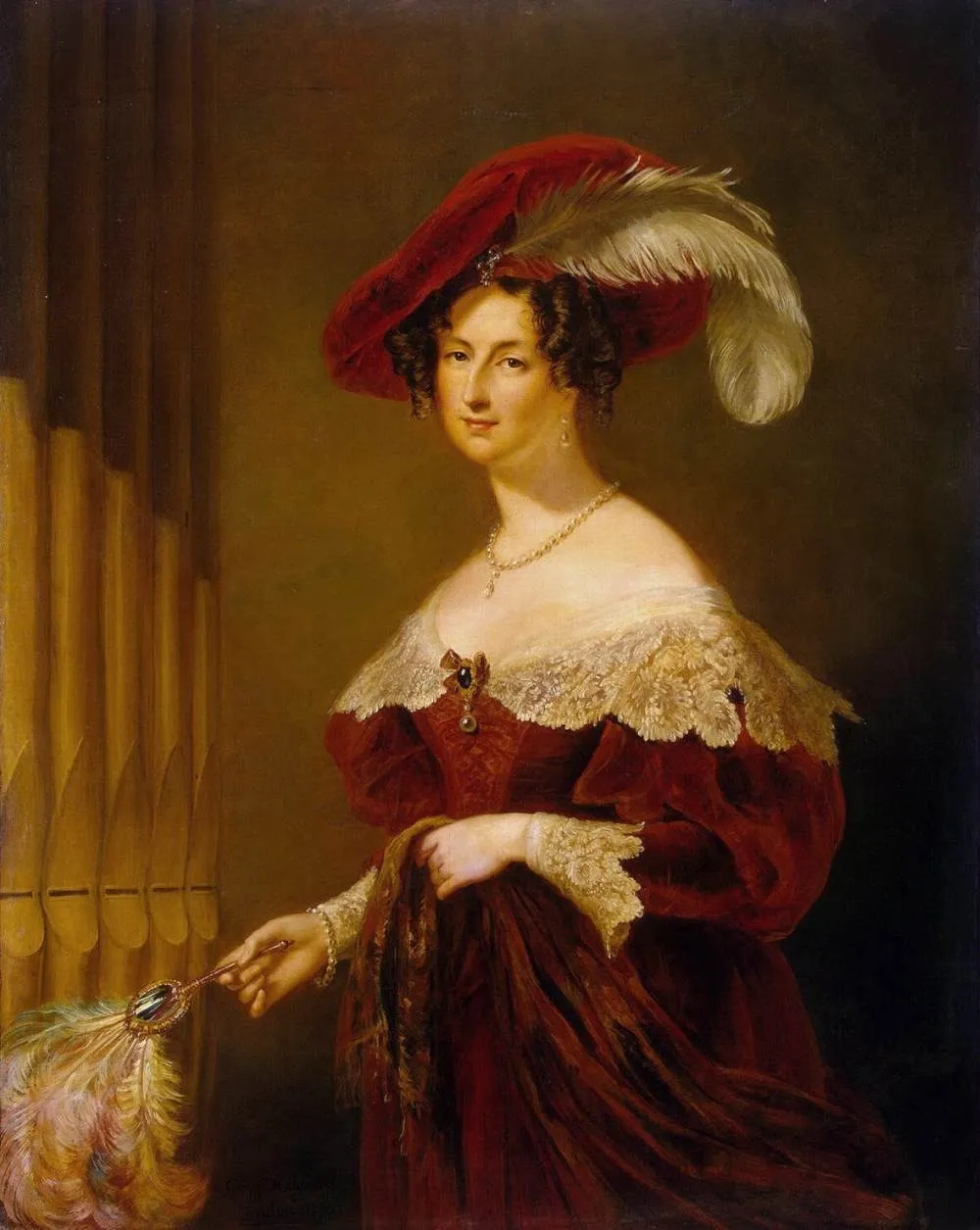
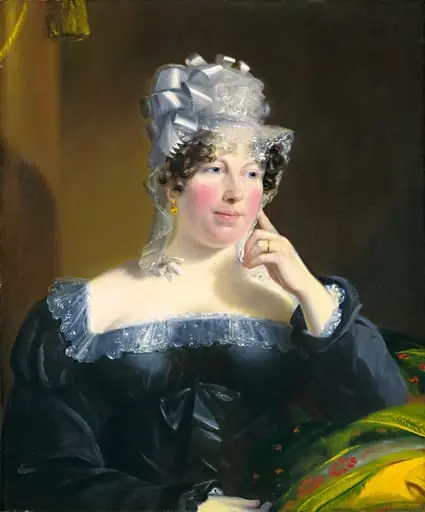
Portrait of Countess Yelizaveta K. Vorontsova (1792-1880) is an oil painting by the British Romanticist artist George Hayter. It dates from 1832 and is held in the collection of the Hermitage Museum.
About this work
Overview
The painting resides in the State Hermitage Museum in Saint Petersburg, where it remains a notable example of early 19th-century European portraiture.
Painted in 1832 by British artist George Hayter, this oil portrait captures Countess Yelizaveta K. Vorontsova, a Russian noblewoman. Hayter, known for his formal portraiture and later service to the British royal family, created this work during a period of heightened interest in aristocratic representation. The painting resides in the State Hermitage Museum in Saint Petersburg, where it remains a notable example of early 19th-century European portraiture.
Subject & Meaning
The Countess is portrayed with composed dignity, her posture and attire signaling her high social standing. The elaborate red hat, feathered plumes, and jeweled adornments reflect her status within Russian aristocratic circles. The fan and hand resting on her skirt suggest poise and restraint, common traits in elite portraiture of the era. The absence of contextual elements directs attention solely to her presence, emphasizing identity over narrative.
Technique & Style
Hayter employed chiaroscuro to model the Countess’s form, using subtle contrasts between light and shadow to give her skin a luminous quality against the dark background. Fine brushwork renders the lace trim, fabric folds, and metallic details of her jewelry with precision. The composition avoids ornamentation, focusing on the figure’s silhouette and texture, aligning with Romantic-era ideals of emotional presence through controlled realism.
History & Provenance
Commissioned during Hayter’s early career, the portrait entered the Hermitage’s collection in the 19th century, likely through diplomatic or aristocratic channels. Its presence in a major Russian institution reflects the cultural exchanges between British and Russian elites. Hayter’s later appointment as Queen Victoria’s principal painter underscores his reputation, though this work predates his royal patronage.
Context
In the 1830s, European aristocrats often commissioned portraits to affirm lineage and status, especially amid shifting political landscapes. Hayter’s style, influenced by earlier British portraitists like Reynolds, blended elegance with psychological restraint. The Countess’s depiction aligns with broader trends in Russian high society, where Western European aesthetics were increasingly adopted to signal cosmopolitan refinement.
Legacy
The portrait endures as a record of cross-cultural aristocratic representation in the early Victorian age. While not widely exhibited outside the Hermitage, it exemplifies Hayter’s skill in capturing individual presence through refined technique. Its preservation offers insight into how Russian nobility engaged with British artistic traditions during a period of intense international exchange.
Artist & collection
Artist
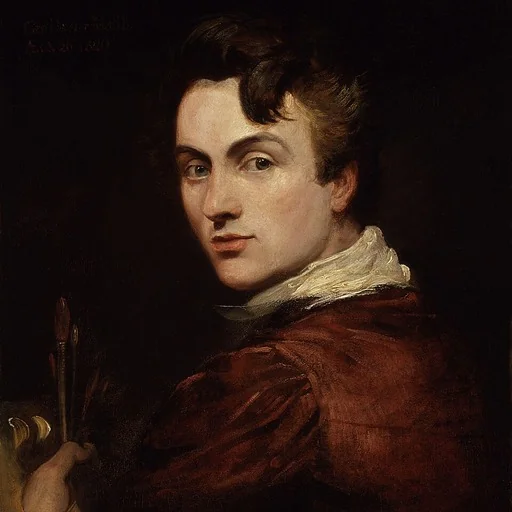
Sir George Hayter (17 December 1792 – 18 January 1871) was an English painter, specialising in portraits and large works involving sometimes several hundred individual portraits.

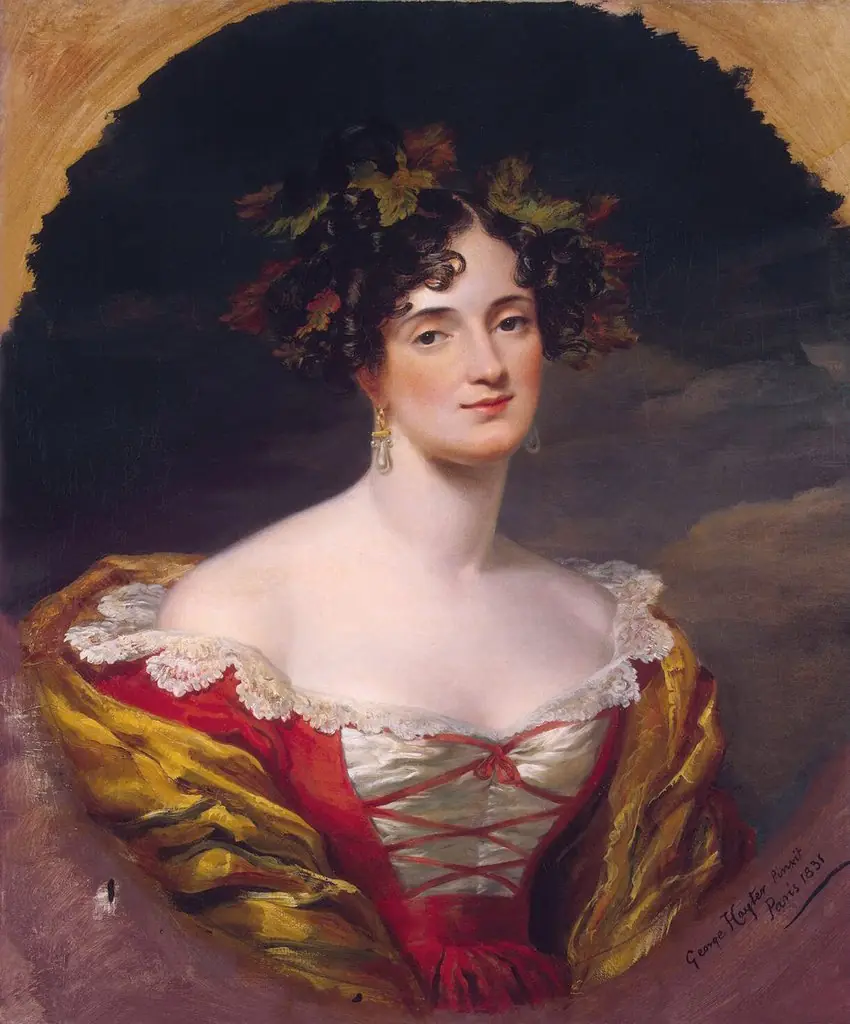 Portrait of Sophia S. Kiselyova (1801-1875)
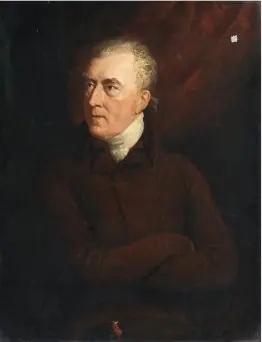 Portrait of George Tierney (1761-1830), MP and English Statesman
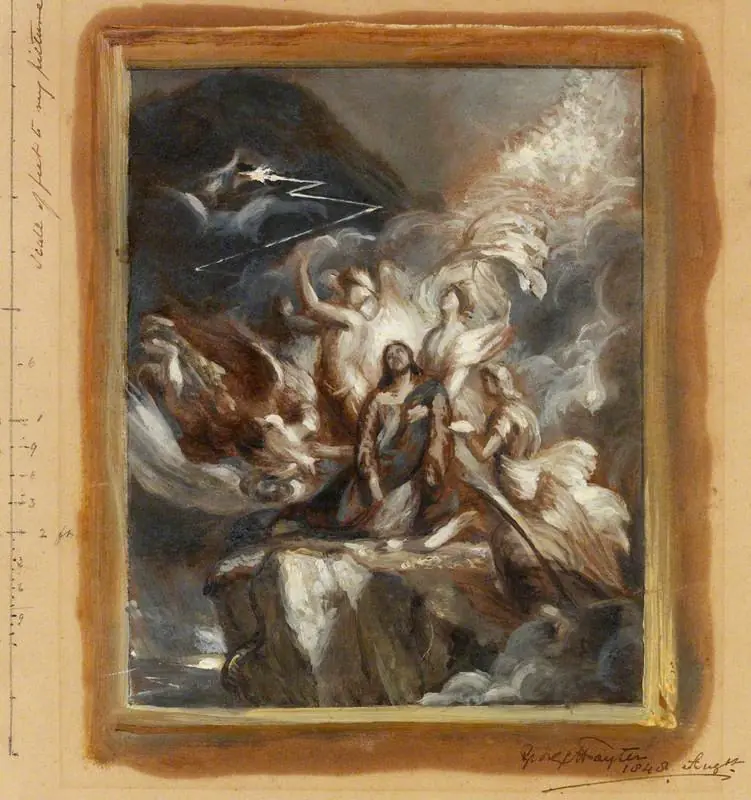 Our Saviour after the Temptation (sketch)
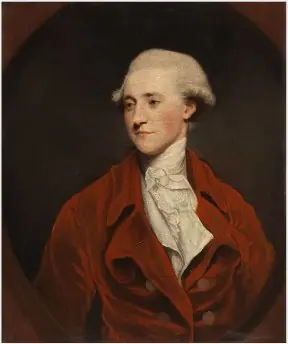 Portrait of Richard Burke, Son of Edmund Burke, Parliamentary Agent of the Catholic Committee (1758-1794)
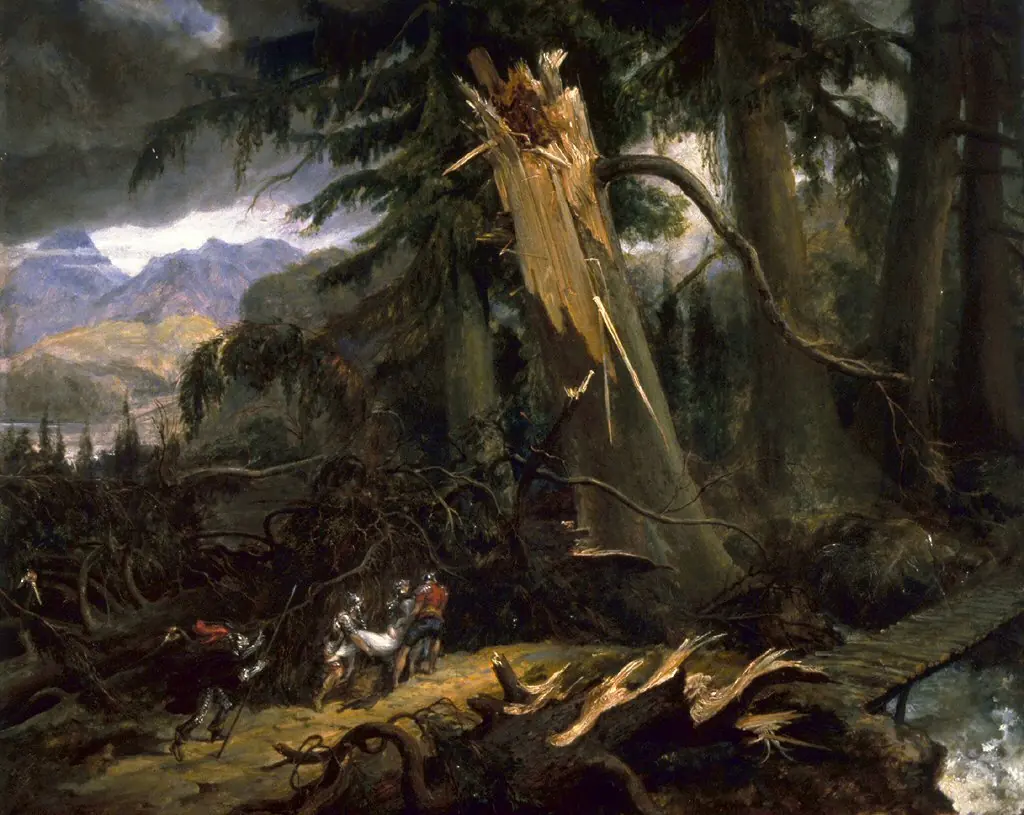 After the Storm
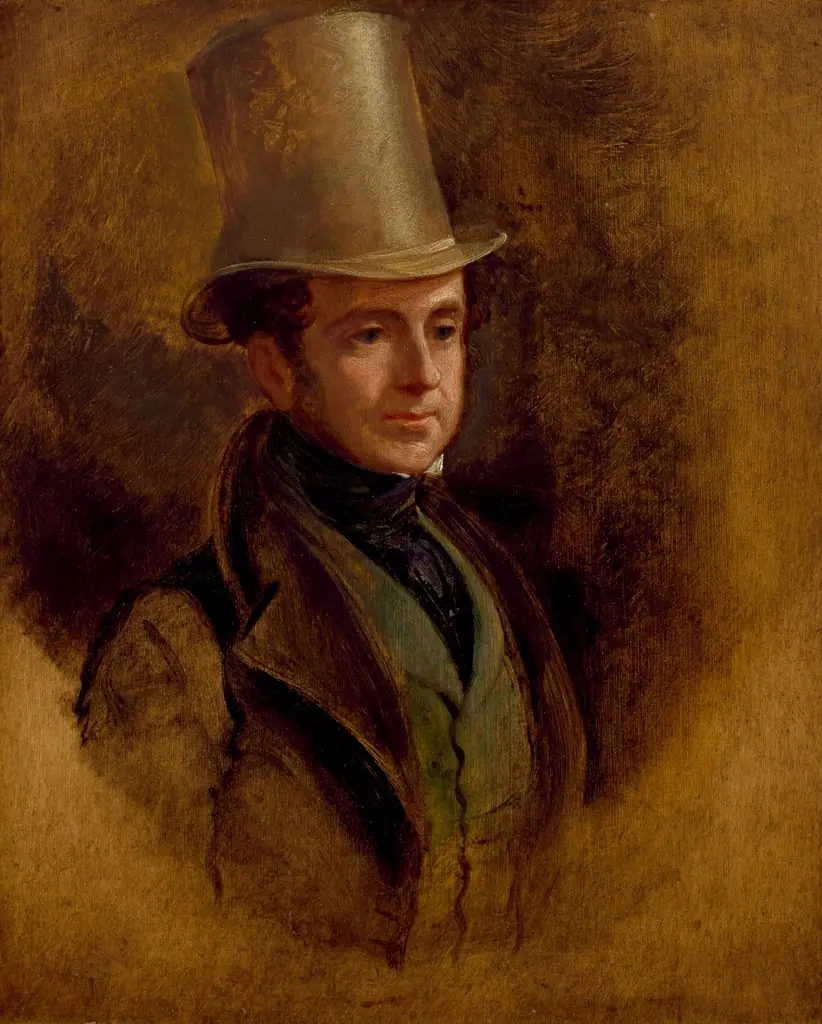 Henry Winston Barron, M.P.
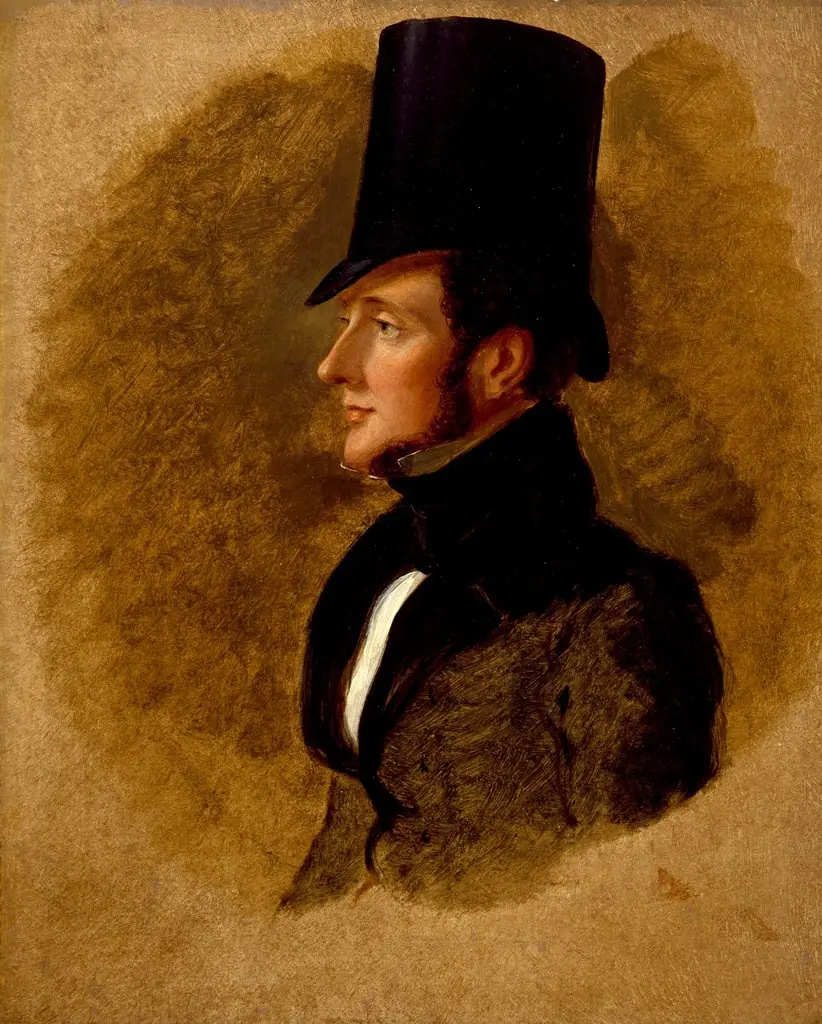 Fitzstephen French, M.P.
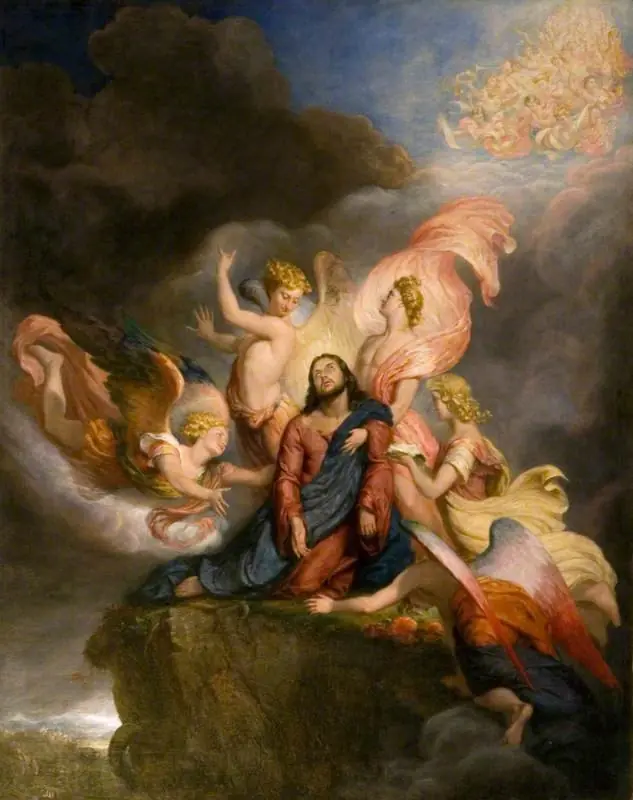 The Angels Ministering to Christ
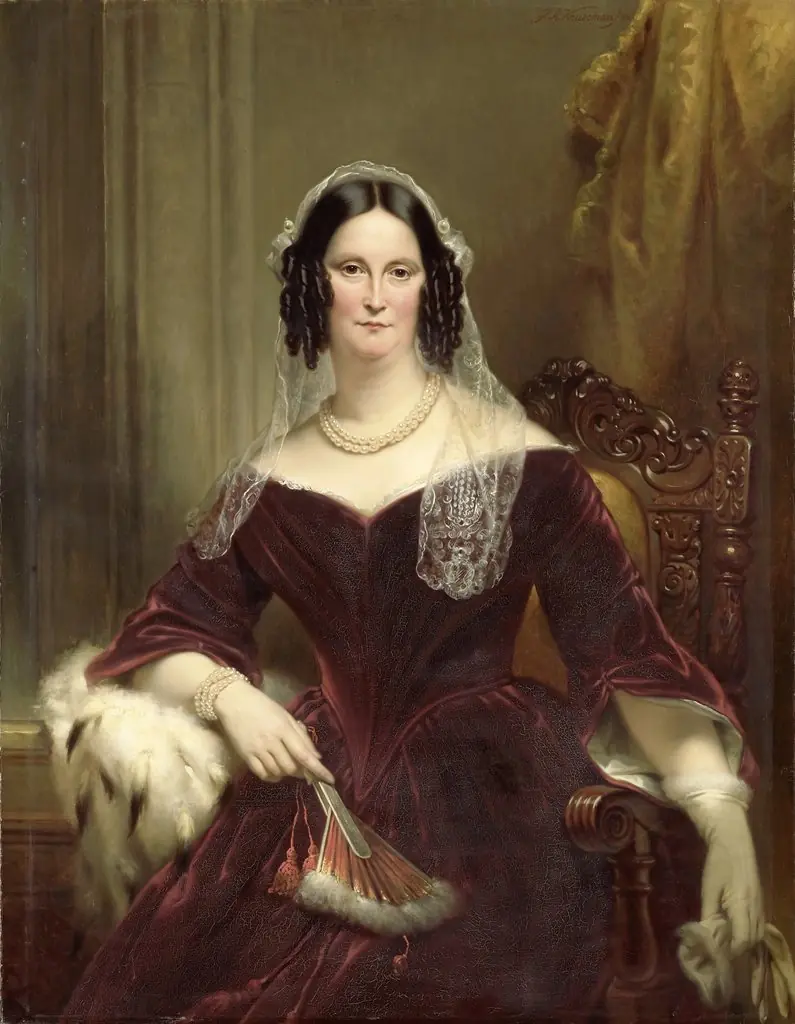 Portrait of Dieuwke Fontein, second Wife of Adriaan van der Hoop
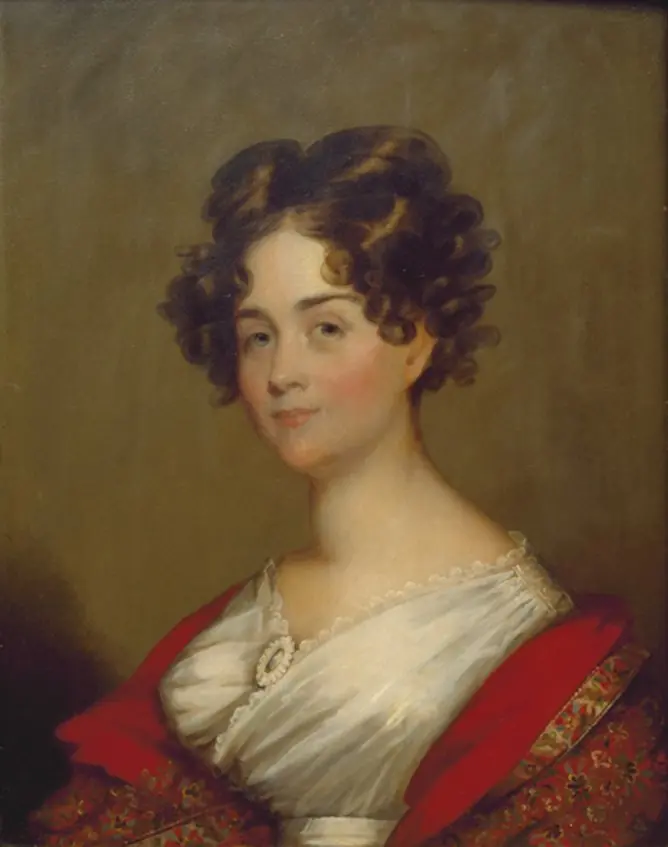 Portrait of Charlotte Story Forrester
 Portrait of Petronella de Lange, Wife of Theodorus Frederik van Capellen
 Portret van Abrahamina Henriëtte Wurfbain (1808-1883), echtgenote van Jacob de Vos Jz
 María de la Cruz Benítez
 Mrs. John Biddle (Eliza Falconer Bradish)
 Maria Gansevoort Melvill (Mrs. Allan Melvill)
 Mary Ann Garrits
 Portrait of Princess Zinaida I. Yusupova
 Portrait of Mrs Clementson
 Portrait of a Lady