Artwork
Geisha Girl
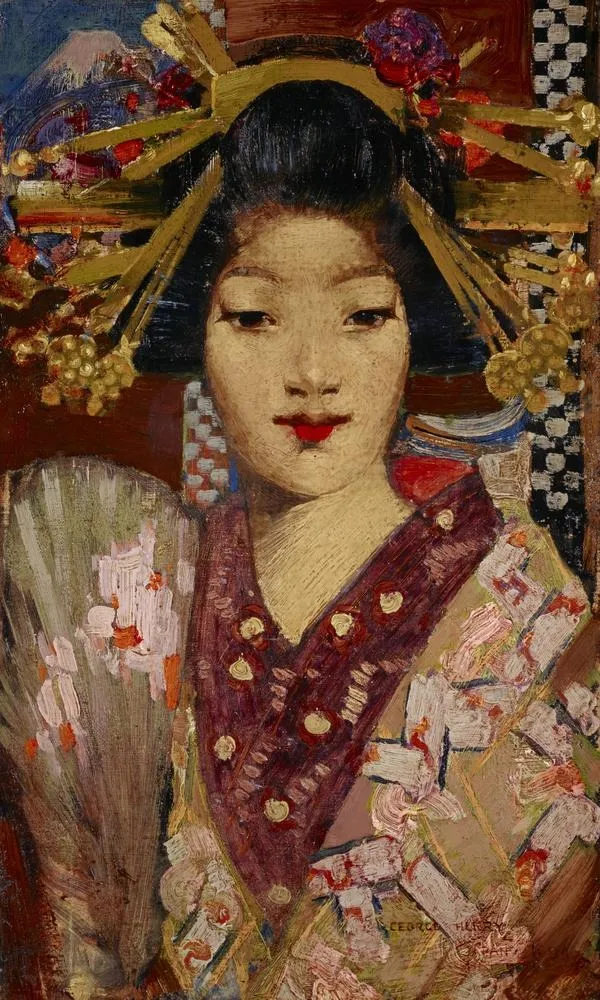
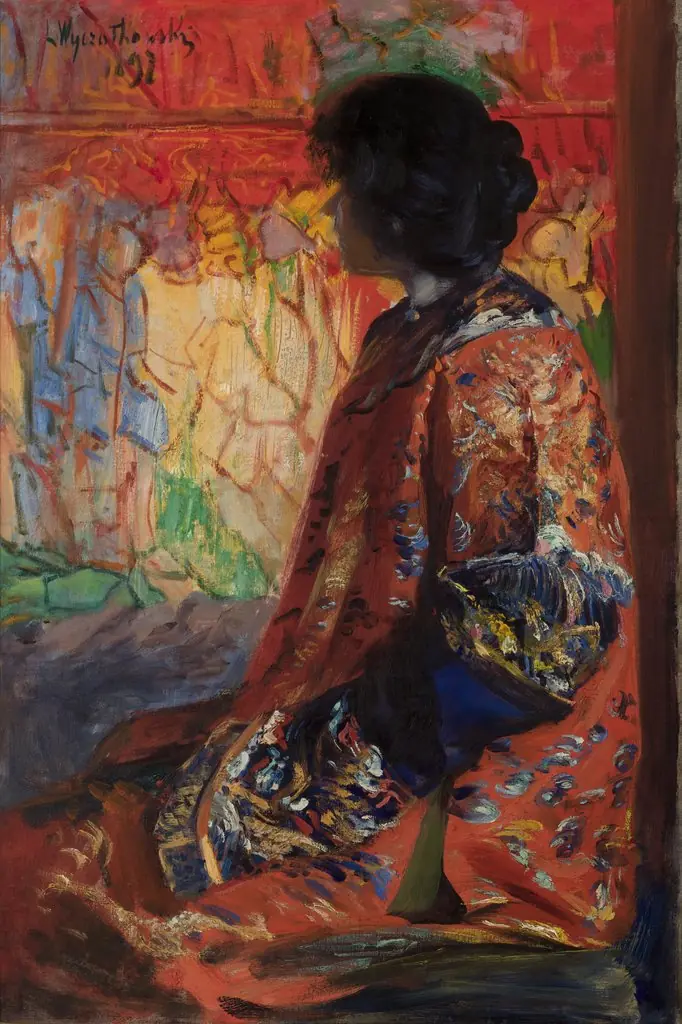
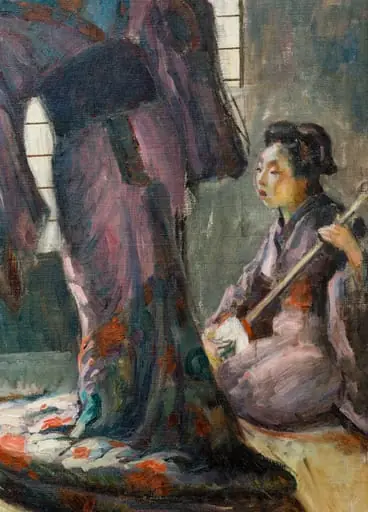
Geisha Girl is an oil painting by the Impressionist artist George Henry. It dates from 1898 and is held in the collection of the National Galleries Scotland.
About this work
Overview
The painting reflects late 19th-century European fascination with Japanese aesthetics, though it avoids overt exoticism in favor of quiet observation.
Painted in 1898 by Scottish artist George Henry, Geisha Girl is an oil-on-canvas work currently held by the Scottish National Gallery. The composition centers on a single figure, rendered with careful attention to detail and a restrained palette. The subject’s presence dominates the darkened background, emphasizing her stillness and poise. The painting reflects late 19th-century European fascination with Japanese aesthetics, though it avoids overt exoticism in favor of quiet observation.
Subject & Meaning
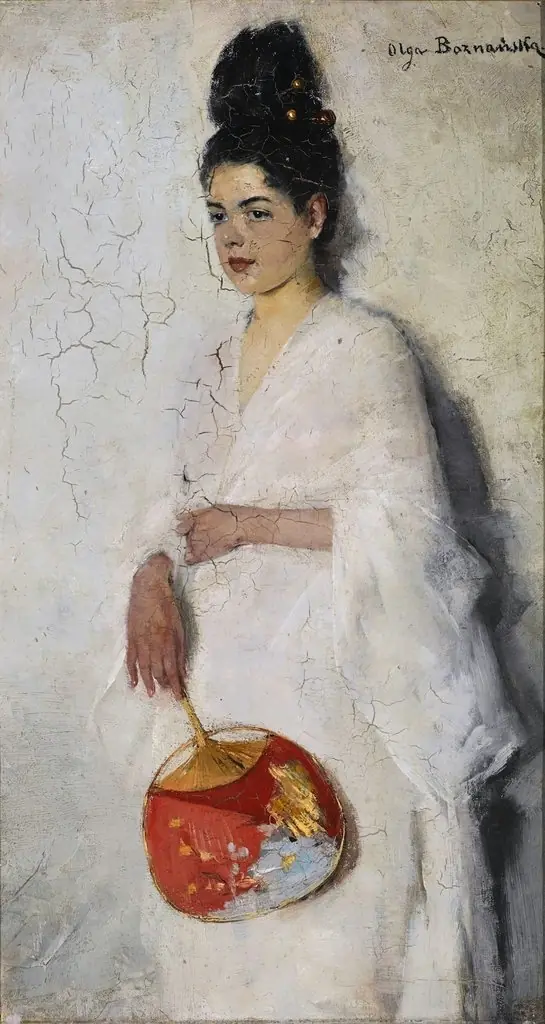
The figure is a geisha, depicted in traditional Japanese attire, holding a fan with composed grace. Her expression is subtle, neither smiling nor stern, inviting contemplation rather than narrative. The painting does not illustrate a specific moment or story but instead conveys an atmosphere of refined solitude. The choice of subject aligns with contemporary Western interest in Japanese culture, yet Henry’s approach remains intimate and unembellished, avoiding caricature.
Technique & Style
Henry employed oil paint to achieve rich textures and nuanced transitions of light across the kimono’s surface. The garment’s intricate patterns are suggested rather than meticulously rendered, allowing color and tone to guide the eye. The dark background recedes, enhancing the figure’s three-dimensionality. Brushwork is controlled yet fluid, particularly in the rendering of skin and fabric, contributing to a sense of quiet realism without theatricality.
History & Provenance
Created in 1898, the painting entered the collection of the Scottish National Gallery in the early 20th century. Its acquisition reflects the institution’s interest in British and Scottish artists engaged with international themes during the Victorian and Edwardian eras. No significant exhibition history or provenance shifts are documented beyond its long-standing presence in the national collection, suggesting steady recognition within its cultural context.
Context
George Henry worked during a period when Japonisme influenced European art, inspiring depictions of Japanese subjects by artists across the continent. Unlike many contemporaries who leaned into decorative fantasy, Henry’s approach was restrained, focusing on individual presence over cultural spectacle. His training in Glasgow and exposure to French realism informed this balanced, observational style, distinguishing his work from more sensationalized portrayals of the East.
Legacy
Geisha Girl remains a quiet example of how British artists interpreted foreign subjects with psychological subtlety rather than spectacle. While not widely known outside Scotland, it contributes to broader discussions of cross-cultural representation in late 19th-century art. The painting’s endurance in the Scottish National Gallery underscores its value as a measured, non-stereotypical engagement with Japanese culture during a time of heightened orientalist trends.
Artist & collection