Artwork
Japoneze
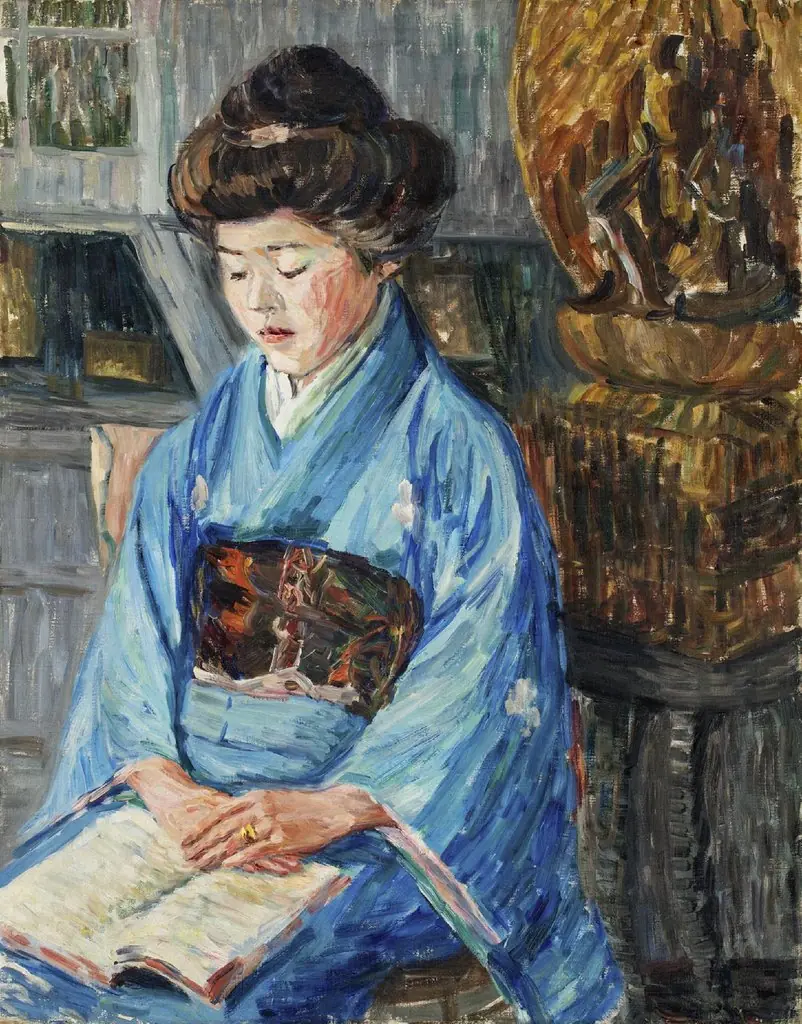
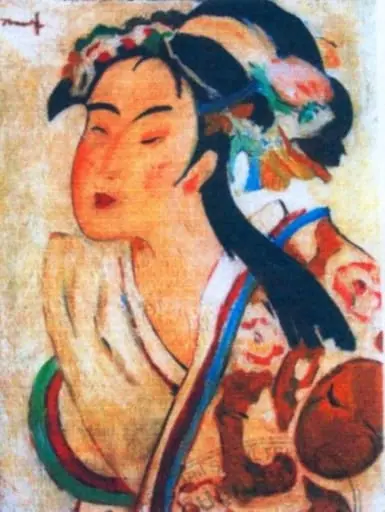
Japoneze is an unspecified painting by Mutzner Samuel. It dates from 1850 and is held in the collection of the National Museum of Art of Romania.
About this work
Overview
The subject’s face is intentionally softened, contributing to an atmosphere of quiet contemplation rather than individual identification.
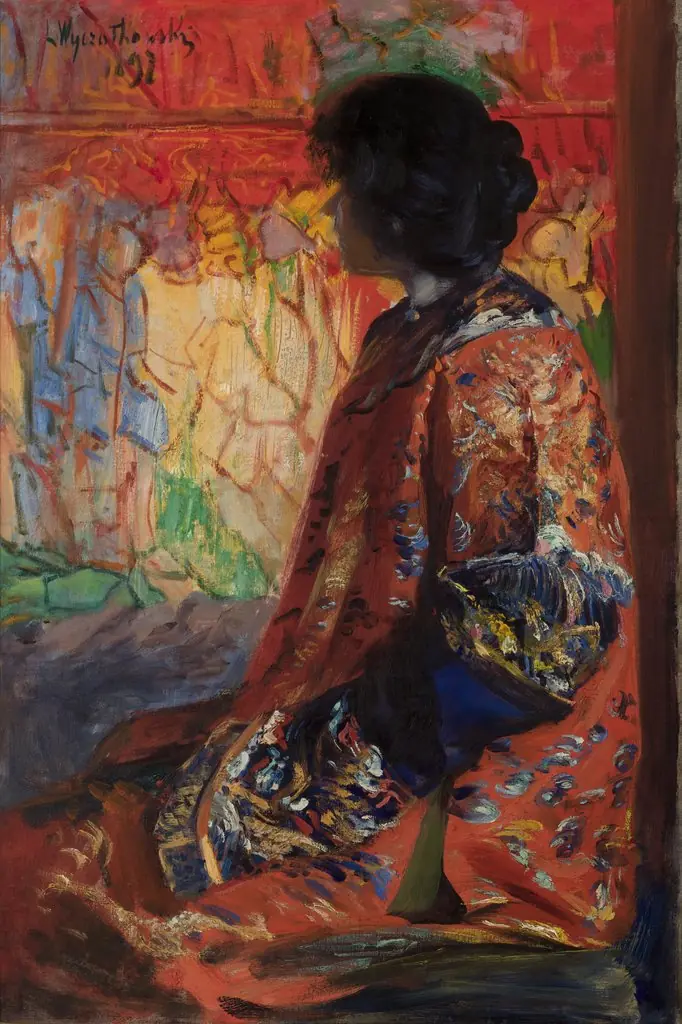
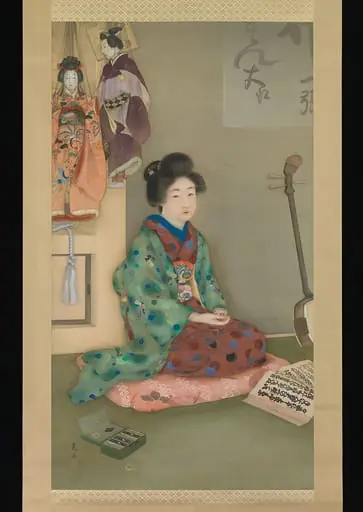
Japoneze is a mid-19th century portrait attributed to Samuel Mutzner, created around 1850. The work presents a female figure in traditional Japanese dress, rendered in a restrained, intimate format. Focused from the waist upward, the composition emphasizes stillness and subtle detail over narrative. The subject’s face is intentionally softened, contributing to an atmosphere of quiet contemplation rather than individual identification.
Subject & Meaning
The figure is depicted in a kimono of deep purple, adorned with faint red and white floral motifs, suggesting aristocratic or refined status. Her updo hairstyle and delicate hand fan are consistent with Japanese aesthetic conventions of the period. The blurred facial features and neutral background remove specific cultural or temporal markers, inviting a generalized impression of grace rather than a portrait of a named individual.
Technique & Style
Mutzner employs a muted palette and soft transitions between tones, avoiding sharp contours. The kimono’s pattern is rendered with minimal brushwork, allowing color and texture to suggest detail without literalism. The face’s blurring and the absence of strong lighting effects create a sense of ambiguity, distancing the image from Western portraiture norms and aligning it with an idealized, atmospheric approach to the subject.
History & Provenance
The painting’s early history is undocumented, and no exhibition records or collector provenance from the 19th century have been verified. It entered institutional awareness in the late 20th century, likely through private acquisition. Samuel Mutzner’s broader oeuvre remains poorly documented, and Japoneze is among the few works attributed to him with any consistency.
Context
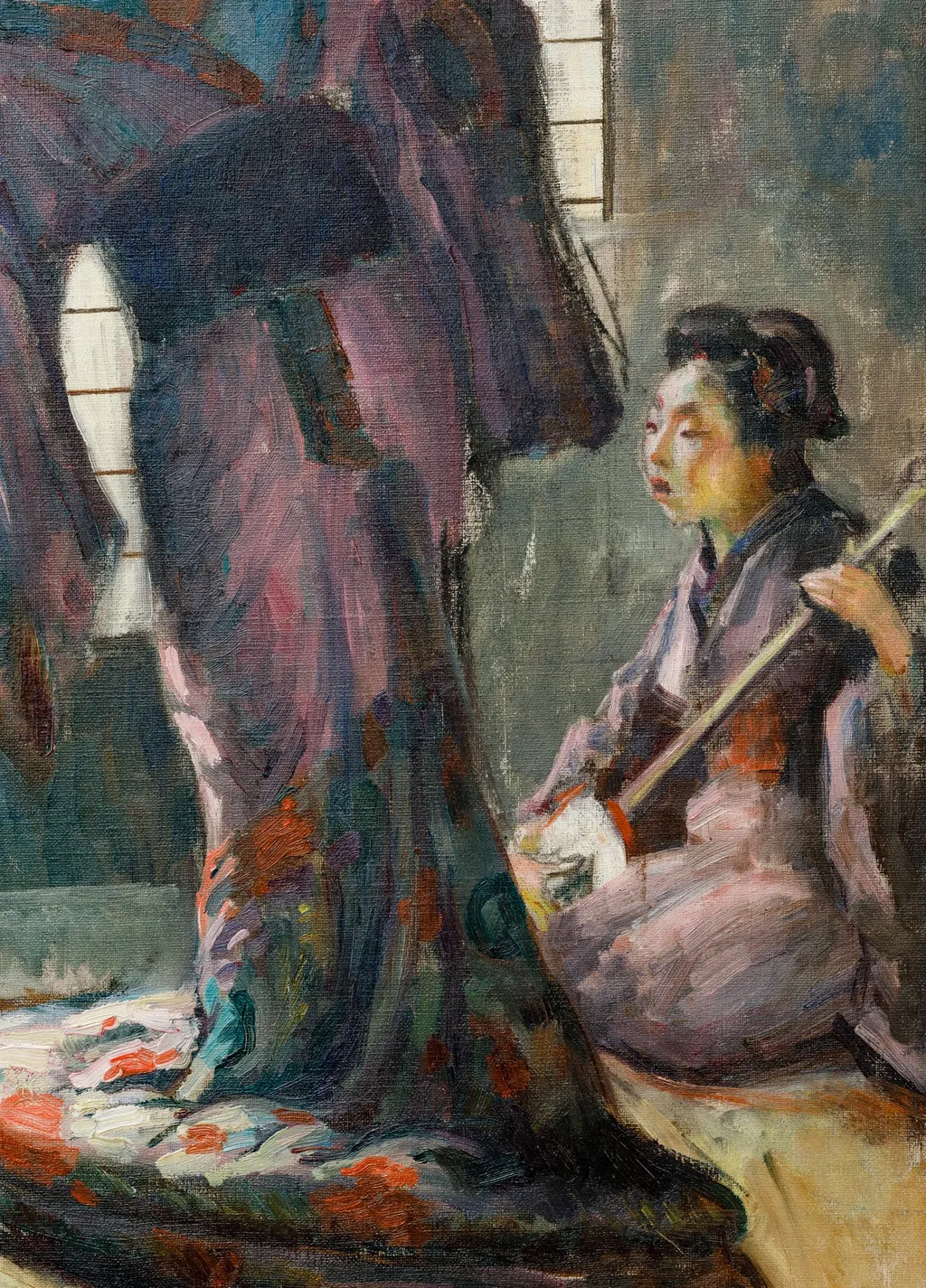
Created during a period of growing European fascination with Japanese culture, the work reflects early Western interpretations of Japanese aesthetics. While not a direct ethnographic study, it engages with the exoticizing trends of the time, filtering Japanese motifs through a European lens of serenity and restraint. The artist’s approach aligns more with romanticized Orientalism than with accurate cultural representation.
Legacy
Japoneze remains a singular example of Samuel Mutzner’s engagement with non-Western subjects. It is occasionally cited in studies of 19th-century Orientalist portraiture, though its significance lies more in its quiet ambiguity than in technical innovation. The work contributes to broader discussions on how Western artists interpreted and idealized Eastern cultures during a time of increasing global contact.
Own this work as a print
Artist & collection
Artist
Samuel Mutzner kept a studio so cluttered his neighbors thought he was hoarding broken furniture—turns out it was half-finished prints drying on broomsticks and coats.