Artwork
Cap de copil
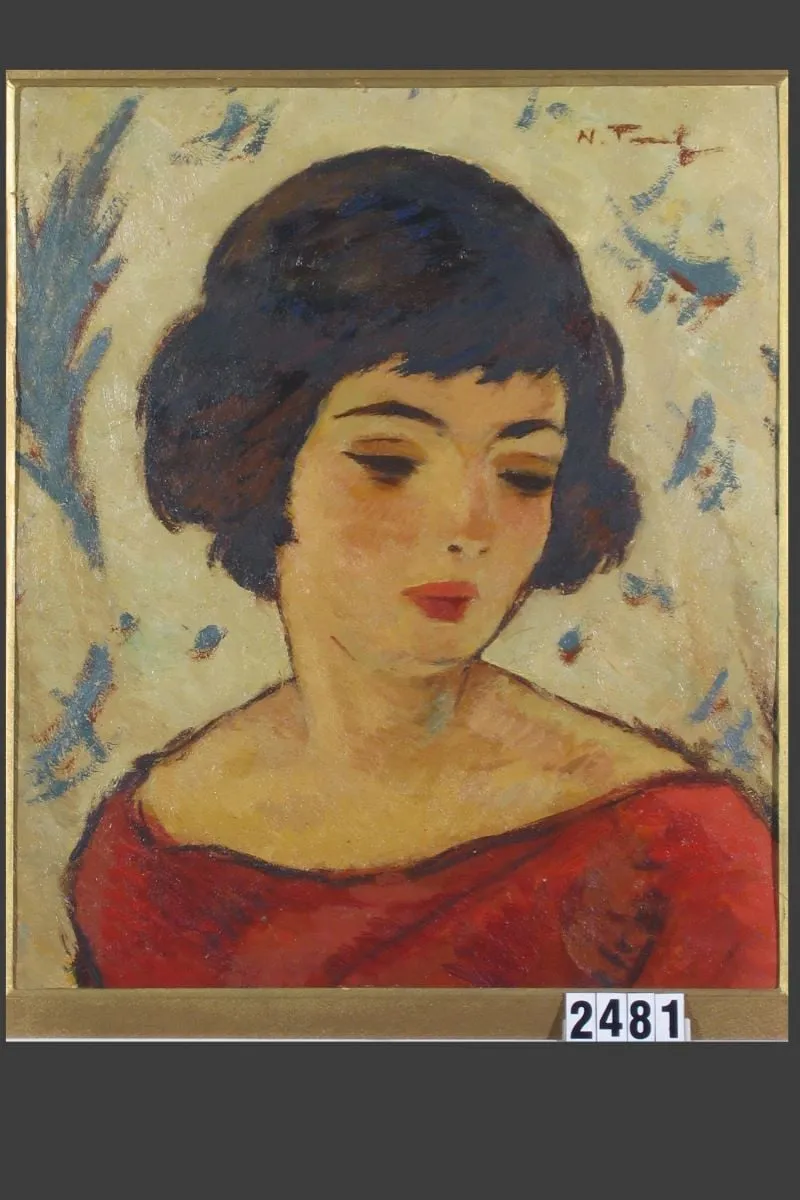
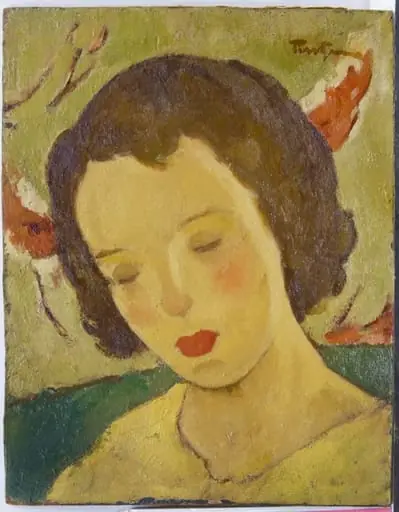
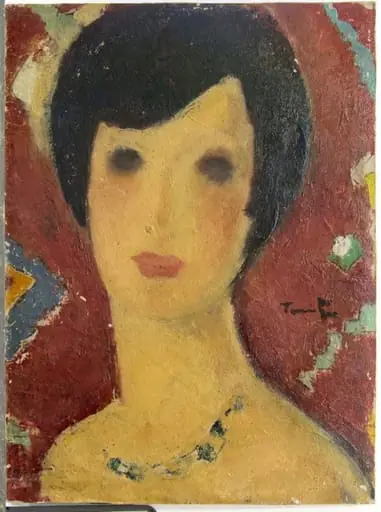
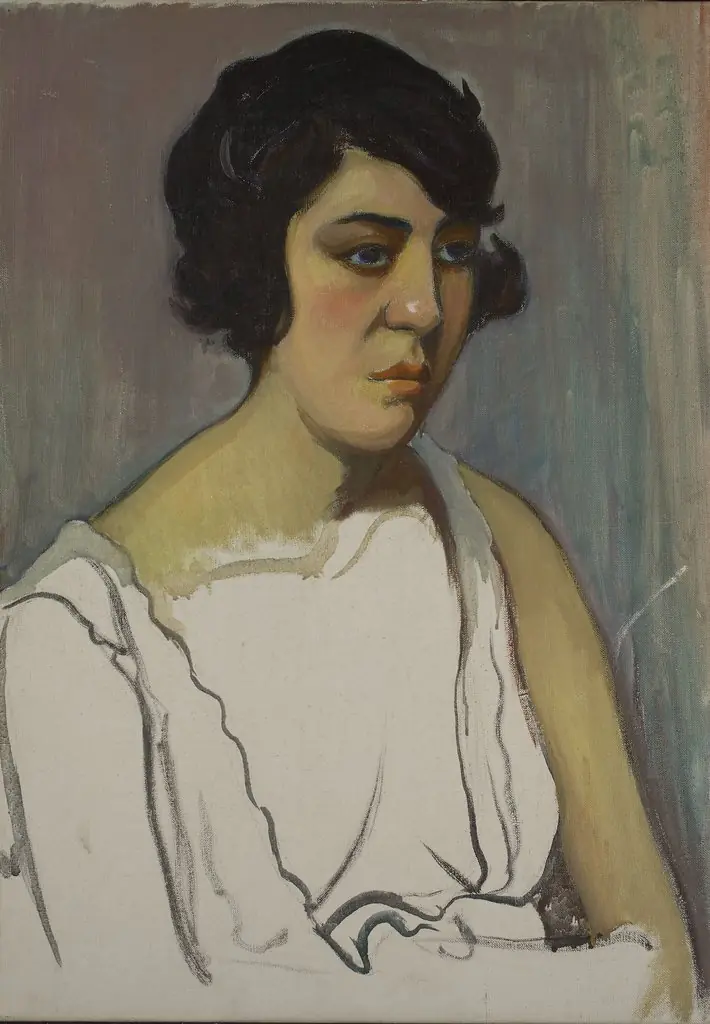
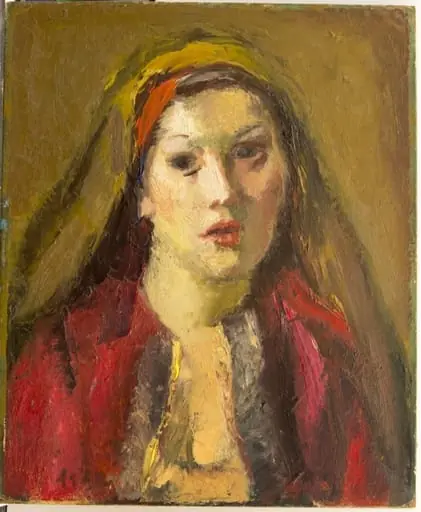
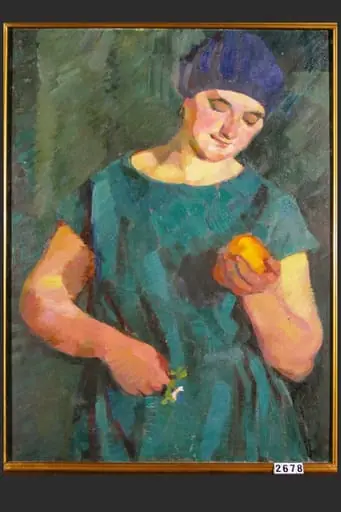
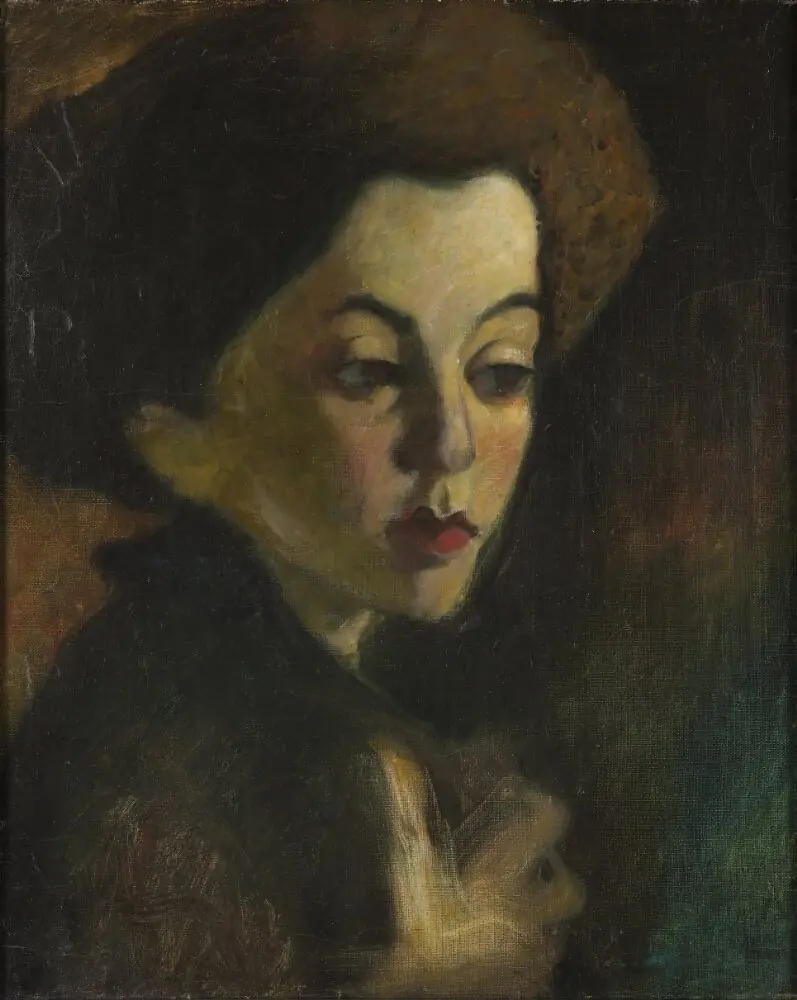
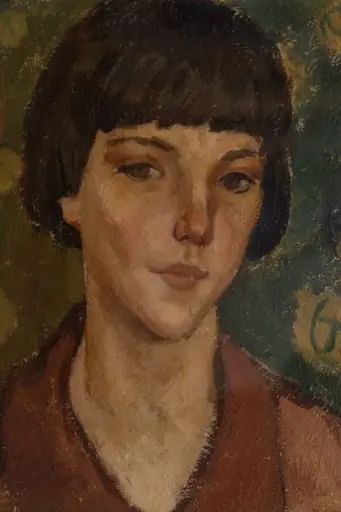
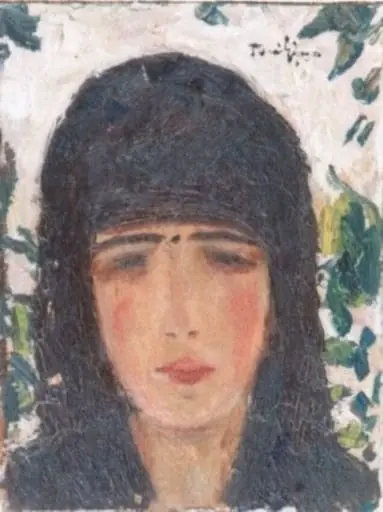
Cap de copil is an unspecified painting by Nicolae Tonitza. It is held in the collection of the Brukenthal National Museum. This portrait depicts a young boy in simple, unadorned attire, rendered with restrained brushwork and minimal detail.
About this work
Overview
This portrait depicts a young boy in simple, unadorned attire, rendered with restrained brushwork and minimal detail. The composition focuses tightly on his head and shoulders, eliminating extraneous elements to emphasize presence over narrative. The muted background, with faint hints of blue and red, does not distract but subtly grounds the figure, reinforcing the painting’s quiet intimacy.
Subject & Meaning
The boy’s downward gaze and turned head suggest introspection or quiet contemplation. His close-cropped hair and loose shirt convey modesty and youth, avoiding idealization. There is no indication of status or setting, allowing the viewer to engage with the child’s demeanor rather than his circumstances. The work invites quiet observation rather than emotional interpretation.
Technique & Style
Brushstrokes are deliberate but unembellished, favoring flat planes of color over modeling or texture. The red of the shirt contrasts gently with the pale background, while the boy’s skin tones are rendered in soft, neutral hues. Shadows are suggested rather than defined, contributing to a sense of immediacy and understated realism without theatricality.
History & Provenance
The work is attributed to Nicolae Tonitza, a Romanian painter active in the early 20th century known for his portraits of children and rural subjects. Though specific acquisition details are not documented here, the piece aligns with his broader practice of capturing everyday figures with emotional restraint and formal clarity.
Context
Created during a period when Romanian artists were redefining national identity through depictions of ordinary life, this portrait reflects a shift away from academic grandeur toward intimate, unpretentious subjects. Tonitza’s focus on children aligned with broader cultural interests in authenticity and the moral purity associated with youth.
Legacy
Tonitza’s approach to portraiture influenced later generations of Romanian artists who valued emotional honesty over ornamentation. This work, like others in his oeuvre, remains a quiet example of how simplicity in form can convey depth of character, contributing to a legacy rooted in observation rather than spectacle.
Artist & collection
Artist
Nicolae Tonitza painted quiet still lifes and village scenes, often showing colorful vegetables on a table or blooming flowers in simple pots.