Artwork
Roman Wine Cart
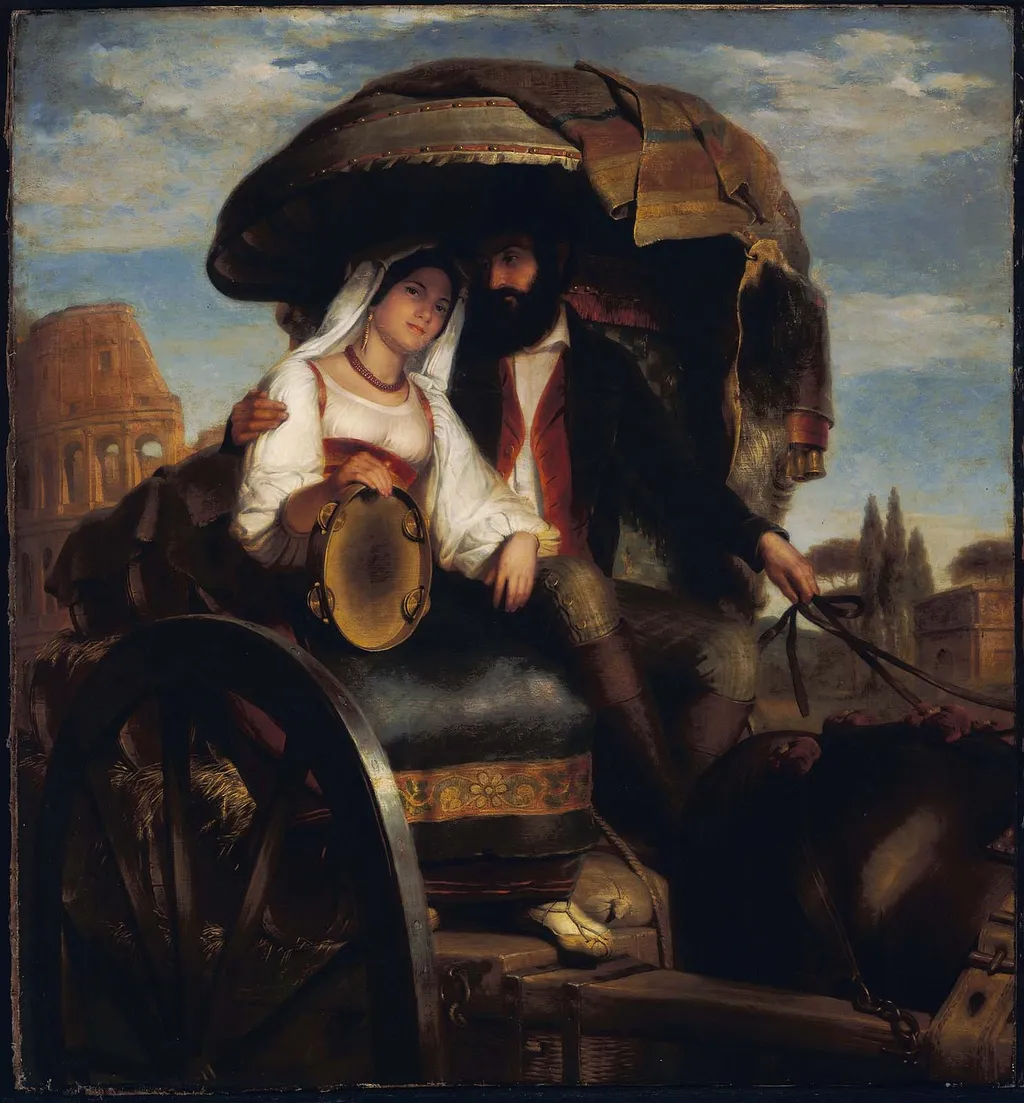
Roman Wine Cart is an oil painting by the Realist artist George Henry Hall. It dates from 1851 and is held in the collection of the Museum of Fine Arts Boston.
About this work
Overview
Painted in 1851 by American artist George Henry Hall, *Roman Wine Cart* is an oil-on-canvas work that captures a quiet moment of daily life in Rome.
Painted in 1851 by American artist George Henry Hall, *Roman Wine Cart* is an oil-on-canvas work that captures a quiet moment of daily life in Rome. Hall, trained in Düsseldorf and Paris, developed a practice rooted in Realism, favoring unembellished scenes over idealized narratives. This piece reflects his sustained engagement with European subjects during extended stays abroad, alongside his American landscapes and still lifes.
Subject & Meaning
The painting portrays a man and woman seated in a horse-drawn cart, the man guiding the reins while the woman holds a tambourine. Their relaxed posture and vibrant clothing suggest a moment of leisure or celebration. The scene avoids theatricality, instead emphasizing ordinary human interaction. The presence of the Colosseum in the distance anchors the setting in Rome without dominating the composition, reinforcing the focus on everyday life.
Technique & Style
Hall employs a clear, luminous palette with strong contrasts—red vests, white shirts, and a vivid blanket against a soft blue sky. Brushwork is precise yet fluid, capturing texture in fabric and the sheen of leather reins. The composition is balanced, with the cart centered and the background gently receding. Light falls naturally, enhancing the sense of atmosphere without dramatic chiaroscuro, aligning with Realist principles of observed truth.
History & Provenance
Created during Hall’s time in Europe, the painting entered a museum collection in the late 19th century and has remained in institutional hands since. It is one of over 1,600 works he produced, many of which were exhibited in both the United States and Europe. While not widely publicized during his lifetime, it has been consistently cataloged as representative of his European genre scenes.
Context
In the mid-19th century, American artists increasingly traveled to Europe to study and depict its landscapes and customs. Hall’s work reflects this trend, aligning with the broader Realist movement that rejected romanticized history painting in favor of ordinary subjects. His focus on Roman street life parallels contemporaneous European genre scenes, yet retains a distinctly American attention to light and color.
Legacy
Though not among Hall’s most frequently reproduced works, *Roman Wine Cart* exemplifies his commitment to capturing unadorned moments with sensitivity and color. It contributes to the understanding of 19th-century American artists’ engagement with European life, offering a quiet counterpoint to grander historical narratives. The painting remains a quiet testament to the dignity of everyday routines observed across cultures.
Own this work as a print
Artist & collection
Artist
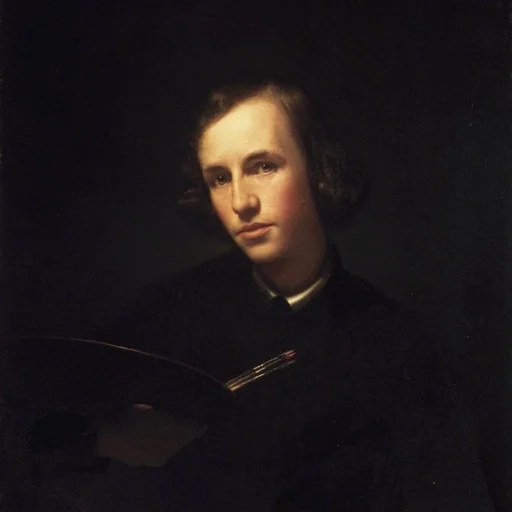
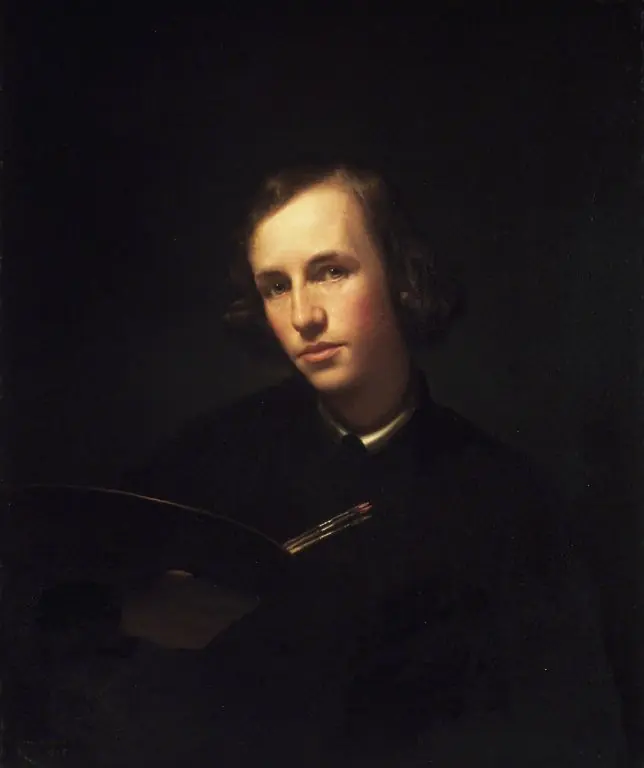
George Henry Hall (1825–1913) was an American still-life and landscape artist. He studied art in Düsseldorf and Paris and he worked and lived in New York City, the Catskills of New York and in Europe. His works are in…

 La feria de Santiponce
 Een van zin
 Italian Scene
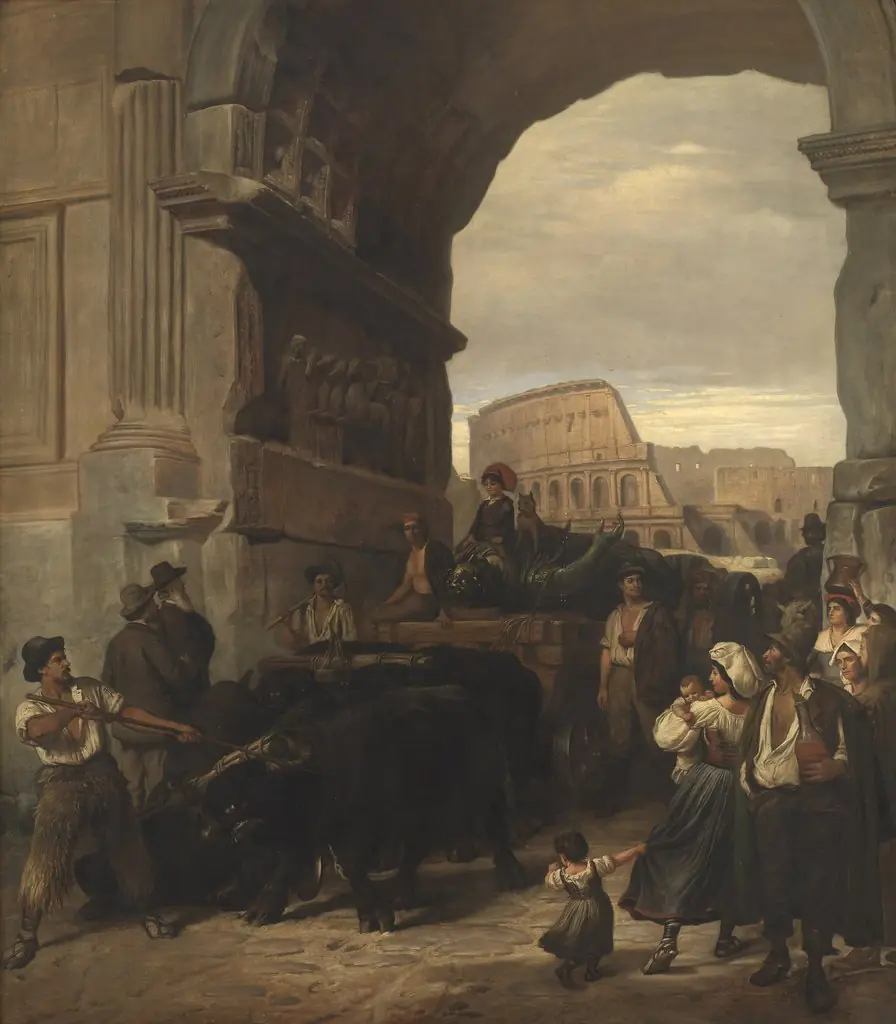 Roman Workmen Transporting an Antique Imperial Statue from the Colosseum through the Arch of Titus to the Capitoline Museums
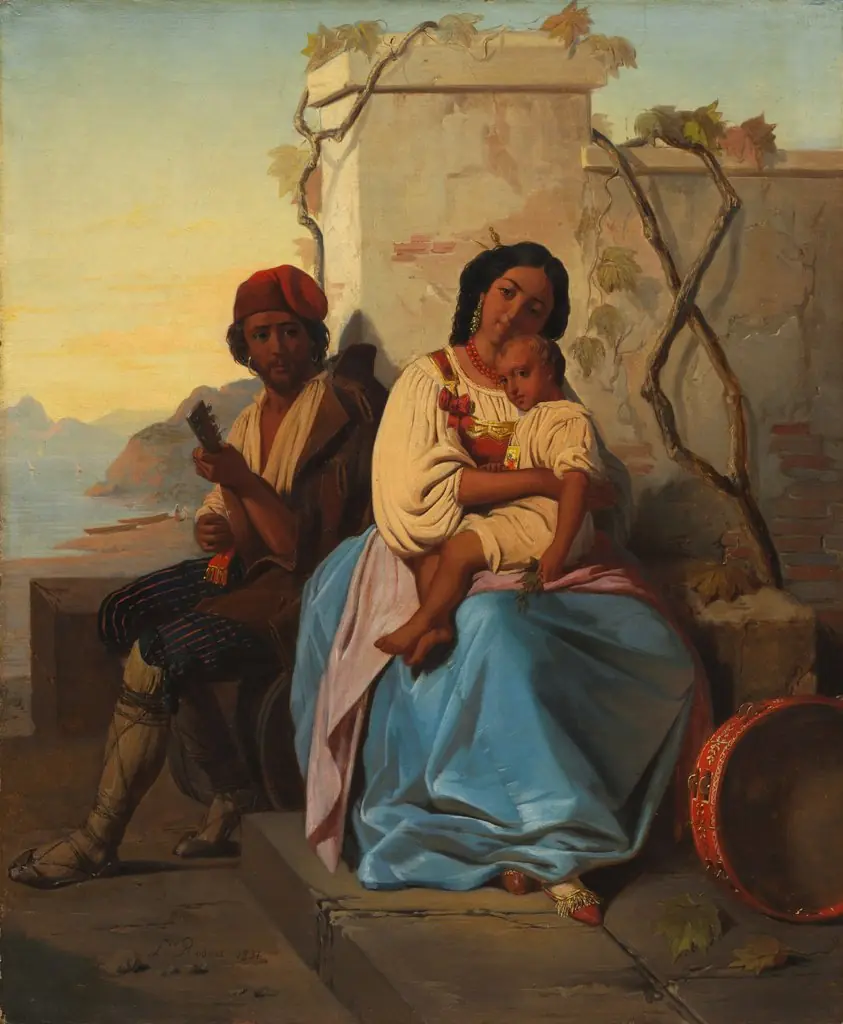 Italian Scene
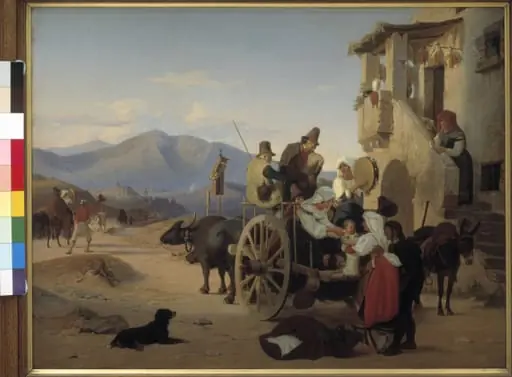 Roman Peasants Going to Market
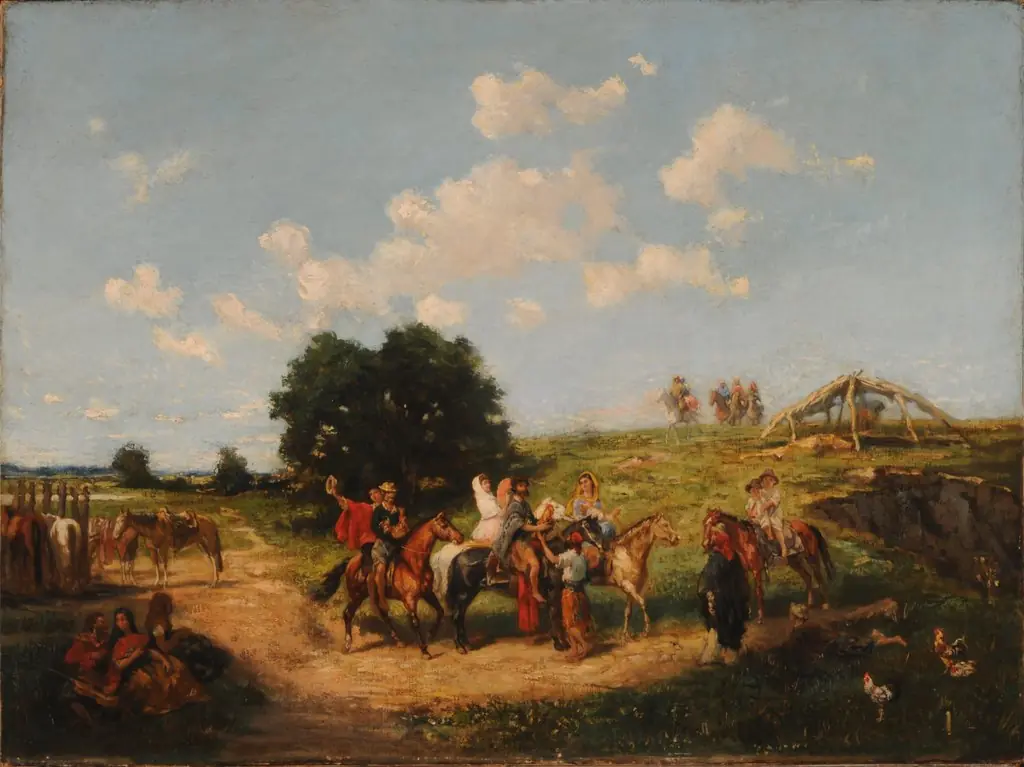 Way to the ring
 Market Gossip
 Reconciliation of Jacob with Esau
 Jugglers passing – Carnival
 Un día más
 Romanian Family Heading for the Fair