Artwork
Reconciliation of Jacob with Esau
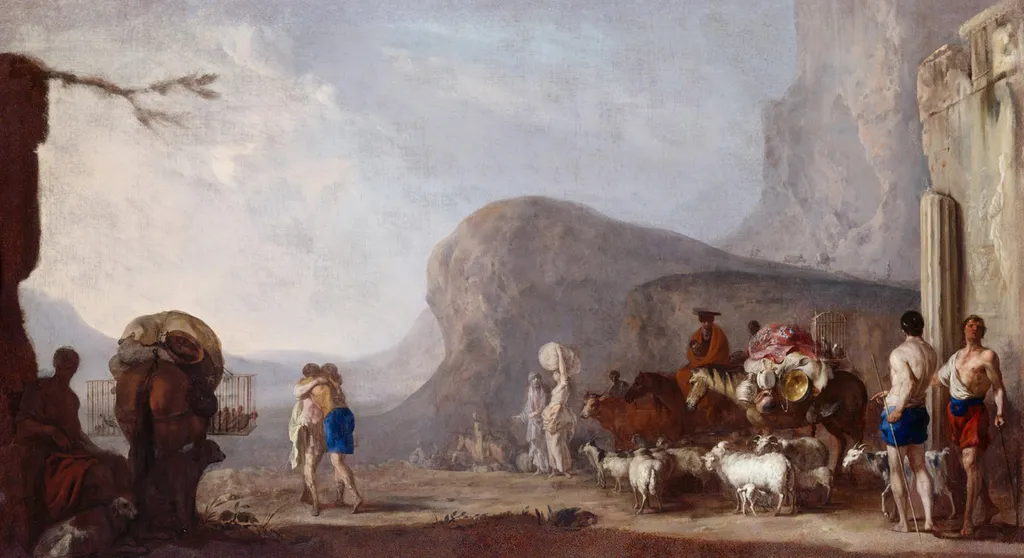
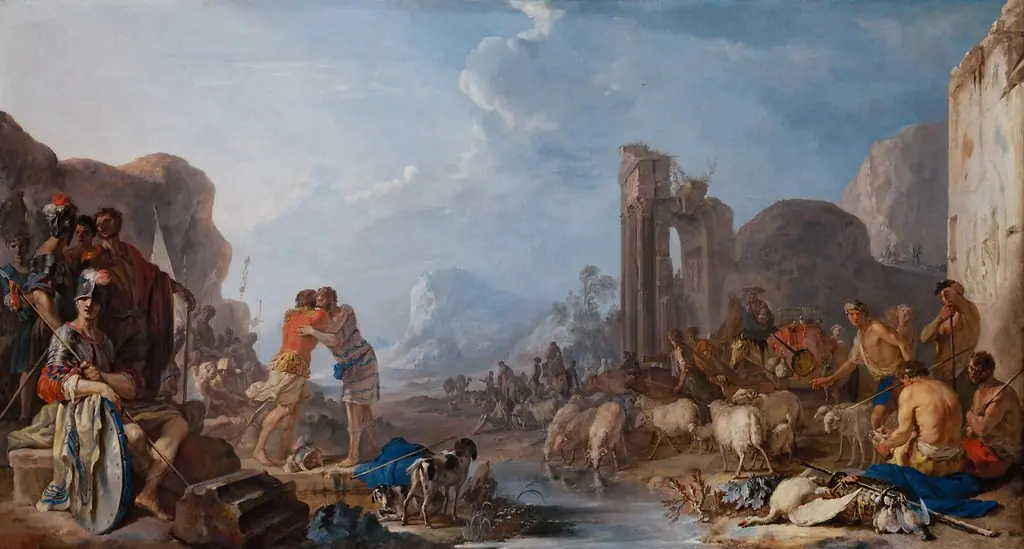
Reconciliation of Jacob with Esau is an oil painting by the Early Baroque Italian artist Johann Heinrich Schönfeld. It dates from 1634 and is held in the collection of the Kunsthistorisches Museum.
About this work
Overview
Painted in 1634 by Johann Heinrich Schönfeld, this oil-on-canvas work illustrates the biblical moment of reconciliation between Jacob and Esau.
Painted in 1634 by Johann Heinrich Schönfeld, this oil-on-canvas work illustrates the biblical moment of reconciliation between Jacob and Esau. Executed in the early Baroque style, the painting captures a moment of emotional and physical convergence between two estranged brothers. It resides in the Kunsthistorisches Museum in Vienna, where it remains one of the artist’s few surviving large-scale religious compositions.
Subject & Meaning
The scene depicts Jacob, seated on a rock in a red robe, awaiting his brother Esau, who approaches with a gesture of peace. Behind them, attendants and livestock signify the wealth Jacob has acquired and offers as tribute. The presence of birds in a cage and goats suggests offerings and domestic life, reinforcing themes of restitution and familial restoration. The composition avoids overt drama, instead emphasizing quiet resolution over triumph.
Technique & Style
Schönfeld employs a restrained chiaroscuro to model forms and direct attention toward the central figures. Figures are arranged in a loose diagonal, guiding the eye from Jacob’s seated posture to Esau’s advancing figure. The brushwork is detailed yet unembellished, with textures in fabric and animal fur rendered with observational precision. The landscape, though simplified, grounds the scene in a tangible, earthly setting rather than an idealized one.
History & Provenance
Commissioned during Schönfeld’s time in Vienna, the painting entered the Habsburg collection shortly after its completion. It has remained in the Kunsthistorisches Museum since the 17th century, with no documented changes in ownership. Its survival is notable, as many of Schönfeld’s works were lost or destroyed. The painting’s consistent attribution and condition reflect its early recognition within imperial collections.
Context
Created during the Thirty Years’ War, the painting’s theme of reconciliation may have resonated with audiences weary of conflict. While religious subjects remained common in Central European art, Schönfeld’s focus on human interaction rather than divine intervention reflects a broader shift toward psychological realism. His style shows influences from Flemish painters, adapted to the tastes of Viennese patrons seeking moral narratives with emotional depth.
Legacy
Though not widely reproduced or studied today, the painting stands as a rare example of Schönfeld’s narrative skill in religious painting. It contributes to the understanding of how biblical stories were visualized in mid-17th-century Austria, away from the more flamboyant styles of Rome or Venice. Its quiet dignity offers insight into regional interpretations of scripture during a turbulent historical period.
Artist & collection
Artist
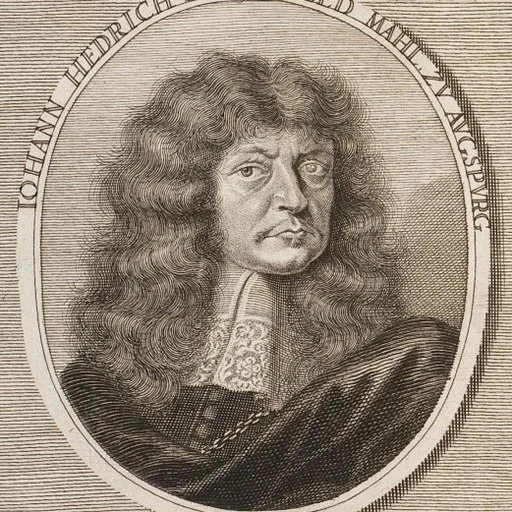
Johann Heinrich Schönfeld (1609–1684) was an artist, born in Biberach an der Riß.

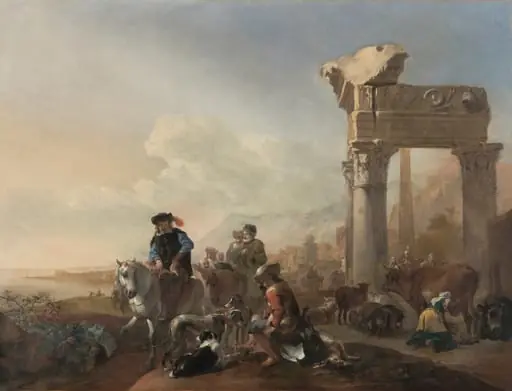 Hunters Near Ruins
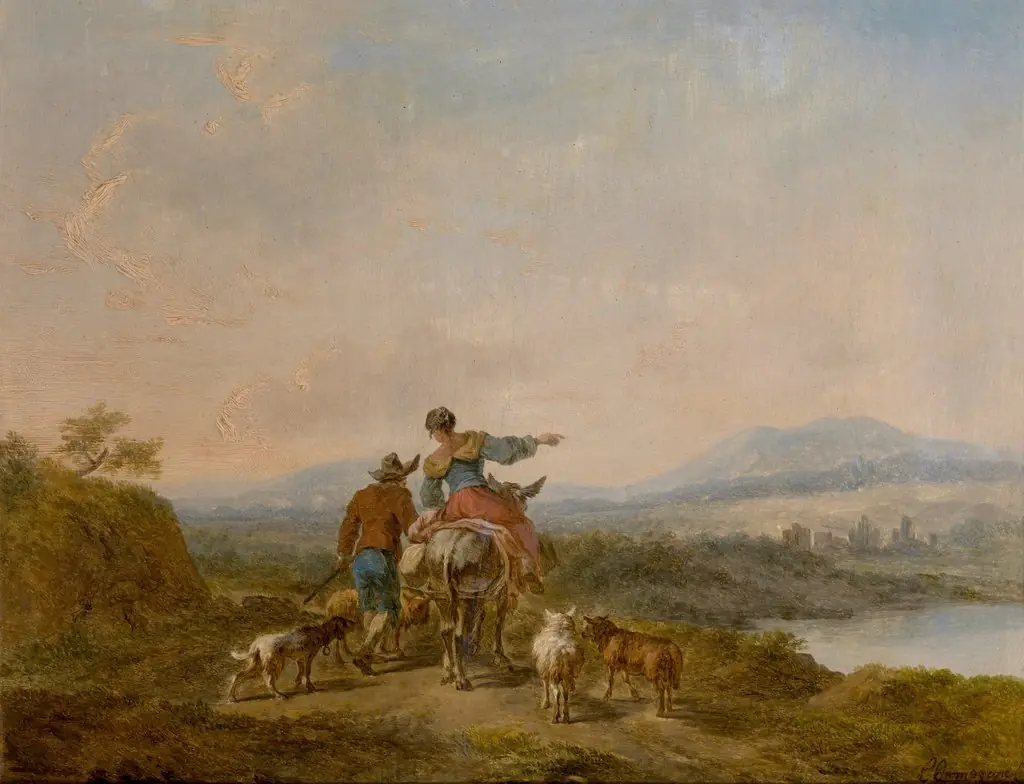 Landscape with Figures
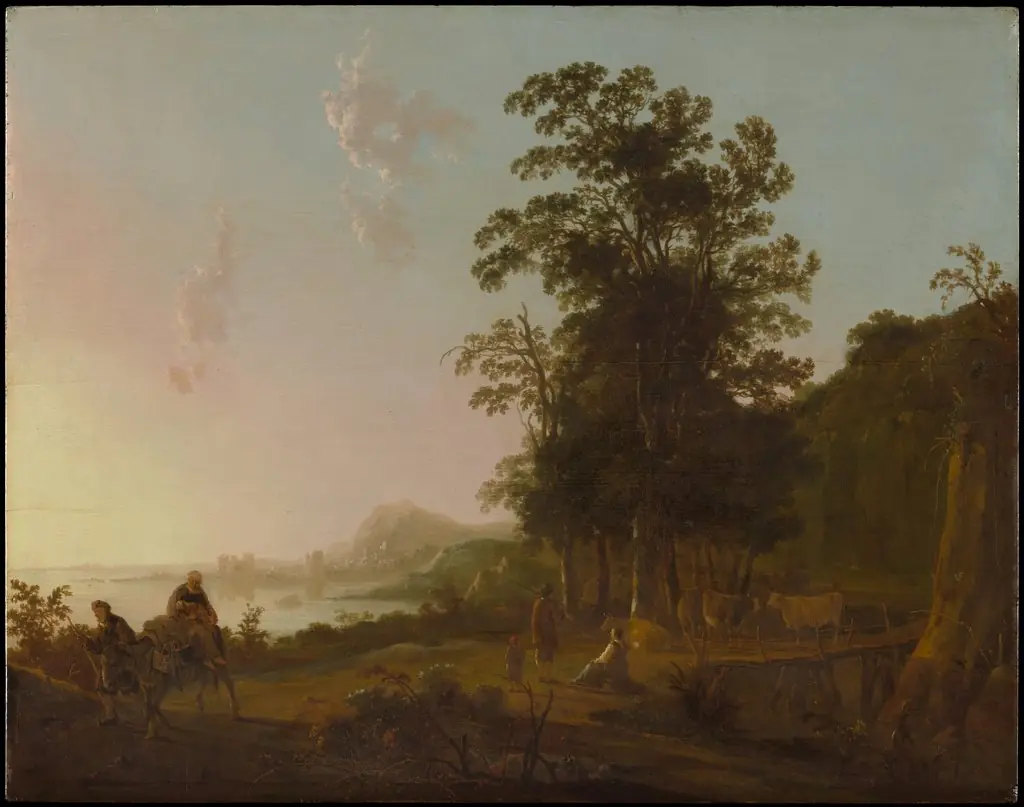 Landscape with the Flight into Egypt
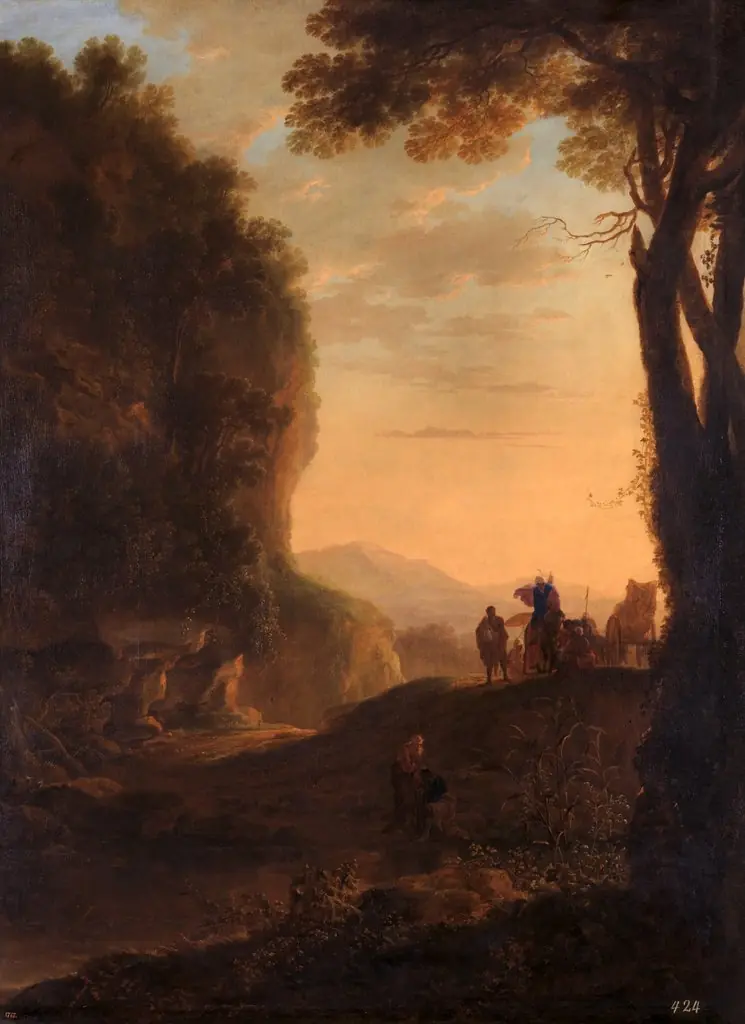 Baptism of the Eunuch of Queen Candace
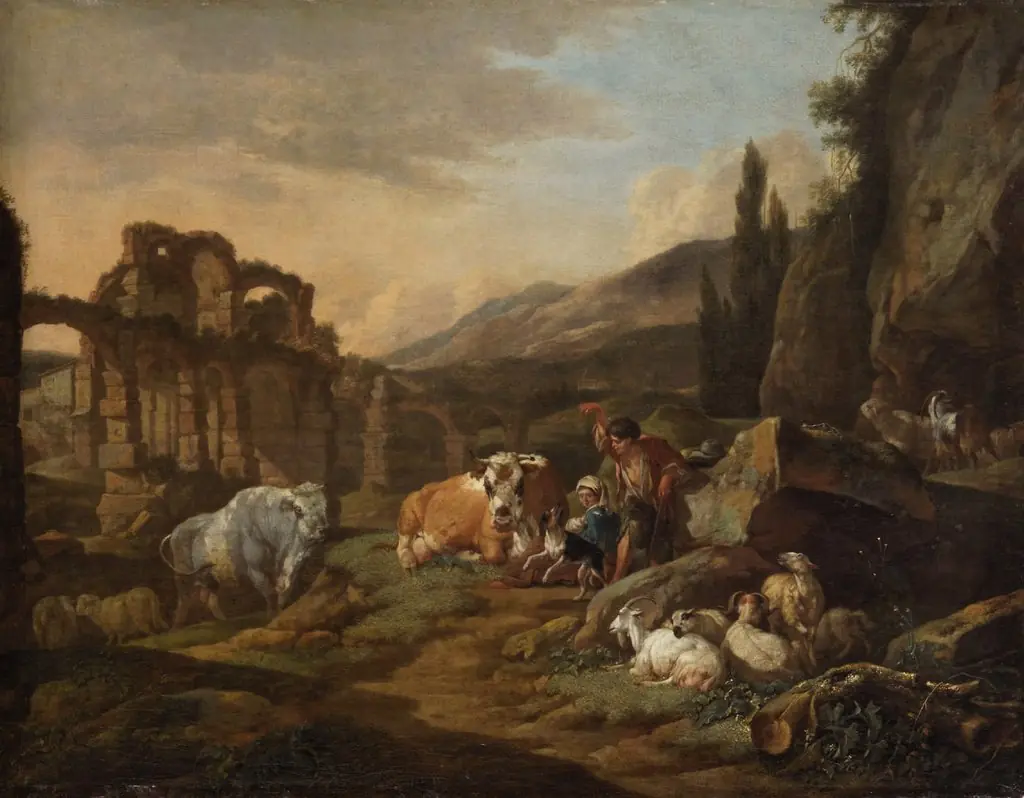 Landschaft mit Tieren
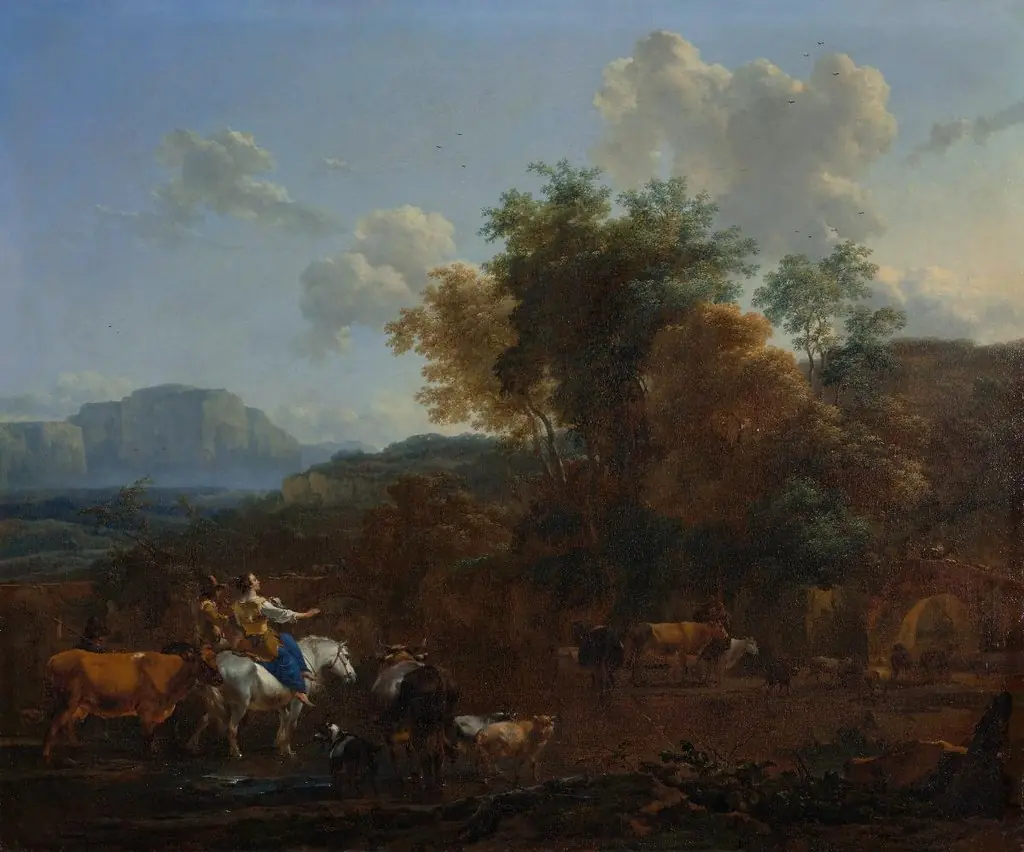 Italienische Landschaft mit musizierenden Hirten und ziehender Herde
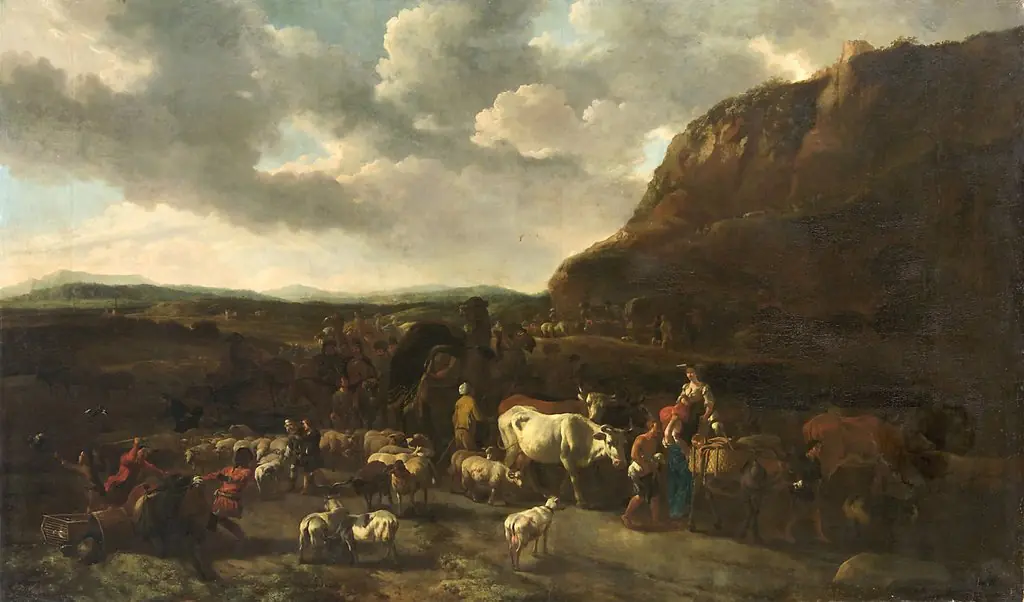 Landscape with Jacob and his family on the way to Canaan (Genesis 31:17-18)
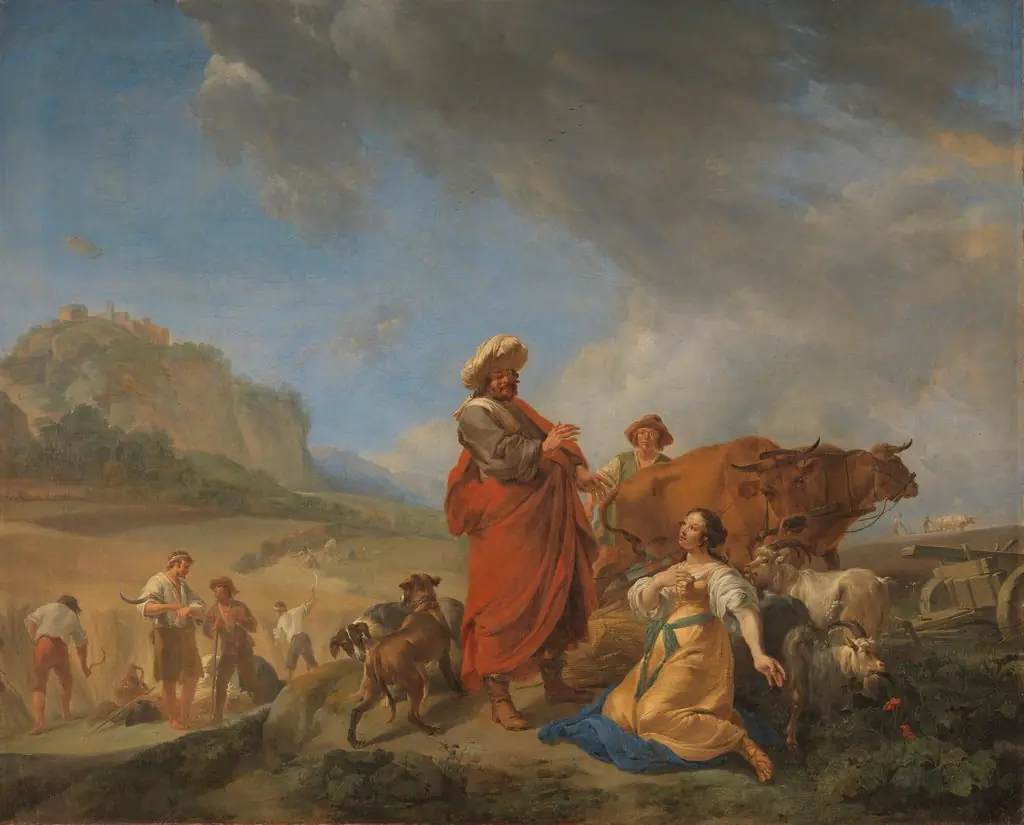 Ruth and Boas
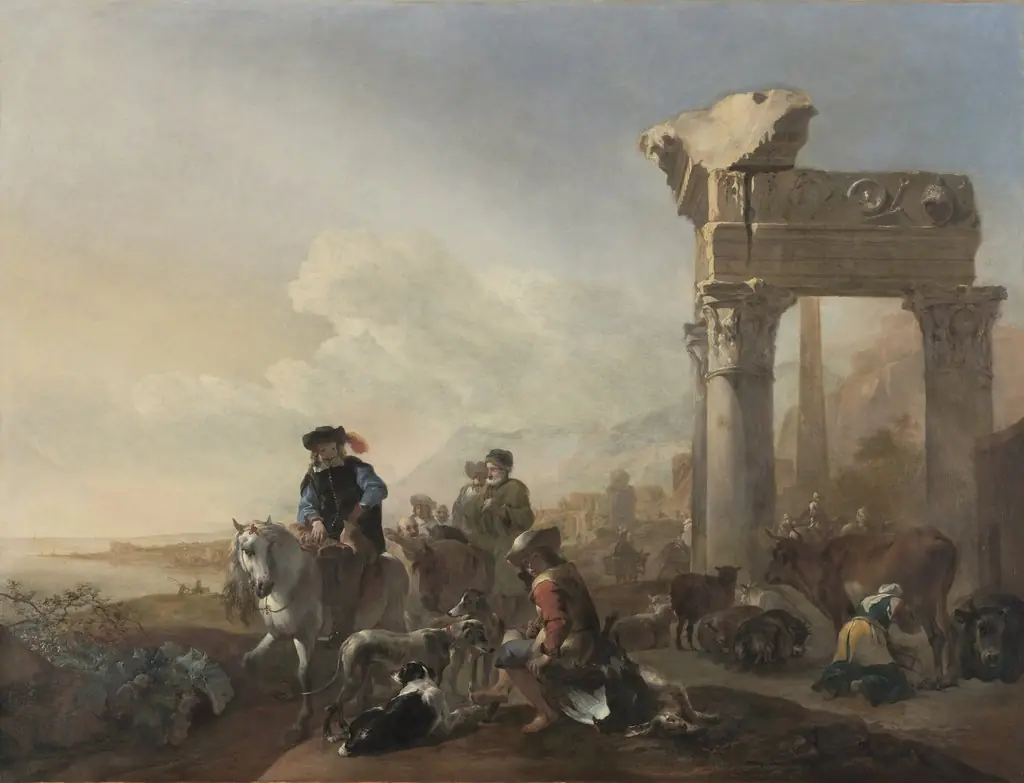 Hunters Near Ruins
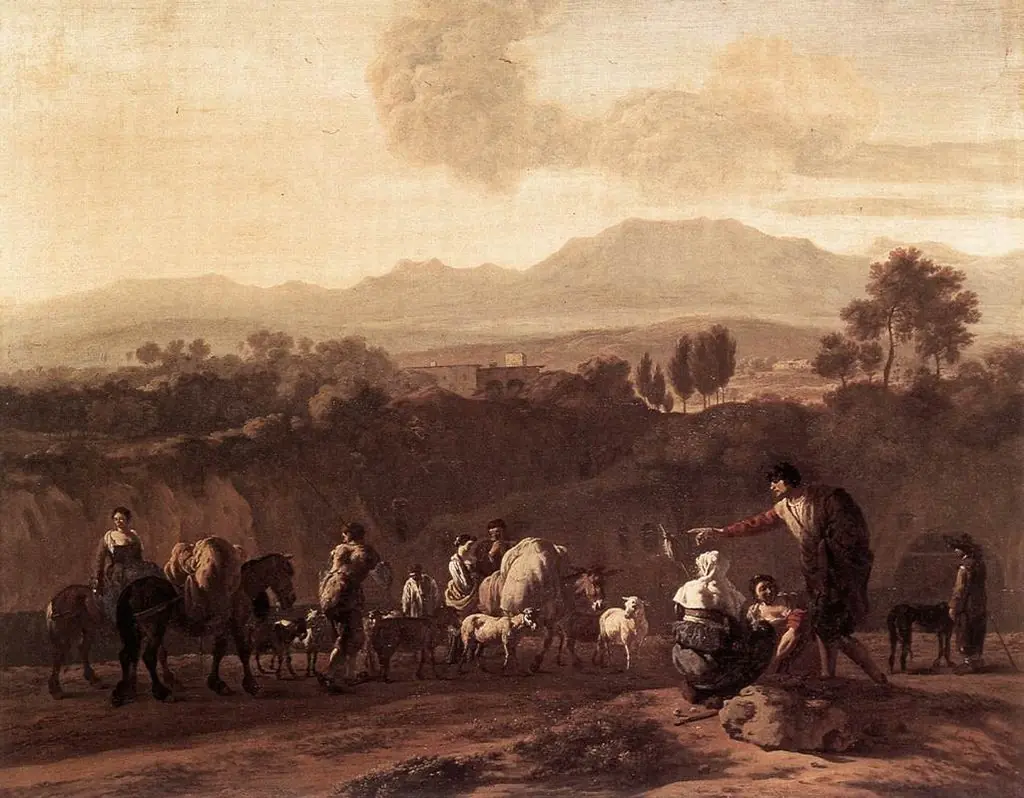 Landscape in the Roman Campagna
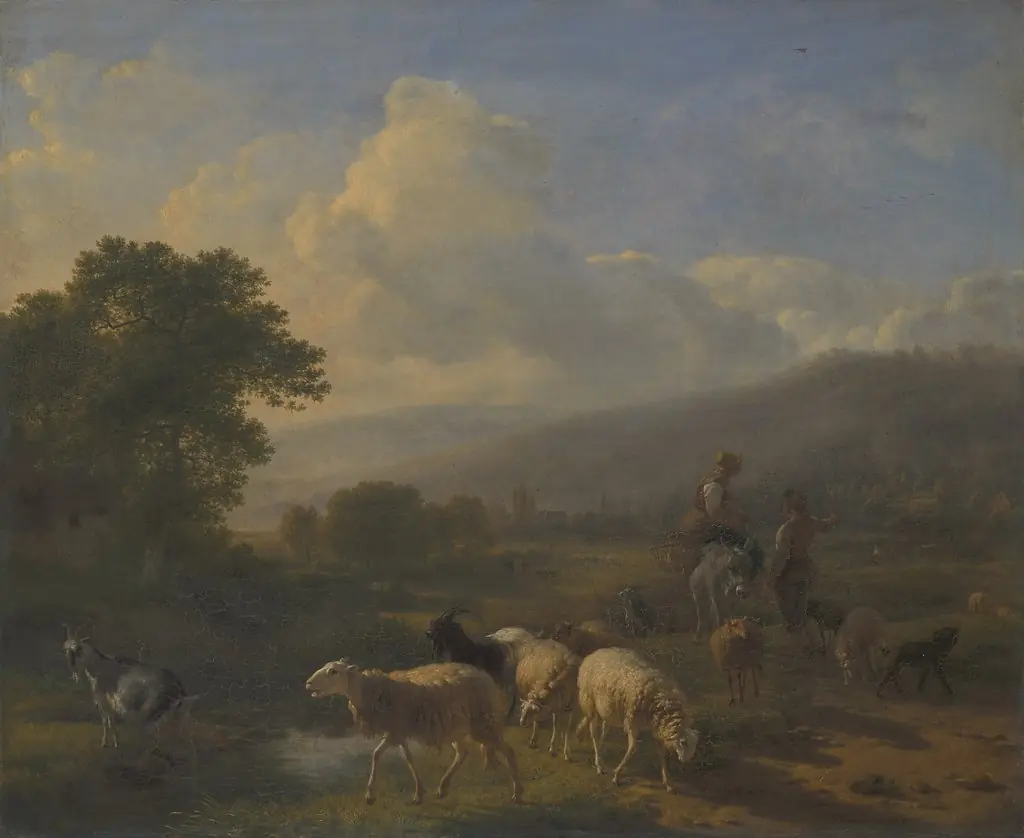 Shepherds with Sheep in a Mountainous Landscape