Artwork
La feria de Santiponce
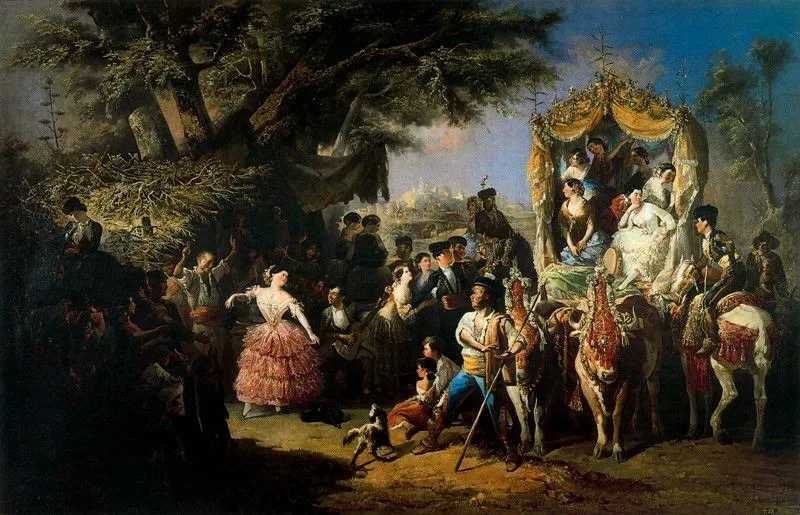
La feria de Santiponce is an oil painting by Manuel Rodríguez de Guzmán. It dates from 1855 and is held in the collection of the Museo del Prado.
About this work
Overview
Manuel Rodríguez de Guzmán’s oil on canvas, La feria de Santiponce, was completed in 1855 and is part of the Prado Museum’s collection. The work captures a bustling fair scene in the Andalusian town of Santiponce, rendered with a vivid palette and meticulous attention to detail.
Subject & Meaning
The composition centers on a richly adorned horse‑drawn carriage surrounded by a throng of revelers. Musicians, including a recorder player, and a dancing woman in a pink dress convey the festive atmosphere, while onlookers and the open sky suggest communal celebration.
Technique & Style
Rodríguez de Guzmán employs a bright, saturated color scheme, contrasting gold and red fabrics of the carriage with the blues of the sky and foliage. The brushwork combines fine detailing—particularly in textiles and facial expressions—with broader strokes that convey movement and crowd density.
History & Provenance
Created in the mid‑nineteenth century, the painting entered the Museo del Prado’s holdings through the museum’s acquisitions of Spanish genre works. Its provenance prior to the Prado is not extensively documented, but it has been displayed as an example of regional festivity in Spanish art.
Context
The work reflects the Romantic‑Realist interest in everyday life and regional customs that characterized Spanish painting of the 1850s. By portraying a local fair, the artist aligns with contemporary efforts to document popular culture and the social fabric of Andalusia.
Legacy
La feria de Santiponce remains a reference point for scholars studying 19th‑century Spanish genre scenes, illustrating how artists combined narrative detail with vibrant coloration to evoke communal celebrations.
Artist & collection
Artist
Manuel Rodríguez de Guzmán (1818–1867) was an artist, born in Seville.

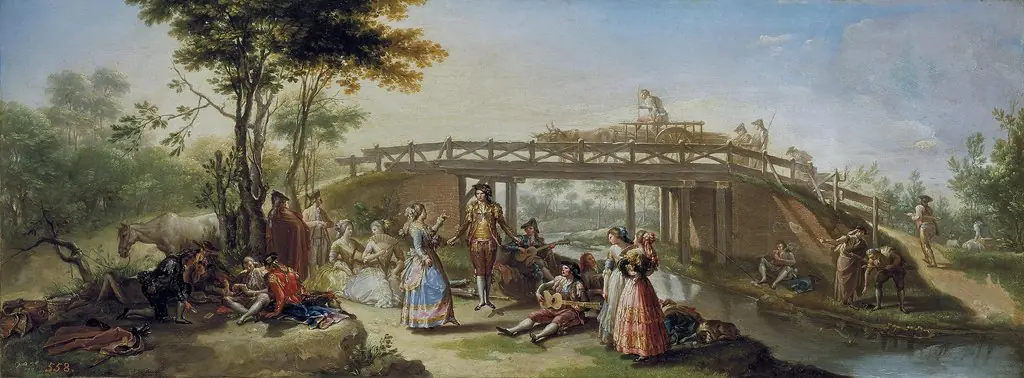 Bridge over the Madrid Canal
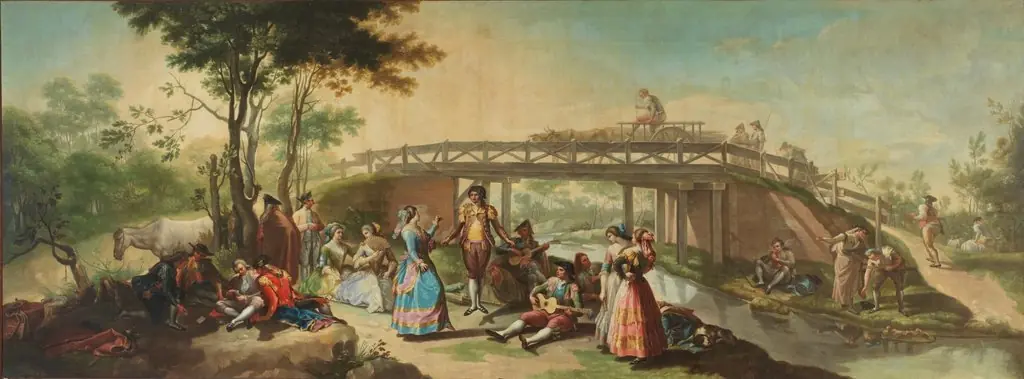 Un baile junto a un puente del canal del Manzanares
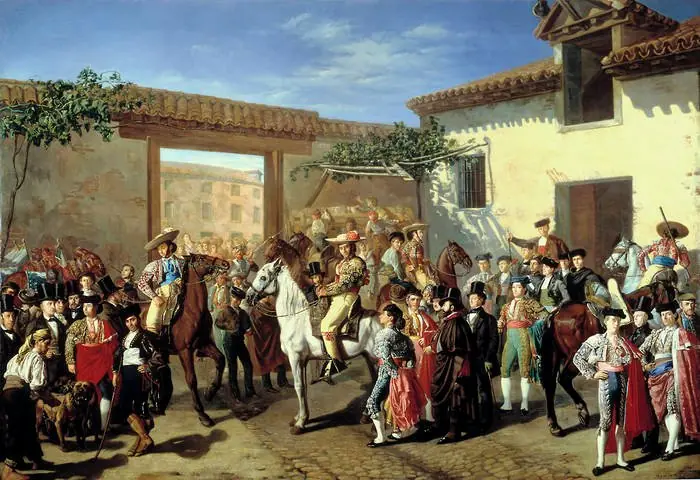 Horses in a Courtyard by the Bullring before the Bullfight, Madrid (detail)
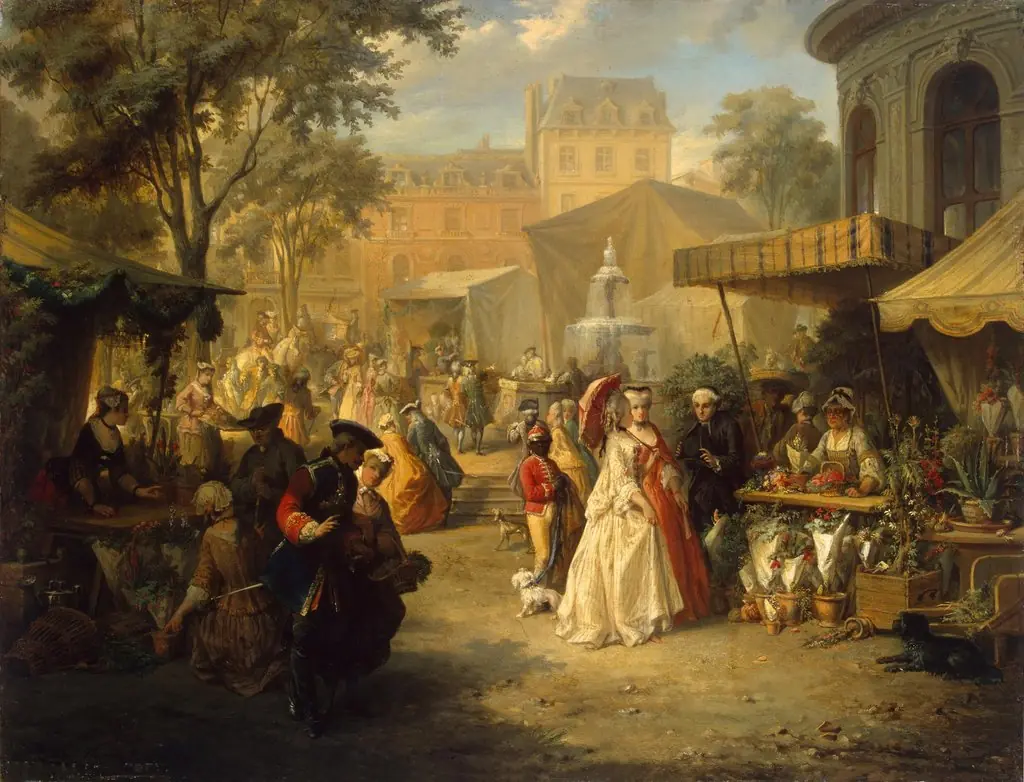 Fair
Fair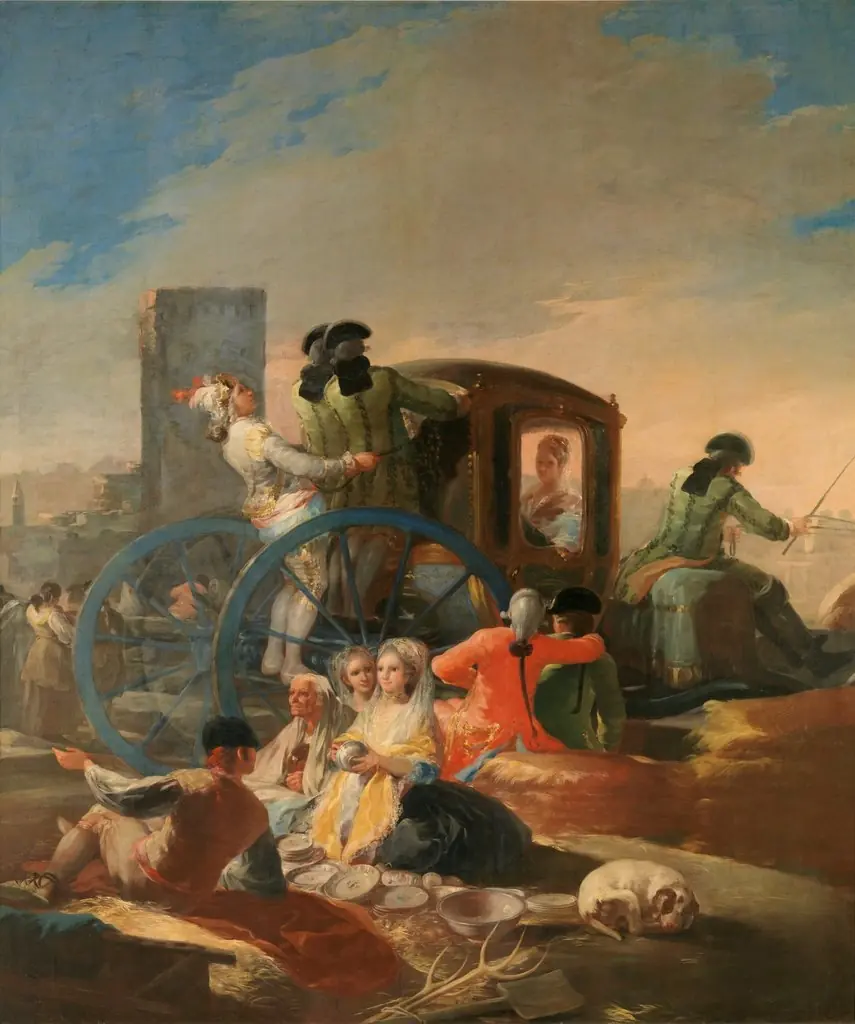 The Crockery Vendor
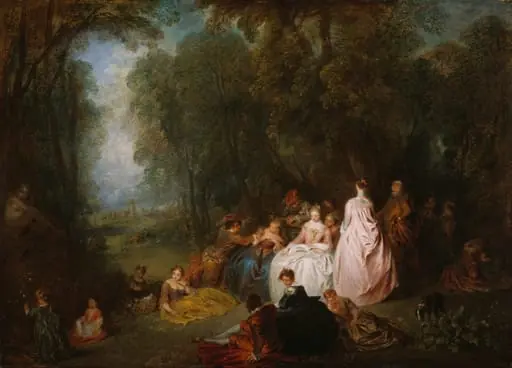 Fête champêtre (Pastoral Gathering)
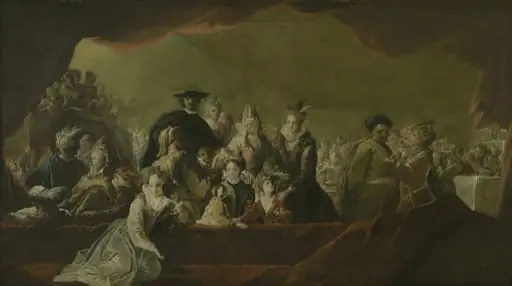 A Fancy-Dress Ball
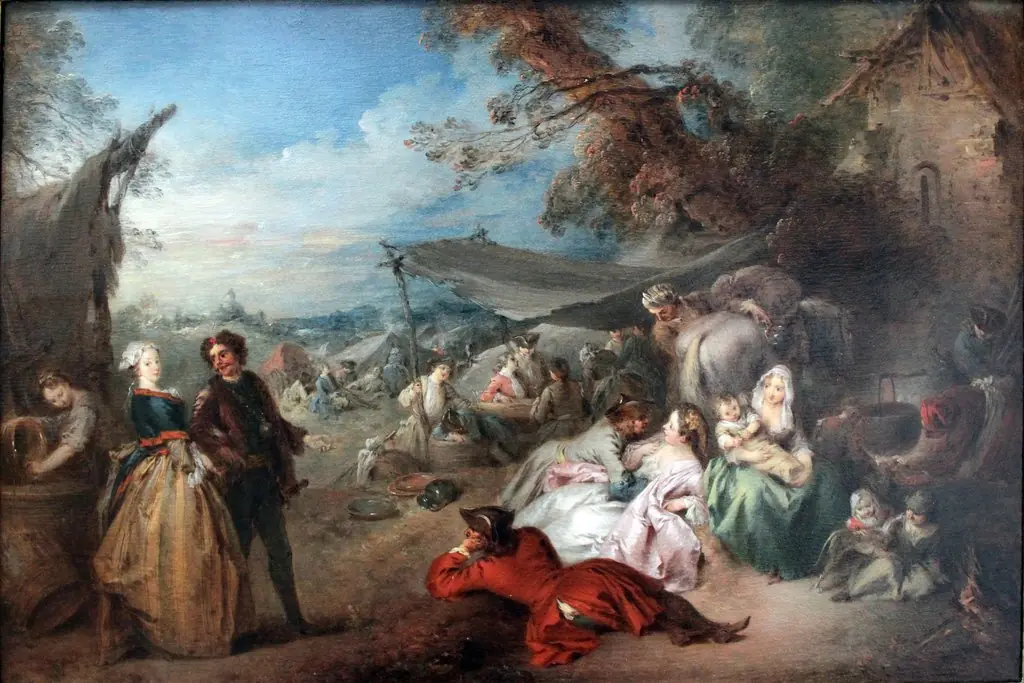 The troops rest (peace)
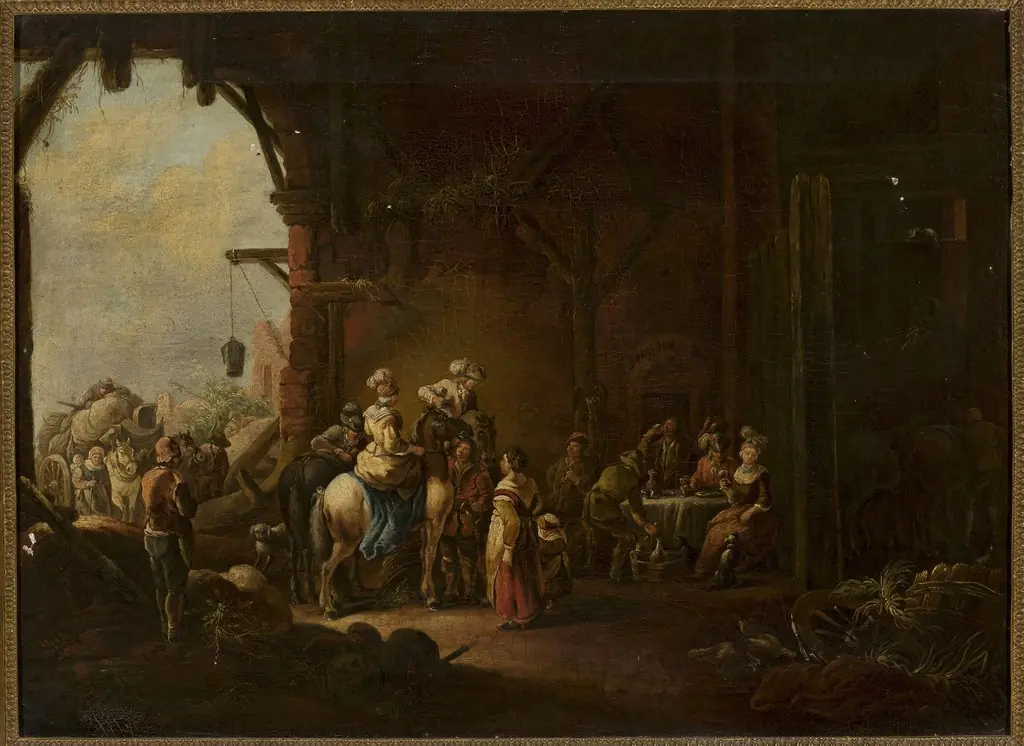 Inn
Inn El minuet
 A Troup of Performers Arriving at the Fair at Dyrehavsbakken Near the Deer Park, North of Copenhagen
 The Meadow of San Isidro