Artwork
Niagara
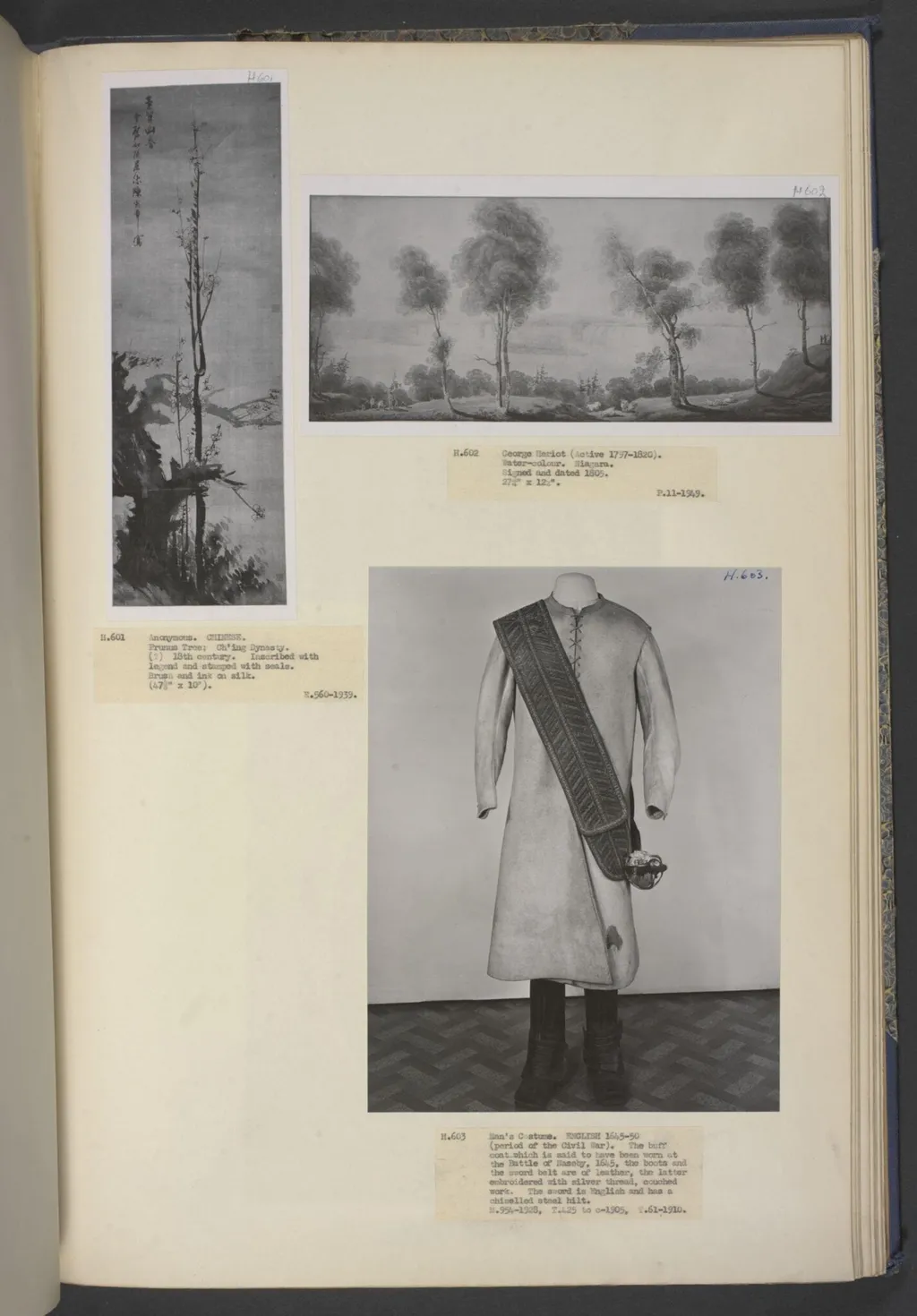
Niagara is a watercolor work on paper by the British Romanticist artist George Heriot. It dates from 1805 and is held in the collection of the Victoria and Albert Museum.
About this work
Overview
Niagara is a watercolour painting created by George Heriot in 1805, now part of the Victoria and Albert Museum's collection. It represents a serene natural scene, characteristic of the British Romantic period.
Subject & Meaning
The painting depicts a tranquil, uninhabited riverside with bare trees, a pale sky, and still, dark water. The emphasis is on capturing the quiet, dreamy essence of nature in repose, devoid of human presence or activity.
Technique & Style
Heriot employed soft watercolour techniques to achieve a muted, contemplative atmosphere, aligning with Romantic ideals of evoking emotion through subtle, natural light and colour.
History & Provenance
Created in 1805 by Scots-Canadian George Heriot, a multifaceted figure in early Canadian art, Niagara has been preserved in the Victoria and Albert Museum.
Context
Painted during the British Romantic period, Niagara reflects the era's artistic values, emphasizing the sublime and emotional resonance of natural landscapes.
Legacy
As a work by a key figure in early Canadian art, Niagara contributes to the historical narrative of Canadian artistic development, while its style and theme place it within the broader British Romantic movement.
Artist & collection
Artist
George Heriot (1759 – 22 July 1839) was a Scots-Canadian civil servant, author and artist. He is most notable as a major figure in early Canadian art.

 Exterior of the International Exhibition of 1862.
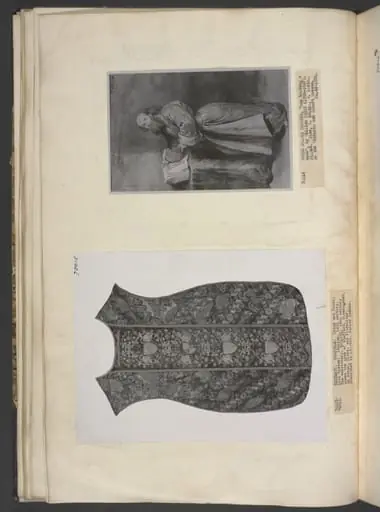 Untitled
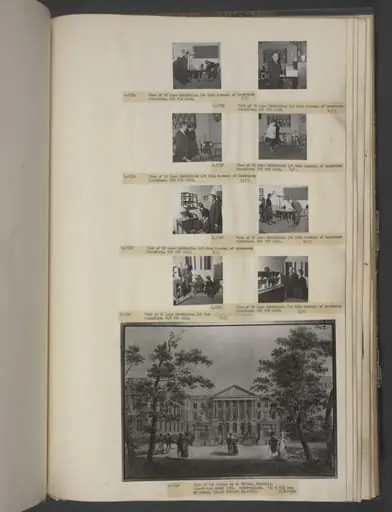 View of the Palais de la Nation, Brussels
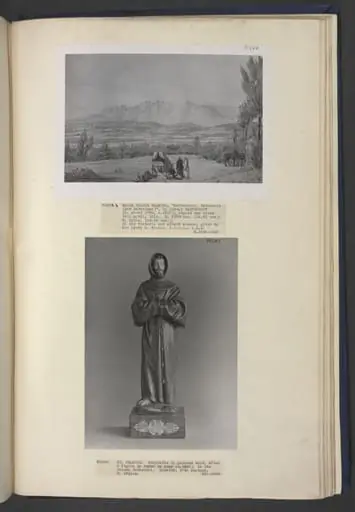 Montserrat, Catalonia
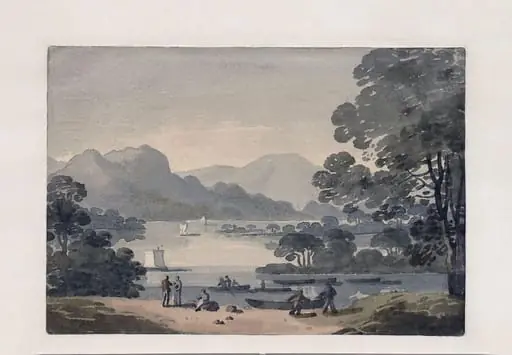
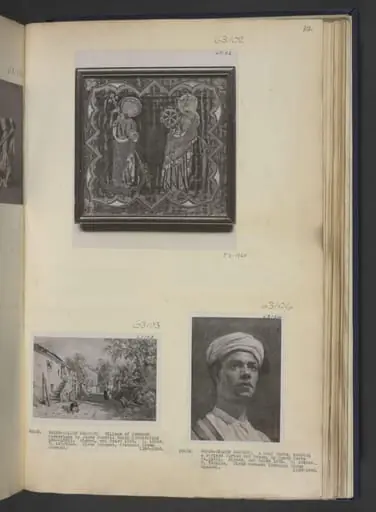 Village of Bowness, Cumberland
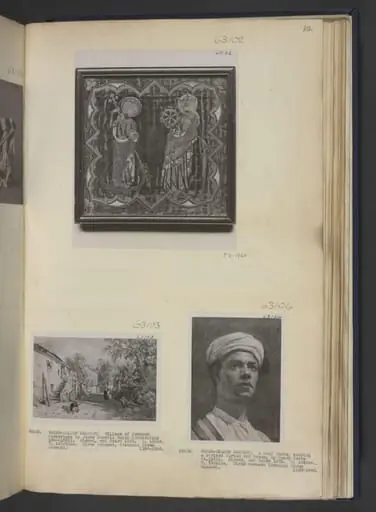 Figure in a striped turban and dress
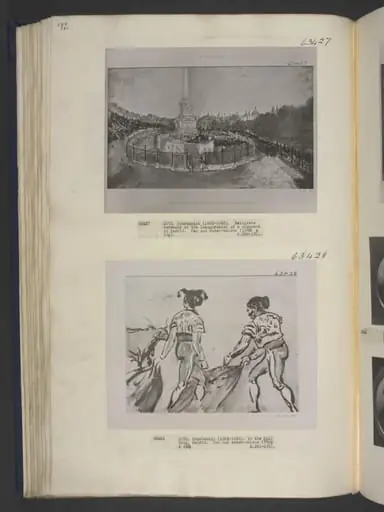 Religious ceremony at the inauguration of a Monument in Madrid.
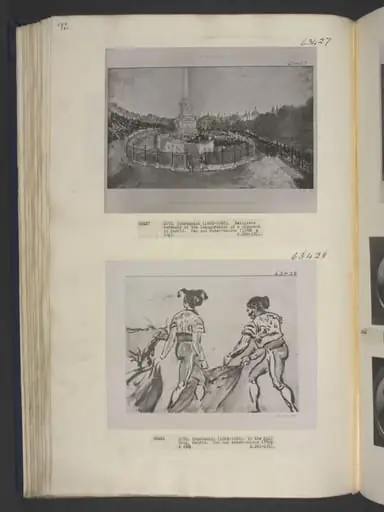 In the Bull Ring, Madrid.
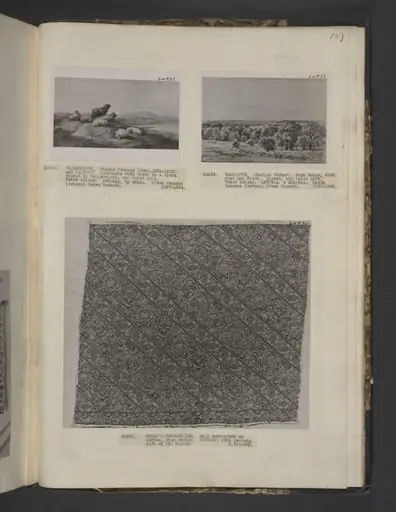 Landscape with a sheep on a slope