Artwork
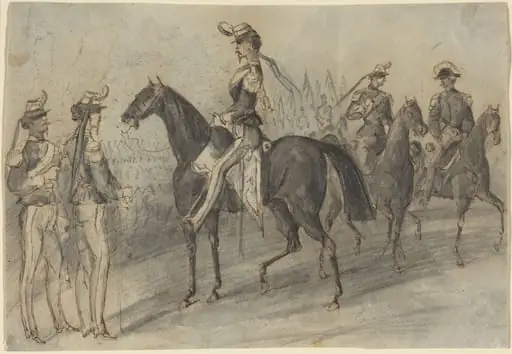
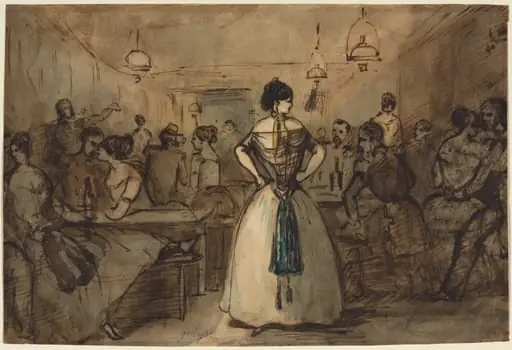
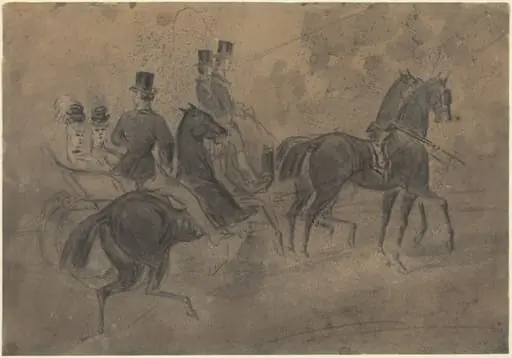
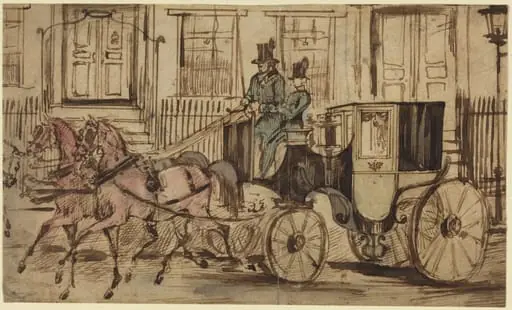
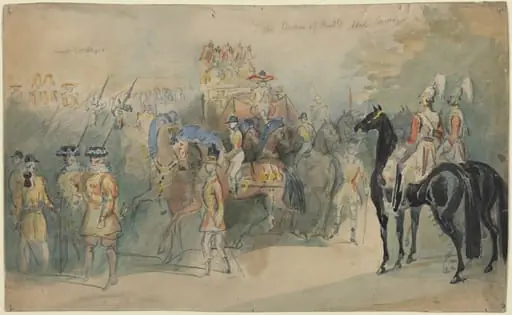
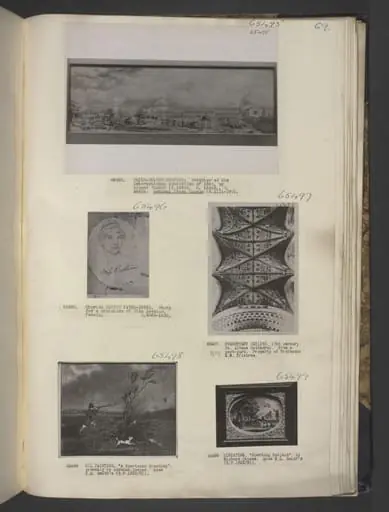
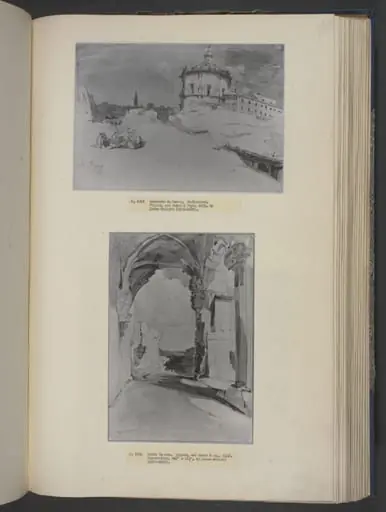
Religious ceremony at the inauguration of a Monument in Madrid.
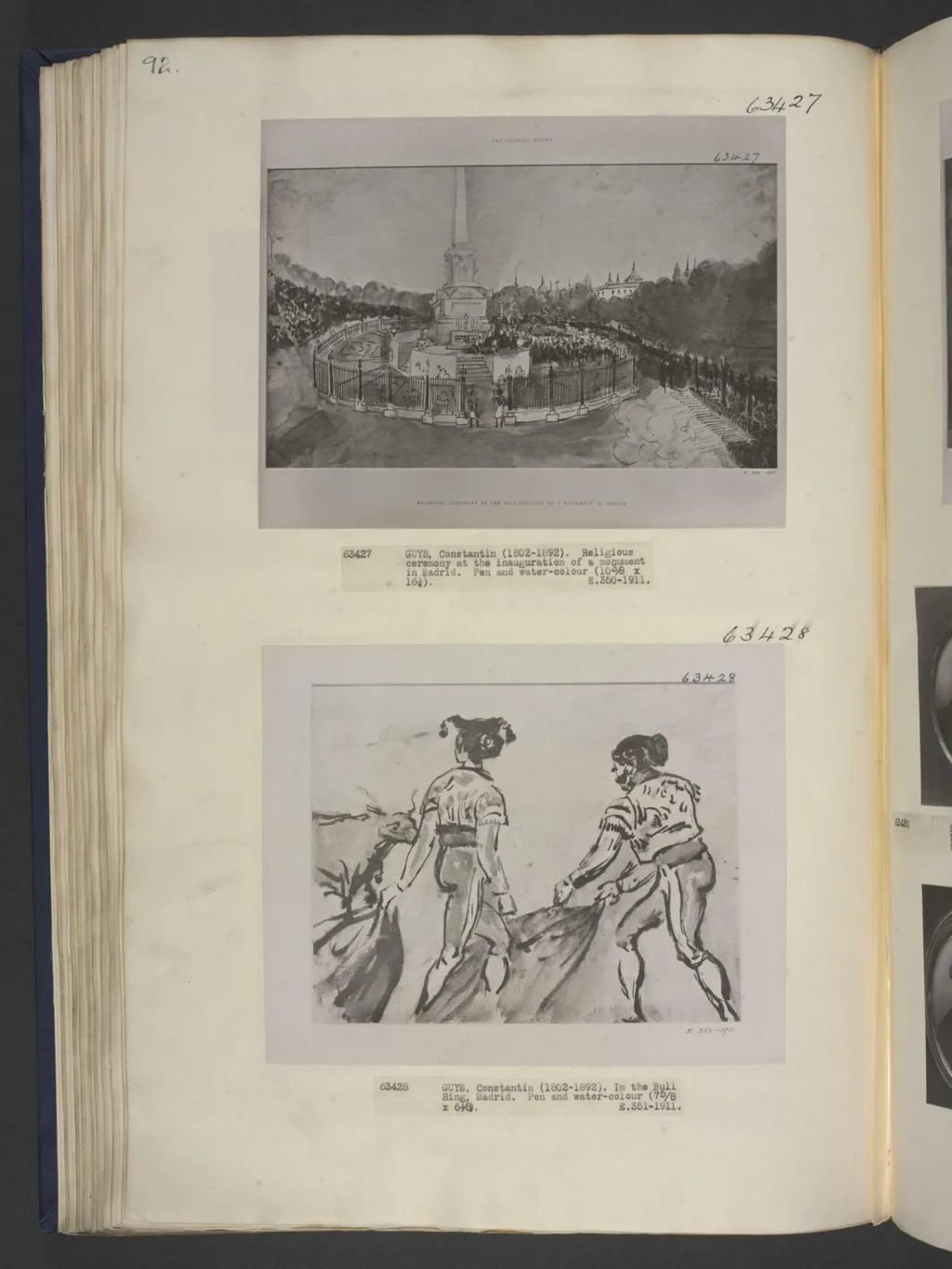
Religious ceremony at the inauguration of a Monument in Madrid. is a drawing by the Romanticist artist Constantin Guys. It dates from 4 and is held in the collection of the Victoria and Albert Museum.
About this work
Overview
The work resides in the Victoria and Albert Museum’s collection, reflecting his broader interest in documenting everyday life through precise draftsmanship.
Created in 1806 by French artist Constantin Guys, this pen-and-watercolor drawing captures a public ceremony in Madrid honoring a newly unveiled monument. Though best known for wartime reportage, Guys turned his attention to civilian rituals, recording the event with careful observation. The work resides in the Victoria and Albert Museum’s collection, reflecting his broader interest in documenting everyday life through precise draftsmanship.
Subject & Meaning
The scene portrays a formal religious rite accompanying the unveiling of a public monument, likely tied to national or civic commemoration. A dense gathering of onlookers, some near a boundary fence, others ascending the monument’s steps, suggests a communal act of remembrance. The presence of clergy and orderly procession implies state-sanctioned ritual, blending civic pride with religious solemnity in early 19th-century Spain.
Technique & Style
Guys employed fine pen lines and diluted watercolor washes to render the scene in monochrome tones of gray and white. His controlled cross-hatching defines volume and texture, particularly in the folds of clothing and the monument’s stonework. The composition avoids dramatic emphasis, instead favoring quiet observation—figures are rendered with individual detail yet remain integrated into the larger crowd.
History & Provenance
The drawing entered the Victoria and Albert Museum’s holdings as part of its extensive collection of 19th-century graphic art. Its origin traces to Guys’ travels in Spain during the early 1800s, when he documented public events beyond his better-known war illustrations. The work’s survival in good condition reflects its status as a study in social documentation rather than a finished exhibition piece.
Context
In 1806, Spain was under Napoleonic influence, and public monuments often served political purposes, reinforcing authority through symbolic display. Ceremonies like this one, blending religious and civic elements, were tools of social cohesion. Guys, as a foreign observer, recorded such events with neutrality, offering a visual record of how authority was performed in public spaces during a turbulent era.
Legacy
This drawing exemplifies Guys’ role as a visual chronicler of European public life beyond the battlefield. While less celebrated than his war sketches, works like this reveal his consistent interest in crowd dynamics and ritual. It contributes to a broader archive of 19th-century graphic journalism, preserving moments of collective ceremony with documentary clarity.
Artist & collection
Artist
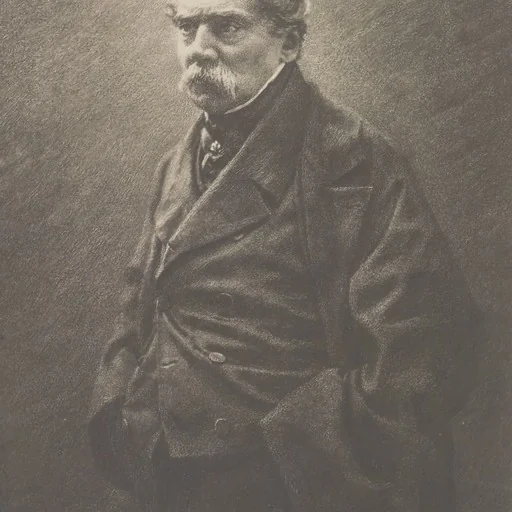
Constantin Guys (born Ernest-Adolphe Guys de Saint-Hélène, December 3, 1802 – December 13, 1892) was a French Crimean War correspondent, water color painter and illustrator for British and French newspapers.