Artwork
Landscape with a sheep on a slope
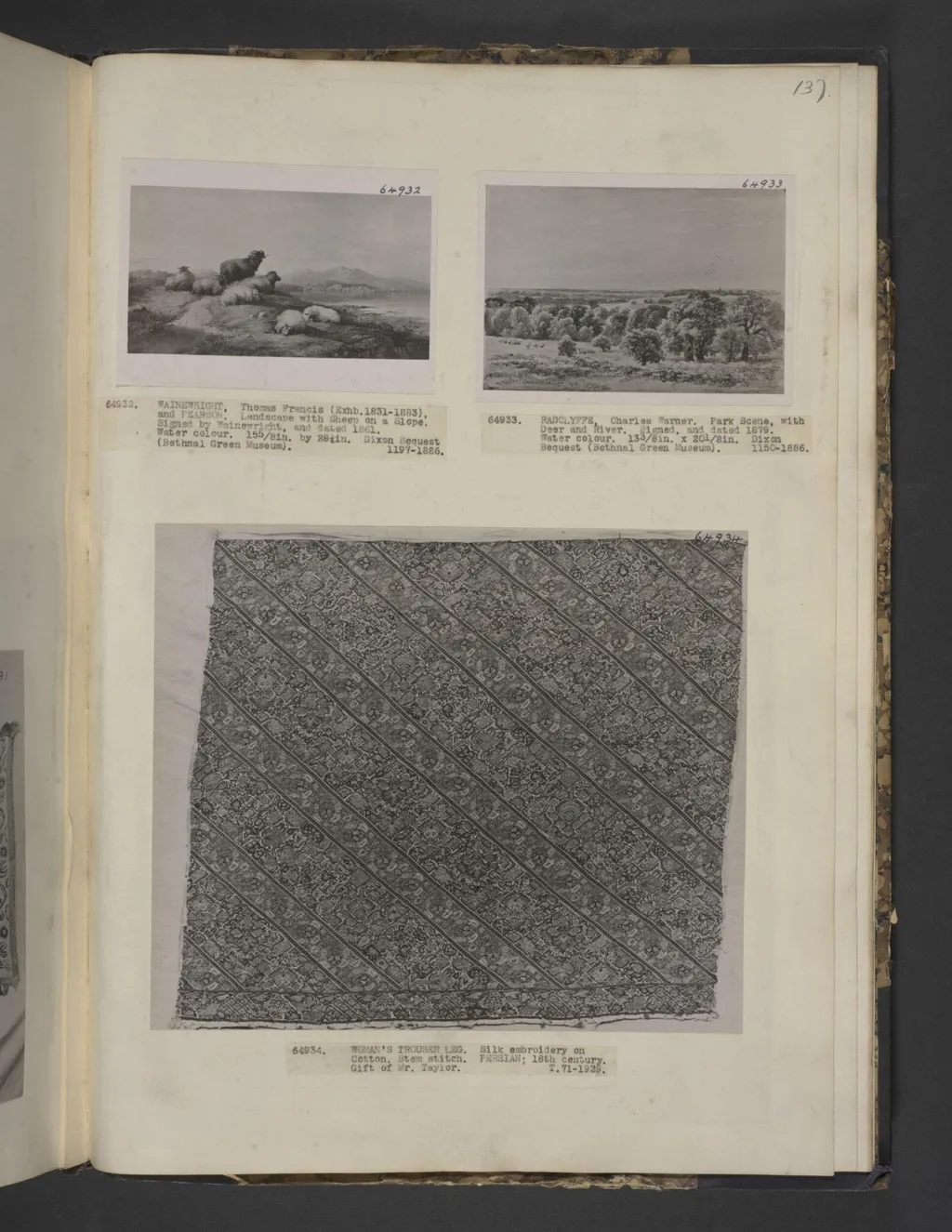
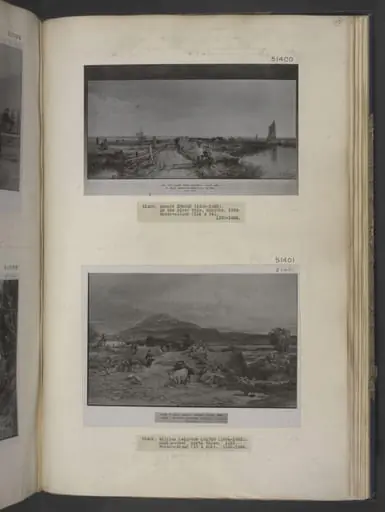
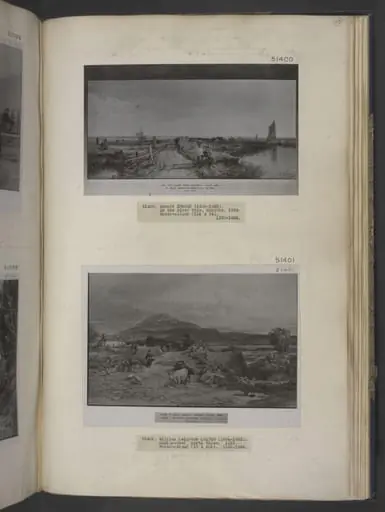
Landscape with a sheep on a slope is a watercolor work on paper by the Hudson River School artist Thomas Francis Wainewright. It dates from 1861 and is held in the collection of the Victoria and Albert Museum.
About this work
Overview
Thomas Francis Wainewright created this watercolour landscape in 1861, capturing a quiet rural scene with precise, observational detail. The work is signed and dated by the artist, affirming its origin and timing. Executed in transparent watercolour, it reflects a direct engagement with the natural environment, likely painted en plein air.
Subject & Meaning
A single sheep grazes on a gentle slope, positioned prominently in the foreground. The animal is rendered with careful attention to its woolly texture, suggesting quiet pastoral life. The surrounding hills and trees frame the scene without narrative intrusion, evoking a sense of stillness and harmony between creature and land, typical of 19th-century British landscape sensibilities.
Technique & Style
Wainewright employed delicate washes and layered glazes to suggest the soft contours of the hillside and the varied foliage. The sheep’s wool is defined by fine, dry brushwork, while the trees and distant hills are rendered with loose, atmospheric strokes. The naturalistic play of light and shadow indicates direct observation, reinforcing the work’s intimate, observational character.
History & Provenance
The painting’s documented date and signature place it within Wainewright’s active period in the mid-19th century. Little is known of its early ownership, but its preservation suggests it remained within private collections. It has not been widely exhibited, and its survival reflects its modest, personal nature rather than public acclaim.
Context
Created during a time when watercolour was gaining recognition as a serious medium in Britain, this work aligns with the tradition of topographical and pastoral landscape painting. Wainewright’s focus on unembellished rural scenes reflects broader cultural interest in the English countryside, away from grand historical or romanticized subjects.
Legacy
Though not widely known today, Wainewright’s watercolours contribute to the quiet legacy of amateur and professional artists who documented everyday landscapes. This piece exemplifies the precision and sensitivity characteristic of mid-Victorian watercolour practice, valued more for its quiet authenticity than for public prominence.
Artist & collection
Artist
Thomas Francis Wainewright made quiet English landscapes in watercolour in the early 1860s.

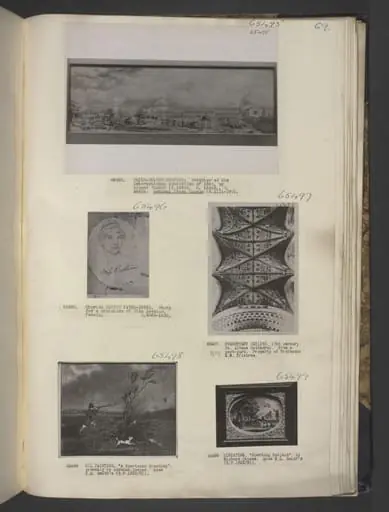 Exterior of the International Exhibition of 1862.
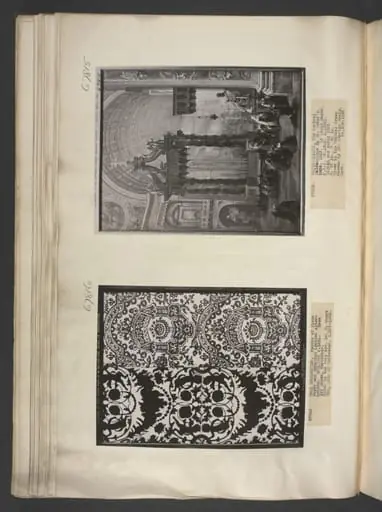 The central baldacchino in St Peter's, Rome
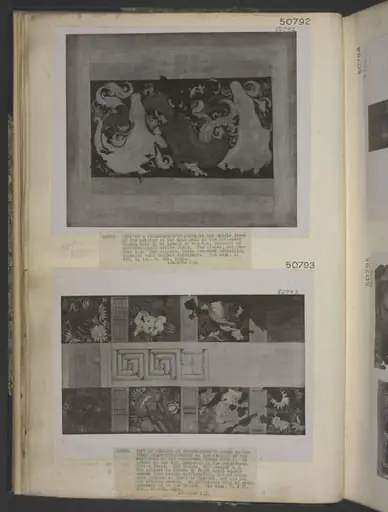 Copy of painting from the caves of Ajanta (cave 1)
 Piggotts Roads
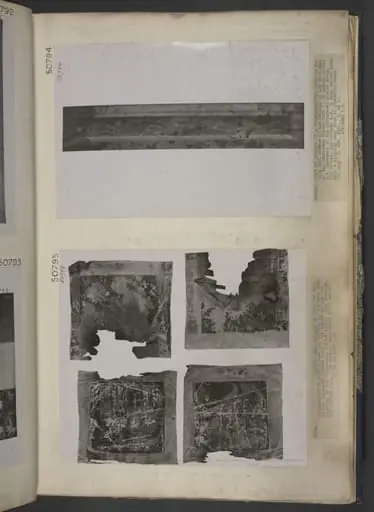 Copy of painting in the caves of Ajanta (cave 1)
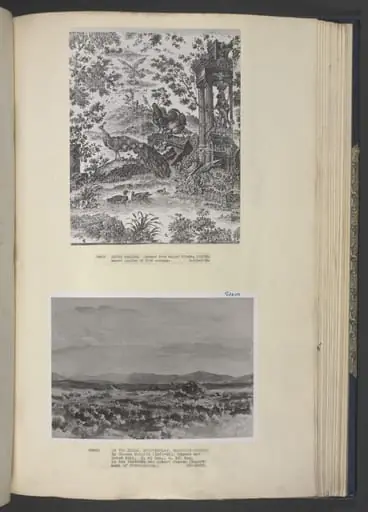 On the hills, Dolweddelan, North Wales
 Shipping in a calm, and groups of figures ashore at Basseterre, the capital of the island of St. Kitts, West Indies