Artwork
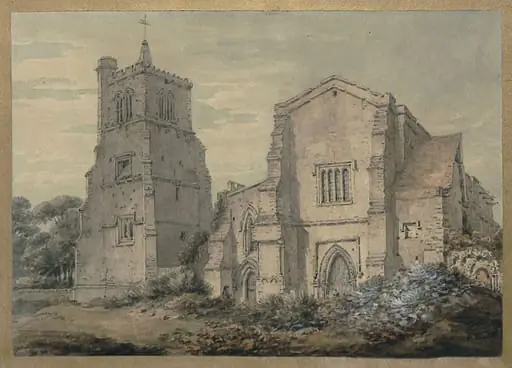
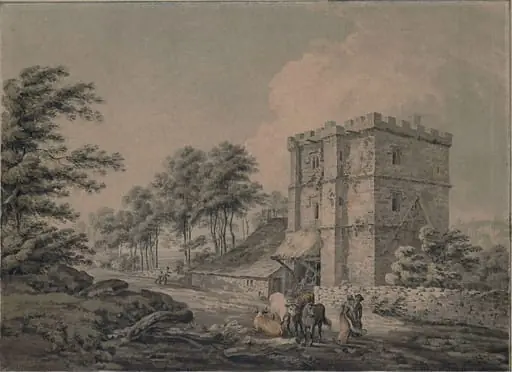
Mortham Tower, near Rokeby, Yorkshire.
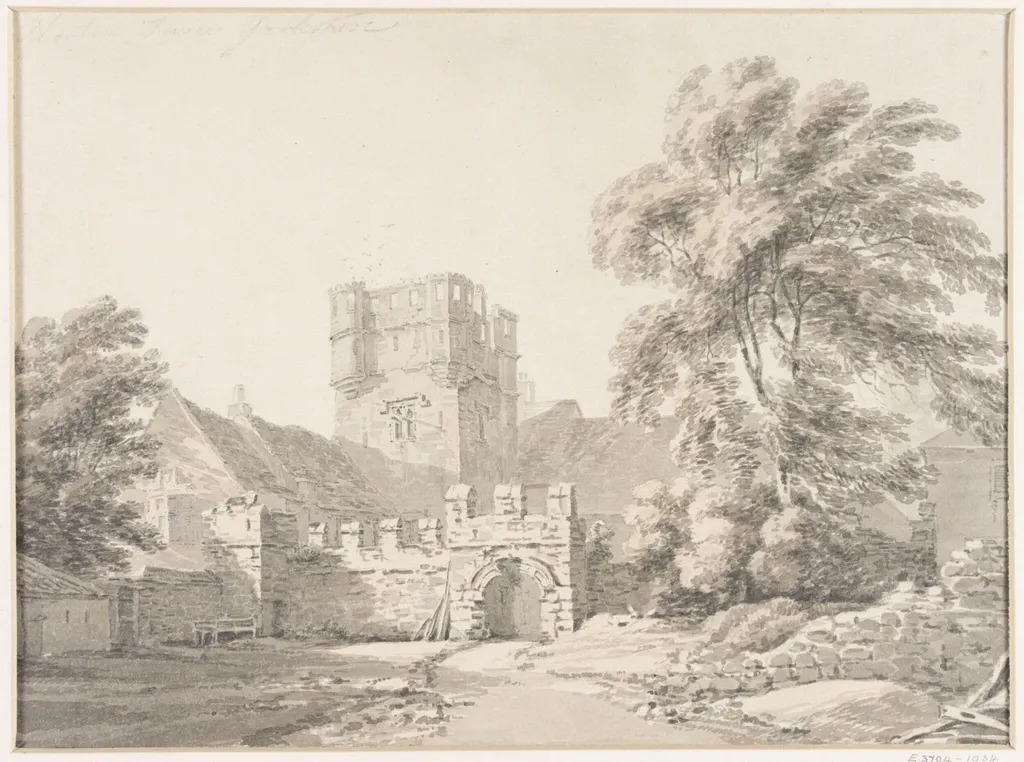
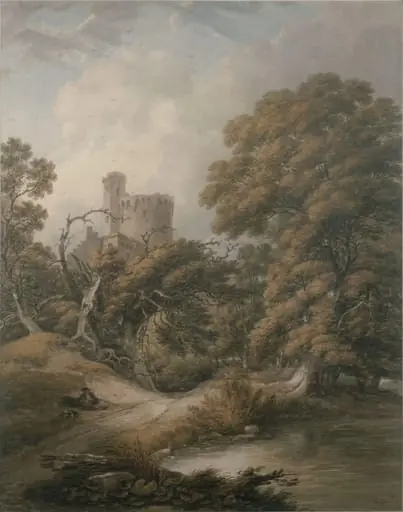
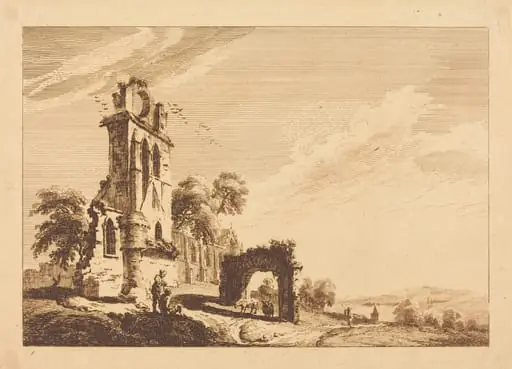
Mortham Tower, near Rokeby, Yorkshire. is a drawing by the Baroque artist Thomas Hearne. It dates from 1744 and is held in the collection of the Victoria and Albert Museum.
About this work
Overview
Executed in pencil or ink on paper, the work is signed by the artist and oriented horizontally to emphasize the tower’s integration with its natural setting.
Created in 1744, this landscape drawing by Thomas Hearne captures Mortham Tower, a modest medieval structure near Rokeby in Yorkshire. Executed in pencil or ink on paper, the work is signed by the artist and oriented horizontally to emphasize the tower’s integration with its natural setting. The composition balances architectural form with surrounding vegetation, reflecting Hearne’s interest in topographical accuracy and quiet rural scenes.
Subject & Meaning
Mortham Tower, a fortified residence of uncertain origin, is portrayed not as a ruin or monument, but as a quiet fixture within an undisturbed countryside. The inclusion of a winding path and stone archway suggests human presence without activity, reinforcing a mood of stillness. The tower’s modest scale and secluded setting imply a contemplative relationship between architecture and landscape, typical of 18th-century English topographical drawing.
Technique & Style
Hearne employs fine linear detail and subtle tonal gradations to define texture and depth. Cross-hatching is used selectively to model foliage and stone surfaces, avoiding heavy shading in favor of clarity. The foreground trees are rendered with dense, overlapping strokes, contrasting with the softer contours of distant hills. This restrained technique prioritizes observational precision over dramatic effect, aligning with the conventions of topographical art of the period.
History & Provenance
The drawing is part of a series of Yorkshire landscapes Hearne produced during his early travels, likely commissioned or undertaken for private patrons interested in regional architecture. Its survival in good condition suggests it was carefully preserved, possibly within a collector’s album. No public record of its early ownership exists, but its signature and date confirm its origin in Hearne’s formative years as a draughtsman.
Context
In the mid-18th century, interest in documenting historic buildings and rural scenery grew among antiquarians and landowners. Hearne’s work reflects this trend, aligning with contemporaries like Samuel Hieronymus Grimm. Unlike romanticized landscapes, his drawings favored factual representation, serving as visual records for those studying regional heritage. Mortham Tower, though unremarkable in grandeur, was valued for its antiquity and local significance.
Legacy
This drawing contributes to a broader archive of English topographical art that preserved the appearance of lesser-known structures before industrialization altered the landscape. Hearne’s methodical approach influenced later surveyors and artists documenting Britain’s architectural heritage. While not widely exhibited, such works remain important references for historians studying the visual record of 18th-century Yorkshire.
Artist & collection
Artist
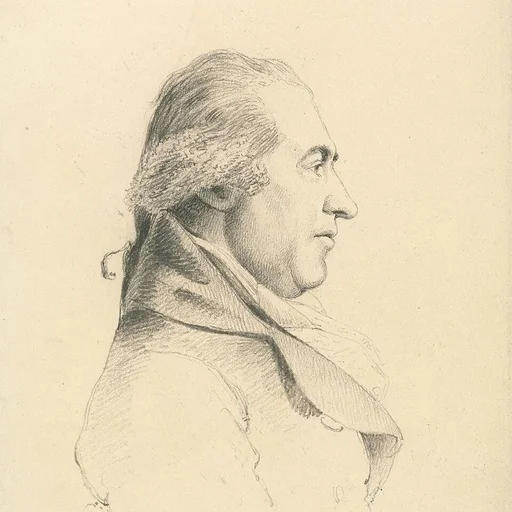
Thomas Hearne (22 September 1744 – 13 April 1817) was an English landscape painter, engraver and illustrator.

![Tower at Freston, near Woolverstone Park [Suffolk], by Luigi Mayer](https://artifactworldgallery.com/img/luigi-mayer--tower-at-freston-near-woolverstone-park-suffolk--b8d7562f14cab099-w320.webp)