Artwork
Carters with a Load of Slate
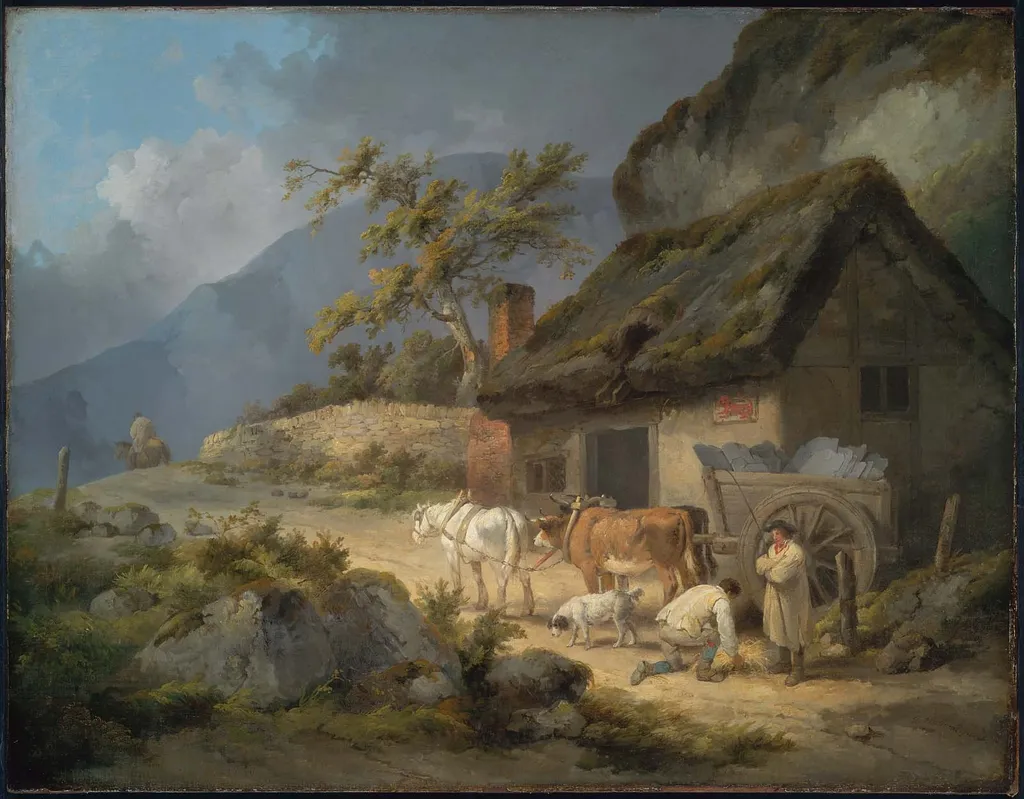
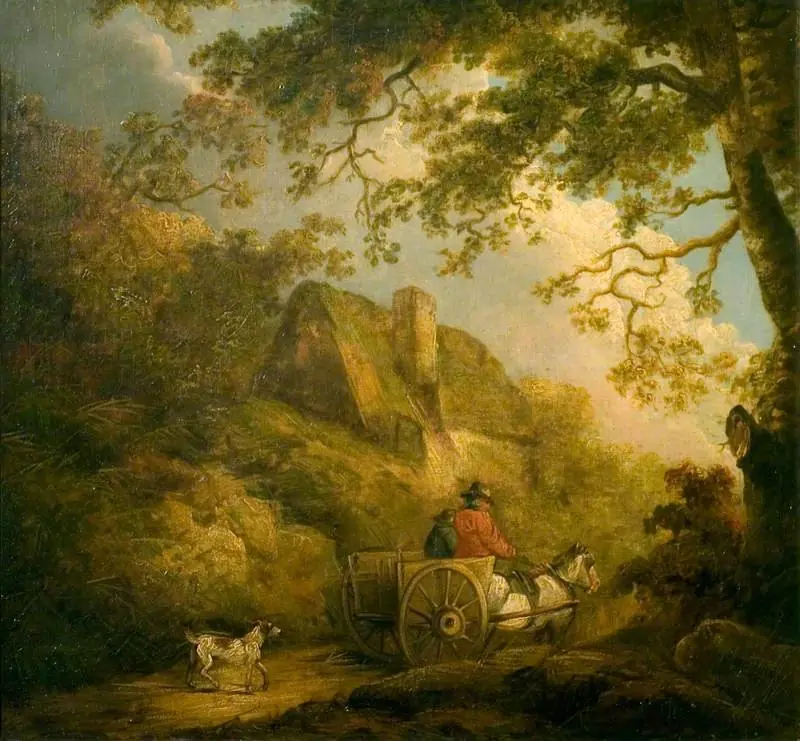
Carters with a Load of Slate is an oil painting by George Morland. It dates from 1796 and is held in the collection of the Museum of Fine Arts Boston.
About this work
Overview
The composition centers on the quiet labor of a man and a boy guiding the animals, with a dog nearby and a modest thatched cottage in the background.
Painted in 1796 by George Morland, this oil on canvas depicts a rural transport scene in which two oxen pull a cart laden with slate. The composition centers on the quiet labor of a man and a boy guiding the animals, with a dog nearby and a modest thatched cottage in the background. Morland’s focus on ordinary rural activity reflects his broader interest in the daily lives of working-class figures in the English countryside.
Subject & Meaning
The painting portrays the unglamorous but essential work of transporting slate, a common building material in 18th-century Britain. By emphasizing the physical effort of the laborers and the humble setting, Morland elevates mundane rural existence without romanticizing it. The presence of the boy suggests generational continuity in this work, reinforcing themes of endurance and quiet dignity in agricultural labor.
Technique & Style
Morland employs a restrained palette of browns, grays, and muted greens to evoke the natural tones of the landscape. His brushwork is detailed yet unobtrusive, capturing the texture of the slate, the fur of the oxen, and the weathered thatch of the cottage. The soft, overcast sky and shallow depth of field create a sense of quiet immediacy, aligning with the observational realism influenced by Dutch genre painting.
History & Provenance
The painting entered the collection of the Museum of Fine Arts, Boston, where it remains today. Morland, known for prolific output, produced many works that were widely reproduced as prints during his lifetime. Despite his popularity, his later years were marked by personal hardship, including financial strain and alcoholism, which affected his artistic stability and public reputation.
Context
In late 18th-century England, rural labor was a dominant theme in art as industrialization began to reshape society. Morland’s scenes offered a counterpoint to idealized landscapes, presenting instead the unvarnished reality of country life. His work resonated with audiences seeking authenticity, even as the nation moved toward urbanization and mechanization.
Legacy
Morland’s depictions of rural labor influenced later genre painters who sought to document everyday life with empathy. Though his reputation waned after his death, his focus on ordinary subjects and his technical restraint contributed to a broader shift in British art toward social realism. His paintings, including this one, remain valuable records of pre-industrial rural economy and labor.
Artist & collection

Artist
George Morland (26 June 1763 – 29 October 1804) was an English painter. His early work was influenced by Francis Wheatley, but after the 1790s he came into his own style. His best compositions focus on rustic scenes:…

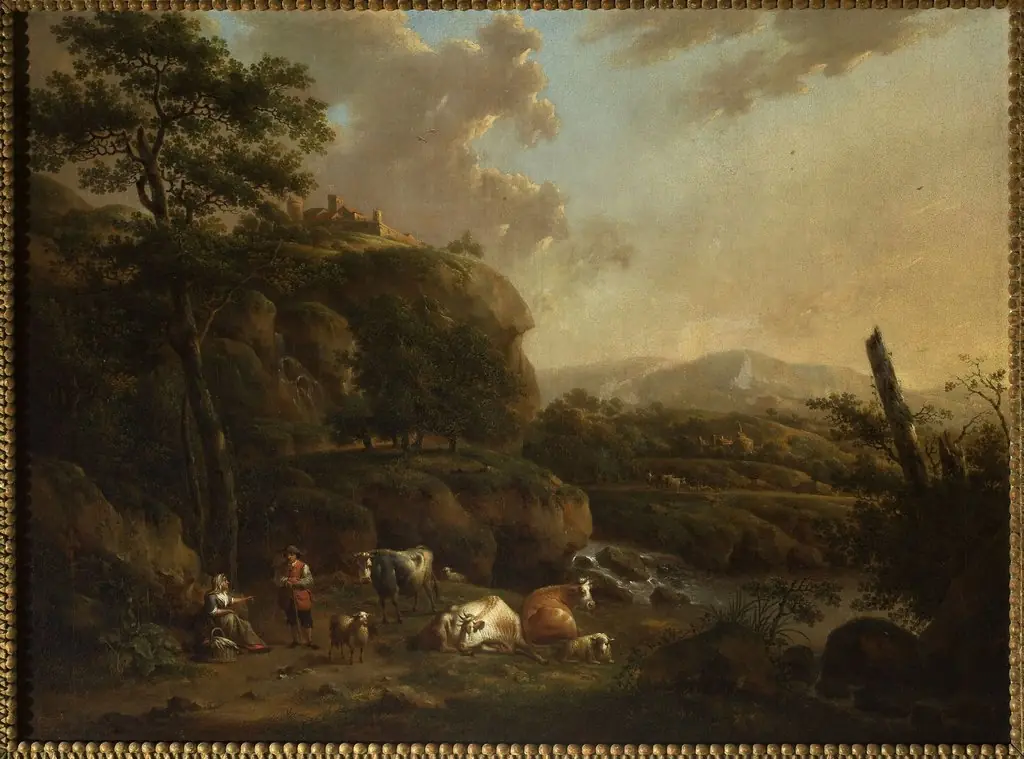 Mountain Landscape with Shepherds
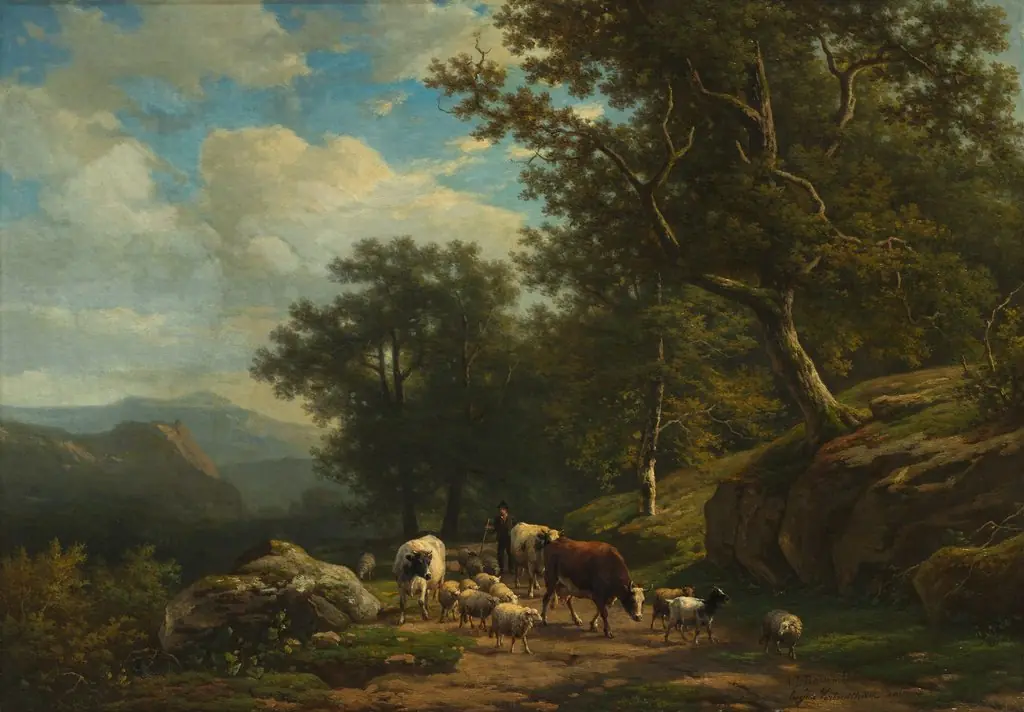 Landscape with a Peasant and His Flock
 Landscape with a Peasant and His Flock
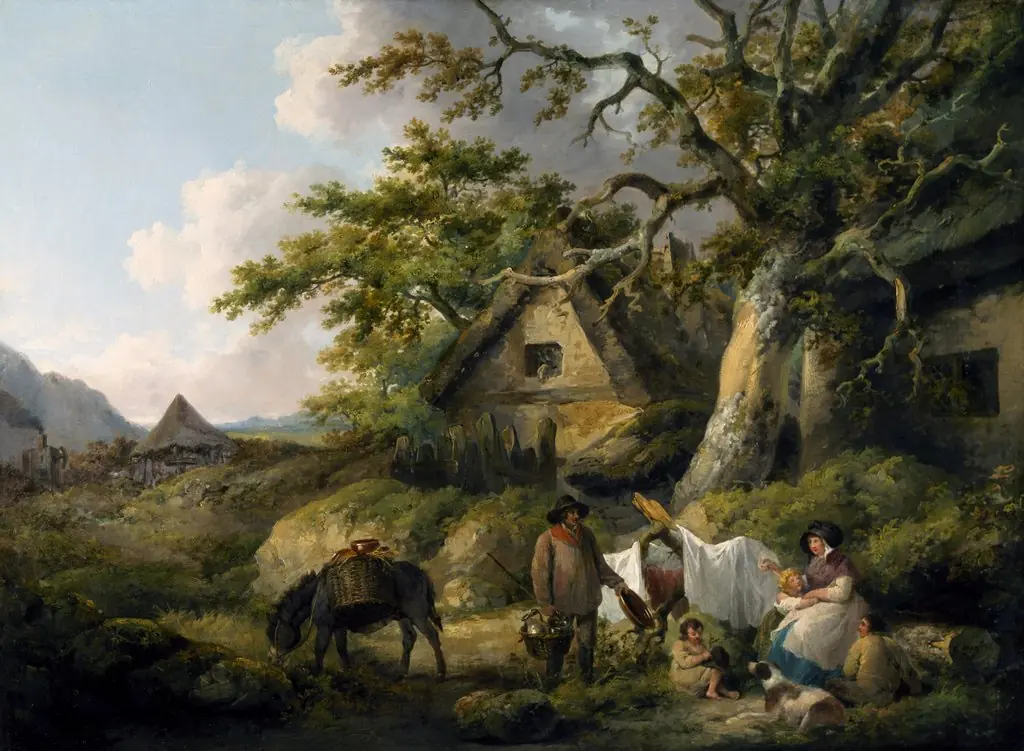 View at Enderby, Leicestershire
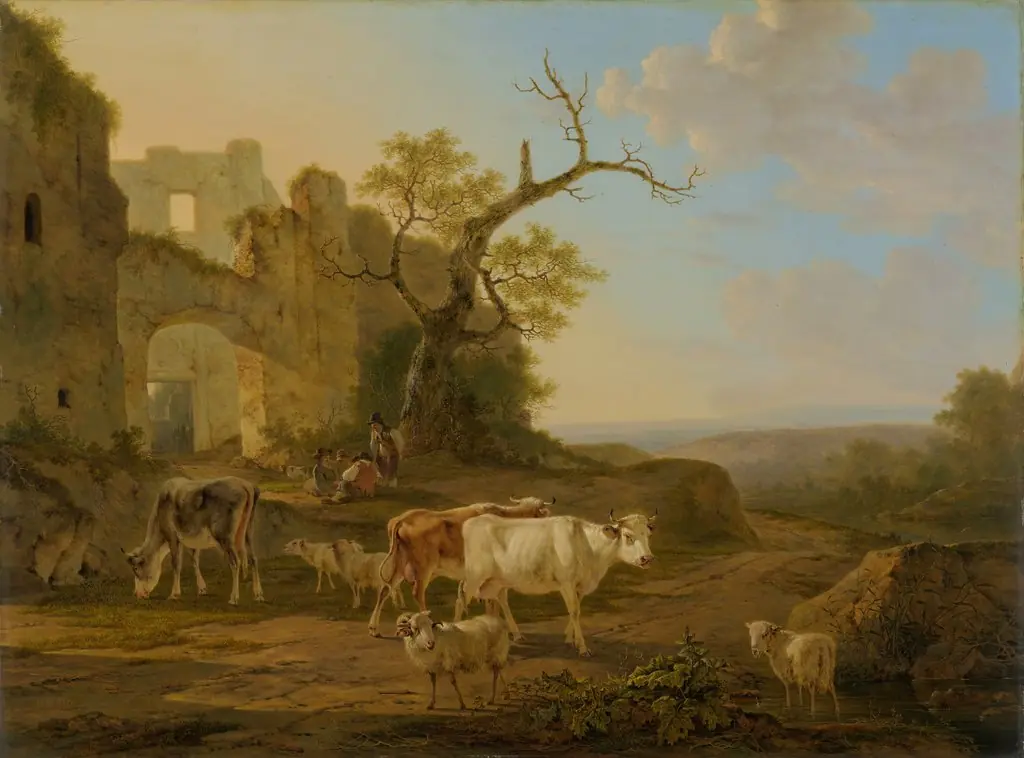 Landscape with Cows near a Ruin
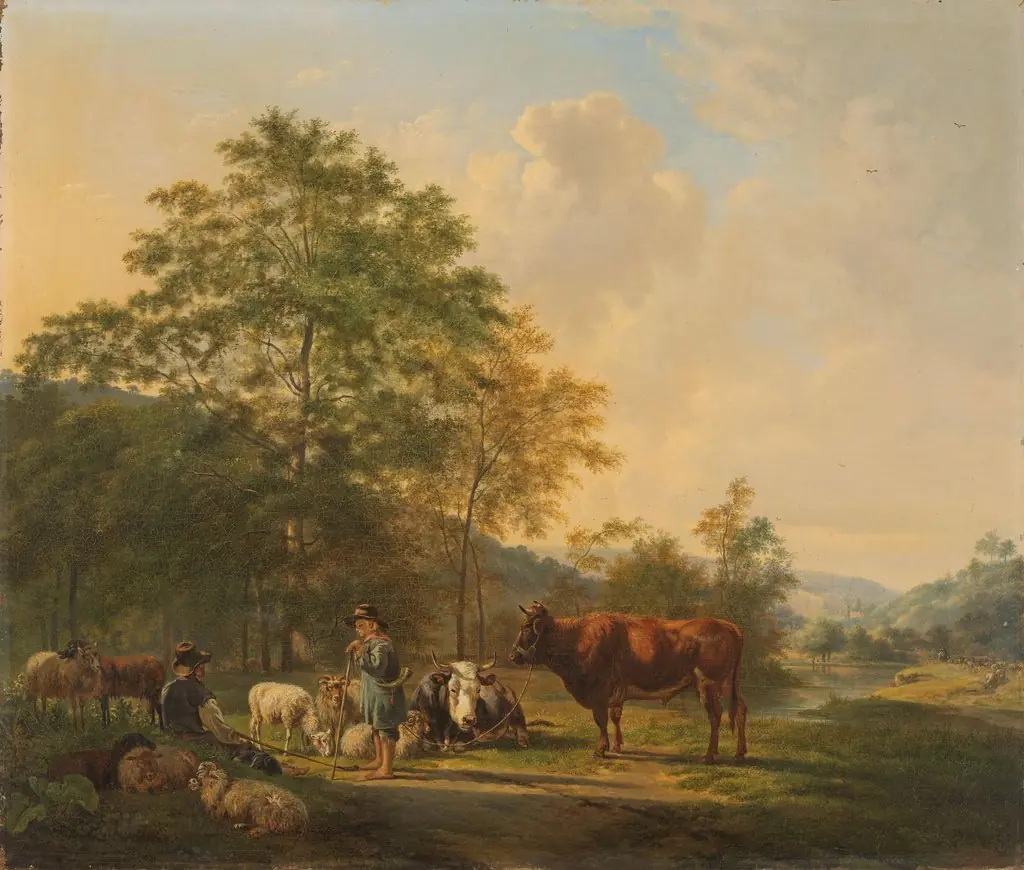 Hilly Landscape with Shepherd, Drover and Cattle
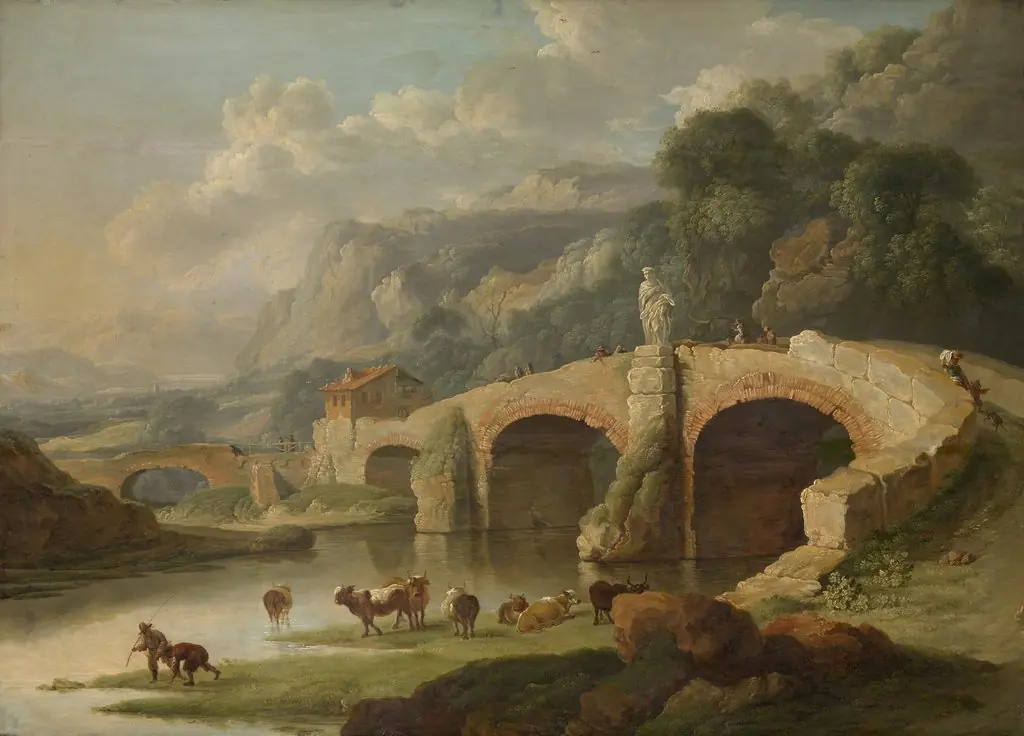 Italian Landscape
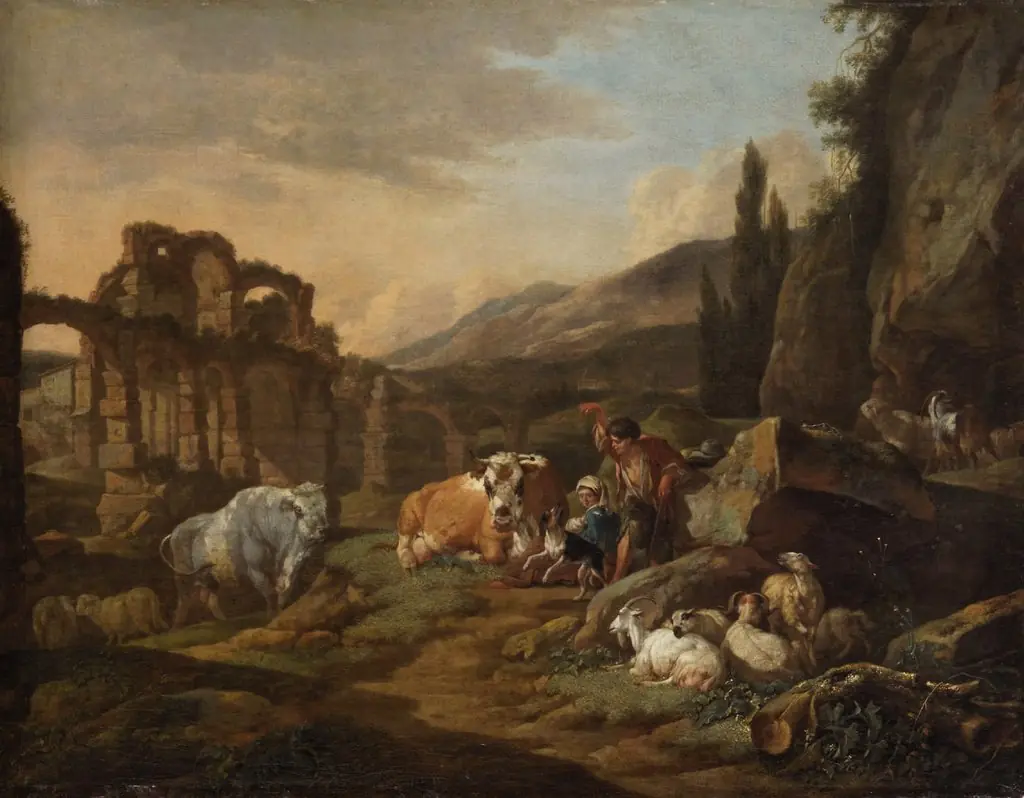 Landschaft mit Tieren
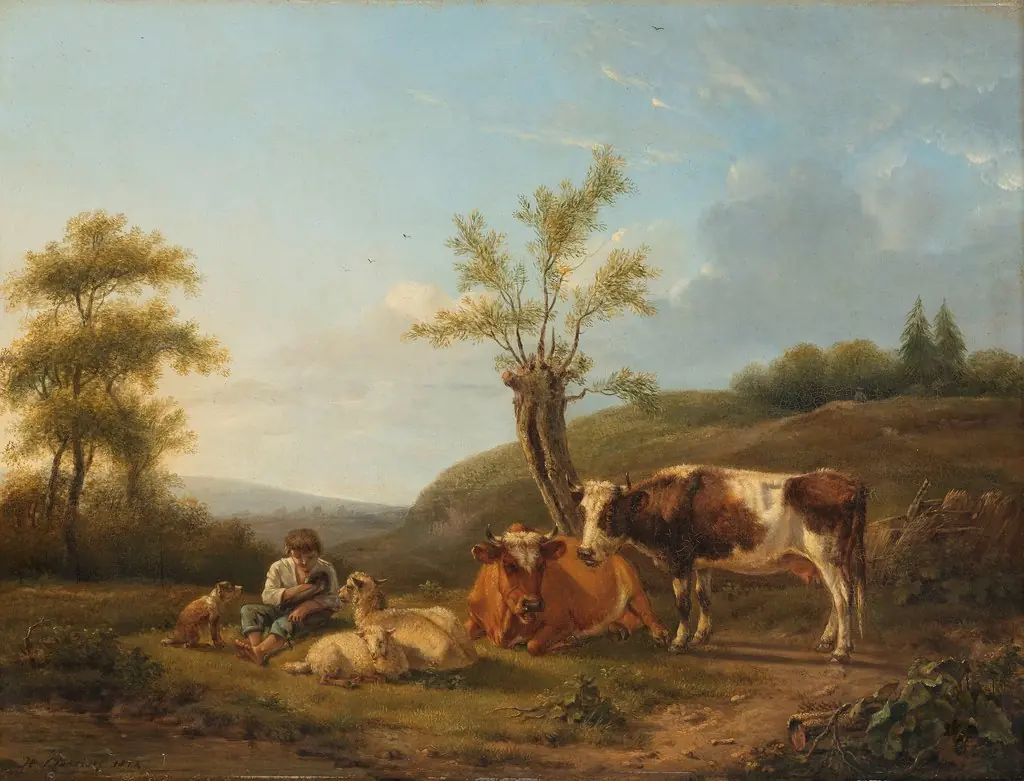 Landscape with Cattle near Darthuizen
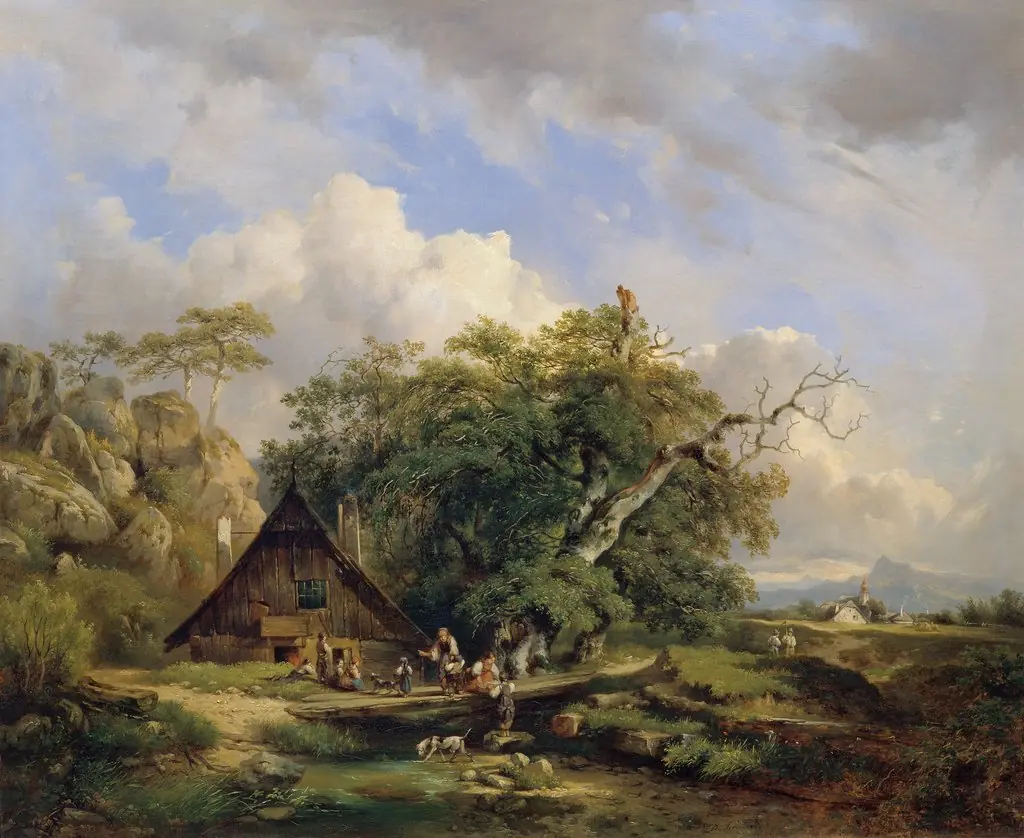 Landschaft bei Gutenstein
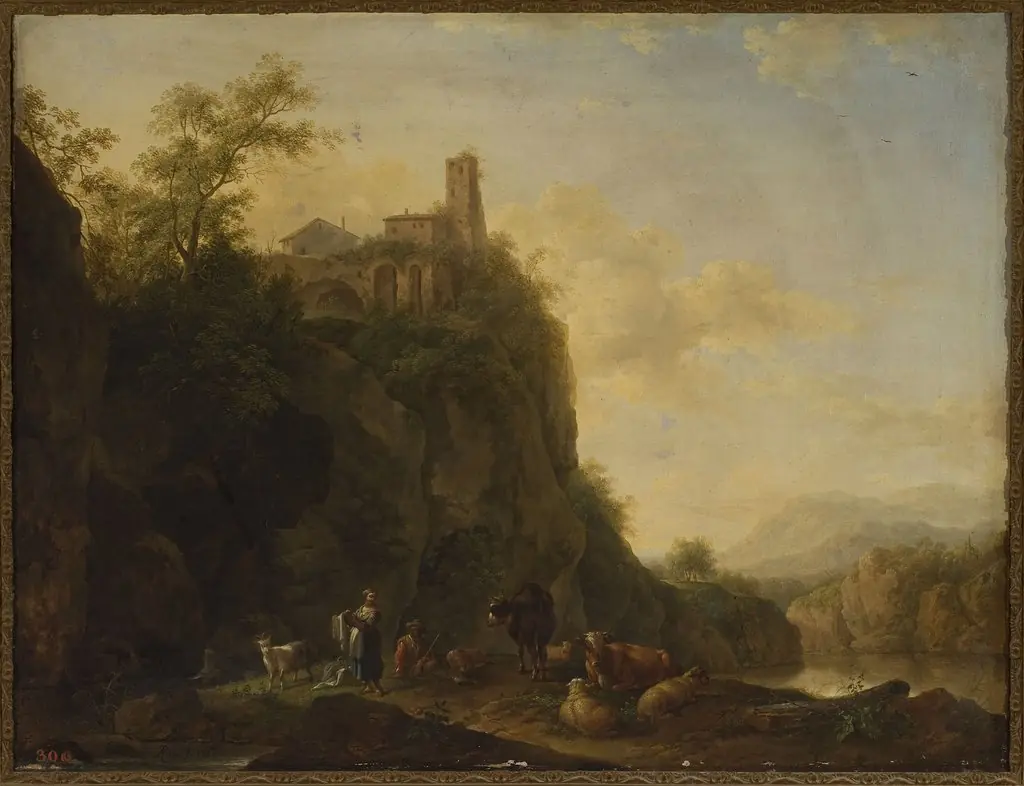 Mountain landscape with cattle