Artwork
Encampment of Gipsies
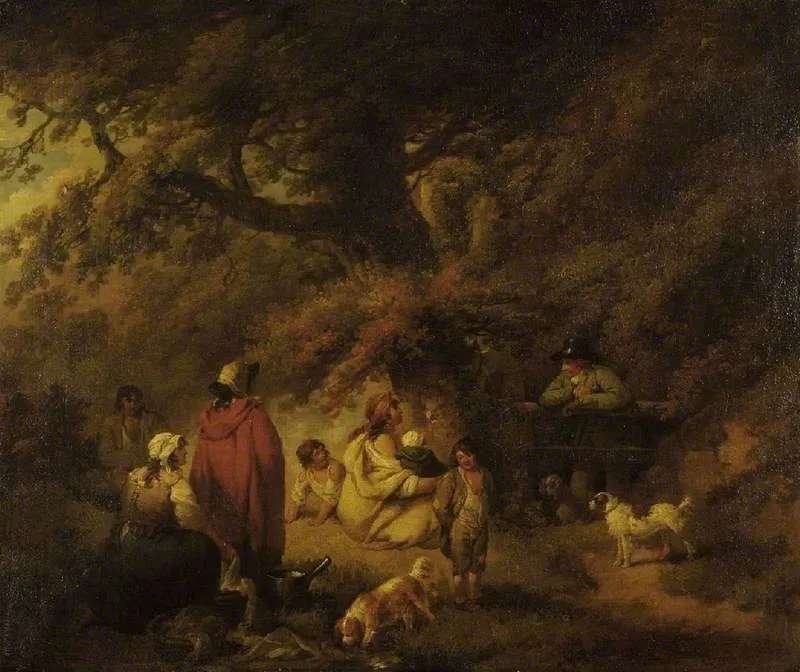
Encampment of Gipsies is an oil painting by George Morland. It dates from 1793 and is held in the collection of the Fitzwilliam Museum.
About this work
Overview
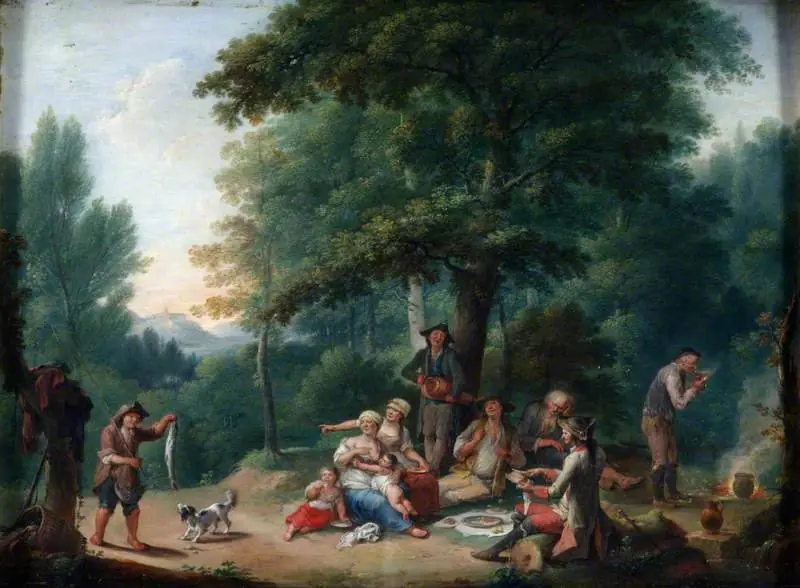
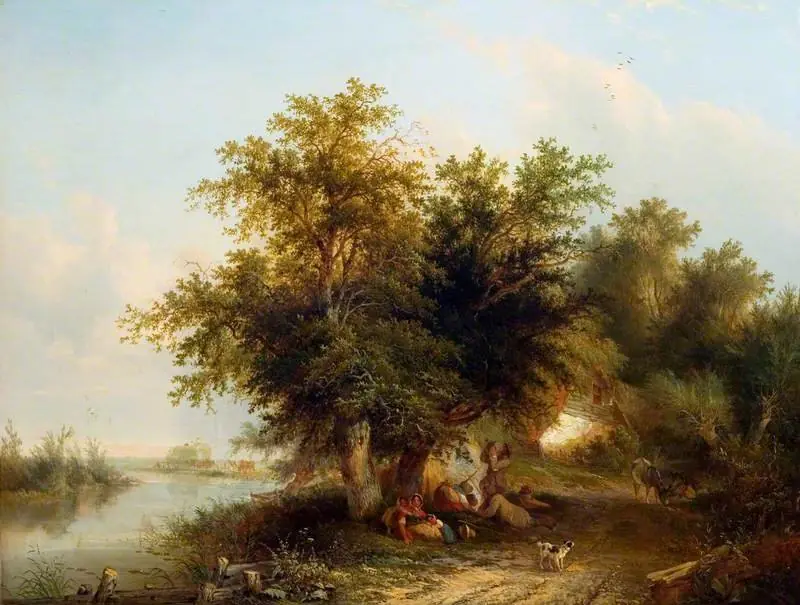
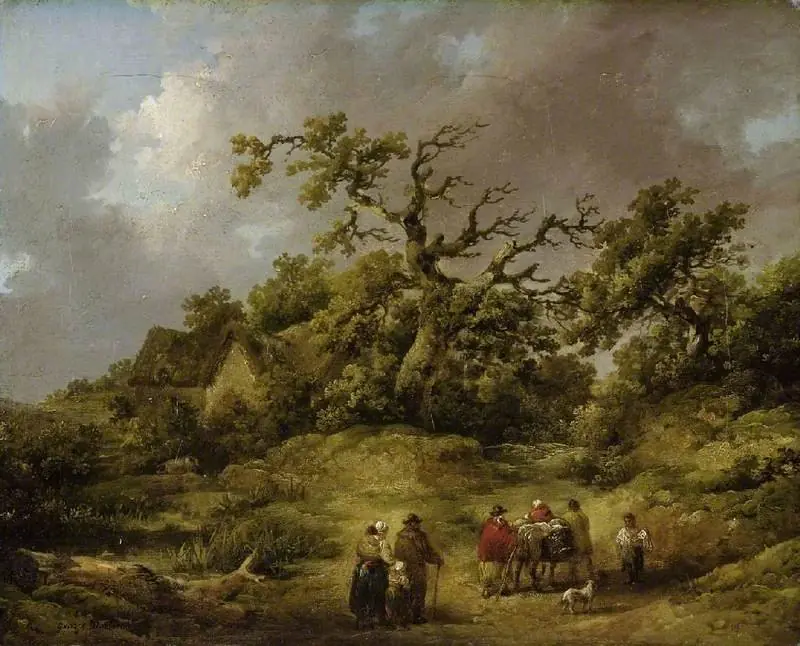
Encampment of Gipsies, painted around 1793 by George Morland, is an oil painting depicting a group of travelers gathered around a fire in a wooded area, characteristic of Morland's exploration of rural themes during the 1790s.
Subject & Meaning
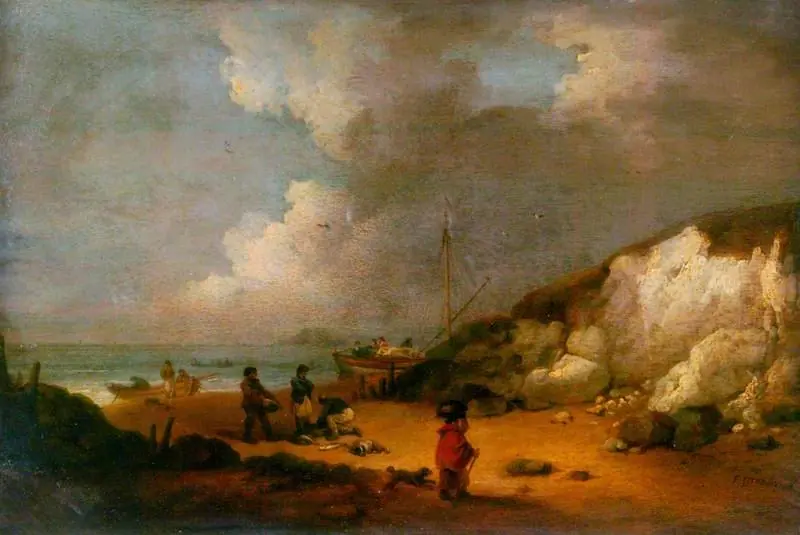
The painting portrays a rustic, makeshift camp with men, women, children, and dogs, emphasizing a sense of communal rural life. The subject reflects Morland's interest in capturing the lives of marginalized groups like gypsies and smugglers within natural settings.
Technique & Style
Morland employed warm, earthy tones and expressive, loose brushstrokes to render the foliage, while chiaroscuro techniques created depth and volume, particularly through the golden glow of the firelight on the figures.
History & Provenance
Part of the Fitzwilliam Museum's collection, this work exemplifies Morland's prolific output in the 1790s, a period before personal struggles impacted his productivity. Many of his works were designed for print reproduction.
Context
Morland's style in *Encampment of Gipsies* was influenced by Dutch Golden Age traditions, combined with his personal observations of rural and marginalized communities in his time.
Legacy
While the painting's direct legacy is not broadly highlighted in available information, it contributes to Morland's reputation for textured landscapes and genre scenes focusing on rural life and marginalized groups.
Artist & collection
Artist
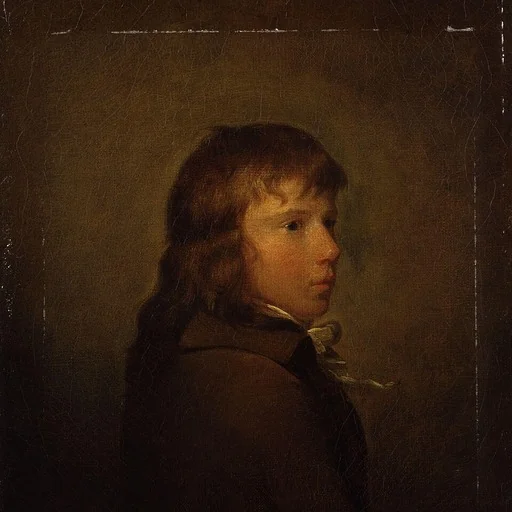
George Morland (26 June 1763 – 29 October 1804) was an English painter. His early work was influenced by Francis Wheatley, but after the 1790s he came into his own style. His best compositions focus on rustic scenes:…