Artwork
Trepanning a Recruit
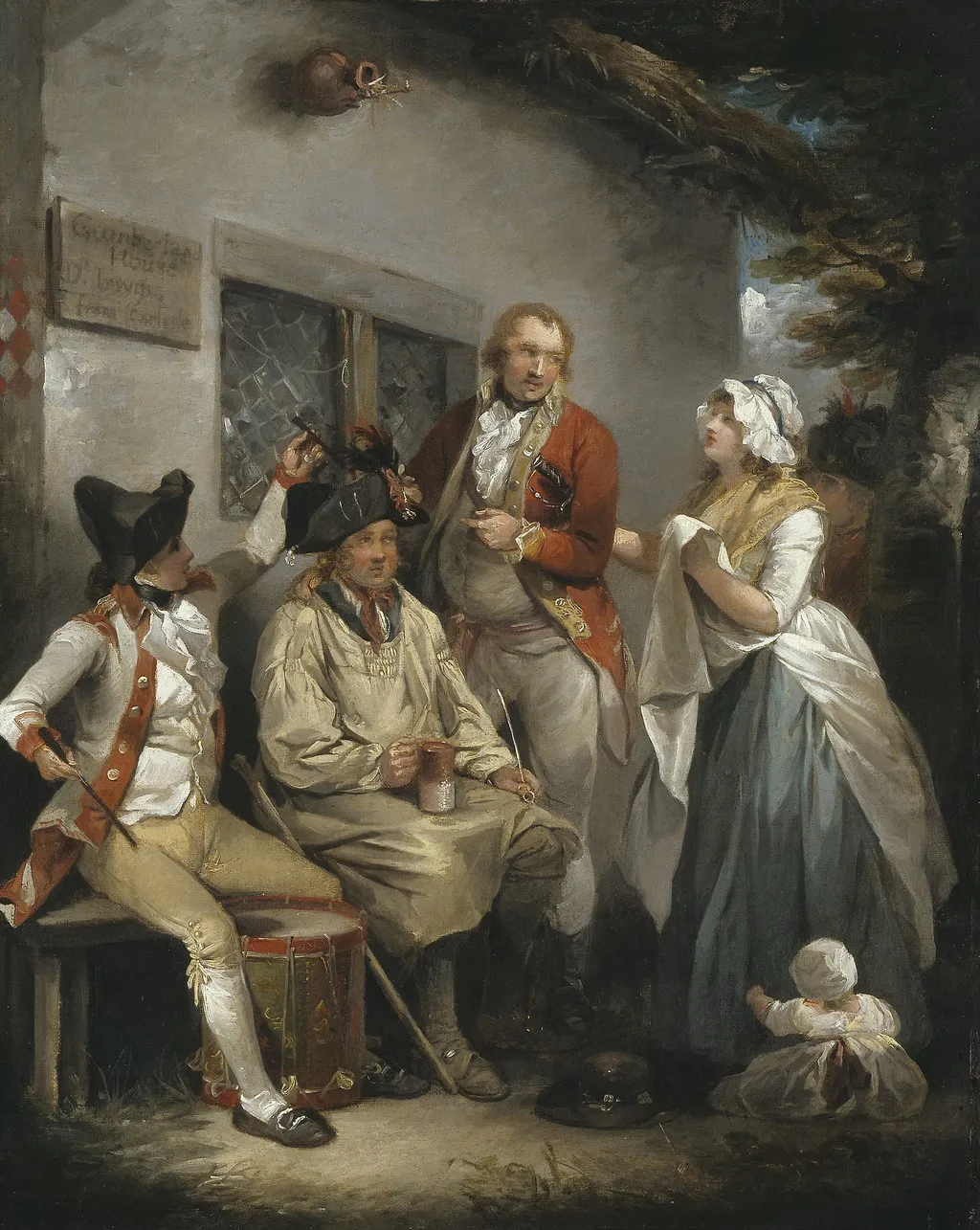
Trepanning a Recruit is an oil painting by George Morland. It dates from 1796 and is held in the collection of the Art Institute of Chicago.
About this work
Overview
Morland, known for rural and genre scenes, turned here to a moment of surgical intervention, capturing a grim yet ordinary aspect of 18th-century military life.
Painted in 1796 by George Morland, *Trepanning a Recruit* is an oil-on-canvas work depicting a medical procedure performed on a soldier. Morland, known for rural and genre scenes, turned here to a moment of surgical intervention, capturing a grim yet ordinary aspect of 18th-century military life. The painting reflects his interest in human behavior under stress, rendered with careful observation rather than idealization.
Subject & Meaning
The scene shows a recruit undergoing trepanning—a practice of drilling into the skull to relieve pressure or treat ailments—surrounded by fellow soldiers and onlookers. The procedure, though outdated by modern standards, was still occasionally used in military medicine. The group’s tense stillness suggests resignation rather than curiosity, underscoring the brutality and inevitability of wartime care.
Technique & Style
Morland employs muted earth tones and subtle chiaroscuro to ground the scene in realism. His brushwork is precise in rendering textures—wool uniforms, leather straps, and wooden tools—while avoiding theatricality. The composition directs attention to the surgeon’s hands and the recruit’s pale face, using light to isolate the moment of intervention without melodrama.
History & Provenance
Created during a period of personal hardship for Morland, the painting was likely produced for reproduction as a print, a common practice to supplement income. It entered the Art Institute of Chicago’s collection in the 20th century, where it remains as part of their holdings of British genre painting. Its survival reflects its status as a documented example of medical practice in the era.
Context
In late 18th-century Britain, military recruitment often targeted the poor, and medical care for soldiers was rudimentary. Trepanning, though declining in medical favor, persisted in field hospitals. Morland’s choice to depict this moment aligns with broader public interest in the lives of common soldiers, contrasting romanticized war imagery with unvarnished reality.
Legacy
Though Morland’s reputation waned after his death, *Trepanning a Recruit* endures as a rare visual record of pre-modern military medicine. It contributes to scholarly understanding of how artists documented everyday suffering, offering a counterpoint to heroic narratives of the period. The painting remains a quiet but significant artifact of social history.
Own this work as a print
Artist & collection
Artist
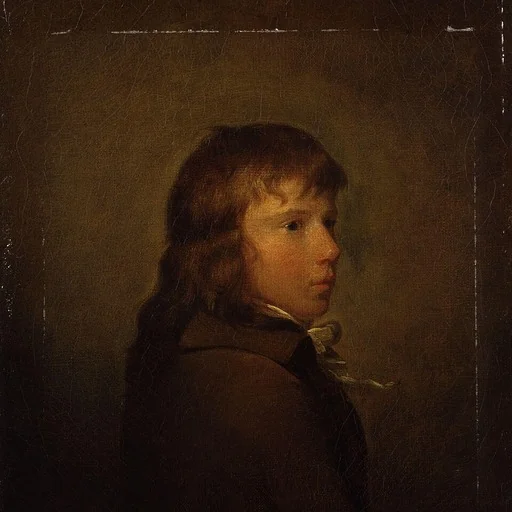
George Morland (26 June 1763 – 29 October 1804) was an English painter. His early work was influenced by Francis Wheatley, but after the 1790s he came into his own style. His best compositions focus on rustic scenes:…

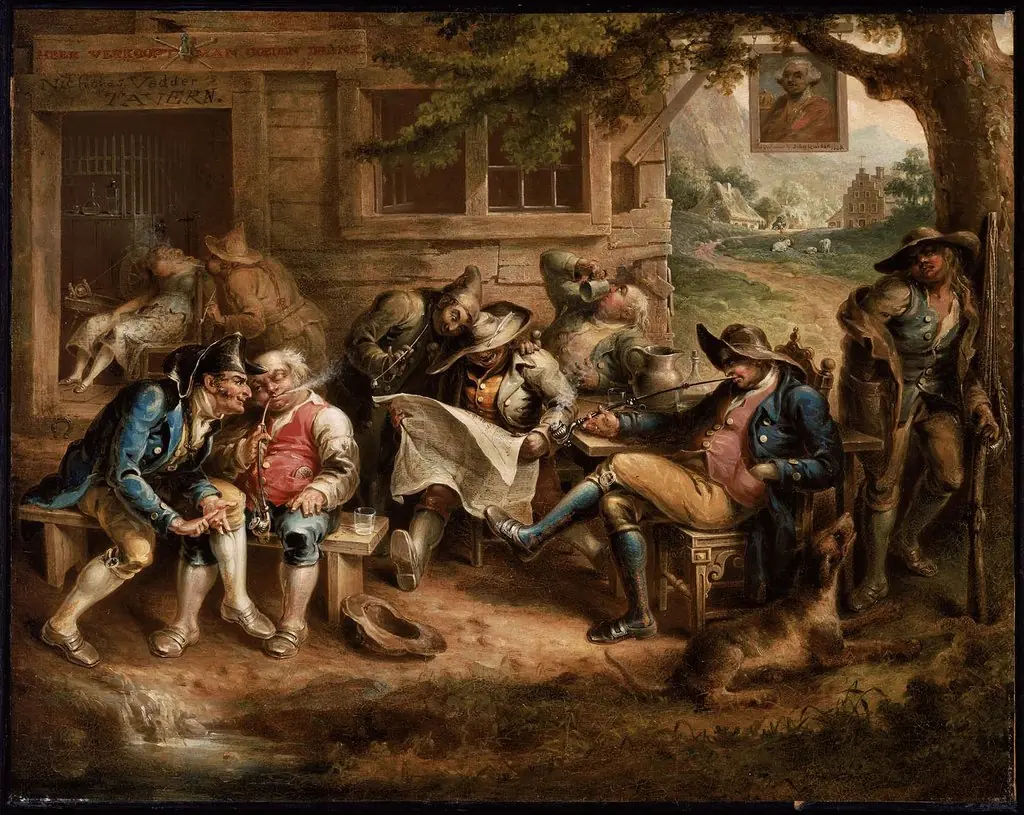 Rip Van Winkle and His Companions at the Inn Door of Nicholas Vedder
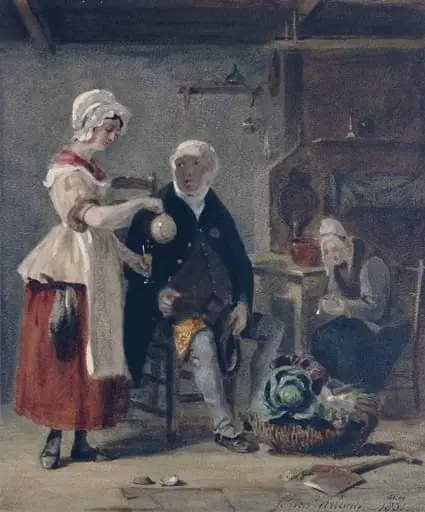 Rustic interior: figures of an old man and woman and a girl
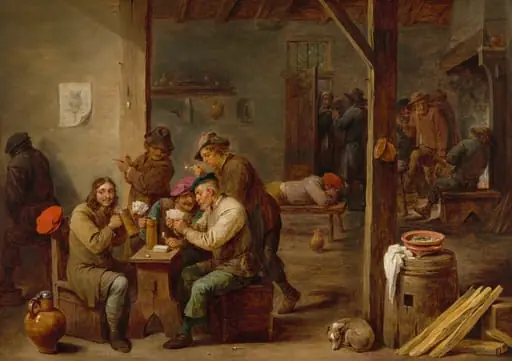 Tavern Scene
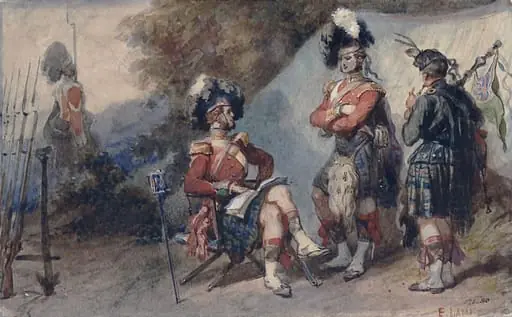 Officers at Cobham Camp, 1854
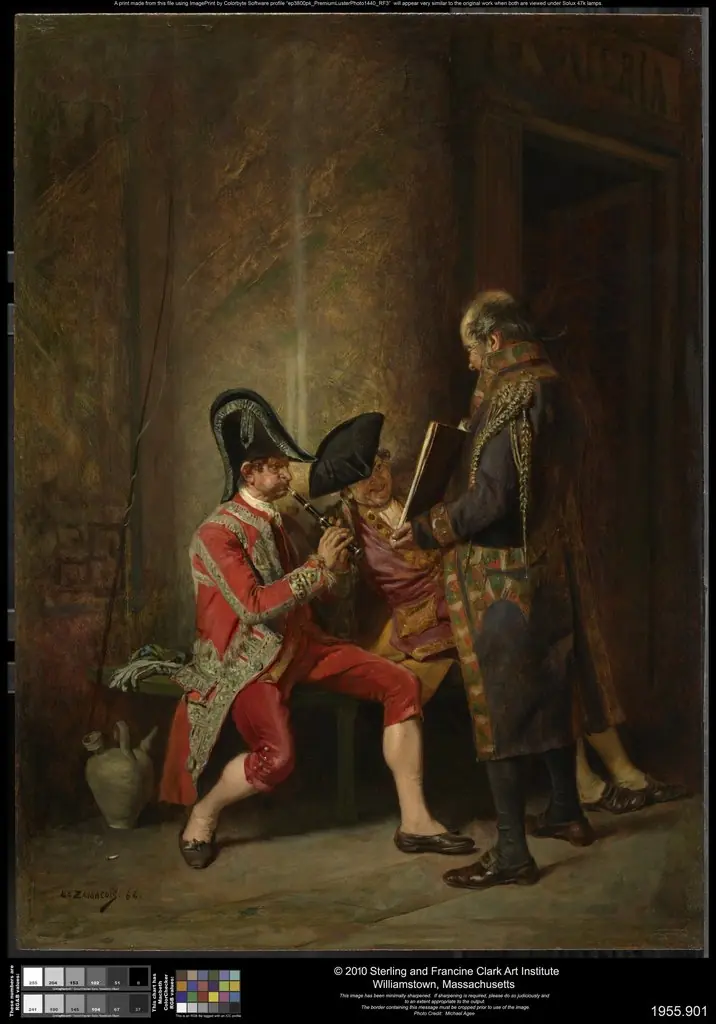 The Musicians (Music in an Antechamber)
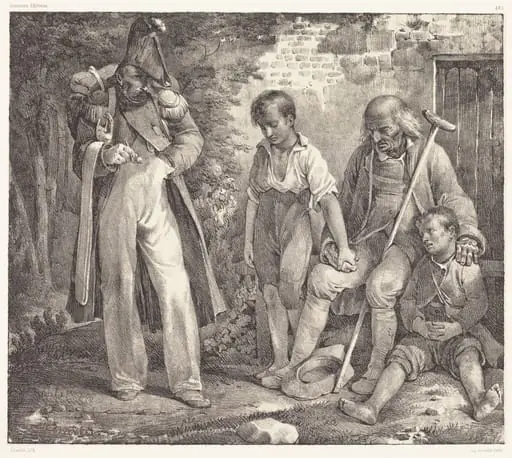 L'Aumône
 Kæresten præsenteres
 Kæresten præsenteres
 The Farewell of the Country Soldier
 The Foundling
 The Shepherdess of the Alps
 The Parting: A Recruit Taking Leave of His Family