Artwork
Mrs. Samuel Howitt (née Elizabeth Rowlandson)
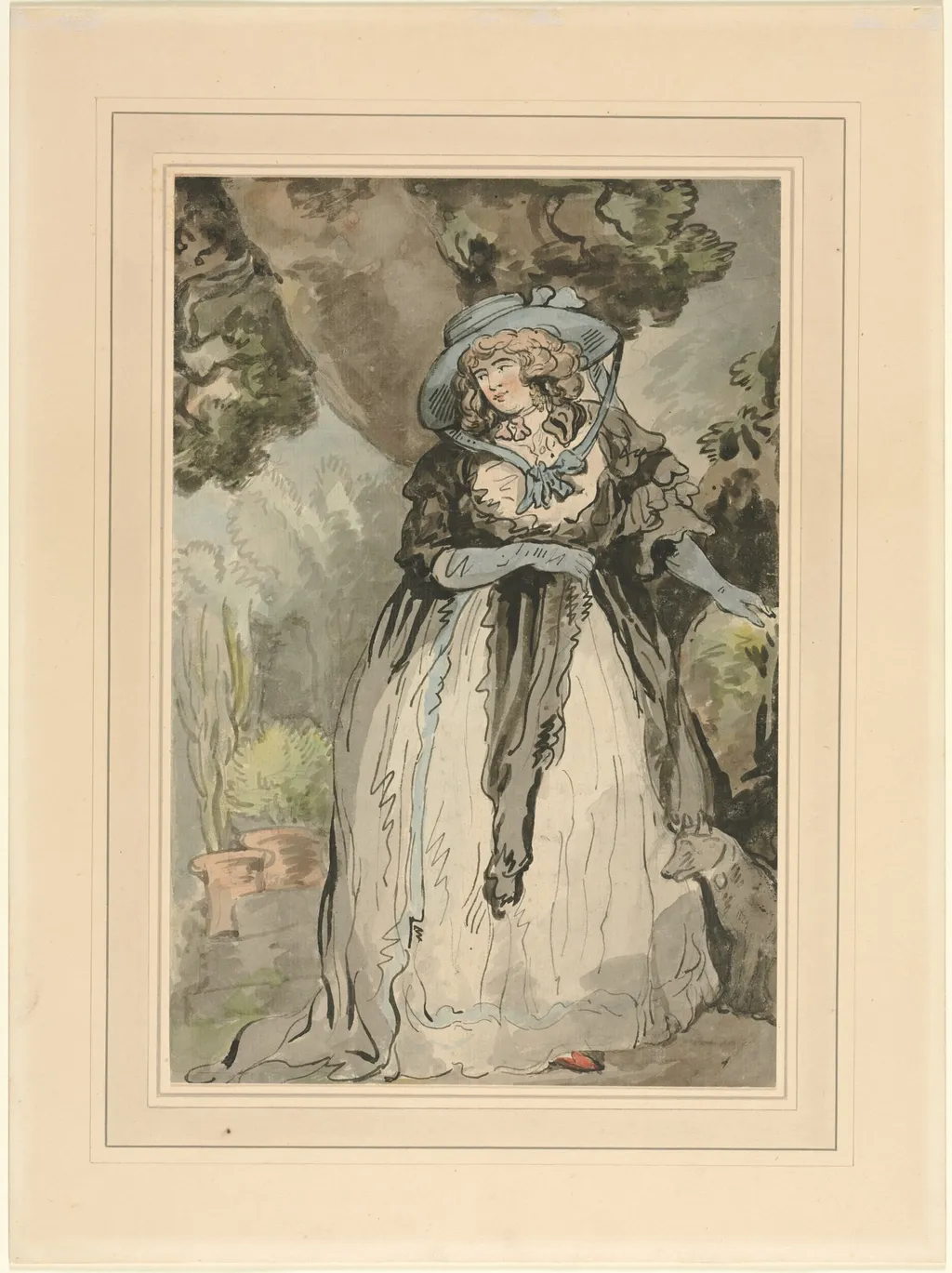
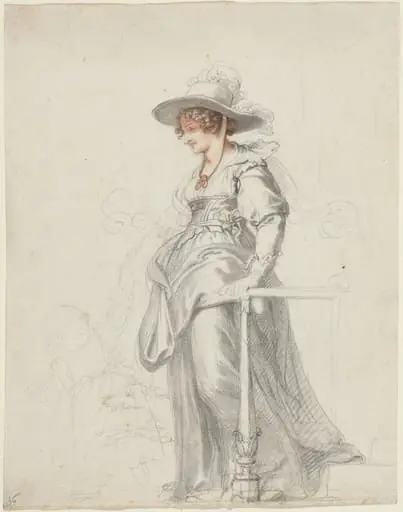
Mrs. Samuel Howitt (née Elizabeth Rowlandson) is a drawing by the Romanticist artist George Moutard Woodward. It dates from 1782 and is held in the collection of the Cleveland Museum of Art. This ink and watercolor drawing, dated around 1782, depicts Mrs.
About this work
Overview
Executed by George Murgatroyd Woodward, a figure associated with London’s satirical print culture, the work blends portraiture with informal sketching.
This ink and watercolor drawing, dated around 1782, depicts Mrs. Samuel Howitt, formerly Elizabeth Rowlandson, in a casual outdoor setting. Executed by George Murgatroyd Woodward, a figure associated with London’s satirical print culture, the work blends portraiture with informal sketching. Its loose brushwork and subdued palette distinguish it from formal academic portraits, aligning it with the era’s growing interest in spontaneous, intimate depictions of daily life.
Subject & Meaning
The sitter, Elizabeth Rowlandson, was connected through marriage to the artist Thomas Rowlandson, placing her within a network of artists and satirists. Her posture—walking a small dog while clasping her hands—suggests a moment of quiet composure amid leisure. The scene avoids overt satire, instead conveying a sense of domestic ease. Her presence reflects the social visibility of women in artistic circles, even if their roles were often mediated through familial ties.
Technique & Style
Woodward employed rapid, fluid lines to capture movement and form, particularly in the dog’s stride and the drapery of the dress. The landscape background is rendered in translucent watercolor washes of soft blue and green, suggesting depth without detail. The muted tones and sketch-like quality emphasize immediacy over finish, aligning with the aesthetic of informal portraiture favored among printmakers who valued spontaneity over polish.
History & Provenance
Created during Woodward’s active years in London’s print trade, the drawing likely originated as a personal or commissioned study rather than a public print. Its survival suggests it was kept within the artist’s circle or the Rowlandson family. No documented exhibition or sale history is known prior to its modern acquisition, but its connection to known figures of the period anchors it in the documented artistic milieu of the 1780s.
Context
In late 18th-century England, portraiture increasingly embraced informal subjects and sketch-like execution, especially among artists involved in printmaking. Woodward’s work reflects this shift, paralleling trends seen in the drawings of contemporaries like William Hogarth and later Romantic sketchers. The blending of personal life with artistic practice was common among London’s interconnected circles of writers, caricaturists, and illustrators.
Legacy
Though not widely reproduced, the drawing exemplifies a quiet but significant strand of British visual culture that valued observation over grandeur. It contributes to understanding how portraiture evolved beyond aristocratic commissions into more personal, everyday representations. Its modest scale and intimate tone anticipate later 19th-century interests in candid moments, influencing how artists approached private life in their work.
Artist & collection
Artist
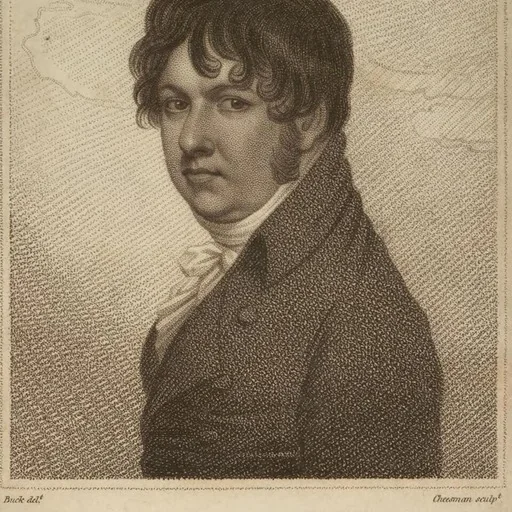
George Murgatroyd Woodward (1765–1809), more commonly known as George 'Moutard' ("Mustard") Woodward, was an English caricaturist and humour writer. He was a friend and drinking companion of Thomas Rowlandson.

 A Young English Beauty
 Anne Ward Morland
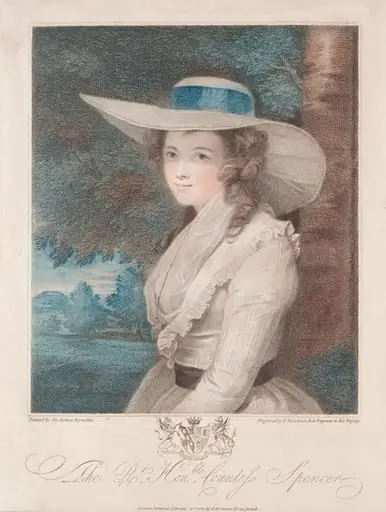 Countess Spencer
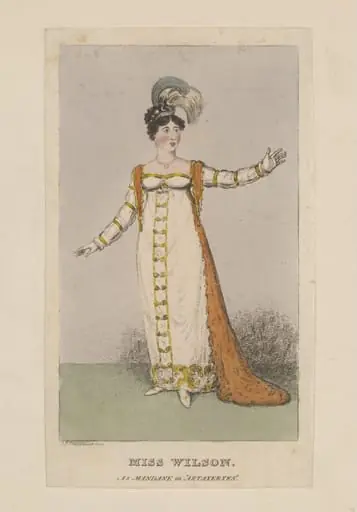 H Beard Print Collection
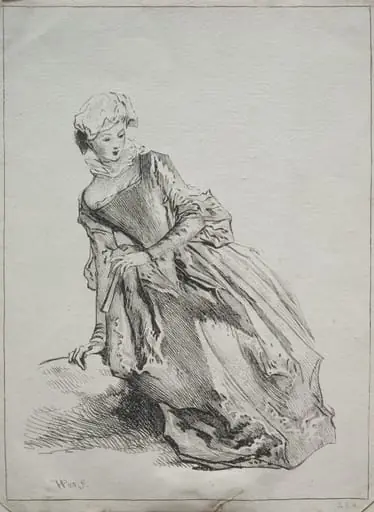 Woman Seated
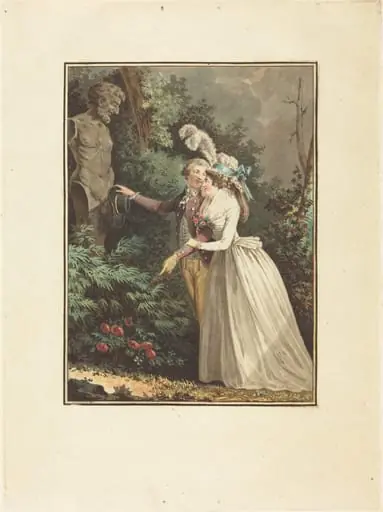 Ah! Laisse-moi donc voir
 Maria Cosway with Her Daughter Louisa
 La statue du dieu Pan (Statue of the God Pan)
 Anne Ward Morland (Delia in Town)
 November
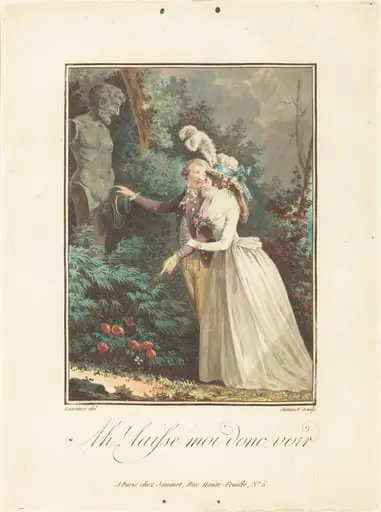 Ah! Laisse-moi donc voir
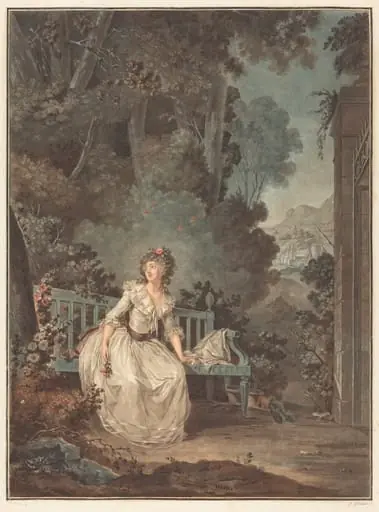 Nina, ou La Folle par amour (Nina, or The Woman Maddened by Love)