Artwork
Portrait of Mrs. Jonathan Russell (Lydia Smith, 1786–1859)
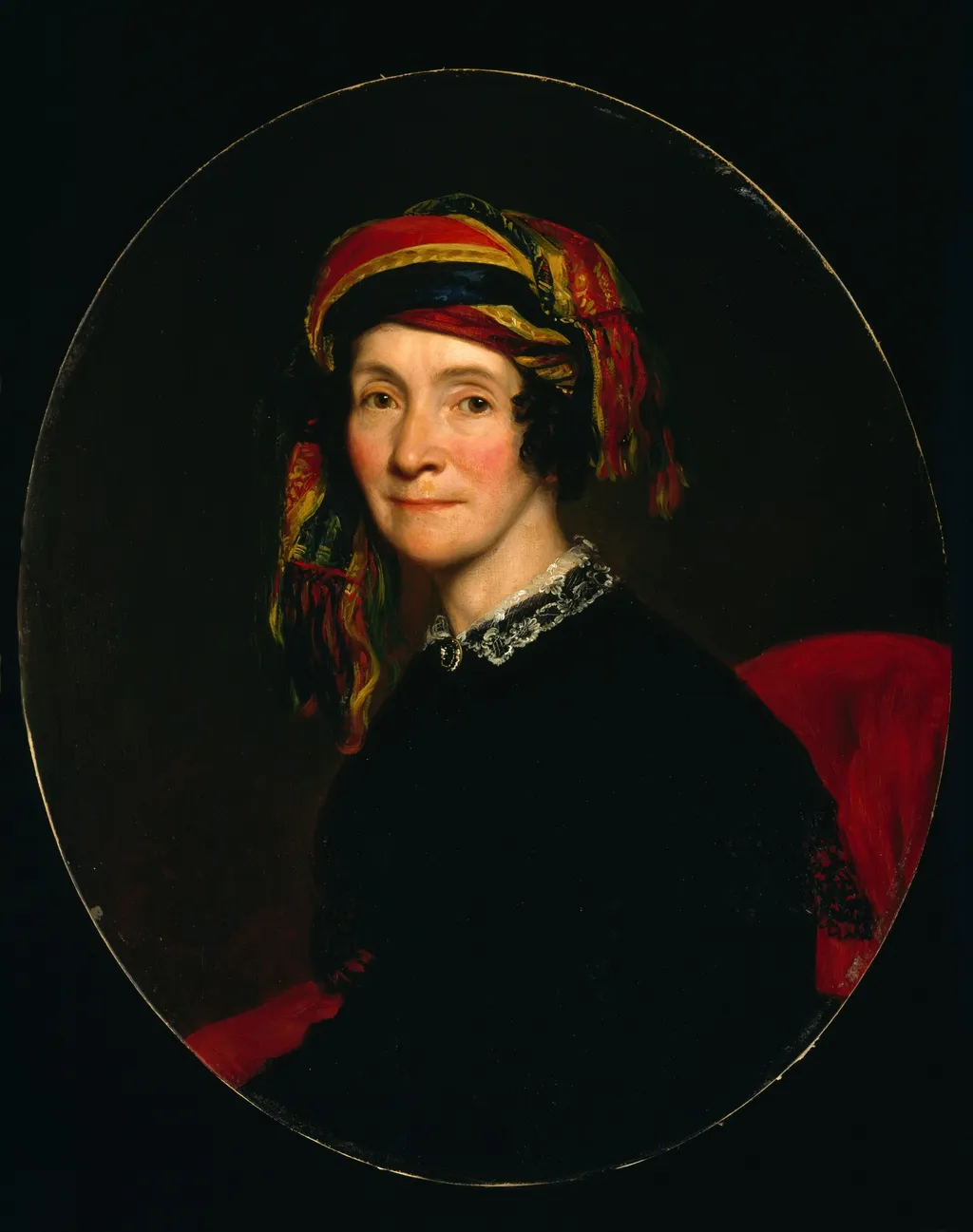
Portrait of Mrs. Jonathan Russell (Lydia Smith, 1786–1859) is an oil painting by the American Impressionist artist George P. A. Healy. It dates from 1910 and is held in the collection of the Museum of Fine Arts, Houston. George Peter Alexander Healy painted the portrait of Lydia Smith Russell around 1910, decades after her death in 1859.
About this work
Overview
George Peter Alexander Healy painted the portrait of Lydia Smith Russell around 1910, decades after her death in 1859.
George Peter Alexander Healy painted the portrait of Lydia Smith Russell around 1910, decades after her death in 1859. Though Healy trained in Europe and maintained studios in Paris and Chicago, this work was produced late in his career. The painting resides in the Museum of Fine Arts, Houston, and reflects his continued engagement with portraiture despite shifting artistic trends of the early 20th century.
Subject & Meaning
Lydia Smith Russell, born in 1786, was the wife of Jonathan Russell, a diplomat and politician. The portrait captures her in middle age, though painted posthumously. Her composed demeanor and restrained attire suggest dignity and quiet resilience. The absence of overt symbolism or narrative context invites contemplation of her private identity rather than her public associations.
Technique & Style
Healy employed chiaroscuro to model the sitter’s form against a deep, muted background, enhancing volume and spatial presence. The contrast between the black dress, red sleeves, and lace collar adds subtle chromatic tension. The dark, indistinct setting focuses attention on her face and upper torso, while the slightly averted gaze and neutral expression convey introspection rather than theatricality.
History & Provenance
The portrait was completed approximately 50 years after Lydia Russell’s death, likely commissioned by family or an institution seeking to preserve her likeness. Healy, known for portraits of prominent Americans, may have used earlier sketches or photographs as references. It entered the Museum of Fine Arts, Houston’s collection through documented acquisition, though specific provenance details prior to that are not widely recorded.
Context
By 1910, American art had moved toward Impressionism and modernism, yet Healy remained committed to traditional portraiture. His decision to paint a deceased subject reflects a lingering 19th-century practice of memorializing figures through commissioned likenesses. The work stands apart from contemporary trends, emphasizing continuity with academic conventions over innovation.
Legacy
Though not among Healy’s most celebrated works, the portrait exemplifies his technical consistency and dedication to capturing individual presence. It contributes to the historical record of American women of the early republic, preserving their visual representation beyond written accounts. Its quiet intensity continues to resonate in collections focused on 19th-century American identity.
Artist & collection
Artist
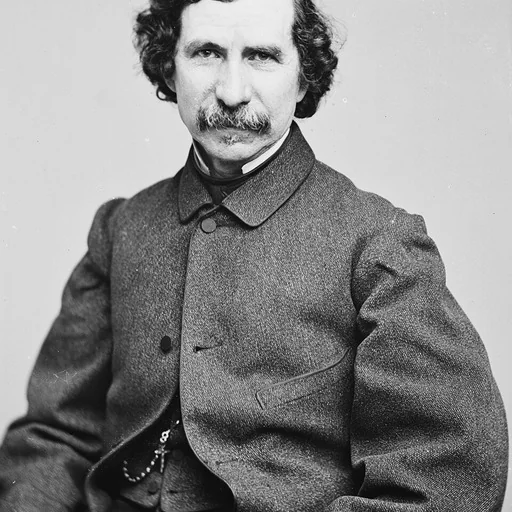
George Peter Alexander Healy (July 15, 1813 – June 24, 1894) was an American portrait painter.


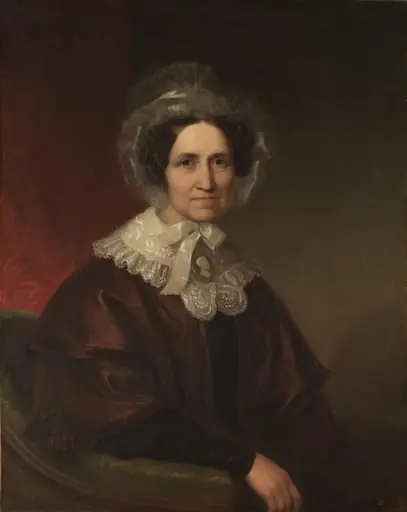 Sarah Eliot Scoville
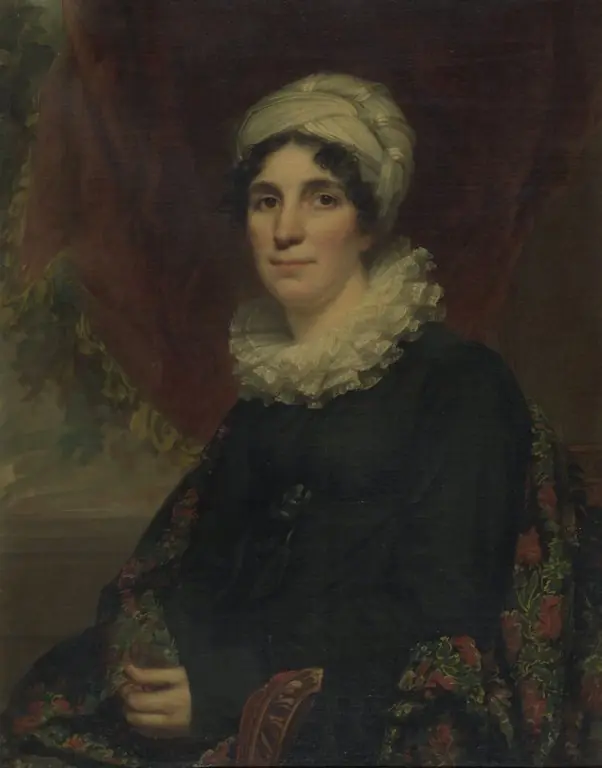 Mrs. James K. Bogert, Jr.
![Mrs. Pearson [possibly Sarah Thompson Pearson], by Pieter Christoffel Wonder](https://artifactworldgallery.com/img/pieter-christoffel-wonder--mrs-pearson-possibly-sarah-thompson-pearson--0006ffde77661f8c-w320.webp) Mrs. Pearson [possibly Sarah Thompson Pearson]
Mrs. Pearson [possibly Sarah Thompson Pearson]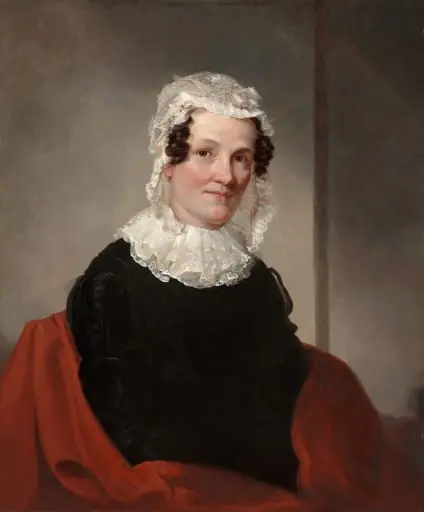 Lydia Coit Terry (Mrs. Eliphalet Terry)
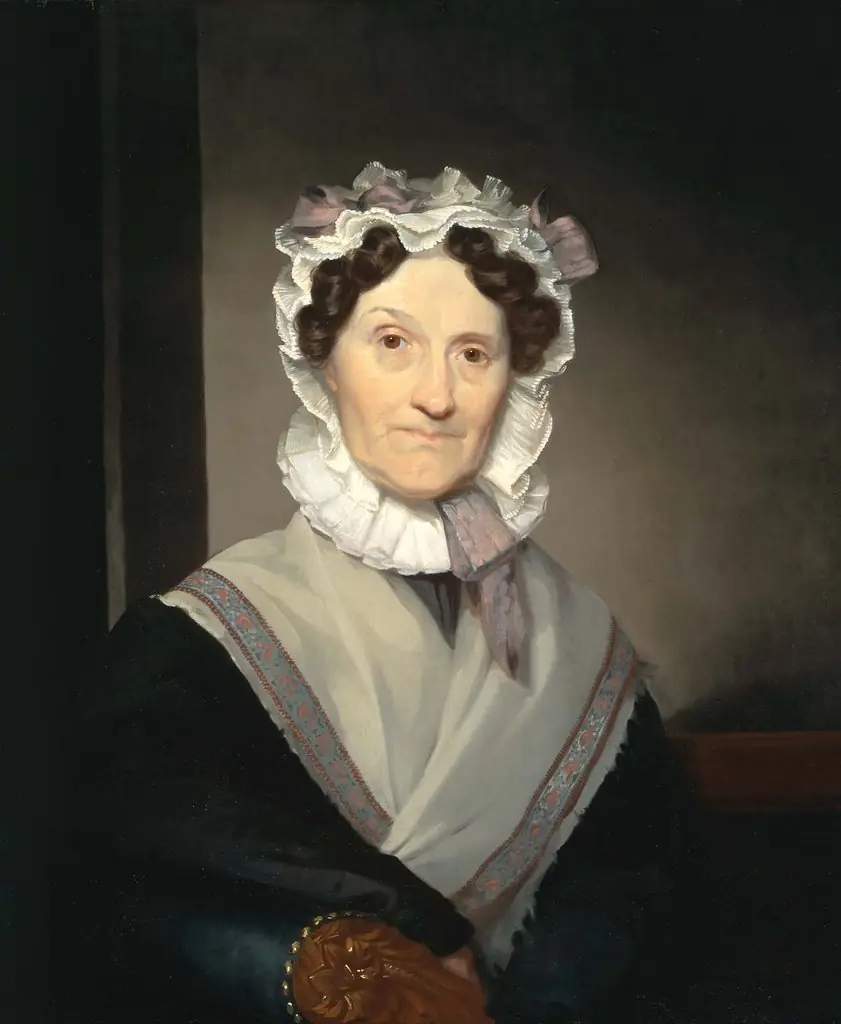 Mrs. Thomas Fuller (Mary Fuller)
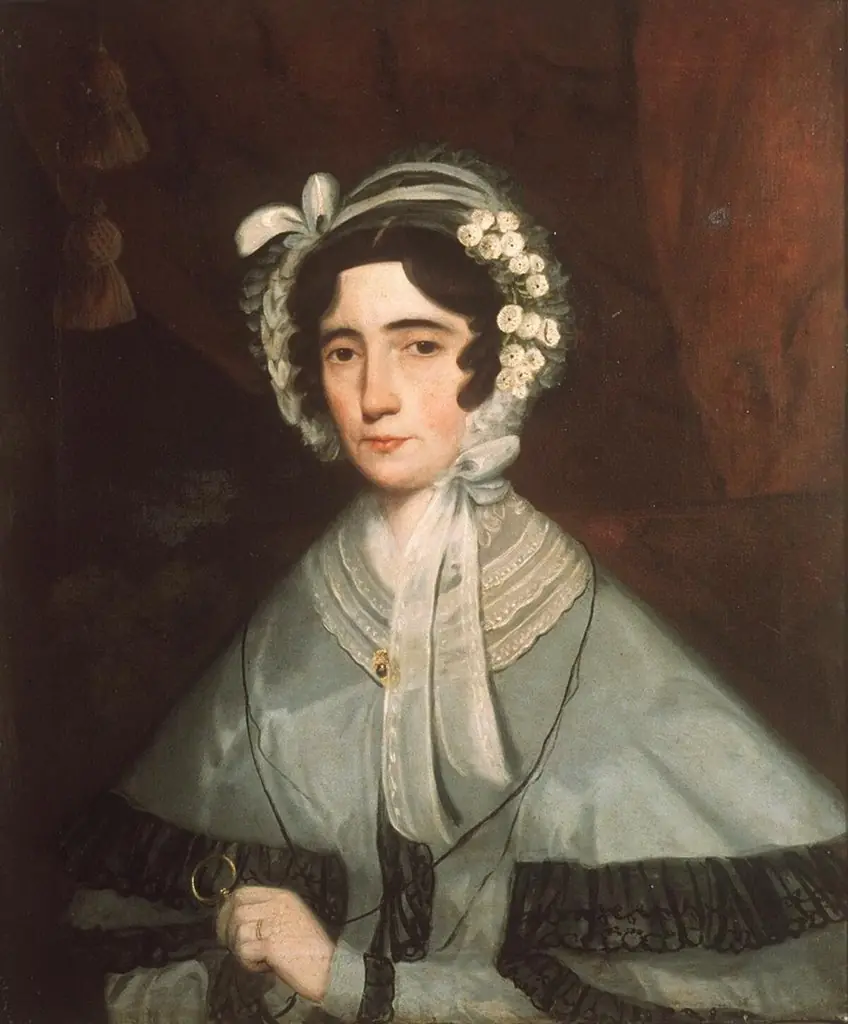 Mrs. Owen, Penymynydd
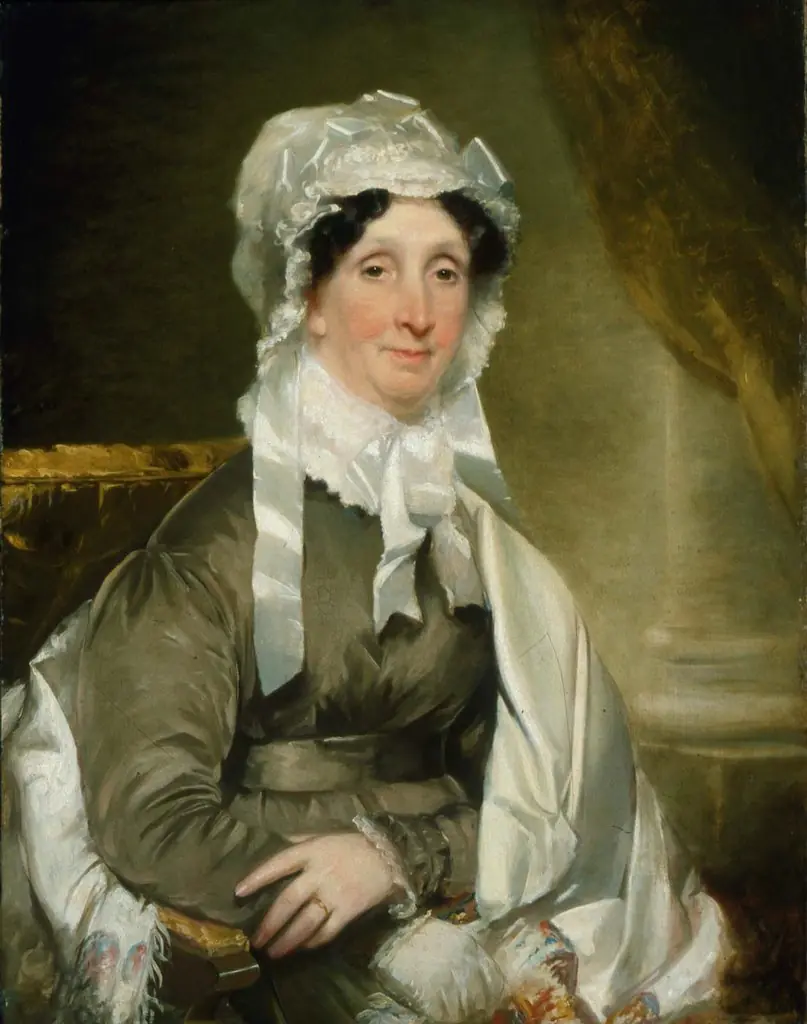 Mrs. Edward Hutchinson Robbins (Elizabeth Murray)
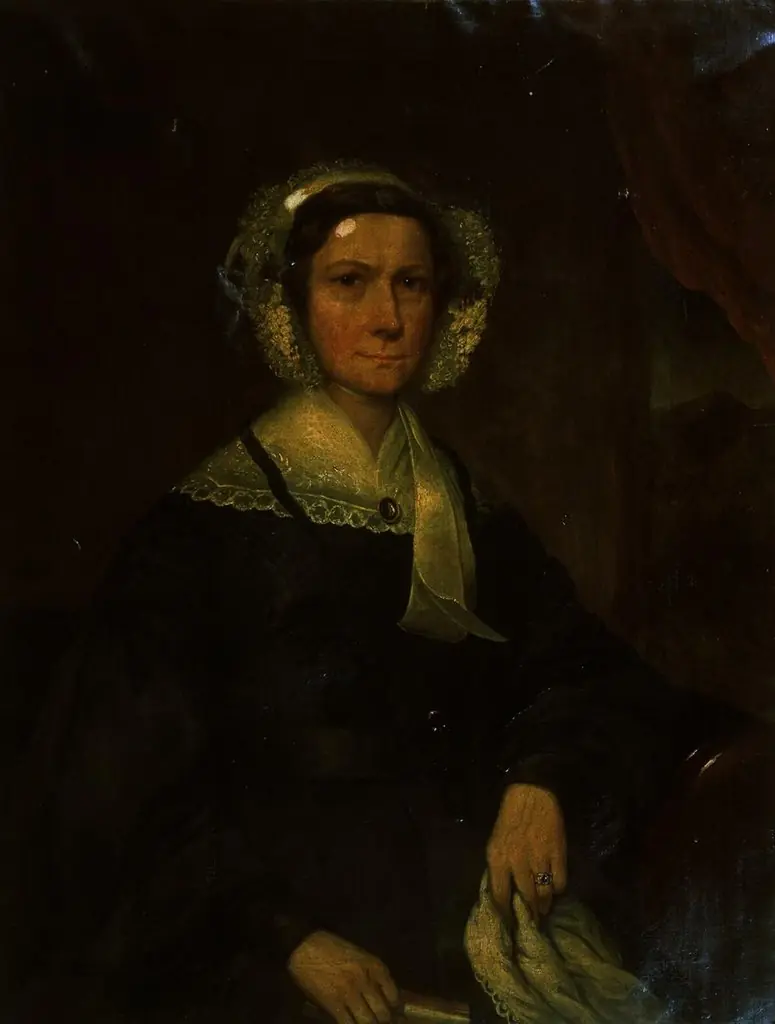 Mrs John Jones, Castle St, Liverpool
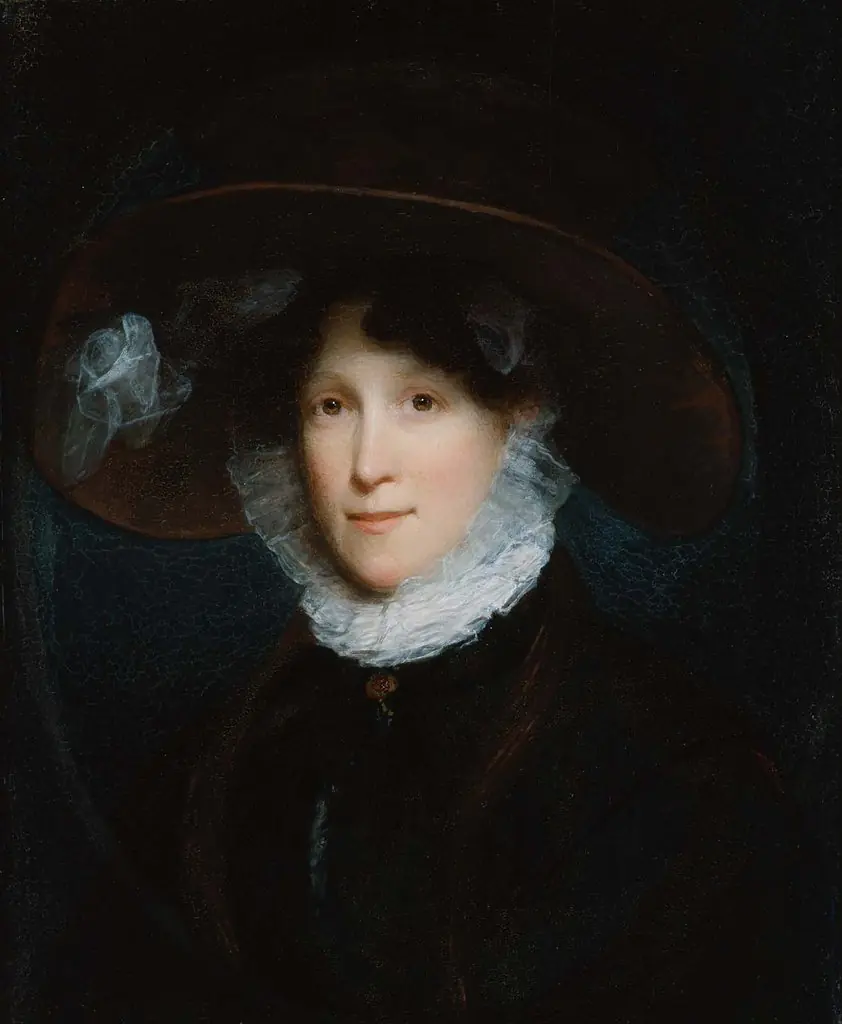 Mrs. William Ware (Mary Waterhouse)
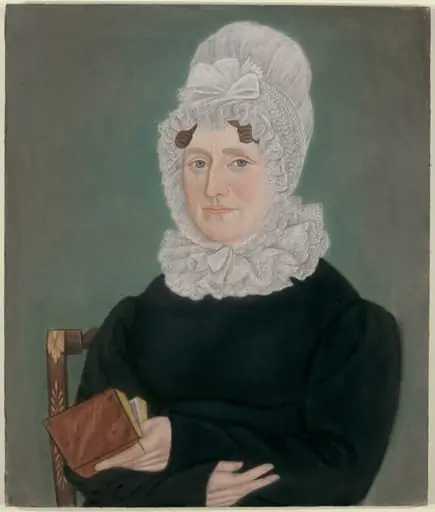 Portrait of a Woman with a Lace Cap
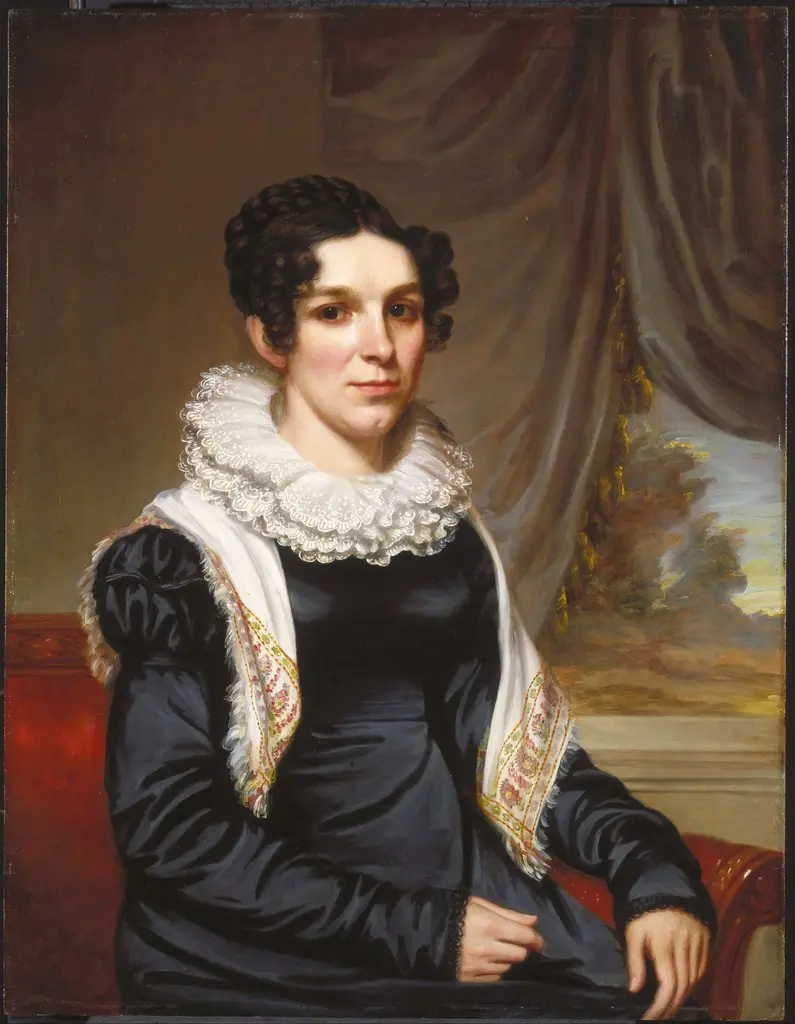 Maria Clarissa Leavitt
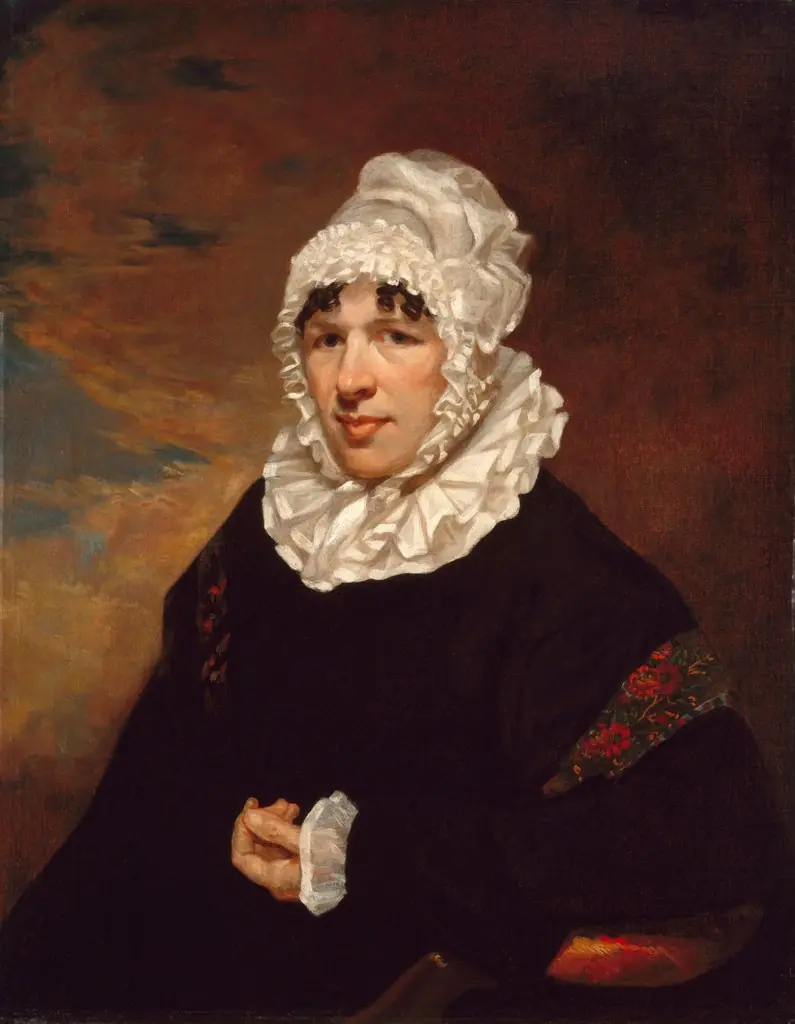 Portrait of Mrs. John Earnest Poyas (Catherine Smith, 1769–1836)