Artwork
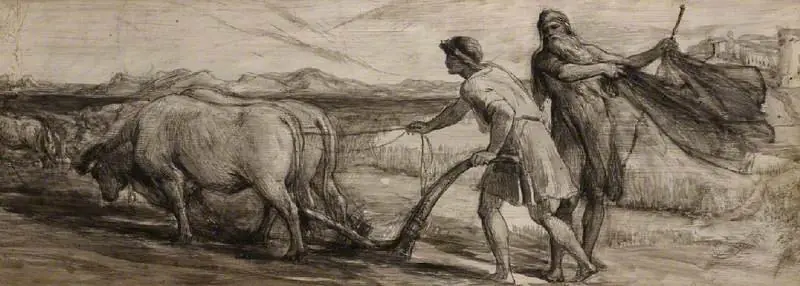
Two Male Figures
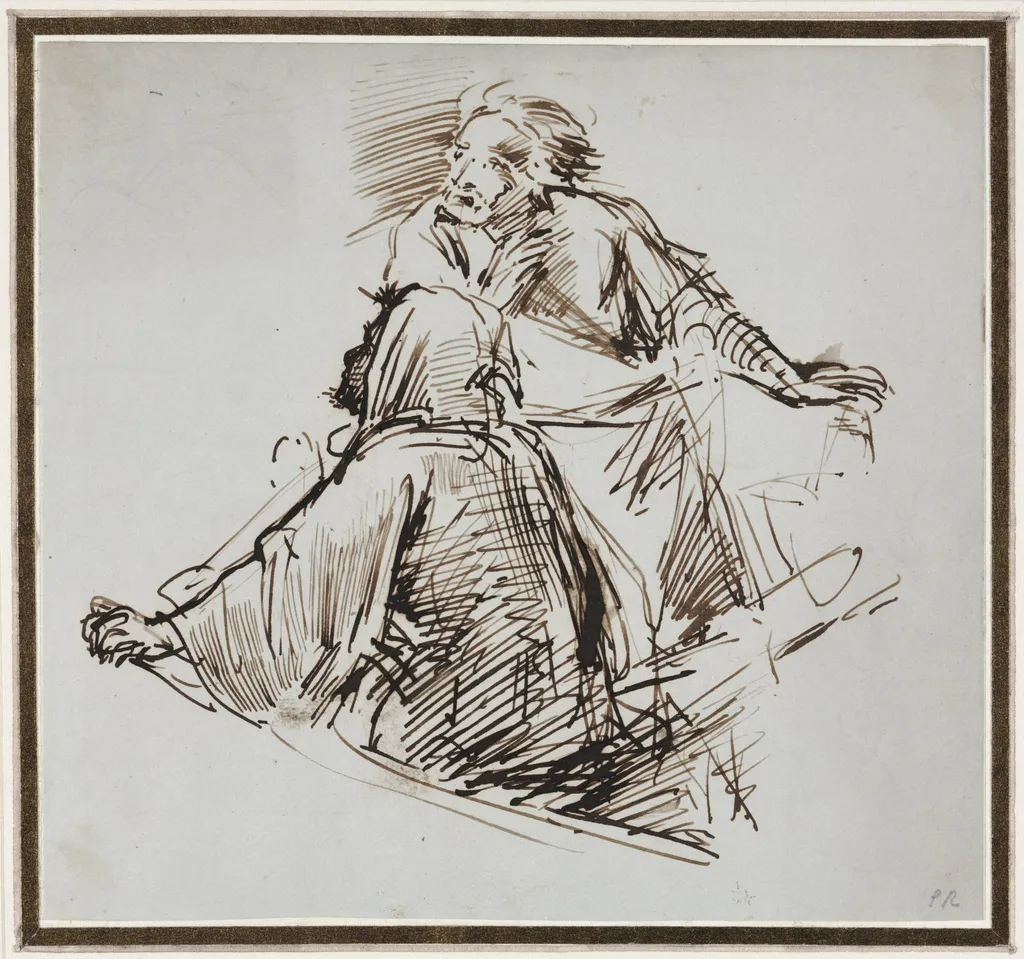
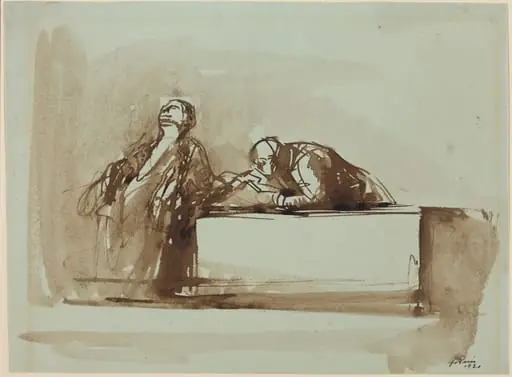
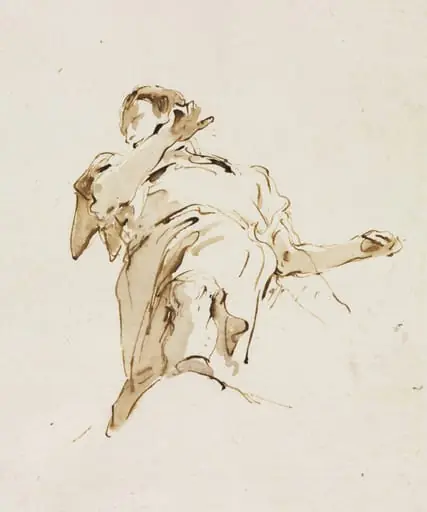
Two Male Figures is a drawing by the Romanticist artist George Richmond. It dates from 1829 and is held in the collection of the Cleveland Museum of Art.
About this work
Overview
At the time, he was connected to The Ancients, a small circle of artists inspired by William Blake’s spiritual and symbolic vision.
George Richmond produced this drawing around 1829, during the early phase of his artistic development. At the time, he was connected to The Ancients, a small circle of artists inspired by William Blake’s spiritual and symbolic vision. The work is a preparatory sketch, revealing Richmond’s exploration of the human form before he turned toward formal portraiture. Its unrefined quality suggests it was made rapidly, likely as part of a study process rather than a finished piece.
Subject & Meaning
The drawing depicts two male figures in a quiet, intimate interaction. One sits with folded legs, relaxed, while the other stands behind, arm extended as if gesturing or offering support. No narrative is explicitly defined, but the posture suggests a moment of connection or contemplation. The lack of context or setting focuses attention on bodily presence and gesture, aligning with Romantic interests in human emotion and physicality over storytelling.
Technique & Style
Richmond used swift, uneven linework to capture the figures with immediacy. The strokes are loose and uncorrected, emphasizing movement over precision. Shading is minimal, and contours remain provisional, typical of observational sketches. The absence of refined detail or finish indicates this was not intended as a polished work, but rather a spontaneous exploration of form and composition, characteristic of early Romantic draftsmanship.
History & Provenance
Created in 1829, the drawing originates from Richmond’s formative years before he gained recognition for commissioned portraits. It likely remained in his personal collection or among the papers of The Ancients. No documented exhibition or ownership history is widely recorded, suggesting it was never intended for public display. Its survival reflects its value as an internal artistic exercise rather than a commercial product.
Context
In the late 1820s, Richmond was immersed in the ideals of The Ancients, who rejected academic conventions in favor of expressive, spiritually infused art. This drawing aligns with their interest in the human figure as a vessel of inner life, echoing Blake’s emphasis on emotional truth over naturalism. While later artists of the period pursued classical harmony, Richmond’s sketch embraces rawness, reflecting a broader Romantic turn toward authenticity in artistic process.
Legacy
Though Richmond became known for polished portraits of Victorian elites, this early sketch reveals a more experimental side of his practice. It stands as a quiet testament to the private, iterative nature of artistic development. The drawing offers insight into how even established artists began with unrefined studies, preserving the energy of initial thought before formalization. It remains a modest but revealing artifact of his artistic evolution.
Own this work as a print
Artist & collection
Artist
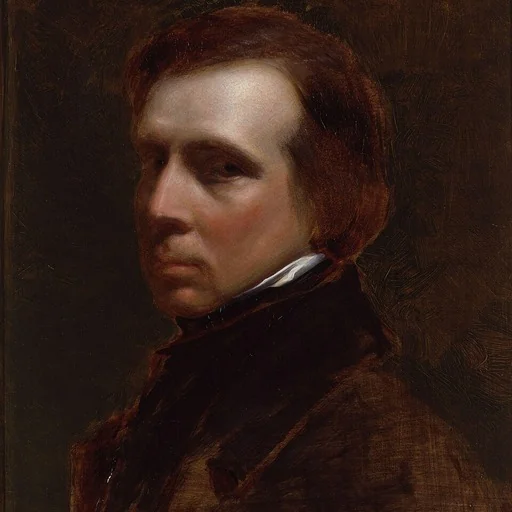
George Richmond (28 March 1809 – 19 March 1896) was an English painter and portraitist.

 Men of Justice
 Untitled
 Untitled
 Les trois commères
 The Smoker
 Before the Repast at Emmaus
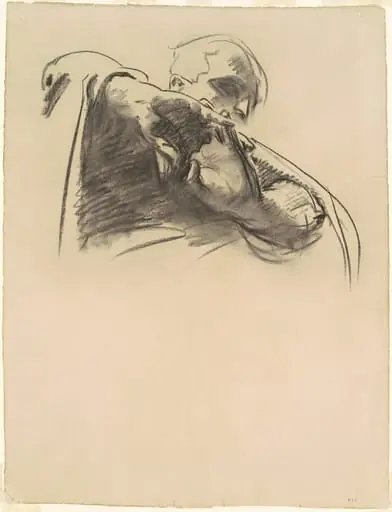 Study for "The Crucifixion and Death of Our Lord"
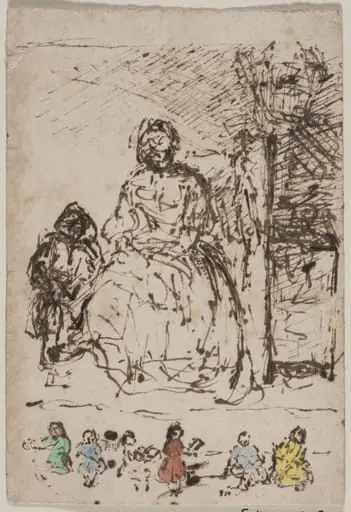 Untitled
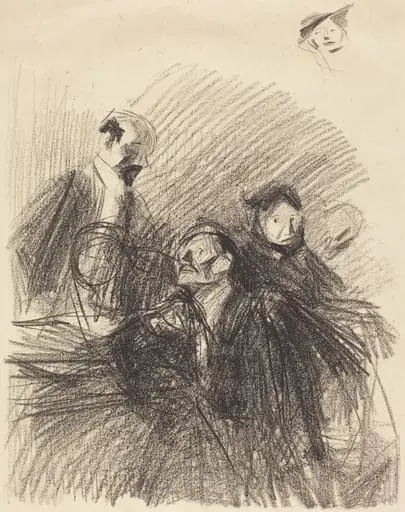 Scène d'audience (les deux avocats) (Scene of a Hearing (The Two Lawyers))
![Figure Studies [verso], by George Romney](https://artifactworldgallery.com/img/george-romney--figure-studies-verso--19708132818b32a0-w320.webp) Figure Studies [verso]
Figure Studies [verso]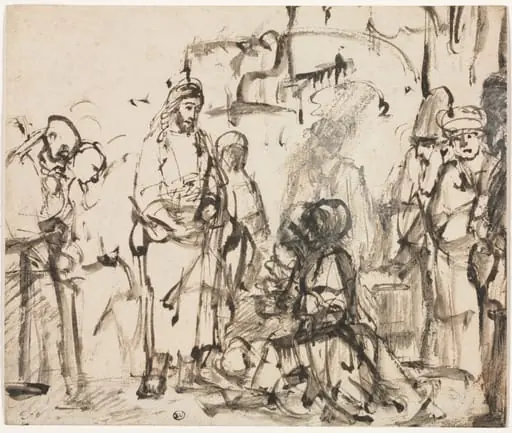 The Meeting of Christ with Martha and Mary after the Death of Lazarus
 Male(?) Figure Seen from Below