Artwork
Mousehole Heath, Norfolk
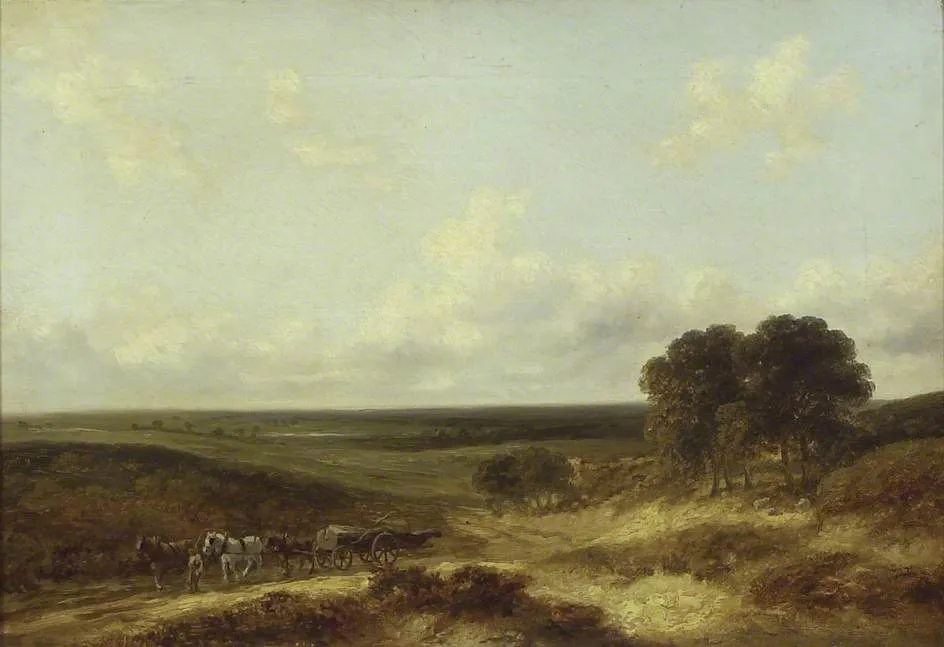
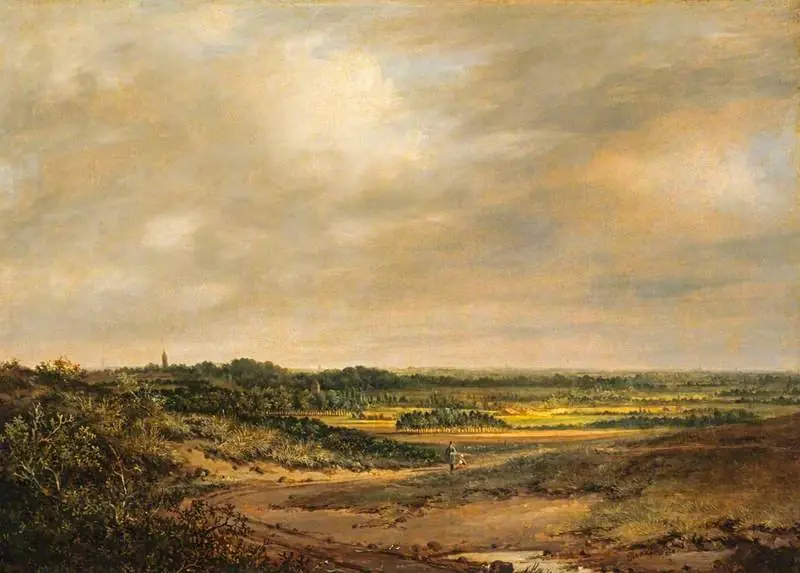
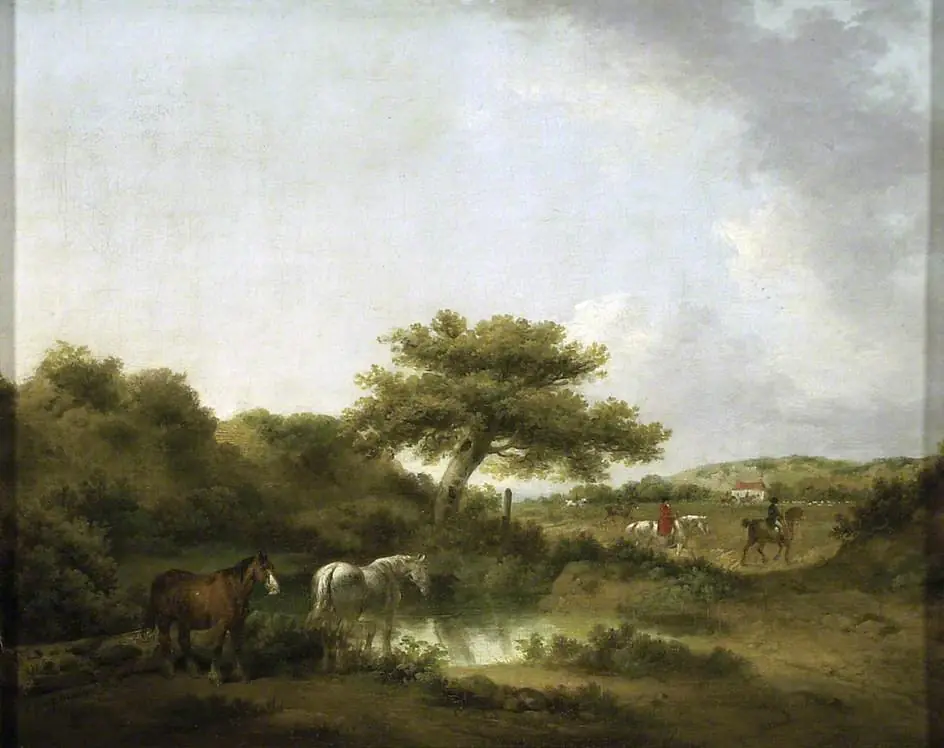
Mousehole Heath, Norfolk is an oil painting by George Vincent. It is held in the collection of the Ashmolean Museum.
About this work
Overview
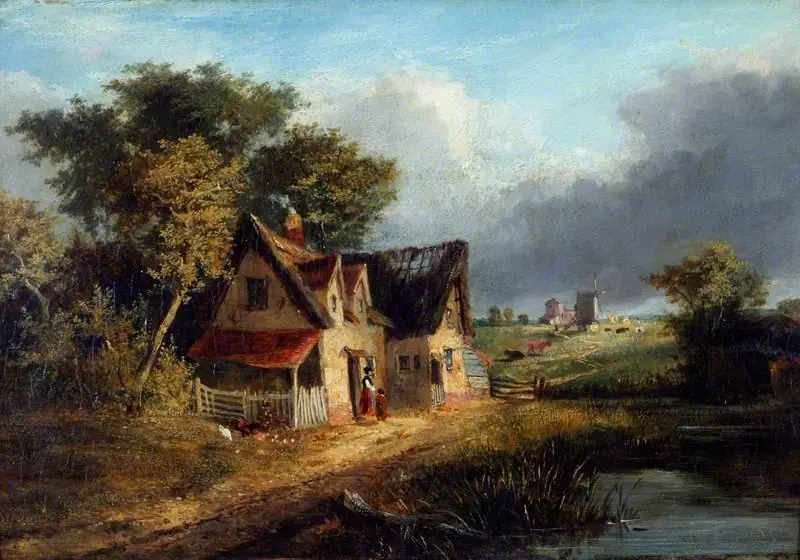
Soft, overcast skies dominate the upper half, while the lower portion is populated by modest vegetation and rock outcrops, creating a balanced, tranquil vista.
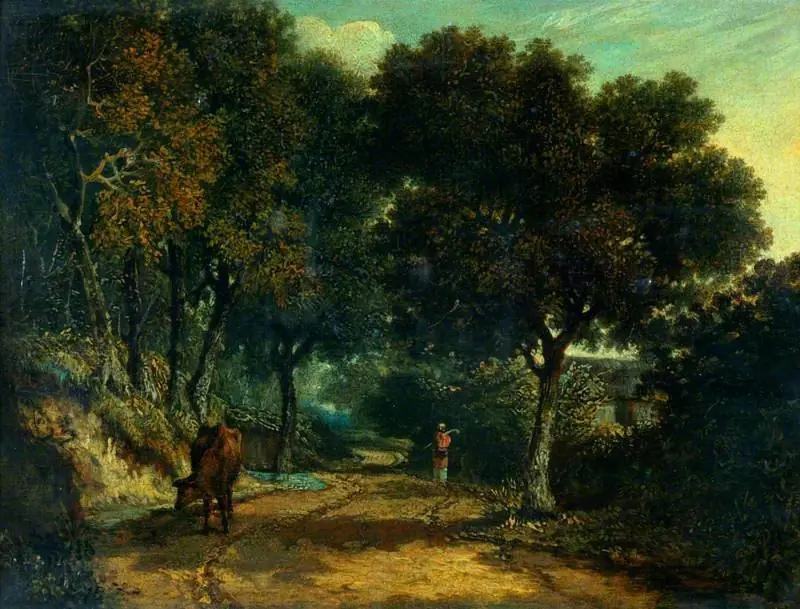
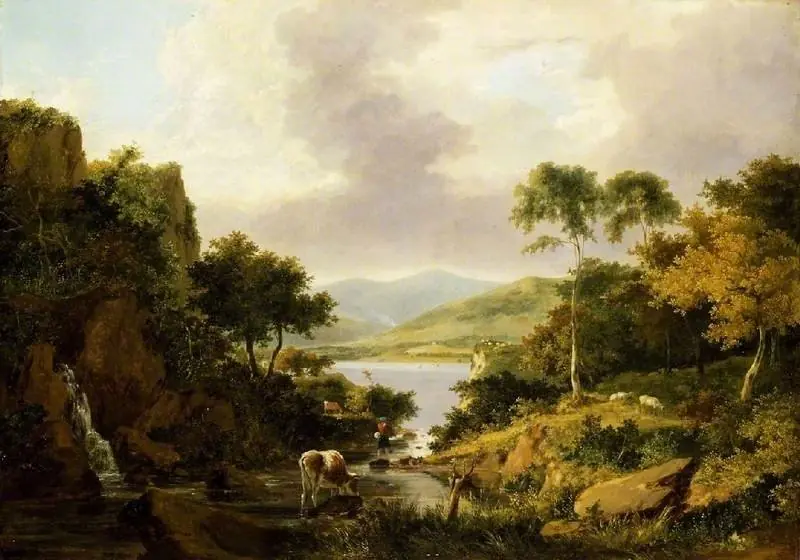
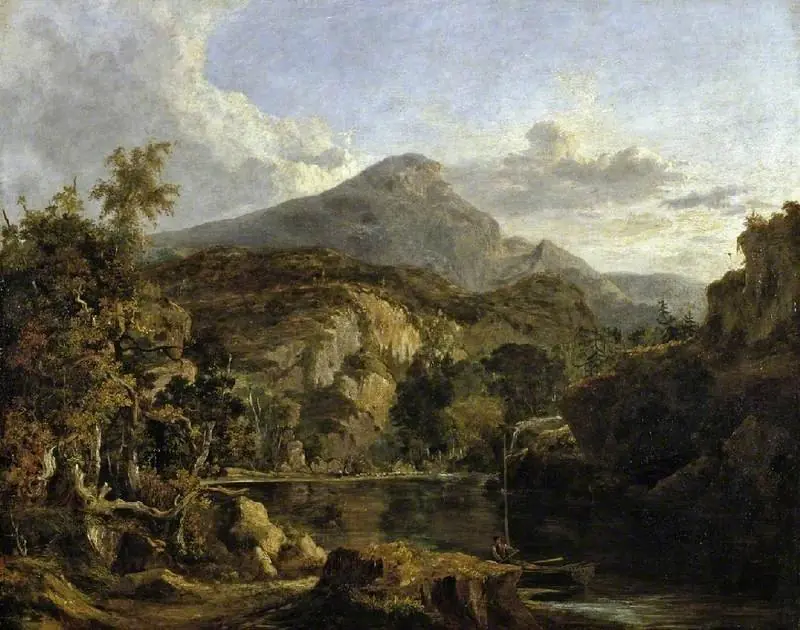
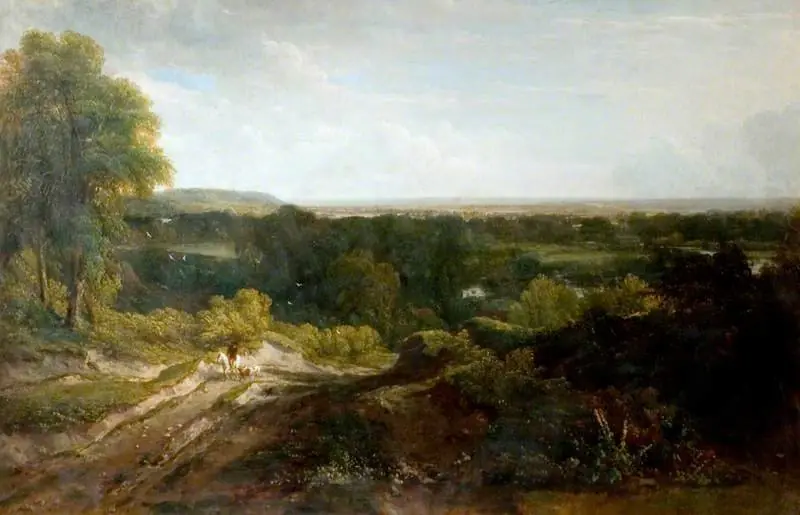
George Vincent’s oil painting titled *Mousehole Heath, Norfolk* portrays a quiet rural scene in the English countryside. The canvas captures gently undulating terrain, scattered trees, and a meandering dirt track that leads the eye through the composition. Soft, overcast skies dominate the upper half, while the lower portion is populated by modest vegetation and rock outcrops, creating a balanced, tranquil vista.
Subject & Meaning
The work presents an unadorned view of Norfolk’s heathland, emphasizing the ordinary beauty of agricultural land and open space. By focusing on modest elements—a path, a few bushes, and distant hills—the painting invites contemplation of the landscape’s quiet rhythms and the subtle interplay between human passage and natural environment.
Technique & Style
Vincent employs a restrained palette of muted earth tones, allowing variations of light and shadow to emerge through delicate gradations. Soft, blended brushwork renders the cloudy sky and the gentle folds of the hills, while finer strokes suggest texture in tree bark and ground cover. The overall effect is one of calm, achieved through controlled handling of oil paint.
History & Provenance
Created by the early‑19th‑century British painter George Vincent, the piece entered the collection of the Ashmolean Museum, where it remains on display. The museum’s acquisition reflects its interest in representing regional British landscapes and the work of lesser‑known artists of the period.
Artist & collection
Artist
George Vincent painted quiet, detailed landscapes in oil, often showing places in Scotland and England in the early 1800s.