Artwork
Landscape with Sheep and a Château
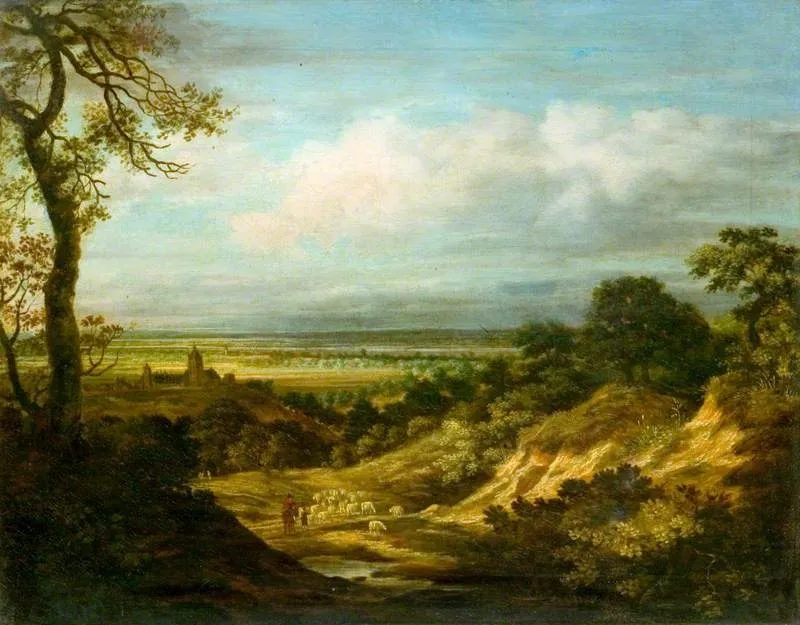
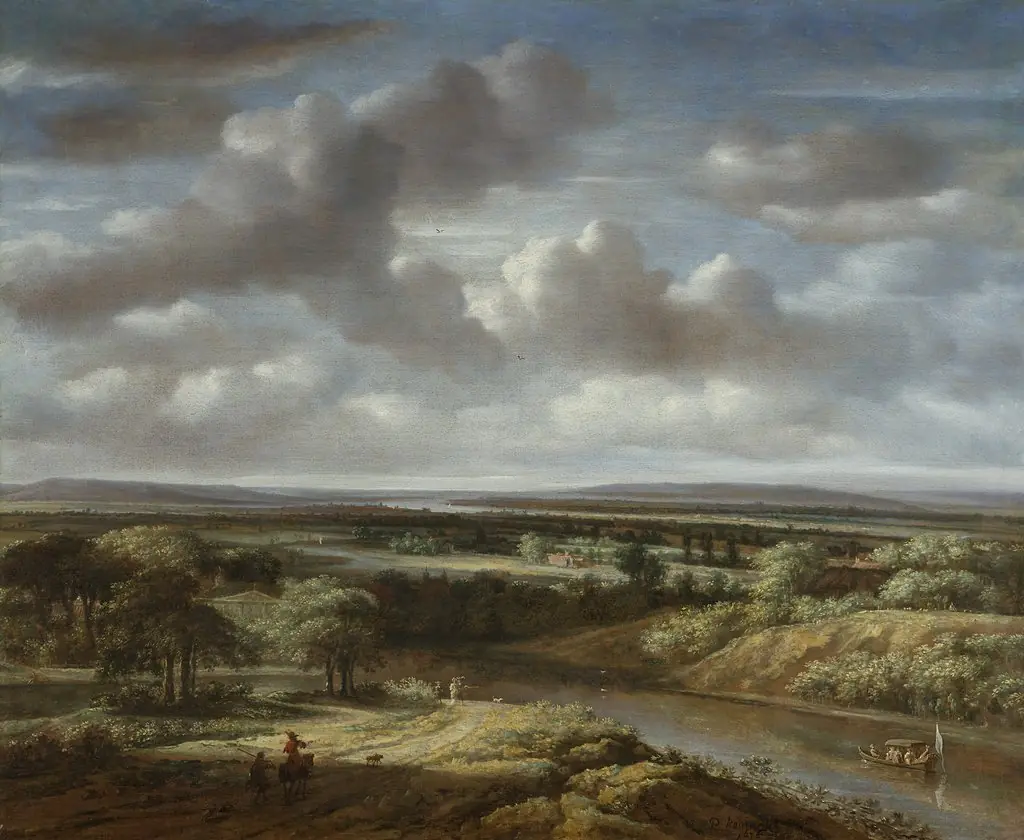
Landscape with Sheep and a Château is an oil painting by the Dutch Golden Age artist Philips Koninck. It dates from 1663 and is held in the collection of the Victoria and Albert Museum.
About this work
Overview
Painted around 1663 by Philips Koninck, this oil-on-canvas work exemplifies Dutch Golden Age landscape painting. Koninck, known for wide, horizontal vistas, captures a quiet rural scene with subtle atmospheric depth. The composition balances natural elements with a distant architectural feature, reflecting the period’s fascination with the Dutch countryside and its harmonious order.
Subject & Meaning
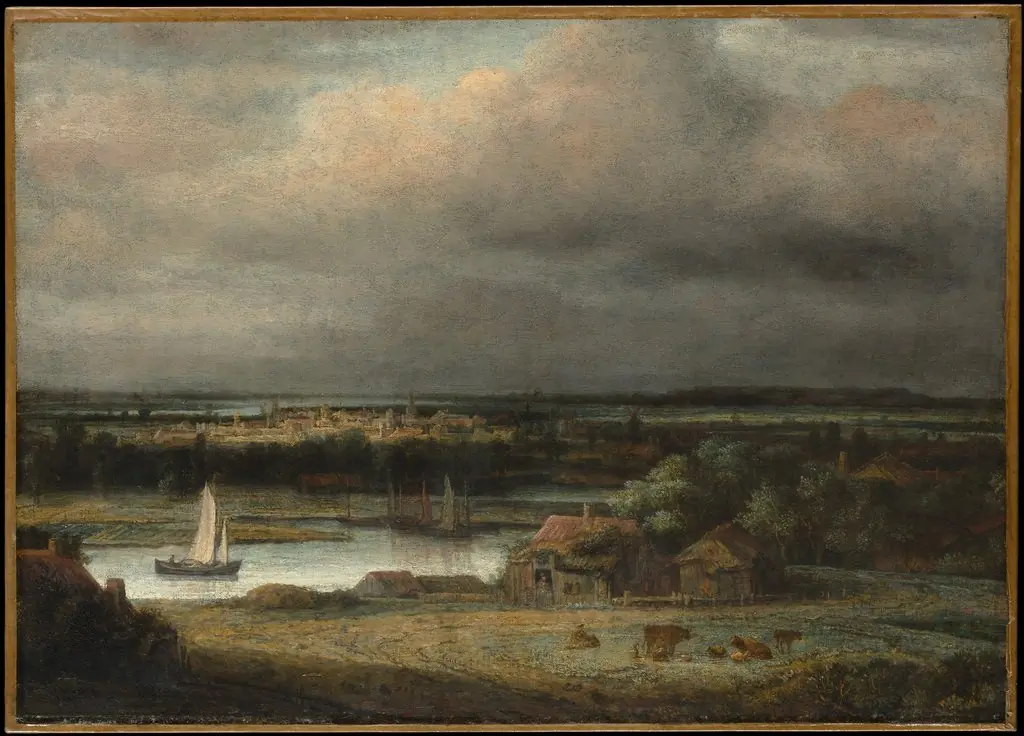
The painting presents a tranquil pastoral scene: sheep graze in the foreground, while a château rises modestly among trees in the middle distance.
The painting presents a tranquil pastoral scene: sheep graze in the foreground, while a château rises modestly among trees in the middle distance. The structure, though grand in name, is rendered with restraint, suggesting integration rather than dominance over nature. This arrangement conveys a sense of peaceful coexistence between human habitation and the land, a common theme in Dutch landscape art of the time.
Technique & Style
Koninck employs a broad, horizontal format to emphasize spatial breadth, with layered hills receding into a hazy horizon. Subtle shifts in tone and light, achieved through controlled chiaroscuro, model the terrain and clouds without dramatic contrast. Brushwork is soft and blended, favoring atmospheric effect over detail, guiding the viewer’s gaze from the foreground flock toward the distant château.
History & Provenance
Created during Koninck’s mature period, the painting reflects his development after training with his brother Jacob and exposure to Rembrandt’s studio. While specific early ownership records are sparse, the work aligns with the tastes of Dutch burghers who collected landscapes as symbols of civic pride and natural order. Its survival into modern collections underscores its enduring appeal among collectors of 17th-century Dutch art.
Context
In mid-17th century Holland, landscape painting flourished as a distinct genre, separate from religious or mythological subjects. Koninck’s expansive views responded to a growing middle-class demand for images of domestic terrain. Unlike Italianate scenes, his works avoided idealization, instead celebrating the quiet dignity of the Netherlands’ own rolling fields and modest architecture.
Legacy
Koninck’s approach influenced later landscape painters through his emphasis on atmospheric perspective and compositional balance. Though less celebrated than contemporaries like Ruisdael, his ability to convey calm grandeur in ordinary scenes contributed to the evolution of Dutch landscape tradition. His works remain studied for their restrained elegance and nuanced handling of light and space.
Artist & collection
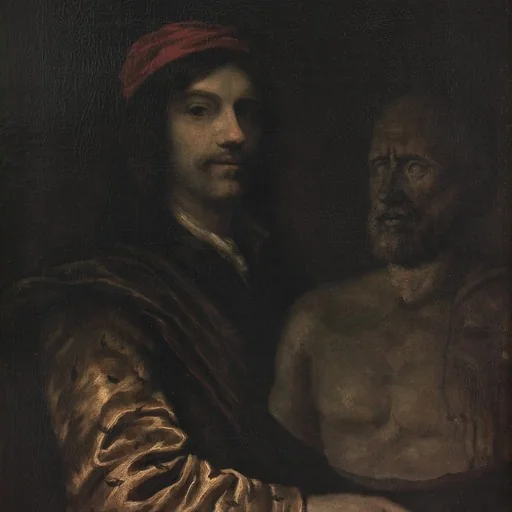
Artist
Philips Koninck (5 November 1619 – 4 October 1688), also spelled Philip de Koninck, was a Dutch landscape painter and younger brother of Jacob Koninck.

 Wooded Landscape
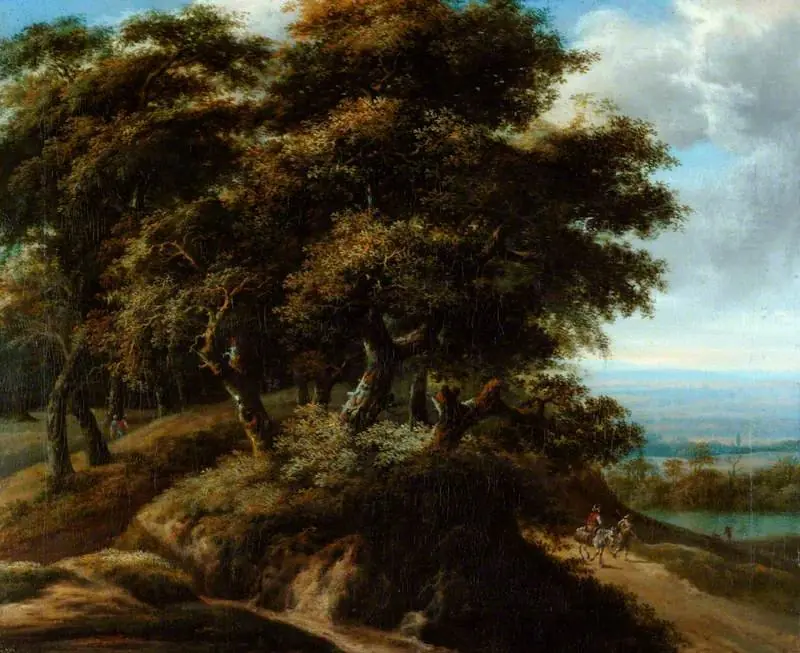 Landscape with a Peasant on a Donkey
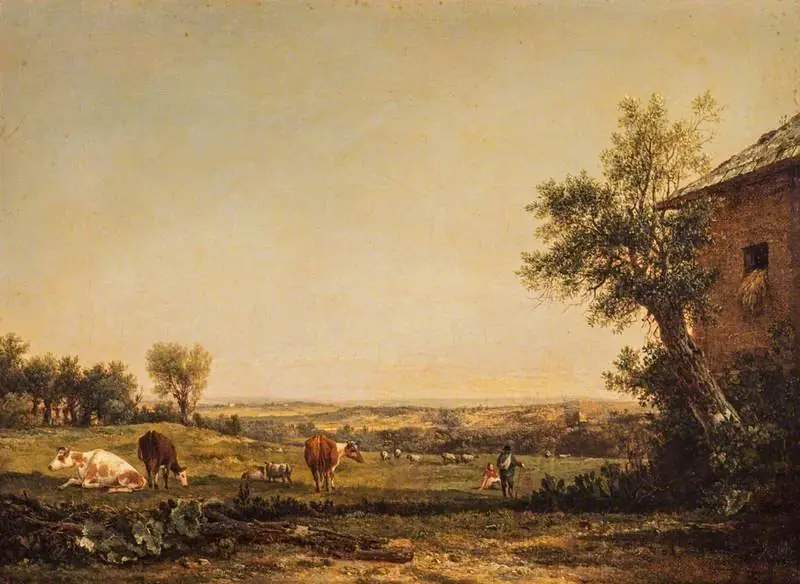 A Scene in Hampshire
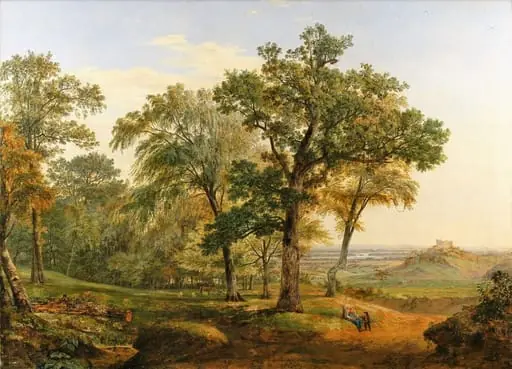 Cetatea Kesmárk
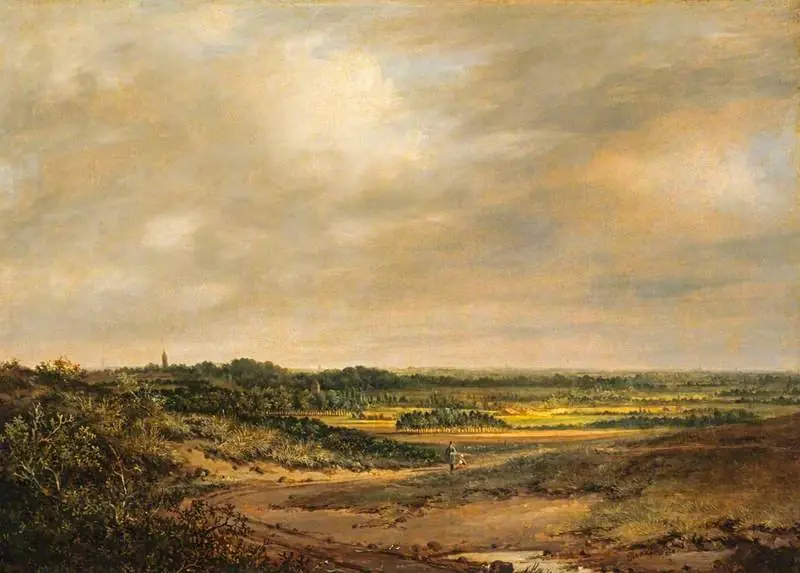 An English Landscape
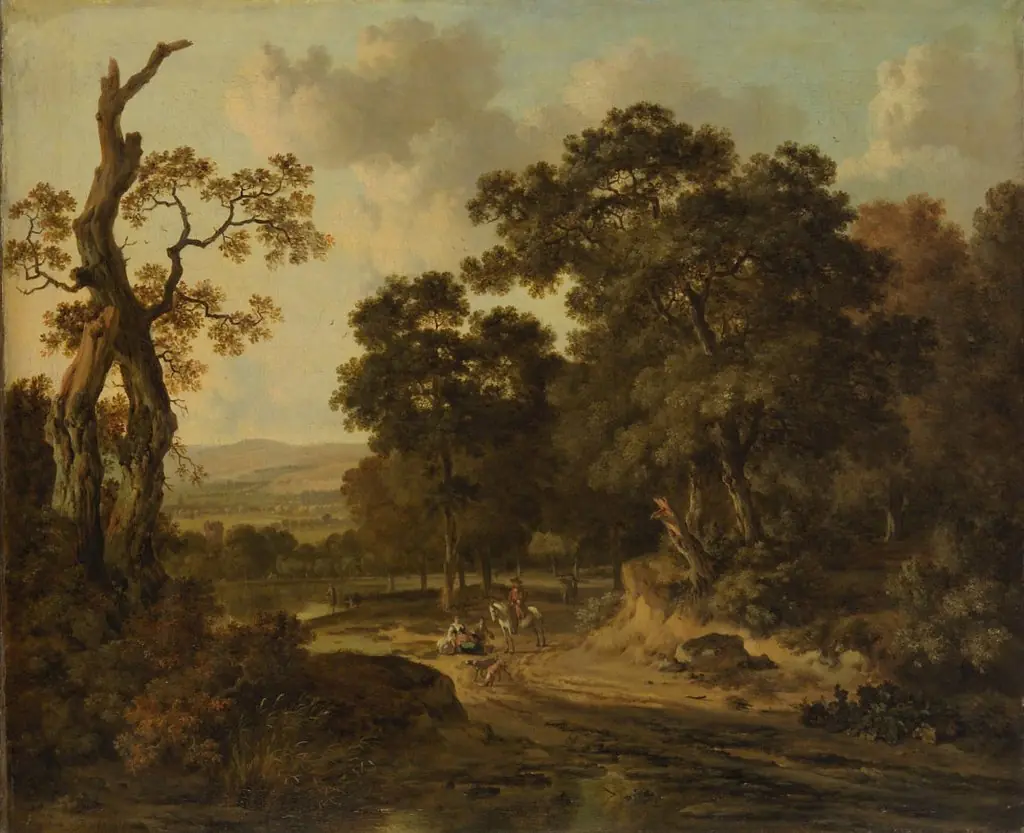 Waldeingang
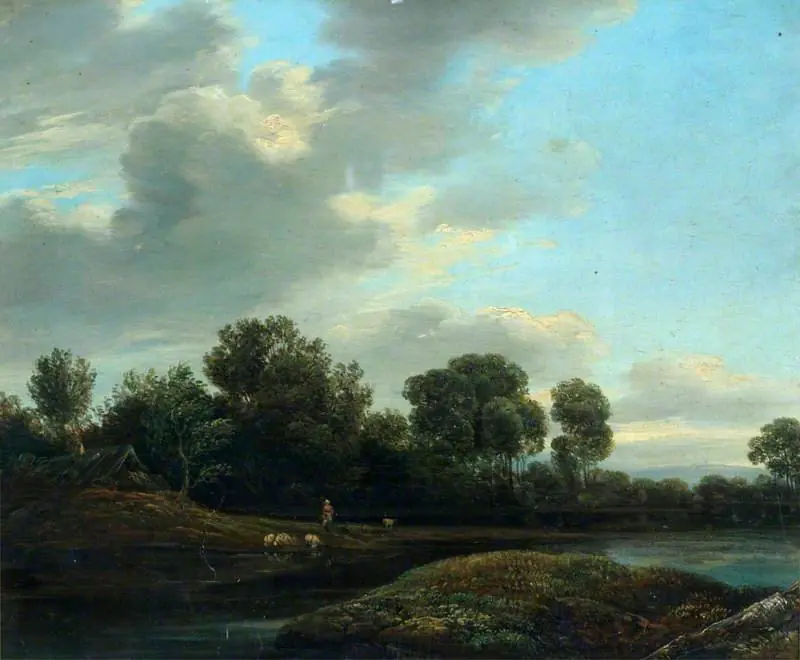 Landscape: The River Bank
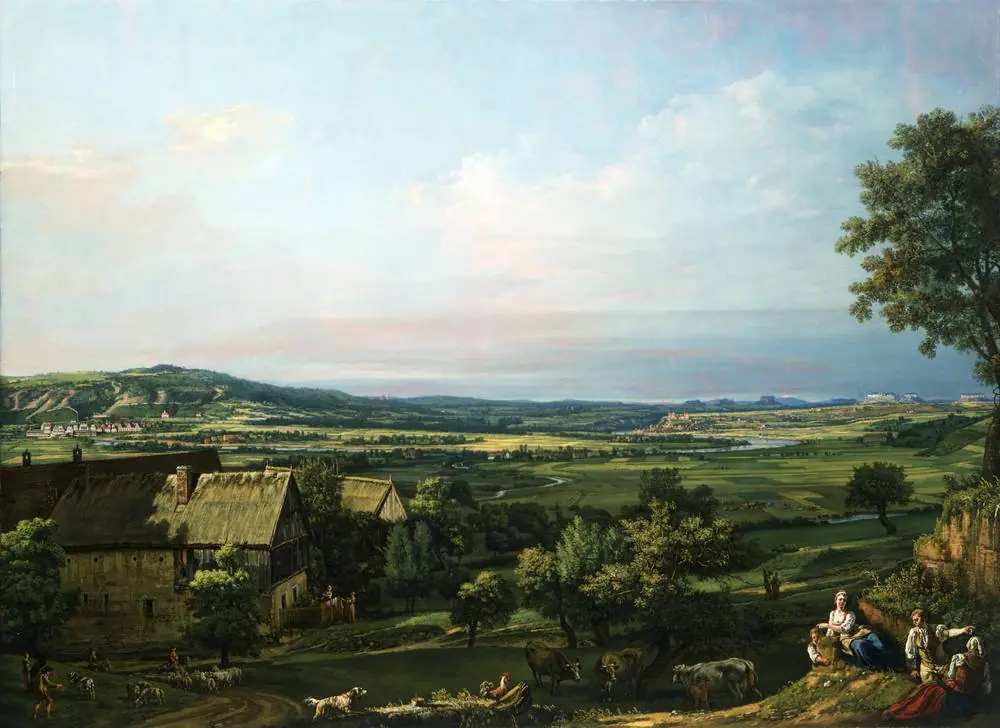 The Elbe between Pirna and Pillnitz
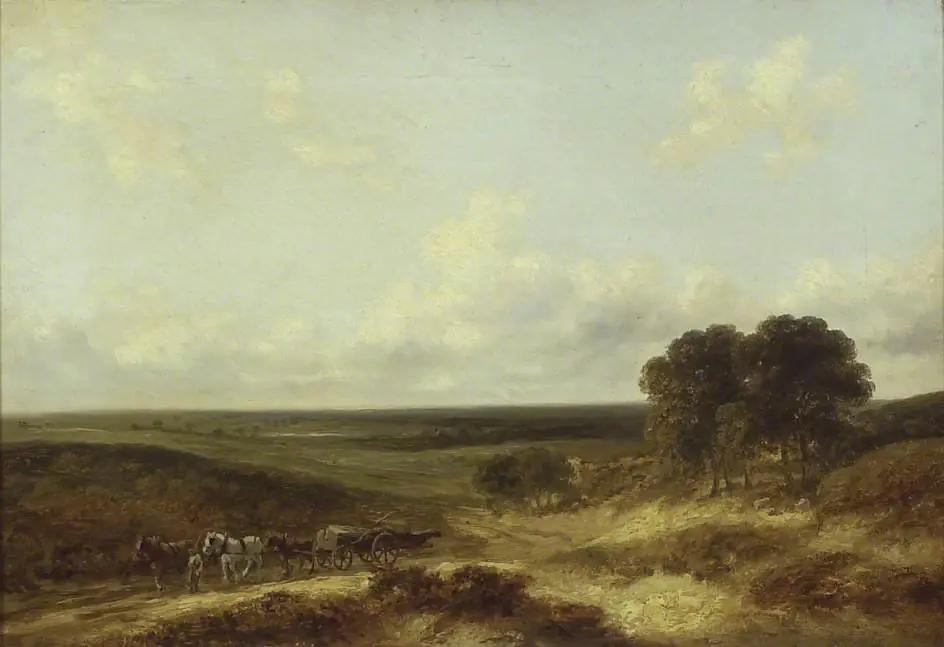 Mousehole Heath, Norfolk
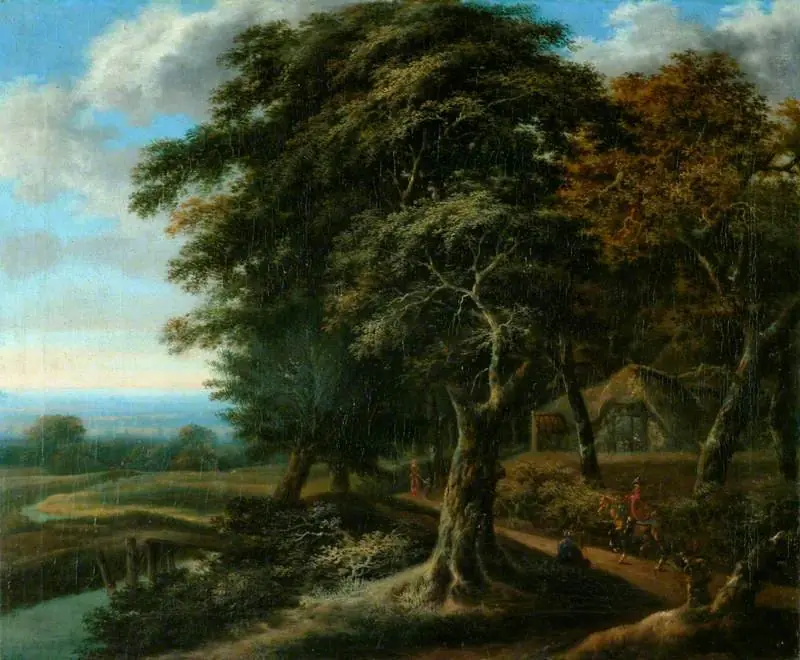 Landscape with a Figure on Horseback
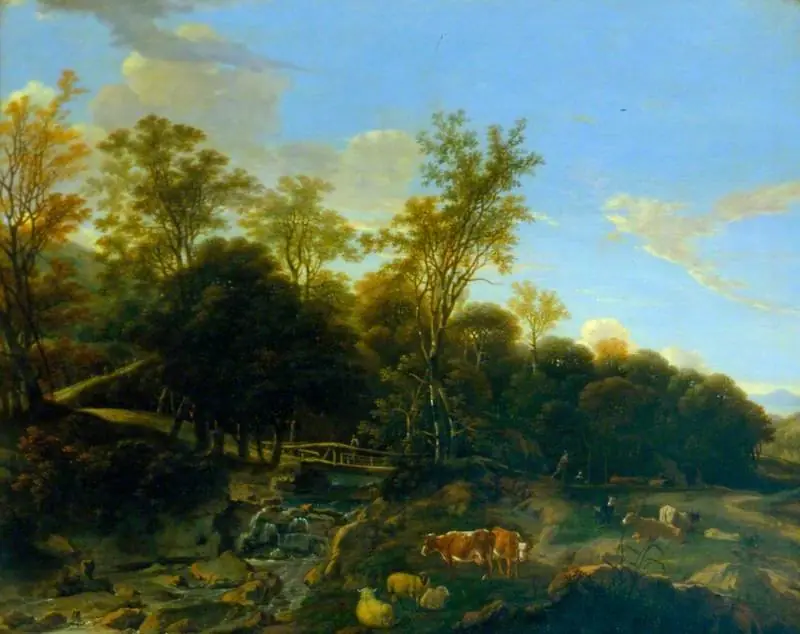 Landscape with a Rustic Bridge and Cattle
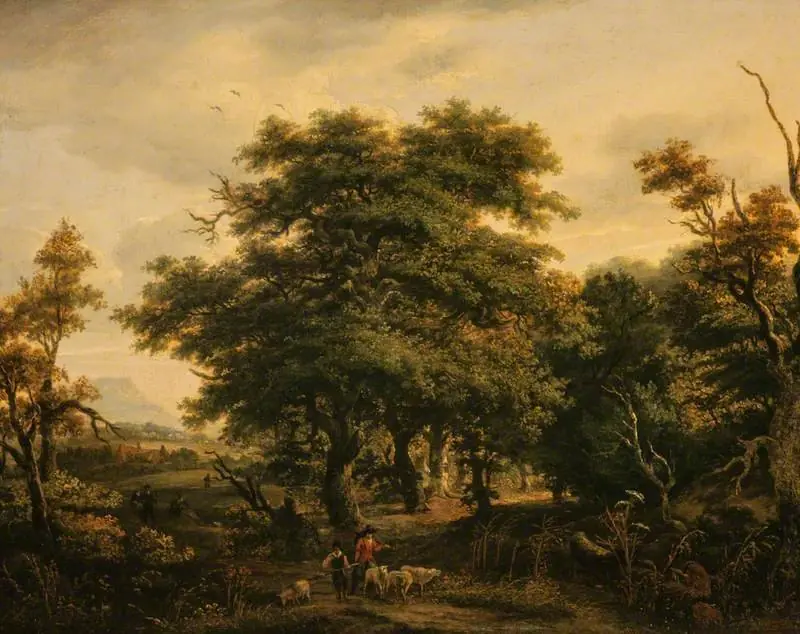 Woody Landscape with Figures and Sheep