Artwork
Ceremonial Reception of Nicholas II in Paris
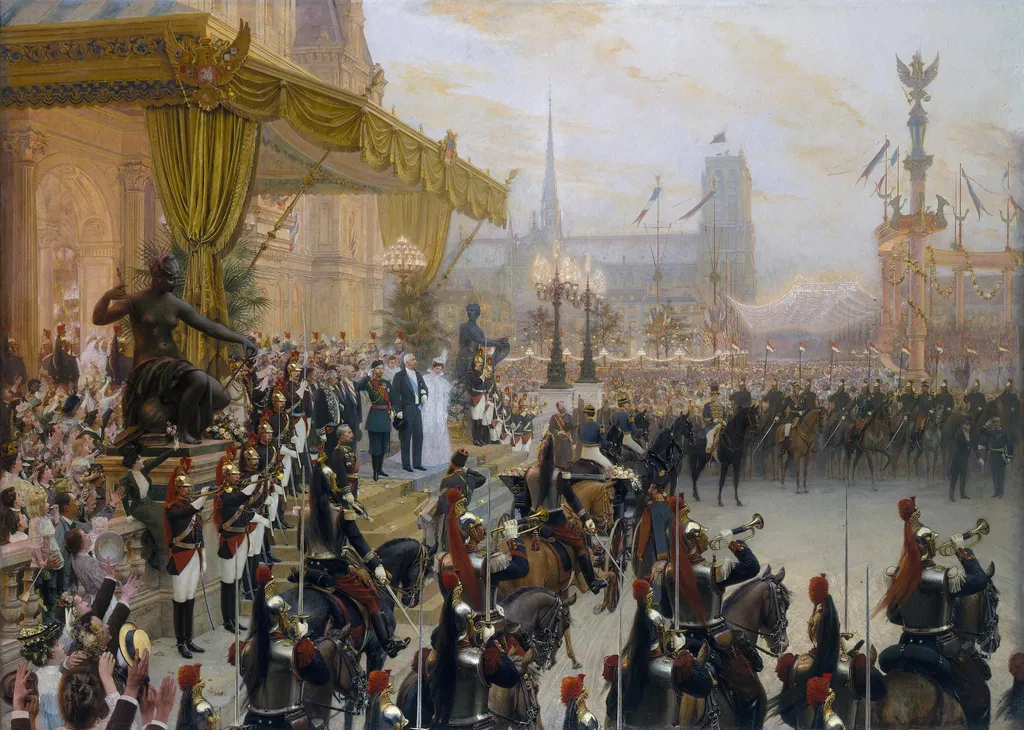
Ceremonial Reception of Nicholas II in Paris is an oil painting by the Impressionist artist Georges Becker. It dates from 1898 and is held in the collection of the Hermitage Museum.
About this work
Overview
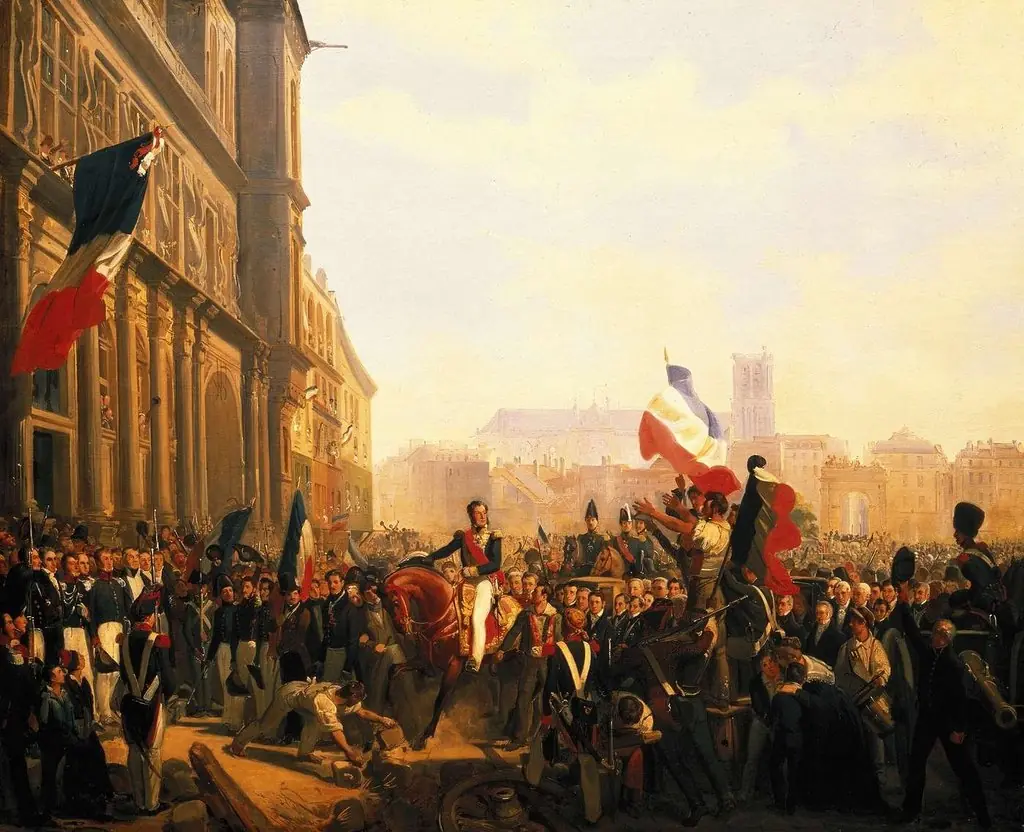
Georges Becker’s 1898 oil canvas titled *Ceremonial Reception of Nicholas II in Paris* portrays a formal public event. The composition is anchored by a statue of a female figure surrounded by a dense assemblage of onlookers, while the urban skyline and distant flags frame the scene. The work is part of the State Hermitage Museum’s collection.
Subject & Meaning
The painting captures a celebratory procession linked to the Russian emperor’s visit, emphasizing the pageantry of diplomatic reception. Figures in evening dress cluster around the monument, suggesting reverence, while mounted riders and a marching band convey movement and official pomp, reflecting the political significance of the occasion.
Technique & Style
Executed in oil, the canvas displays meticulous rendering of textures—from the sheen of silk garments to the metallic glint of horse tack. Becker employs a balanced palette of muted city tones contrasted with vivid flags, and a clear, linear perspective that guides the eye toward the central statue, demonstrating a refined academic approach.
History & Provenance
Created at the close of the 19th century, the work entered the State Hermitage Museum’s holdings, where it remains on display. Its acquisition reflects the museum’s interest in documenting European diplomatic ceremonies and the broader cultural exchanges between France and Russia during the era.
Own this work as a print
Artist & collection
Artist
Georges Becker (1846–1909) was an artist, born in former 6th arrondissement of Paris.

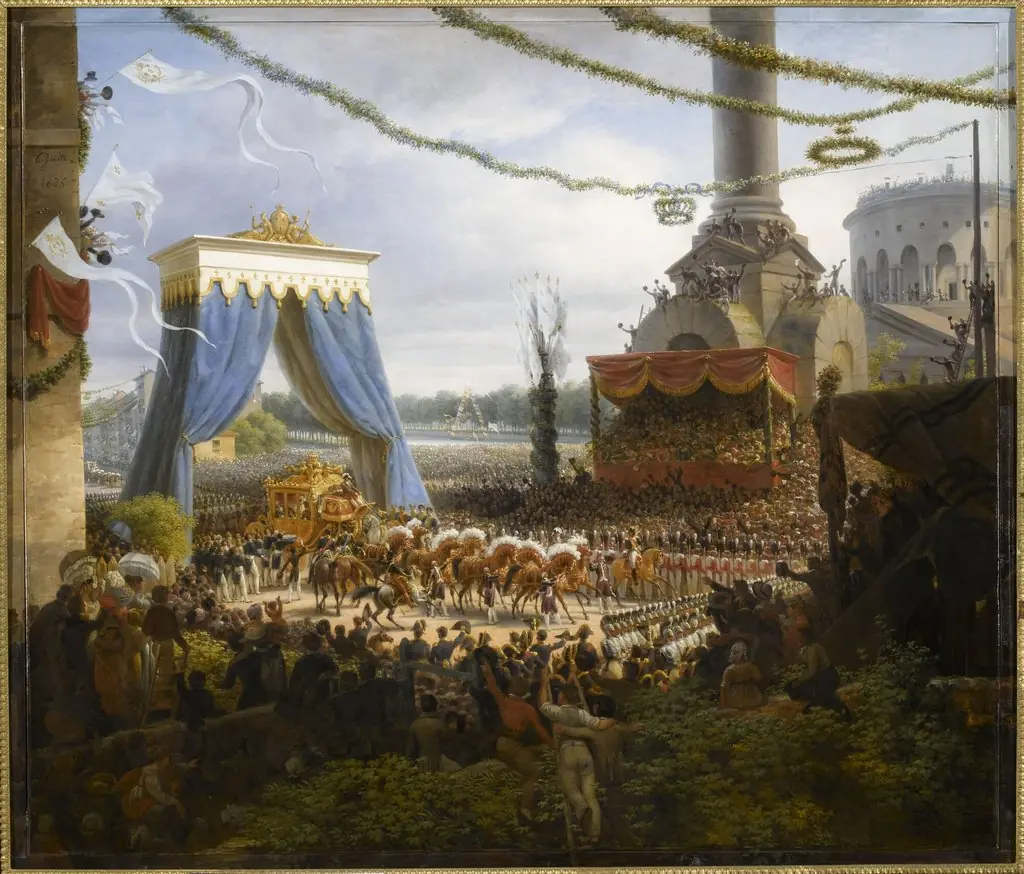 Entry of Charles X into Paris at the Gate of la Villette, after his Coronation
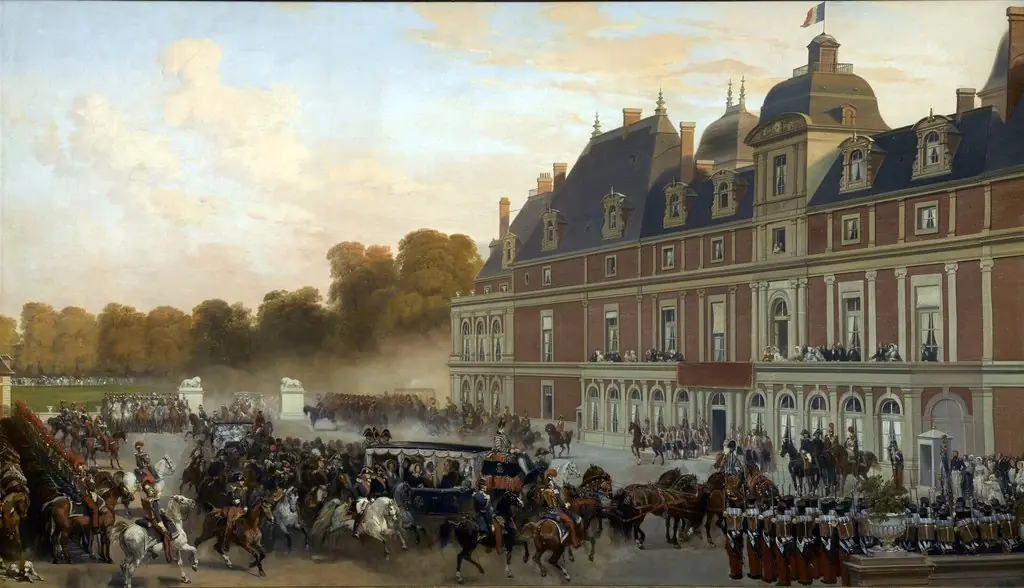 The Arrival of Queen Victoria at the Château d'Eu
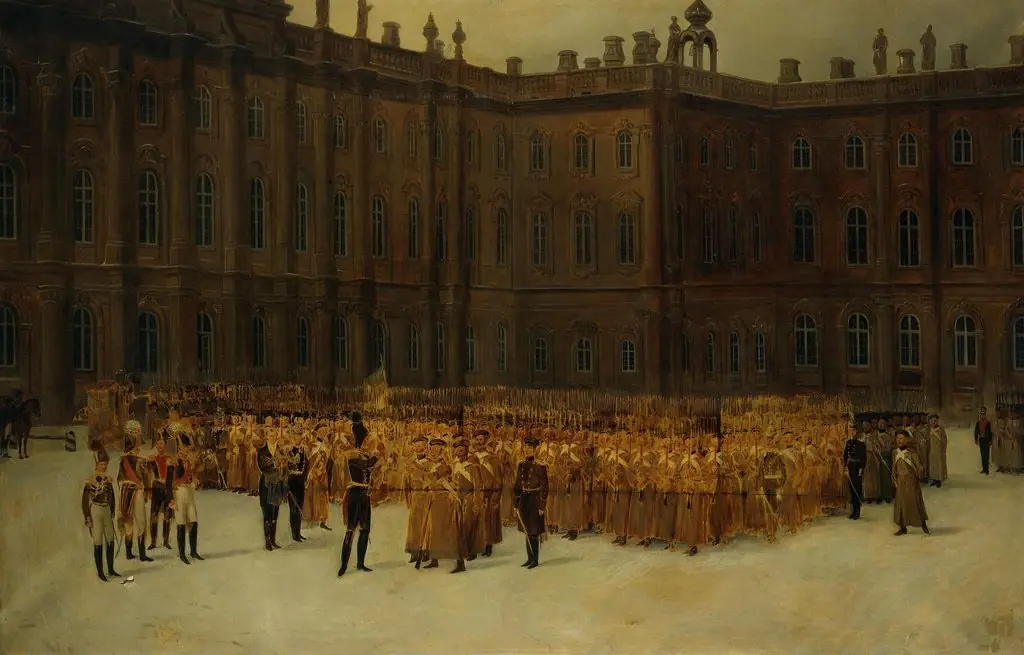 Nicholas I before the Unit Formation of the Life-Guards Field Engineer Battalion in the Court of the Winter Palace on 14 December 1825
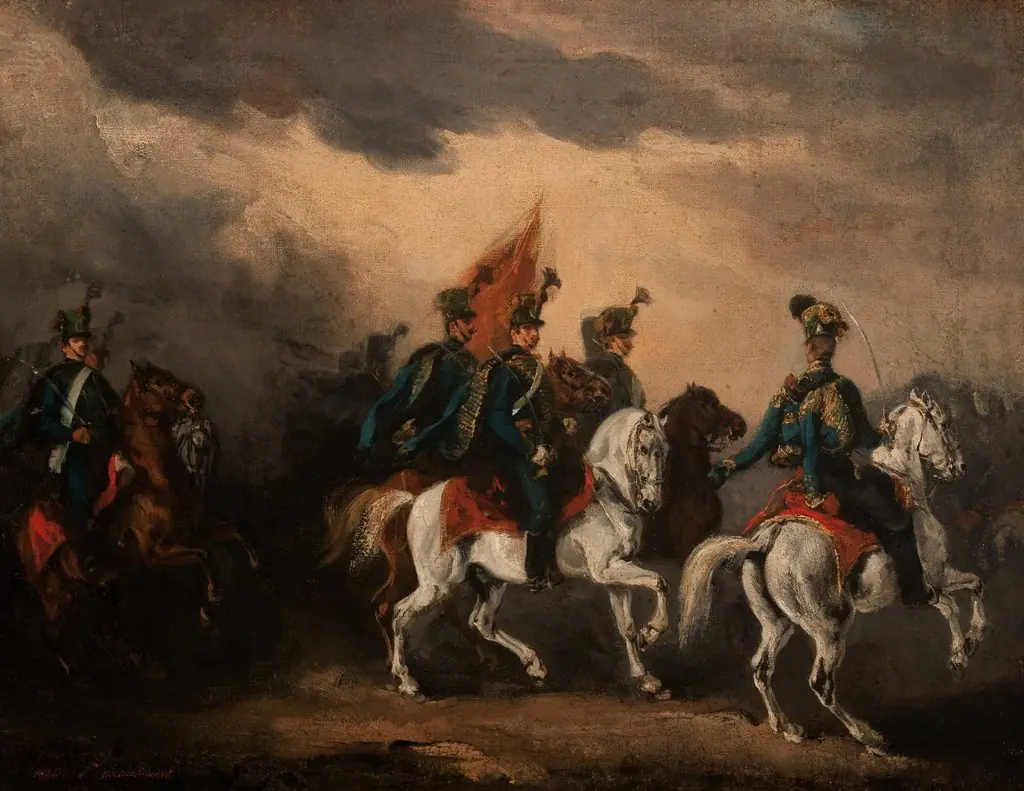 Blue Hussars
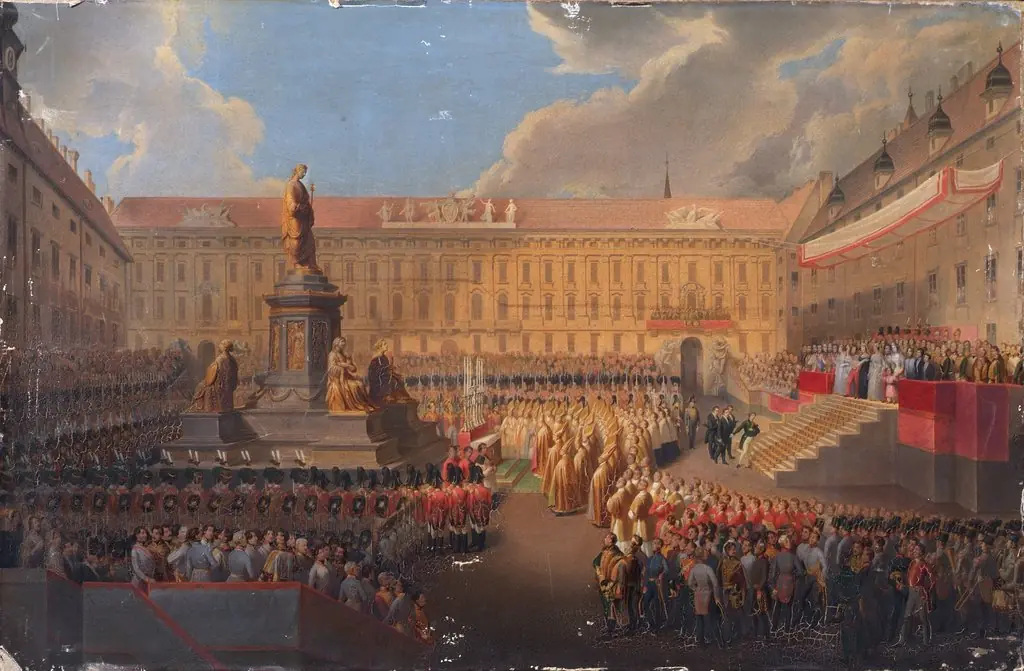 Unveiling of the Monument to Emperor Franz I of Austria on Vienna's Franzensplatz on 19 June 1846
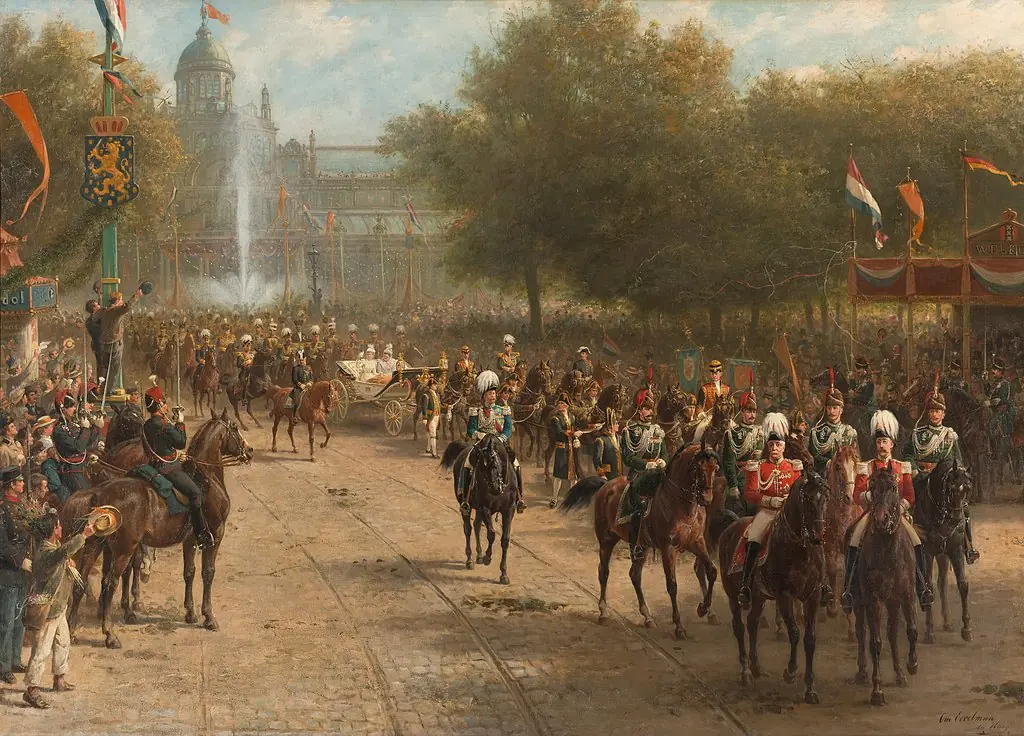 The Frederiksplein in Amsterdam during the arrival of Queen Wilhelmina, 5 September 1898
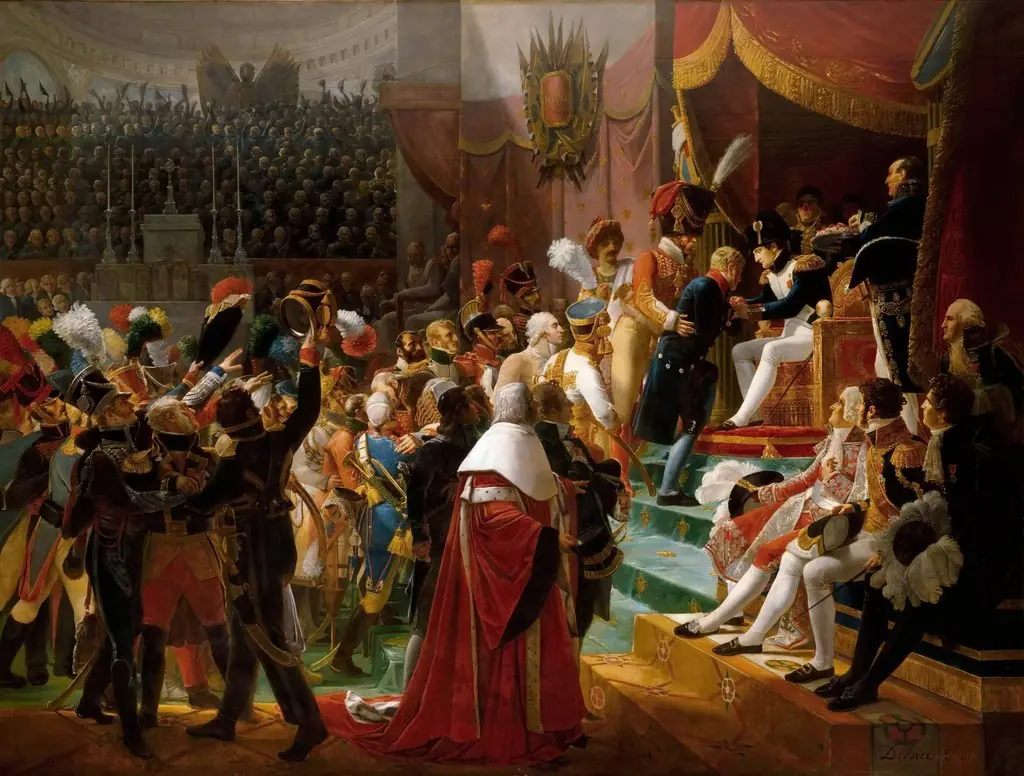 First distribution of the decorations of the Legion of Honor, made by Bonaparte, in the church of the imperial hotel of Invalides, July 14, 1804
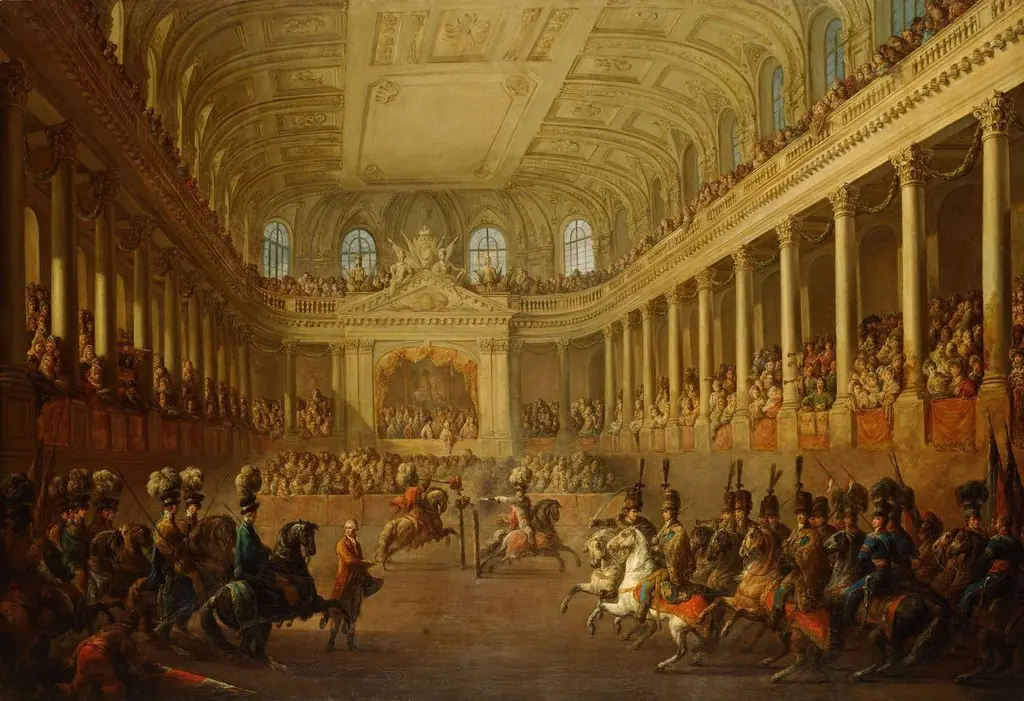 Mohrenstechen in der spanischen Hofreitschule
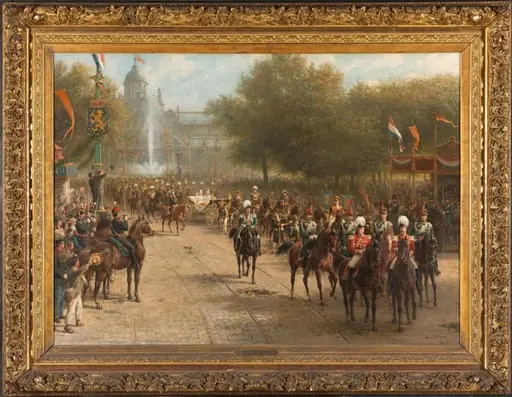 Untitled
 Louis-Philippe, duc d'Orléans, lieutenant général du royaume, arrive à l'Hôtel de ville de Paris, 31 juillet 1830