Artwork
The Lamentation of Christ
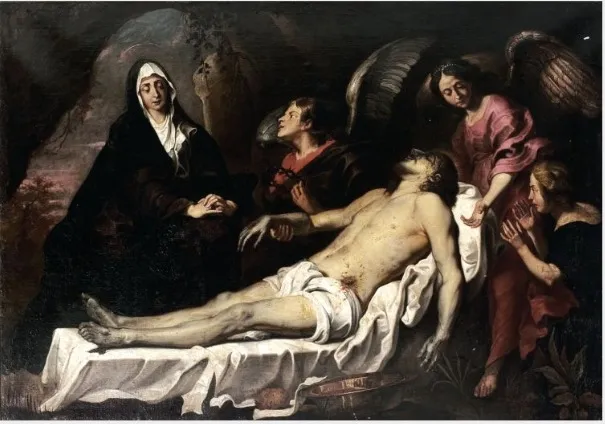
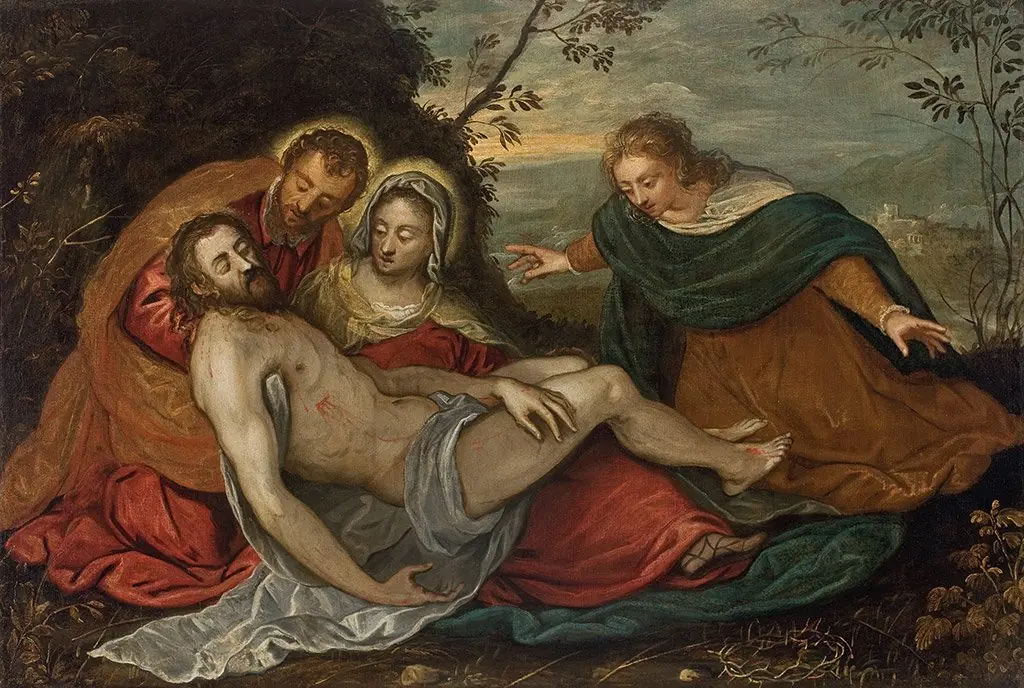
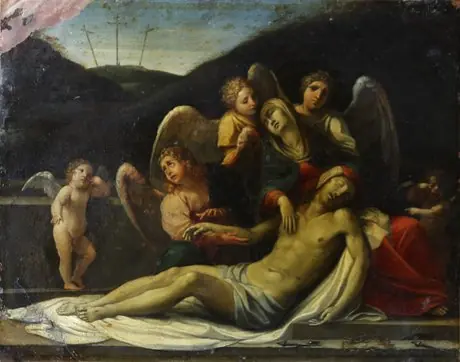
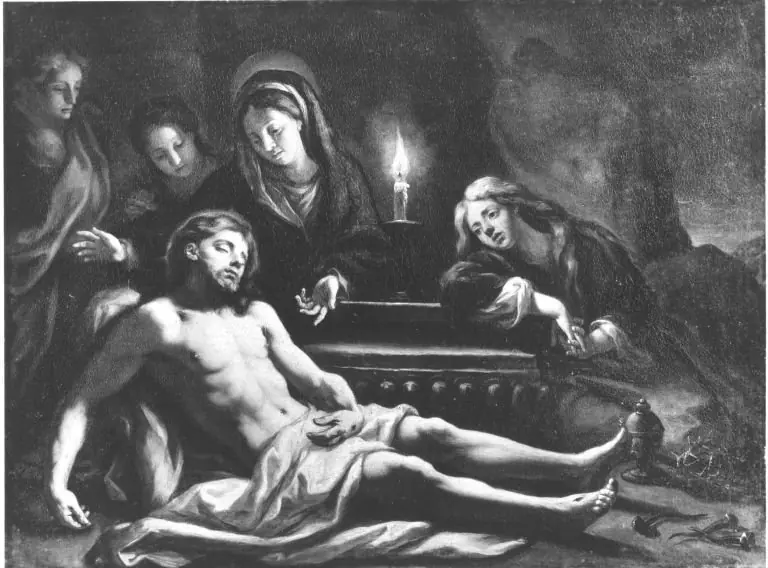
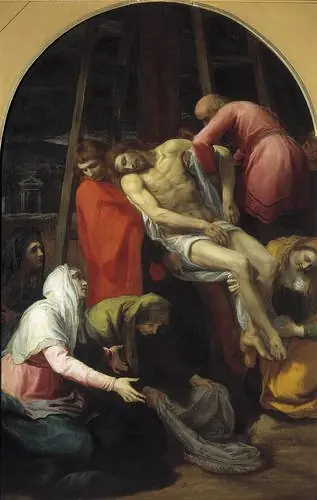
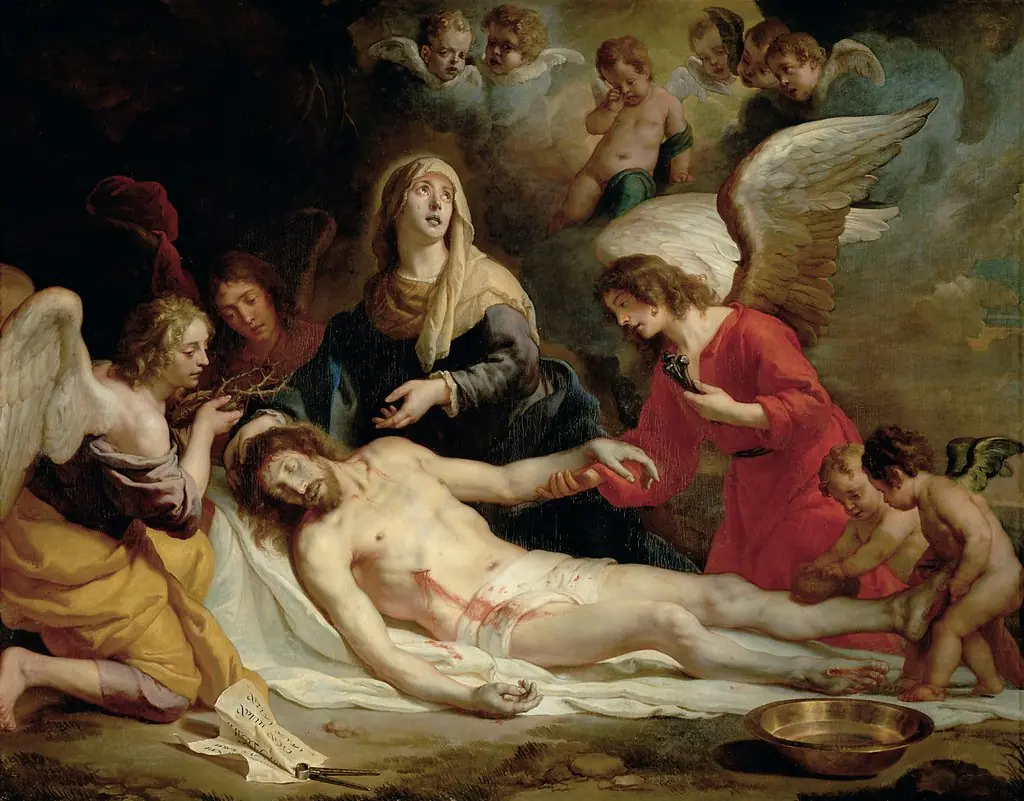
The Lamentation of Christ is an oil painting by the Flemish Baroque painting artist Gerard Seghers. It dates from 1632 and is held in the collection of the National Gallery of Ireland.
About this work
Overview
It is now part of the National Gallery of Ireland’s permanent collection, where its emotional gravity and controlled lighting continue to draw attention.
Painted in 1632 by Flemish artist Gerard Seghers, this oil-on-canvas work portrays the moment after Christ’s crucifixion, when his body is mourned by close followers. Created during the height of the Flemish Baroque period, the painting reflects Seghers’ transition from Caravaggisti influences to larger ecclesiastical commissions. It is now part of the National Gallery of Ireland’s permanent collection, where its emotional gravity and controlled lighting continue to draw attention.
Subject & Meaning
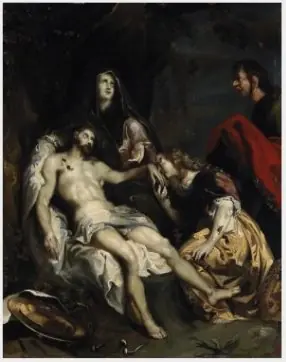
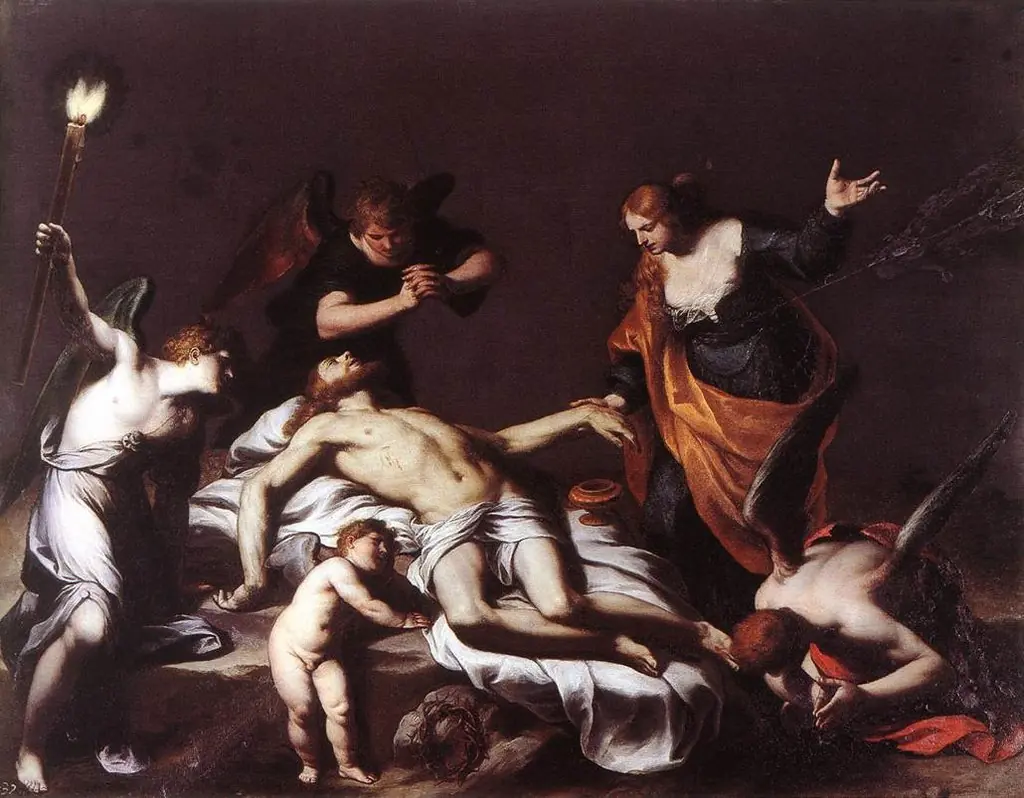
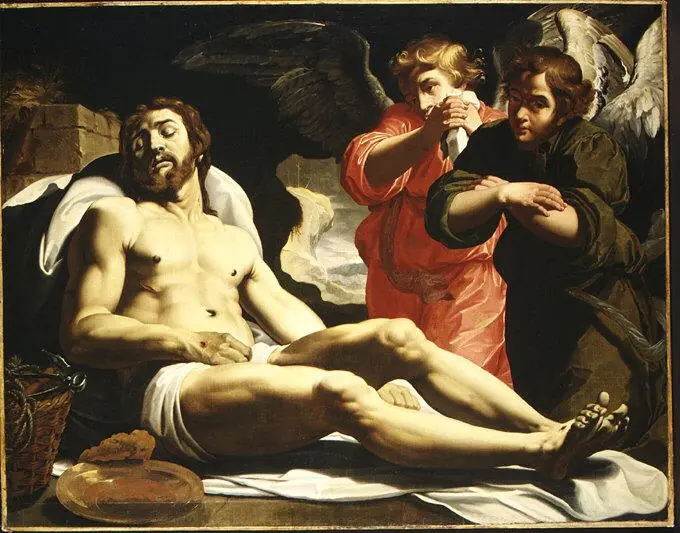
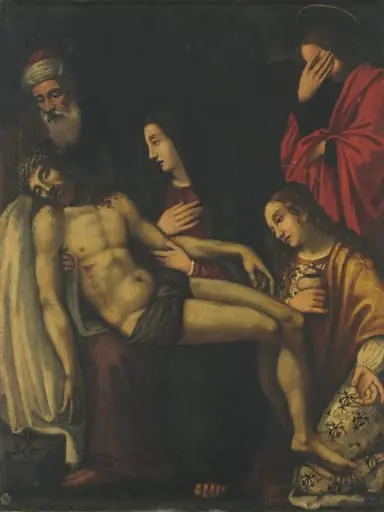
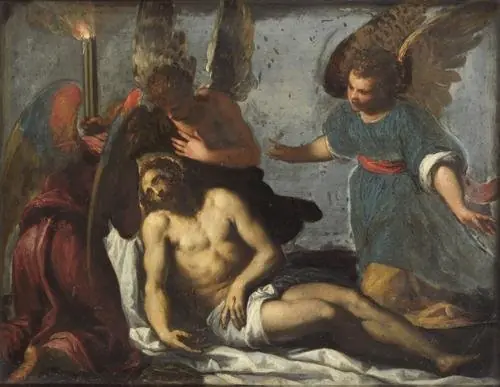
The scene captures the quiet grief surrounding Christ’s lifeless body, laid on a simple cloth. A woman in dark attire, likely the Virgin Mary, kneels with folded hands, embodying solemn acceptance. Two angelic figures, one in red and another in pink, lean over the body, their wings folded not in flight but in reverence. One angel holds a cloth to Christ’s side wound, emphasizing the physical reality of his sacrifice. The stillness of the moment underscores themes of loss and divine resignation.
Technique & Style
Seghers employs chiaroscuro to model the figures with sharp contrasts between light and shadow, a legacy of his Italian studies. The pale skin of Christ stands out against the dark, rocky background, drawing focus to the central form. Drapery is rendered with soft folds, and the angels’ wings are delicately detailed without overpowering the scene’s intimacy. The palette is restrained—deep reds, muted pinks, and somber grays—enhancing the emotional weight without theatricality.
History & Provenance
Seghers, active as both painter and art dealer, produced this work after returning from Italy, where he absorbed Caravaggio’s dramatic lighting. By 1632, he was increasingly commissioned for religious altarpieces, and this painting likely served a devotional purpose. It entered the National Gallery of Ireland’s collection in the 19th century, possibly through private donation or acquisition, and has remained a key example of Flemish religious painting in the institution’s holdings.
Context
In early 17th-century Flanders, religious imagery remained central to artistic production, especially after the Council of Trent encouraged emotionally resonant depictions of sacred narratives. Seghers’ work aligns with this mandate, offering a contemplative alternative to the more dynamic Lamentations of his contemporaries. The subdued setting and intimate grouping reflect a shift toward personal piety, suited to private devotion or smaller church altars.
Legacy
Though less widely known than some Baroque peers, Seghers’ *Lamentation* exemplifies the quiet intensity achievable within Flemish religious painting. Its restrained emotion and careful use of light distinguish it from more theatrical interpretations. The painting continues to inform scholarly understanding of how Caravaggisti principles were adapted in Northern Europe, particularly in the transition from dramatic realism to devotional stillness.
Artist & collection
Artist
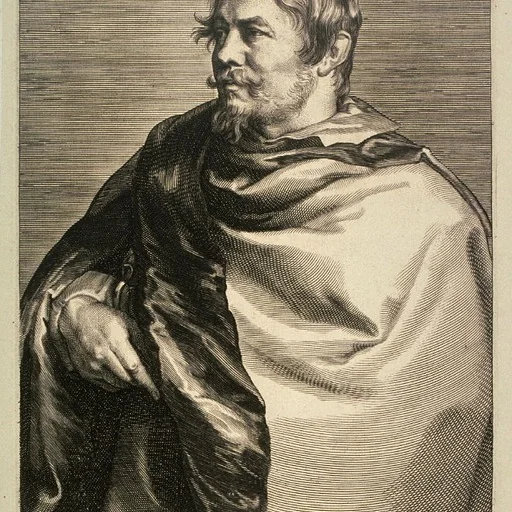
Gerard Seghers (c. 17 March 1591 – 18 March 1651) was a Flemish painter, art collector, and art dealer. After a period of study and residence in Italy, he returned to Flanders where he became one of the leading…