Artwork
Pietà
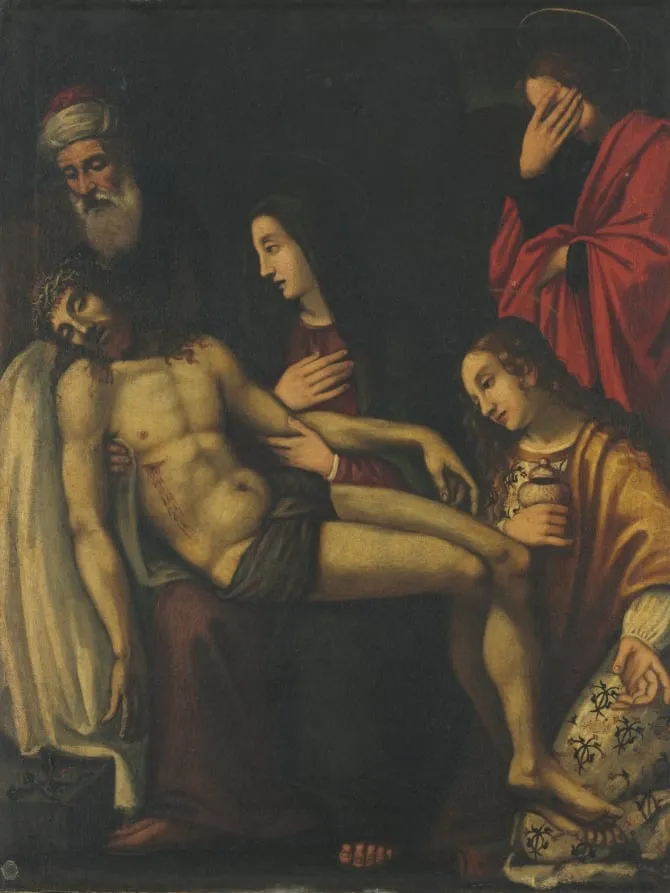
Pietà is an unspecified painting by the Mannerist artist Unknown. It dates from 1504 and is held in the collection of the Cleveland Museum of Art.
About this work
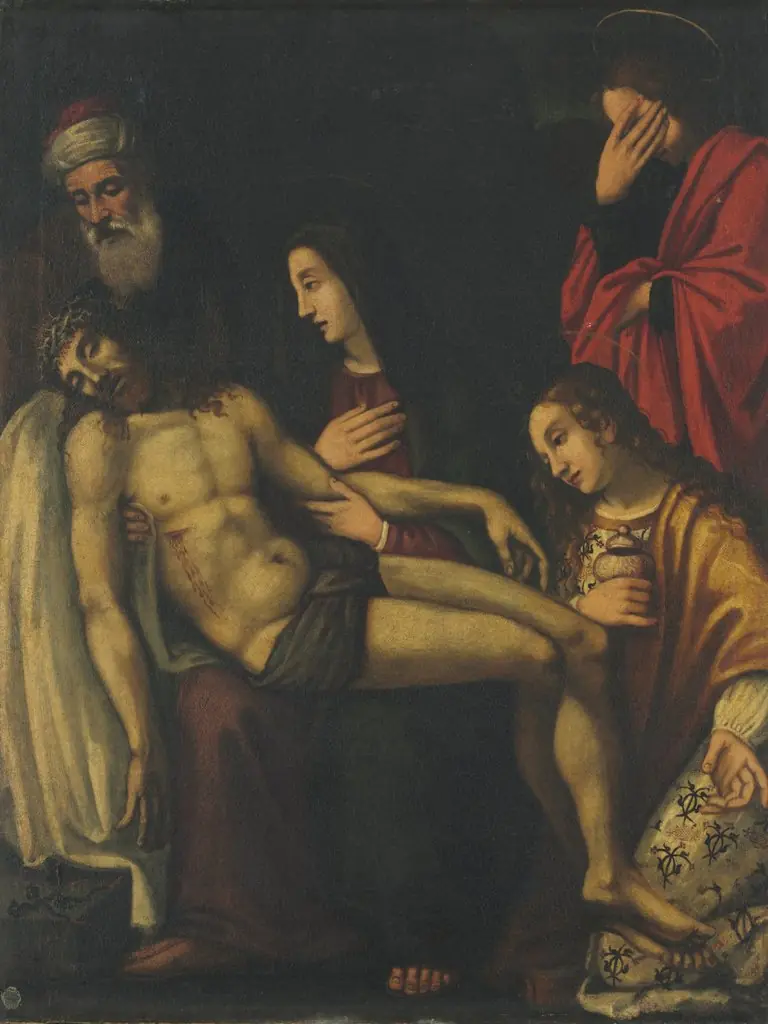
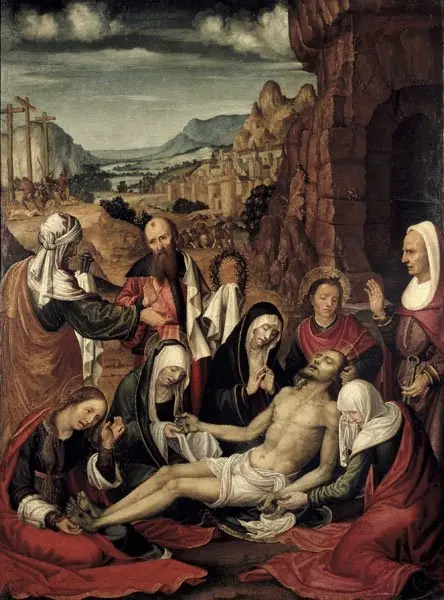
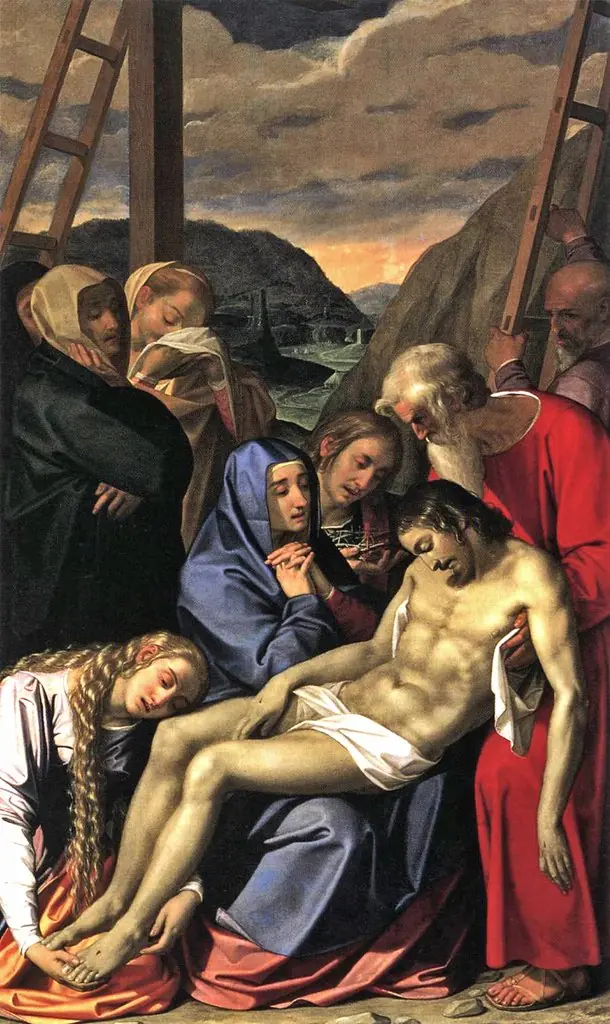
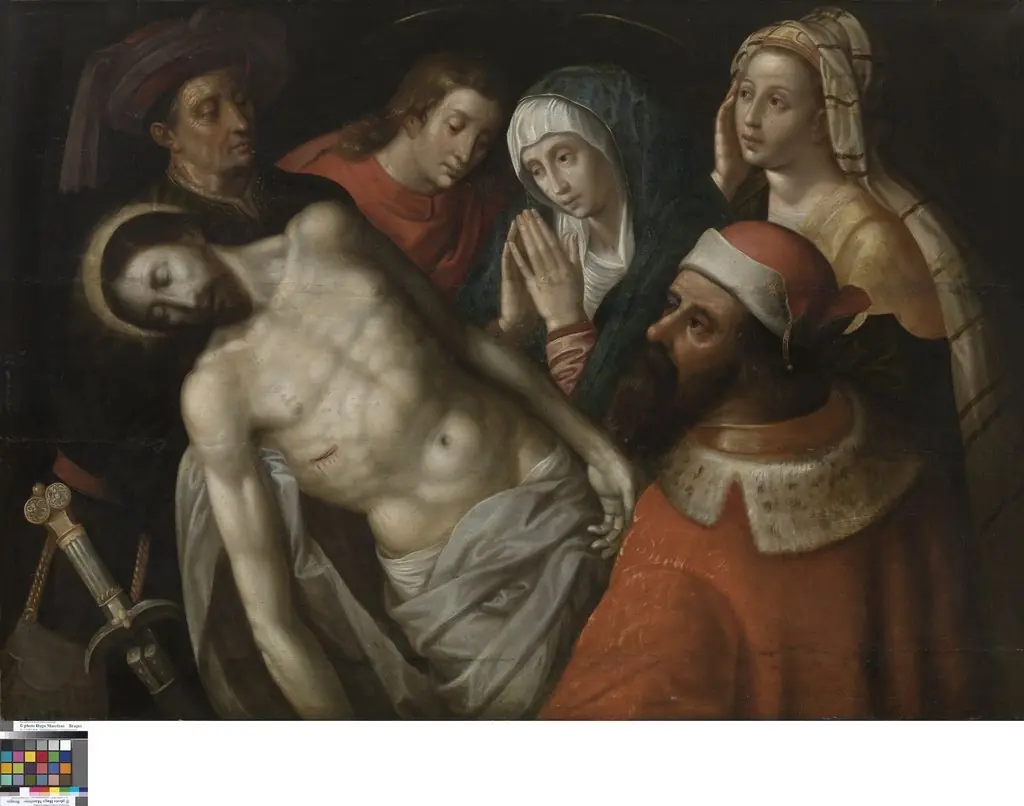
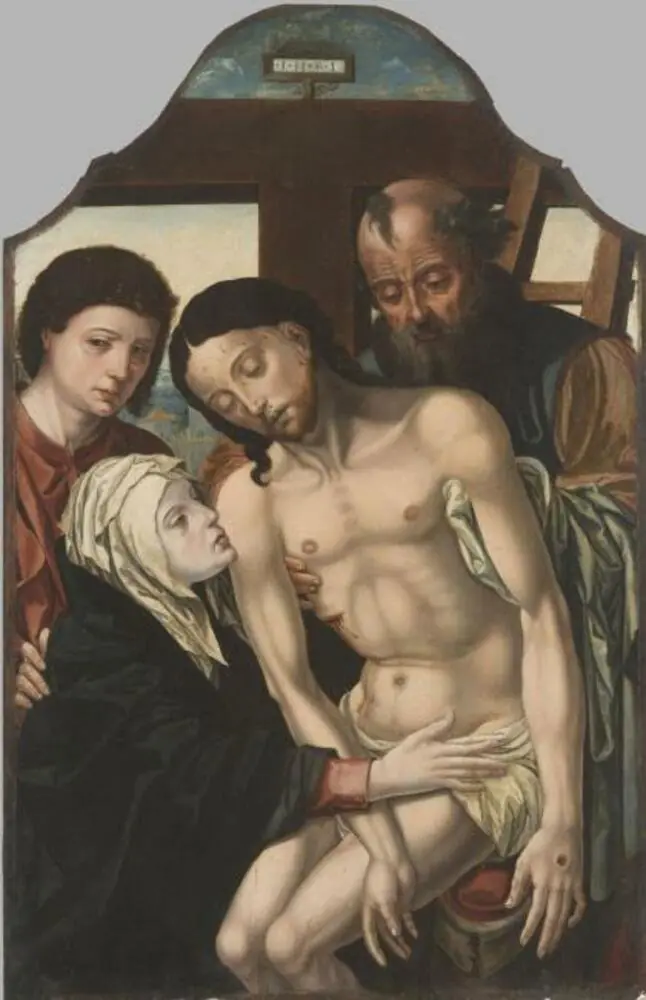
You see Mary cradling Jesus after the crucifixion, with Nicodemus holding his shoulders, Mary Magdalene at his feet, and John the Apostle weeping behind them.
You see Mary cradling Jesus after the crucifixion, with Nicodemus holding his shoulders, Mary Magdalene at his feet, and John the Apostle weeping behind them.
This scene isn’t in the Bible—it started in Germany in the 1300s and spread to Italy later. The faces here are calm, almost too still for the grief you’d expect. That quietness makes it feel strange, like the painter wanted to show sorrow without screaming.
Look up more paintings of this subject: *possibly italy, florence, late 16th century, or later*.
Overview
The work depicts a post‑crucifixion scene in which the Virgin Mary cradles the dead Christ, assisted by Nicodemus, while Mary Magdalene kneels at the feet and the Apostle John weeps nearby. The composition presents a quiet, restrained expression of mourning, emphasizing the physical presence of the body and the surrounding figures rather than overt emotional display.
Subject & Meaning
The image belongs to the pietà tradition, a devotional motif that emerged in 14th‑century Germany and later spread to Italy. Though absent from biblical narrative, the scene conveys the theological focus on Mary’s sorrow and Christ’s sacrifice, highlighted by the crown of thorns and lingering blood that recall the Passion.
Technique & Style
The painter renders the figures with calm, almost statuesque faces, creating a sense of stillness that contrasts with the tragic subject. The composition arranges the characters in a tight, pyramidal grouping, using subdued colour and controlled lighting to draw attention to the physical interaction between Mary and Christ.
History & Provenance
Originating from a German visual vocabulary of the 1300s, the pietà motif migrated northward and eventually reached Italian artistic circles, where it was adapted by later painters. The specific work reflects this cross‑regional transmission, though its precise date and ownership history remain undocumented.
Context
During the late medieval and early Renaissance periods, the pietà served as a focal point for personal devotion, encouraging contemplation of Christ’s suffering and the Virgin’s grief. Its adoption in northern Europe and subsequent diffusion into Italy illustrate the broader exchange of religious iconography across European art centers.
Artist & collection

 Domestic Scene
 Giacomo and Cardinal Marco, investing Andrea, Abbot of San Zeno, with his Benefice
 The Nymph of Fontainebleau
 Portrait of a Woman
 Madonna and Child with Saints in the Enclosed Garden
 Venus and Minerva
 Family Group of Four on Sofa
 Wall painting from Room H of the Villa of P. Fannius Synistor at Boscoreale