Artwork
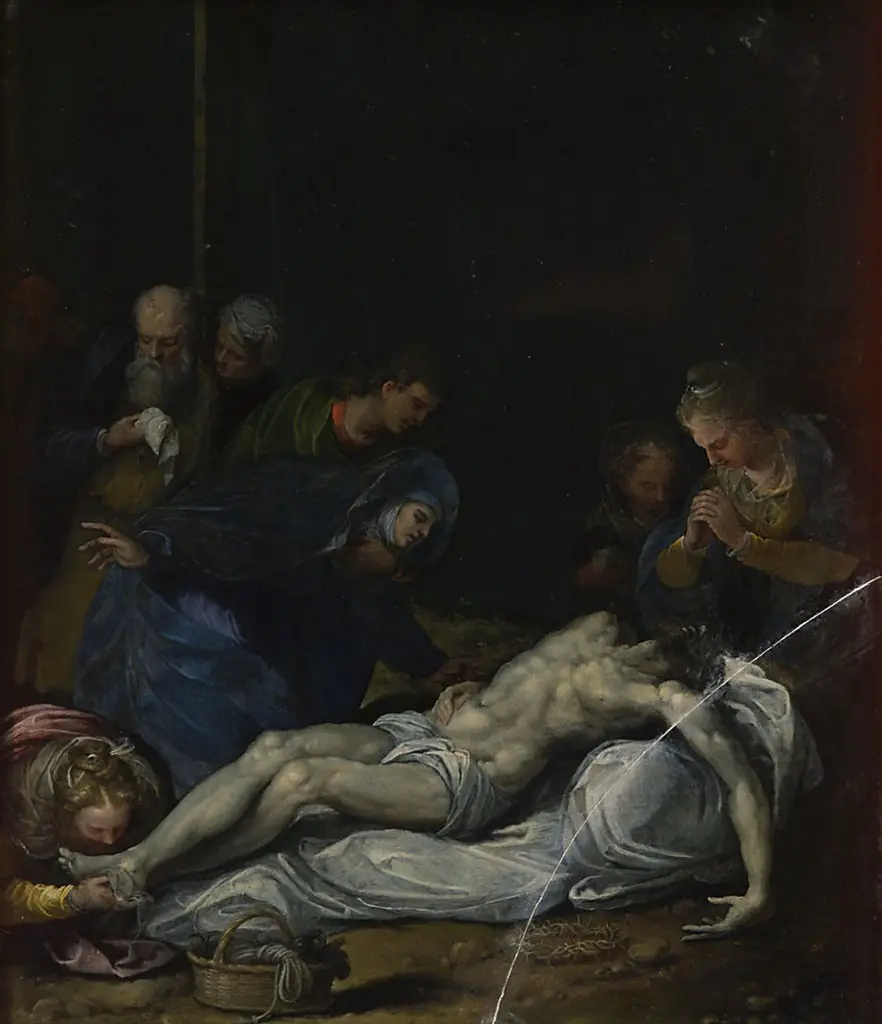
Lamentation of Christ
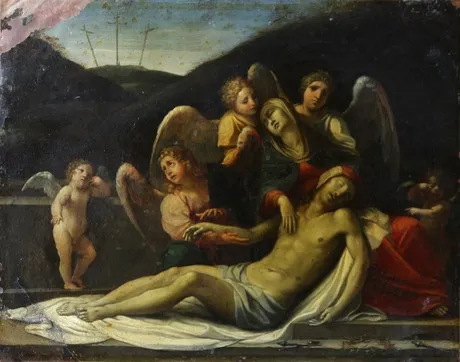
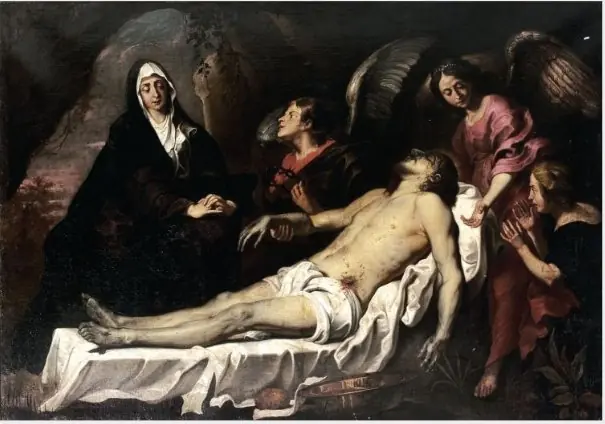
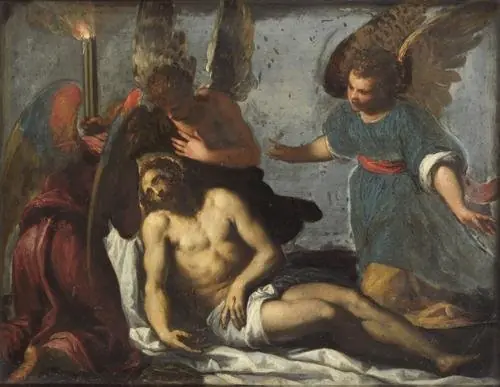
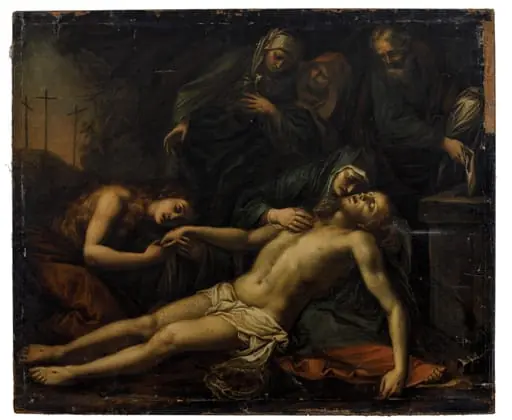
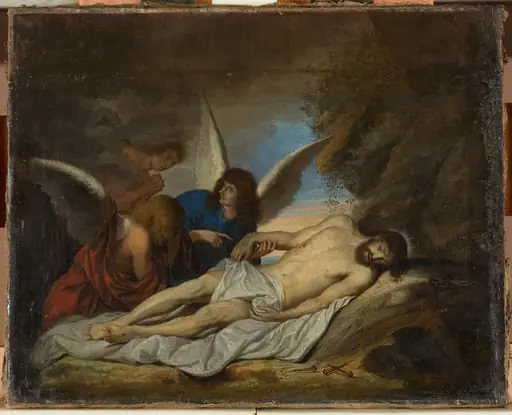
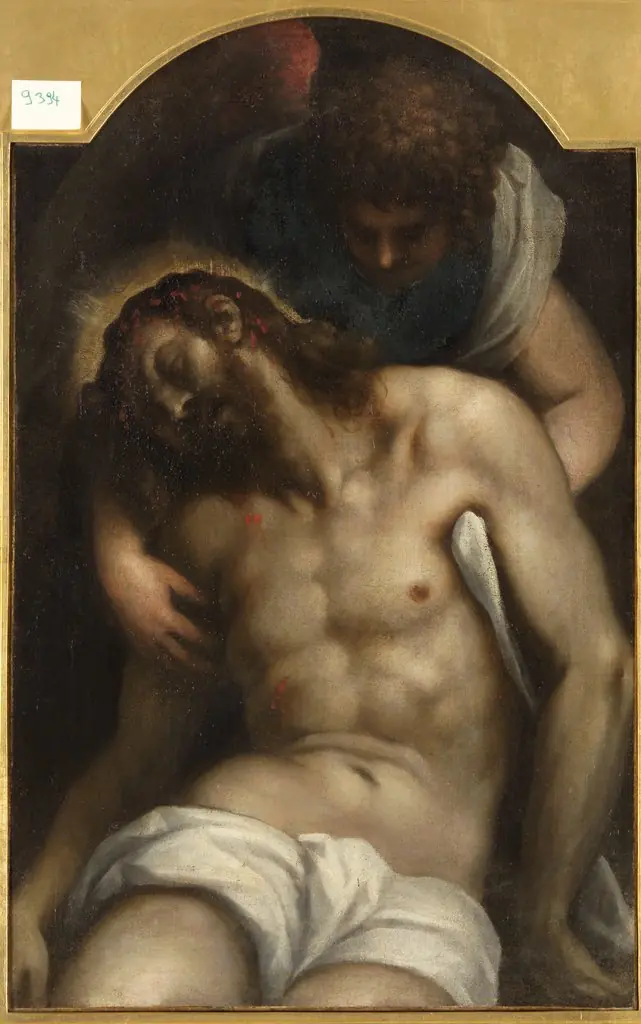
Lamentation of Christ is an oil painting by the Mannerist artist Alessandro Turchi. It dates from 1550 and is held in the collection of the National Gallery of Armenia.
About this work
Overview
It is currently held in the National Gallery of Armenia, where it remains one of the few Italian Baroque works in its collection.
Alessandro Turchi, active in the late 16th and early 17th centuries, painted *Lamentation of Christ* on copper, a support favored for its smooth surface and luminous qualities. Though sometimes called L'Orbetto or Alessandro Veronese, he is best known for his devotional works. The painting dates to approximately 1610, not 1550, and reflects the transitional style between Mannerism and early Baroque. It is currently held in the National Gallery of Armenia, where it remains one of the few Italian Baroque works in its collection.
Subject & Meaning
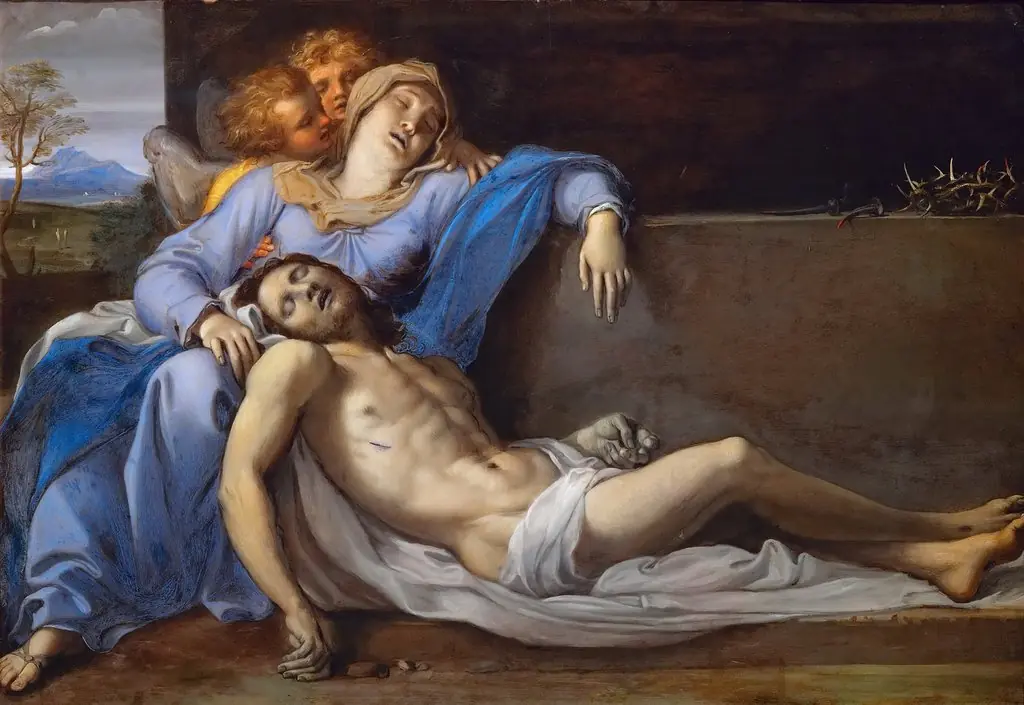
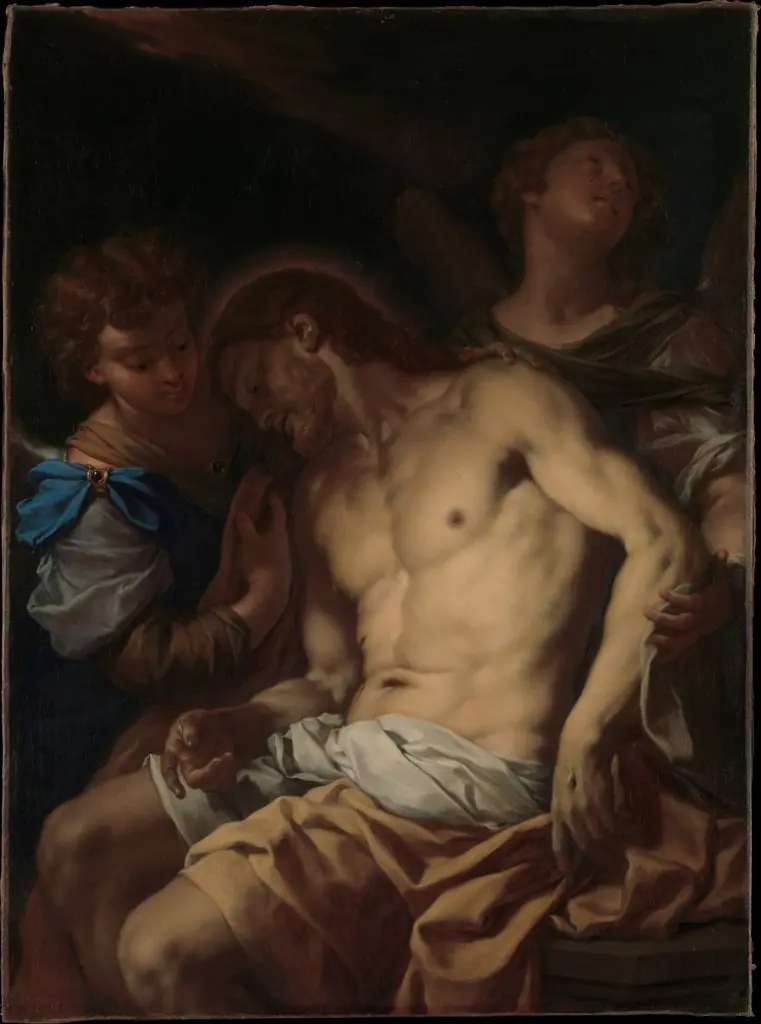
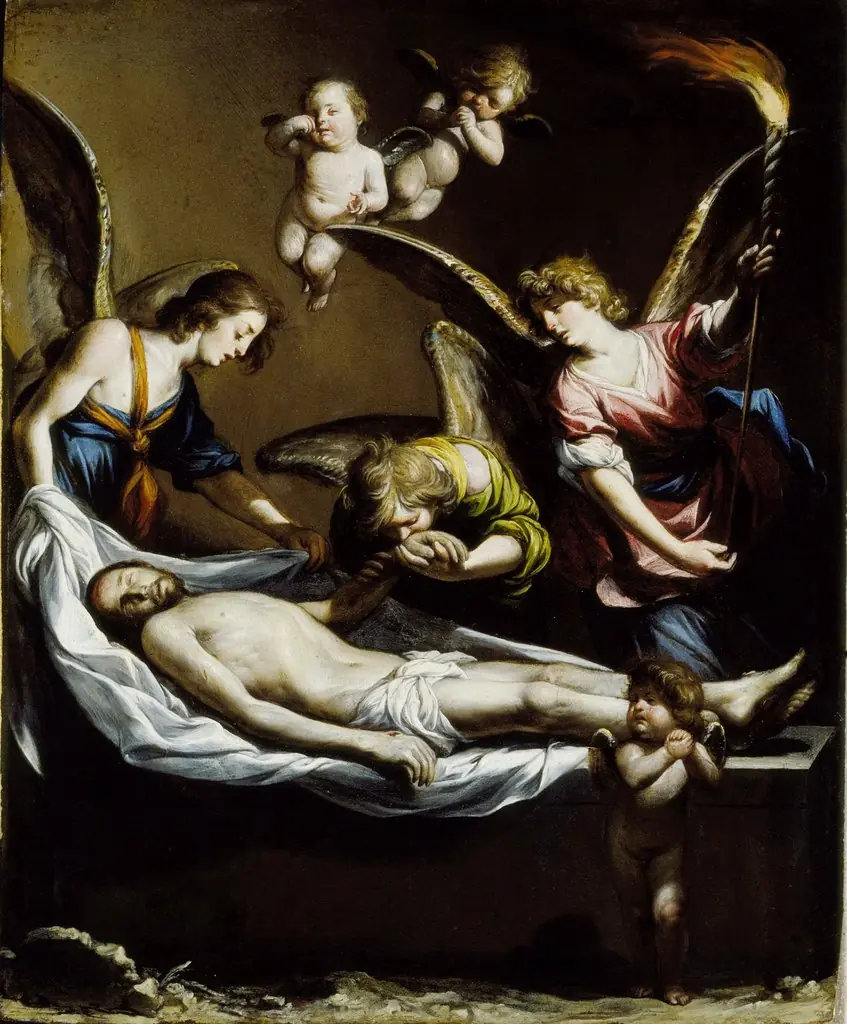
The scene captures the moment after Christ’s removal from the cross, with his lifeless body laid on the earth, wrapped in a white loincloth and covered by a red drape. Angels gather around him in quiet grief, their gestures conveying sorrow without theatricality. The composition emphasizes physical vulnerability and spiritual loss, aligning with Counter-Reformation ideals that encouraged empathetic engagement with Christ’s suffering. The absence of other figures focuses attention on intimate mourning rather than narrative drama.
Technique & Style
Turchi employed chiaroscuro to model Christ’s form with soft contrasts, enhancing the tactile quality of skin and fabric. The copper support allowed for fine detail and a cool, reflective tone that heightens the scene’s solemnity. Brushwork is controlled yet expressive, particularly in the rendering of drapery and the delicate rendering of angelic faces. The background’s muted hills and pale sky create spatial depth without distraction, reinforcing the painting’s meditative mood.
History & Provenance
The painting likely originated in Turchi’s Roman period, following his move from Verona. Its presence in Armenia suggests acquisition during the 19th or early 20th century, possibly through European collections or ecclesiastical transfers. While its early ownership is undocumented, its survival in a non-Western national collection reflects broader 19th-century trends of art redistribution. The work has remained in the National Gallery of Armenia since at least the mid-20th century.
Context
Turchi worked during a period when religious imagery was shaped by the Council of Trent’s emphasis on emotional clarity and doctrinal precision. His use of copper, common among Northern Italian artists, reflects regional preferences for durable, luminous supports. While not aligned with the grandeur of Roman Baroque giants like Caravaggio, Turchi’s intimate scale and restrained emotion resonate with devotional practices of the time, particularly among contemplative religious orders.
Legacy
Though less widely studied than his contemporaries, Turchi’s *Lamentation* exemplifies the quiet intensity of provincial Baroque devotional art. Its preservation in Armenia underscores the global circulation of Italian religious paintings beyond traditional Western collections. The work contributes to understanding how regional techniques and emotional restraint shaped sacred imagery during a time of religious upheaval, offering a counterpoint to more dramatic interpretations of the same subject.
Artist & collection
Artist
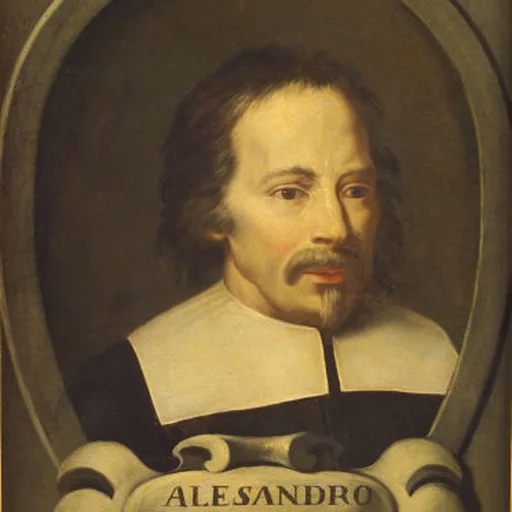
Alessandro Turchi (1578 – 22 January 1649) was an Italian painter of the early Baroque, born and active mainly in Verona, and moving late in life to Rome.