Artwork
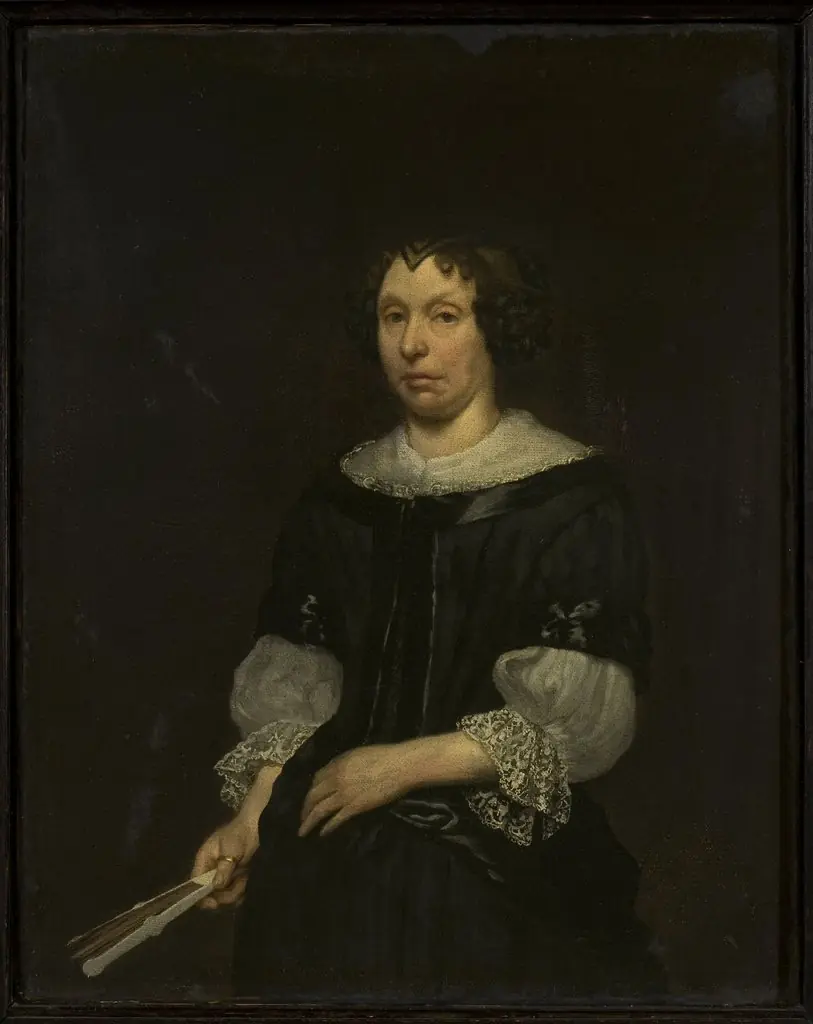
Bildnis einer Frau mit Fächer
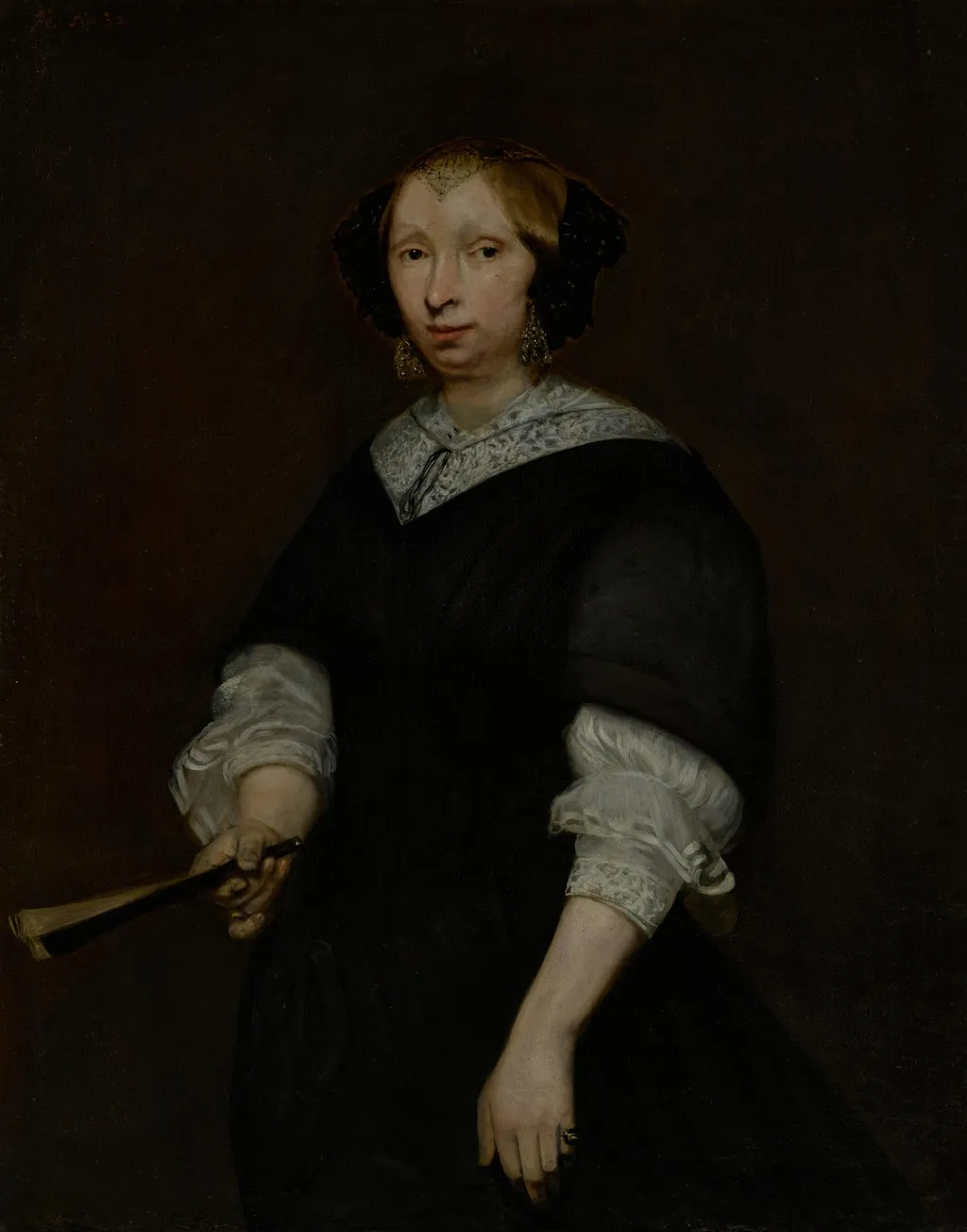
Bildnis einer Frau mit Fächer is a paint painting by the Dutch Golden Age artist Gerard ter Borch. It dates from 1655 and is held in the collection of the Gemäldegalerie Berlin.
About this work
Overview
Executed in oil on panel, the work exemplifies ter Borch’s focus on private, introspective moments rather than grand narratives.
Painted in 1655 by Dutch artist Gerard ter Borch, this portrait captures a woman in quiet repose, holding a fan. Executed in oil on panel, the work exemplifies ter Borch’s focus on private, introspective moments rather than grand narratives. Its restrained palette and careful attention to texture reflect the refined aesthetic of mid-17th-century Dutch portraiture, aligning with his broader interest in domestic tranquility and social nuance.
Subject & Meaning
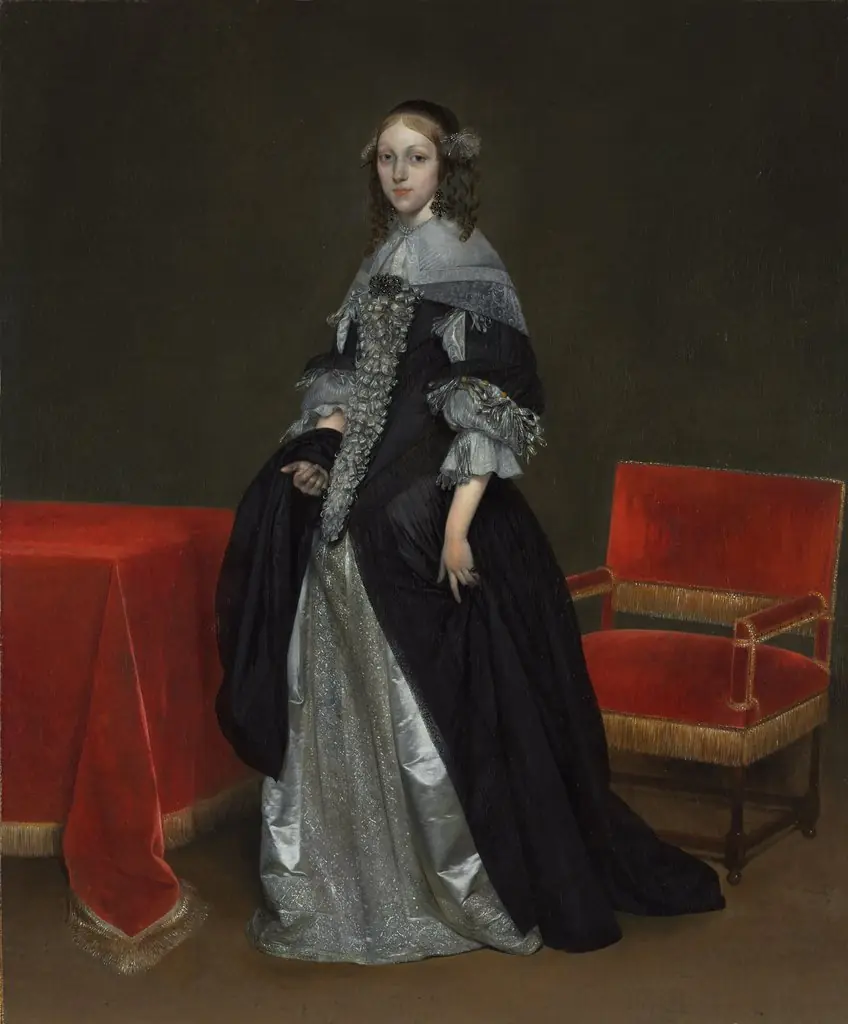
The woman, dressed in dark silk with lace trim and adorned with a veiled hat and large earrings, conveys composure and social refinement. The fan, a symbol of decorum and subtle communication in elite circles, suggests her awareness of social ritual. Her gaze, neither direct nor averted, invites quiet contemplation rather than engagement, reinforcing the painting’s emphasis on inner stillness over outward display.
Technique & Style
Ter Borch employs subtle chiaroscuro to model the woman’s form against a deep, neutral background, enhancing the sense of intimacy. His brushwork is precise yet unobtrusive, particularly in rendering the translucency of lace and the sheen of silk. The dark tones unify the composition, drawing focus to the delicate contrast of white lace against fabric and the soft gradations of shadow that define her features without theatricality.
History & Provenance
The painting entered the collection of the Gemäldegalerie in Berlin in the 19th century, where it remains today. While its early ownership is undocumented, its presence in a major European museum since the 1800s indicates its recognized quality among collectors of Dutch art. It was likely acquired during a period of renewed interest in 17th-century genre and portrait painting.
Context
In 1650s Holland, portraiture often emphasized modesty and restraint, even among the affluent. Ter Borch’s work stood apart by focusing on psychological subtlety rather than status symbols. His depictions of women in private moments influenced contemporaries like Vermeer and Dou, though his reputation later diminished as Vermeer’s gained broader recognition in the 19th century.
Legacy
Though less widely known today than some of his peers, ter Borch’s sensitivity to gesture and texture contributed to the evolution of Dutch interior portraiture. This painting exemplifies his ability to convey dignity through stillness, a quality that continues to inform scholarly appreciation of his work within the broader context of Golden Age painting traditions.
Own this work as a print
Artist & collection
Artist
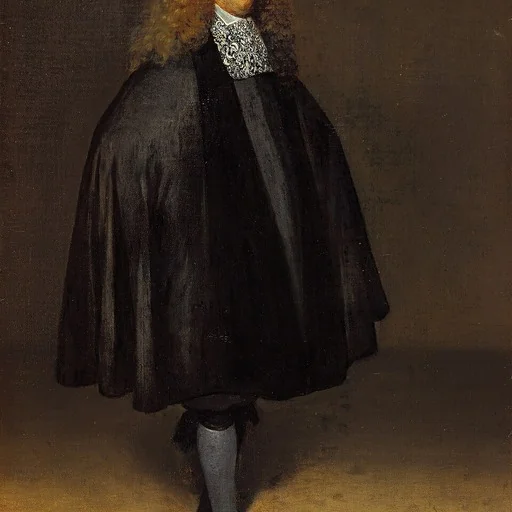
Gerard ter Borch (Dutch: ; December 1617 – 8 December 1681), also known as Gerard Terburg (Dutch: ), was a Dutch Golden Age painter mainly of genre subjects.

 Portrait of a lady with a folding fan
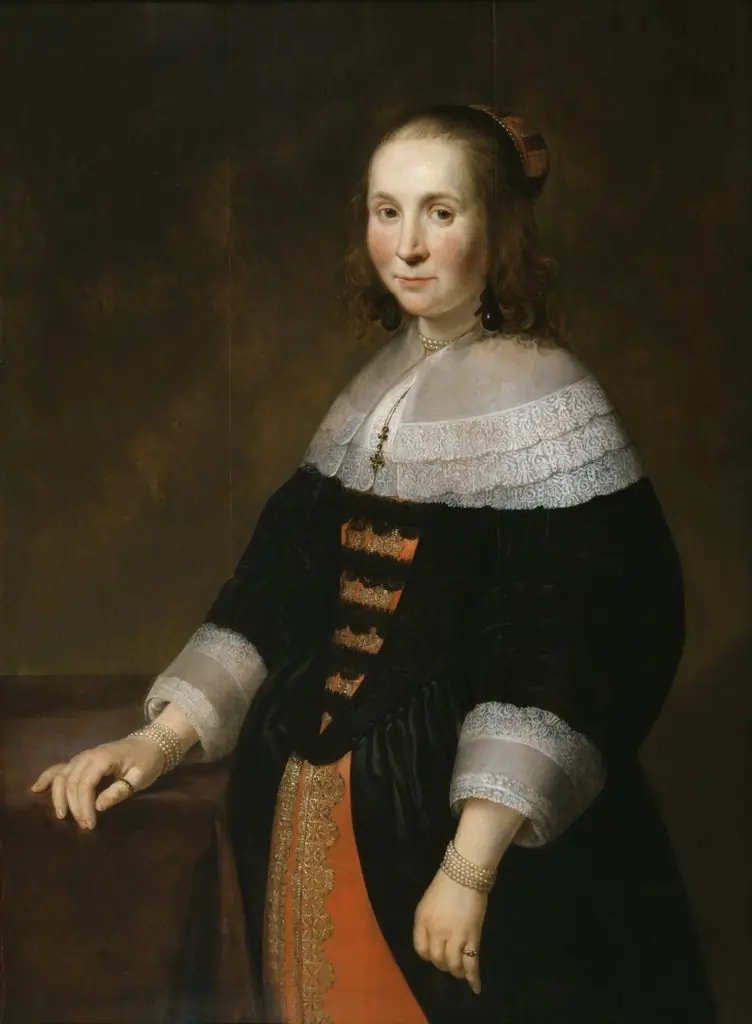 Portrait of a Wife
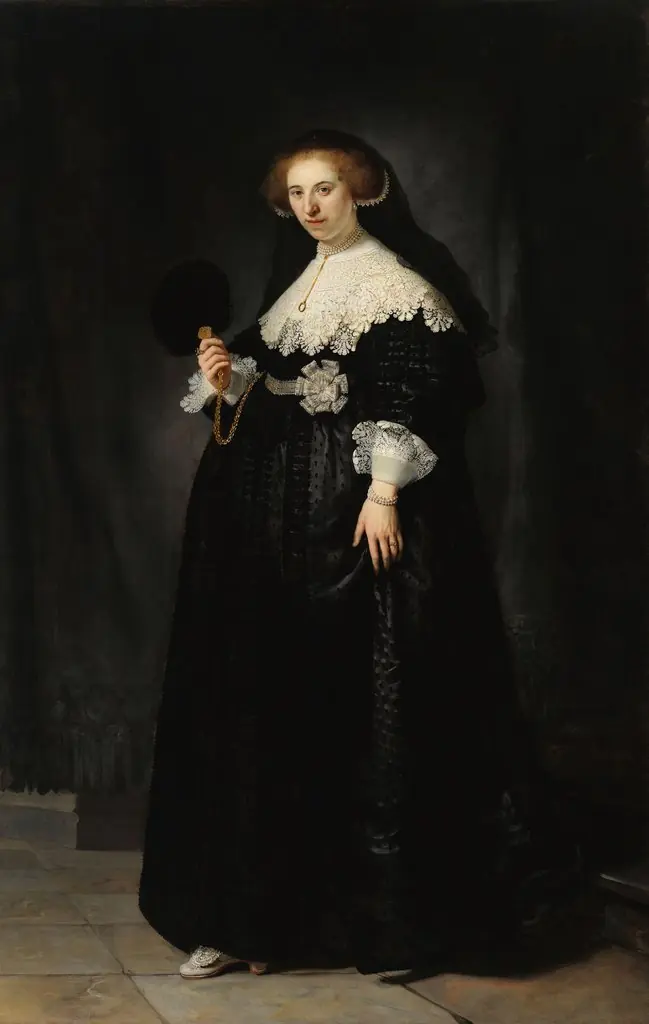 Portrait of Oopjen Coppit
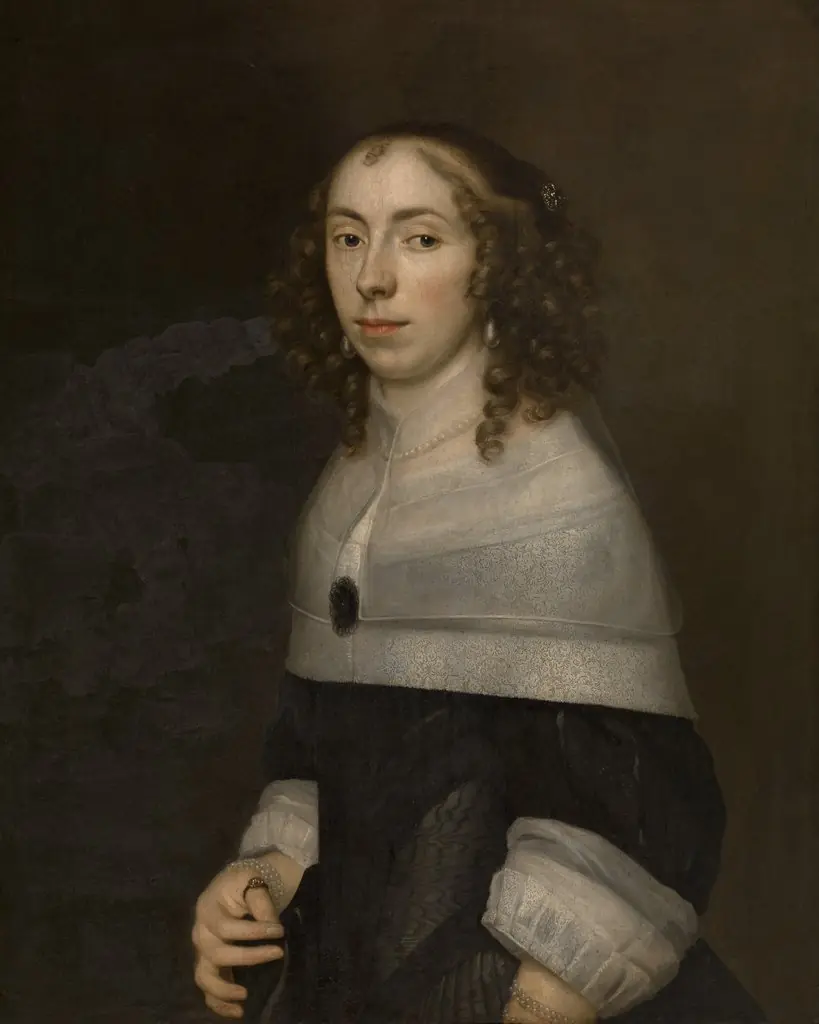 Portrait of Geertruijd Coenen (1635-1716)
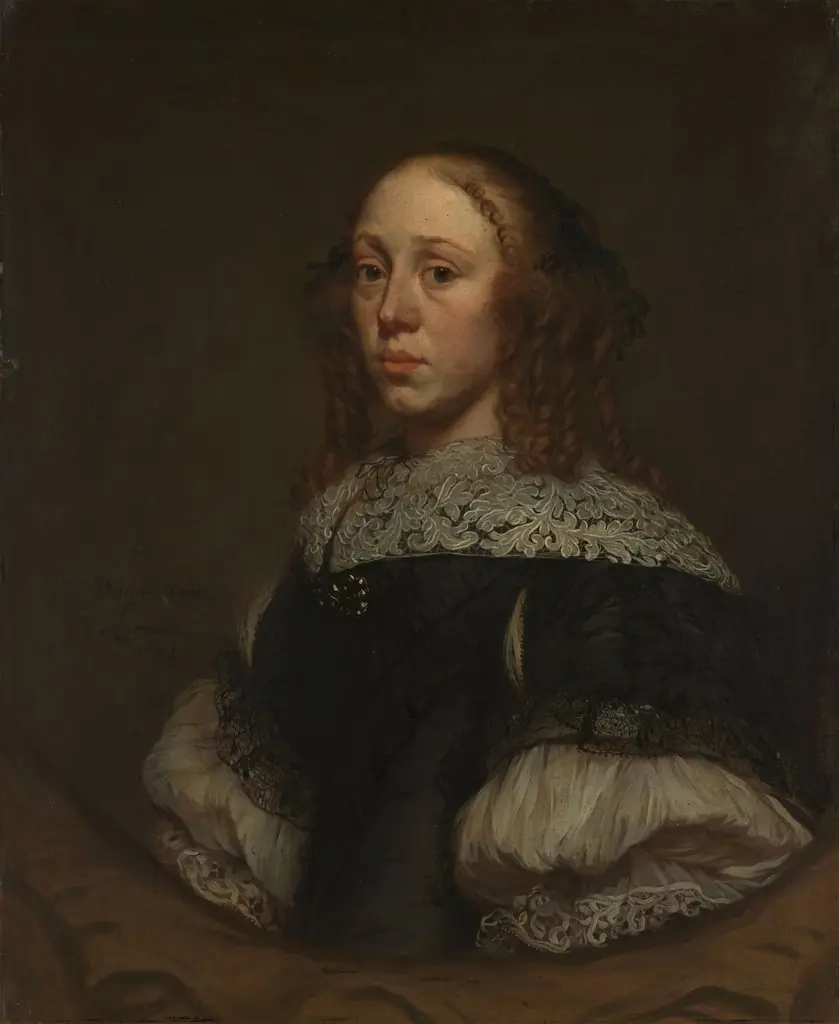 Portrait of a woman
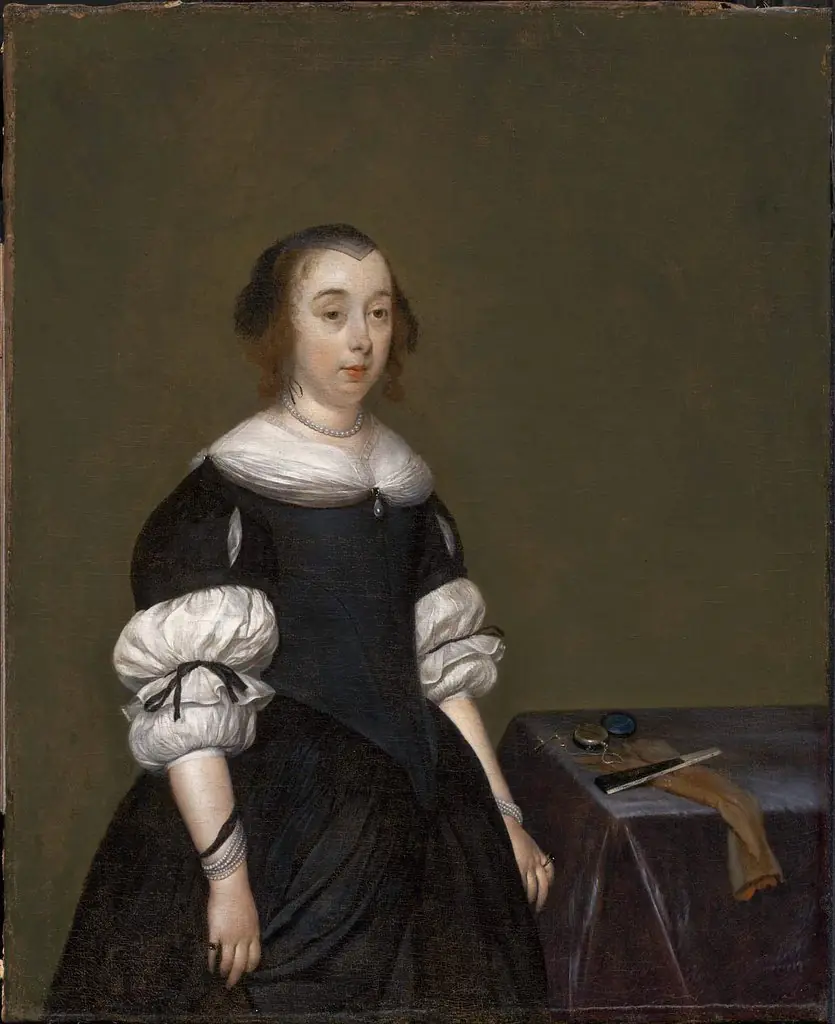 Portrait of a Woman
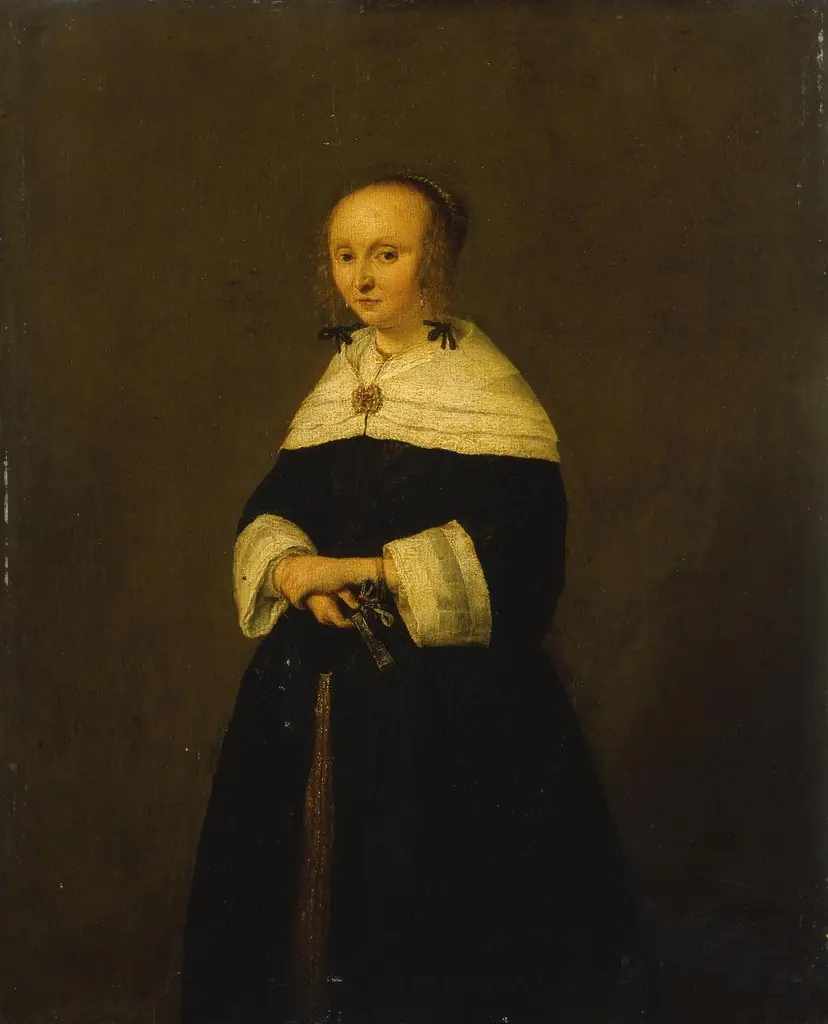 Portrait of a Woman
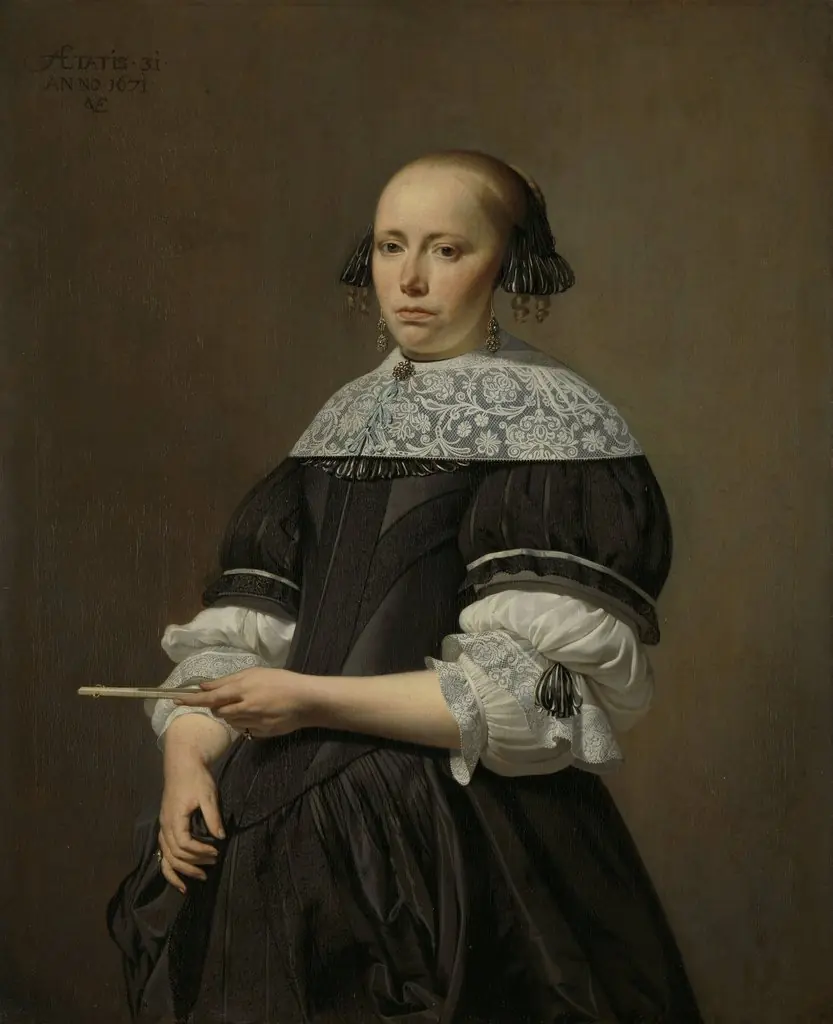 Elisabeth van Kessel (1640-1717). Wife of Willem Jacobsz Baert
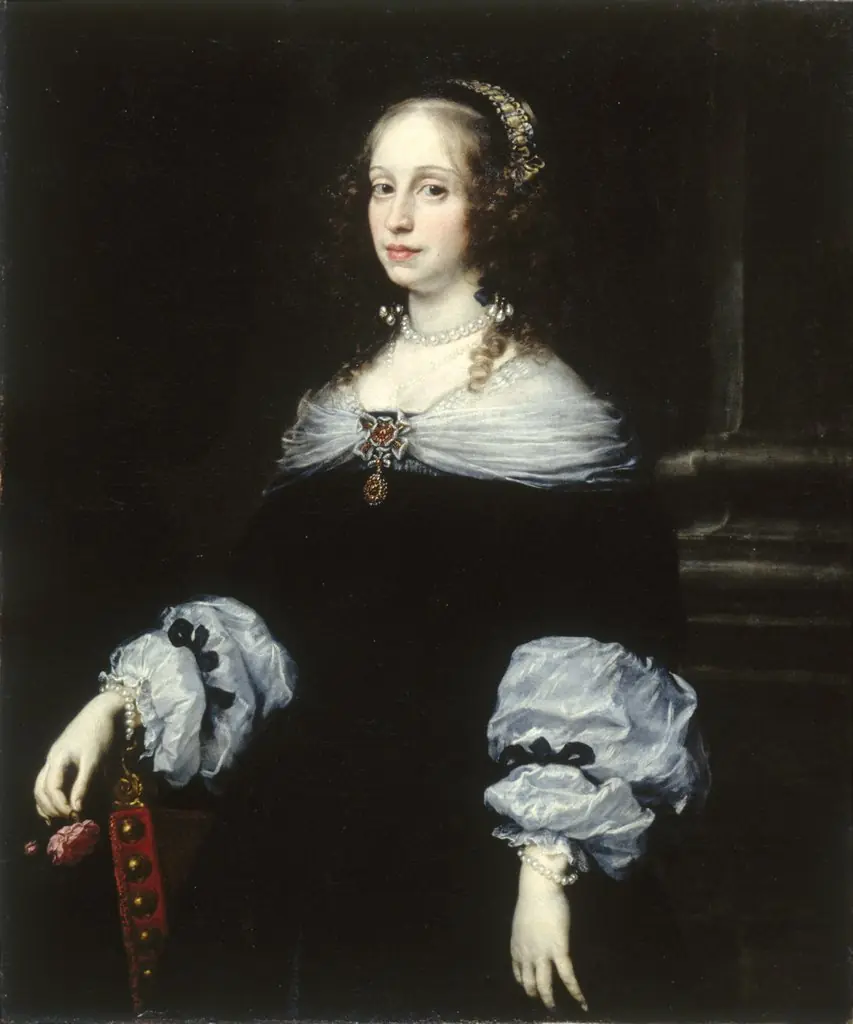 Portrait of Countess Teresa Dudley di Carpegna
 Portrait of Elisabeth Pietersdr Kessels (1640-1717)
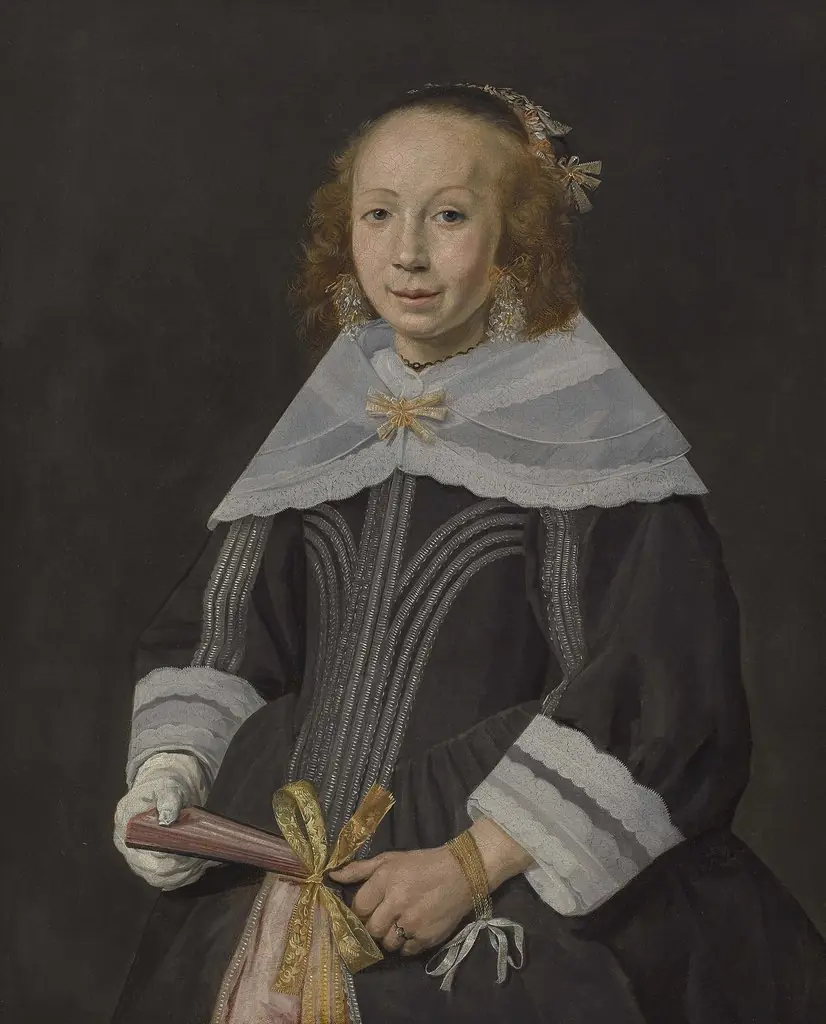 Portrait of a young woman holding a fan
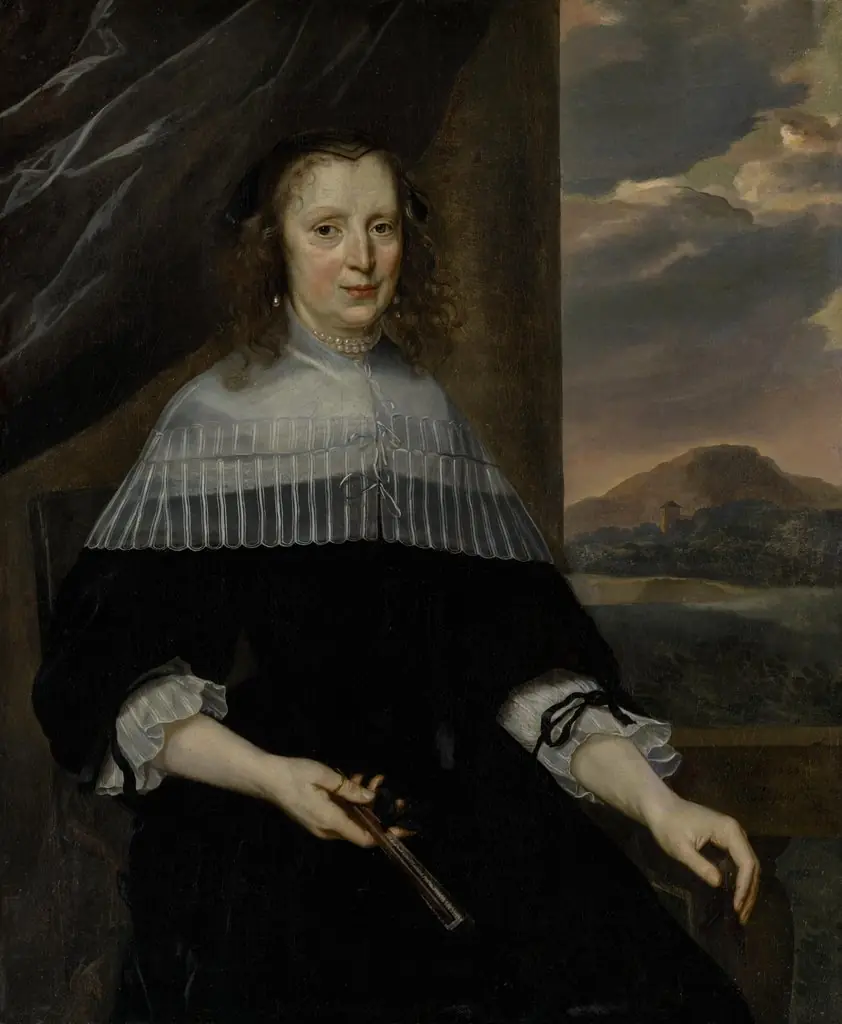 Bildnis einer Dame