Artwork
The Bloodletting
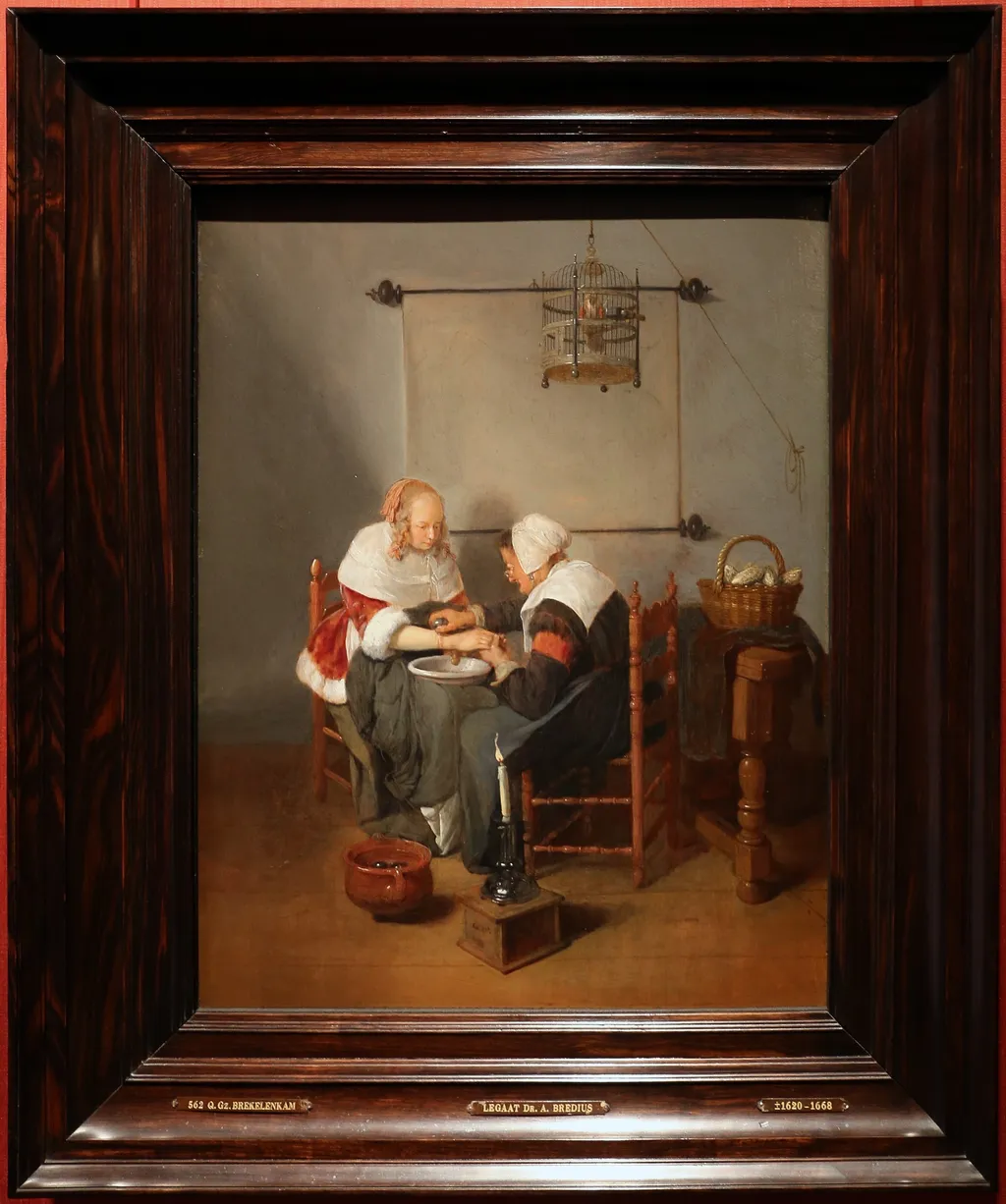
The Bloodletting is an unspecified painting by Quirijn van Brekelenkam. It dates from 1655 and is held in the collection of the Mauritshuis.
About this work
Overview
Quirijn van Brekelenkam’s *The Bloodletting*, painted around 1655, is a small‑scale Dutch Baroque work that captures a quiet domestic interior. Executed by a Leiden artist associated with the fijnschilders, the canvas presents a meticulously rendered scene that focuses on a medical procedure within a modest household setting.
Subject & Meaning
The composition centers on two women seated in a sparsely furnished room. Both gaze intently at an object placed on the lap of the woman in the white and red dress, suggesting a bloodletting or similar therapeutic act. The presence of a simple table, basket, and a birdcage on the plain wall underscores the everyday nature of the activity.
Technique & Style
Van Brekelenkam employs the fijnschilder approach, emphasizing fine brushwork, precise modeling of light, and careful rendering of textures such as fabric, wood, and metal. The subtle illumination falls across the figures, highlighting the contrast between the bright dress and the darker attire, while the restrained palette reinforces the intimate atmosphere.
History & Provenance
The painting is part of the collection of the Mauritshuis in The Hague. Its attribution to van Brekelenkam aligns with his known oeuvre of genre scenes produced in Leiden during the mid‑17th century, a period when he likely trained under Gerard Dou, a leading figure of the fijnschilders.
Context
*The Bloodletting* reflects the Dutch Golden Age’s interest in depicting ordinary life and contemporary practices, including medical treatments. By situating the procedure within a domestic interior, the work comments on the integration of health care into everyday household routines, a theme common in genre paintings of the era.
Artist & collection
Artist
Quirijn or Quiringh Gerritsz van Brekelenkam (1622/29, Zwammerdam – 1669/79, Leiden) was a Dutch Baroque genre painter.

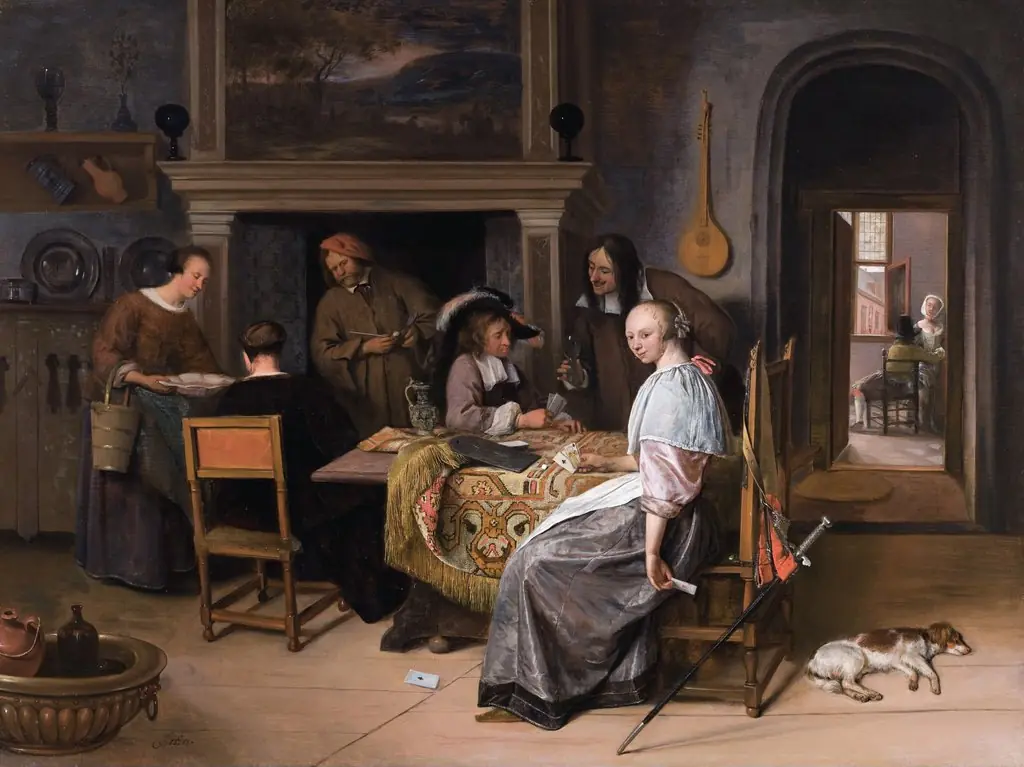 The Card Players in an Interior
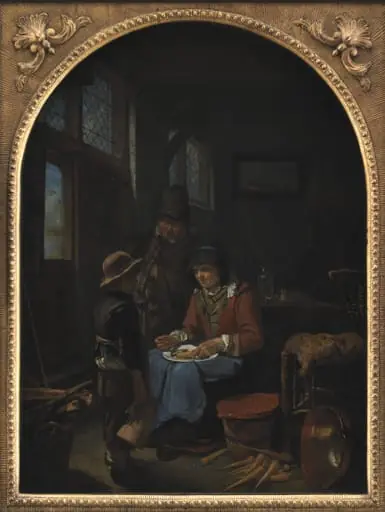 Sending the Boy for Beer
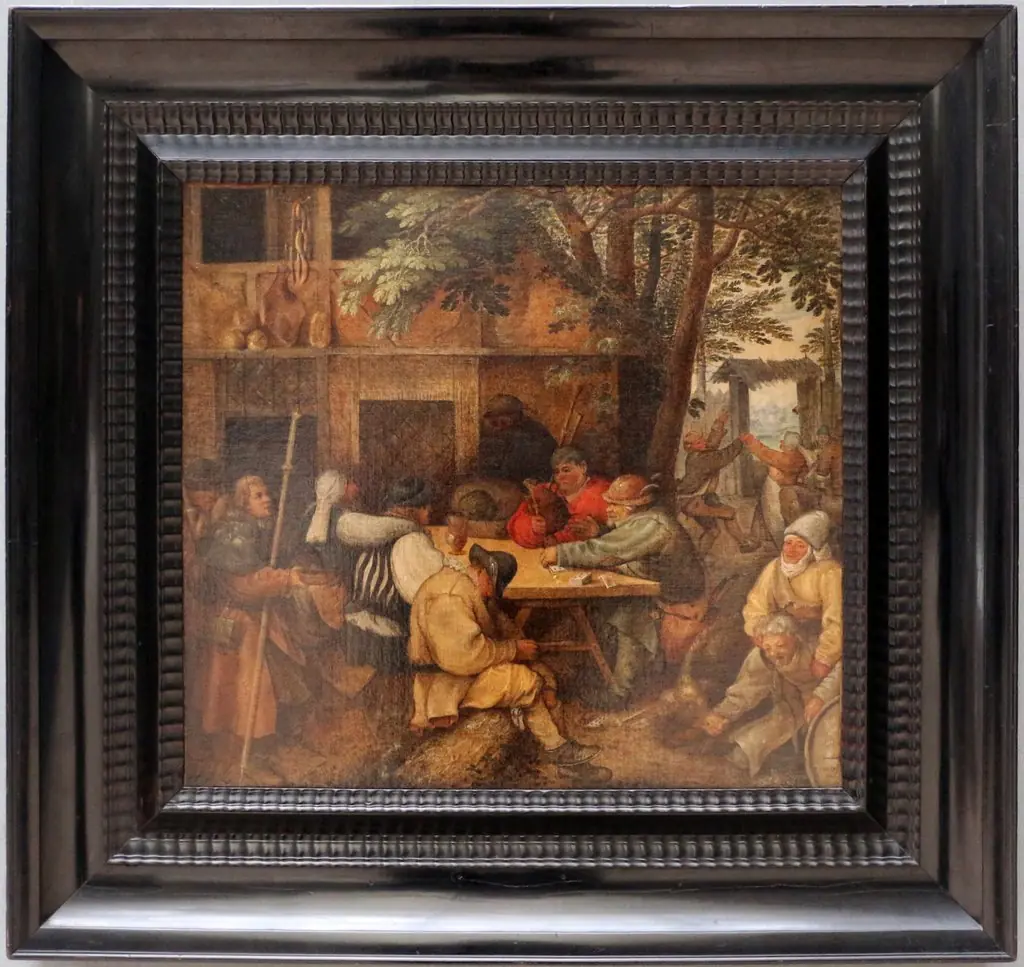 peasants at a table (Roelandt Savery)
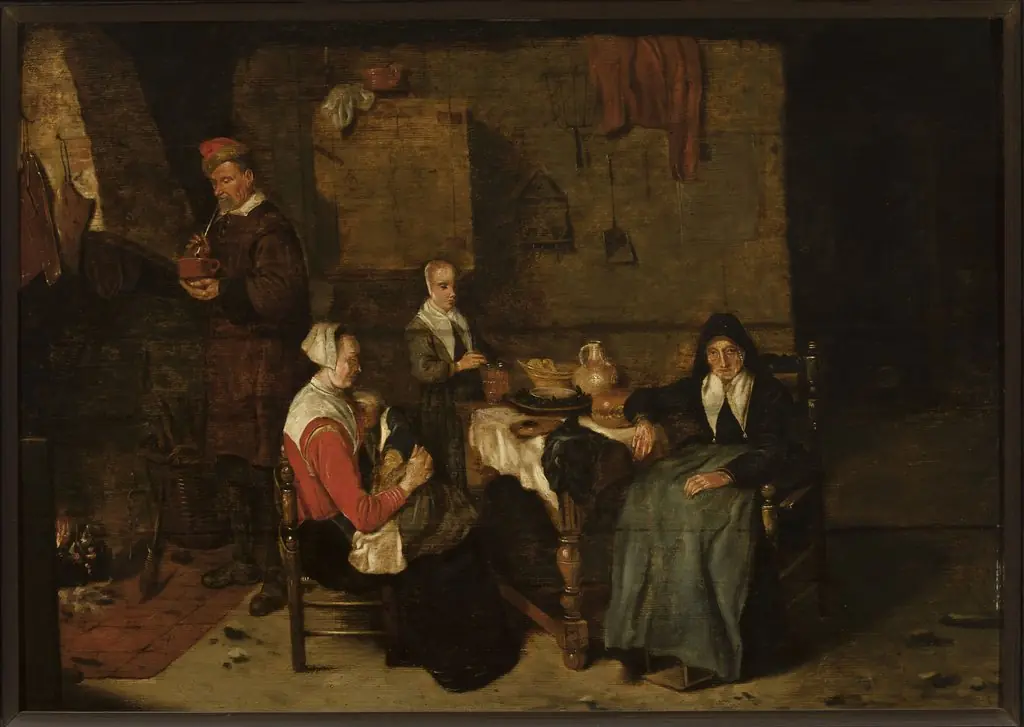 Family scene
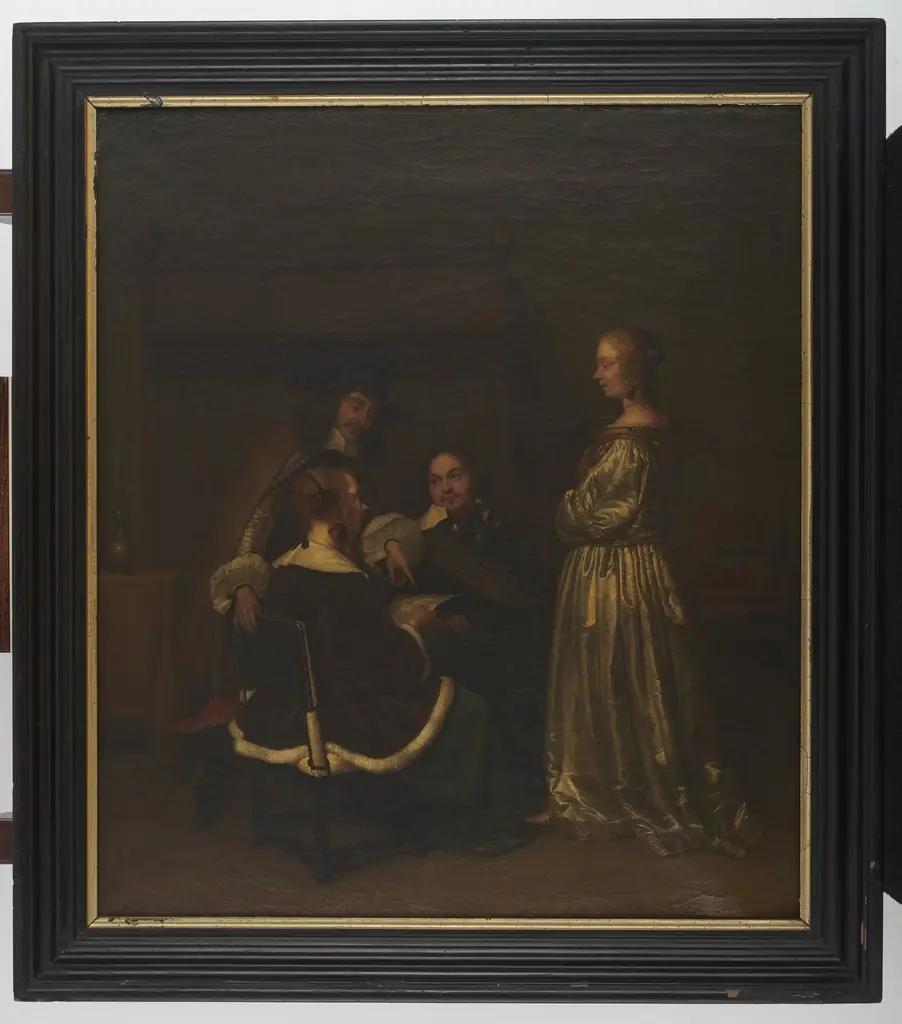 Reading a letter
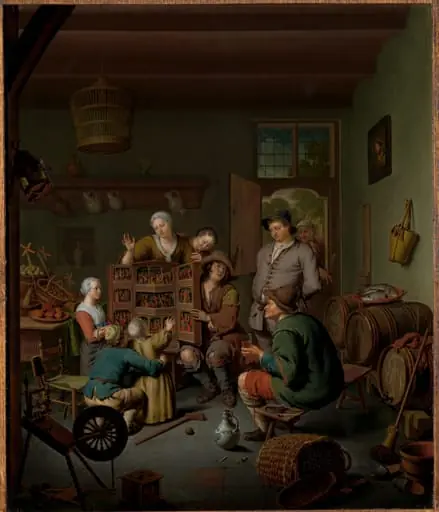 De rarekiek (’t Fraay Curieus)
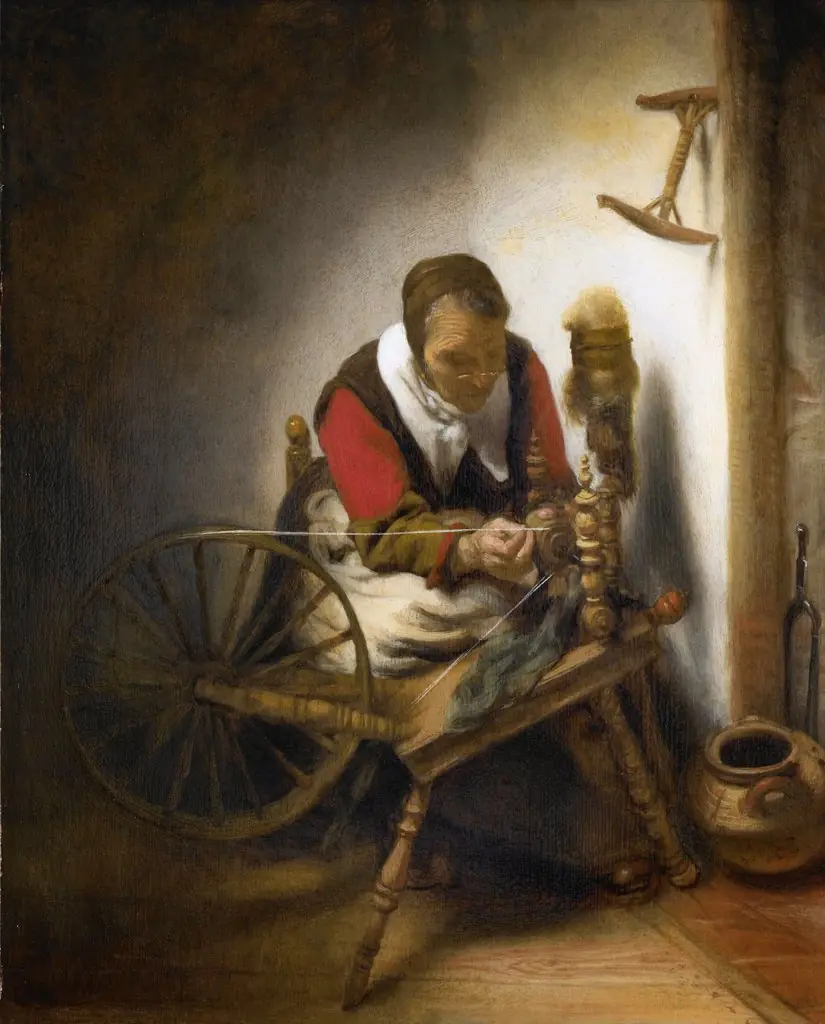 Woman spinning
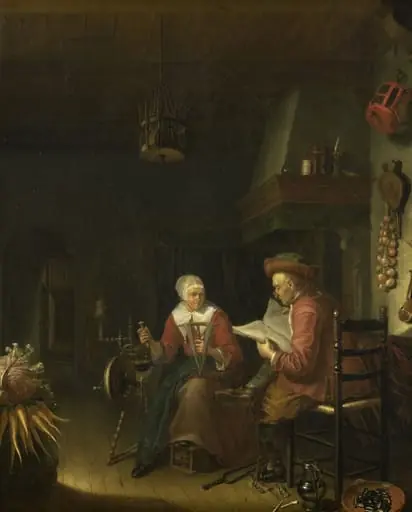 Interior with a man reading and a woman spinning yarn
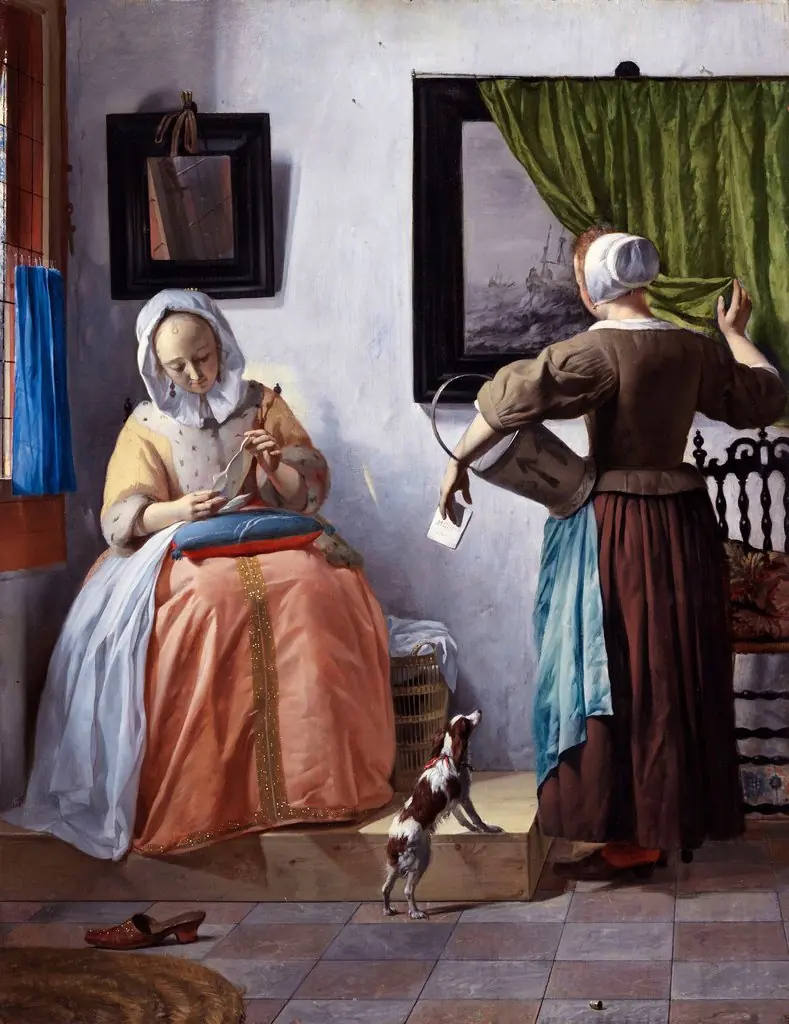 Woman Reading a Letter
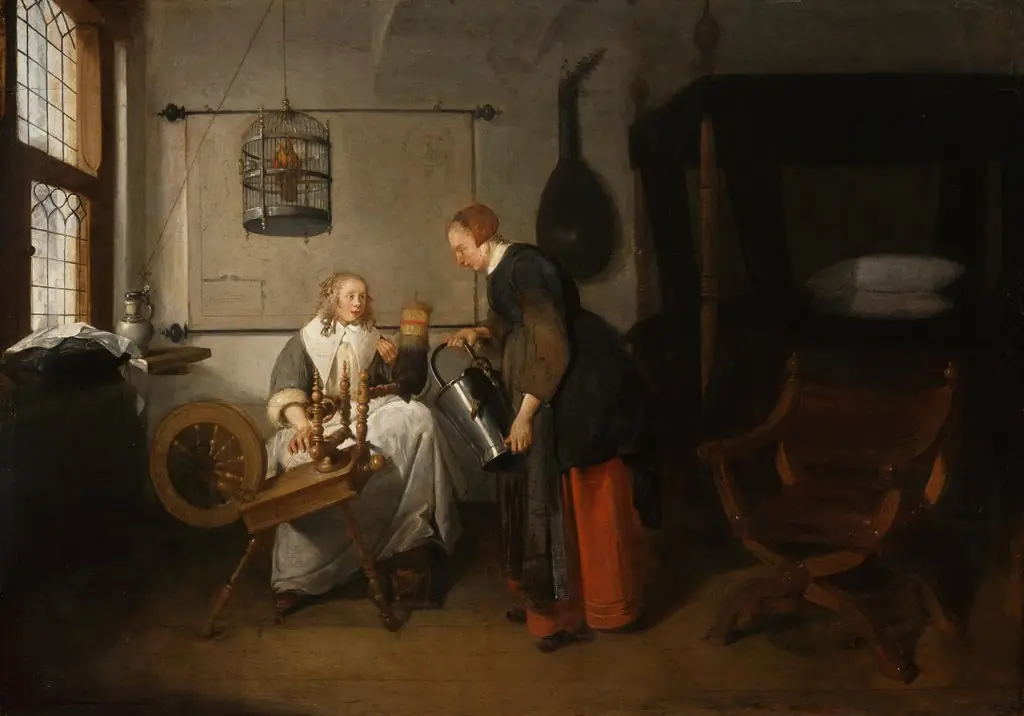 Young Woman at the Spinning Wheel
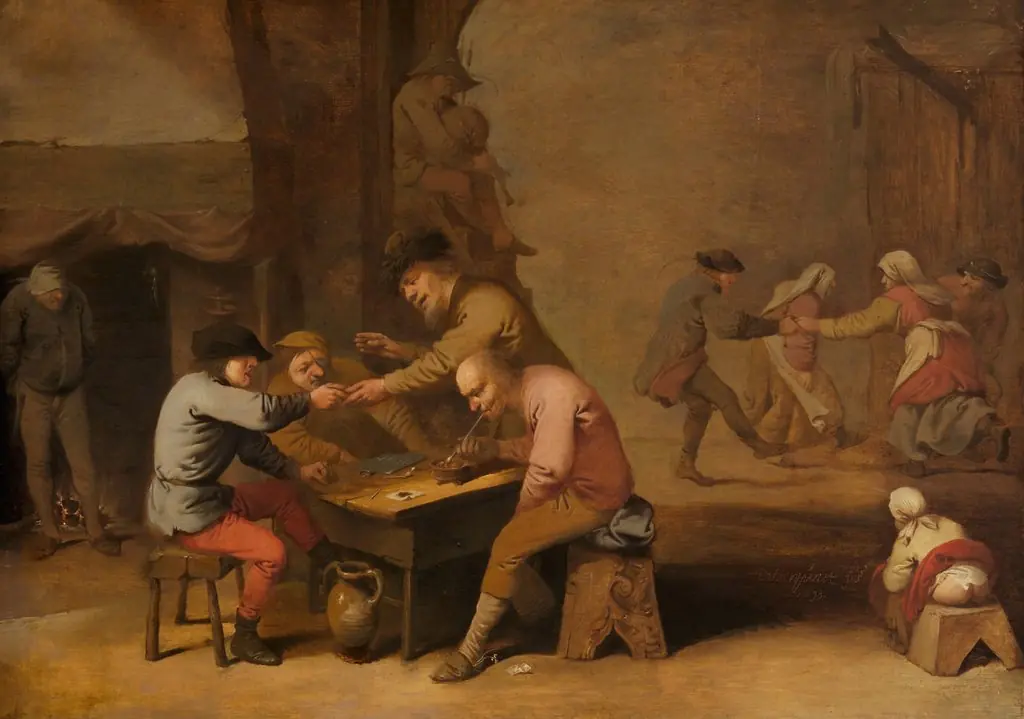 Bauern in der Schenke
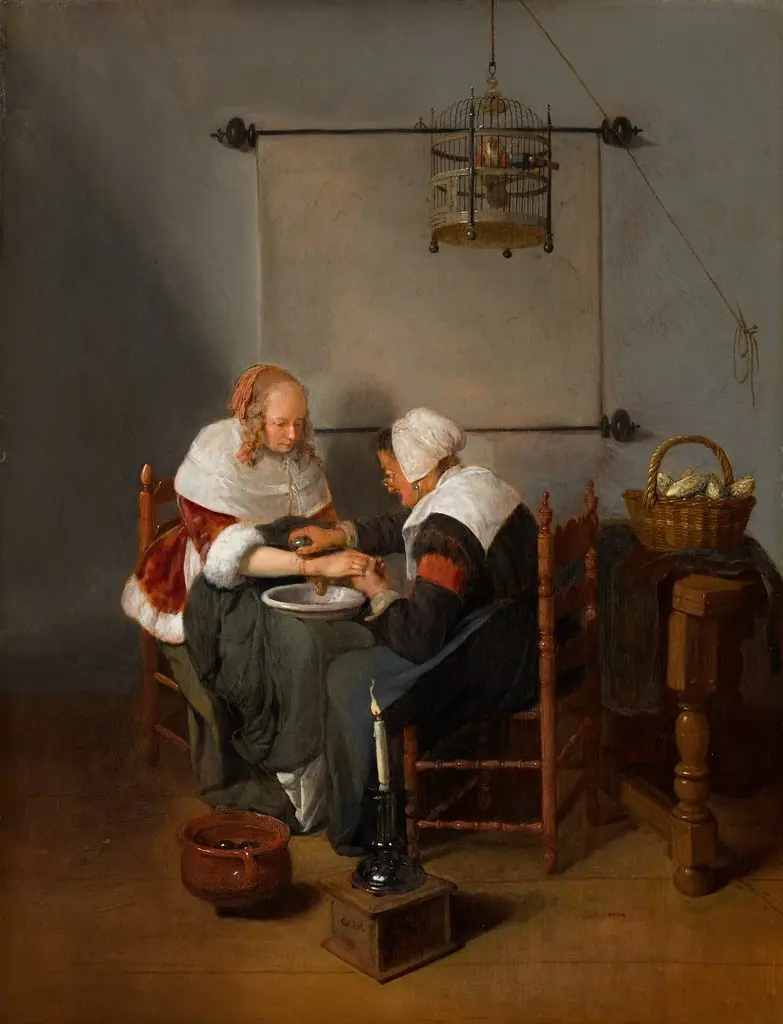 An Old Woman Bleeding a Young Woman, known as 'The Bloodletting'