Artwork
Die Befreiung Petri (Kopie nach)
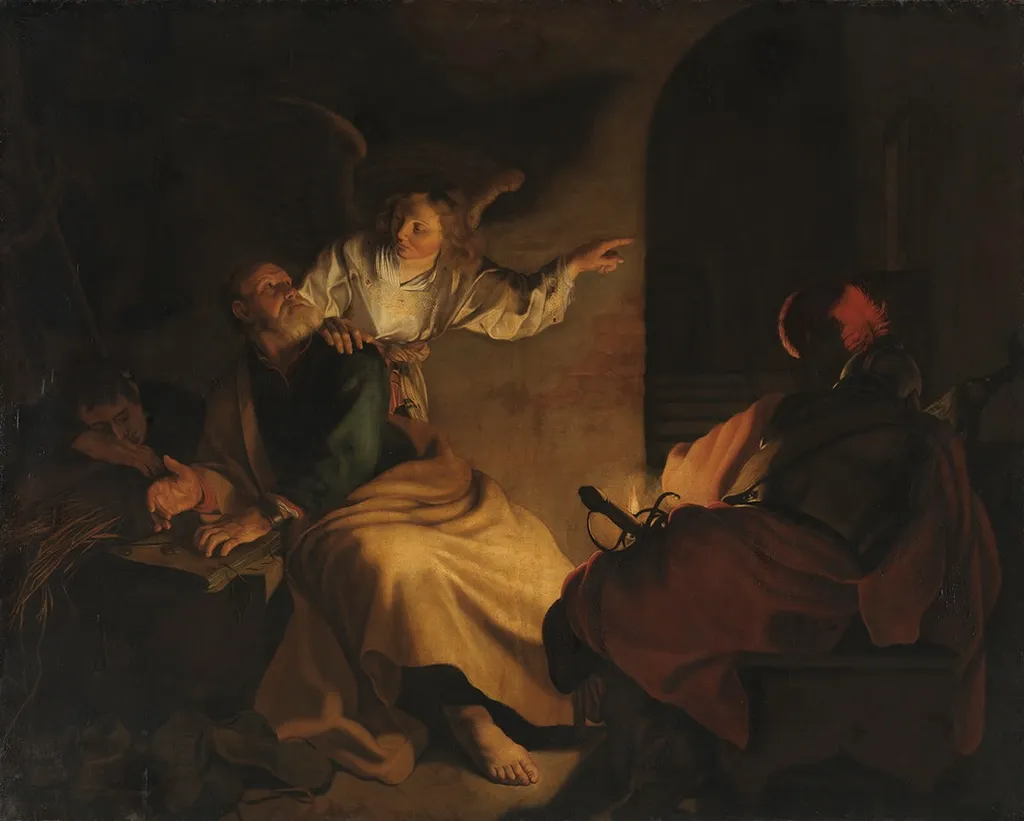
Die Befreiung Petri (Kopie nach) is an unspecified painting by the Dutch Golden Age artist Gerard van Honthorst. It dates from 1624 and is held in the collection of the Bavarian State Painting Collections.
About this work
Overview
The piece is now held in the Alte Pinakothek in Munich, representing a key moment in Northern European artists’ adaptation of Roman chiaroscuro techniques.
This painting is a copy after a work by Gerard van Honthorst, completed in 1624. It reflects the Dutch Golden Age’s engagement with Italian Baroque innovations, particularly the dramatic use of light. The original was painted during Honthorst’s time in Rome, where he absorbed Caravaggio’s influence. The piece is now held in the Alte Pinakothek in Munich, representing a key moment in Northern European artists’ adaptation of Roman chiaroscuro techniques.
Subject & Meaning
The scene illustrates the biblical moment when an angel liberates Saint Peter from prison, as recounted in the Acts of the Apostles. The angel, glowing with divine light, guides the apostle while the other figures react with quiet awe or exhaustion. The composition emphasizes spiritual intervention over violence, focusing on the quiet authority of the celestial messenger and the weary trust of the prisoner. The somber tone underscores the gravity of divine deliverance.
Technique & Style
Honthorst employs chiaroscuro with precision, using a single light source to model forms and heighten emotional tension. The illumination falls sharply across faces and drapery, creating deep shadows that define volume and texture. The figures are rendered with naturalistic detail, avoiding idealization. This approach, learned in Italy, distinguishes his work from the brighter, more evenly lit traditions of Northern European painting at the time.
History & Provenance
The original painting by Honthorst was made during his Roman sojourn, where he earned the nickname Gherardo delle Notti for his nocturnal scenes. This version is a later copy, likely produced in the Netherlands or Germany, reflecting the enduring appeal of his style. It entered the Alte Pinakothek’s collection in the 19th century, part of a broader effort to document the transmission of Italian Baroque aesthetics across Northern Europe.
Context
Honthorst was part of a group of Dutch artists who traveled to Rome in the early 17th century and returned with Caravaggist techniques. His work, alongside that of Ter Brugghen and Van Baburen, helped introduce tenebrism to the Dutch Republic. This painting reflects not only religious devotion but also the cultural exchange between Italy and the Netherlands during a period of artistic experimentation and religious upheaval.
Legacy
Though a copy, the work preserves the visual language Honthorst helped popularize: intimate nocturnal scenes with emotionally charged lighting. His influence extended beyond religious subjects into portraiture, shaping how light could convey psychological depth. The persistence of such copies in collections like the Alte Pinakothek testifies to the lasting impact of his synthesis of Italian drama and Northern realism.
Artist & collection
Artist
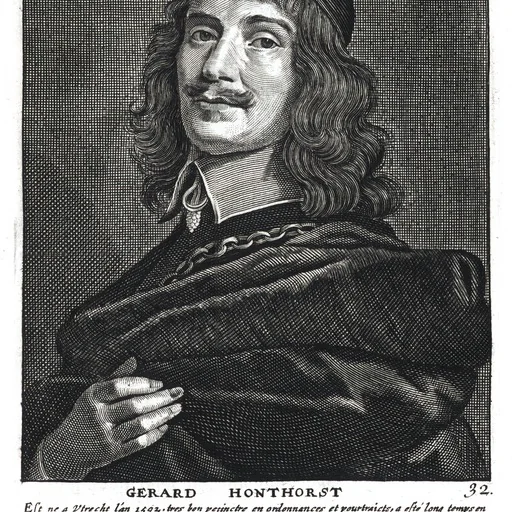
Gerard "Gerrit" van Honthorst (4 November 1592 – 27 April 1656) was a Dutch Golden Age painter who became known for his depiction of artificially lit scenes, eventually receiving the Italian nickname Gherardo delle Notti ("Gerard of the…

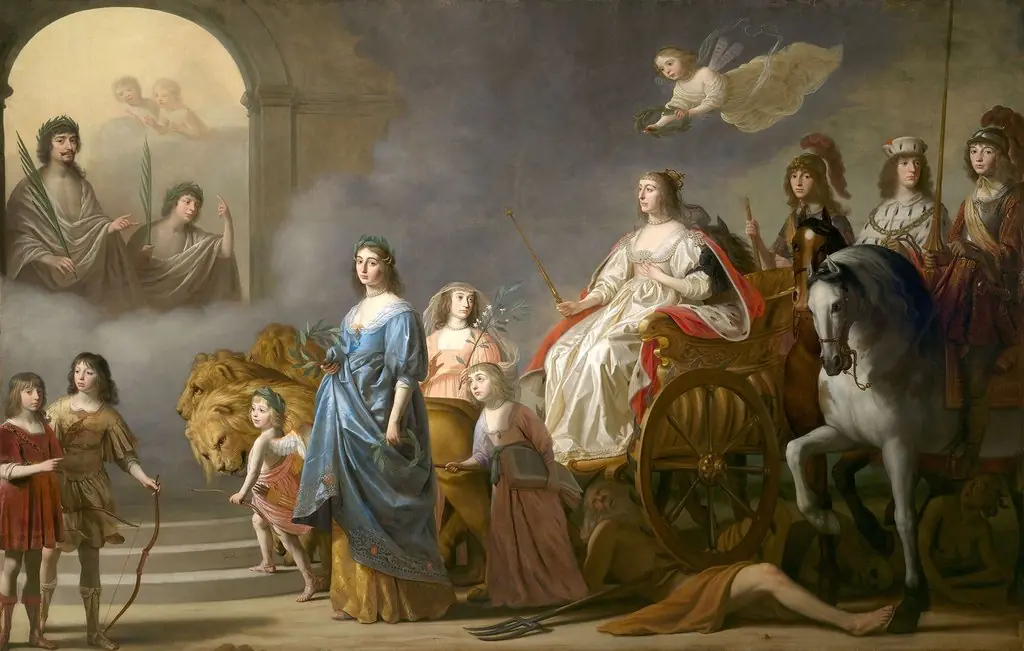 The Triumph of the Winter Queen: Allegory of the Just
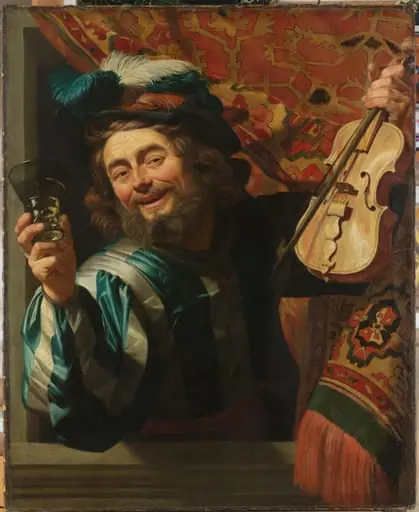 Een vrolijke vioolspeler
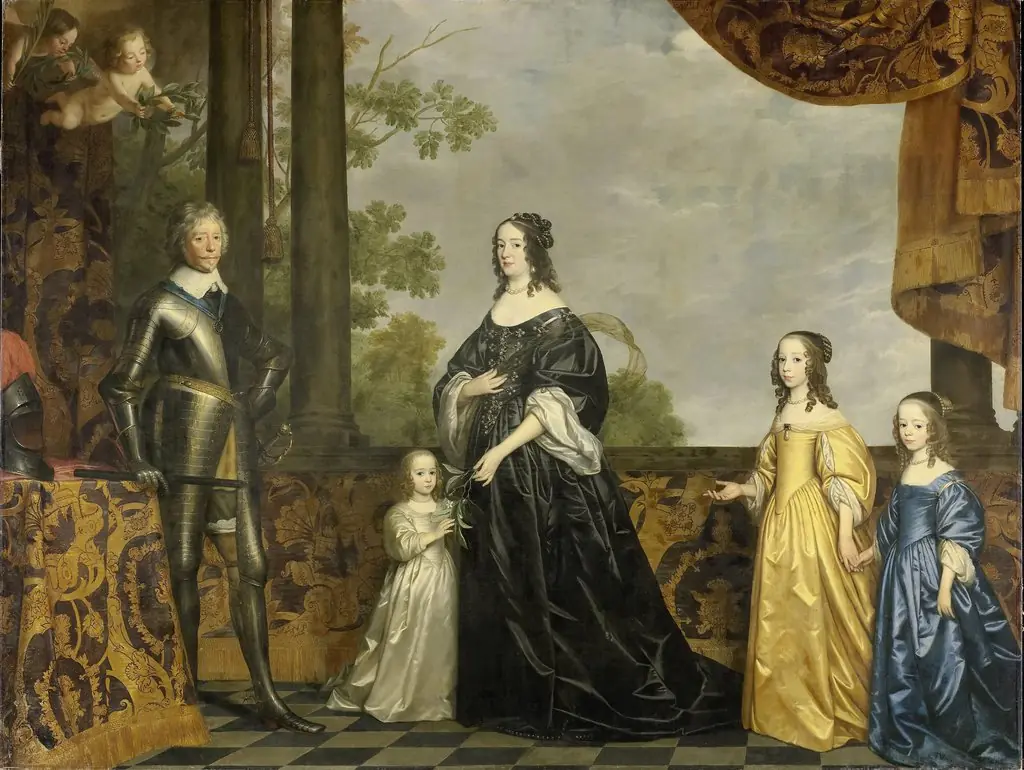 Frederik Hendrik (1584-1647), Prince of Orange, his wife Amalia van Solms (1602-75) and their three youngest daughters, Albertina Agnes (1634-96), Henrietta Catharina (1637-1708) and Maria (1642-88)
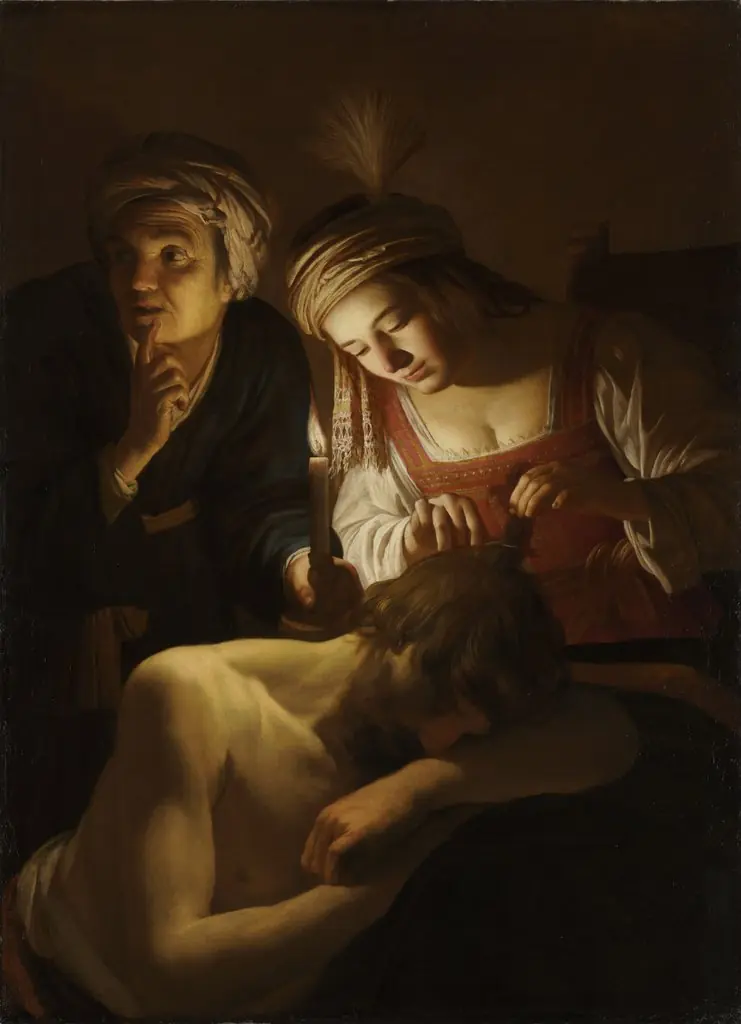 Samson and Delilah
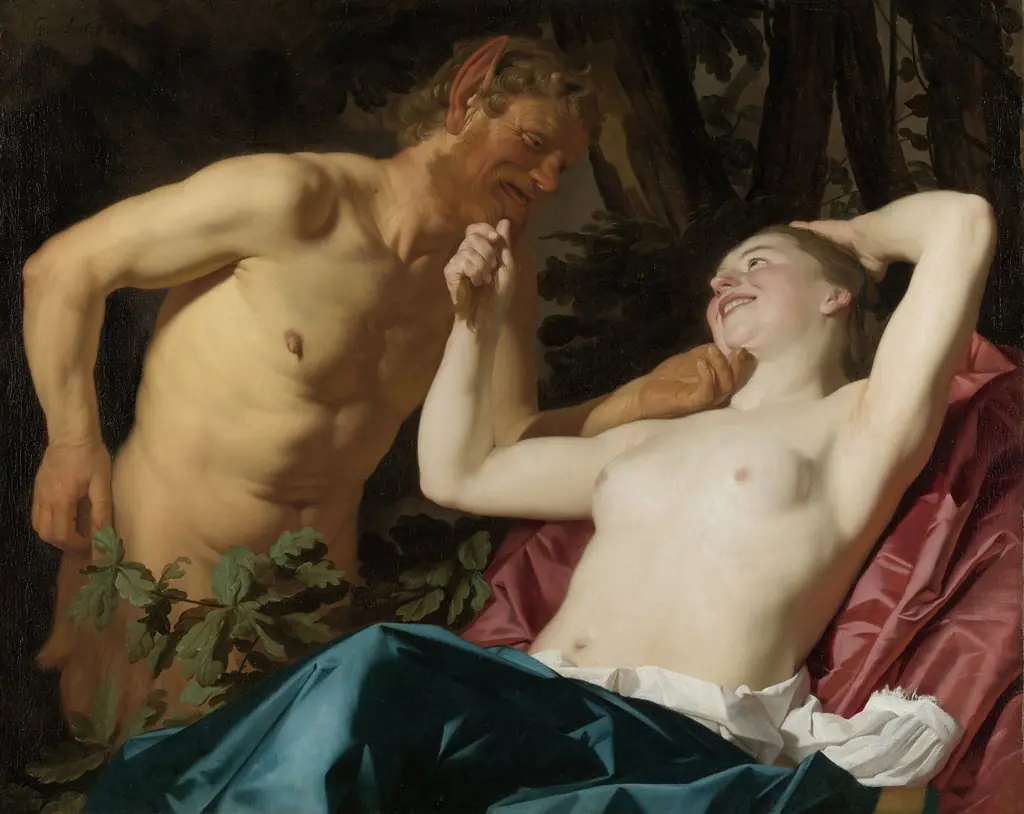 Satyr and Nymph
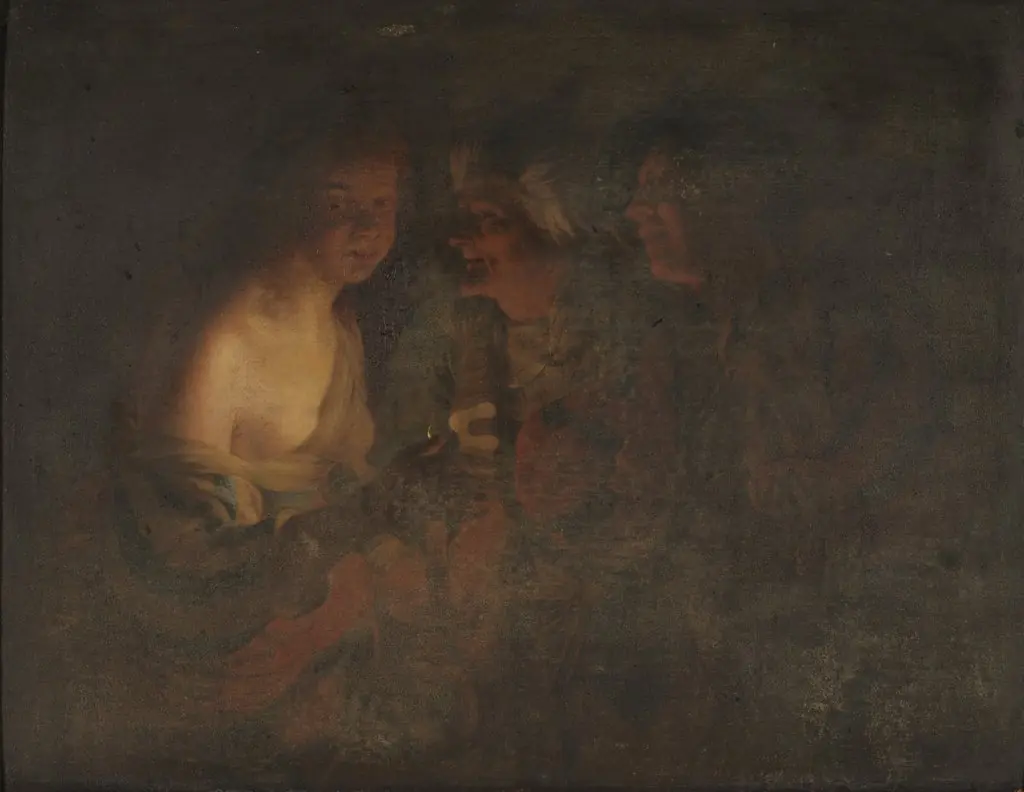 Young Woman with a Candlestick, Old Woman and a Violin Player
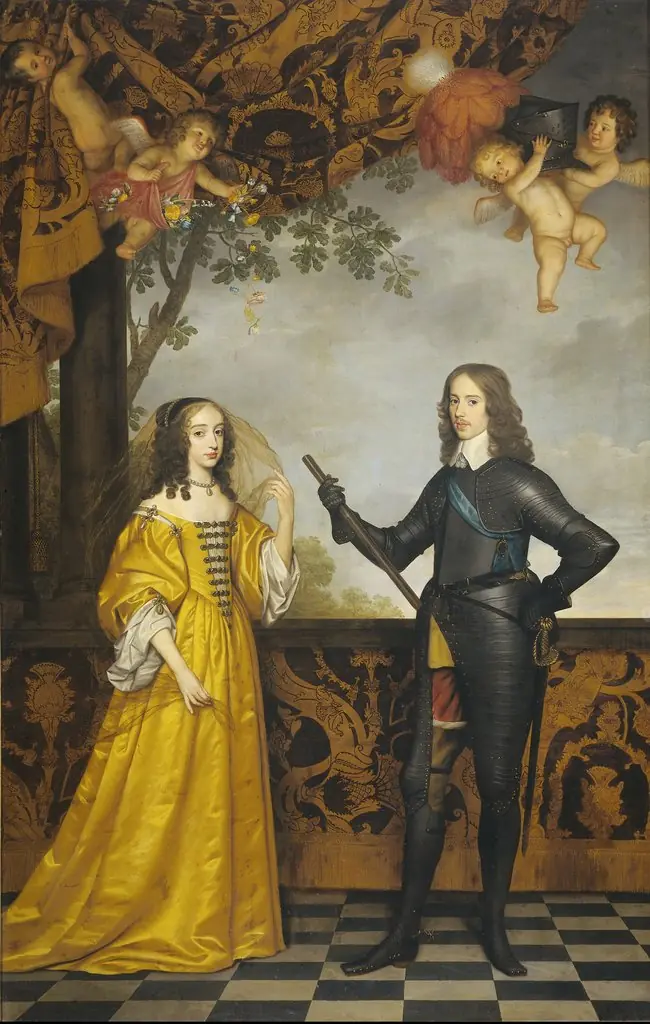 Willem II (1626-50), Prince of Orange, and his wife Maria Stuart (1631-60)
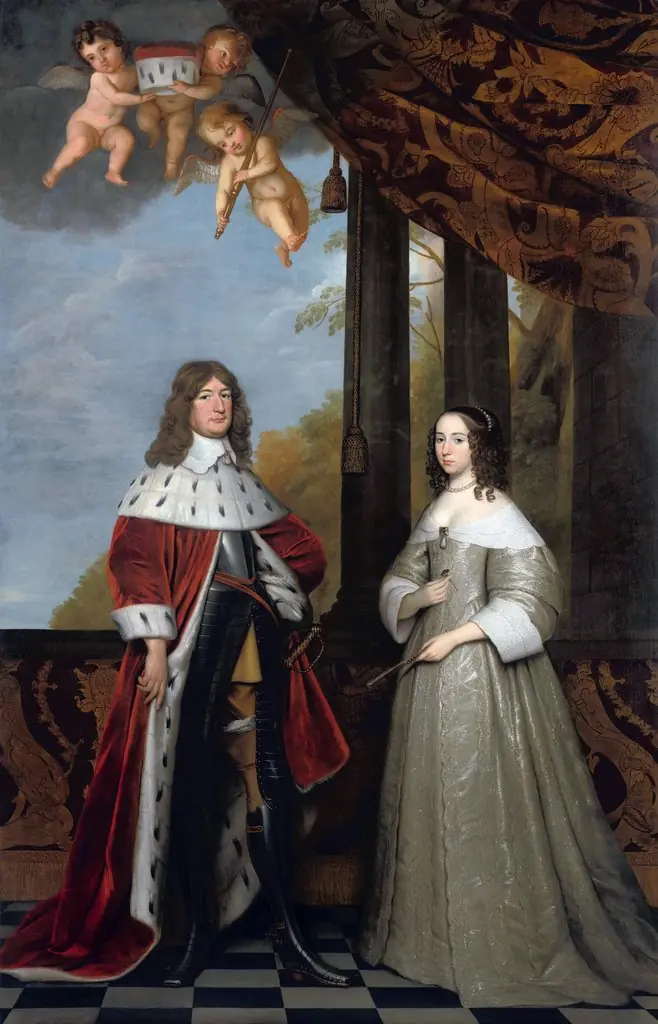 Friedrich Wilhelm (1620-88), Elector of Brandenburg, and his wife Louise Henriette (1627-67), Countess of Orange-Nassau
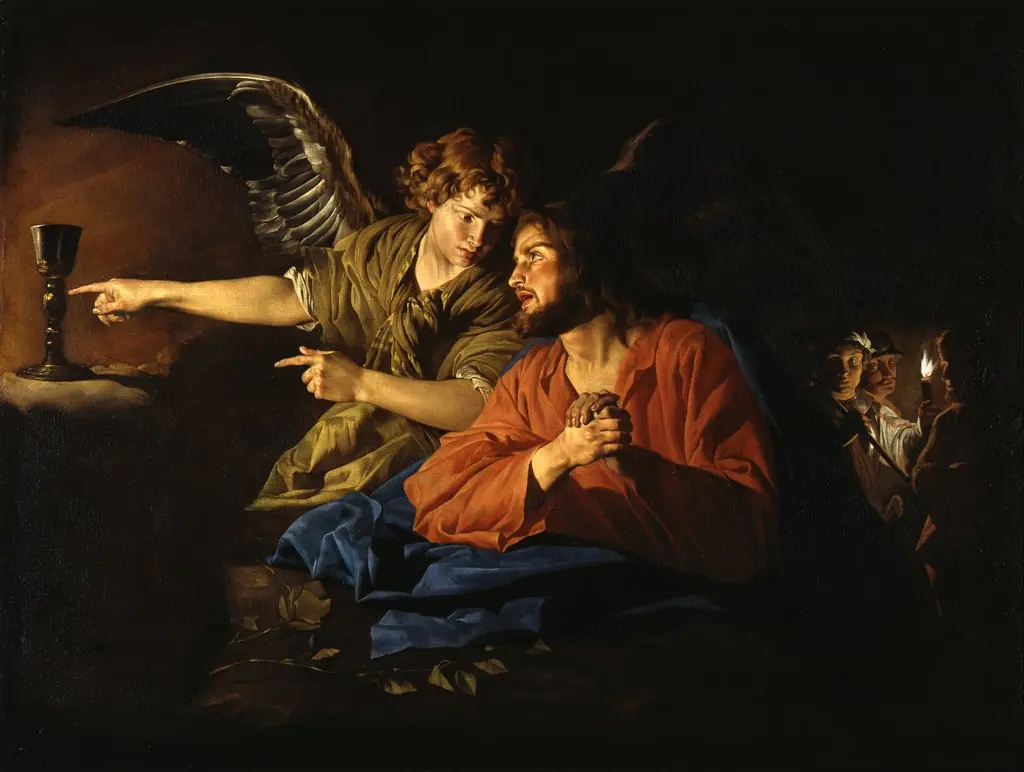 Christ in the garden of olives at Gethsemane
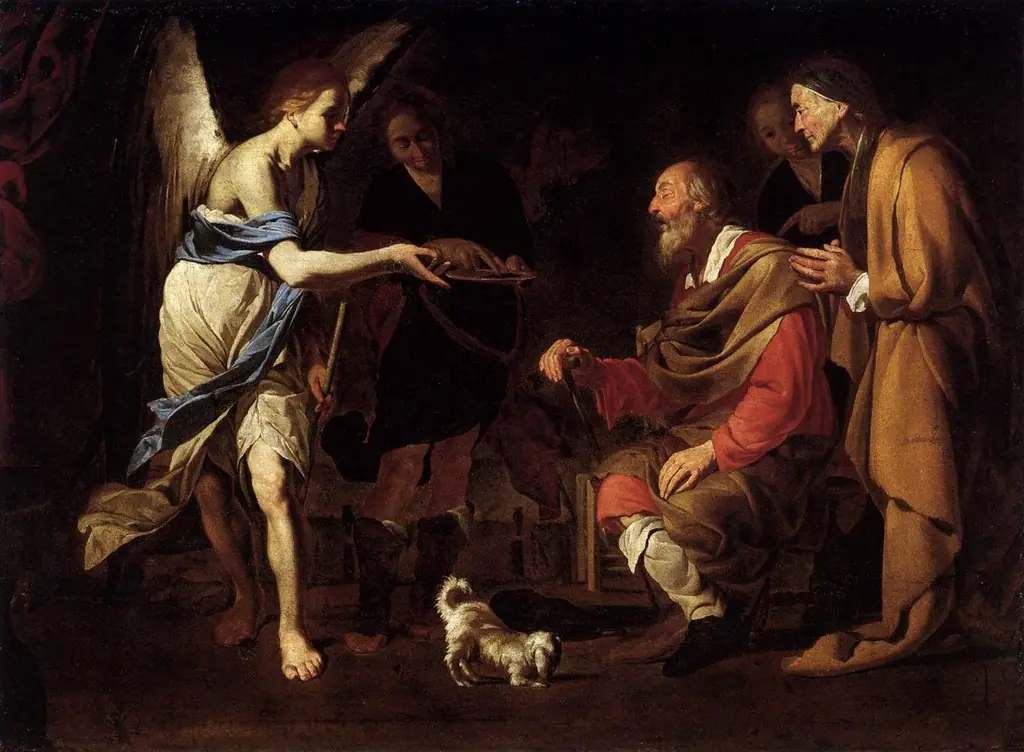 Curing of Tobias
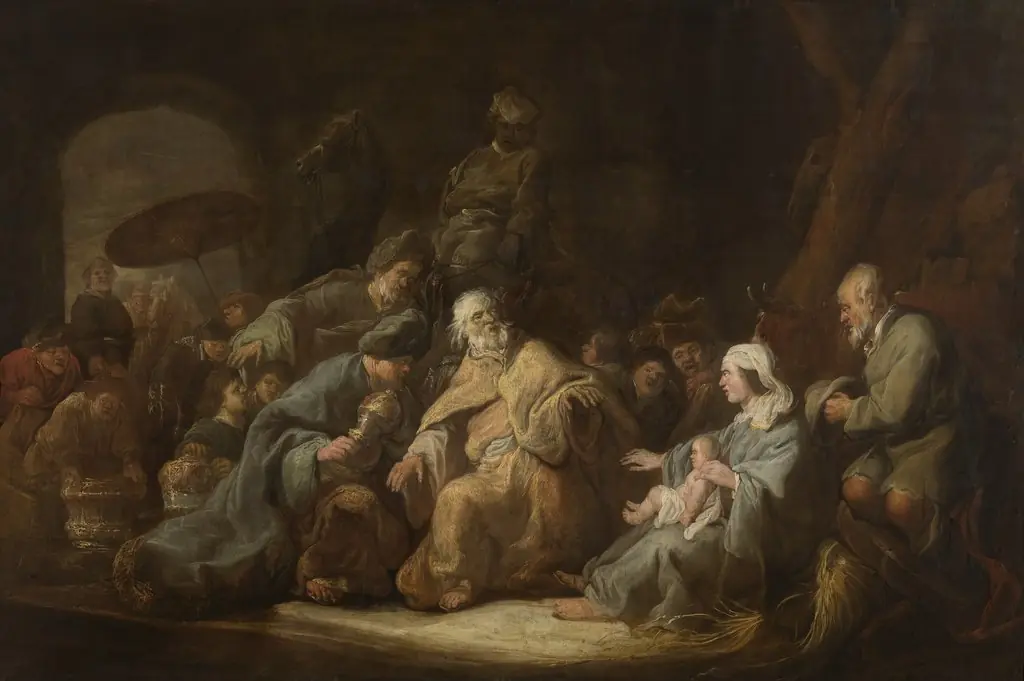 The Adoration of the Magi
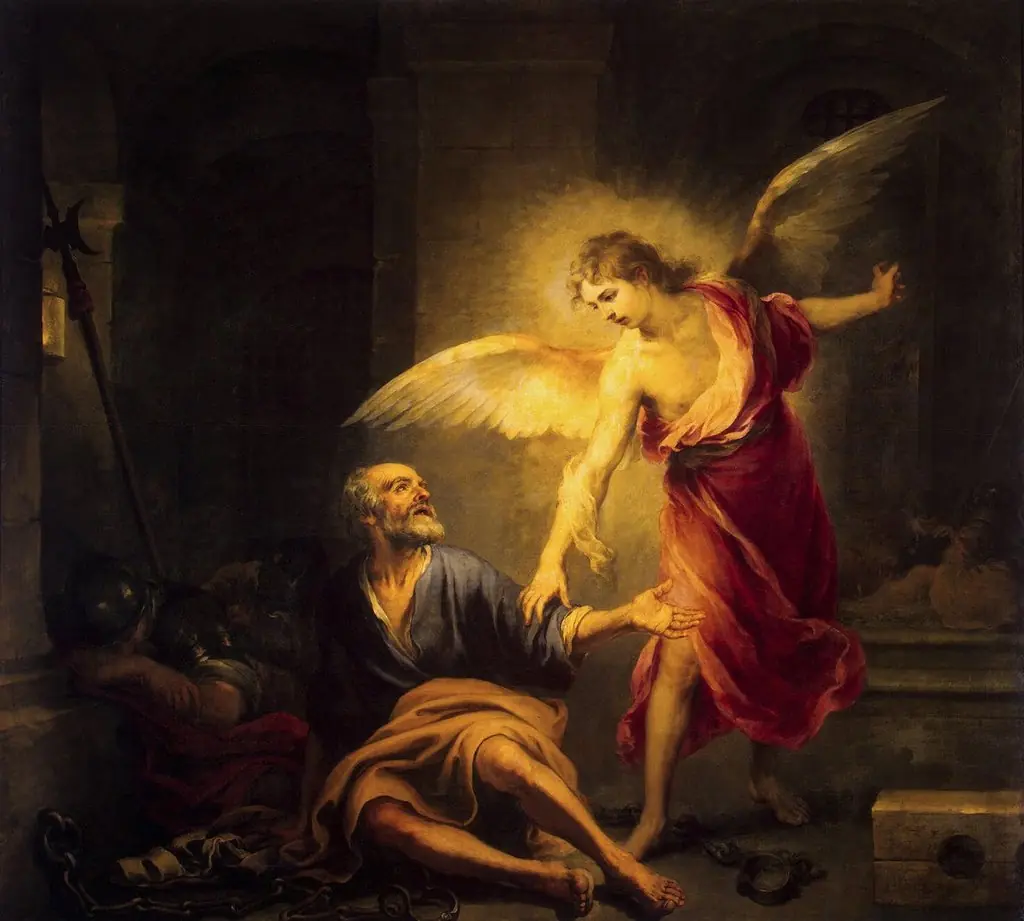 Liberation of Saint Peter
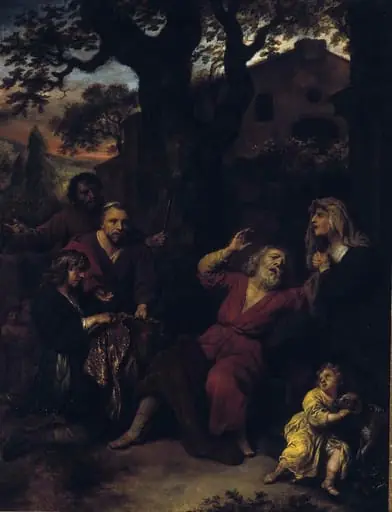 Joosefin verinen viitta
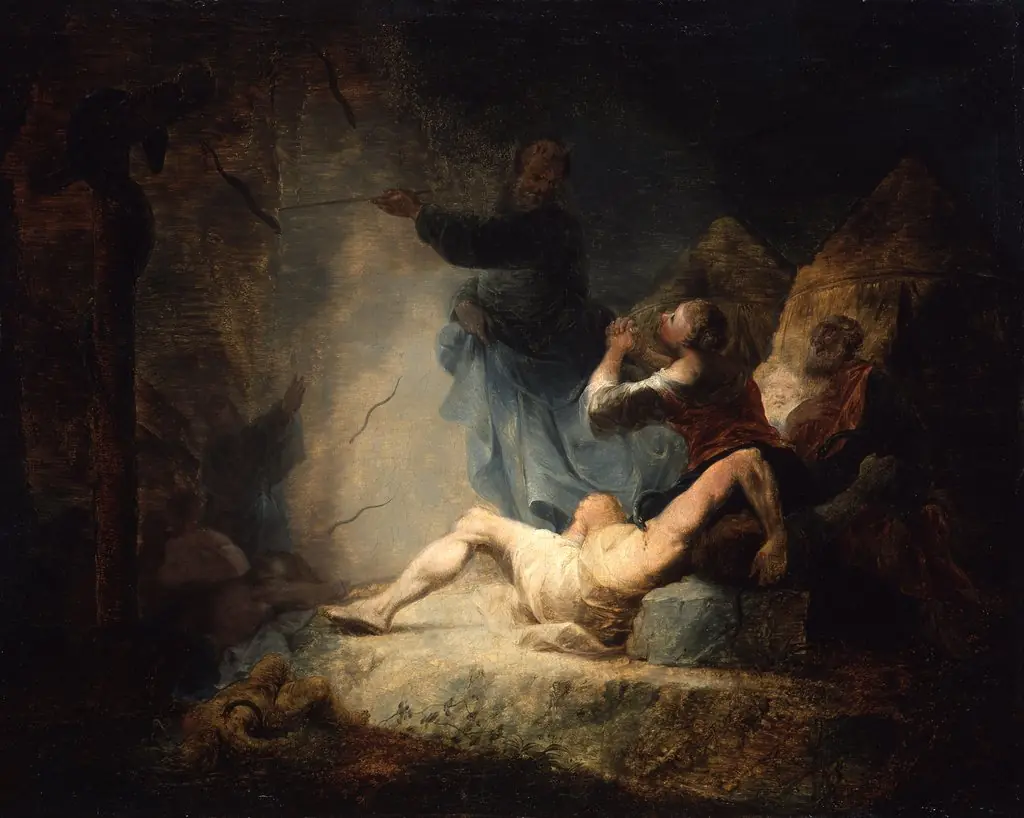 The Erection of the Brazen Serpent
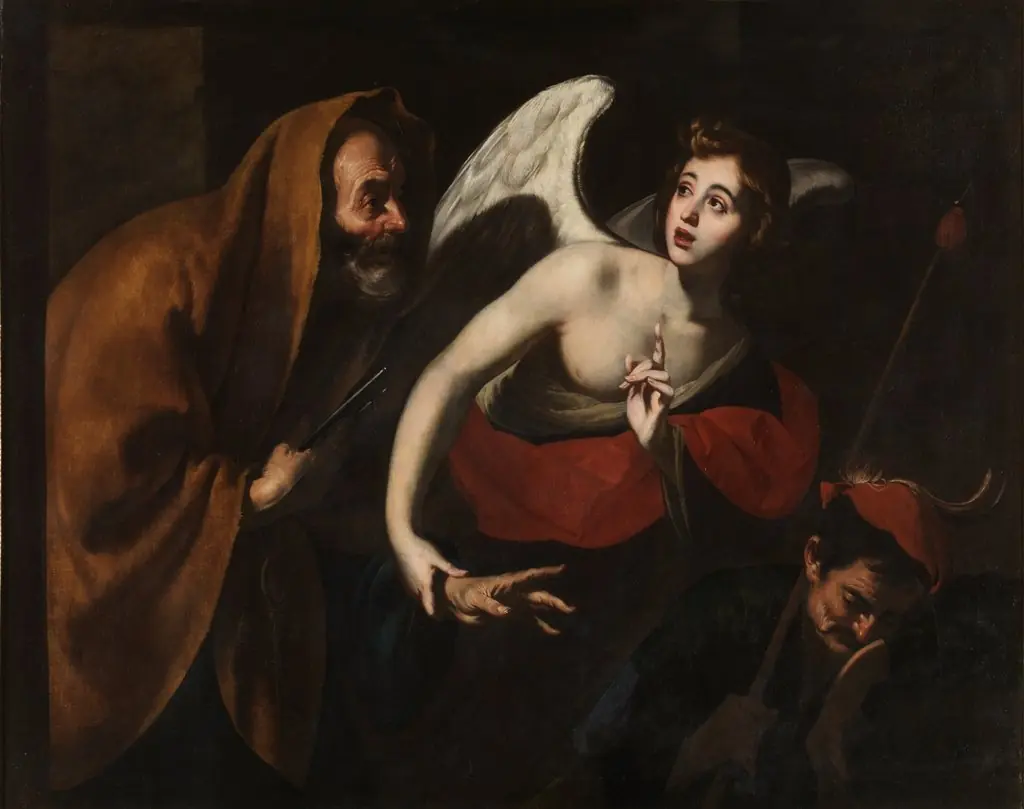 Saint Peter freed by an Angel
 Isaac Blessing Jacob
 Saint Matthew and the Angel
 Biblical Scene
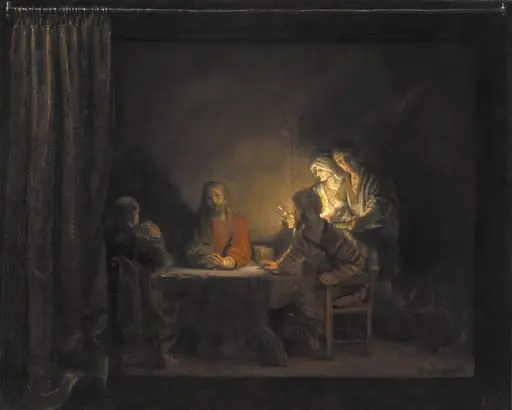 Supper at Emmaus
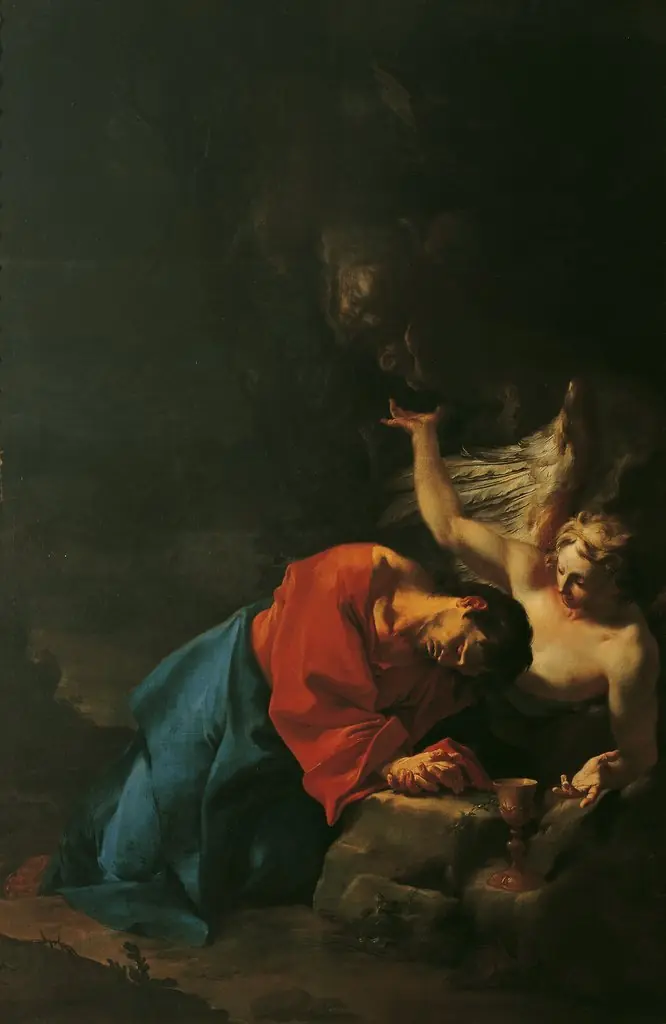 Christ on the Mount of Olives