Artwork
Biblical Scene
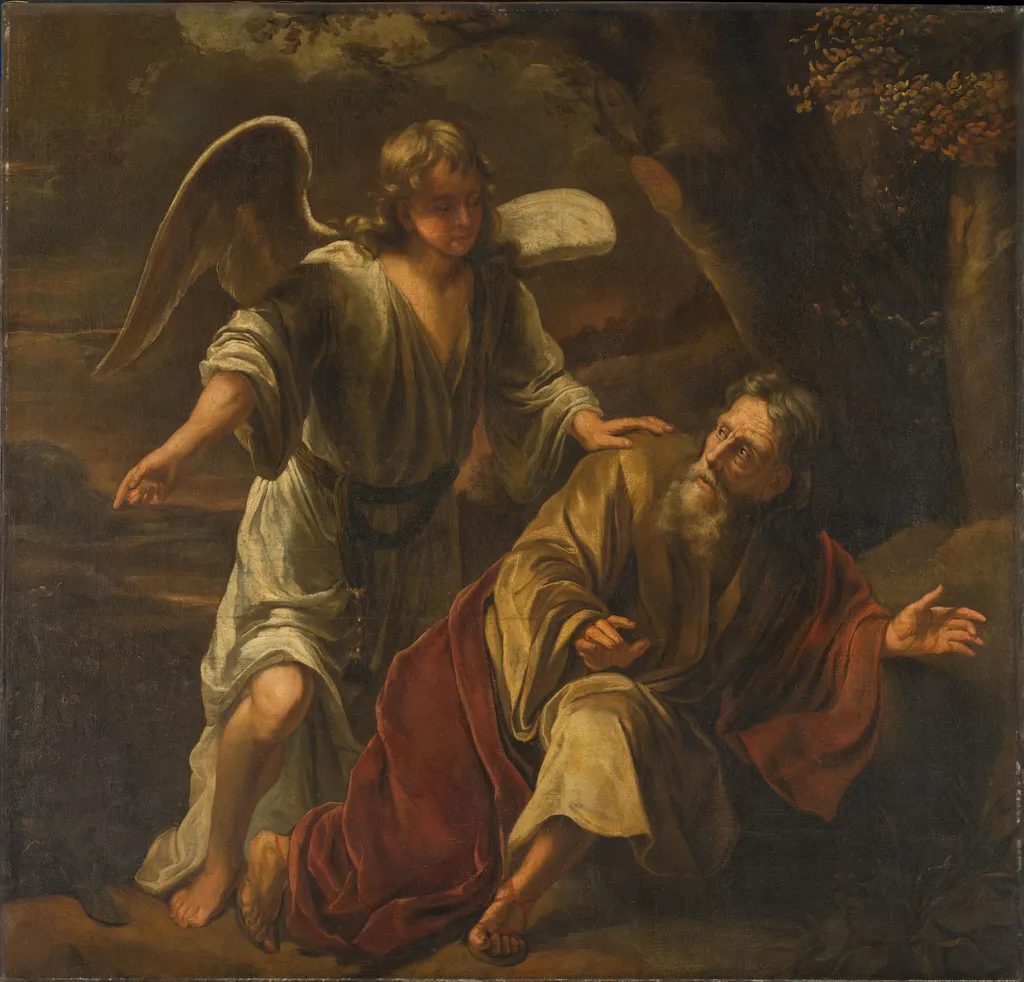
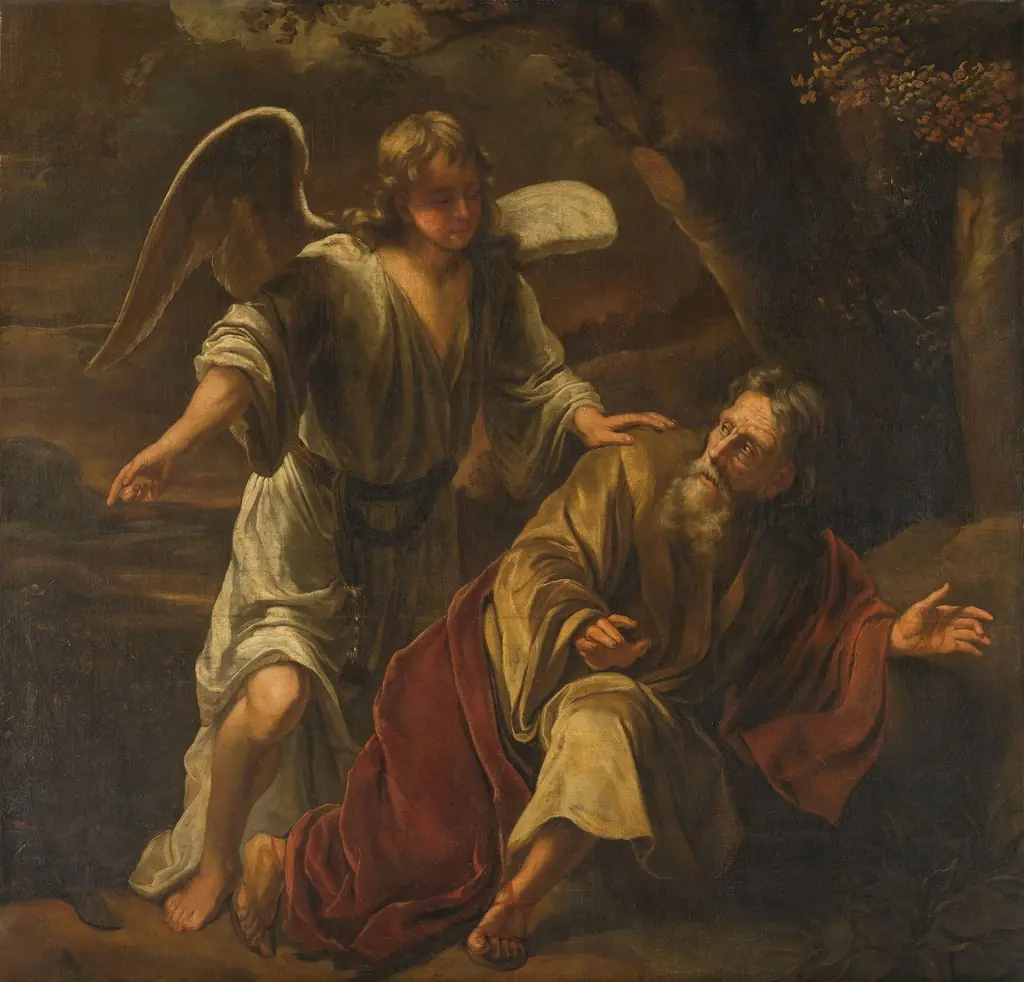
Biblical Scene is an unspecified painting by the Dutch Golden Age artist Unknown. It dates from 1645 and is held in the collection of the Rijksmuseum. This painting depicts a quiet moment from the biblical story of Elijah, the prophet who fled into the wilderness.
About this work
Overview
The scene is rendered with restrained emotion and naturalistic detail, characteristic of Dutch Golden Age sensibilities.
This painting depicts a quiet moment from the biblical story of Elijah, the prophet who fled into the wilderness. A weary man lies beneath a tree, while an angel kneels nearby, offering bread and water. The scene is rendered with restrained emotion and naturalistic detail, characteristic of Dutch Golden Age sensibilities. The artist’s focus on a solitary, human moment suggests a devotional intent grounded in realism rather than grandeur.
Subject & Meaning
The scene illustrates Elijah’s moment of despair and divine intervention after fleeing Queen Jezebel’s wrath. Exhausted and alone, he is sustained by an angel sent by God, as described in 1 Kings 19. The painting emphasizes vulnerability and quiet grace, avoiding theatricality. The gesture of offering food and water becomes a symbol of divine care in human hardship, rendered with understated solemnity.
Technique & Style
The artist employs chiaroscuro to model forms with soft, directional light, enhancing the intimacy of the moment. Shadows deepen the sense of solitude, while the glow on the angel’s garments and the bread draws attention to the act of sustenance. Brushwork is restrained, textures are rendered with quiet precision, and the composition avoids ornamentation—hallmarks of Dutch realism in religious subjects.
History & Provenance
The painter remains unidentified, and the work’s early ownership is unrecorded. Its style aligns with mid-17th-century Dutch painters who favored biblical narratives rendered in domestic, human terms. Though not signed or documented in contemporary inventories, its technical approach and subject matter place it firmly within the circle of artists influenced by Rembrandt’s psychological depth and Caravaggio’s lighting.
Context
During the Dutch Golden Age, religious imagery shifted away from Catholic grandeur toward intimate, morally resonant scenes accessible to Protestant viewers. This painting reflects that trend: a biblical moment made tangible through ordinary human experience. The desert setting is rendered with minimal landscape, focusing attention on the figures and their emotional exchange.
Legacy
Though not widely known today, the work exemplifies how Dutch artists transformed sacred stories into quiet, human-centered moments. Its use of light and emotional restraint influenced later generations interested in spiritual realism. The painting remains a quiet testament to the period’s capacity to find the divine in stillness, solitude, and simple acts of care.
Artist & collection

 Domestic Scene
 Giacomo and Cardinal Marco, investing Andrea, Abbot of San Zeno, with his Benefice
 The Nymph of Fontainebleau
 Portrait of a Woman
 Madonna and Child with Saints in the Enclosed Garden
 Venus and Minerva
 Family Group of Four on Sofa
 Wall painting from Room H of the Villa of P. Fannius Synistor at Boscoreale
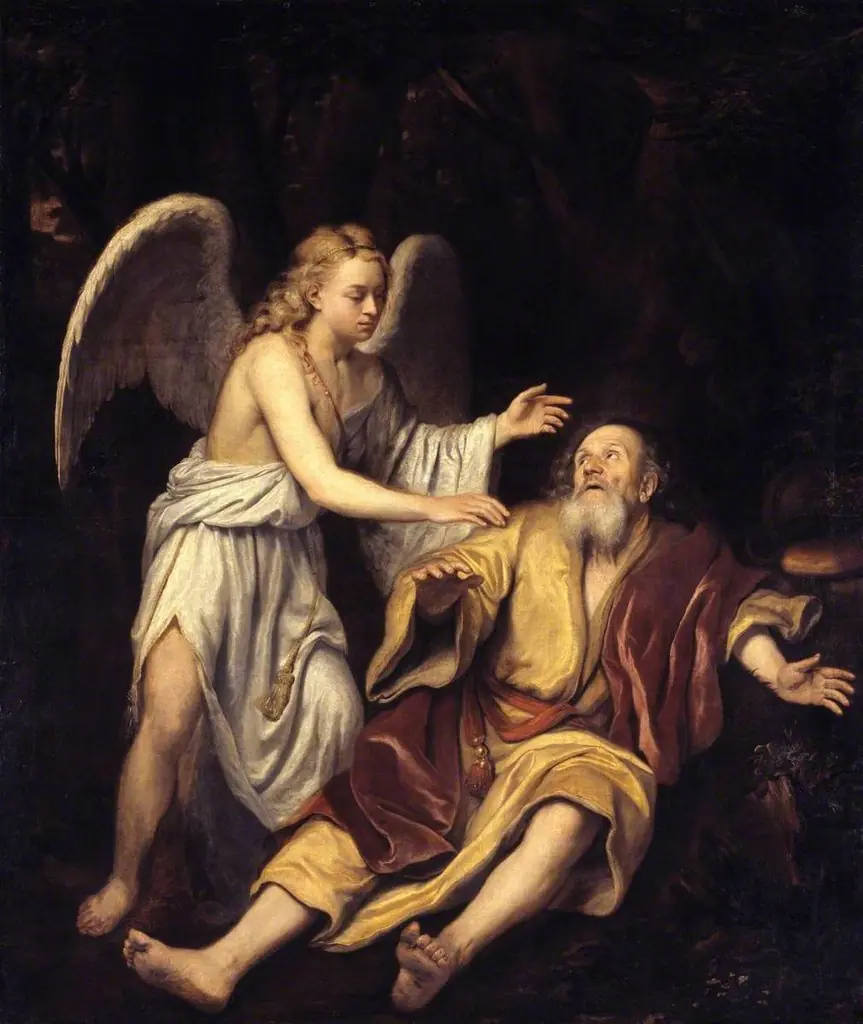 Elijah and the Angel
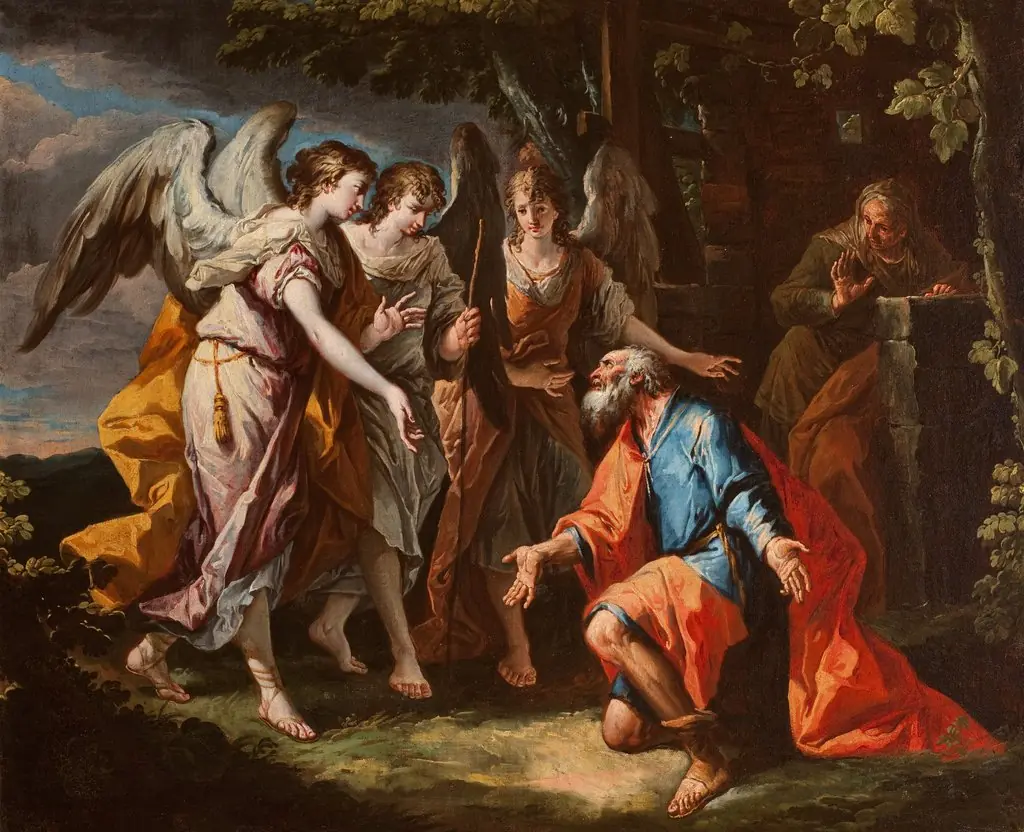 Abraham and the Angels
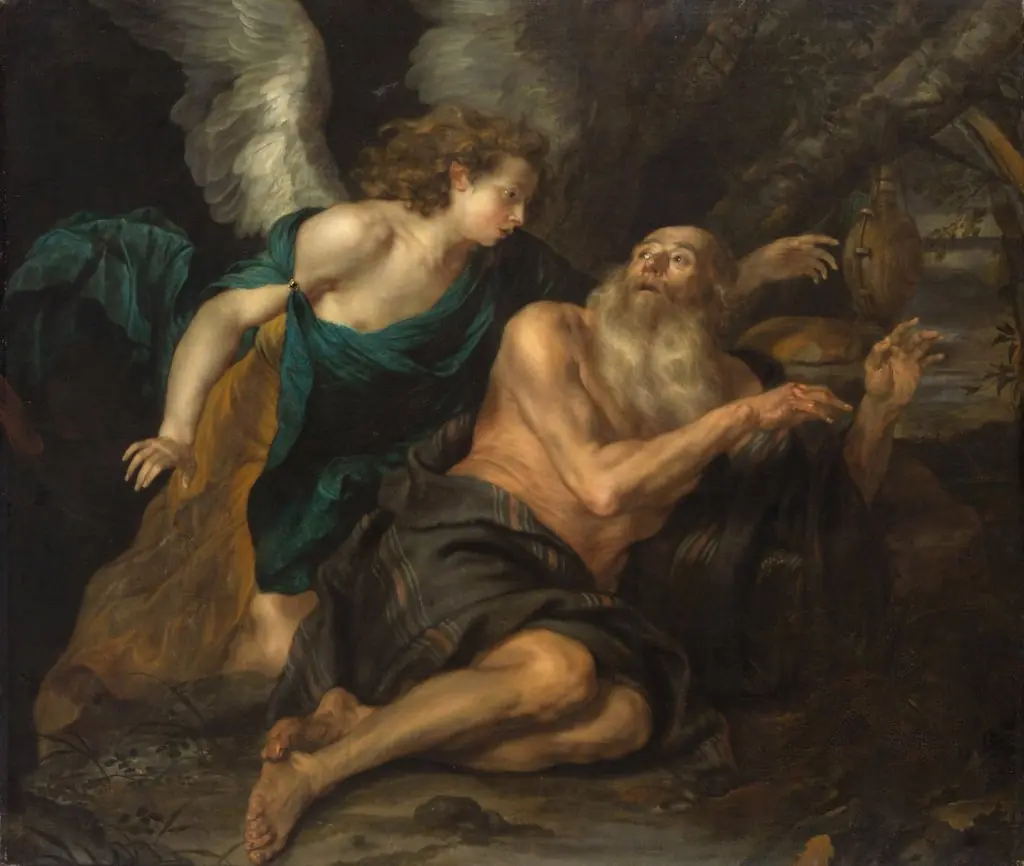 The prophet Elijah awakened by the angel on Mount Horeb (I Kings 19:5-6)
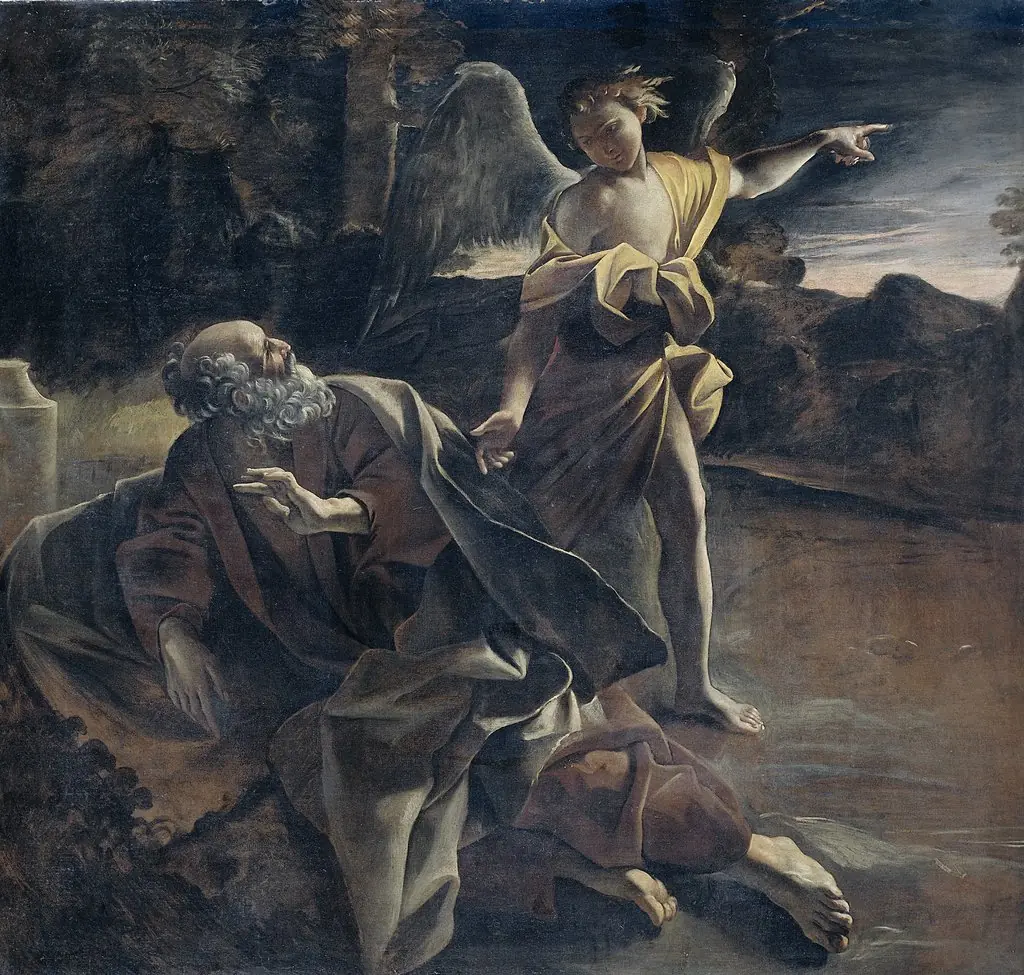 The Prophet Elijah in the Desert Awakened by an Angel
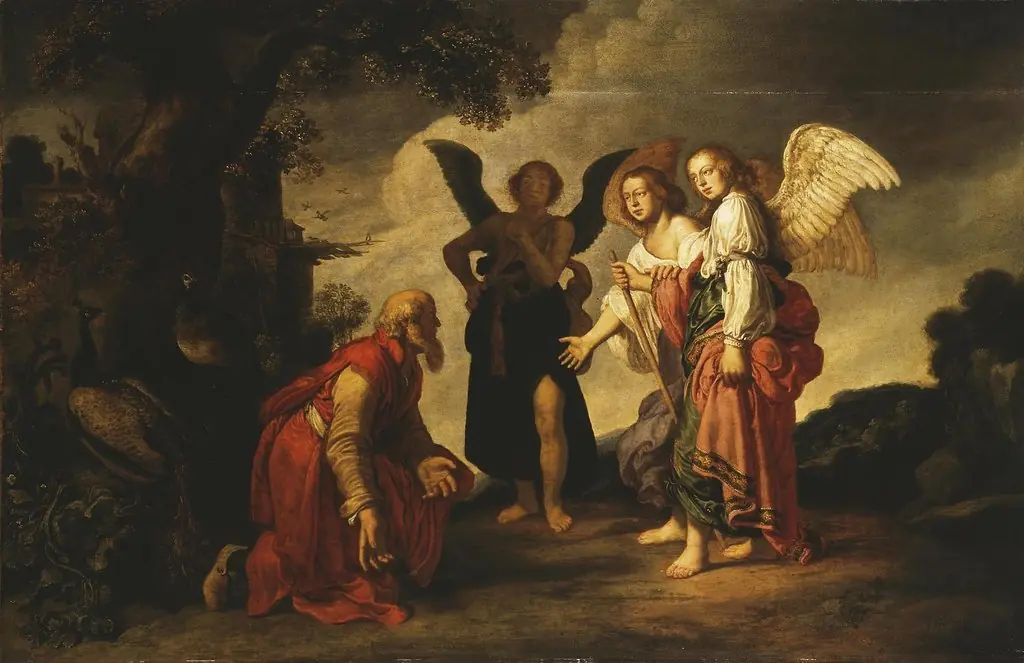 Abraham and the Three Angels
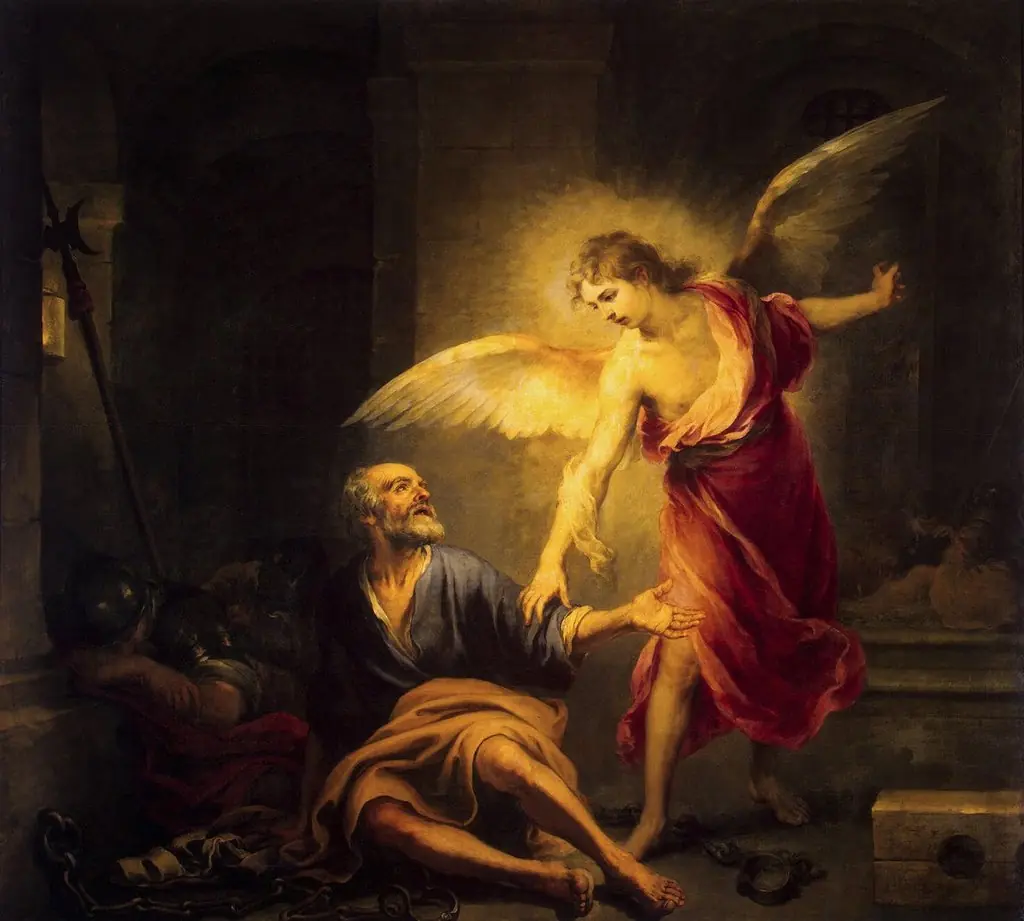 Liberation of Saint Peter
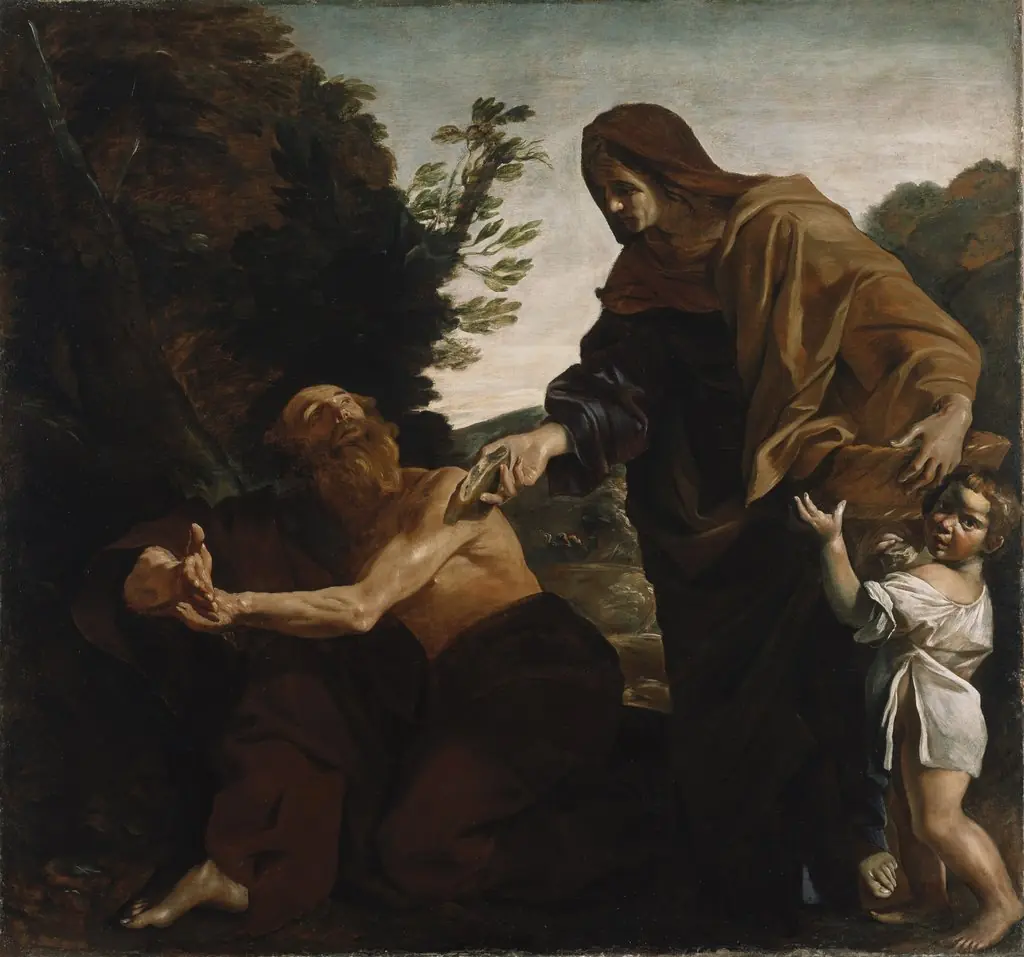 Elijah Receiving Bread from the Widow of Zarephath
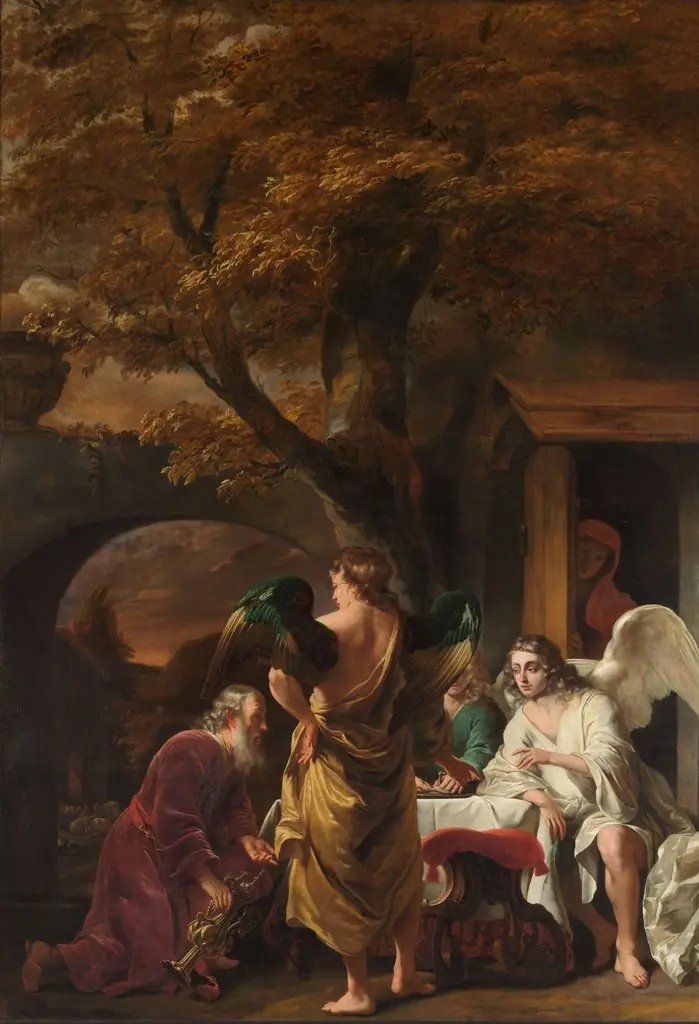 Abraham entertaining the three angels
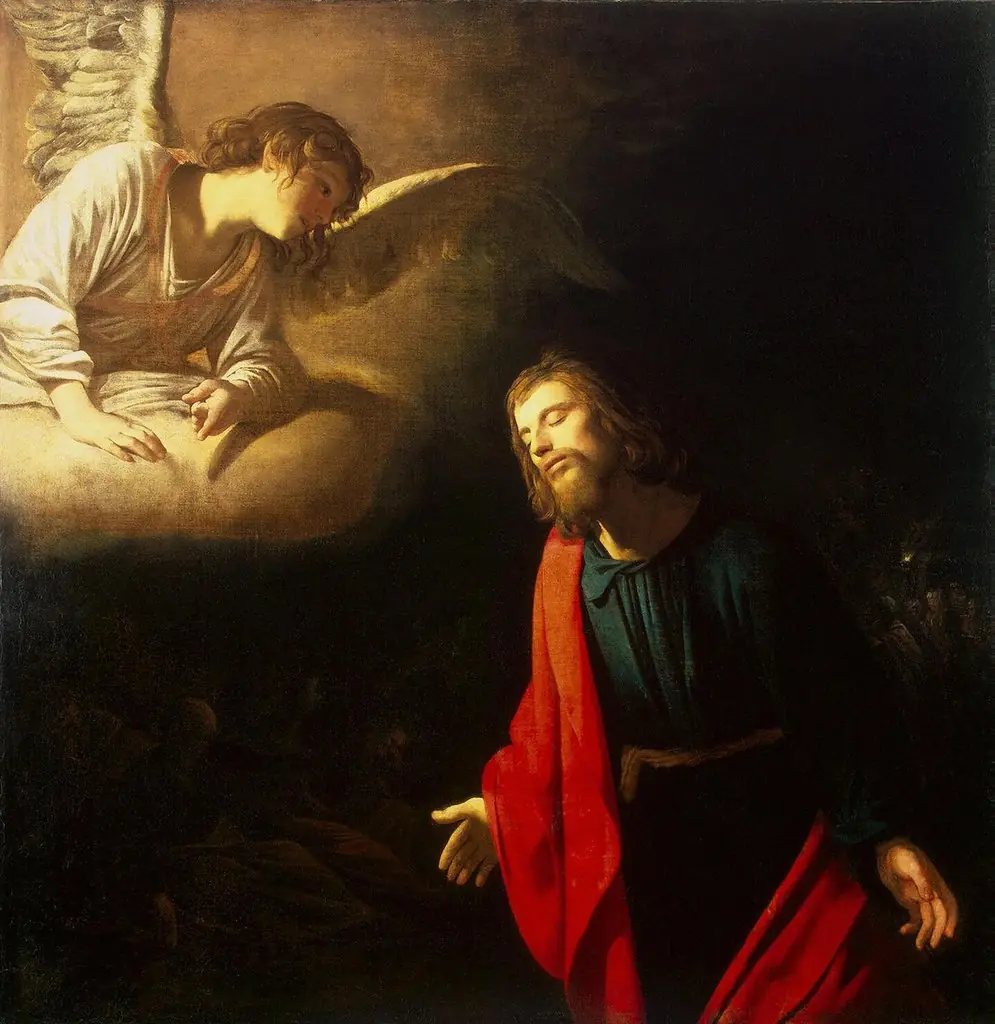 Christ in the Garden of Gethsemane (The Agony in the Garden)
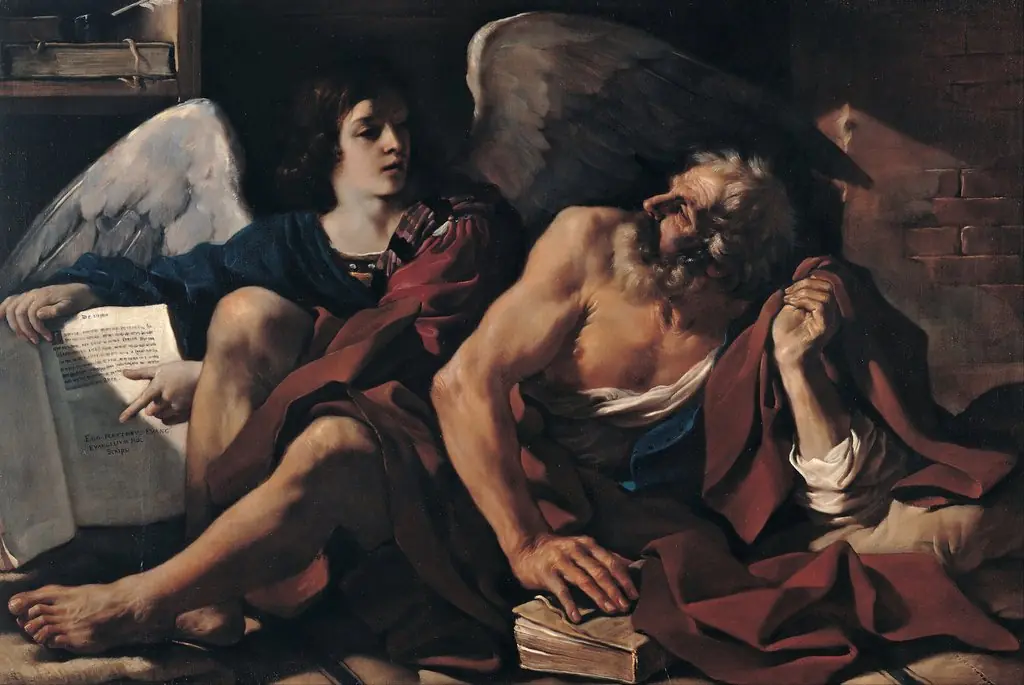 Saint Matthew and the Angel
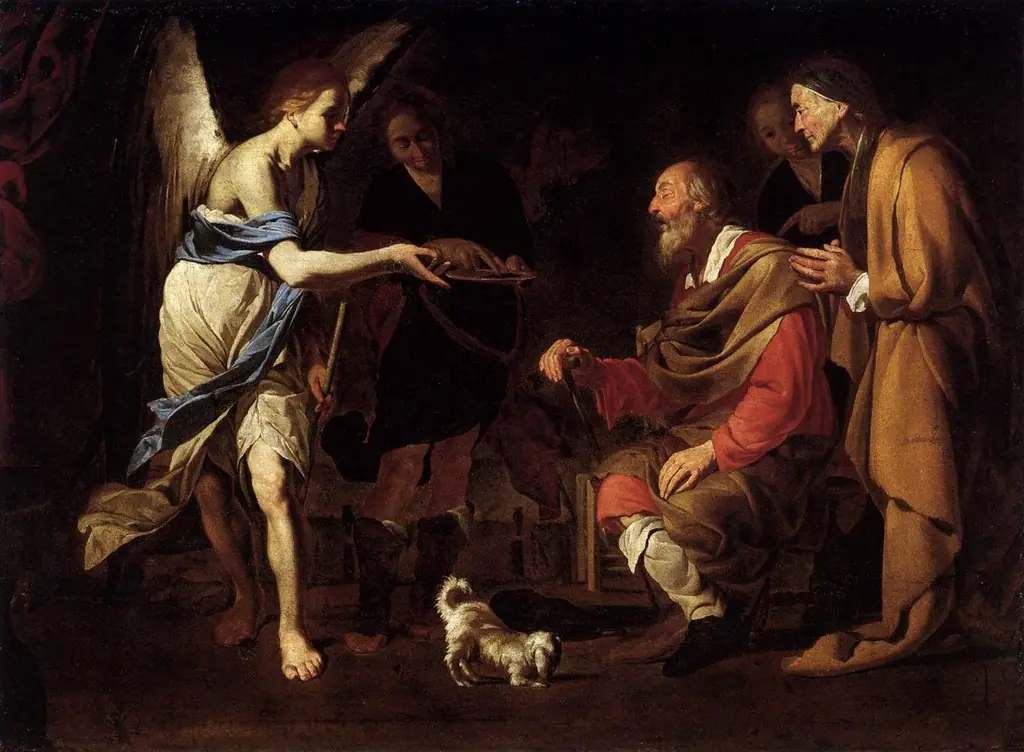 Curing of Tobias
 Biblical scene