Artwork
Die Falschspieler (Werkstatt)
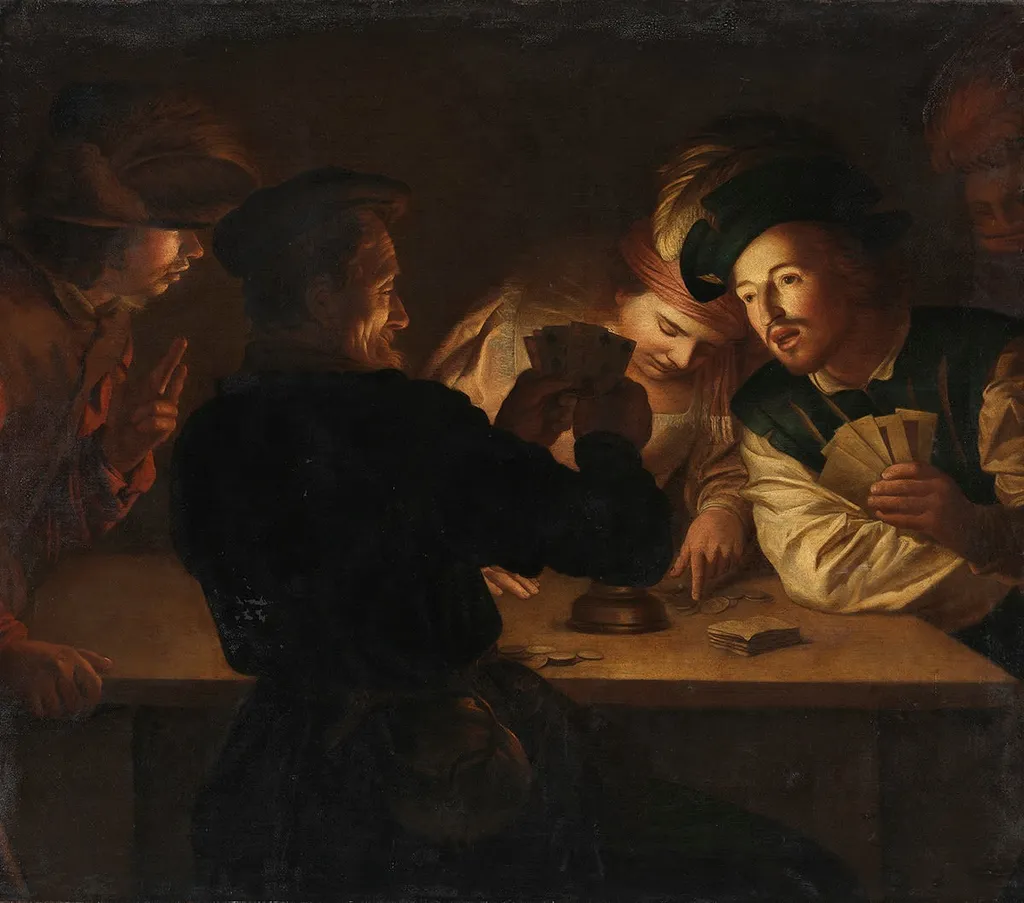
Die Falschspieler (Werkstatt) is an unspecified painting by the Dutch Golden Age artist Gerard van Honthorst. It dates from 1624 and is held in the collection of the Bavarian State Painting Collections.
About this work
Overview
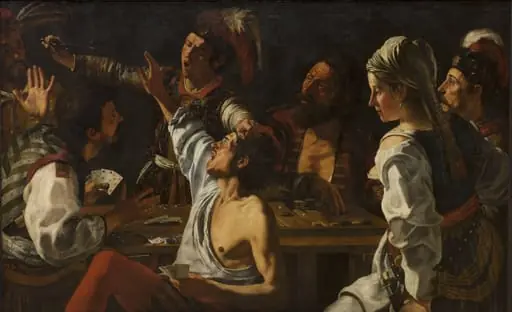
Painted in 1624, *Die Falschspieler (Werkstatt)* is a genre scene by Gerard van Honthorst, a Dutch artist shaped by his time in Rome. It reflects the Utrecht school’s engagement with Caravaggesque lighting and everyday subjects. The work is part of the Alte Pinakothek’s collection and exemplifies the Dutch Golden Age’s interest in moralizing narratives drawn from common life.
Subject & Meaning
The painting portrays a group of card players in a dimly lit workshop, revealing deception through subtle gestures and expressions. One figure is caught cheating, while others react with suspicion or complicity. The scene functions as a quiet moral warning against dishonesty, a theme common in Dutch genre painting of the period, where leisure activities often carried ethical undertones.
Technique & Style
Van Honthorst employs chiaroscuro to isolate figures in pools of artificial light, a technique learned during his Roman years.
Van Honthorst employs chiaroscuro to isolate figures in pools of artificial light, a technique learned during his Roman years. The lighting enhances the drama of the moment without melodrama, grounding the scene in realism. Brushwork is precise yet unobtrusive, favoring naturalistic textures in clothing and surfaces, aligning with Utrecht Caravaggism’s blend of Italian intensity and Dutch observation.
History & Provenance
The painting entered the Alte Pinakothek’s collection in the 19th century, likely through royal Bavarian acquisitions. Its attribution to Van Honthorst’s workshop suggests possible collaboration or student involvement, though the composition and handling are consistent with his mature style. No earlier records of ownership are widely documented, but its presence in Munich indicates early recognition of its artistic merit.
Context
In early 17th-century Utrecht, artists like Van Honthorst, Ter Brugghen, and Van Baburen brought Caravaggio’s dramatic lighting to Northern Europe. Their works responded to both Catholic visual culture and Protestant moral sensibilities. *Die Falschspieler* fits within a broader trend of genre scenes that used taverns, gambling, and domestic settings to explore human behavior under scrutiny.
Legacy
The painting contributes to the legacy of Utrecht Caravaggism as a bridge between Italian Baroque and Dutch realism. While Van Honthorst later shifted toward more courtly subjects, this early work remains a key example of his ability to merge narrative tension with psychological nuance. It influenced later Dutch genre painters in their treatment of deception and social interaction.
Artist & collection
Artist
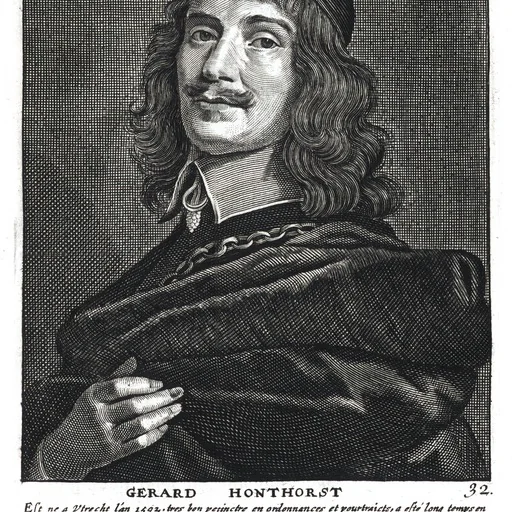
Gerard "Gerrit" van Honthorst (4 November 1592 – 27 April 1656) was a Dutch Golden Age painter who became known for his depiction of artificially lit scenes, eventually receiving the Italian nickname Gherardo delle Notti ("Gerard of the…

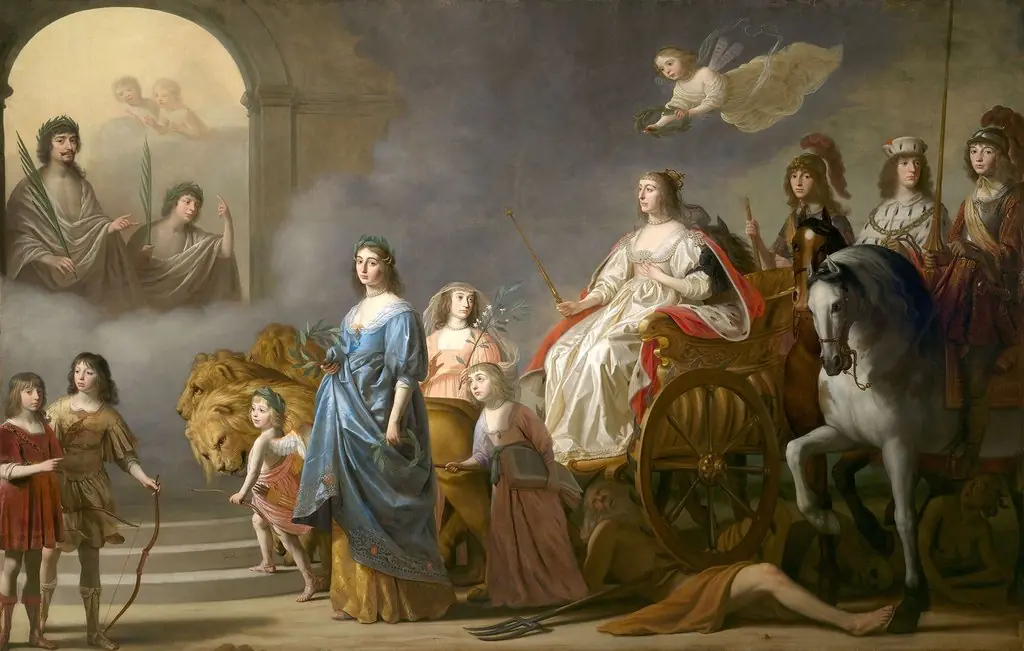 The Triumph of the Winter Queen: Allegory of the Just
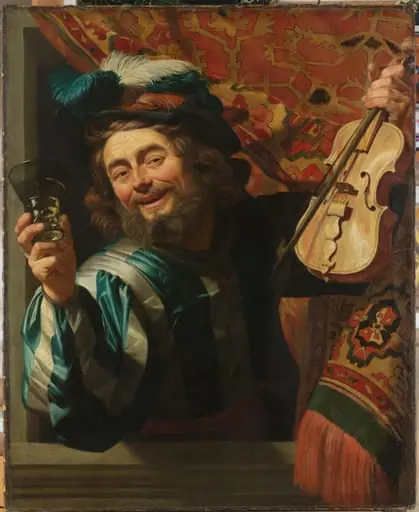 Een vrolijke vioolspeler
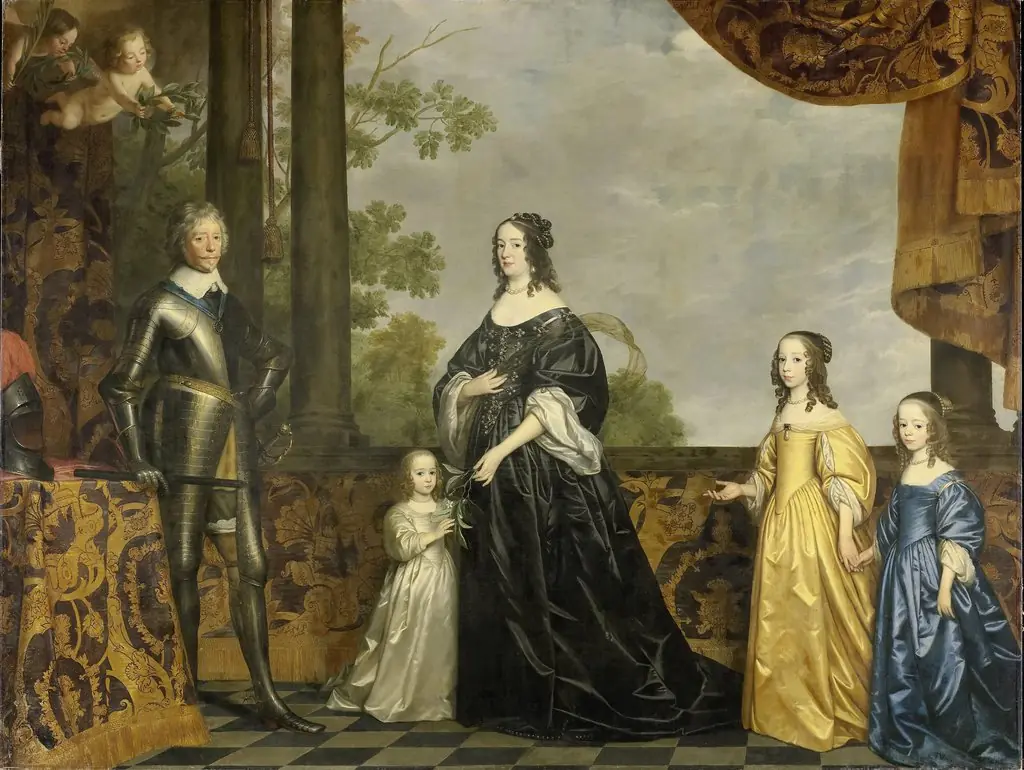 Frederik Hendrik (1584-1647), Prince of Orange, his wife Amalia van Solms (1602-75) and their three youngest daughters, Albertina Agnes (1634-96), Henrietta Catharina (1637-1708) and Maria (1642-88)
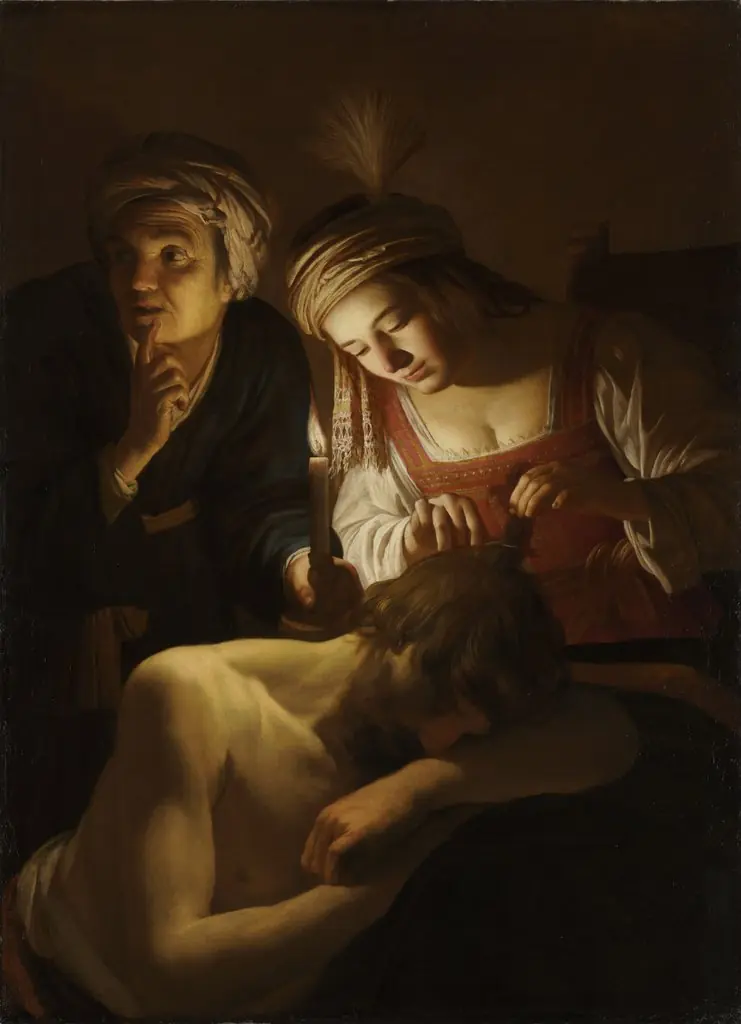 Samson and Delilah
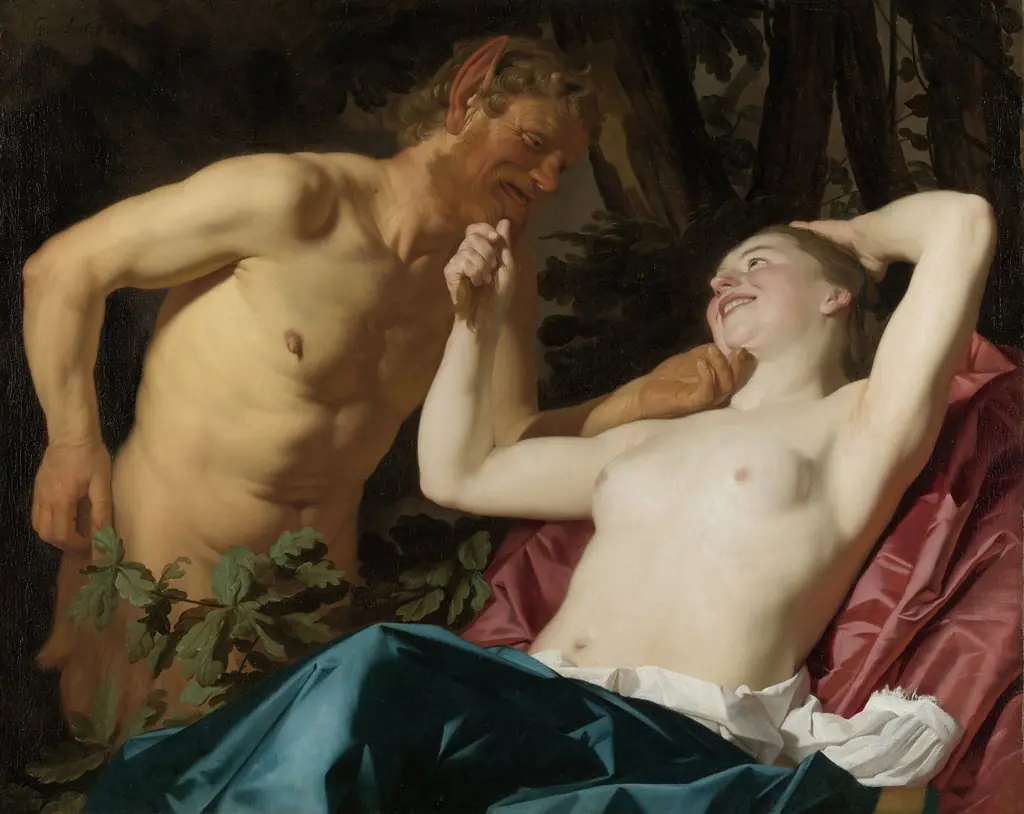 Satyr and Nymph
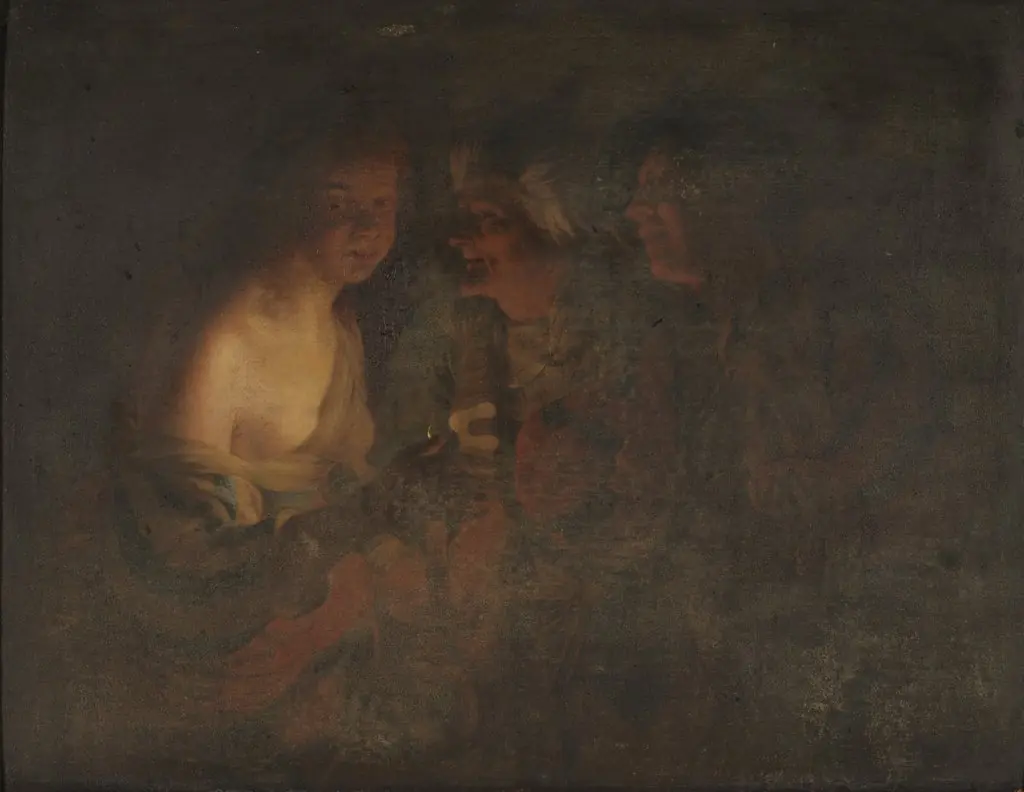 Young Woman with a Candlestick, Old Woman and a Violin Player
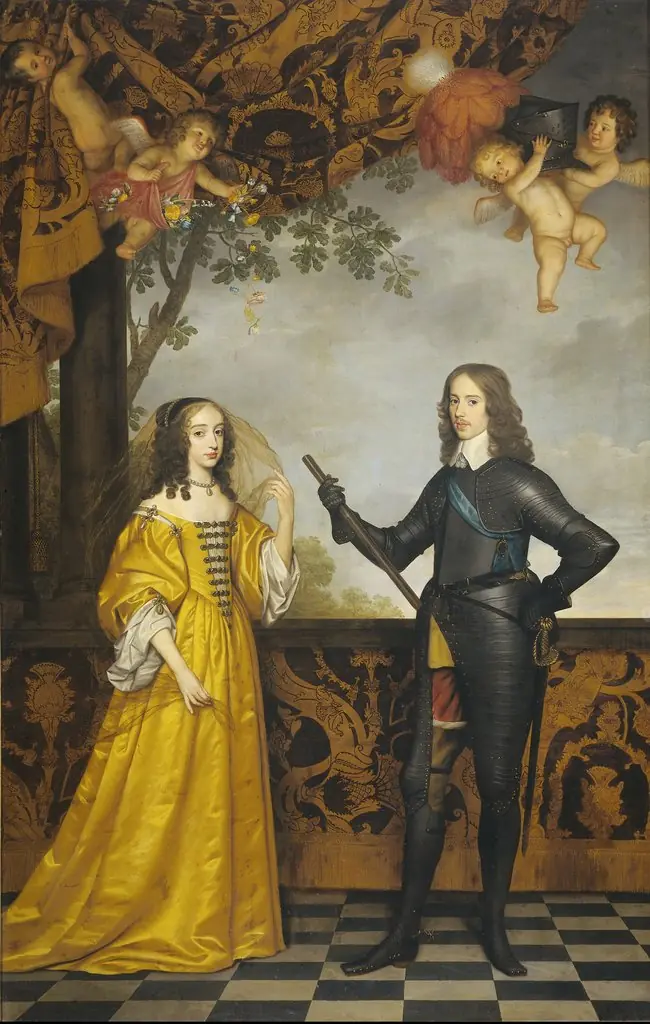 Willem II (1626-50), Prince of Orange, and his wife Maria Stuart (1631-60)
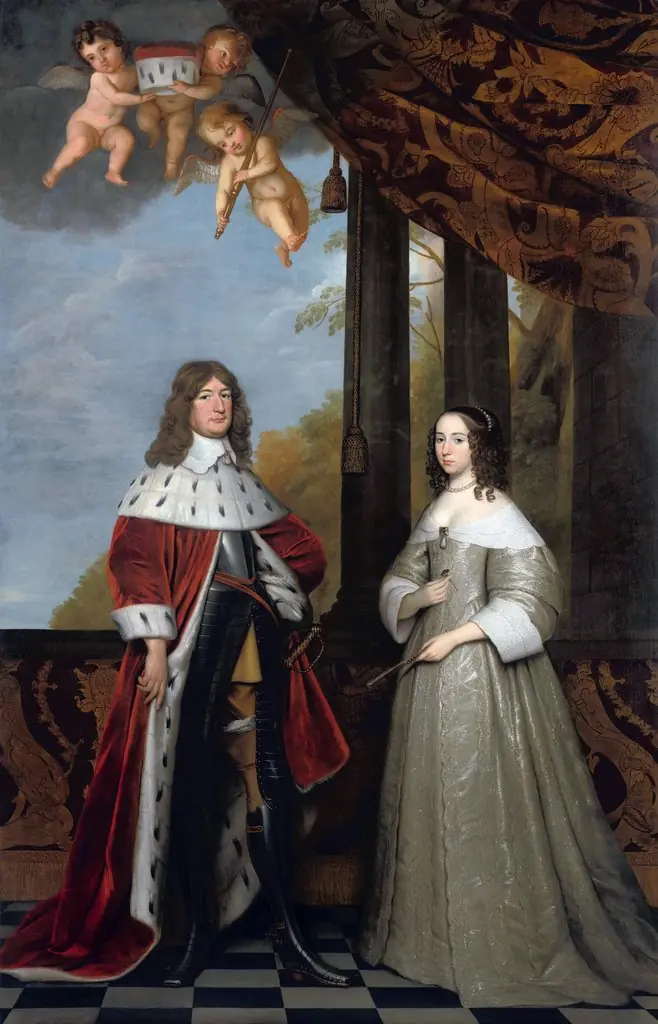 Friedrich Wilhelm (1620-88), Elector of Brandenburg, and his wife Louise Henriette (1627-67), Countess of Orange-Nassau
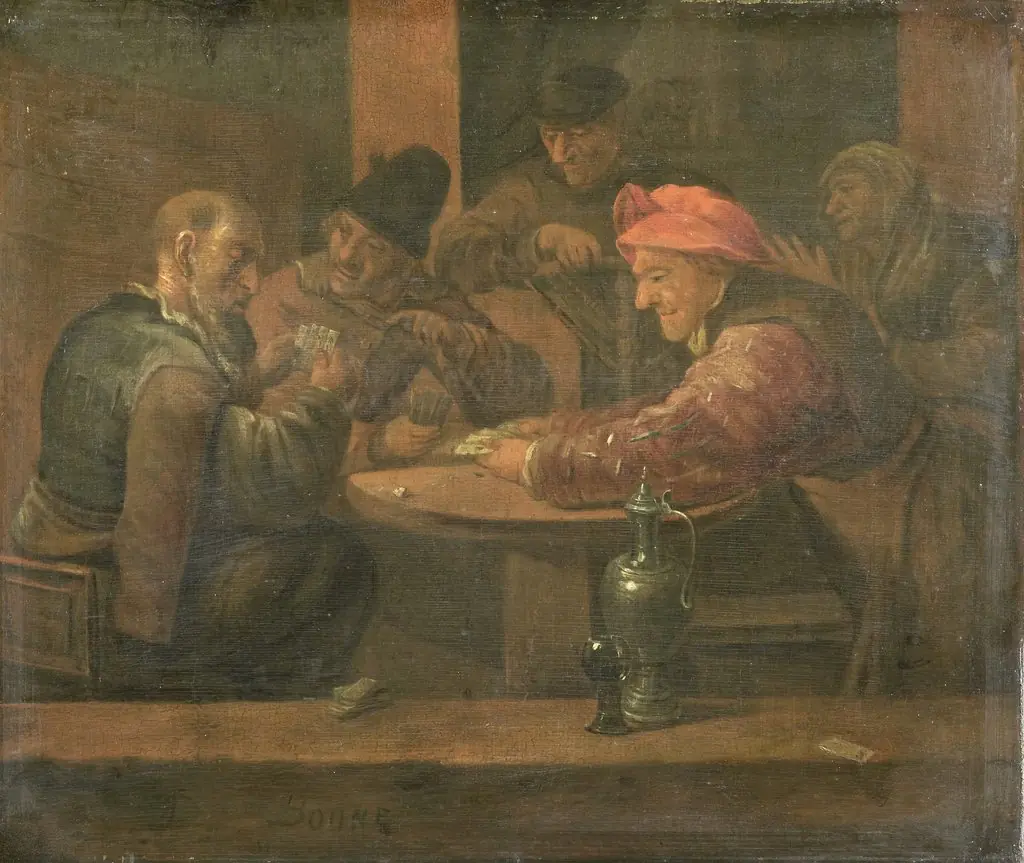 Peasants playing cards
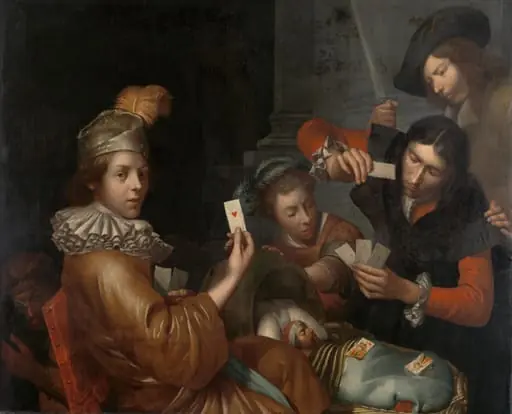 The Card Game on the Cradle: Allegory
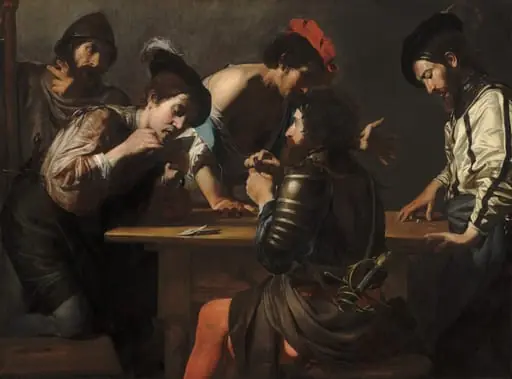 Soldiers Playing Cards and Dice (The Cheats)
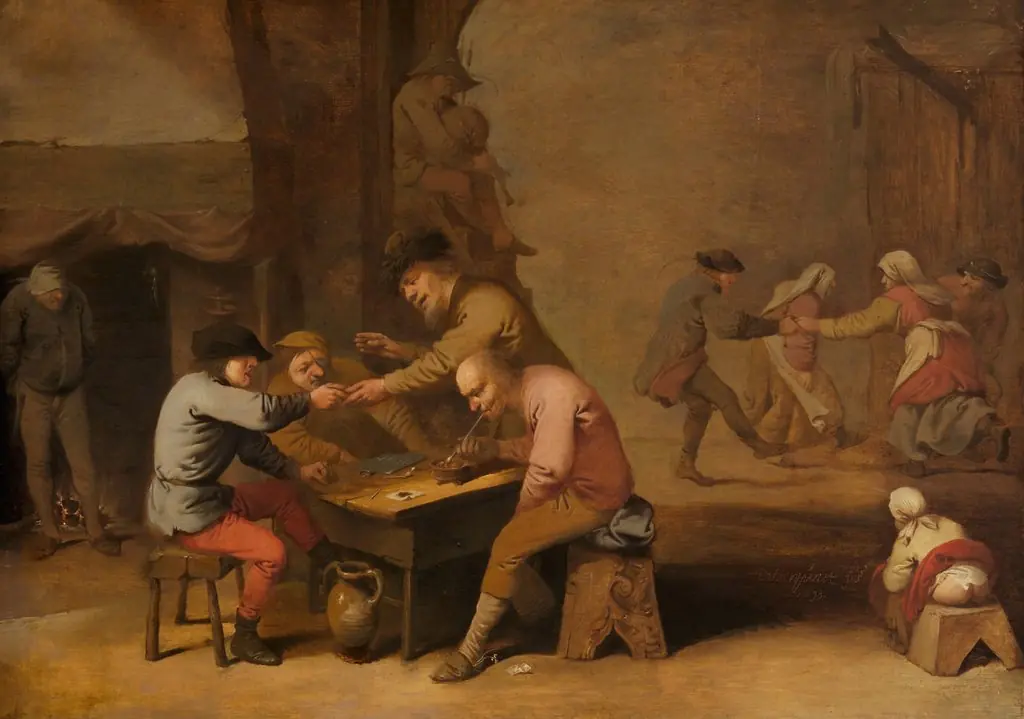 Bauern in der Schenke
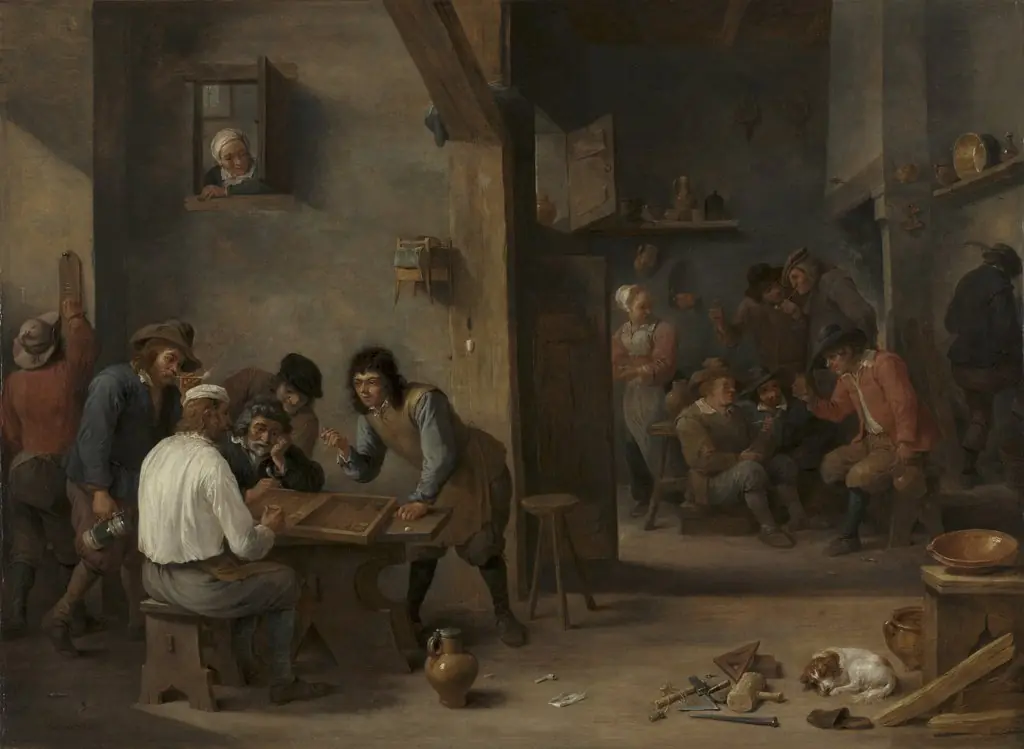 Game of Backgammon
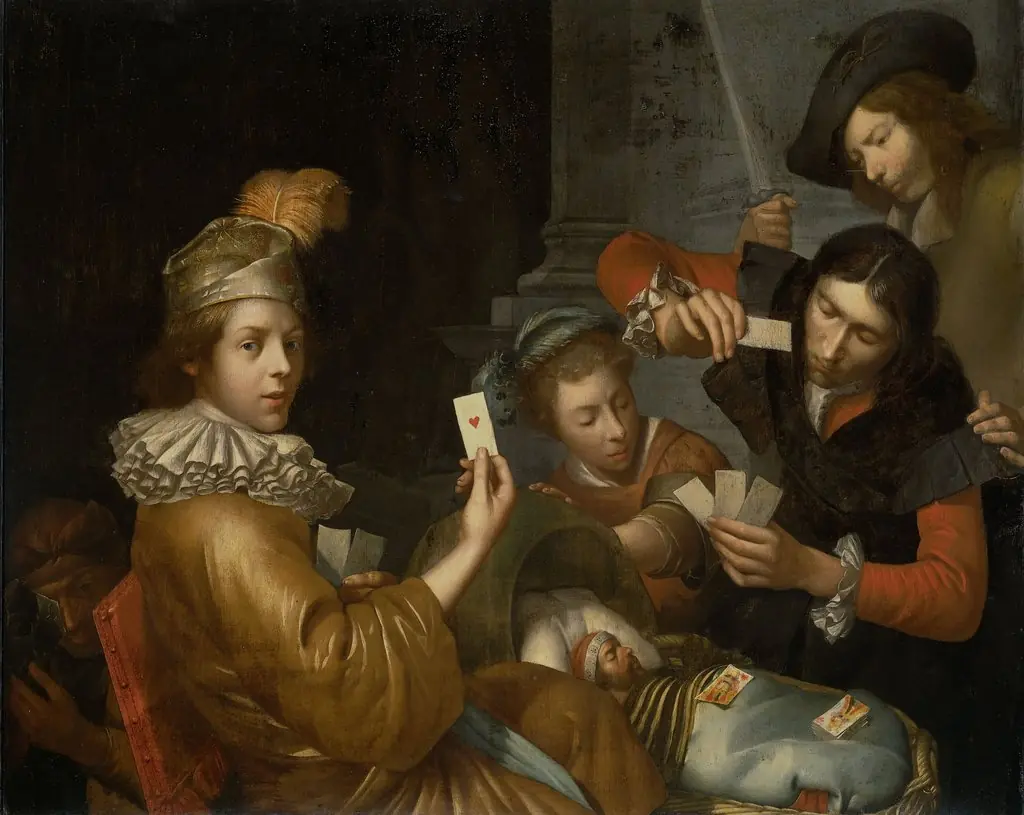 The card game on the cradle: allegory
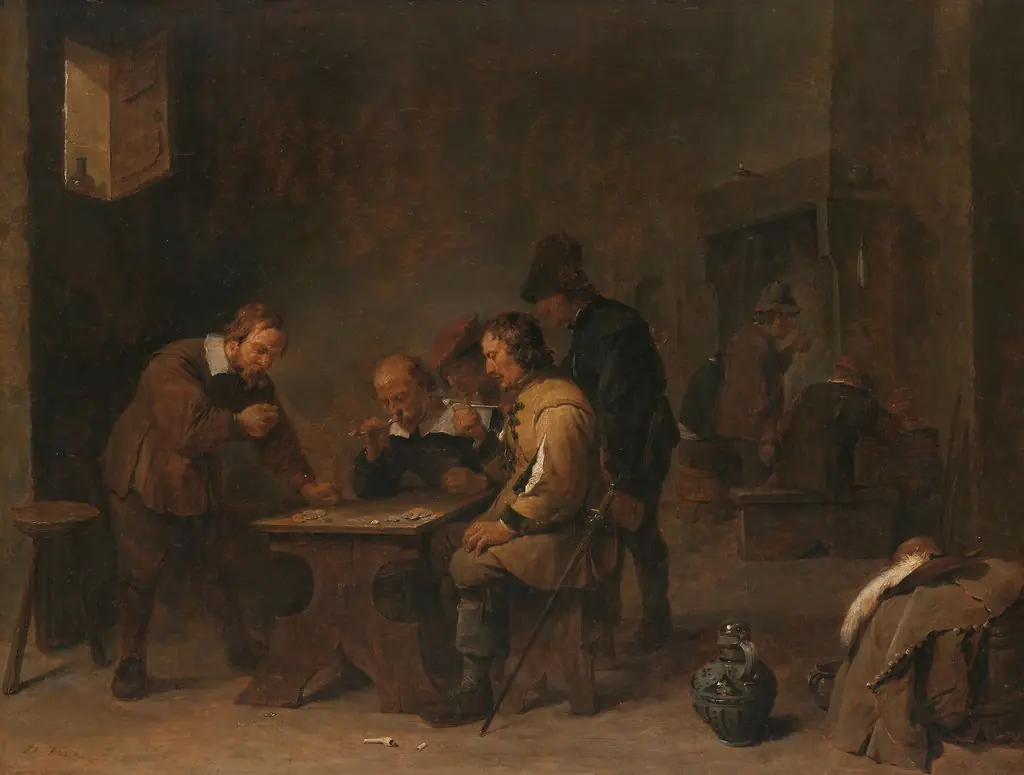 The Gamblers
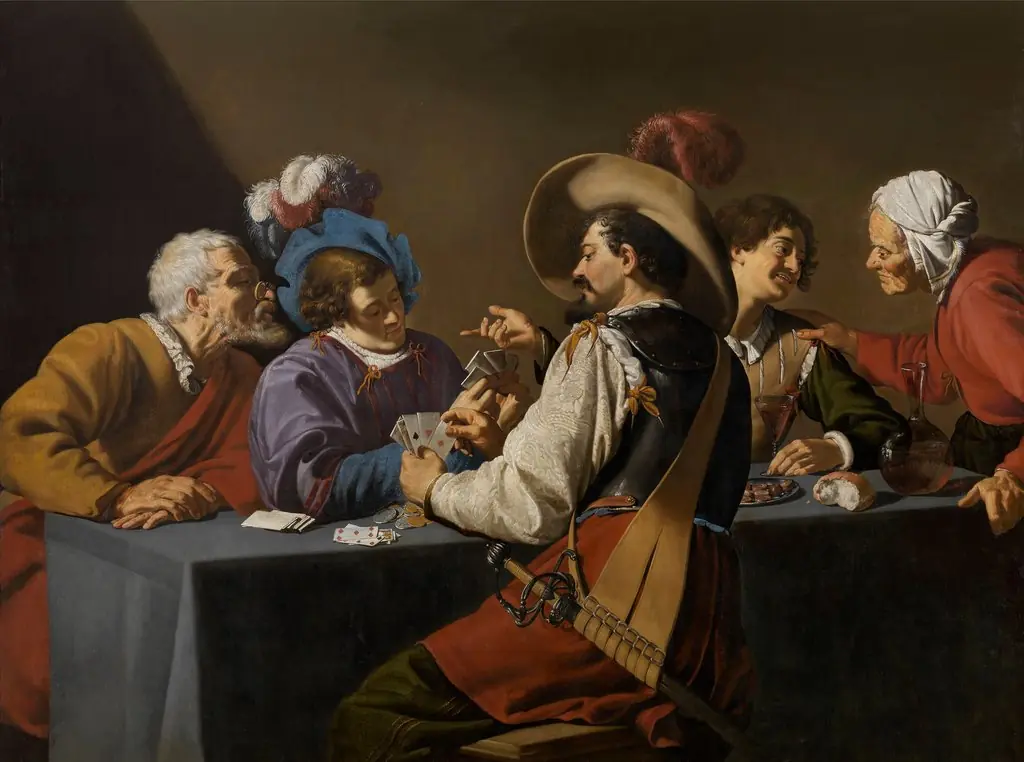 Card Players
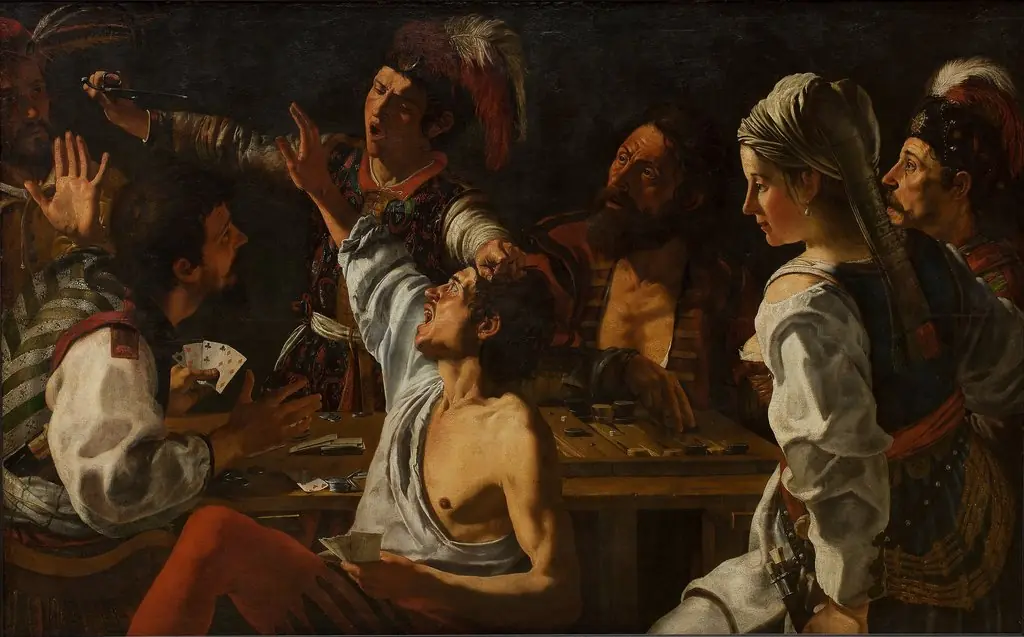 Card and Backgammon Players. Fight over Cards
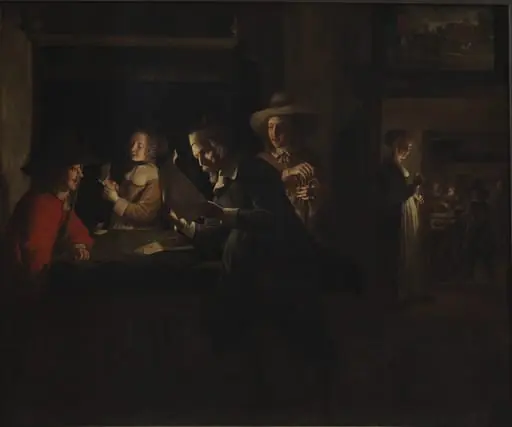 Evening Interior
 Card and Backgammon Players. Fight over Cards
 Game of Backgammon