Artwork
Card Players
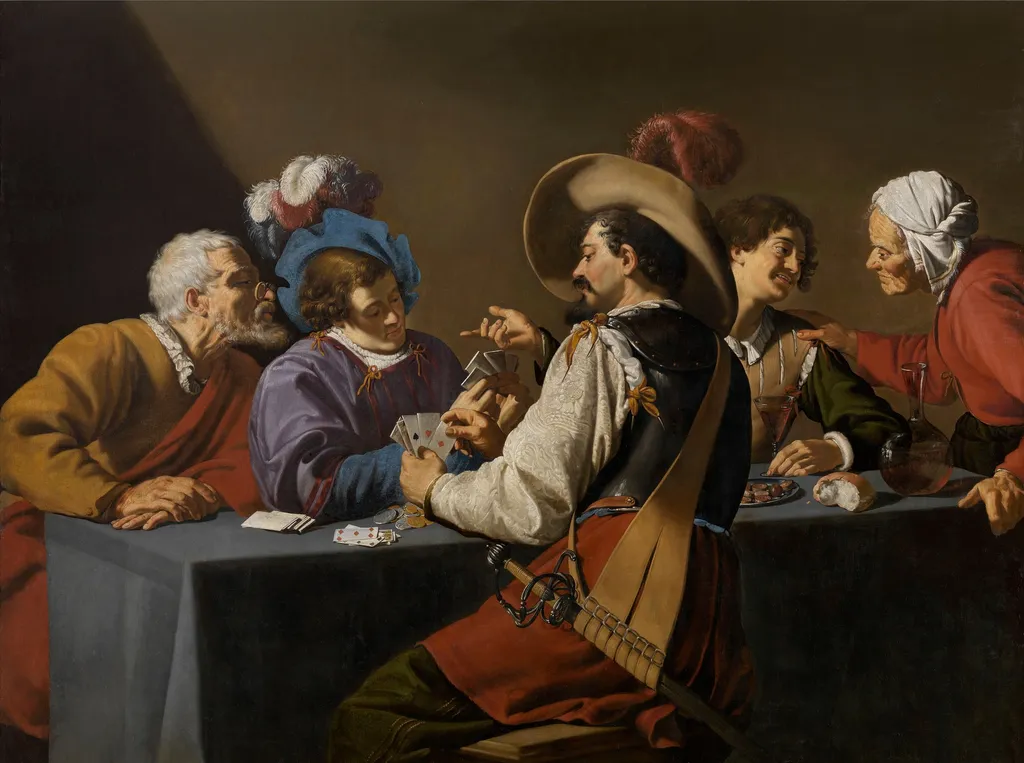
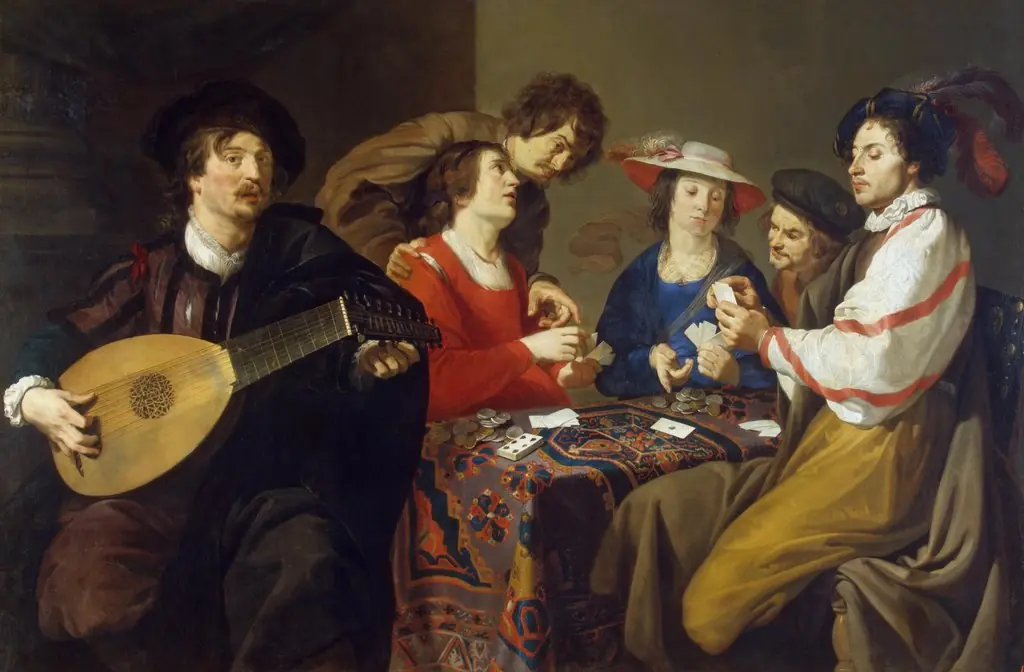
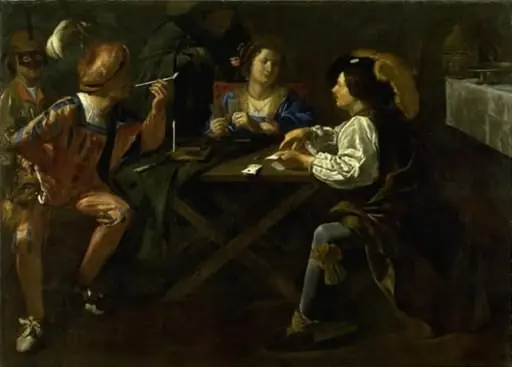
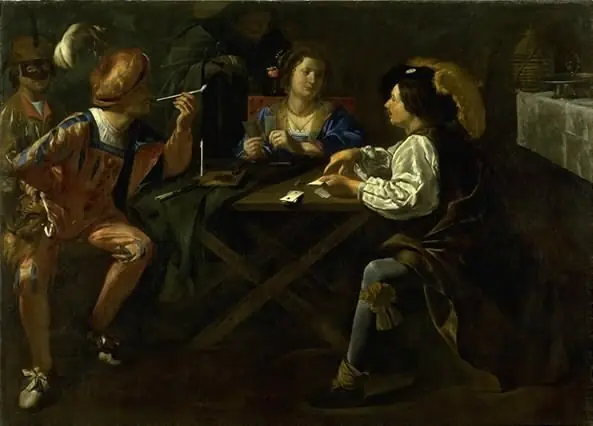
Card Players is an oil painting by the Dutch Golden Age artist Theodoor Rombouts. It dates from 1650 and is held in the collection of the Royal Museum of Fine Arts Antwerp.
About this work
Overview
Working during the Dutch Golden Age, he focused on intimate social moments rendered with heightened realism and dramatic lighting.
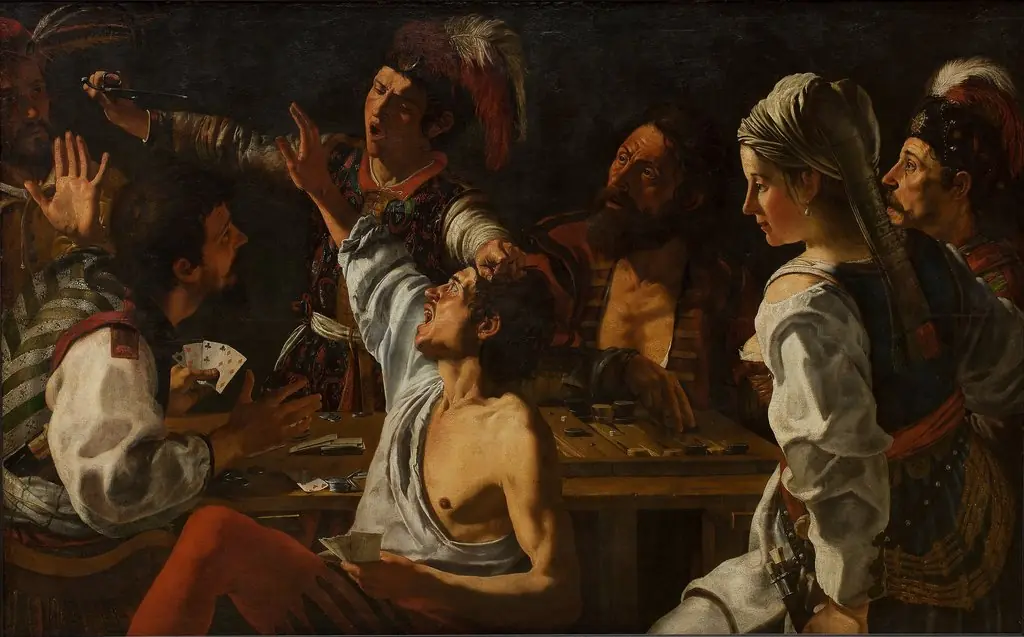
Theodoor Rombouts painted *Card Players* circa 1650, a genre scene rooted in the Flemish Caravaggist tradition. Working during the Dutch Golden Age, he focused on intimate social moments rendered with heightened realism and dramatic lighting. The painting captures a quiet moment of concentration among men engaged in a card game, reflecting a broader interest in everyday life among northern European artists of the period.
Subject & Meaning
The painting portrays a group of men in 17th-century dress gathered around a table, fully absorbed in a card game. Their focused expressions and still postures suggest tension and unspoken stakes. Rather than depicting revelry, Rombouts emphasizes psychological stillness, hinting at the quiet risks and social rituals embedded in such gatherings. The scene avoids moralizing, instead presenting the act of play as a natural, if intense, human behavior.
Technique & Style
Rombouts employs strong chiaroscuro to model forms and direct attention, with light falling sharply from the left to carve out faces, hands, and fabric folds. Dark backgrounds recede, isolating the figures and heightening their presence. His brushwork is precise yet unpolished, favoring tactile realism over idealization. The technique echoes Caravaggio’s influence, adapted to northern sensibilities through restrained color and a focus on interiority rather than theatricality.
History & Provenance
The painting has remained in institutional hands since at least the 19th century, entering the collection of the Royal Museum of Fine Arts Antwerp, where it continues to be displayed. Its attribution to Rombouts is well established through stylistic comparison with his other known works. No significant changes in ownership or restoration are documented, suggesting the painting has been preserved in stable condition over centuries.
Context
In mid-17th-century Flanders, genre scenes of card games, taverns, and domestic life gained popularity among collectors seeking relatable imagery. Rombouts, trained in Italy and influenced by Caravaggio’s followers, brought a heightened naturalism to these subjects. His work stood apart from Dutch equivalents by emphasizing emotional gravity over humor, aligning with a regional preference for psychological depth in everyday scenes.
Legacy
Rombouts’ *Card Players* exemplifies how Flemish artists adapted Caravaggism to local tastes, prioritizing quiet intensity over spectacle. While less widely known than his Dutch contemporaries, his approach influenced later genre painters in the Southern Netherlands. The painting remains a key reference for understanding the nuanced treatment of light, gesture, and social nuance in early Baroque Flemish art.
Own this work as a print
Artist & collection
Artist
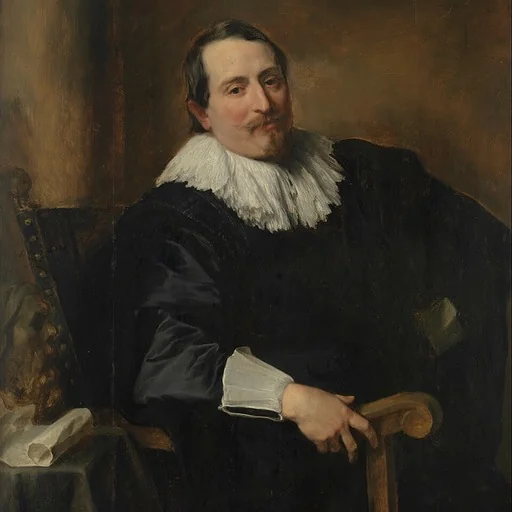
Theodoor Rombouts (2 July 1597 – 14 September 1637) was a Flemish painter who is mainly known for his Caravaggesque genre scenes depicting lively dramatic gatherings as well as religiously themed works.