Artwork
The Last Supper
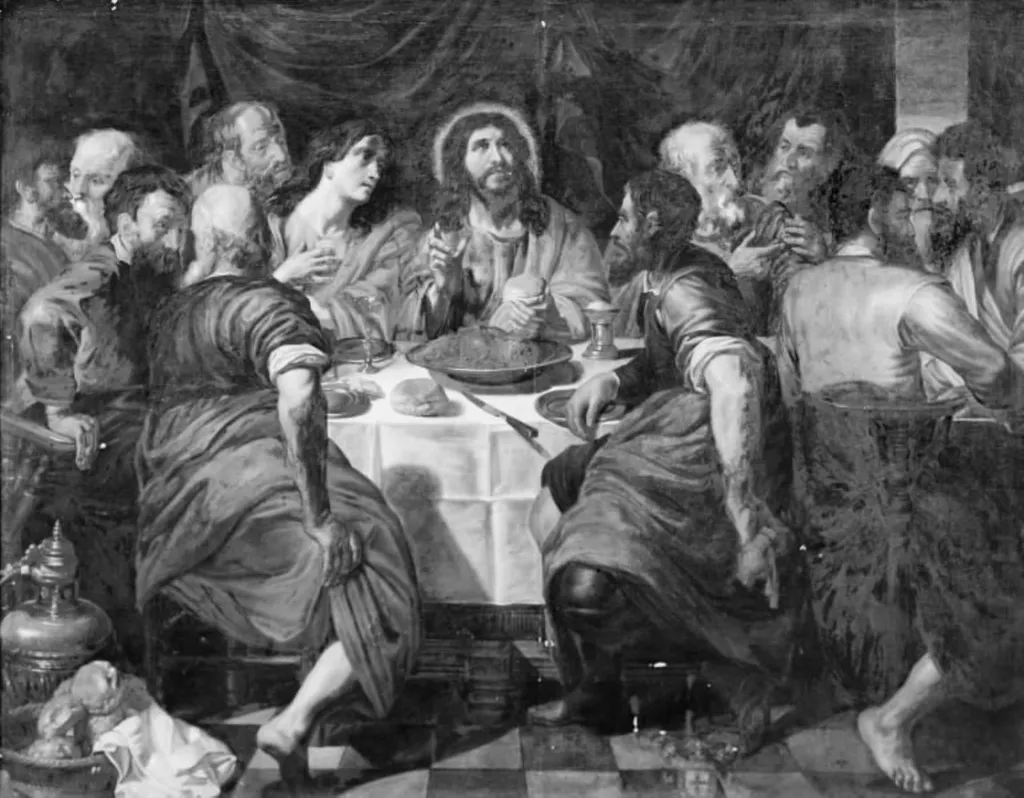
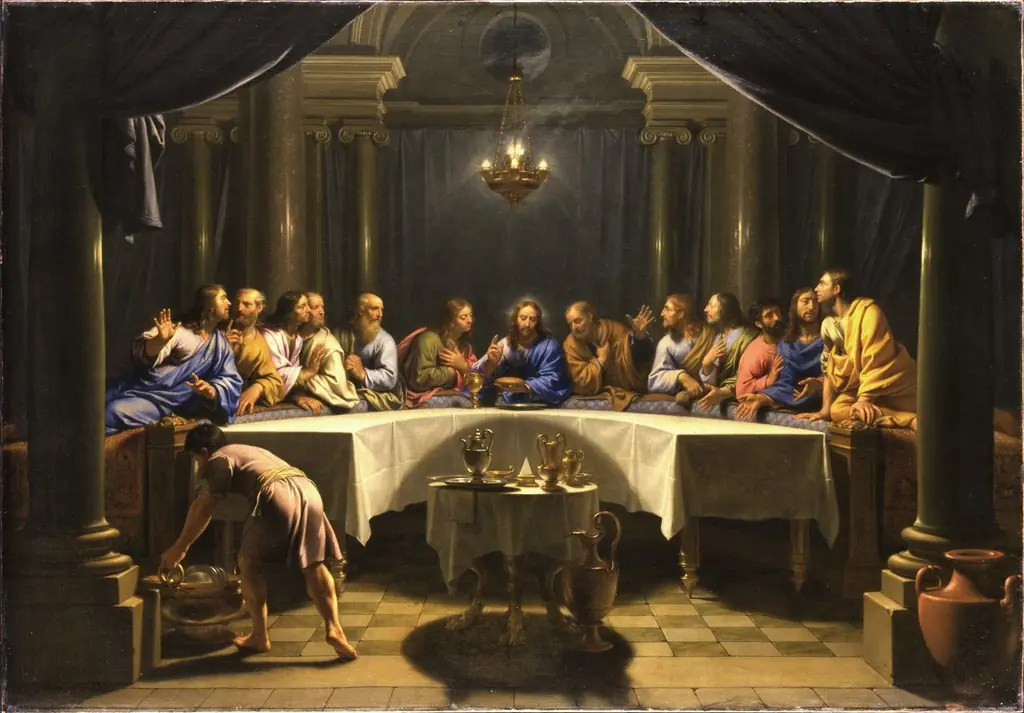
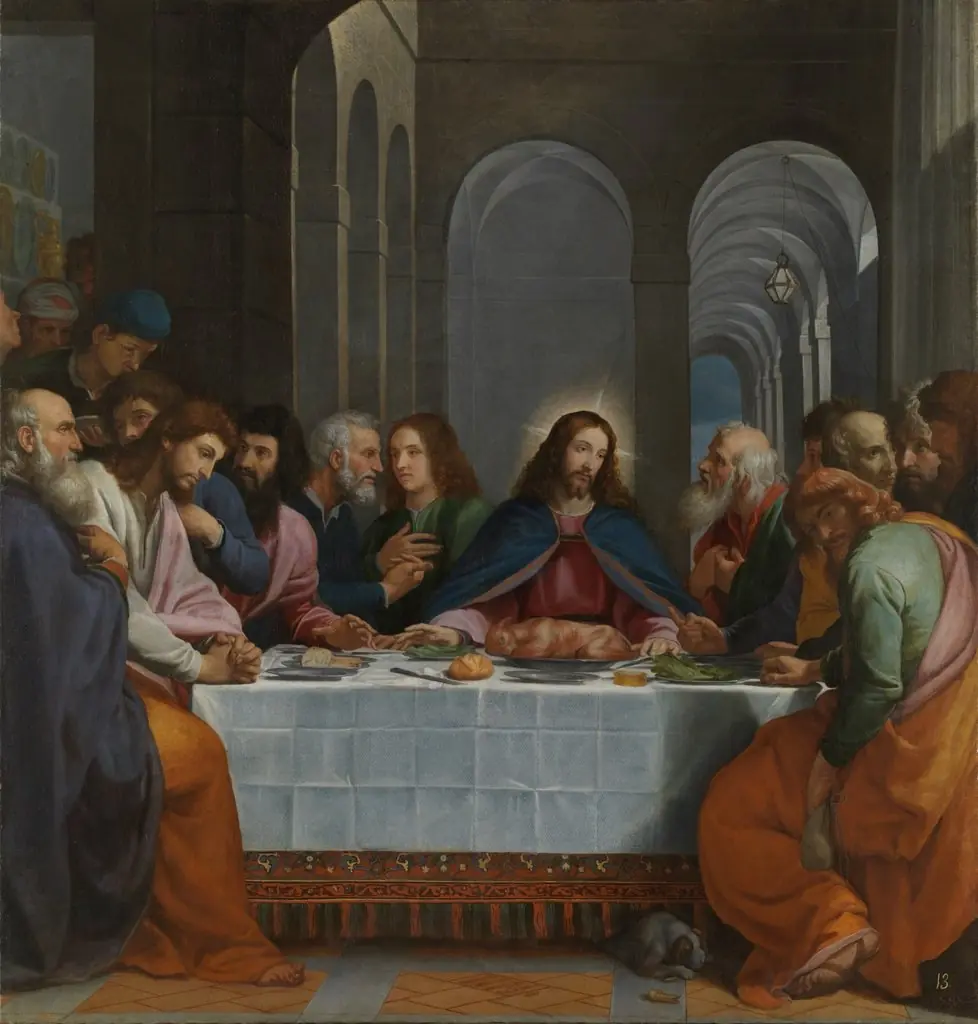
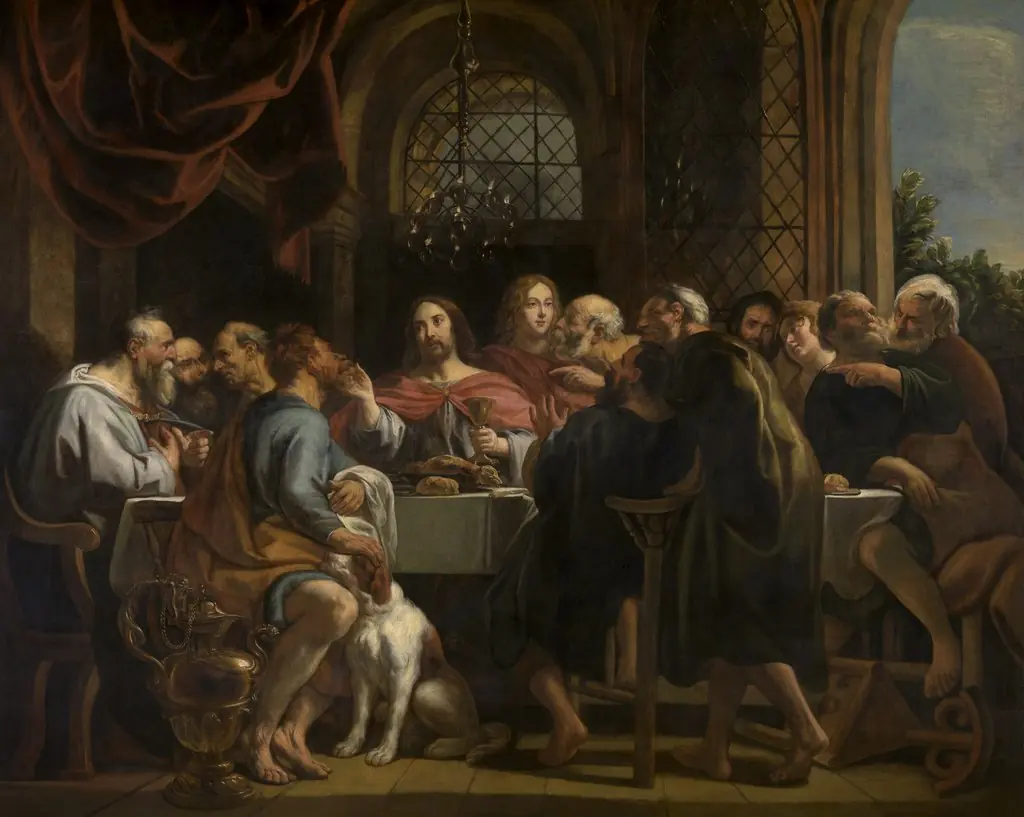
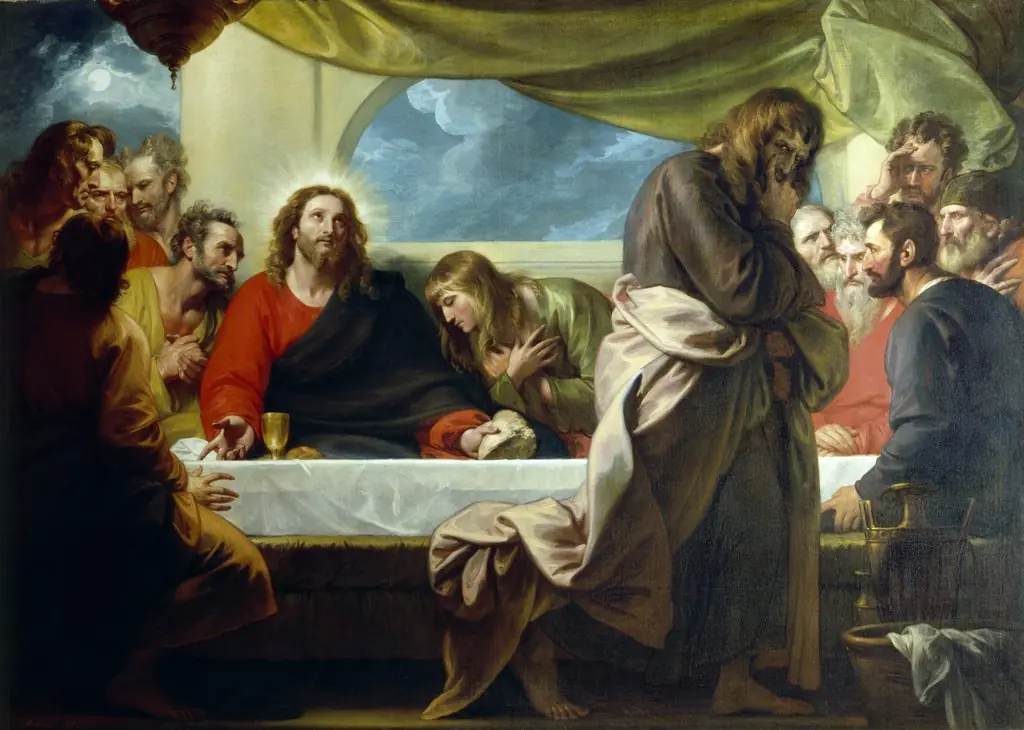
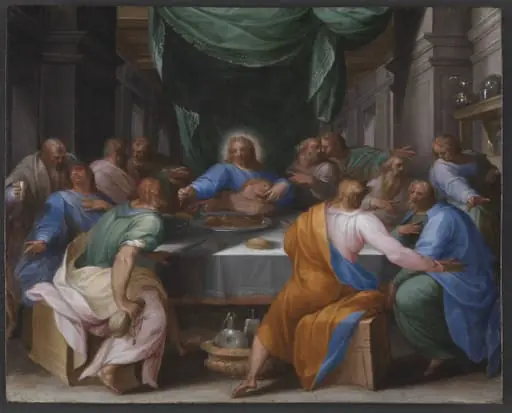
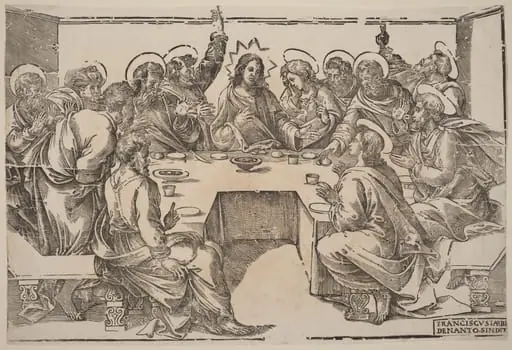
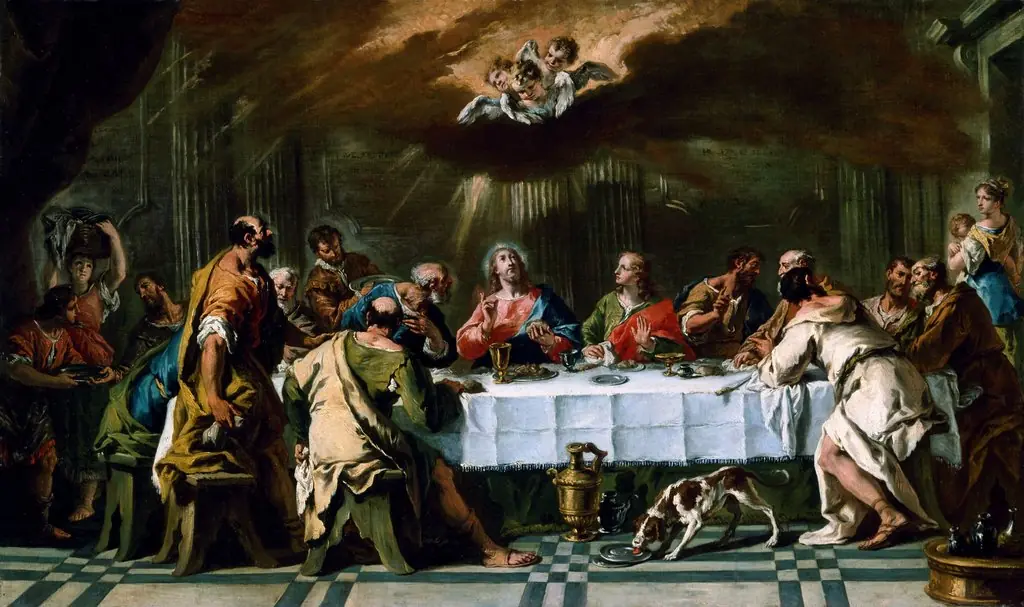
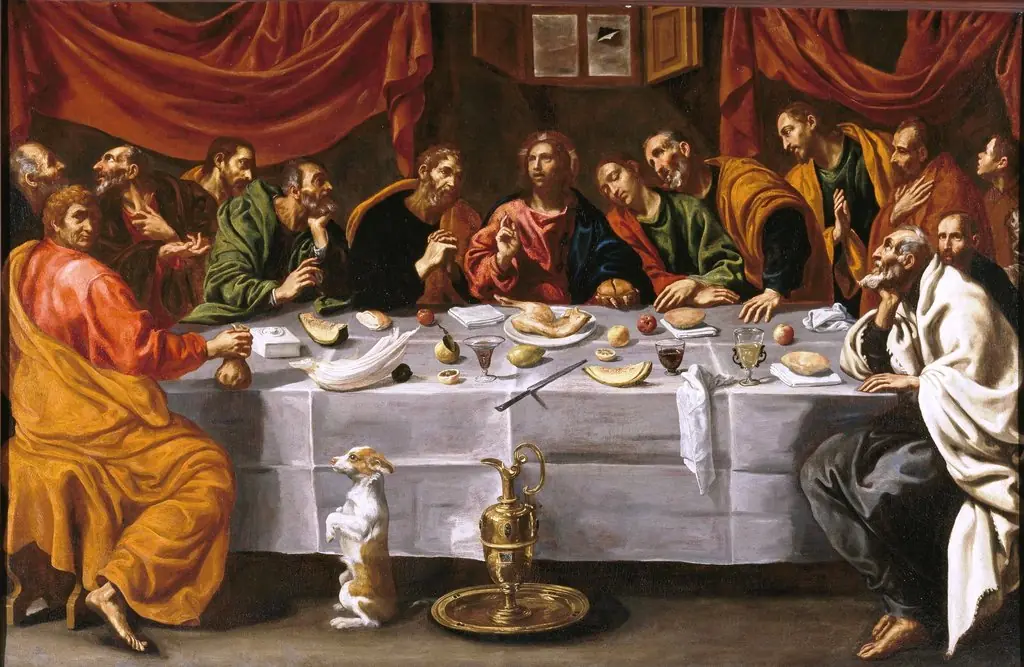
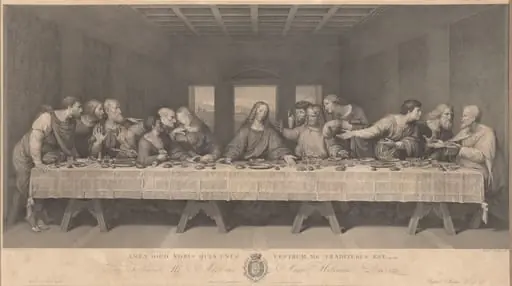
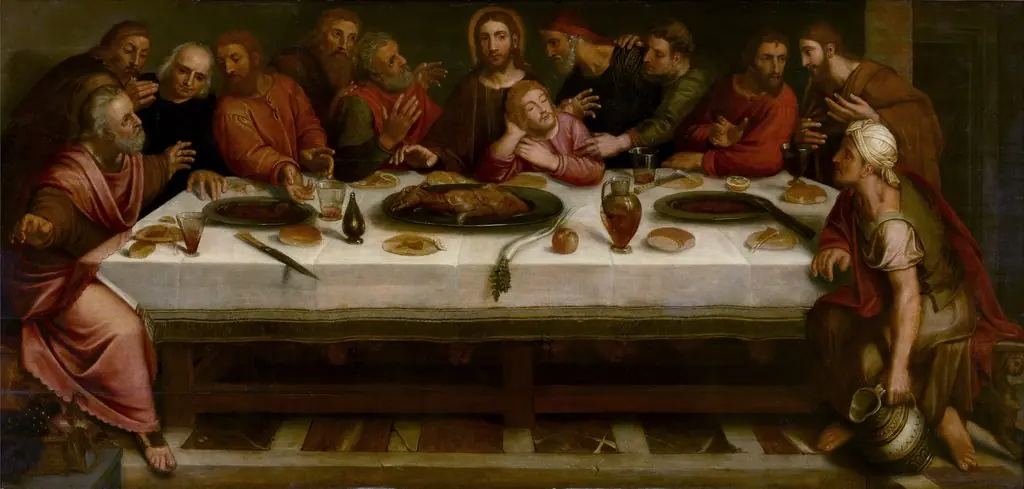
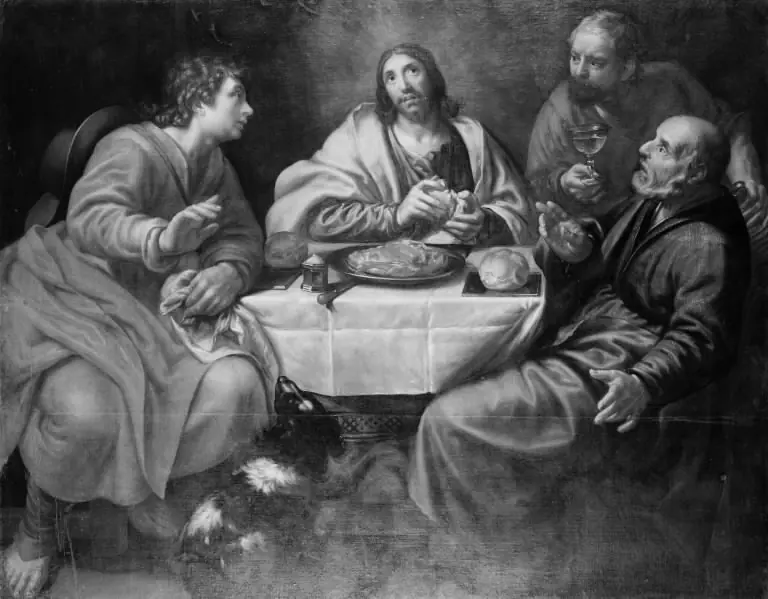
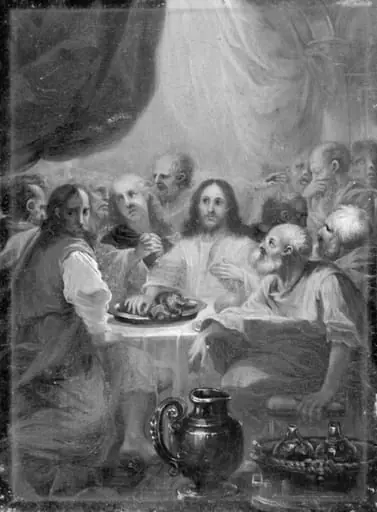
The Last Supper is a photography by Unknown. It dates from 1628 and is held in the collection of the Statens Museum for Kunst. Created around 1628, this black-and-white image depicts the moment after Jesus announces that one of his disciples will betray him.
About this work
Overview
Though styled as a painting, the image is a photographic reproduction that emulates the composition and lighting of early modern religious art.
Created around 1628, this black-and-white image depicts the moment after Jesus announces that one of his disciples will betray him. Though styled as a painting, the image is a photographic reproduction that emulates the composition and lighting of early modern religious art. It is held in the collection of the Museum of Ethnography, where it is presented as a visual artifact reflecting historical interpretations of biblical narrative.
Subject & Meaning
The scene captures the immediate aftermath of Christ’s declaration of betrayal, with the central figure raising a hand as if speaking. Surrounding figures react with varied expressions—shock, concern, and suspicion—each gesture underscoring emotional tension. The placement of bread and a pitcher on the table alludes to the Eucharist, reinforcing the spiritual gravity of the moment. The composition invites contemplation of loyalty, revelation, and human frailty.
Technique & Style
The image employs stark contrasts of light and shadow, mimicking the chiaroscuro technique common in Baroque painting. Dark, unmodeled backgrounds isolate the figures, directing attention to their facial expressions and gestures. The lighting sculpts the forms with dramatic precision, enhancing the theatricality of the scene. Though rendered photographically, the aesthetic deliberately recalls the tonal discipline of 17th-century religious art.
History & Provenance
The image was produced in the early 20th century as a photographic reproduction of a lost or inaccessible painting, likely based on a known composition from the Baroque period. It entered the Museum of Ethnography’s collection as part of a broader effort to document visual traditions of religious storytelling. Its origin as a reproduction, rather than an original work, reflects early modernist interest in preserving cultural imagery through new media.
Context
In the 1930s, institutions increasingly used photographic reproductions to make religious and historical imagery accessible to the public. This image aligns with a trend of reinterpreting canonical scenes through modern technical means, emphasizing emotional realism over doctrinal precision. Its presence in an ethnographic museum suggests an anthropological interest in how religious narratives are visually transmitted across generations.
Legacy
The image endures as an example of how early 20th-century photography engaged with historical art traditions. It demonstrates the continued resonance of the Last Supper as a subject for visual interpretation, even when divorced from its original medium. Its preservation in an ethnographic context underscores its role not merely as religious iconography, but as a cultural artifact shaped by time and reproduction.
Artist & collection

 Domestic Scene
 Giacomo and Cardinal Marco, investing Andrea, Abbot of San Zeno, with his Benefice
 The Nymph of Fontainebleau
 Portrait of a Woman
 Madonna and Child with Saints in the Enclosed Garden
 Venus and Minerva
 Family Group of Four on Sofa
 Wall painting from Room H of the Villa of P. Fannius Synistor at Boscoreale