Artwork
The Swiss Sentry at the Louvre (Le factionnaire Suisse au Louvre)
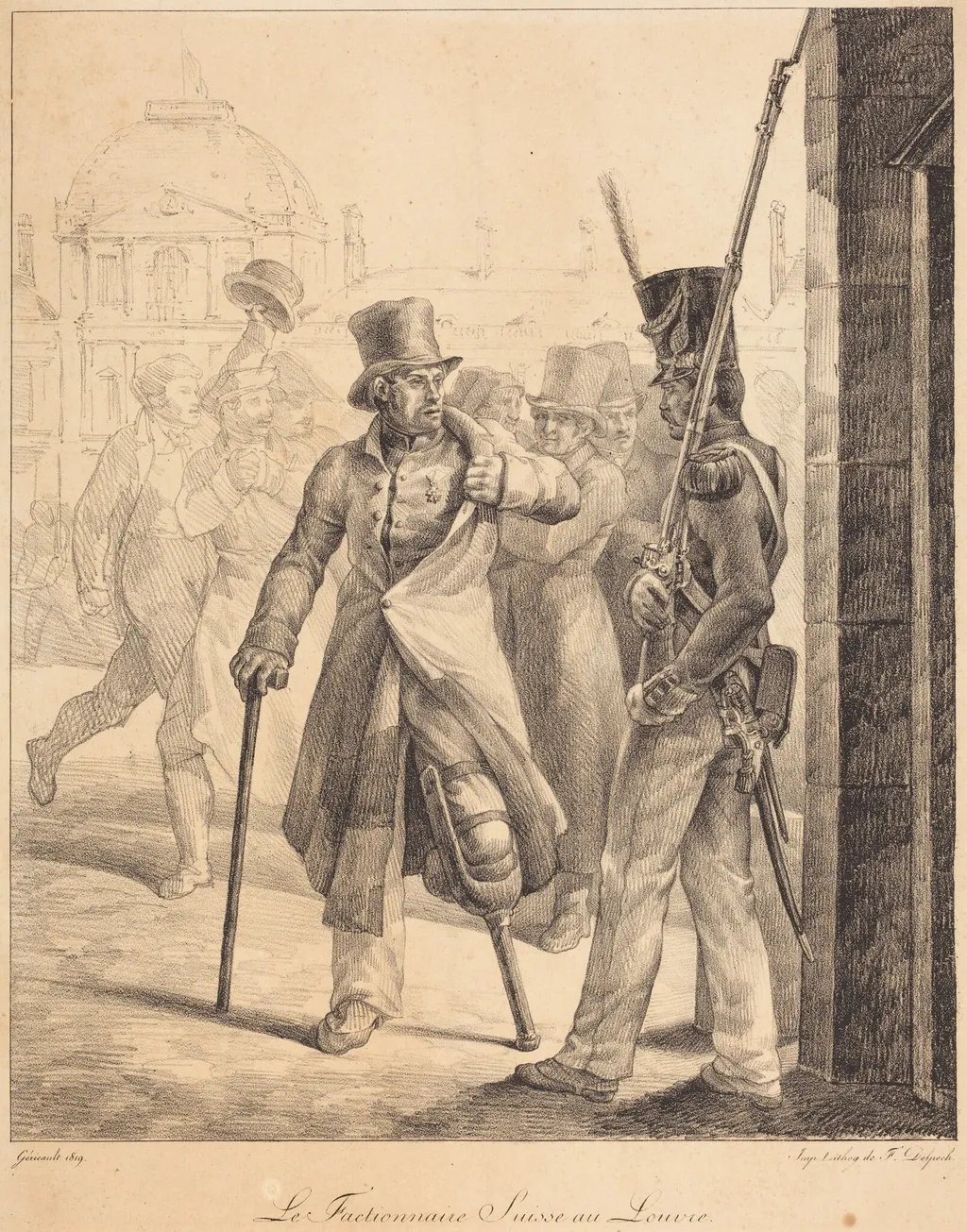
The Swiss Sentry at the Louvre (Le factionnaire Suisse au Louvre) is an ink print by the Romanticist artist Théodore Géricault. It dates from 1818 and is held in the collection of the National Gallery of Art.
About this work
Overview
The Swiss Sentry at the Louvre is a lithograph created by Théodore Géricault in 1818. It is a print that showcases the artist's skill in capturing contemporary life and military subjects.
Subject & Meaning
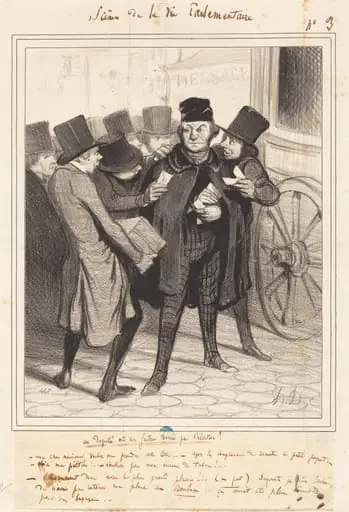
The lithograph depicts a Swiss guard standing watch, accompanied by a civilian and a crowd of people passing by a classical building. The scene conveys a sense of tension, emphasized by the soldier's uniform and the confident pose of the adjacent figure.
Technique & Style
The work is characterized by a rough, sketchy quality, suggesting a quick study. Géricault's use of lithography allowed for expressive and spontaneous renderings, demonstrating his versatility in printmaking.
Context
As a work by a prominent figure in the Romantic movement, The Swiss Sentry at the Louvre reflects Géricault's engagement with everyday life and his interest in military themes, showcasing his ability to capture the spirit of his time.
Artist & collection
Artist
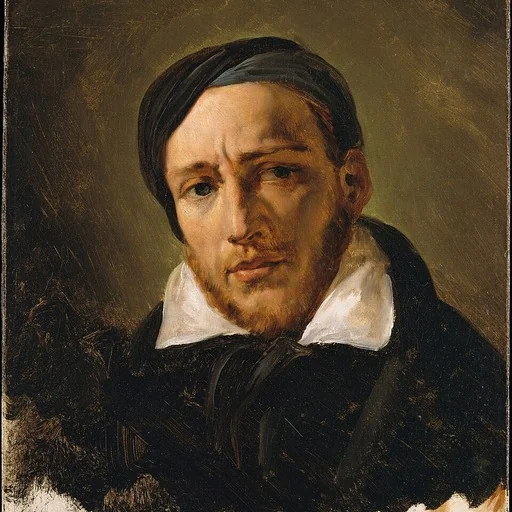
Jean-Louis André Théodore Géricault (French: ; 26 September 1791 – 26 January 1824) was a French painter and lithographer.


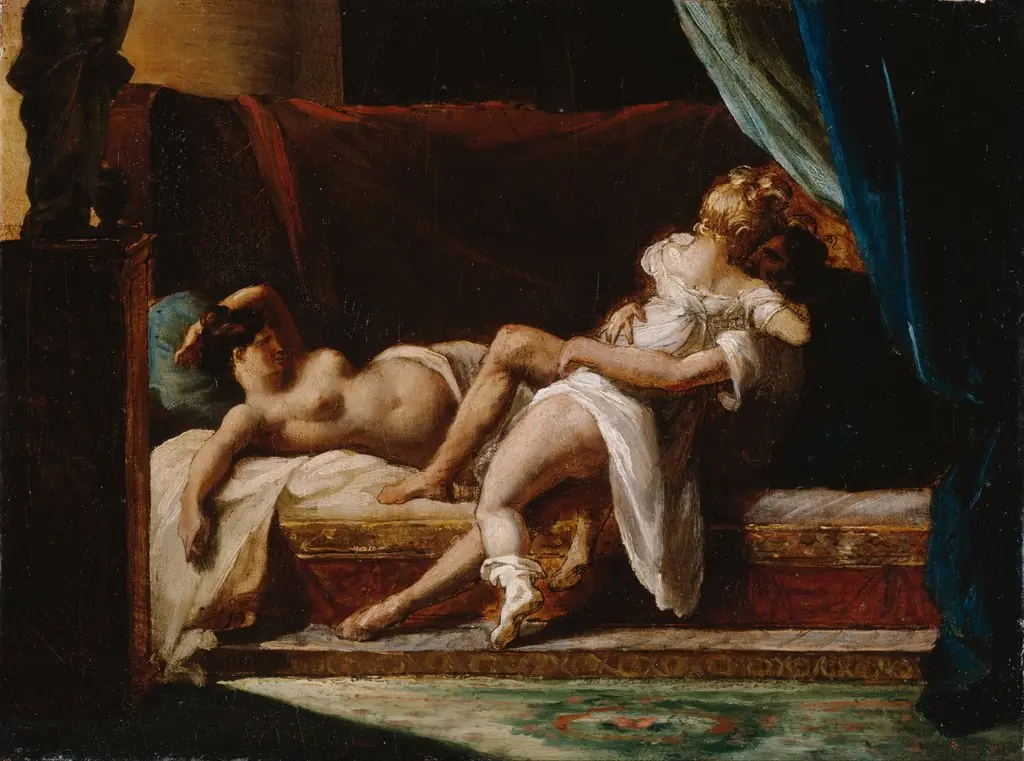
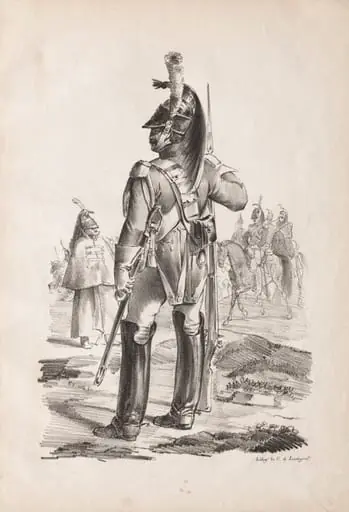 Military Costumes: Grenadier of the Royal Guard
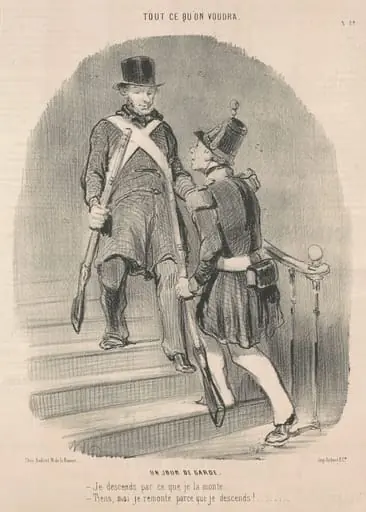 Un jour de garde
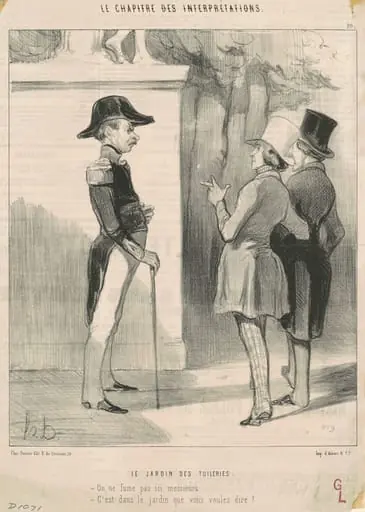 Le jardin des Tuileries
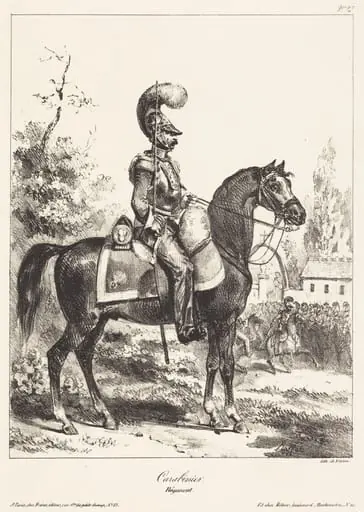 Carabinier
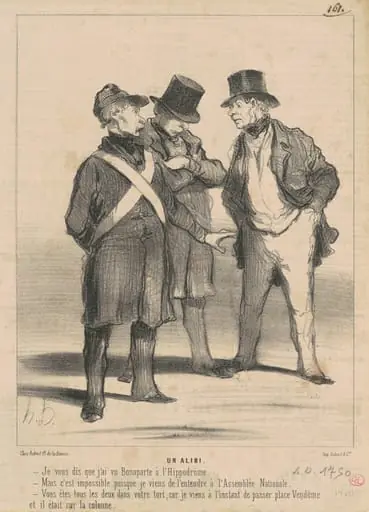 Un alibi
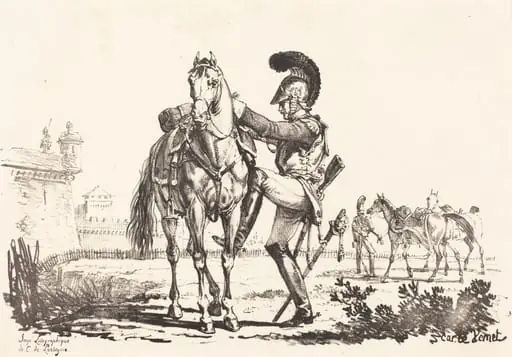 Carabinier Mounting a Horse
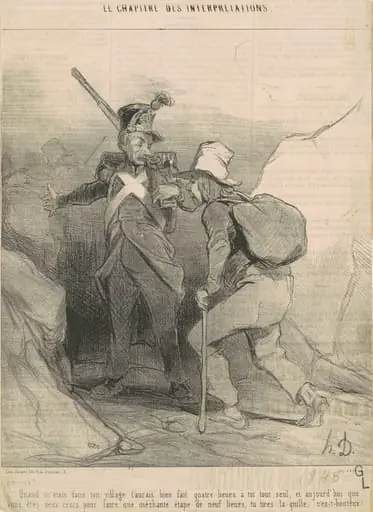 Quand tu étais dans ton village t'aurais ...
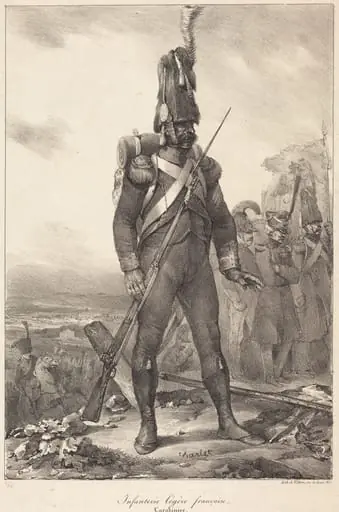 Infanterie legère française, Carabinier
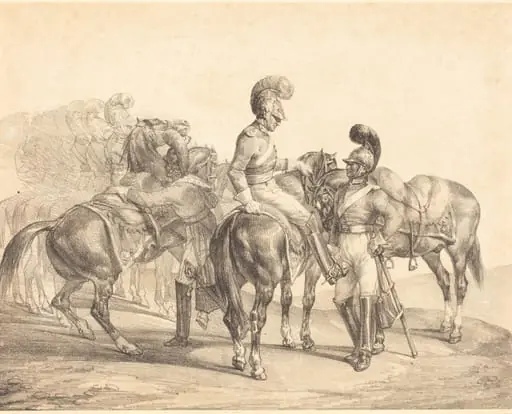 A Party of Life Guards
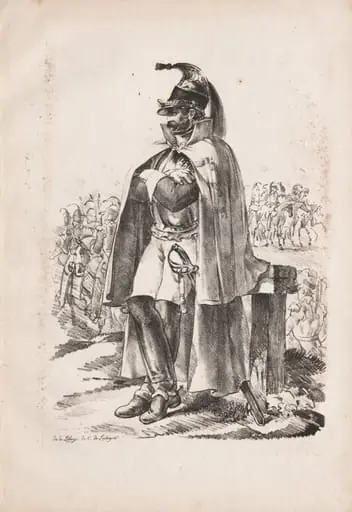 Military Costumes: Cavalry Man
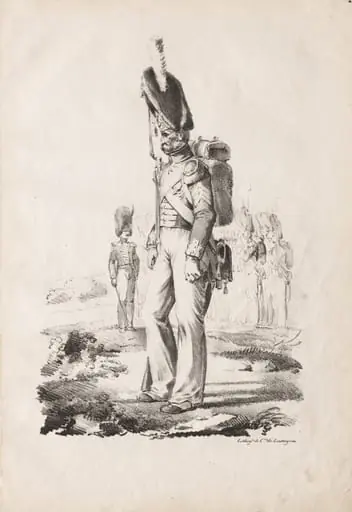 Military Costumes: Infantry Sargent
 Un Voyage d'agrément a Paris