Artwork
Un Voyage d'agrément a Paris
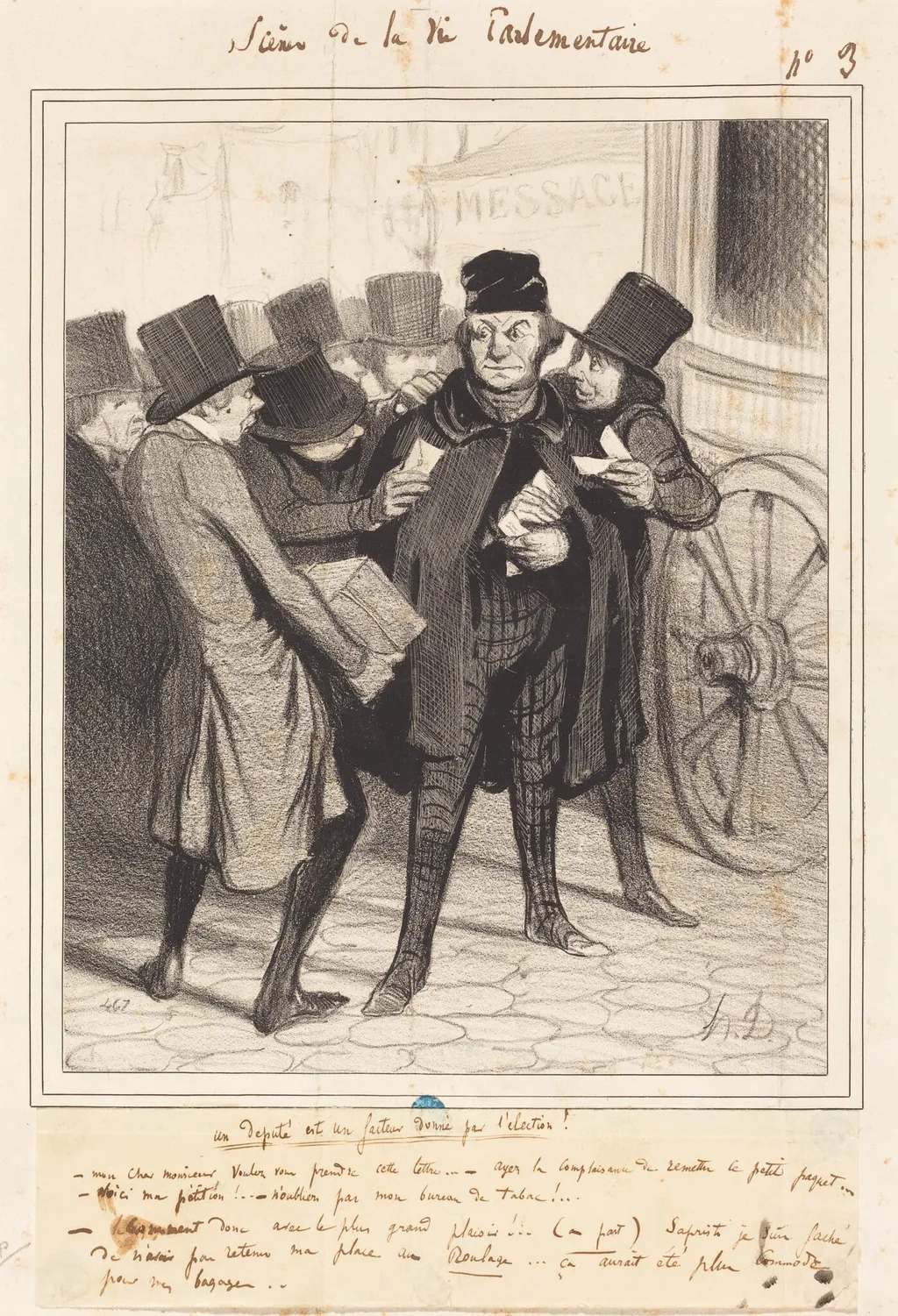
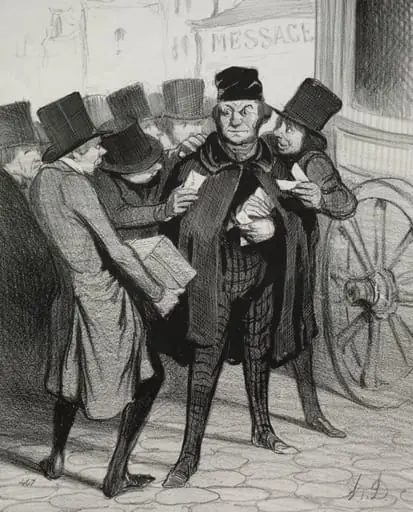
Un Voyage d'agrément a Paris is an ink print by the Romanticist artist Honoré Daumier. It dates from 1843 and is held in the collection of the National Gallery of Art.
About this work
Overview
Created in 1843, this lithograph titled *Un Voyage d'agrément à Paris* is part of Honoré Daumier’s prolific series of satirical prints. Produced for the Parisian newspapers *La Caricature* and *Le Charivari*, the work exemplifies Daumier’s engagement with the bustling urban life of mid‑nineteenth‑century France.
Subject & Meaning
The image captures three gentlemen in top hats and long coats crowded on a city street, one clutching a newspaper while the others lean in to read. A partially visible shop sign and the cramped composition convey the hurried atmosphere of public spaces, while the accompanying caption mocks political corruption and bribery, reflecting Daumier’s republican critique of the ruling elite.
Technique & Style
Executed in lithography, the print relies on swift, sketch‑like lines that suggest movement and immediacy. Daumier’s handling of the medium allows for bold contrasts and a sense of spontaneity, reinforcing the satirical tone through exaggerated gestures and crowded figures.
History & Provenance
Daumier produced the work while contributing regularly to *La Caricature* and *Le Charivari*, newspapers that circulated widely among Parisian readers. The lithograph circulated as a newspaper supplement, reaching a broad audience and reinforcing the artist’s reputation as a visual commentator on contemporary politics.
Context
Situated between the 1830 Revolution and the fall of the Second Empire, the print reflects the turbulent political climate of France. Daumier’s republican sympathies and his habit of targeting monarchy, aristocracy, and clergy through humor positioned him as a key figure in the development of modern political caricature.
Own this work as a print
Artist & collection
Artist
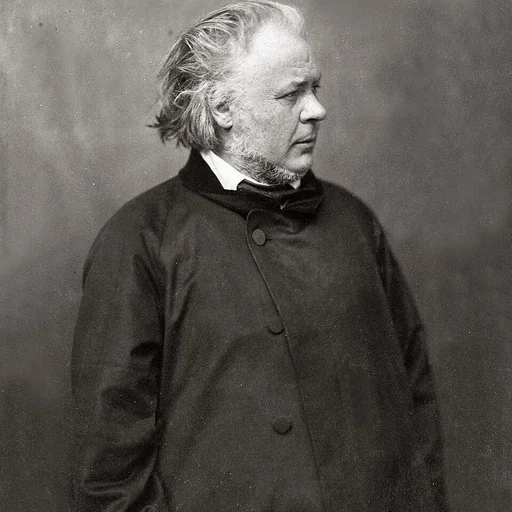
Honoré-Victorin Daumier was a French painter, sculptor, and printmaker, whose many works offer commentary on the social and political life in France, from the Revolution of 1830 to the fall of the Second French Empire in 1870.

 A Pleasure Trip to Paris
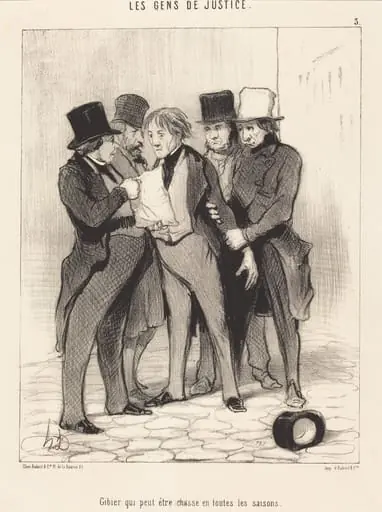 Gibier qui peut être chassé en toutes les saisons
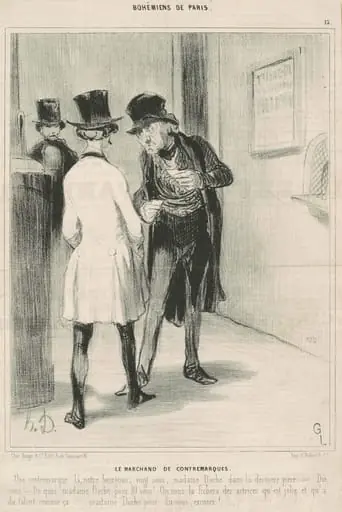 Le marchand de contremarques
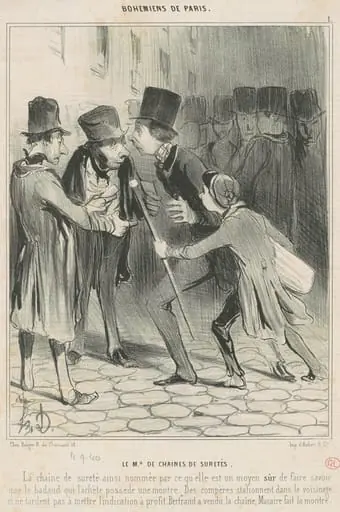 Le Md de Chaines de suretés
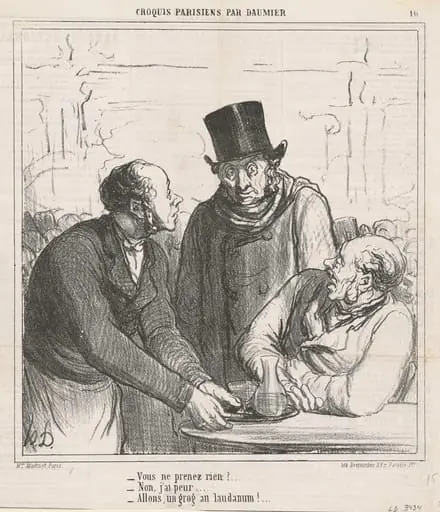 Vous ne prenez rien?
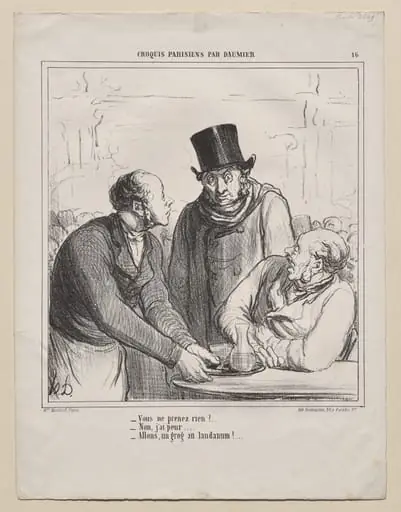 Are you not ordering anything?...
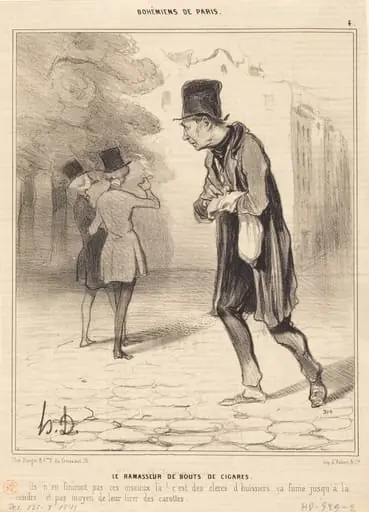 Le Ramasseur de bouts de cigares
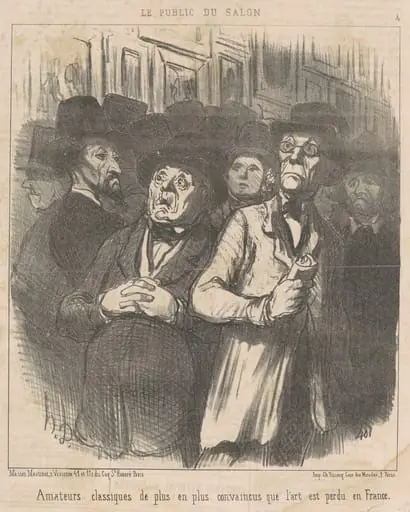 Amateurs classiques ... convaincus ...
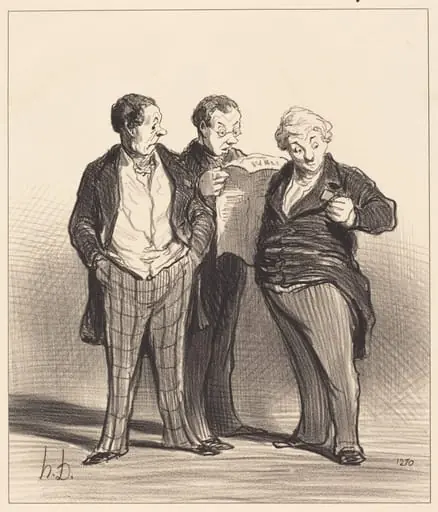 L'Interdiction du port des décorations
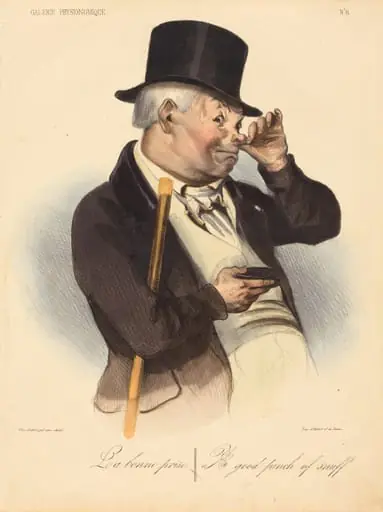 La bonne prise
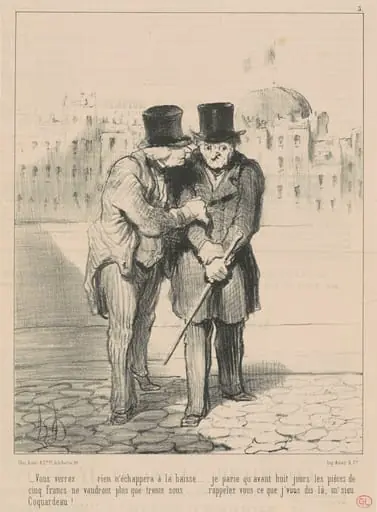 Vous verrez ... rien n'échappera a la baisse ...
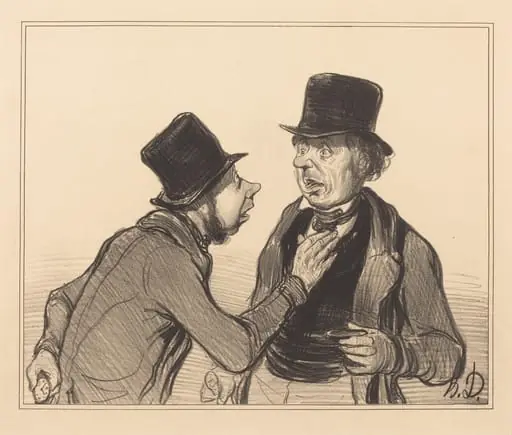 Oui Monsieur vous n'êtes pas de Paris...