Artwork
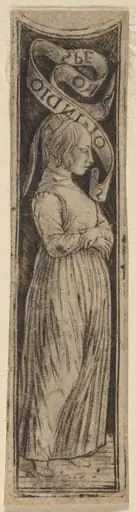
Standing Youth with a Branch
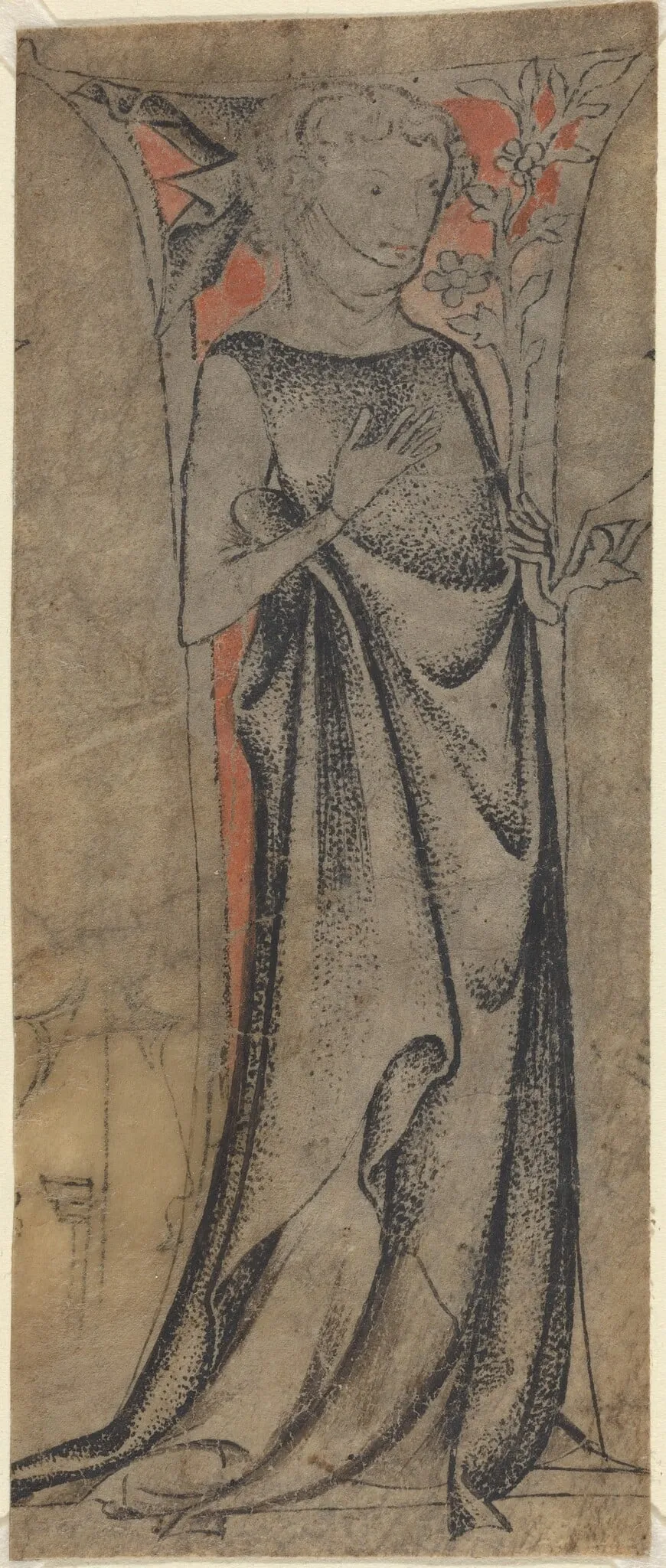
Standing Youth with a Branch is an ink drawing by German 14th Century. It dates from 1325 and is held in the collection of the National Gallery of Art.
About this work
The painting is called Standing Youth with a Branch.
It was made around 1325 by a German artist.
The artist used pen and ink with orange tempera on vellum, which is a type of animal skin used for art.
This combination of materials is interesting because it was commonly used during this time period for illustrations.
To learn more about this style, look up the technique: tempera.
Overview
Standing Youth with a Branch is a drawing executed circa 1325 by an anonymous German hand. Rendered on vellum, the work combines fine pen and black‑ink lines with areas of orange tempera, creating a modestly colored image of a young figure holding a branch.
Subject & Meaning
The composition presents a solitary youth in a standing pose, grasping a slender branch that may suggest a symbolic or narrative element, though the precise significance remains unclear. The figure’s youthful demeanor and the natural motif reflect common medieval interests in allegory and moral exempla.
Technique & Style
The artist employed a mixed media approach typical of early 14th‑century manuscript illustration: delicate ink drawing for contour and detail, overlaid with tempera pigment applied in orange tones. Vellum, a prepared animal skin, provided a smooth, durable surface that accommodated both the fluid ink work and the opaque tempera wash.
History & Provenance
Created in the German regions during the early 1300s, the drawing’s later ownership record is sparse. It has survived in a collection of medieval drawings, where its material composition and stylistic traits have helped scholars attribute it to the Germanic tradition of the period.
Context
In the early 14th century, German artists frequently used pen and ink with tempera on vellum for devotional and illustrative purposes, especially in codices and portable artworks. This drawing exemplifies that practice, illustrating the interplay of line and limited color that characterized the era’s visual language.
Artist & collection

Artist
This artist doodled saints like they were your neighbor’s kids. They drew a boy standing calm with a leafy branch—no fancy robes, just a regular kid holding a twig. Flip to the *Coronation of the Virgin* in the NGA’s…

 The Apostle Simon
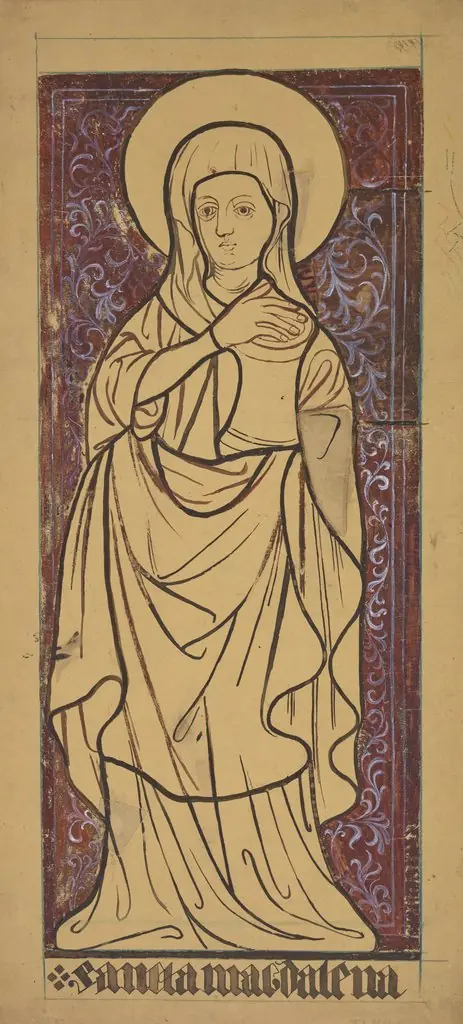 Saint Mary Magdalene. Artistic reconstruction of a stained-glass panel from the Dominican church in Kraków
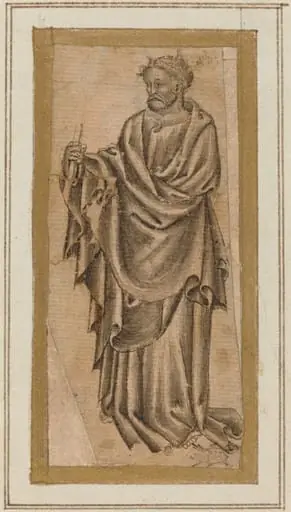 Standing Apostle
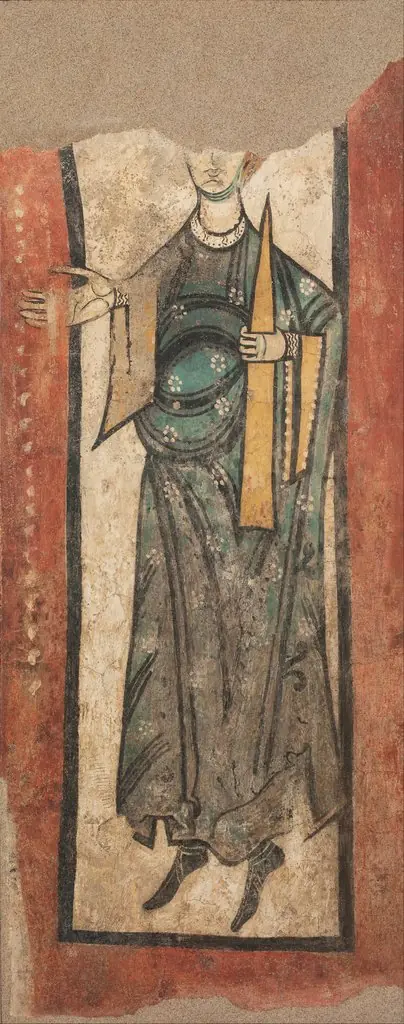 Woman Donor from Esterri d'Àneu
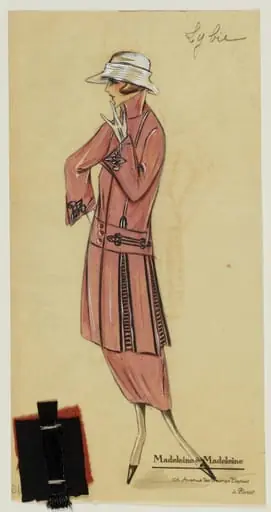 Lybie
Lybie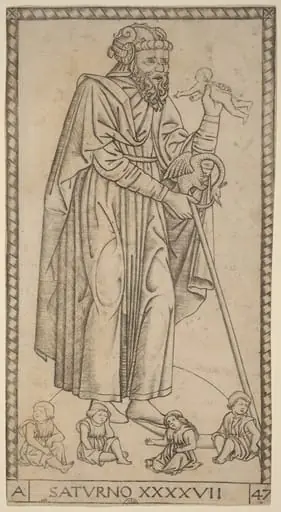 Saturno (Saturn)
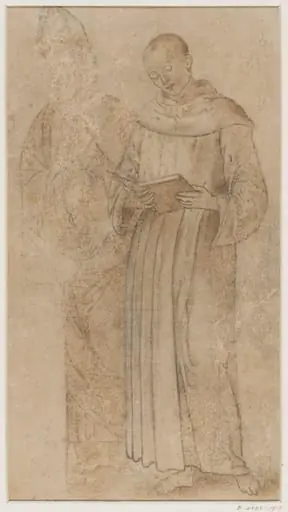 A Saint reading ; on his right stands a bishop
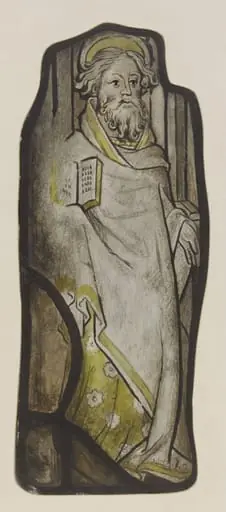 Untitled
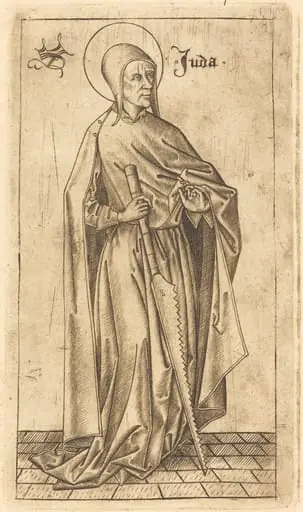 Saint Simon Zelotes (?) or Saint Judas Thaddeus (?)
 Hope
Hope![Standing Young Man [verso], by Sperandio](https://artifactworldgallery.com/img/sperandio--standing-young-man-verso--f2e257c4a458802d-w320.webp) Standing Young Man [verso]
Standing Young Man [verso]