Artwork
Foot Combat with Longswords
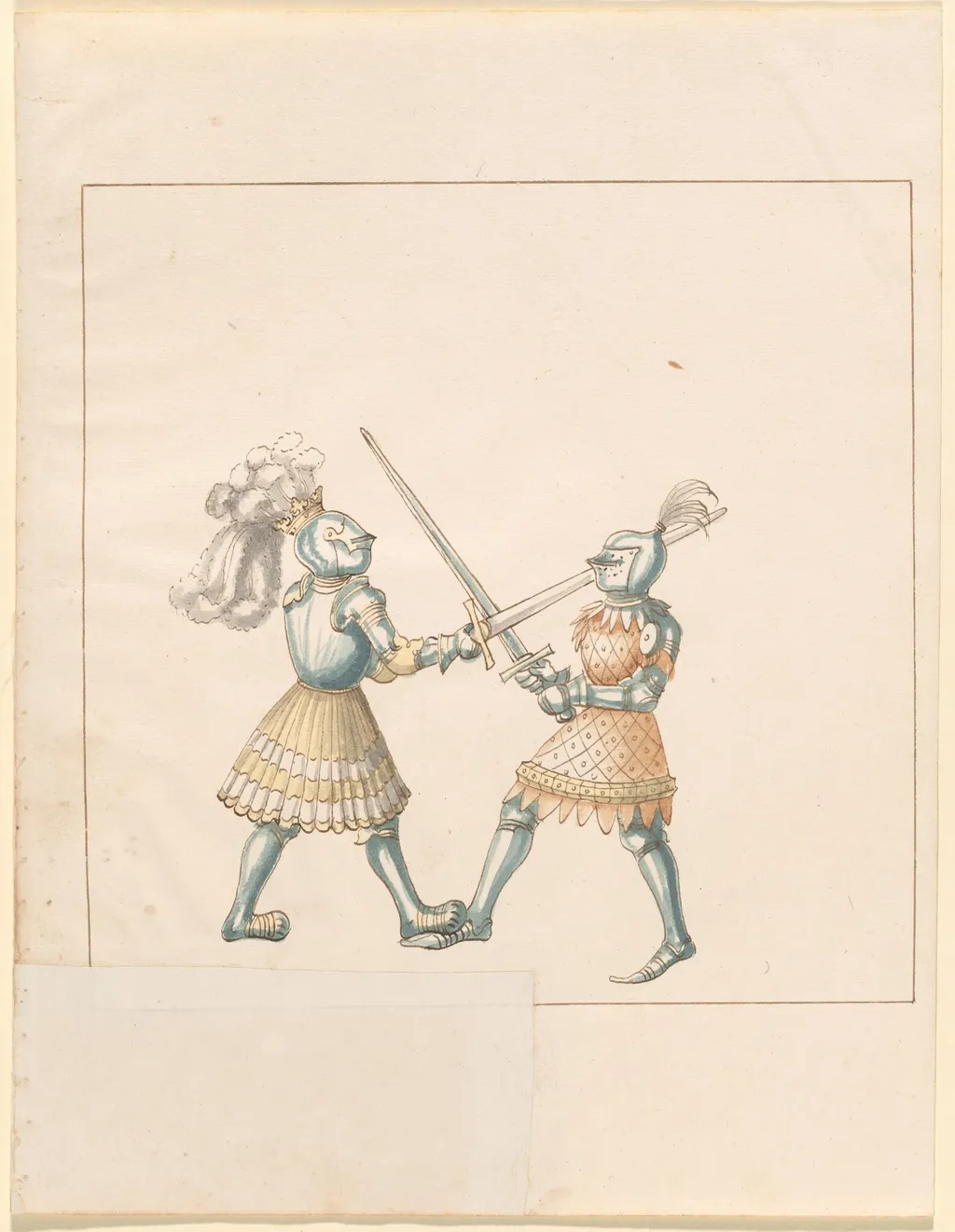
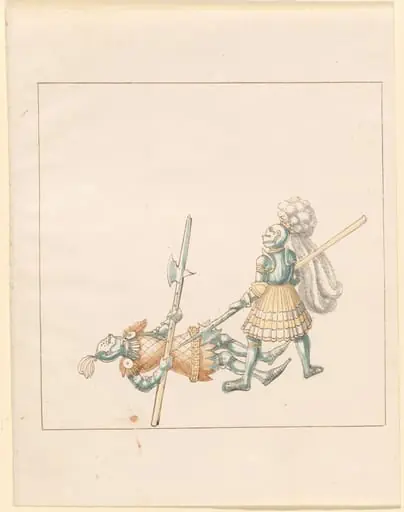
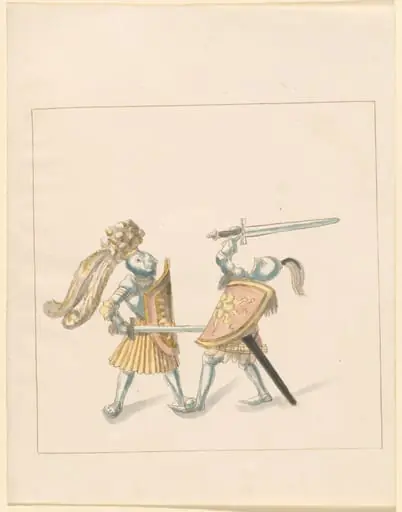
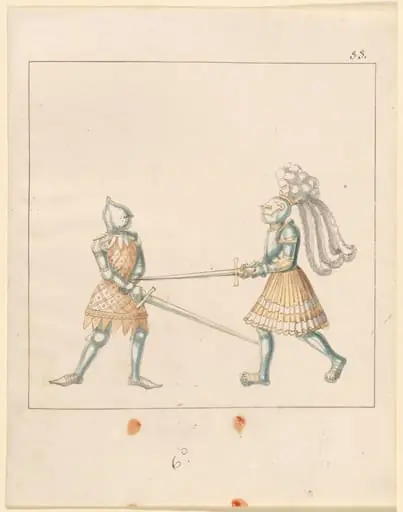
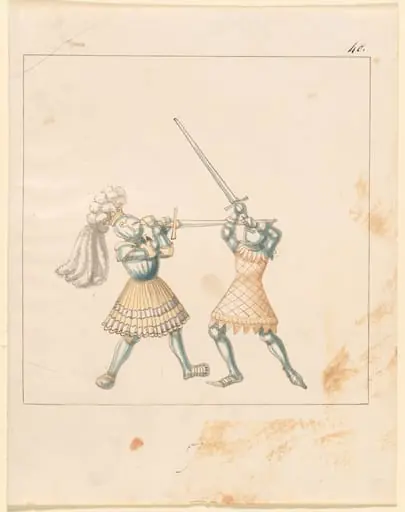
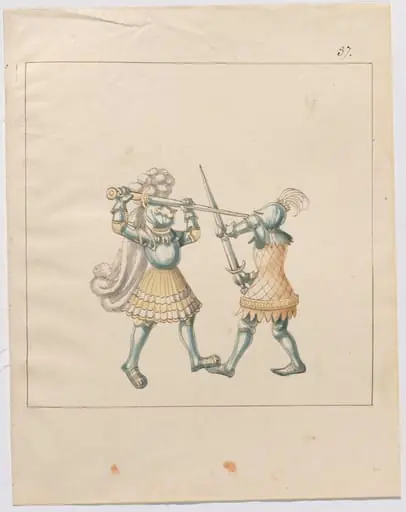
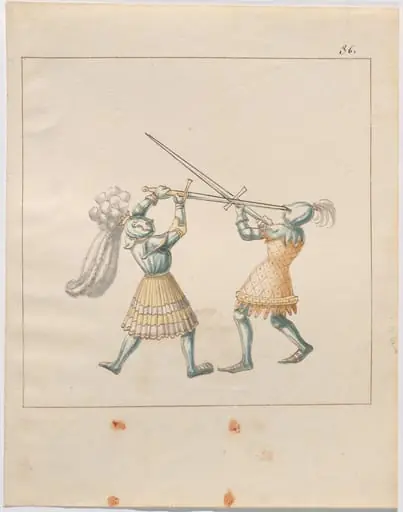
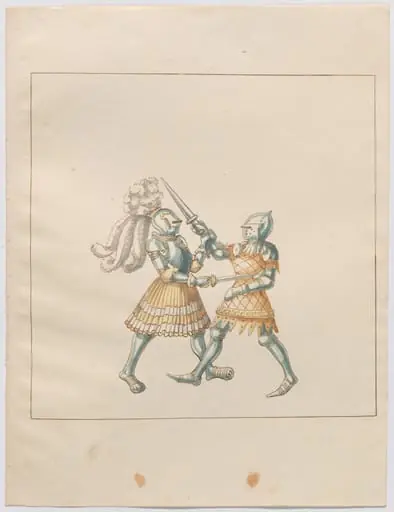
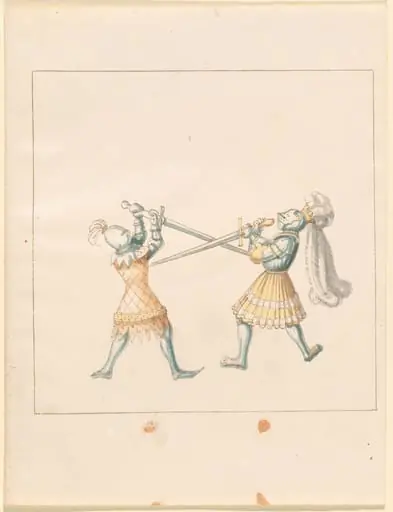
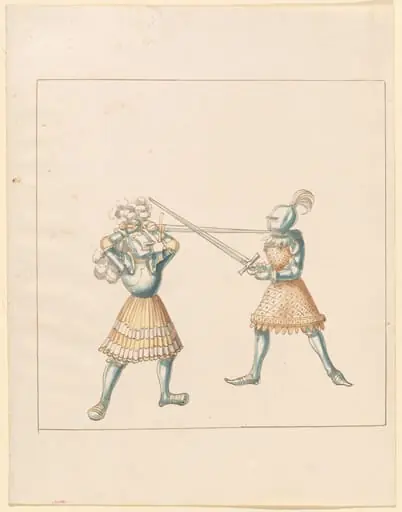
Foot Combat with Longswords is an ink drawing by the Renaissance artist German 16th Century. It dates from 1514 and is held in the collection of the National Gallery of Art. A pen-and-ink drawing with watercolor on laid paper, created circa 1515, captures two armored fighters engaged in a duel with longswords.
About this work
Overview
A pen-and-ink drawing with watercolor on laid paper, created circa 1515, captures two armored fighters engaged in a duel with longswords. The work originates from 16th-century Germany and is held in the collection of the National Gallery of Art in Washington, DC. Its precise draftsmanship and attention to martial detail suggest the artist had direct familiarity with contemporary combat practices.
Subject & Meaning
The scene portrays a formalized form of judicial or training combat common among German knights and professional fighters of the era. Both combatants are fully armored, their stances and blade positions reflecting known techniques from fencing manuals of the time. The focus on technical accuracy, rather than dramatic flourish, implies the drawing may have served as a record or instructional aid.
Technique & Style
The artist employed fine pen lines to define the contours of armor and weaponry, then applied translucent watercolor washes to suggest metallic surfaces and shadow. The rendering of plate armor is methodical, with articulated joints and rivets carefully indicated. This restrained use of color enhances the drawing’s documentary quality, prioritizing clarity over decorative effect.
History & Provenance
The drawing’s early provenance is undocumented, but its style aligns with German artistic circles active in the early 1500s. It entered the National Gallery of Art’s collection in the 20th century as part of a broader acquisition of Renaissance graphic works. Its survival in good condition reflects careful preservation through centuries of ownership.
Context
In early 16th-century Germany, martial treatises and illustrated manuals were increasingly produced to codify swordsmanship. This drawing likely emerged from that tradition, possibly as a study for a larger work or as a standalone record of combat posture. It reflects a growing interest in systematizing martial knowledge beyond oral instruction.
Legacy
The drawing remains a valuable reference for historians of medieval and Renaissance martial arts. Its technical fidelity offers insight into the design and use of longswords and armor in practical combat. Though unsigned, it stands as an example of how artistic skill was applied to document and preserve martial culture.
Artist & collection

Artist
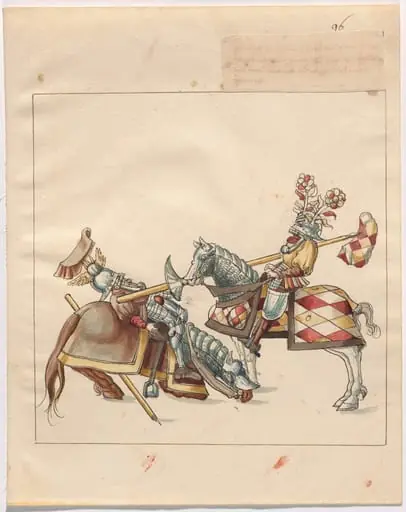
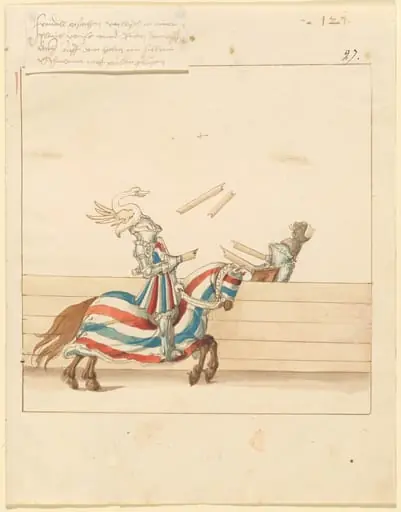
A German artist from the late 1500s drew lively scenes of knights clashing in parades and mock battles.

![Abraham Entertaining the Angels [verso], by German 16th Century](https://artifactworldgallery.com/img/german-16th-century--abraham-entertaining-the-angels-verso--69d1b25f4eba0a53-w320.webp)