Artwork
The Circumcision
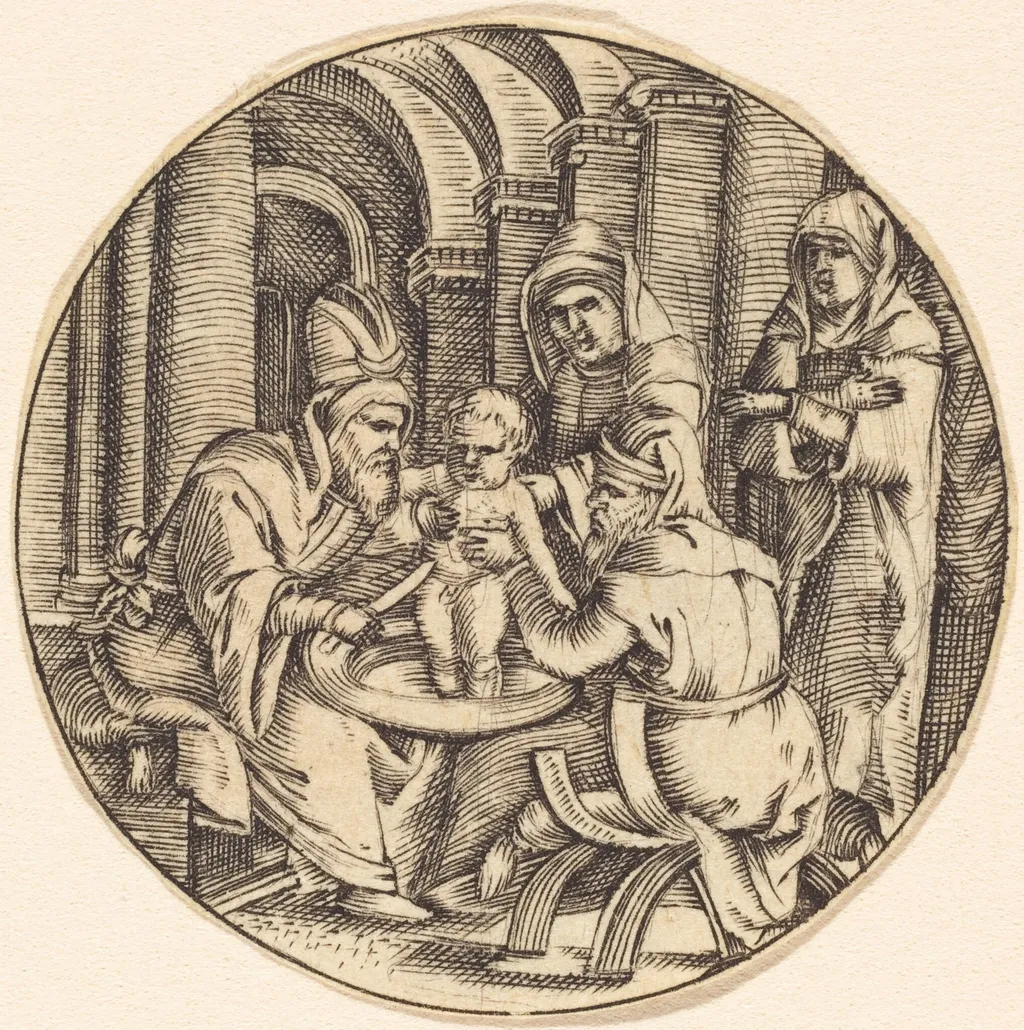
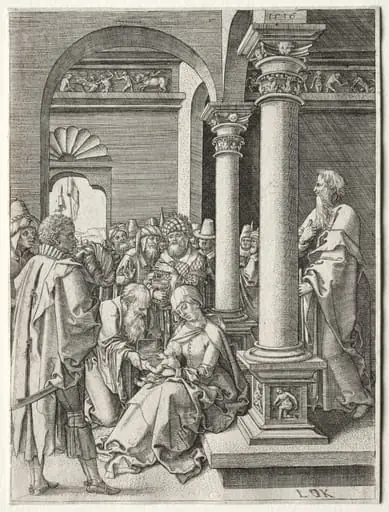
The Circumcision is an ink print by the Renaissance artist German 16th Century. It dates from 1550 and is held in the collection of the National Gallery of Art.
About this work
Overview
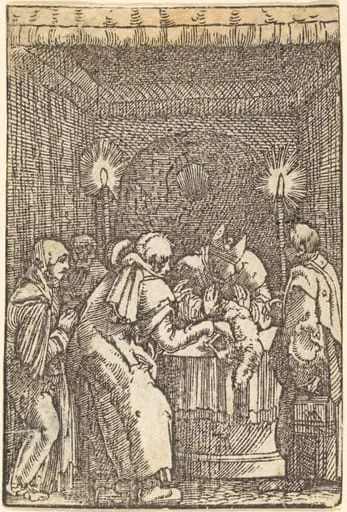
The work titled *The Circumcision* is an engraved print that portrays a biblical ritual scene. Central to the composition is an infant being held while a figure performs the circumcision, surrounded by onlookers in solemn attire within an interior framed by arches and columns.
Subject & Meaning
The image illustrates the Jewish rite of circumcision, a covenantal act described in the Hebrew Scriptures. By depicting the ritual in a formal setting, the print emphasizes the religious significance of the ceremony and the communal participation of the surrounding figures.
Technique & Style
Executed with fine cross‑hatching, the engraving achieves subtle gradations of light and texture, giving volume to the draped robes and architectural elements. The meticulous line work reflects the detailed approach characteristic of late Renaissance printmaking.
History & Provenance
Created as a print, the piece would have been reproduced for devotional or instructional purposes, circulating among collectors and religious institutions. Specific details of its origin and ownership remain undocumented, but its format aligns with the broader European tradition of disseminating biblical narratives through engraved media.
Context
During the Renaissance, artists increasingly turned to printmaking to spread religious iconography beyond the confines of churches. This work fits within that movement, employing the engraving medium to render a sacred story with precision and accessibility for a literate audience.
Artist & collection

Artist
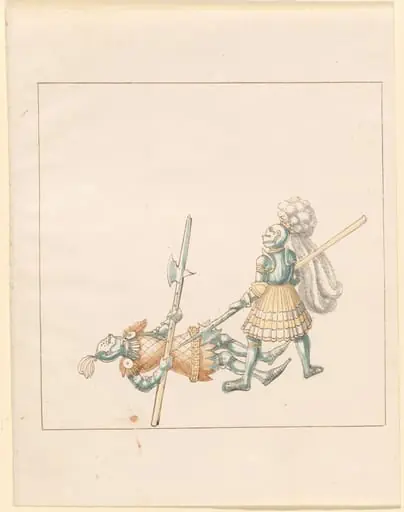
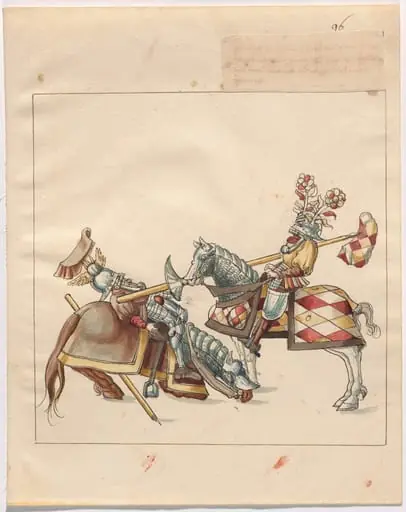
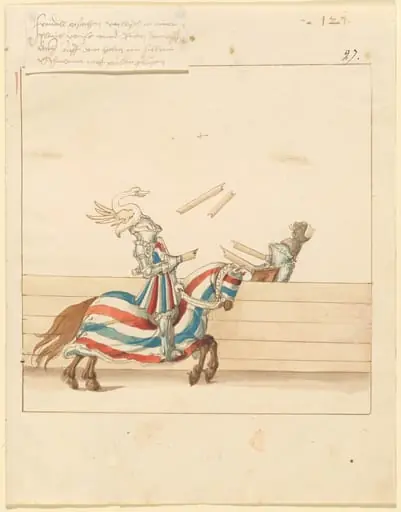
A German artist from the late 1500s drew lively scenes of knights clashing in parades and mock battles.

![Abraham Entertaining the Angels [verso], by German 16th Century](https://artifactworldgallery.com/img/german-16th-century--abraham-entertaining-the-angels-verso--69d1b25f4eba0a53-w320.webp)