Artwork
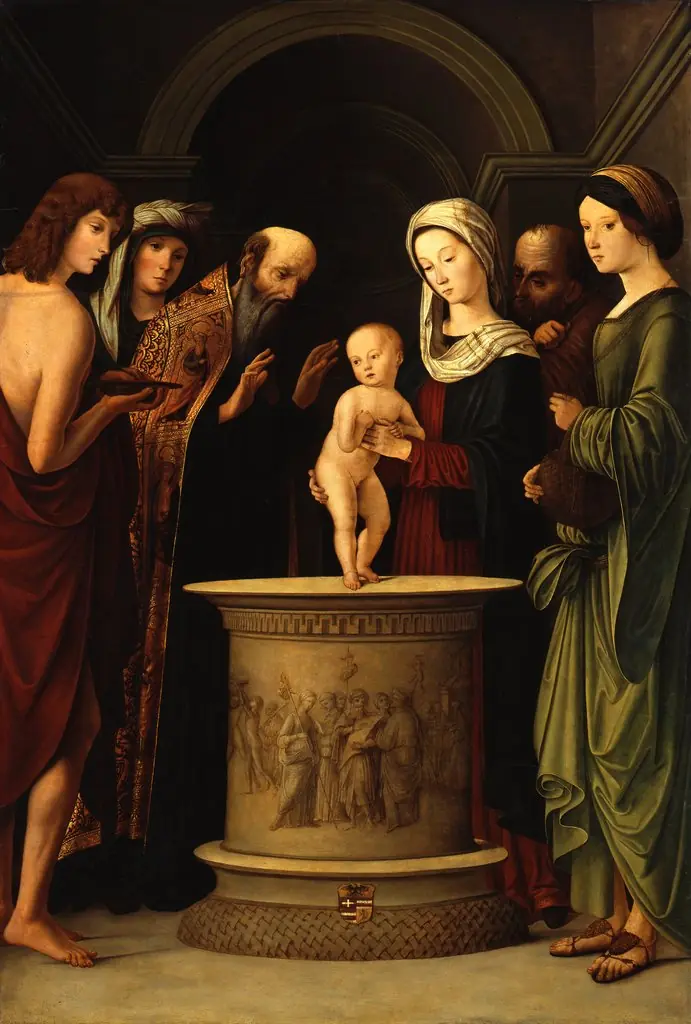
Presentation of Christ
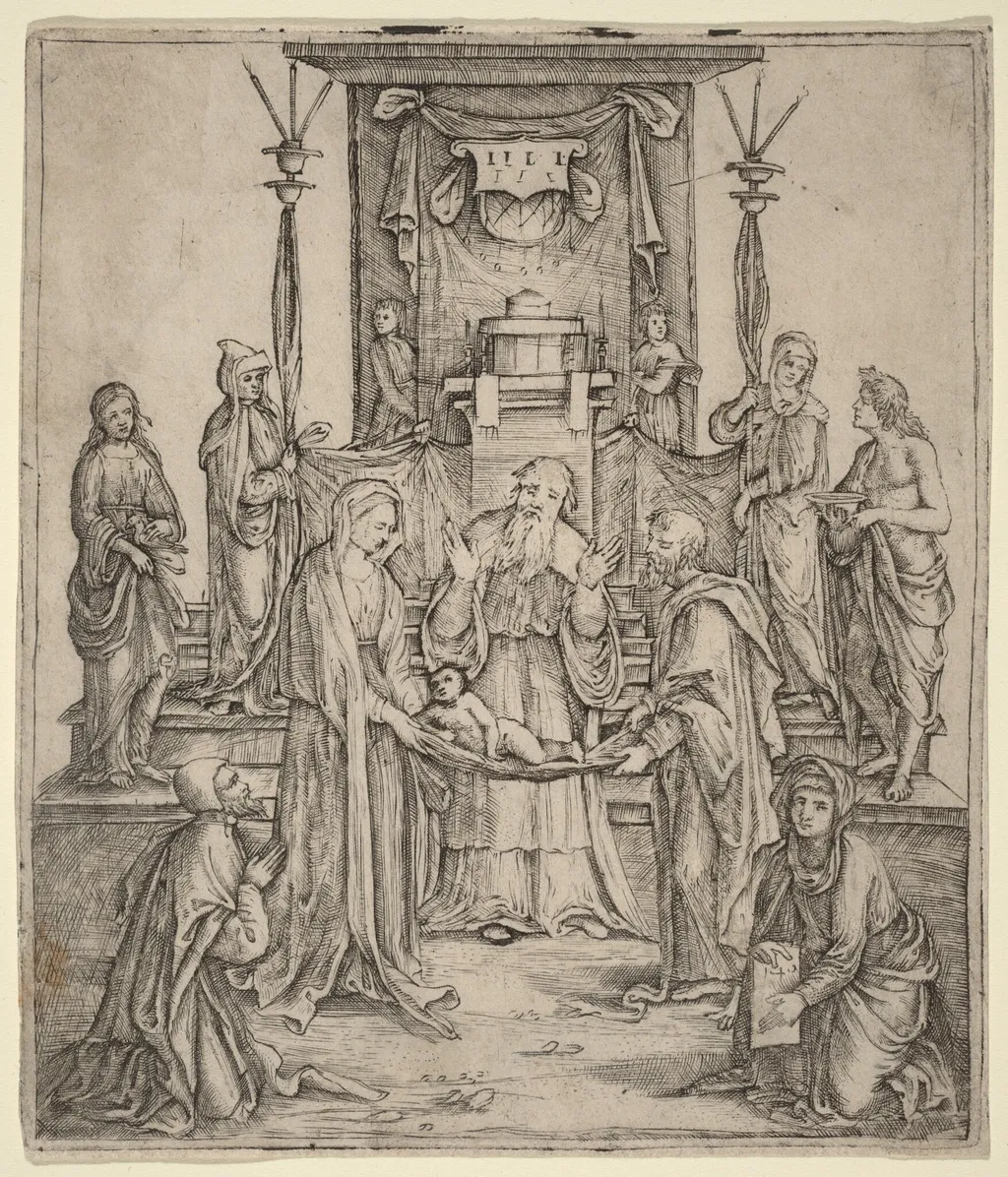
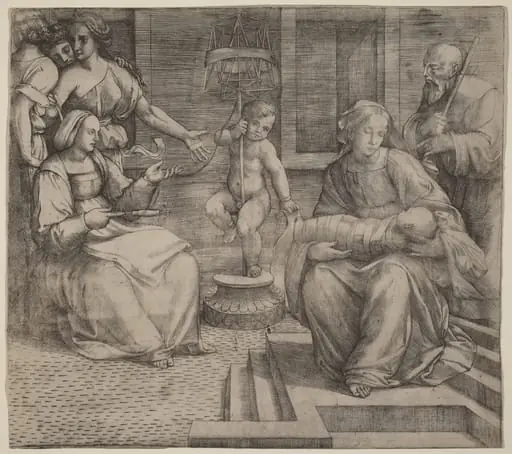
Presentation of Christ is an ink print by the Renaissance artist Lorenzo Costa. It dates from 1502 and is held in the collection of the National Gallery of Art.
About this work
Overview
Lorenzo Costa’s engraving titled Presentation of Christ, dated around 1502, portrays the biblical episode in which the infant Jesus is presented. Executed as a print, the work reflects the devotional tone typical of early‑Renaissance religious imagery, emphasizing solemnity through its composed arrangement of figures and architectural backdrop.
Subject & Meaning
The central focus is a man—identified as Saint Joseph—cradling the newborn Christ, surrounded by attendants and onlookers in flowing robes. The gathering suggests a formal ceremony, underscoring the theological significance of Christ’s introduction to the world and the communal reverence accorded to the event.
Technique & Style
Rendered in fine lines characteristic of early printmaking, Costa achieves a notable degree of detail and spatial depth. The engraving’s precise hatching conveys the textures of fabric and architecture, while the balanced composition and restrained chiaroscuro align it with Renaissance ideals of naturalism and harmonious proportion.
History & Provenance
Created circa 1502, the print belongs to the period when Costa was active in Bologna and Ferrara, engaging with the courtly artistic circles of the Este family. Though specific ownership records are scarce, the work survives in several European print collections, attesting to its circulation among connoisseurs of religious prints in the sixteenth century.
Context
The Presentation of Christ was a popular subject in Renaissance devotional art, often employed to reinforce the theological doctrine of the Incarnation. Costa’s rendition reflects contemporary interest in narrative clarity and emotional restraint, aligning with the broader humanist currents that emphasized learned biblical interpretation.
Artist & collection


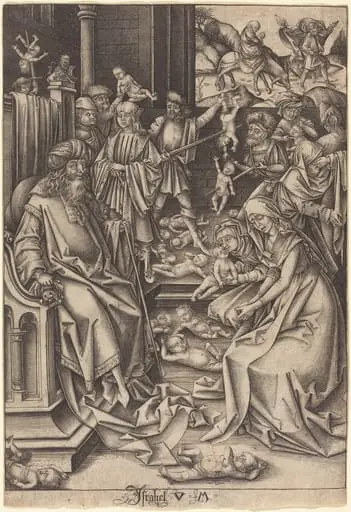 Massacre of the Innocents
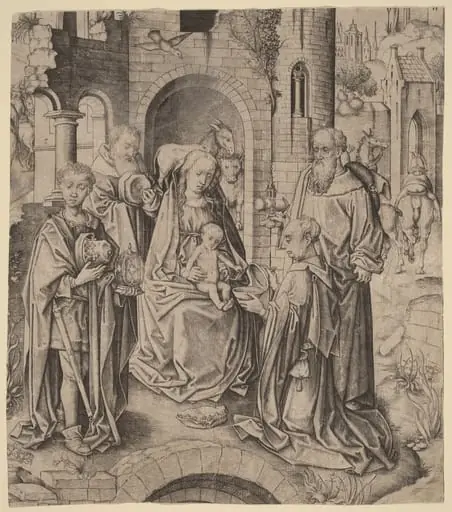 The Adoration of the Magi
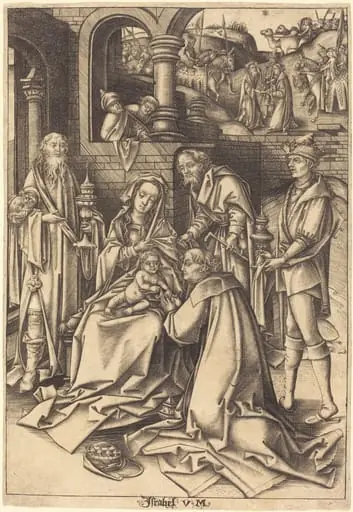 The Adoration of the Magi
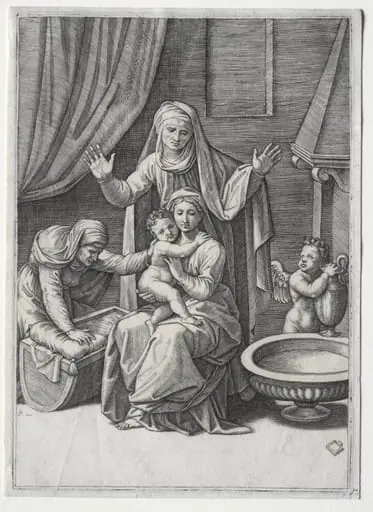 The Virgin and the Cradle with Saint Elisabeth and Saint Anne
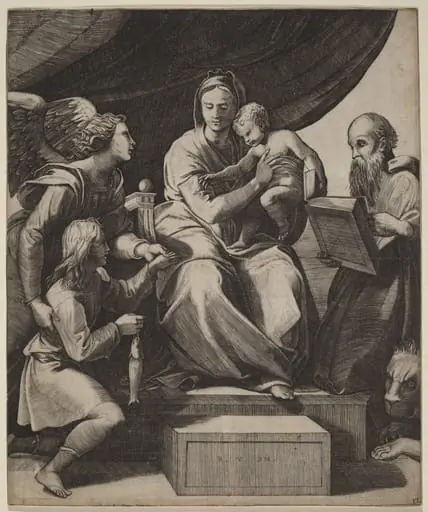 The Virgin with a Fish
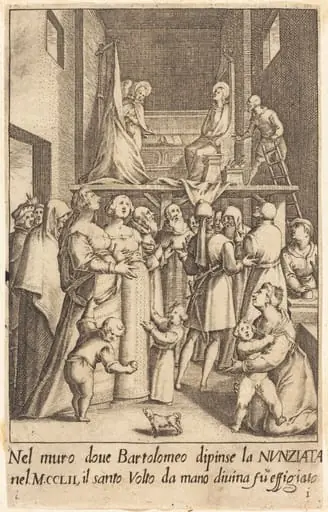 Painting of the Annunciation
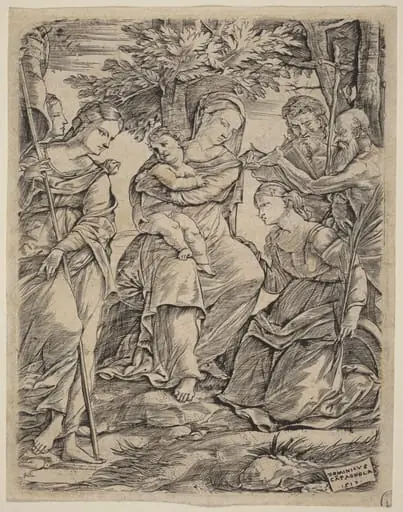 The Virgin and Child with Saints
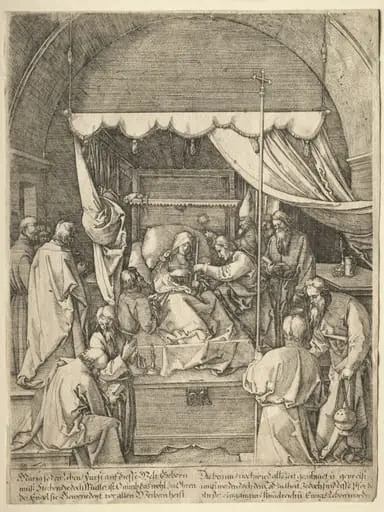 The Death of the Virgin
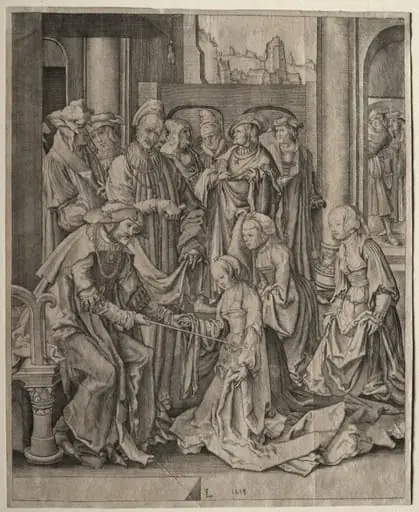 Esther before Ahasuerus
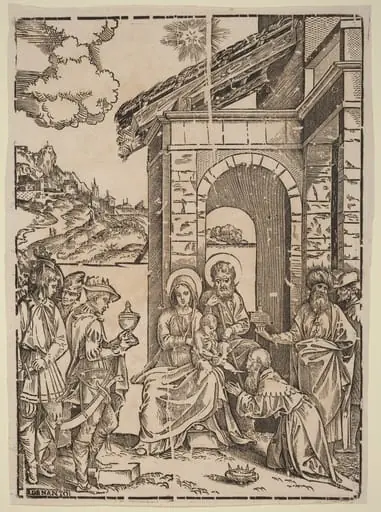 The Adoration of the Magi
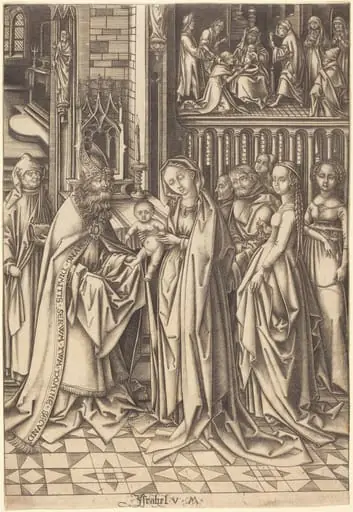 The Presentation in the Temple
 Holy Family with Saint Elizabeth and the Infant Saint John the Baptist