Artwork
Portrait of Mr. Brust
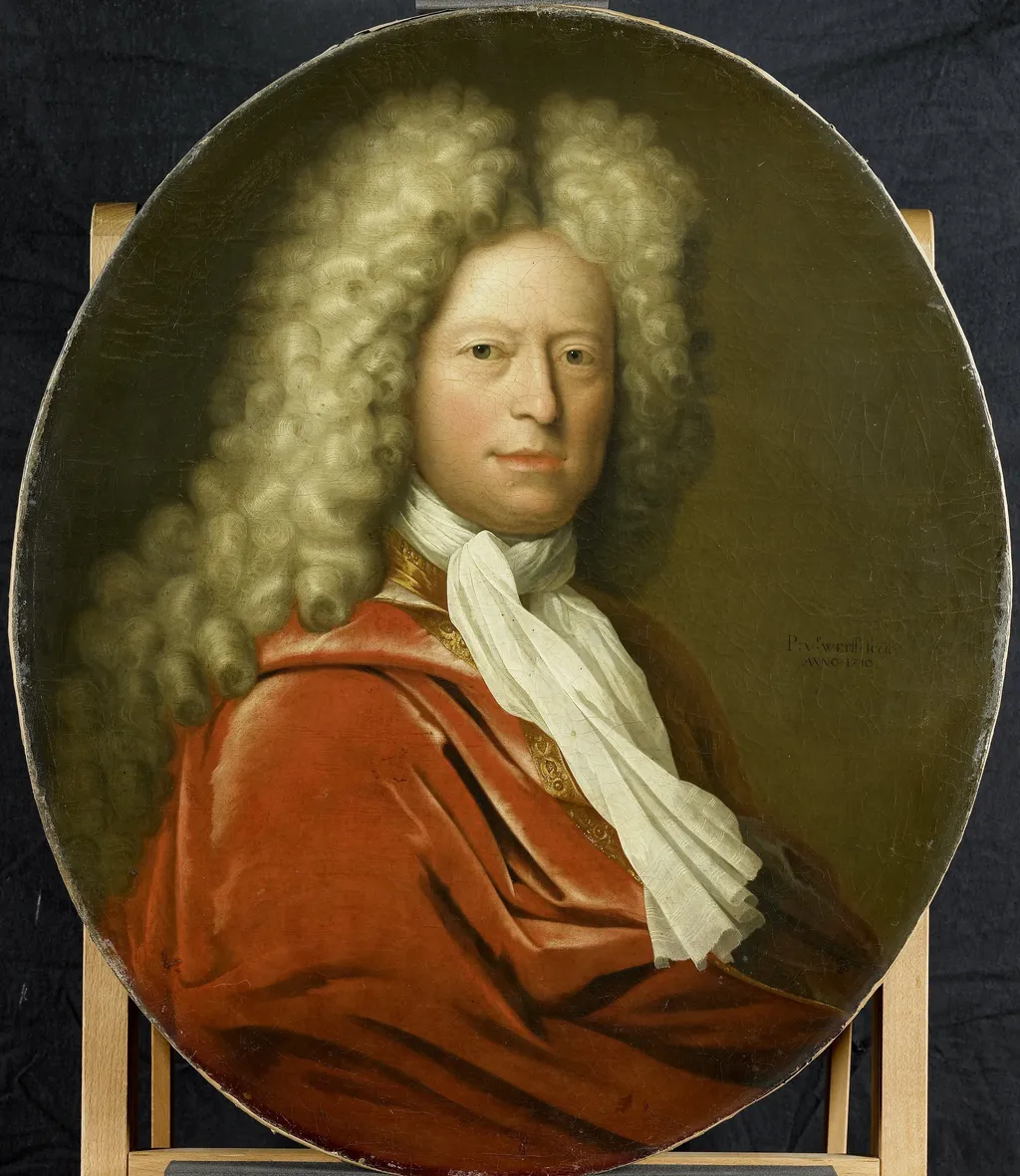
Portrait of Mr. Brust is an oil painting by the Dutch Golden Age artist Pieter van der Werff. It dates from 1710 and is held in the collection of the Rijksmuseum.
About this work
Overview
Pieter van der Werff, a Dutch painter active at the turn of the 18th century, executed the oil portrait known as *Portrait of Mr. Brust* in 1710. The work is part of the Rijksmuseum’s collection and exemplifies the portrait tradition of the Dutch Golden Age, focusing on a single, seated gentleman.
Subject & Meaning
The sitter is presented with a composed demeanor, his gaze directed forward. He wears a bright red coat over a white cravat, his curly gray hair gathered in a long wig—a fashion associated with affluent men of the early 1700s. The plain dark backdrop isolates the figure, emphasizing his attire and expression.
Technique & Style
Van der Werff employs a smooth, meticulous brushwork typical of his era, rendering the fabric folds of the cravat with convincing three‑dimensionality. The oil medium allows subtle modulation of light on the red coat and the delicate modeling of the face, creating a lifelike presence without overt dramatization.
History & Provenance
Created in 1710, the portrait entered the Rijksmuseum’s holdings at an unspecified date, where it remains on display. Van der Werff, who often collaborated with his brother Adriaen, was recognized for his portrait commissions among the Dutch elite during the late Golden Age.
Context
The painting reflects the social customs of the Dutch Republic in the early 18th century, where portraiture served both as a status symbol and a record of personal identity. The choice of a vivid red coat and elaborate wig aligns with contemporary fashions among wealthy merchants and officials.
Artist & collection
Artist
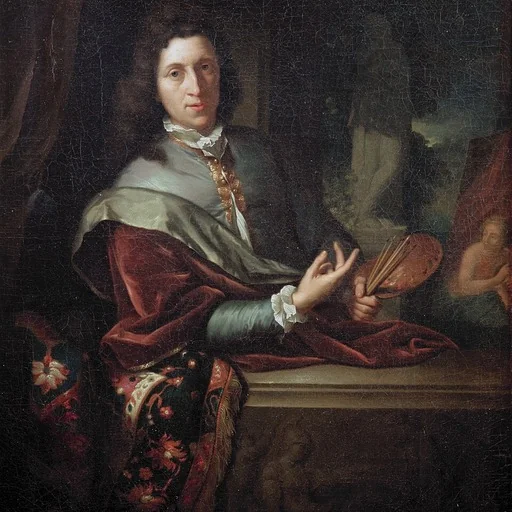
Pieter van der Werff (1665 – 26 September 1722) was a Dutch Golden Age painter. He assisted his older brother, Adriaen van der Werff.

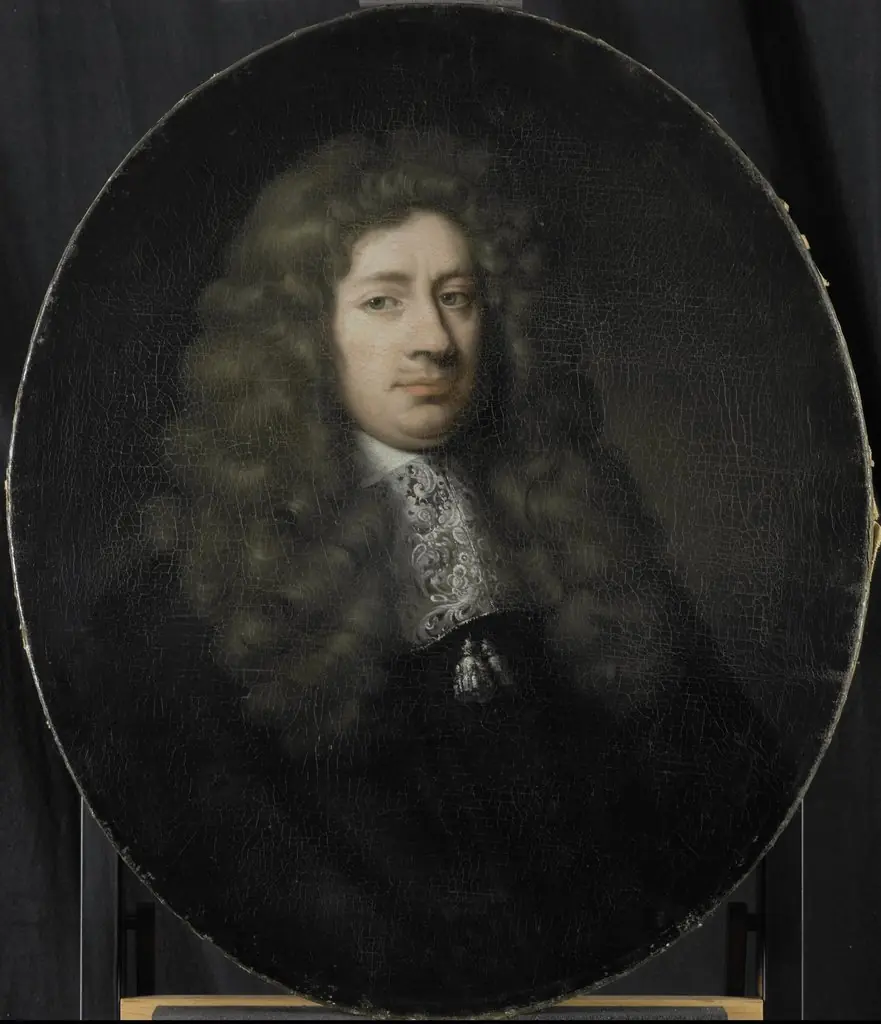 Portrait of Dominicus Rosmale, Director of the Rotterdam Chamber of the Dutch East India Company, elected 1677
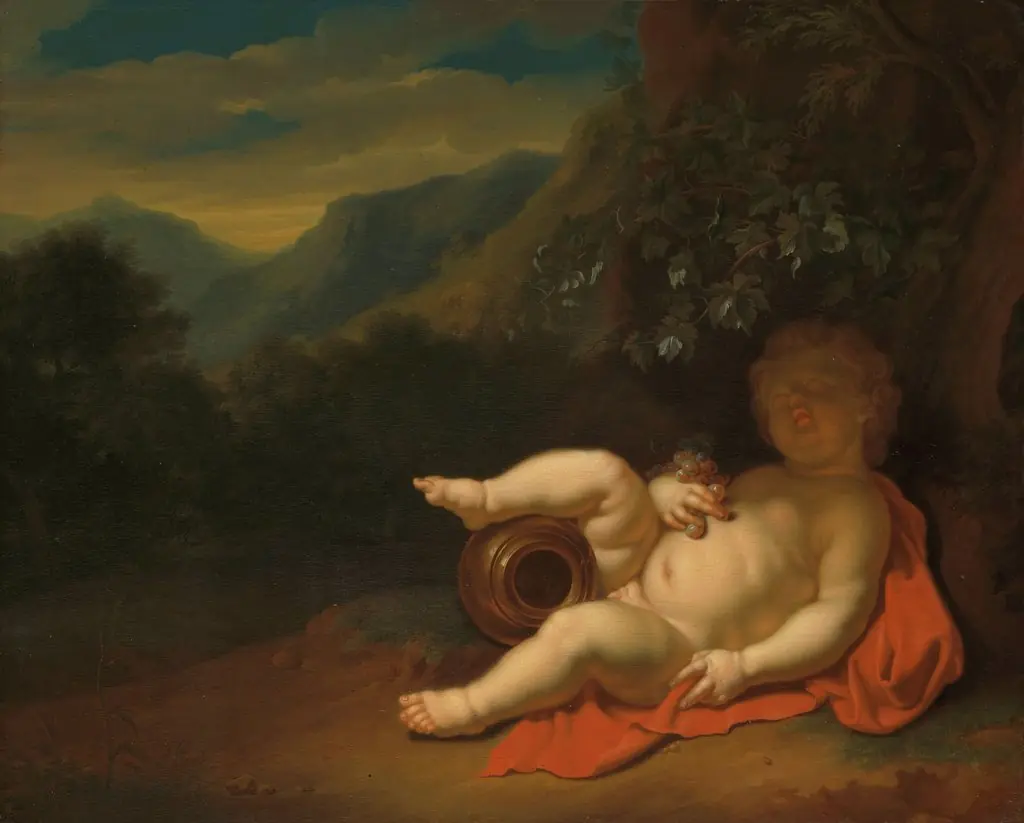 The Infant Bacchus
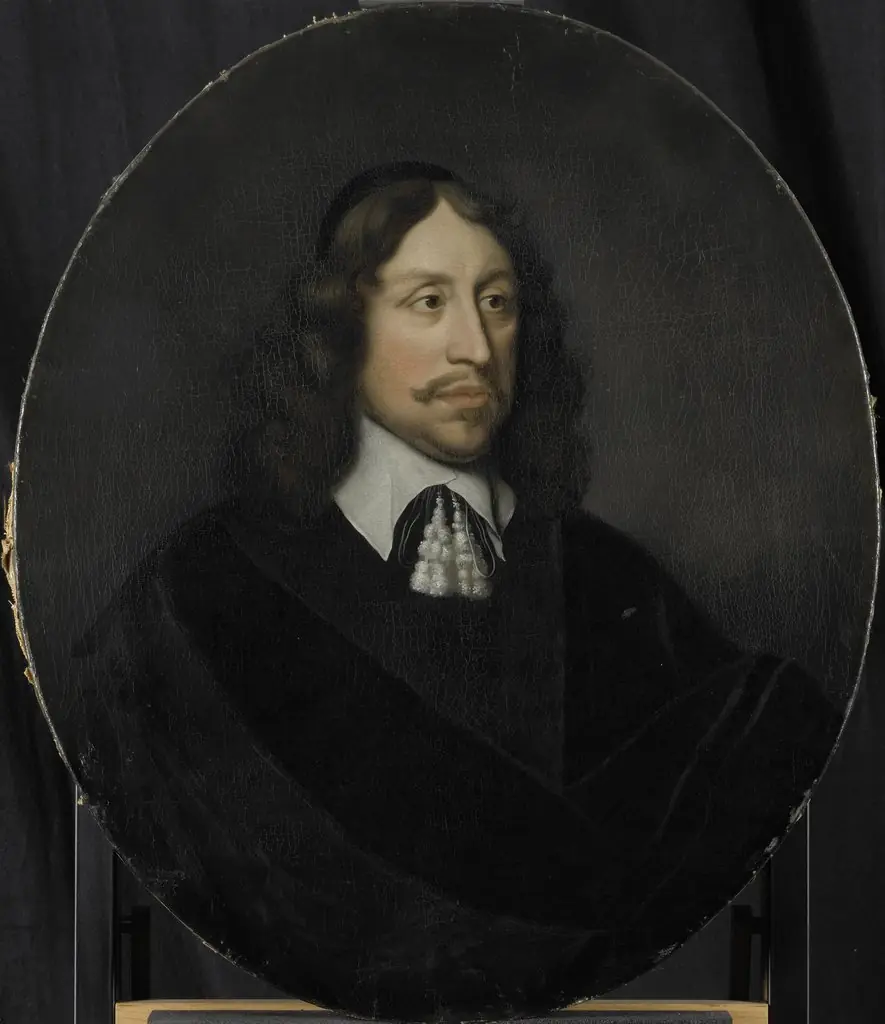 Portrait of Johan de Vries, Director of the Rotterdam Chamber of the Dutch East India Company, elected 1667
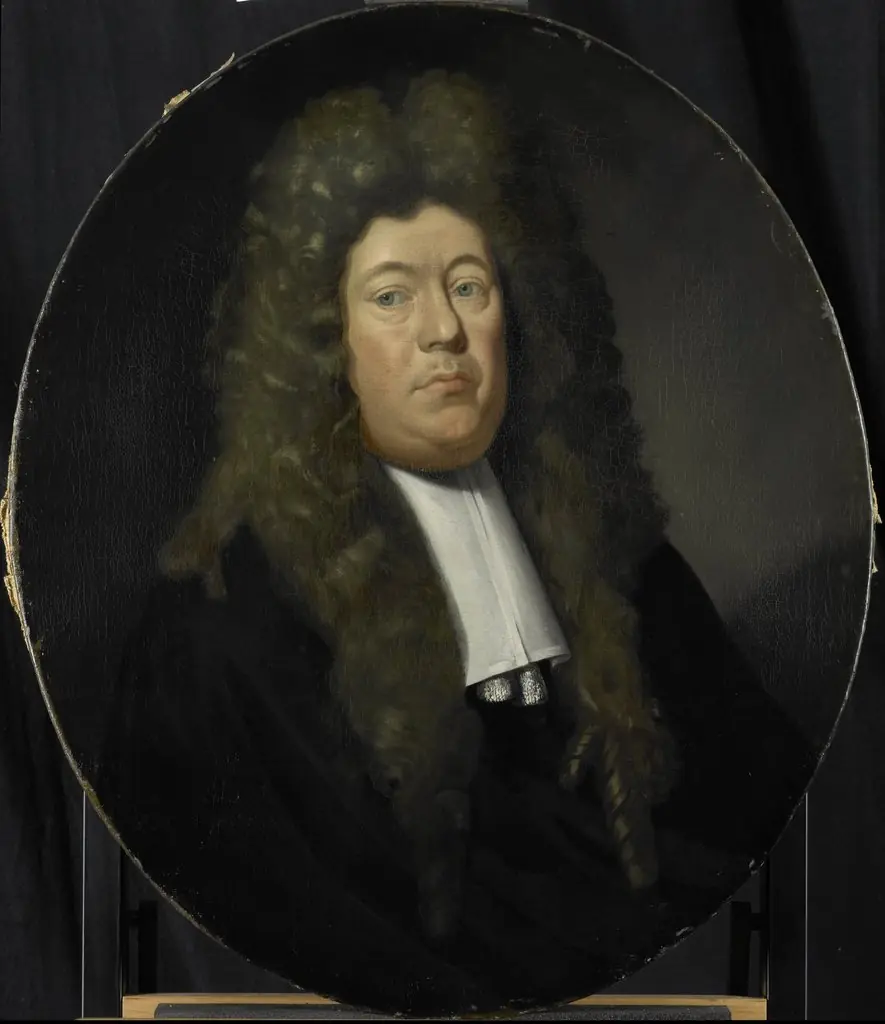 Portrait of Adriaen Paets, Director of the Rotterdam Chamber of the Dutch East India Company, elected 1668
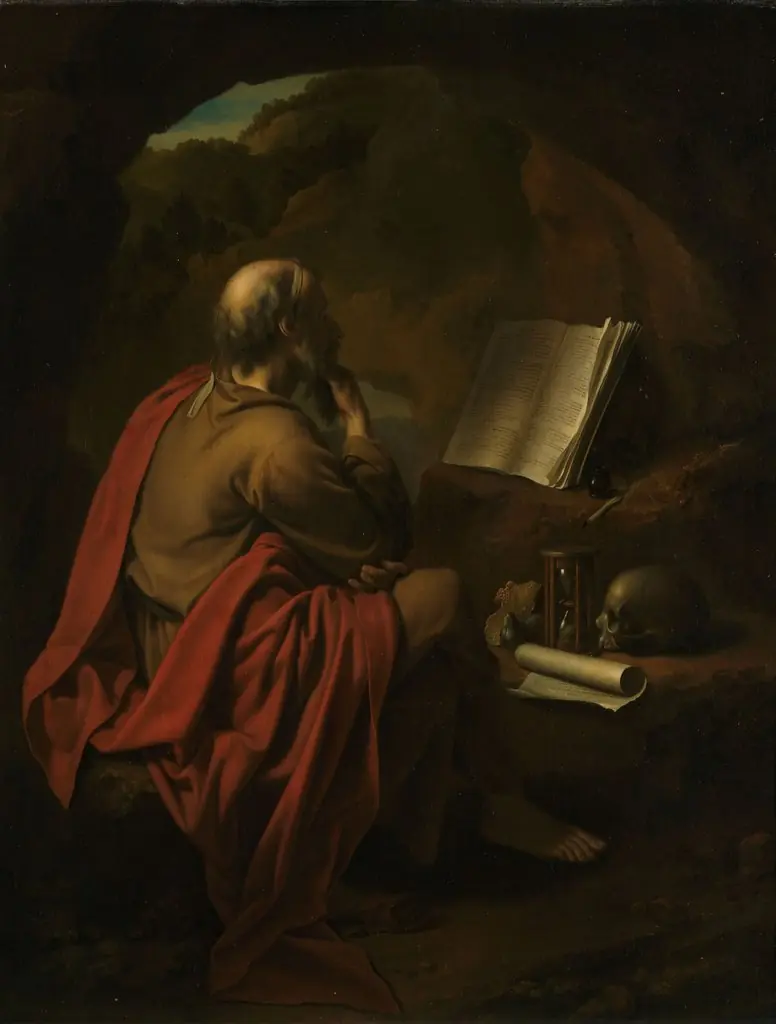 Saint Jerome
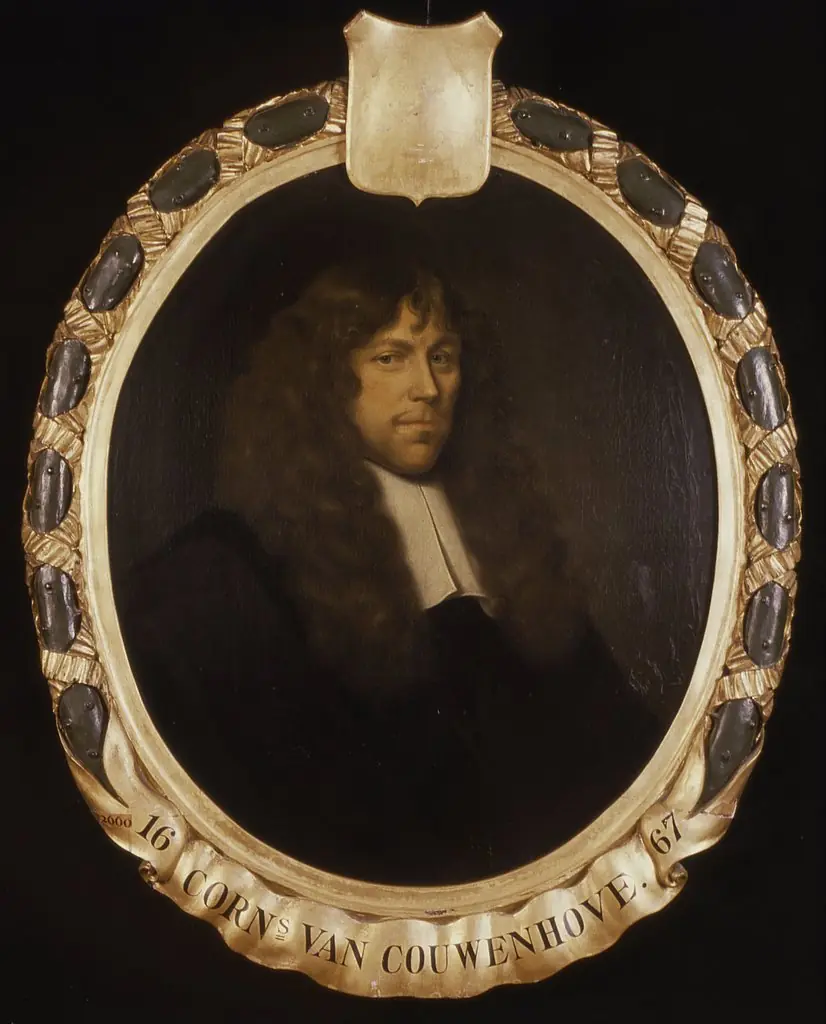 Portrait of Cornelis van Couwenhove, Director of the Rotterdam Chamber of the Dutch East India Company, elected 1667
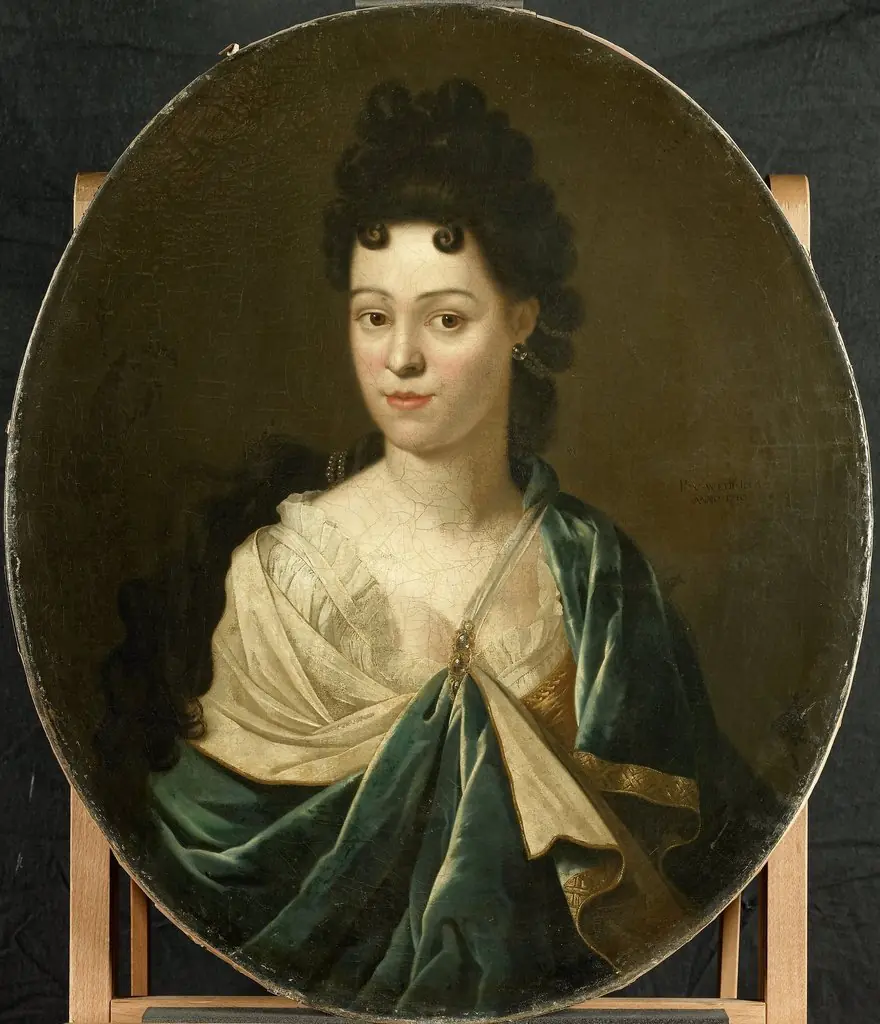 Portrait of Mrs. Brust-Batailhy
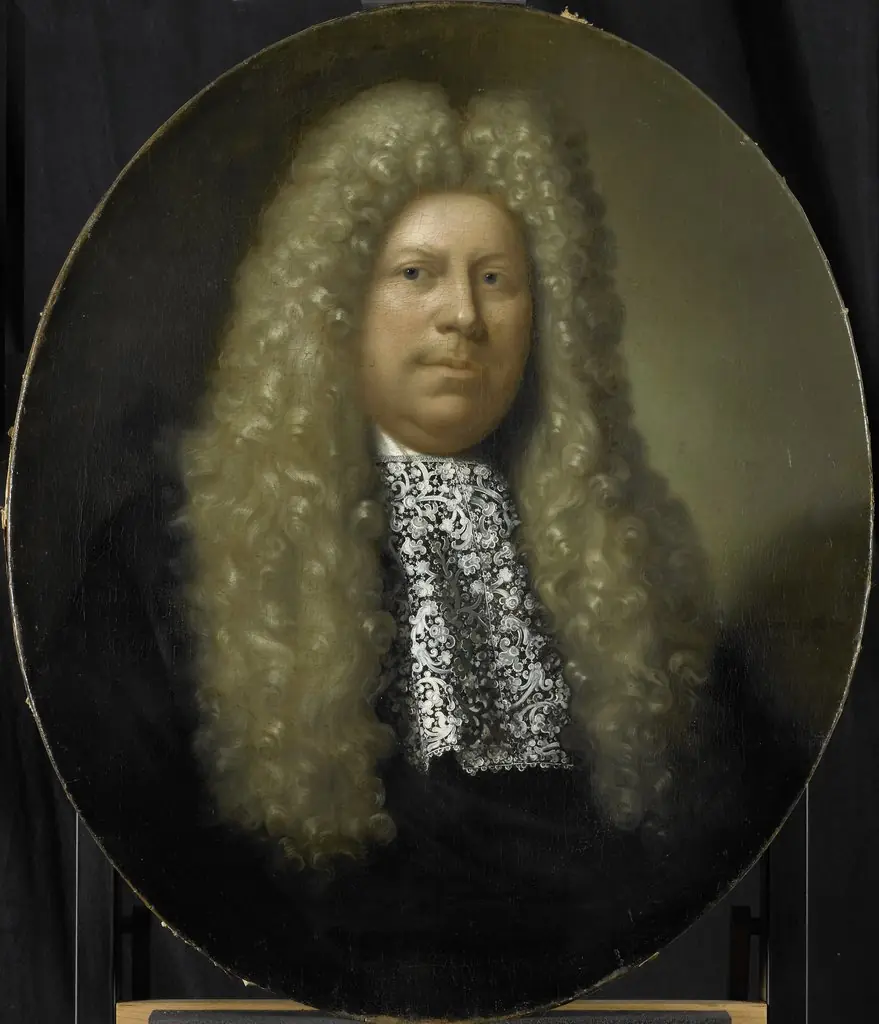 Portrait of Jacob Dane, Director of the Rotterdam Chamber of the Dutch East India Company, elected 1689
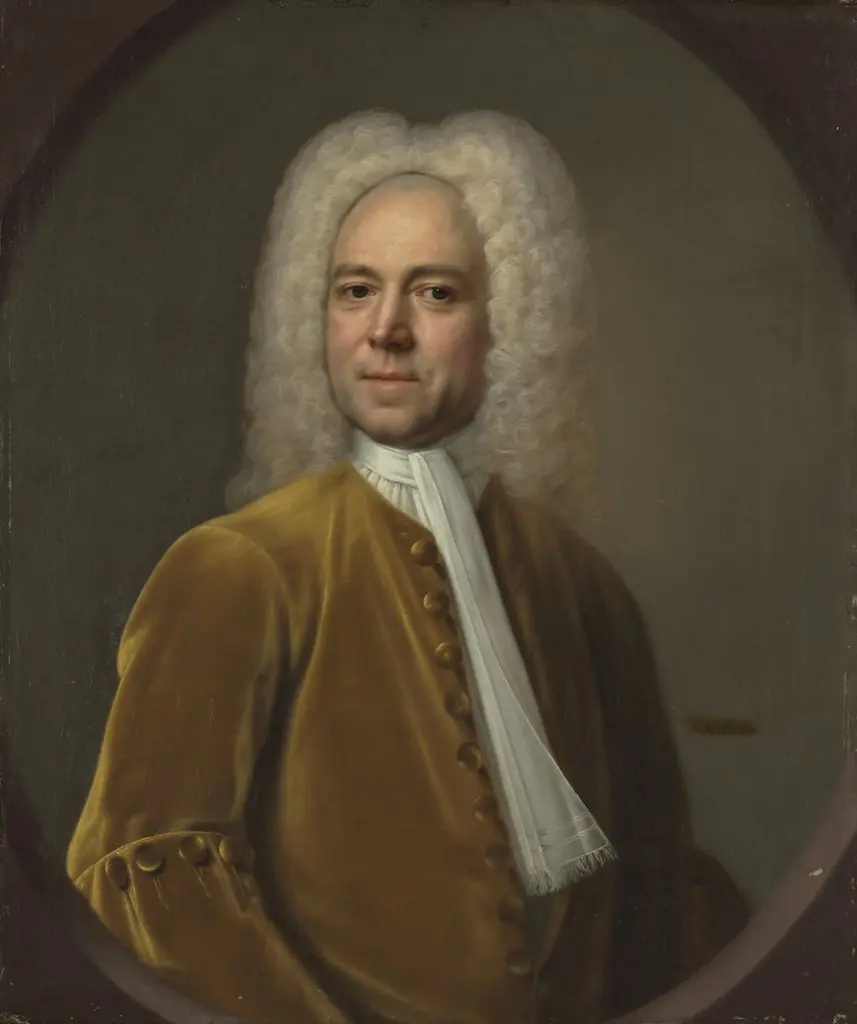 Portrait of a Man
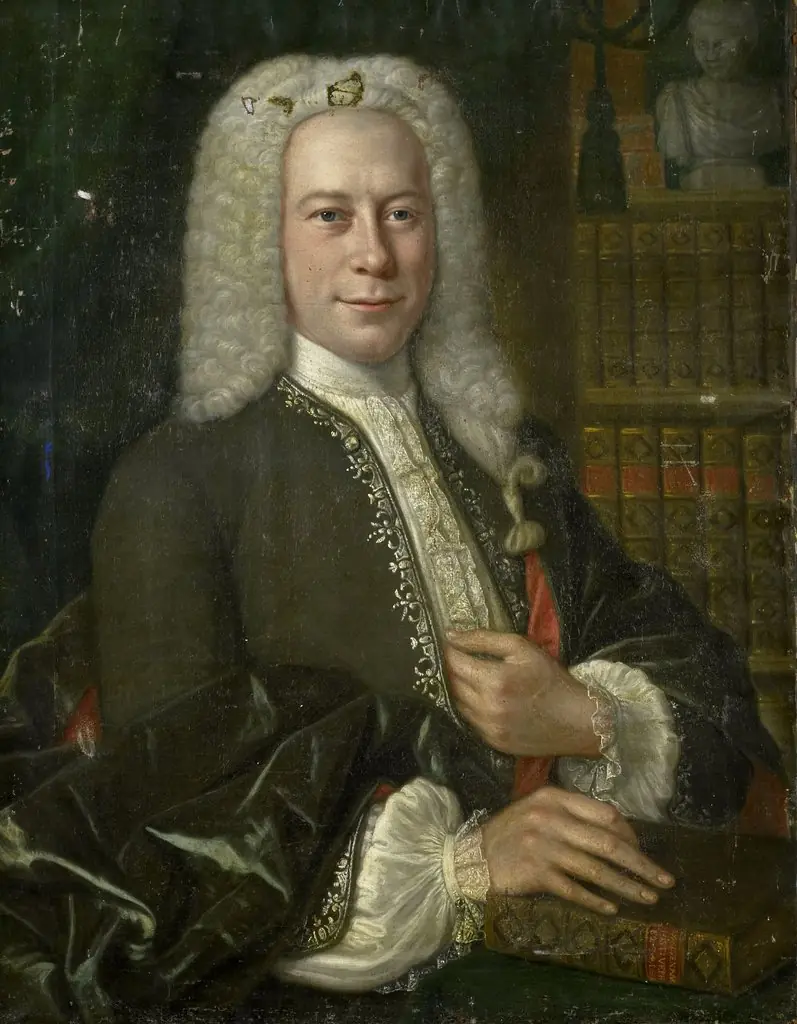 Portrait of an Historian
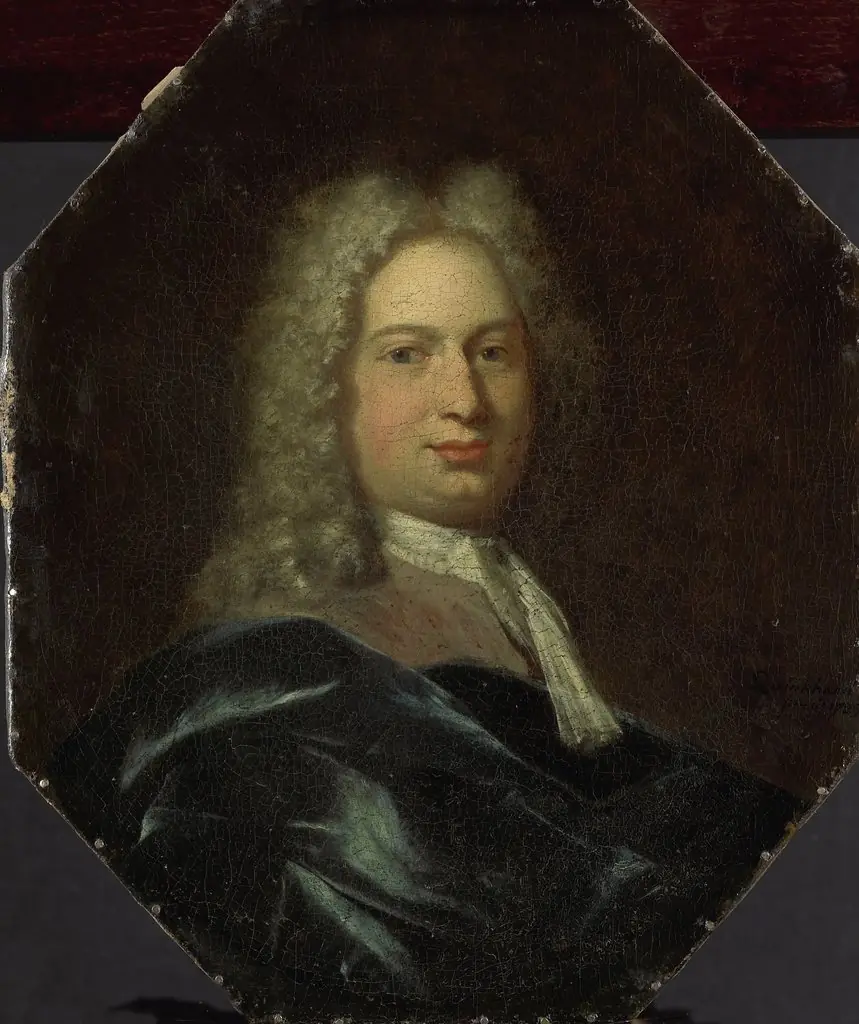 Portrait of Isaac Verburg, Rector of the Latin School in Amsterdam
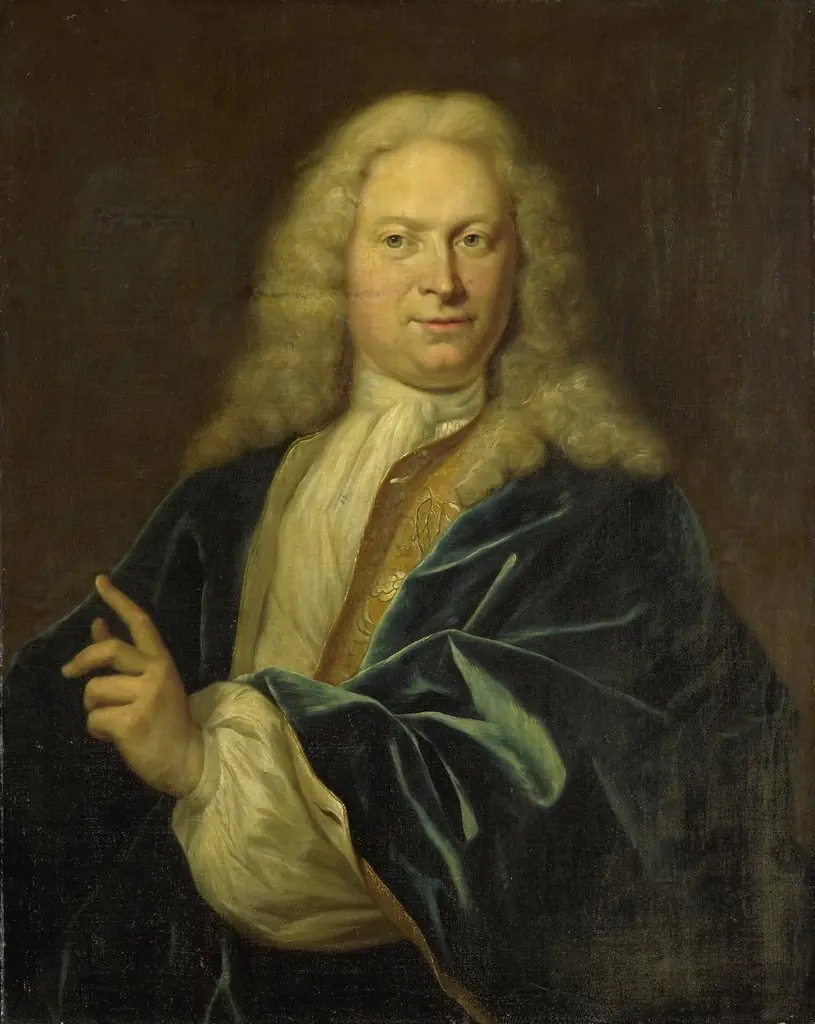 Portrait of Jan Hendrik van Heemskerck, Count of the Holy Roman Empire, Lord of Achttienhoven, Den Bosch and Eyndschoten, Captain of the Citizenry of Amsterdam (Johan Hendrik Graaf Van Heemskerk)