Artwork
Arent van der Houven
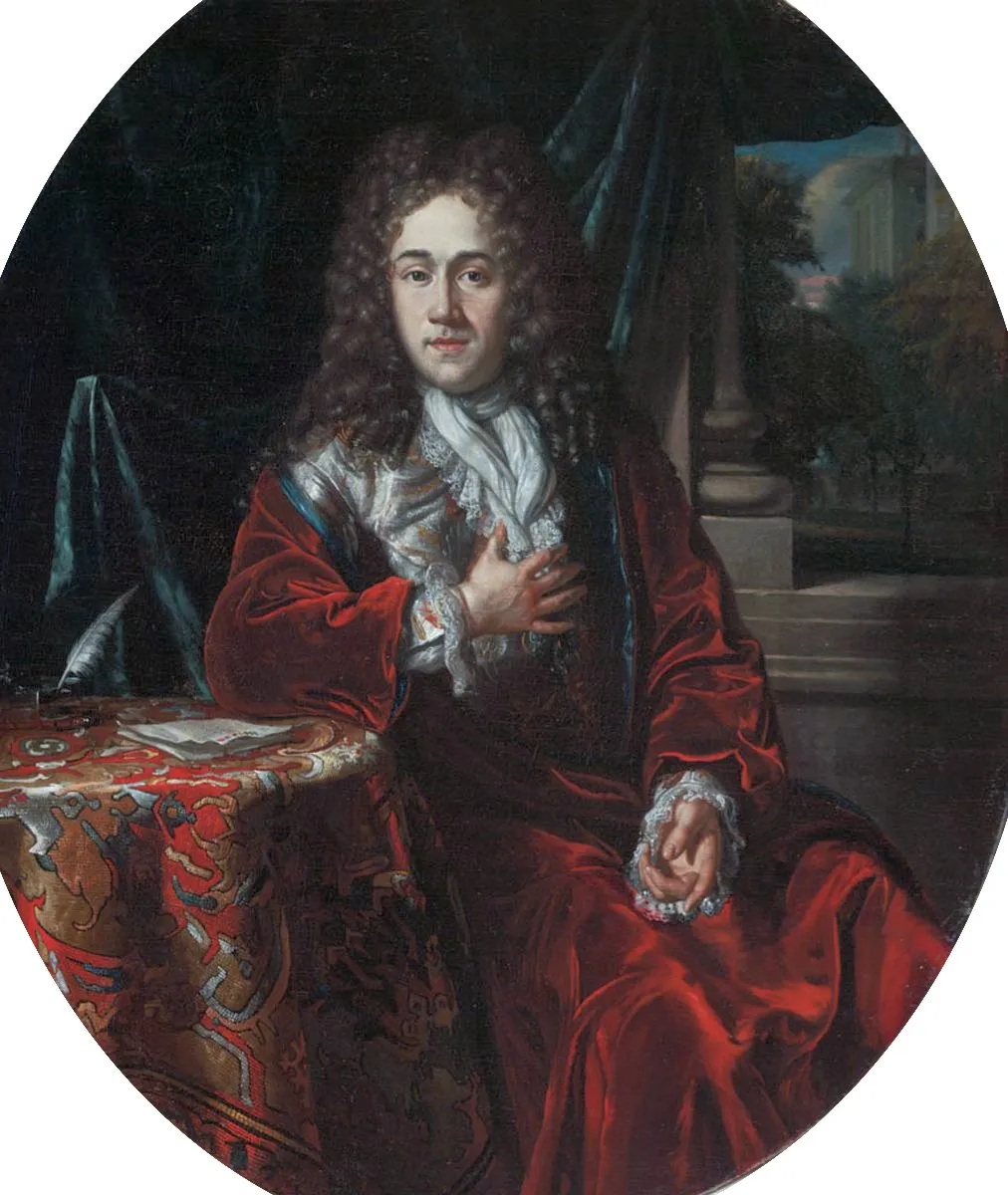
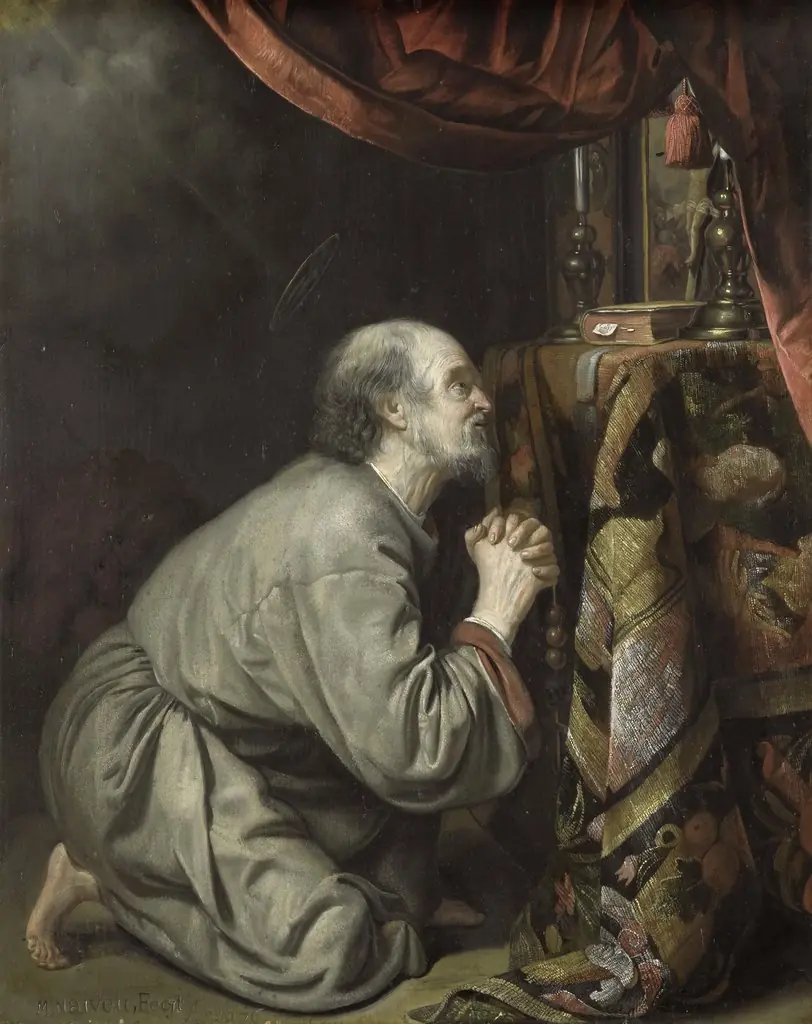
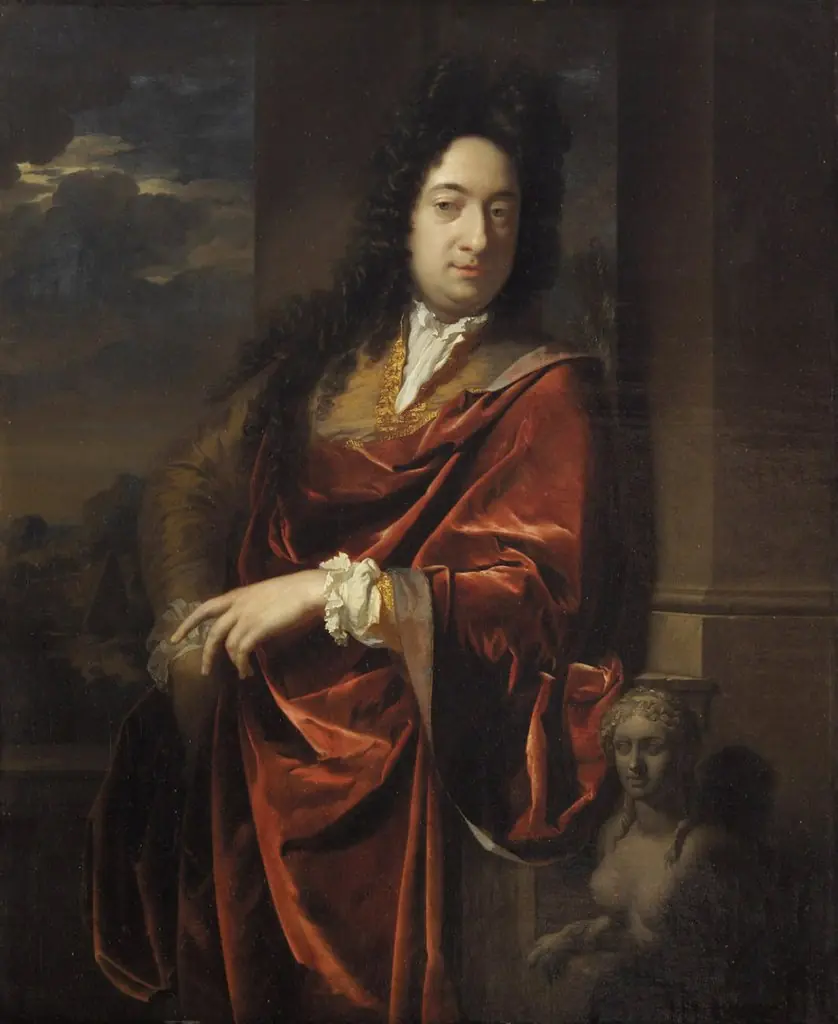
Arent van der Houven is an oil painting by the Rococo painting artist Matthijs Naiveu. It dates from 1700 and is held in the collection of the Museum of Fine Arts, Budapest.
About this work
Overview
Executed with careful attention to texture and light, the portrait presents its subject in a formal, seated pose against a dark, indistinct background.
This oil painting, attributed to Matthijs Naiveu and dated around 1700, depicts Arent van der Houven, a Dutch civic figure. Executed with careful attention to texture and light, the portrait presents its subject in a formal, seated pose against a dark, indistinct background. The work resides in the collection of the Museum of Fine Arts, Budapest, where it is preserved as an example of late 17th-century Dutch portraiture.
Subject & Meaning
Arent van der Houven is portrayed with composed dignity, his hands clasped before him, suggesting contemplation or civic responsibility. His attire—a red robe over a white lace-trimmed shirt—signals status and wealth, typical of affluent burghers in the Dutch Republic. The inclusion of a patterned tablecloth and architectural elements behind him reinforces his social standing without overt symbolism, reflecting a restrained, realistic approach to identity.
Technique & Style
Naiveu employed oil paint to render fine details in fabric, lace, and hair with subtle gradations of light. The dark background isolates the figure, enhancing focus on his clothing and posture. Brushwork is precise but not overly ornate, favoring naturalism over theatricality. The texture of the robe and the sheen of the lace convey material richness, characteristic of Dutch portraiture’s emphasis on tangible reality.
History & Provenance
The painting entered the Museum of Fine Arts, Budapest, through documented acquisitions in the early 20th century. Its earlier provenance remains unclear, though its style aligns with Dutch civic portraits from the late 1600s. No records indicate it was commissioned for a specific public or familial context, suggesting it may have been privately owned before entering institutional care.
Context
Created during the waning years of the Dutch Golden Age, the portrait reflects enduring values of modesty and civic pride among the urban elite. While grandeur was still expressed through clothing and setting, artists like Naiveu moved away from overt symbolism toward psychological restraint. This shift mirrors broader cultural trends favoring quiet dignity over flamboyant display.
Legacy
Though not widely known outside regional collections, the portrait exemplifies the quiet precision of Dutch portraiture in the early 18th century. It contributes to understanding how social identity was visually constructed in post-Golden Age Netherlands, preserving the likeness of a non-noble individual with the same care once reserved for aristocrats.
Artist & collection

 Bildnis eines Herren
 Portrait of the Artist
 Portrait of a Man
 Portrait of a Man
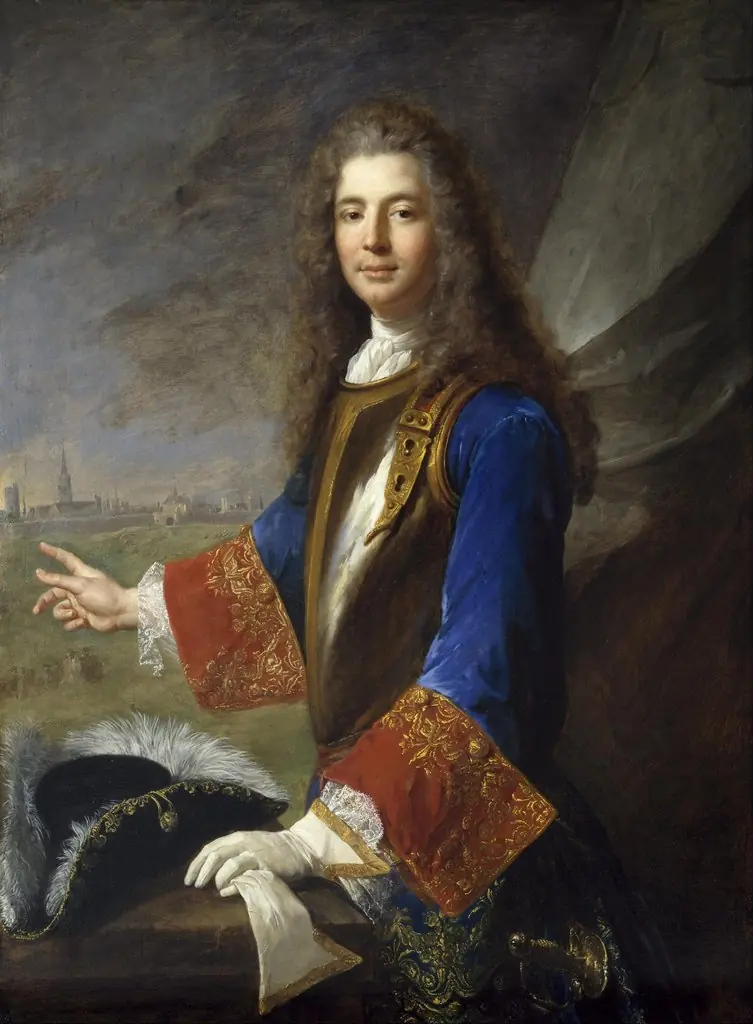 Charles-François-Marie de Custine, Chevalier de Wiltz
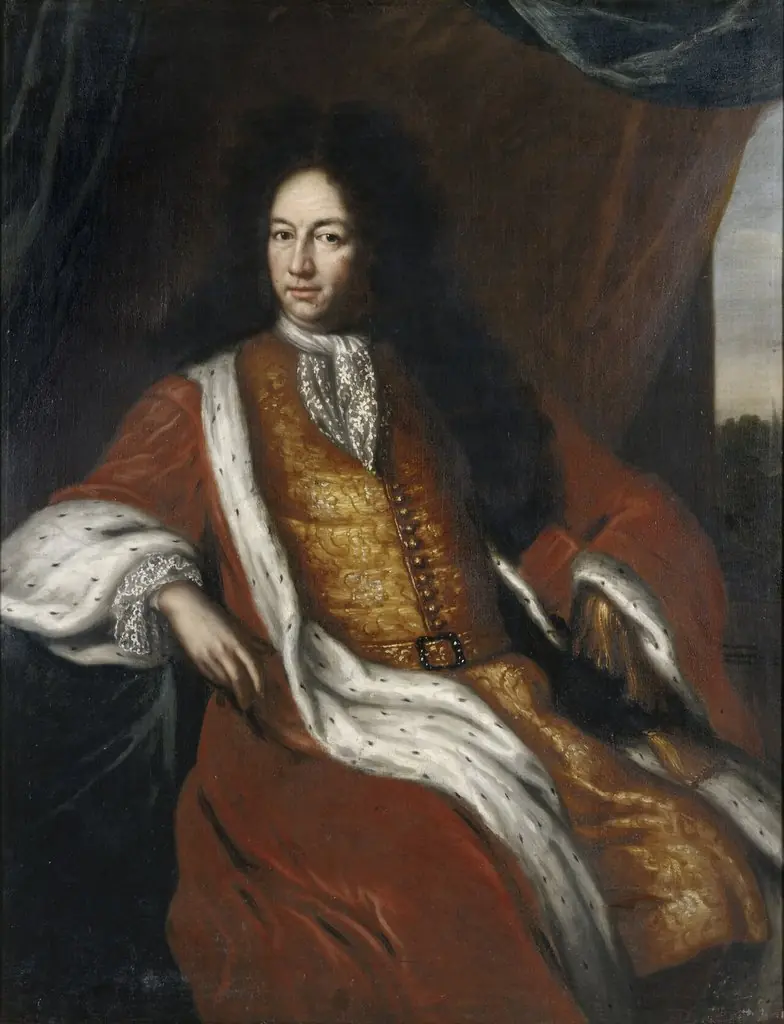 Carl Piper, 1647-1716, greve
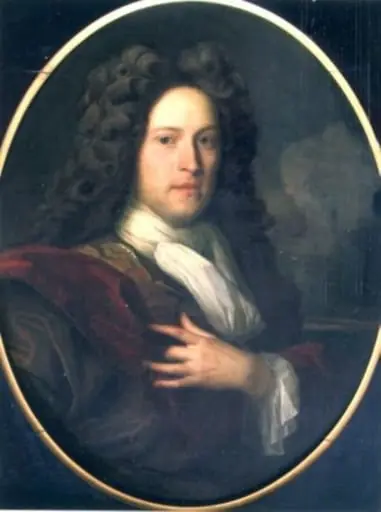 Bărbat cu manta roșie
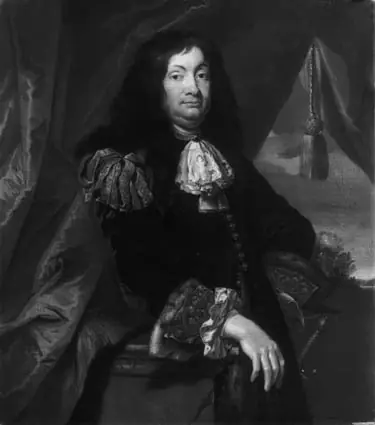 The Flemish Painter Anthoni Schoonjans
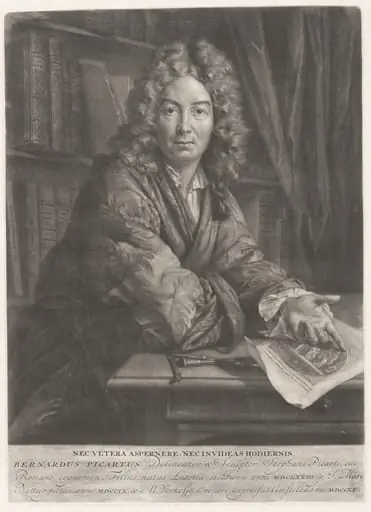 Bernard Picart
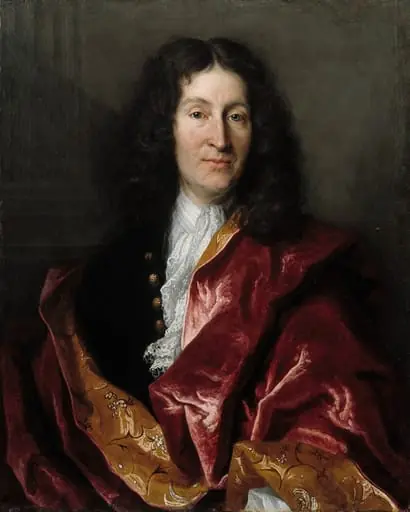 Jean de La Fontaine (?)
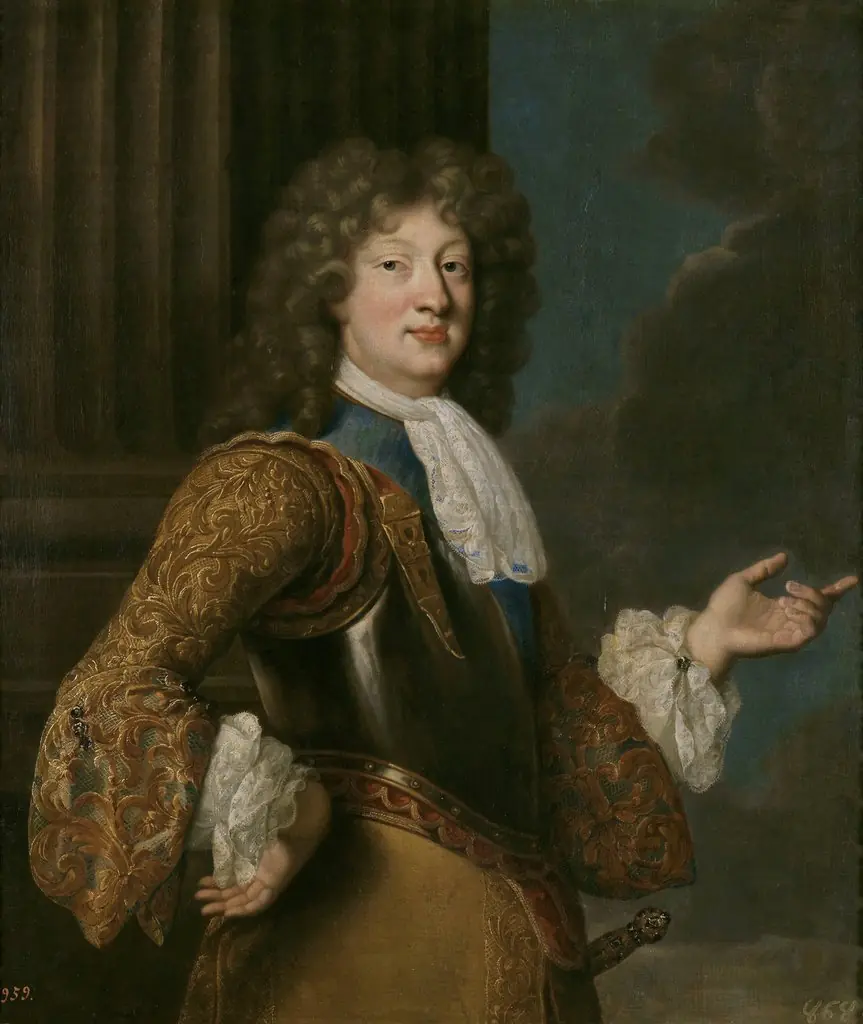 Louis of France the Grand Dauphin
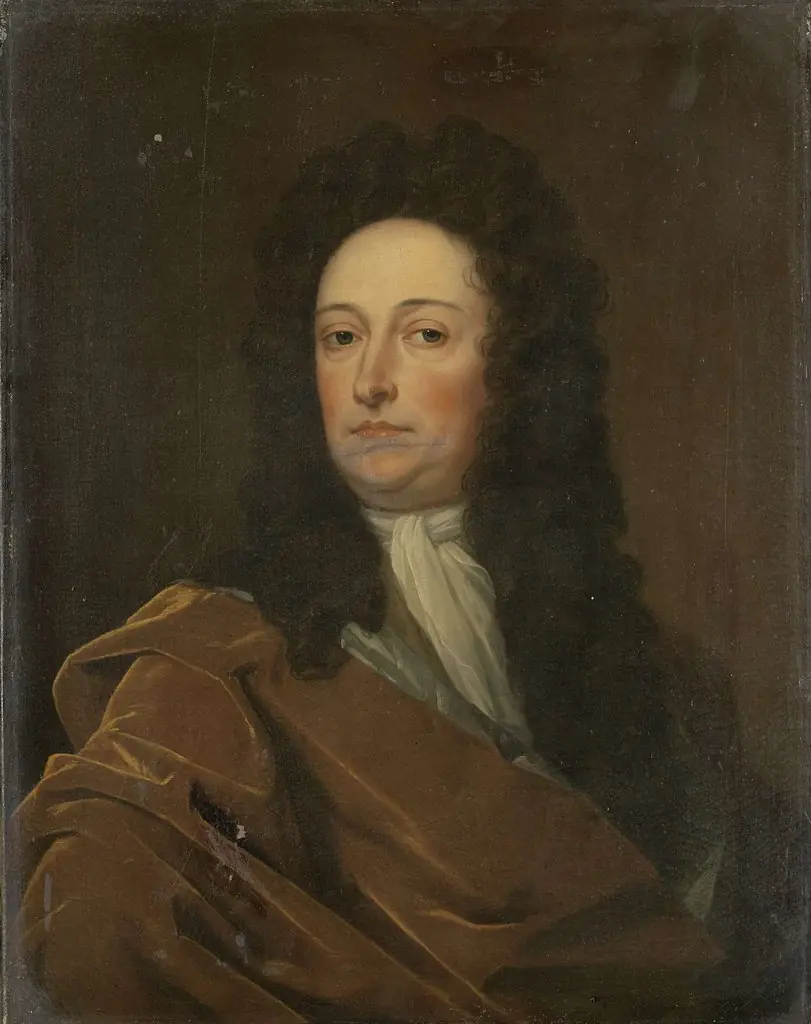 Aernout van Citters (1633-96), Ambassador of the Dutch Republic in London